Diamond Colour Explained: Why D–F Colourless Is the Velur Standard
A diamond’s colour determines whether a stone appears cool, white, and clear. At Velur, we therefore focus on the colourless range from D to F.
In a nutshell
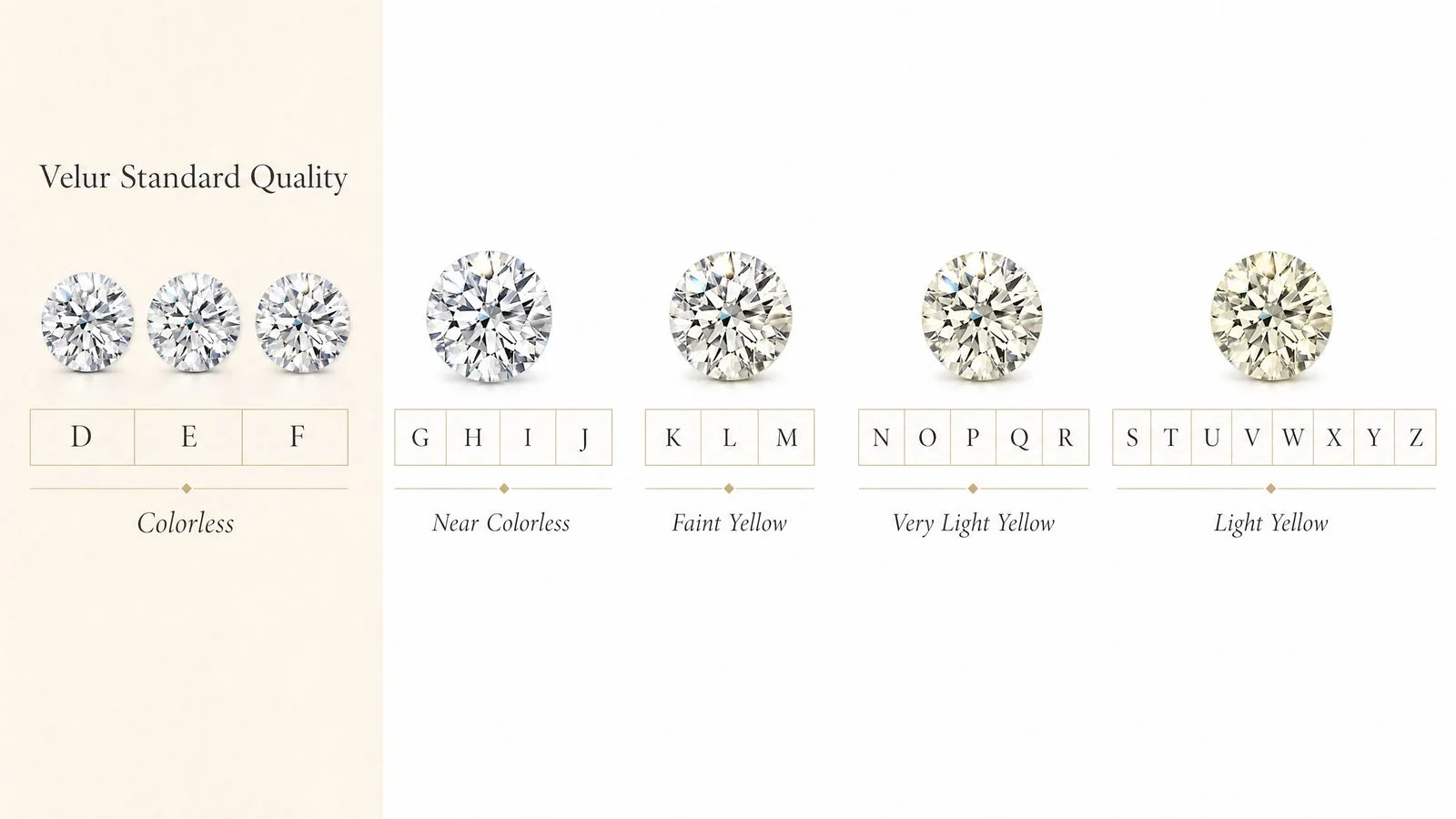
Diamond colour does not refer to vibrant hues, but rather to how colourless a white diamond appears. The international D–Z scale starts with D as the highest colour grade; D, E, and F are considered colourless. Our Velur Standard falls precisely within this range, because it gives the diamond a bright, neutral, and high-quality appearance.
What does diamond colour mean when it comes to diamonds?
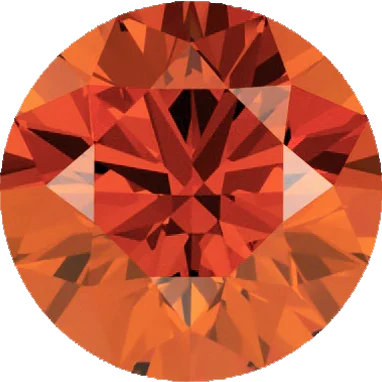
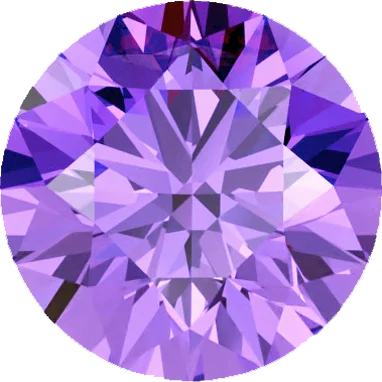
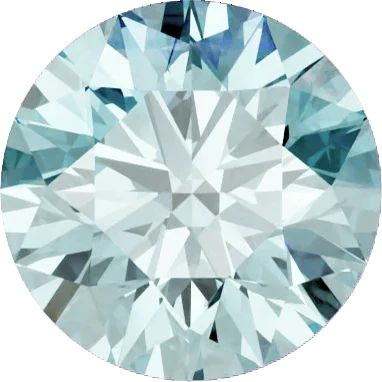
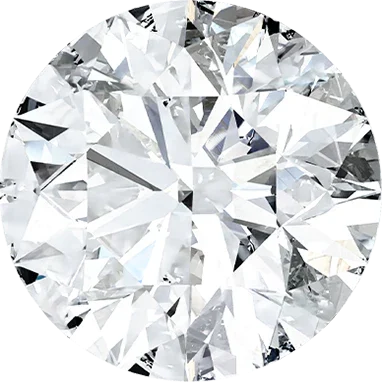
When jewellers talk about the colour of a diamond, in the case of white diamonds, they’re usually not referring to blue, pink, or champagne. They’re referring to the opposite: how little colour is visible. The more colourless a diamond is, the cooler, brighter, and purer it appears to the eye.
The best-known classification is the GIA’s D–Z colour scale. It starts with D, the highest degree of colourlessness, and ends with Z, where a distinctly warmer yellow or brown tint becomes visible. According to the GIA, D, E, and F fall into the “Colourless” category, G through J into “Near Colourless,” and the lower grades show increasing warmth.[1]
That sounds technical. In practice, though, it’s very simple: A diamond with less visible body colour appears more serene and clear in an engagement ring. This serenity is especially noticeable with larger stones.
"We don't want any gray areas when it comes to diamonds. For us, D through F is the range where the stone appears truly colourless and the design isn't altered by a warm undertone."
Why D–F Colourless Is the Velur Standard
At Velur, D through F are our standard diamond grades. Not because everyone can immediately tell the difference between E and F, but because this range provides the cleanest foundation for a high-quality engagement ring.
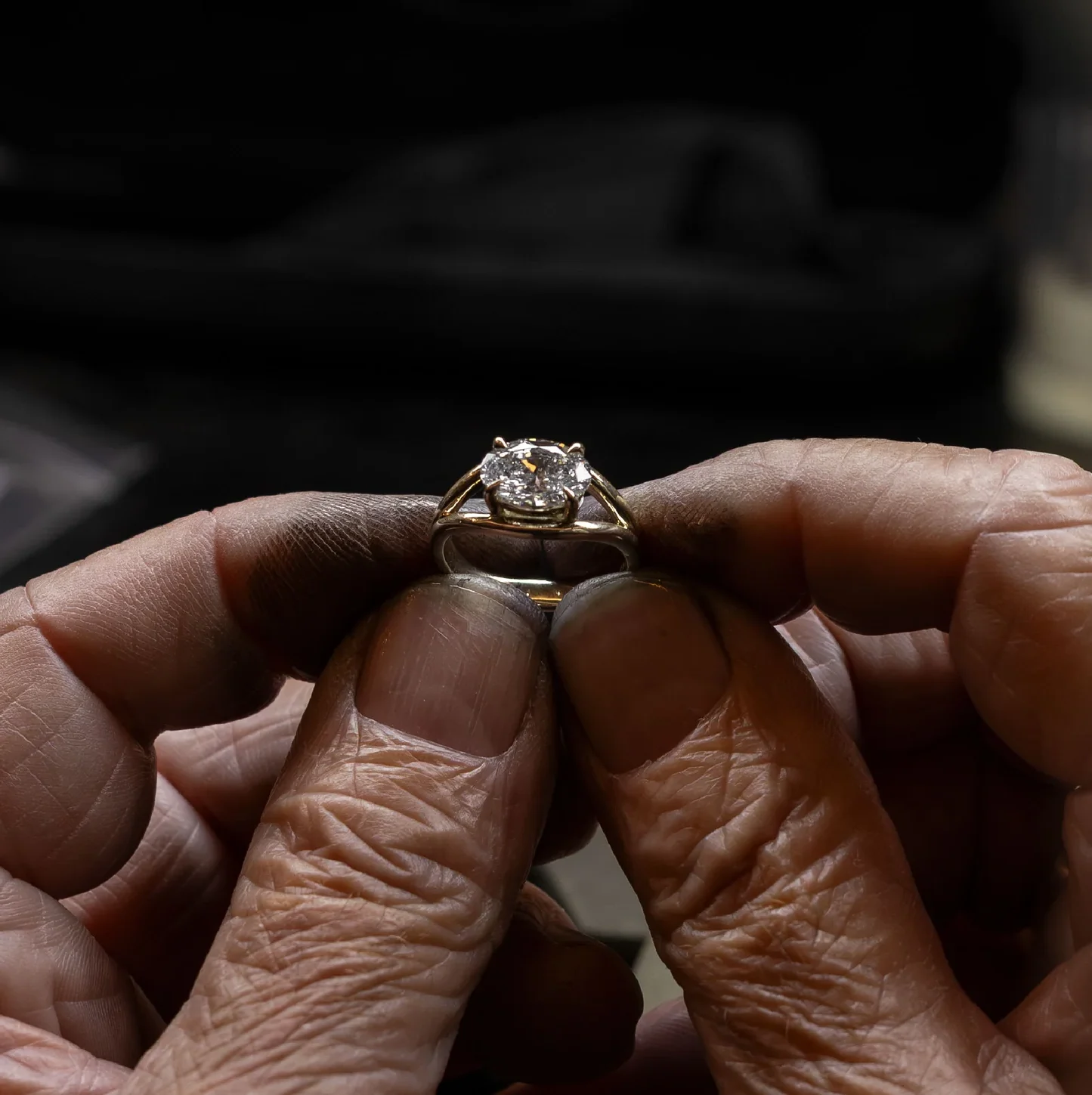
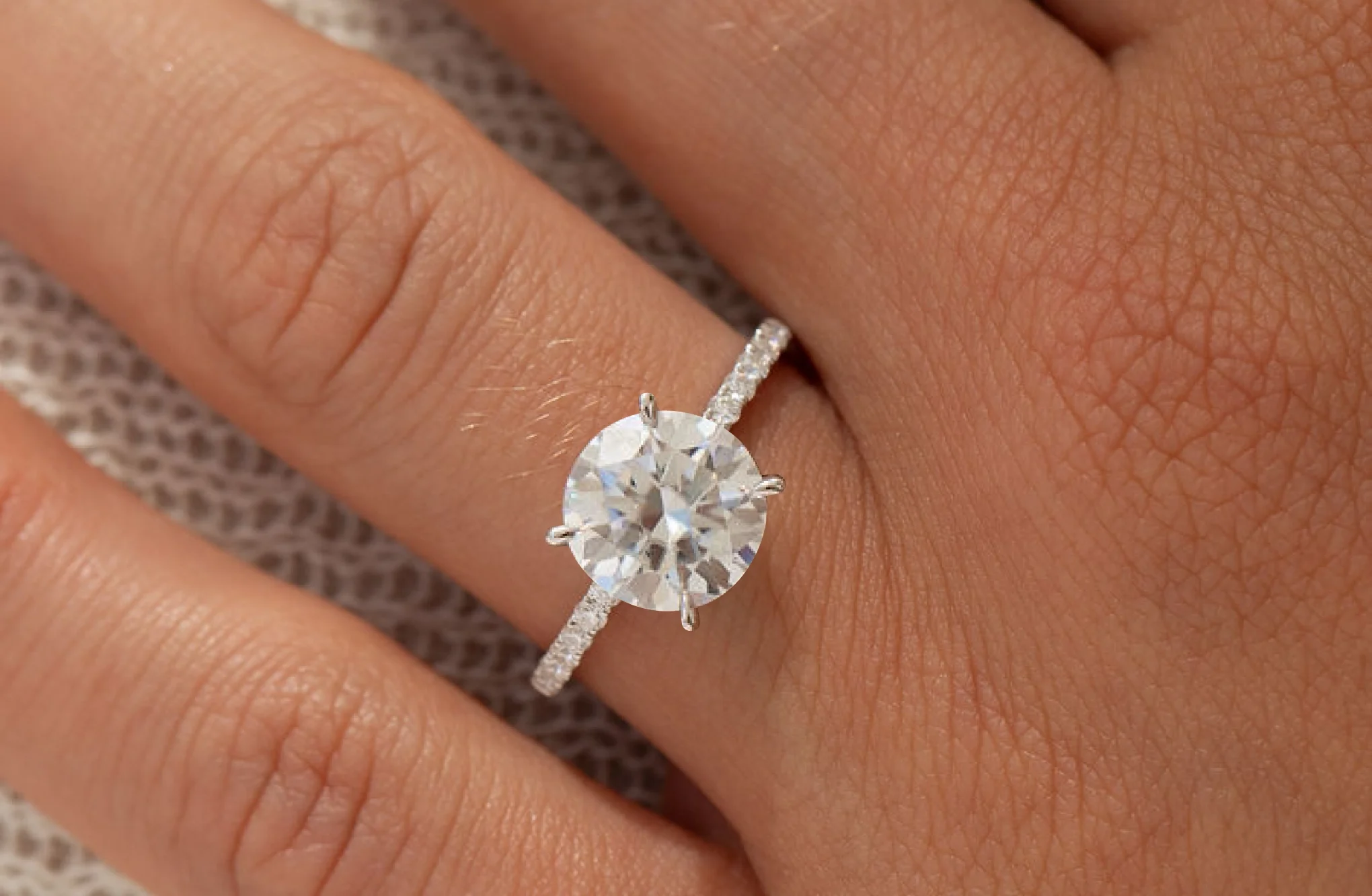
A colourless diamond doesn’t look like it’s been “painted white.” It looks neutral. That’s the point. The stone absorbs light clearly, reflects it without a visible yellow tint, and thus complements almost any ring design. Yellow gold looks softer, white gold and platinum remain cool, and rose gold isn’t paired with an unintentionally warm-toned stone.
To be honest: If you're looking for an engagement ring with a very clean, modern look, you can't go wrong with a D–F. Not louder. Not flashier. Just cleaner.
The D–Z Colour Scale Explained Simply
The scale deliberately does not start with A, B, or C. The GIA established D as the starting point to replace earlier, inconsistent designations. Since then, D has been the highest colour grade for colourless diamonds.[1]
Here's how to read the scale:
| Colour Grade | Category | Impact in the Ring | Velur's Assessment |
|---|---|---|---|
| D, E, F | Colourless | Very clear, white, neutral | Our Diamond Standard |
| G, H, I, J | Nearly Colourless | Often still bright, but warmer in some areas | This might be a good option if budget is a priority |
| K, L, M | Faint Yellow | Heat is becoming more visible | For intentionally warm looks, not for our standard |
| N–R | Very Light Yellow | A much warmer impression | Only if that exact tone is what you're looking for |
| S–Z | Light Yellow | Yellowish body colour clearly visible | No Velur Standard for Classic Engagement Rings |
Important: Colour is not the same as sparkle
A colourless stone isn't automatically brilliant. The cut is what makes the difference. Colour describes the stone's base tone, while the cut describes how well it reflects light. For a ring that really makes an impression, both factors must be just right.
Can you really see the diamond's colour in the finished ring?
Sometimes, yes. Sometimes, hardly at all. It depends on four things: size, cut, setting, and metal colour.
With small stones, colour is often harder to discern. With larger centre stones—especially those weighing about one carat or more—the base colour becomes more visible. Elongated cuts such as oval, emerald, radiant, or marquise can also reveal colour somewhat more clearly than a well-cut round brilliant, because they have larger facet surfaces.
Then there’s the metal. Yellow gold can get away with a slight warm tone because the setting is warm anyway. White gold and platinum are more austere; a yellowish undertone stands out more quickly there. Rose gold falls somewhere in between.
If you're torn between two stones, prioritize cut and proportions first. Then, stick with a D–F colour grade if you want the cleanest look. For oval, emerald, and radiant cuts, we wouldn't go too low on the colour grade.
Our recommendation: D–F for the cleanest look
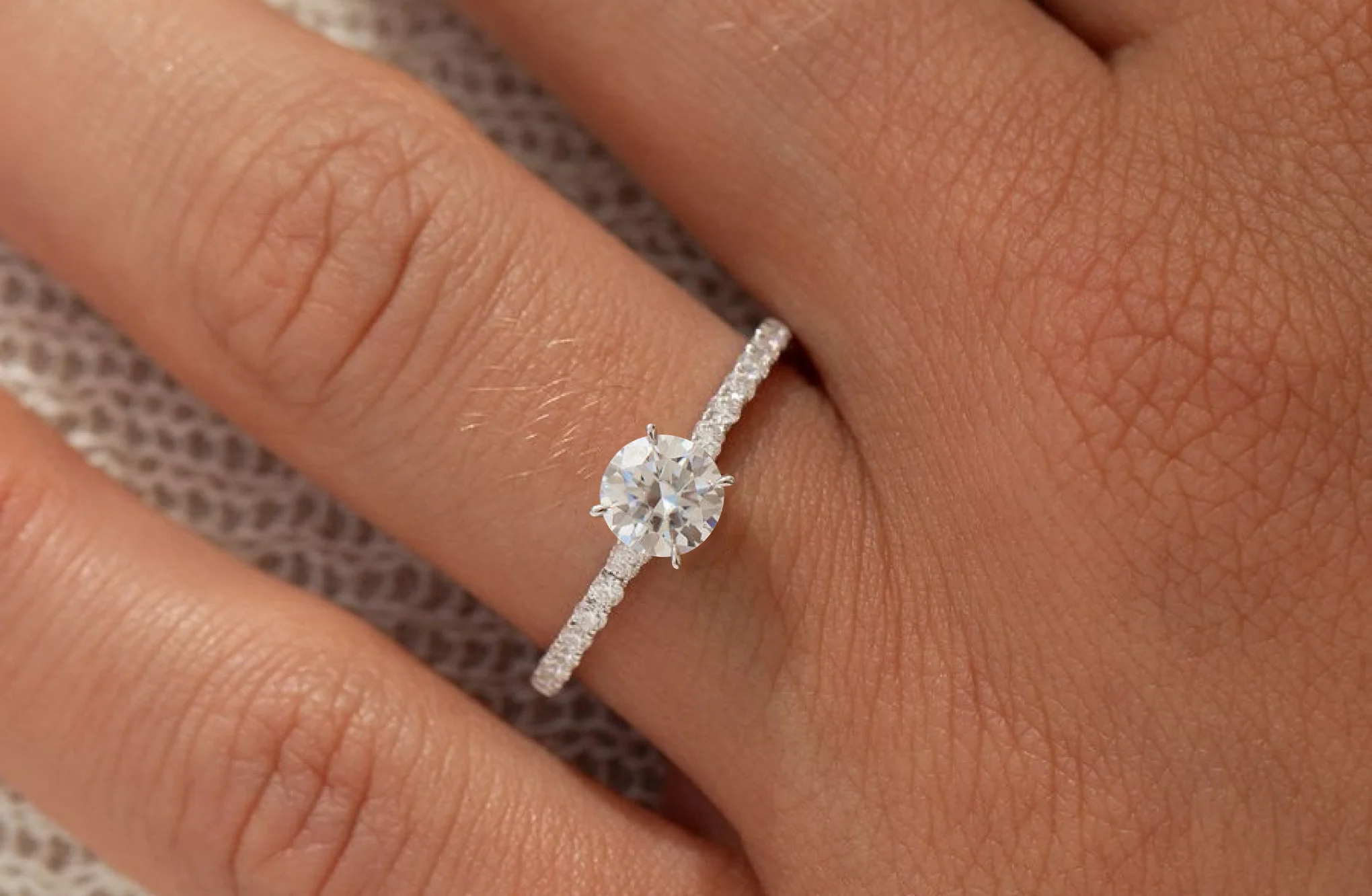
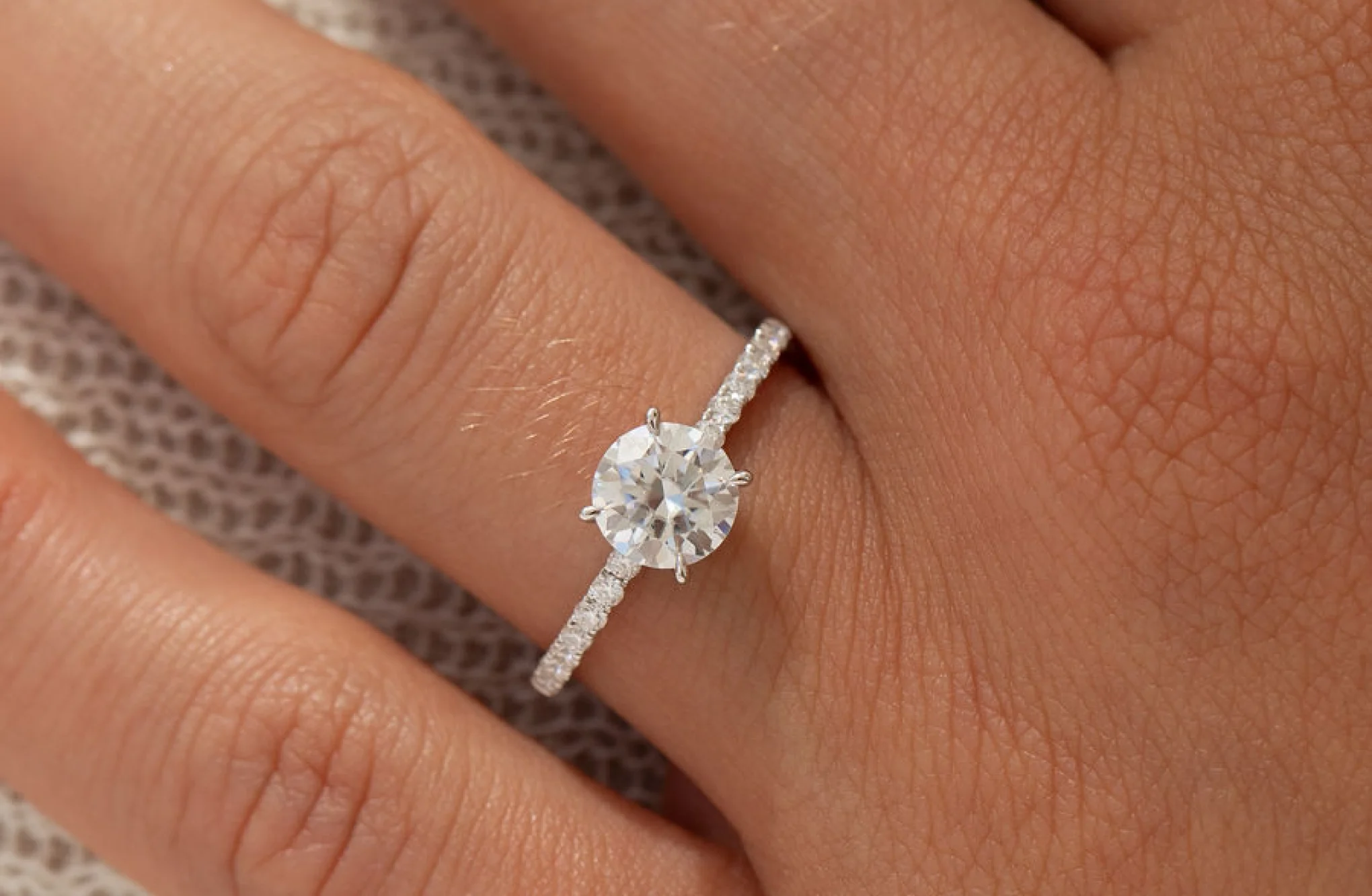
With engagement rings, it’s rarely just about a lab rating. It’s about how it looks on your finger. That’s exactly why we like D–F: The stone looks clear without needing any explanation.
G or H may be a reasonable choice in certain cases. For example, if the stone is smaller, the setting is made of yellow gold, or the budget is very tight. But if you want the ring to look very high-quality, D–F is the safer choice.
We notice one thing above all else among our customers: Once you see a colourless stone next to a warmer-toned stone, you understand the difference more quickly than any chart could explain. D–F simply feels cleaner.
Who is D–F the right choice for?
For anyone who wants an engagement ring that doesn't look yellowish, creamy, or like a compromise. If you're looking for a cool, clear sparkle, D–F is the range where you should start.
Sources and Context
[1] Gemological Institute of America: GIA 4Cs: Diamond Colour. The source describes the D–Z colour scale and classifies D–F as "colourless."
[2] Gemological Institute of America: Updated Laboratory-Grown Diamond Services. The source shows that colour, clarity, and cut remain key quality criteria in the evaluation of laboratory-grown diamonds as well.
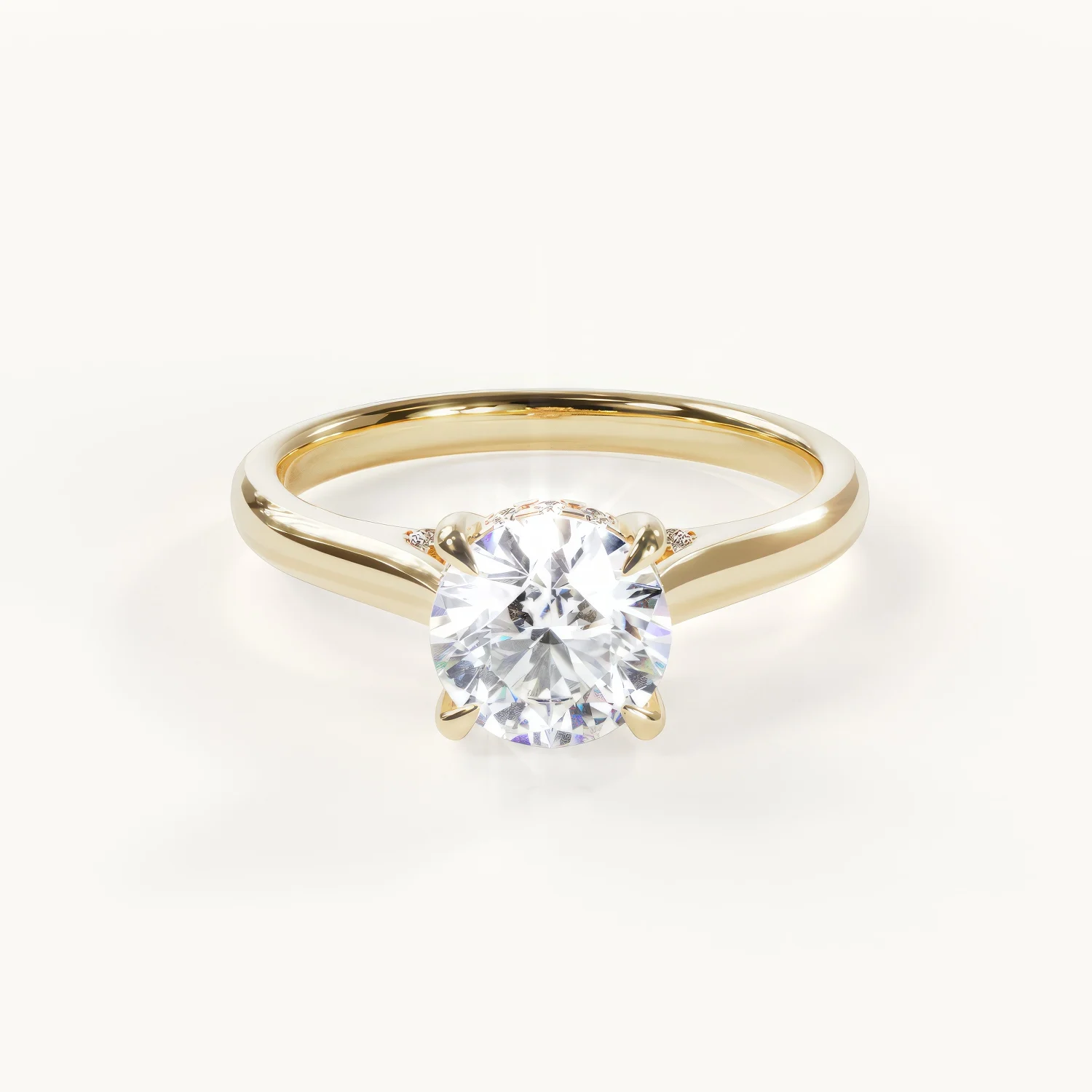
Clarté – Cathedral Round-Cut Solitaire
A classic round cut with a clear, bright presence. A timeless choice for anyone who appreciates maximum brilliance.
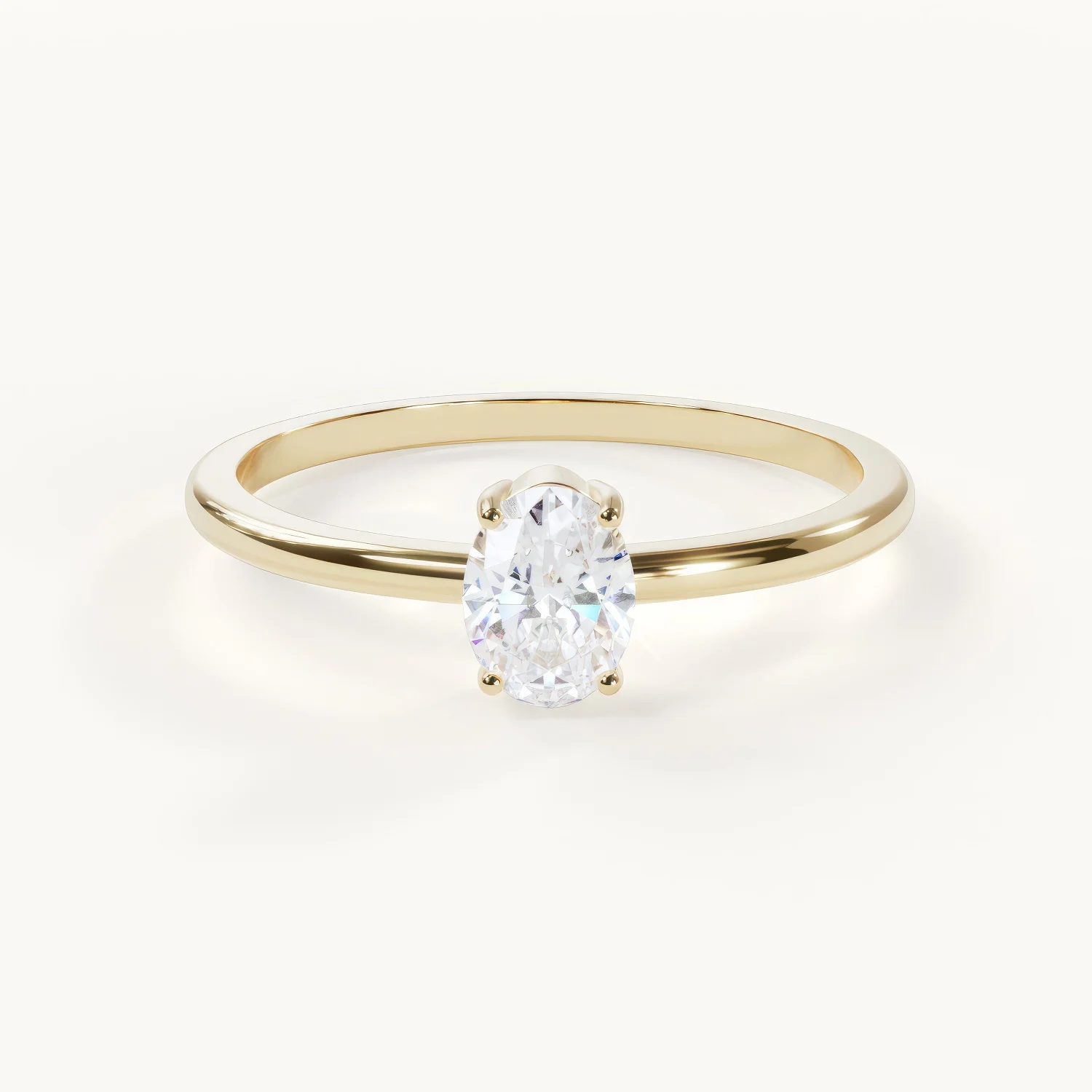
Aveline – Oval Solitaire Ring
A minimalist oval solitaire in which a colourless centre stone appears understated and elongated.
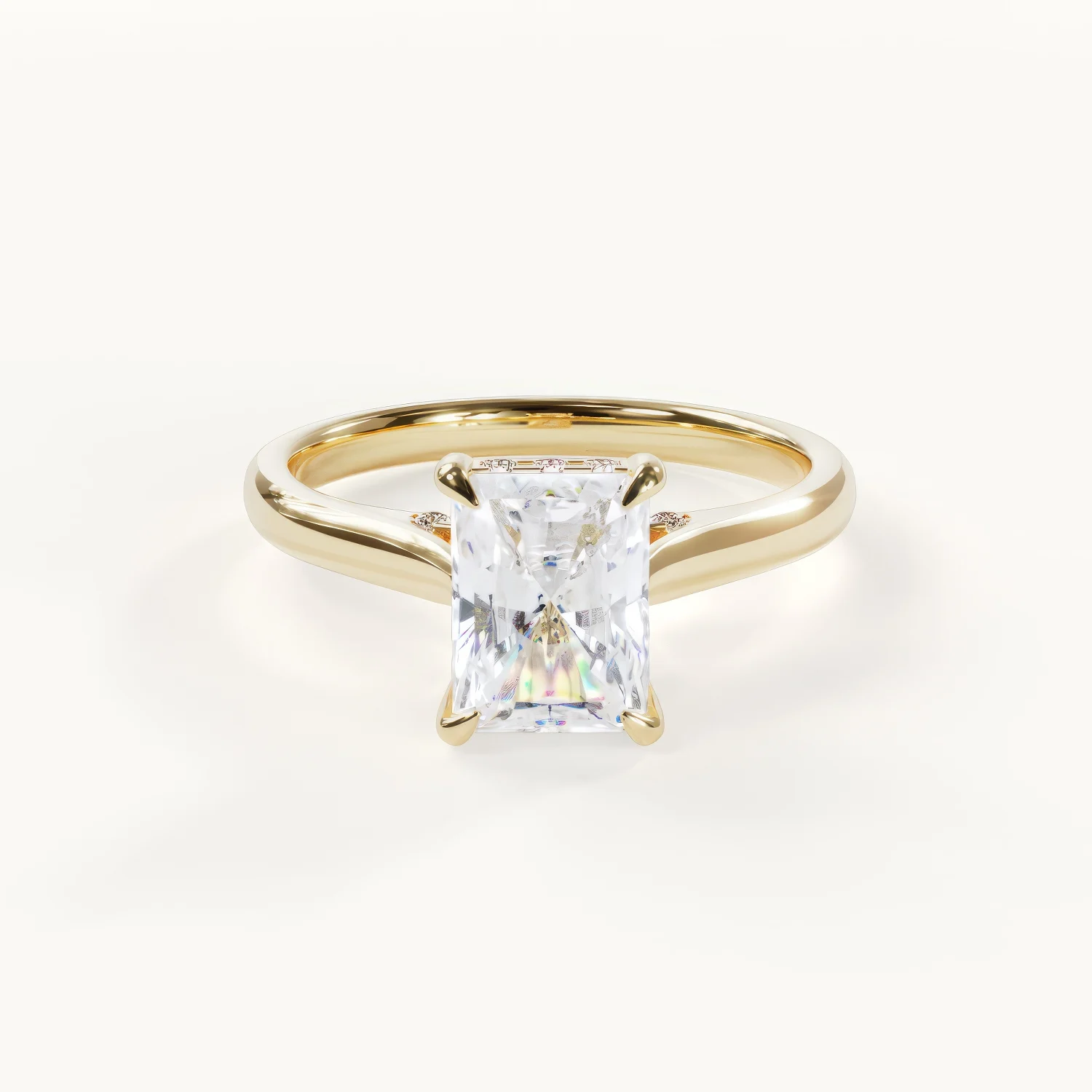
Rayonne – Cathedral Radiant Solitaire
Radiant cuts reveal the surface. That is exactly why a very clear colour standard is essential here.
Frequently Asked Questions (FAQ)
Which diamond colour is the best?
On the D–Z colour scale, D, E, and F are considered colourless. For engagement rings, this range is the safest choice if you want the diamond to appear very clear, white, and high-quality.
Is D better than F?
D is the highest colour grade. However, in a set engagement ring, the difference between D, E, and F is barely noticeable to most people. That is why we consider D–F collectively as our colourless quality range.
Why does Velur use D–F as the standard?
D–F reduces visible heat in the stone and pairs well with yellow gold, white gold, and platinum. The diamond appears neutral, bright, and very clear, regardless of the ring's design.
Can you tell the difference between F and G?
G is already in the near-colourless range. The difference is often subtle, but it can become more noticeable with larger stones or certain cuts. If you want a colourless appearance without compromise, stick with D–F.
Is a diamond's colour more important than its cut?
No. The cut usually has a greater impact on brilliance and fire than the colour does. For the best overall appearance, cut quality and colour should be considered together.
Discover engagement rings featuring colourless diamonds
If you're unsure about colour, cut, or carat weight, we'll help you right away. No pressure, no technical jargon.