



Are Lab-Grown Diamonds Real Diamonds? 10 Facts You Should Know
Debunking myths with facts, sources, and the perspective of a jeweller who works with both on a daily basis.

In a nutshell
Yes, lab-grown diamonds are real diamonds. They are made of the same material (crystallized carbon), have the same hardness (10 on the Mohs scale), the same refractive index (2.42), and the same brilliance. The FTC officially confirmed this in 2018. The only difference is that lab-grown diamonds are created in weeks rather than billions of years.
“But is that a real diamond?” We hear this question several times a week at Velur. It’s usually asked by couples who are in the process of choosing an engagement ring and are hearing about lab-grown diamonds for the first time.
The short answer: Yes. The long answer: Here are 10 facts that prove it—with sources, numbers, and no marketing jargon.
Chemically identical to natural diamonds
A lab-grown diamond consists of pure crystallized carbon in a cubic crystal structure. Just like a natural diamond. No zirconia, no moissanite, no “diamond-like material.” Pure carbon, arranged in an identical pattern.
Here's what that means in practical terms: If you examine a lab-grown diamond and a natural diamond under an electron microscope, you'll see the same atomic structure. No scientist in the world could tell, based on their chemical composition, which one was created in a lab and which one formed deep within the Earth.
The FTC officially confirmed it in 2018
The U.S. Federal Trade Commission—the top consumer protection agency in the United States—revised its Jewellery Guides in 2018. As a result, the word “natural” was removed from the official definition of a diamond. A diamond is a diamond, whether it comes from the earth or a laboratory.
That was no minor update. The FTC’s definition is considered the international standard for the jewellery industry. Anyone who claims today that lab-grown diamonds are “not real diamonds” is contradicting the official regulation.
Source: FTC Jewellery Guides
Hardness 10 on the Mohs scale—just like any diamond
Mohs 10. The hardest natural material on Earth. And laboratory-grown diamonds have exactly the same hardness. Why? Because hardness depends on the crystal structure—not on where the stone was formed.
In practice, this means your lab-grown diamond ring can withstand everyday wear and tear just as well as a ring with a natural diamond. No scratches from keys, doorknobs, or kitchen work. After 30 years, it will look just as good as it did on the first day.
Pass any commercially available diamond tester
Diamond testers measure a stone’s thermal conductivity. Diamonds conduct heat extremely quickly—which sets them apart from imitations such as cubic zirconia or glass. And because lab-grown diamonds have the same thermal conductivity as natural diamonds, they pass every test.
Even newer testers, which also measure electrical conductivity, cannot distinguish between laboratory-grown and natural diamonds. The diamond tester simply says, “Diamond.” That’s all.
Can only be distinguished using special equipment
Here's where it gets technical. Most natural diamonds contain traces of nitrogen (Type Ia). Most lab-grown diamonds are nitrogen-free (Type IIa). This difference can be measured using a UV fluorescence spectroscope.
However, Type IIa diamonds also occur in nature—they are even considered the purest and most valuable. A Type IIa result alone does not prove that a stone comes from a lab. It requires a combination of several analyses.
What Your Friends and Family See
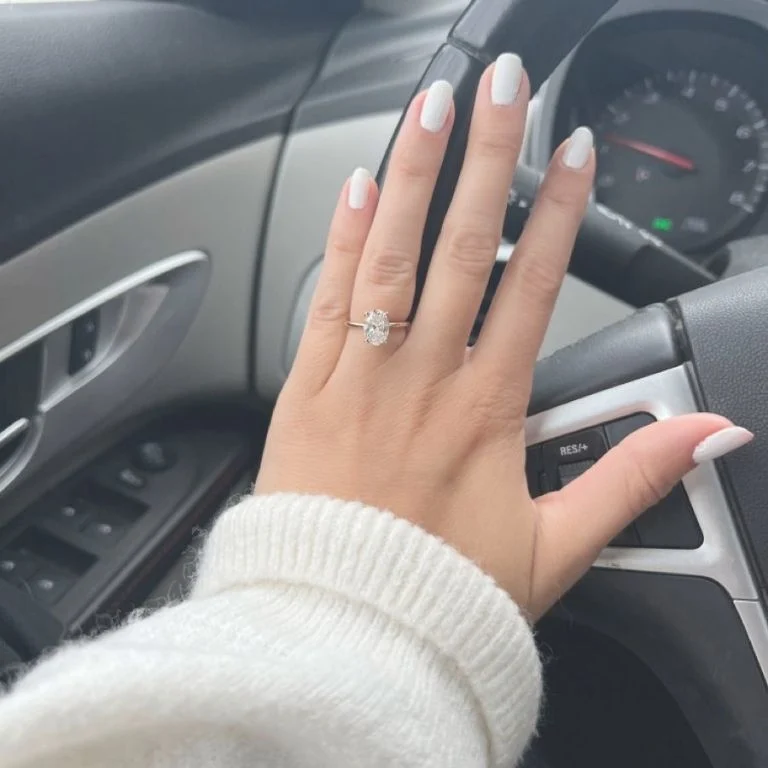
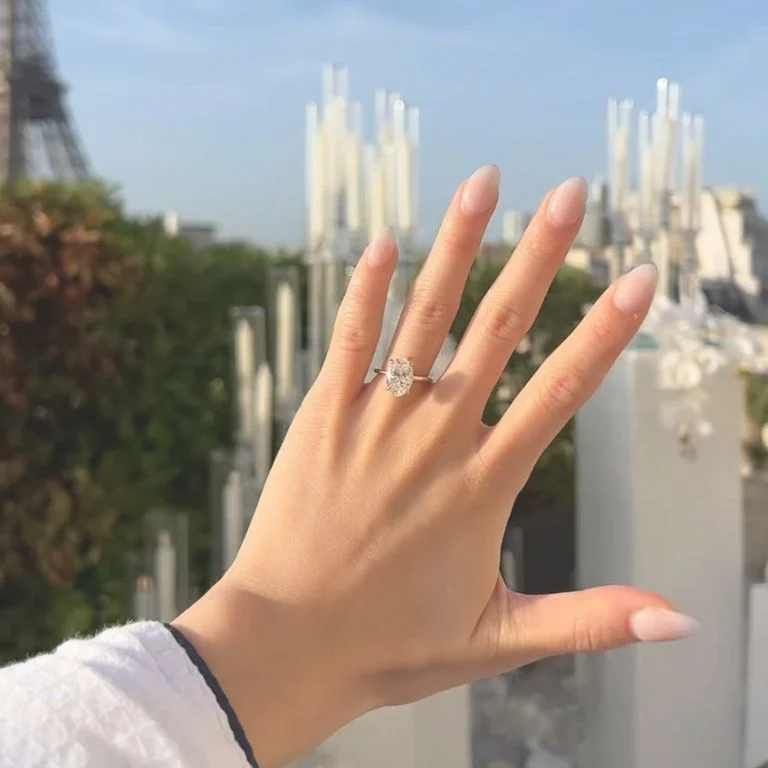
Nothing. No difference. We've seen this with hundreds of customers: No one—and I mean no one—has ever been able to tell just by looking at a finger whether the stone came from a lab or from the earth. What they see is a sparkling diamond.
Certified by IGI and GIA
The world's two leading gemological institutes—IGI and GIA—certify lab-grown diamonds. IGI holds the largest market share in lab-grown diamond certifications, at around 65%.
An IGI certificate evaluates the same set of criteria as for natural gemstones: carat weight, colour, clarity, and cut (the 4Cs). The certificate gives you assurance about the exact quality of your gemstone—regardless of its origin.
Exciting news: GIA has announced that it will change the way it grades lab-grown diamonds starting in 2025. Exactly what this means is still unclear. For now, IGI remains the most reliable standard. At Velur, all stones 0.5 carats and larger are certified.
60–86% cheaper than natural diamonds
The price difference is enormous. A 1-carat lab-grown diamond of good quality (G/VS2) costs between €700 and €1,400 in Germany. A natural diamond with identical specifications costs between €4,500 and €9,000.
Why are they so affordable? Because production is scalable. Natural diamonds are limited by geological deposits—lab-grown diamonds are not. As production capacity increases, prices fall. In the last quarter alone, lab-grown diamond prices fell by another 3–5%.
What many people don't know is that the quality isn't any worse. On the contrary—because the conditions are controlled, lab-grown diamonds often have fewer inclusions than natural stones in the same price range.
They never lose their brilliance
A persistent myth: “Lab-grown diamonds become cloudy over time.” Wrong. Completely wrong.
A diamond’s brilliance depends on two things: its cut and its hardness. Both are identical in lab-grown diamonds and natural diamonds. A Mohs hardness of 10 means that nothing in everyday life can scratch this stone. And an “Excellent” cut will refract light just as well after 50 years as it did on the day of purchase.
What can happen: Soap scum or lotion residue can temporarily make the stone look duller. However, this does not indicate a loss of quality—a quick cleaning with warm water and a soft brush is all it takes.
A Growing Market—Even in Germany
The German lab-grown market reached a volume of 1.6 billion euros in 2024. Annual growth stands at 12.8%. By comparison, the overall jewellery market is growing by about 3–4% per year.
What this means for you: Lab-grown diamonds are no longer a niche product. They’re mainstream. Major jewellery retailers like Pandora have already switched entirely to lab-grown diamonds. And here at our store—a jeweller that offers both moissanite and lab-grown diamonds—we see this trend every day: More and more couples are consciously choosing lab-grown diamonds.
No Mining, No Conflicts
Lab-grown diamonds are produced in controlled facilities—not in mines. This means: no destroyed ecosystems, no forced labor, and no funding of armed conflicts.
To be honest, the sustainability aspect is more complex than many marketing campaigns suggest. Production requires a lot of energy. But the ethical benefits—no child labor, no funding of conflicts, no environmental destruction caused by mining—are real and measurable.
"The question is no longer whether lab-grown diamonds are real. The question is why anyone should pay five times as much for the same stone."
Velur Editorial Team
Do you want to see the difference for yourself—or maybe not? Message us on WhatsApp, and we'll send you side-by-side photos of lab-grown and natural diamonds in the same setting. Spoiler: You won't be able to tell the difference.
Related Articles
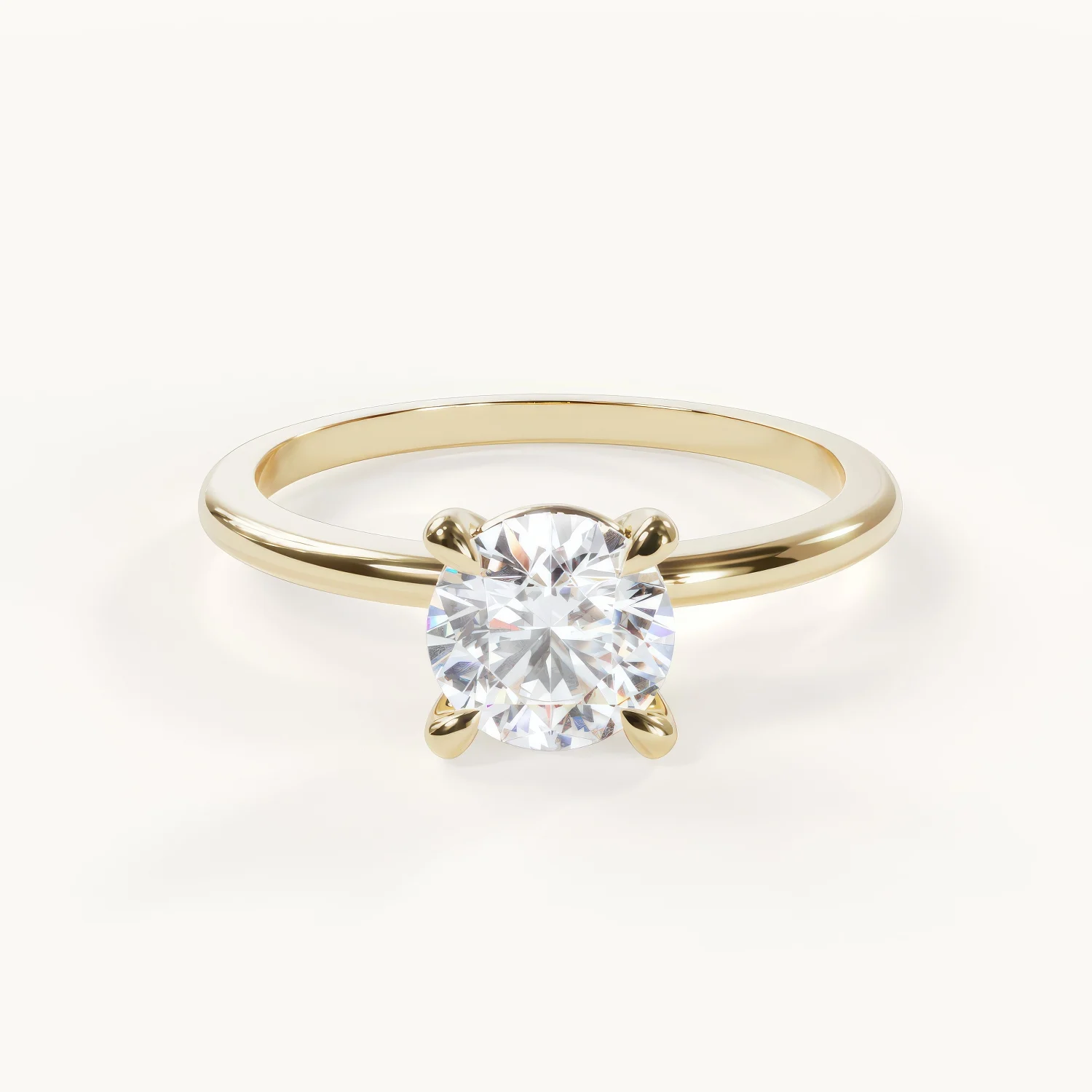
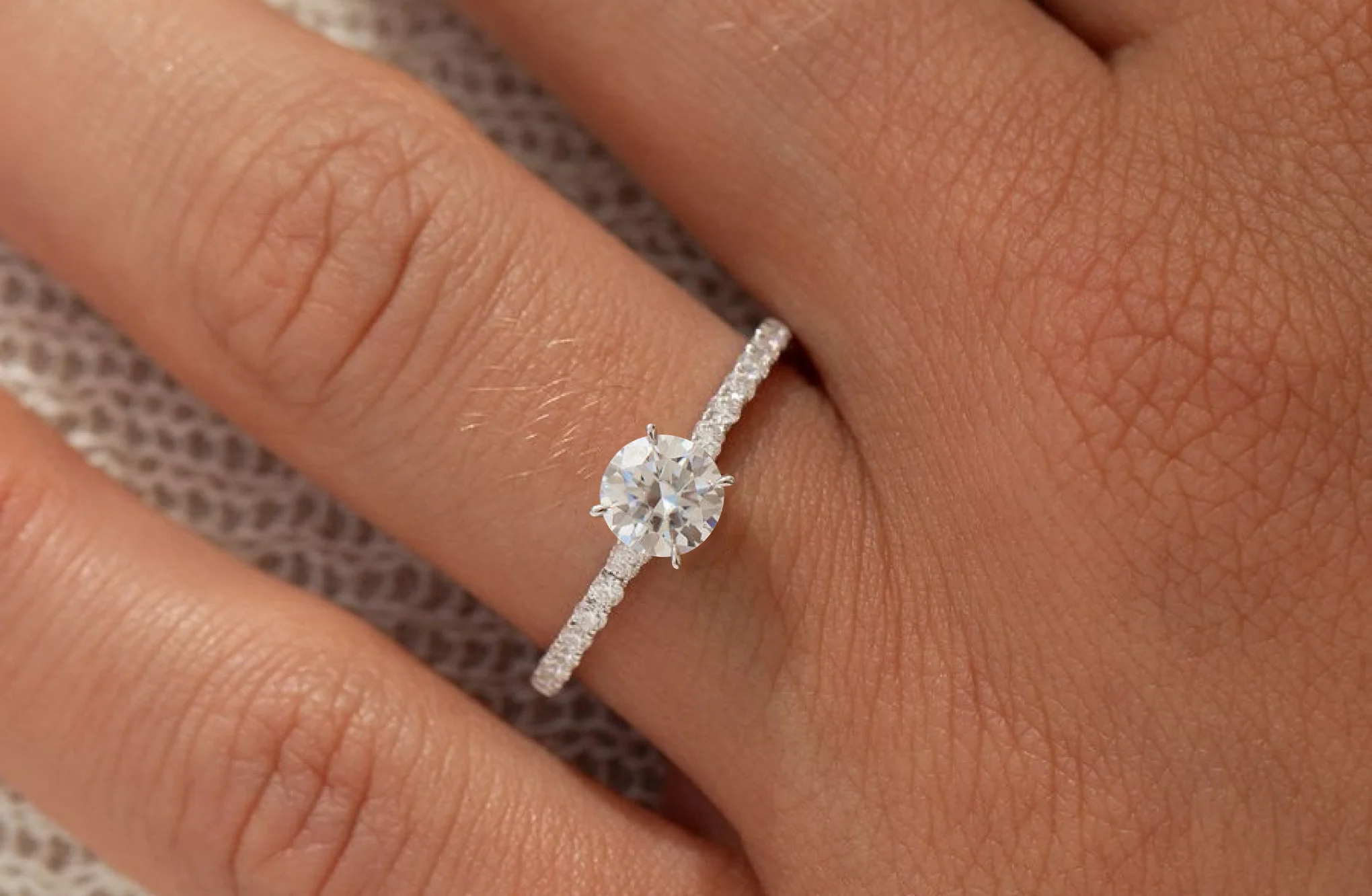
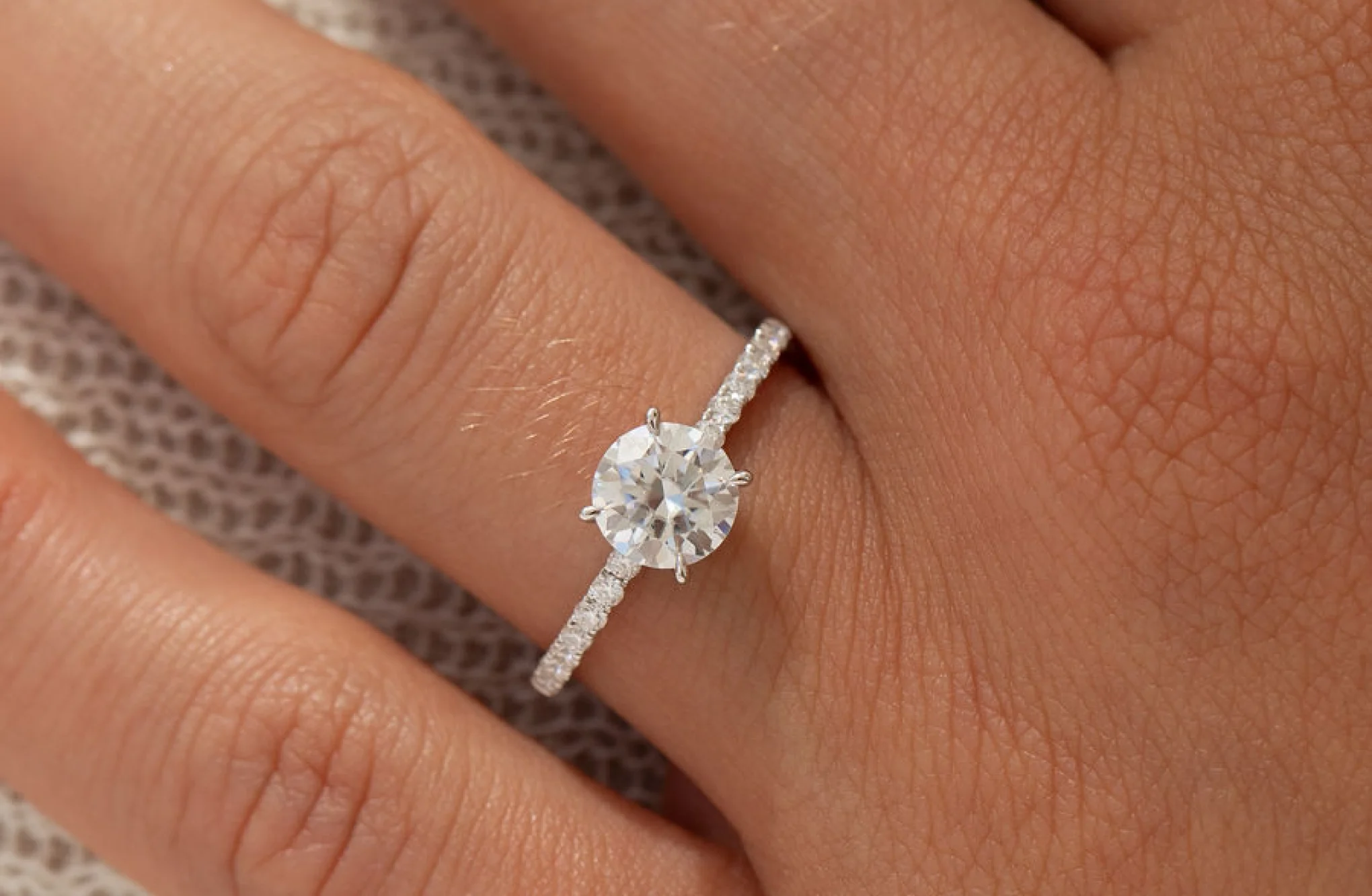
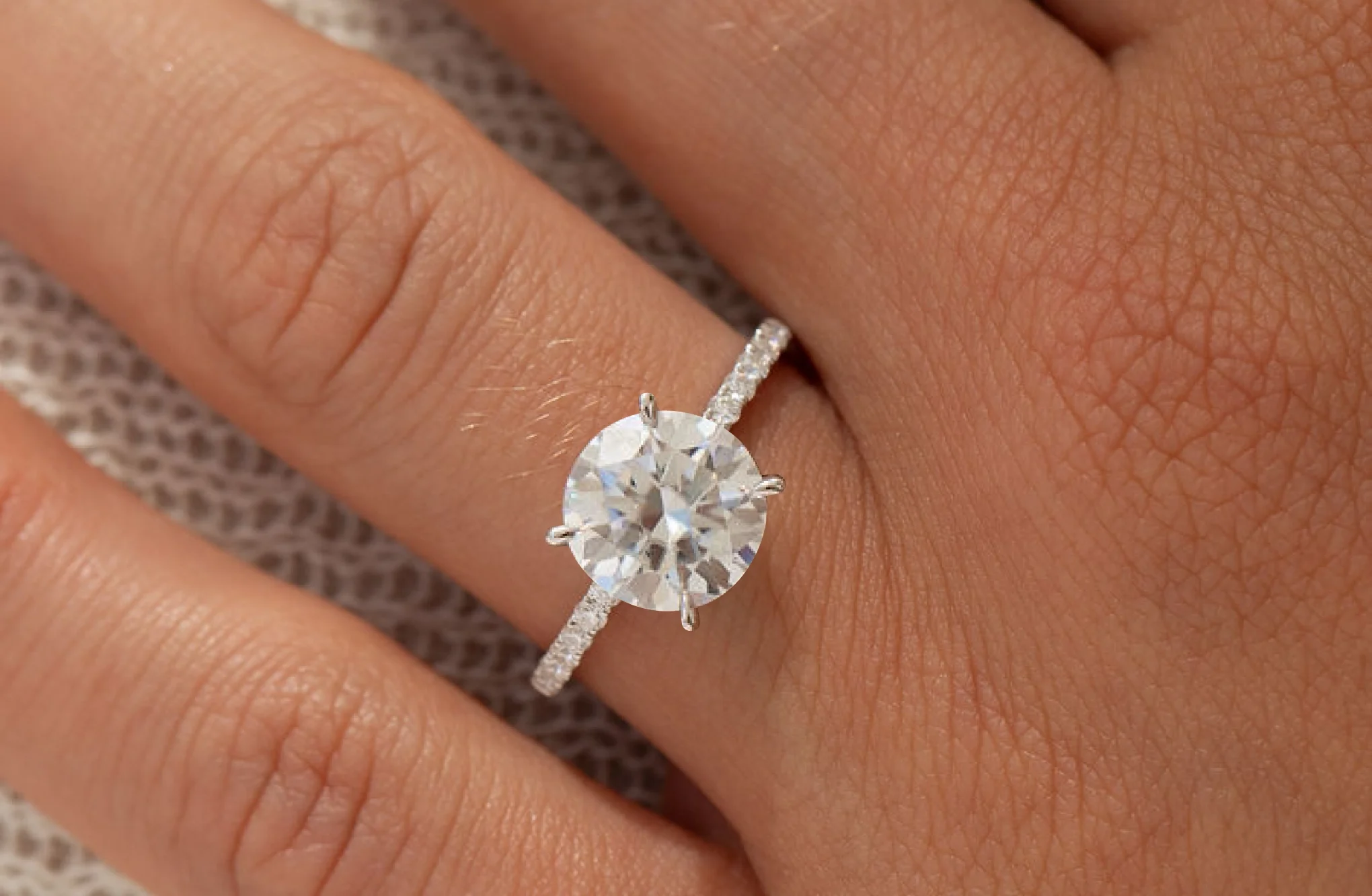
Pureté – Round-Cut Solitaire
The round cut best showcases a diamond's brilliance. Clear, direct, and unobstructed.
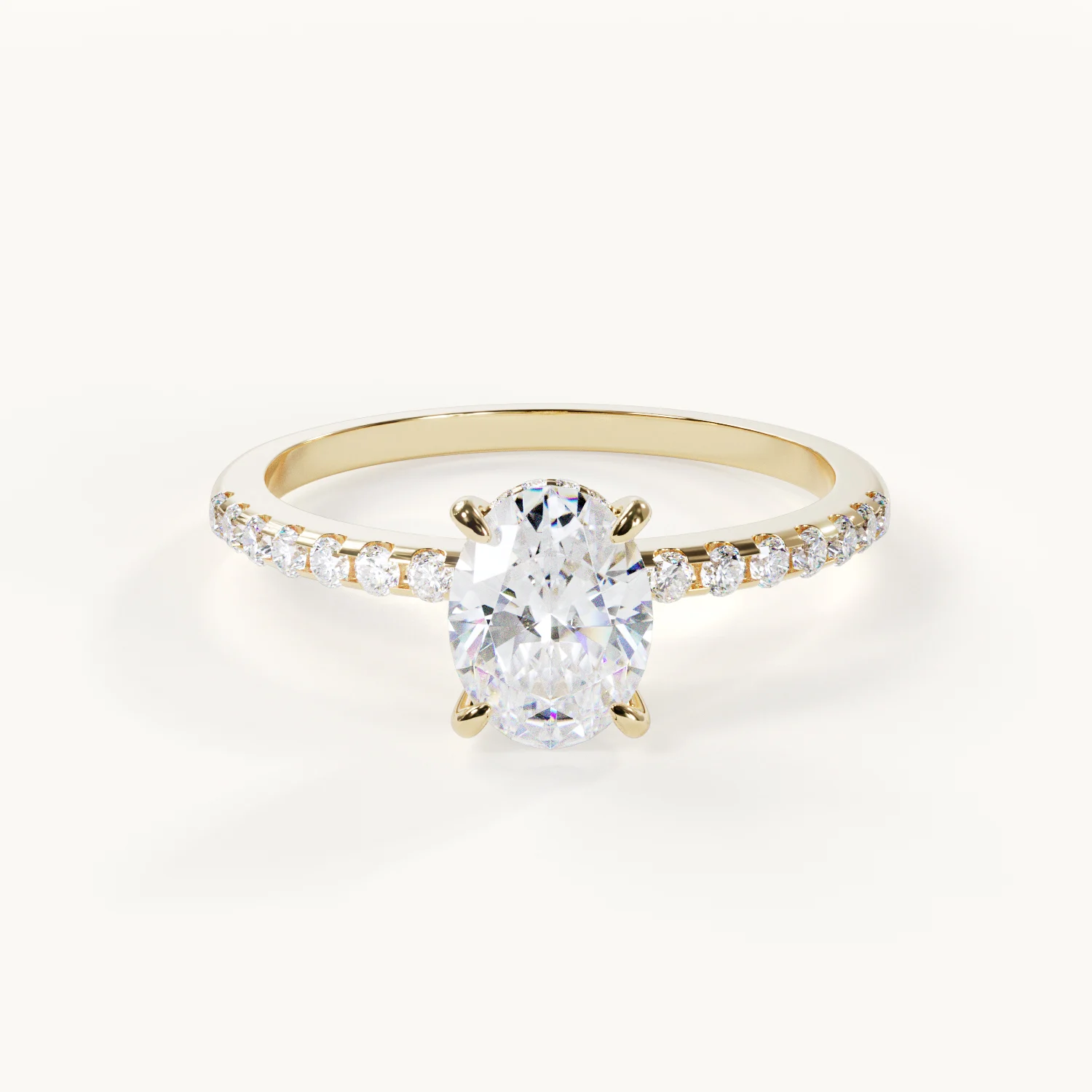
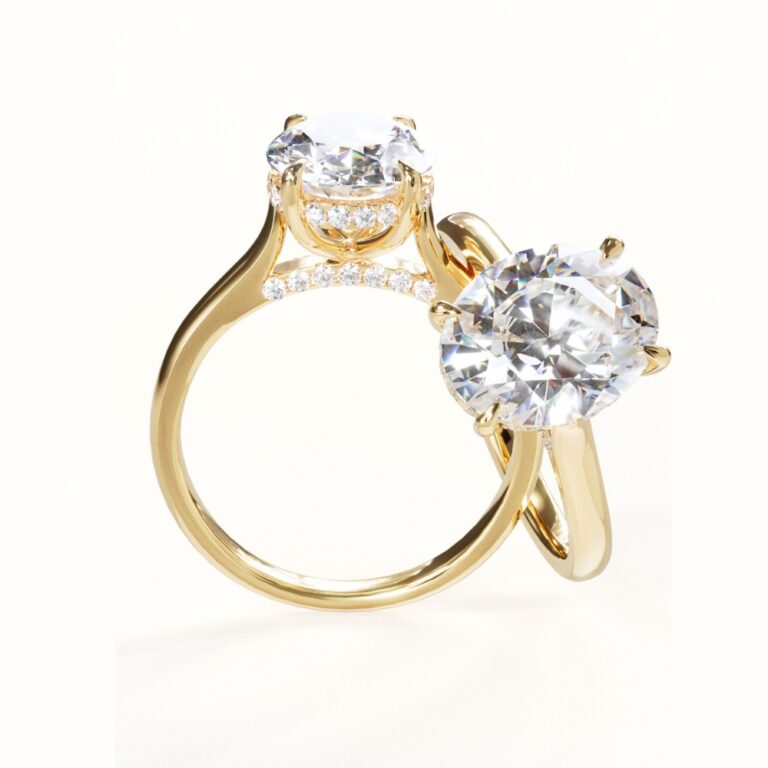
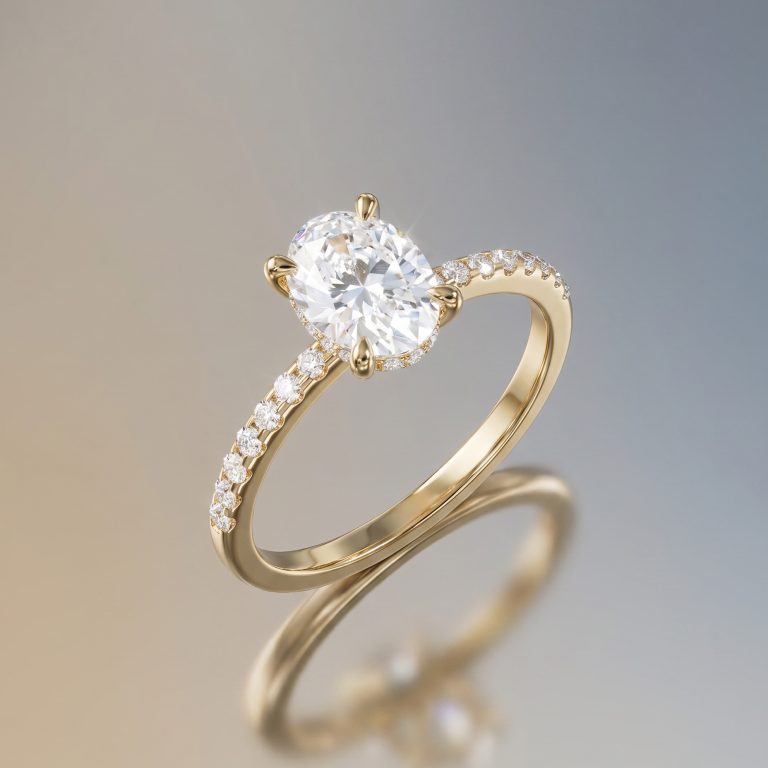
Amoura – Oval with Pavé
A hidden halo beneath the stone for extra sparkle. Our most popular design.
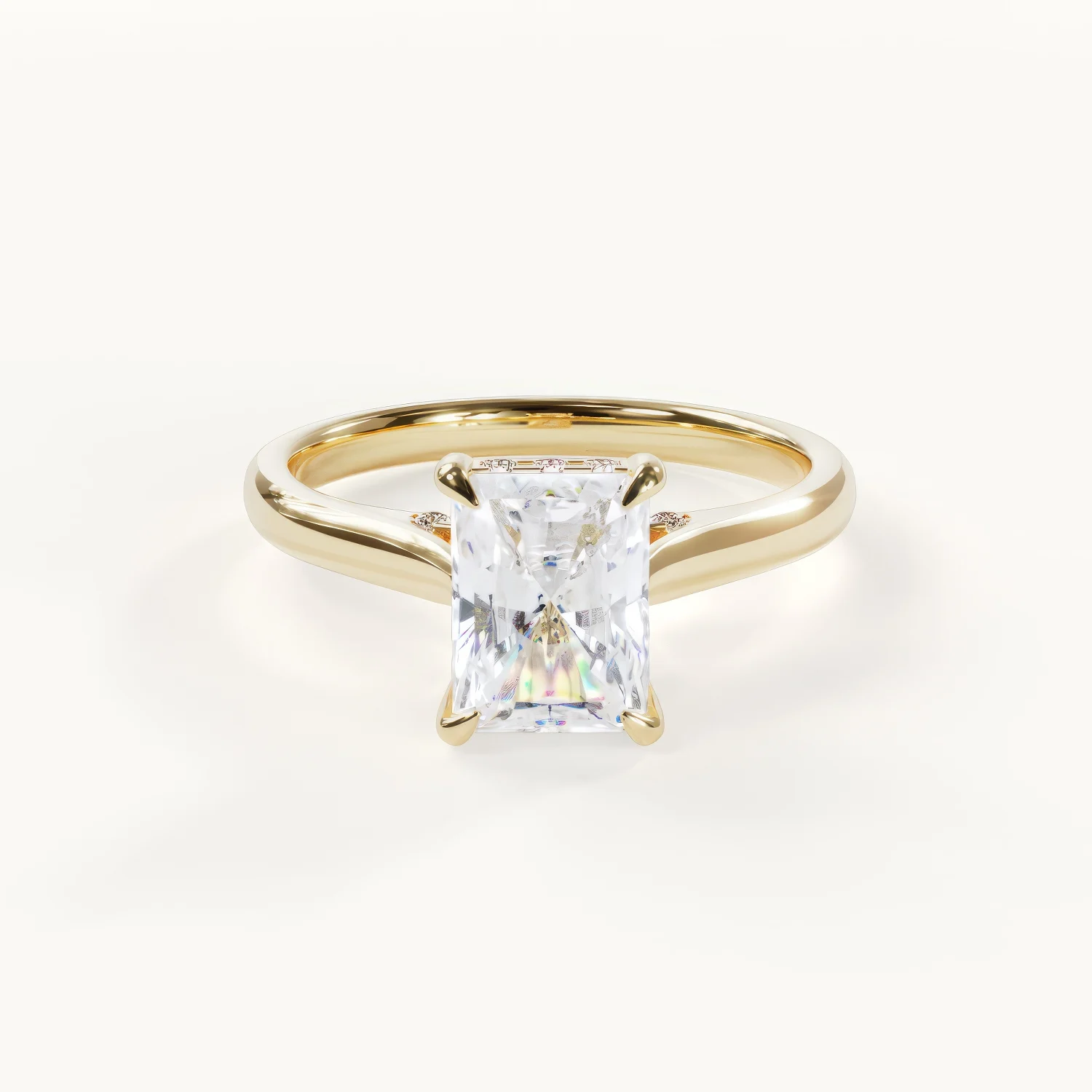
Rayonne – Radiant Solitaire
The Radiant cut combines the brilliance of the round cut with the shape of the emerald cut.
Frequently Asked Questions (FAQ)
Yes. Lab-grown diamonds are made of the same material as natural diamonds: pure, crystallized carbon. The FTC confirmed in 2018 that they are real diamonds. They have the same hardness, brilliance, and chemical composition.
No, not with the naked eye. Even experienced jewellers need a spectroscope to distinguish lab-grown diamonds from natural ones. The difference lies in the nitrogen content—not in their appearance. Read more about this in our detailed comparison.
Yes, any standard diamond tester. These measure thermal conductivity—and that value is identical for lab-grown and natural diamonds. A diamond tester cannot distinguish between the two.
No. Lab-grown diamonds have a hardness of 10 on the Mohs scale—they don't scratch and don't lose their brilliance. Temporary cloudiness caused by soap residue or lotion can be removed with a simple cleaning.
Yes. IGI and GIA certify lab-grown diamonds using the same criteria as for natural diamonds (the 4Cs). IGI holds approximately 65% of the market share for lab-grown diamond certifications. At Velur, all stones weighing 0.5 carats or more are certified.
Lab-grown diamonds cost 60–86% less than comparable natural diamonds. A 1-carat stone of good quality costs between €700 and €1,400 (compared to €4,500–€9,000 for a natural diamond). At Velur, you’ll find engagement rings with lab-grown diamonds starting at €900.







See for yourself
Real diamonds. Fair prices. Designed in Munich.