


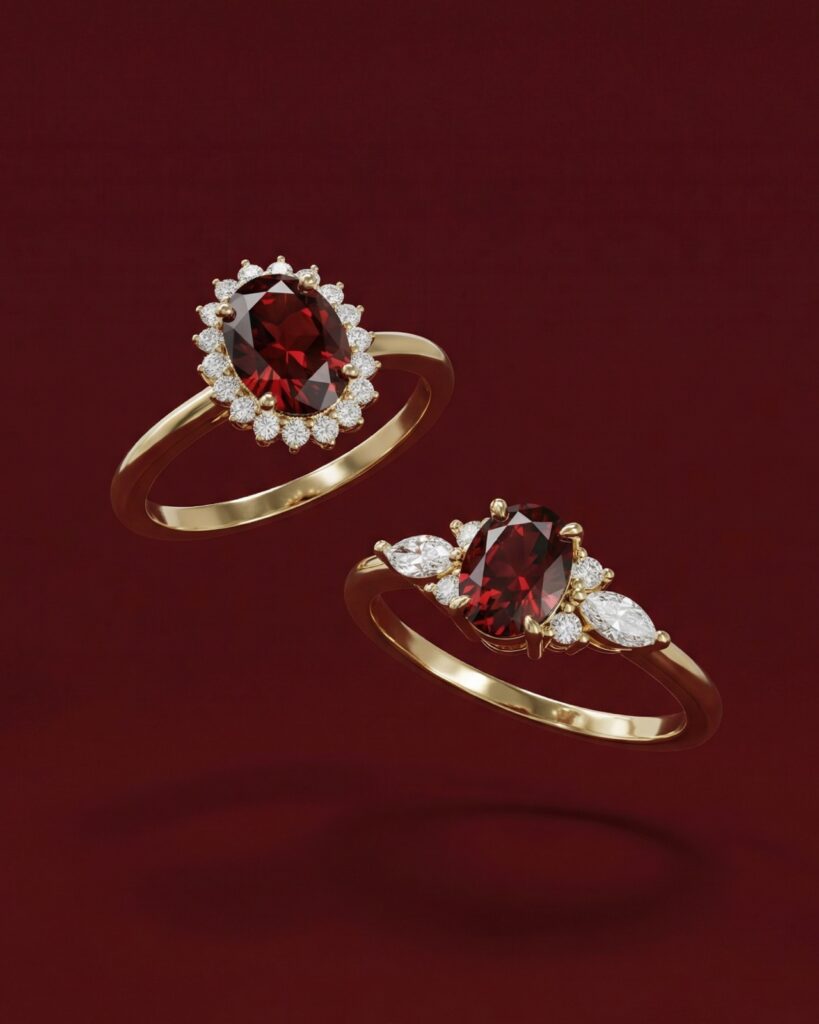
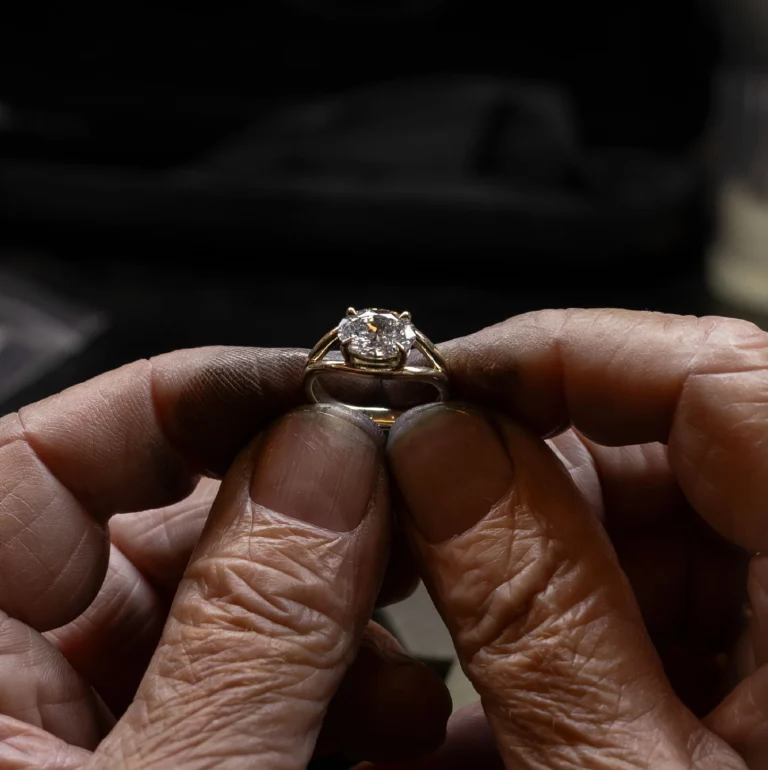
Engagement Ring Guide: Which Ring Is Really the Right One?
Seven decisions that will guide you from a vague idea to a ring that suits her style, your everyday life, and your budget.

The right engagement ring isn't necessarily the most expensive one. First, set a comfortable budget, take note of her jewellery style, and then decide in this order: ring size, gemstone type, shape, setting, and metal. If you'd like to compare options, you'll find the latest models, styles, and prices in the Velur engagement ring collection.
What are the seven decisions that lead to choosing the right engagement ring?
At first glance, choosing an engagement ring seems like one big decision. In reality, the purchase involves seven smaller decisions. That makes the whole process much less stressful: budget, style, size, type of stone, cut, setting, and retailer. You don't have to figure it all out at once.
In our consultations, we often see the same scenario: Someone comes in with thirty product pages open and can barely remember which two rings they liked at first. Then we go back to the partner’s everyday life. Does she wear delicate or bold jewellery? Does she do a lot of work with her hands? Does she prefer clean lines or floral details? These answers narrow down the selection faster than another hour of scrolling.
Don't try to find a ring right away. First, eliminate everything that doesn't suit her. Two good options are more valuable for making a real decision than fifty saved images.
How much should you spend on an engagement ring?
Spend as much as you can afford without going into debt or feeling stressed. A rule based on monthly salaries won’t help you, because every couple’s income, savings, and shared plans are different. It makes more sense to set a fixed total amount for the finished ring—not just for the centre stone.
Within this framework, start by planning the design. A larger stone won’t make much of a difference if the setting is too delicate for everyday wear or if you compromise on the metal—something she’ll see every day. Conversely, there’s no need to pay for a purity grade whose difference isn’t visible without magnification. The budget should cover visible impact and solid craftsmanship, not shortcuts on a report.
Total Price
Review the metal, stone, setting, ring size, and any desired adjustments together.
Visible Results
Compare the shape, dimensions, and close-up photos before you prioritize carat weight or clarity.
Details in the report
Check the quality specifications, but don't overpay for an invisible piece of paper.
Static price examples in a guide can quickly become outdated. Therefore, always check the current final price of your selected configuration on the product page. At Velur, you can configure many models as engagement rings with moissanite or lab-grown diamonds and compare the differences right away.
How can you discreetly find out her ring style and ring size?
Don't just look at rings. Watches, earrings, glasses, and bags reveal whether she tends to wear minimalist, soft, graphic, or playful styles. The key is to look for a consistent pattern across several pieces. A single piece of jewellery might be a gift that doesn't match her personal taste at all.
What shade of metallic is she actually wearing?
If almost all of your everyday pieces are yellow gold, yellow gold is the safe choice. For silver-coloured jewellery, white gold or platinum are good options. If you deliberately mix the two, the ring can also provide a contrast. Photos taken in natural light are more reliable than a vague memory of “some kind of gold.”
How much in-person interaction fits into your daily routine?
A tall stone and many small accent stones make a strong impression in photos, but require more attention in everyday life. If you wear gloves, exercise a lot, or work with fabrics, you’ll often find a more compact setting more comfortable. If you wear jewellery as a visible part of your look, you might prefer more height and surface area.
How can I check my ring size?
The best clue is a ring she’s wearing on the right finger. Measure the inside diameter several times and note which hand and which finger it was on. The measurements for the right and left hands may differ. If you can’t find a ring that fits, ask someone you trust for help, or start with a well-reasoned estimate and check in advance to see if the ring can be resized.
Our step-by-step guide shows you how to secretly determine your ring size without using an inaccurate online size chart. Don't panic if you fall between two sizes: the design, the width of the band, and temperature also affect how the ring feels when worn.
Moissanite or Lab-Grown Diamond: Which Stone Is a Better Fit?
Choose moissanite if you prefer a vibrant, sometimes coloured sparkle and a lower price. Choose a lab-grown diamond if you specifically want a diamond and an independent grading report is important to you. Both are suitable for jewellery worn frequently, but they don’t look identical.
| Question | Moissanite | Laboratory-grown diamond |
|---|---|---|
| What is the stone? | Silicon carbide, which is now usually produced in a laboratory for use in jewellery | Diamond with a technically verified origin |
| How does the light work? | intense fire, frequent flashes of coloured light | The balance of brightness, fire, and scintillation characteristic of diamonds |
| How is quality described? | Depending on the seller, with details on colour, clarity, cut, and dimensions | The 4Cs and Other Characteristics in a Grading Report |
| Who is it for? | For a striking look and plenty of sparkle while staying within budget | for the express request for a real diamond |
A lab-grown diamond is not a diamond imitation. The GIA describes natural and lab-grown diamonds as materials with essentially the same chemical composition and crystal structure; the only difference is their origin. Moissanite, on the other hand, is a distinct material. That doesn’t make it inferior—just different. If you see both side by side in motion, you’re more likely to notice the difference in how they catch the light than in a still photo.
The labels also deserve attention. A report documents the characteristics of a specific stone that have been examined. For a lab-grown diamond, the origin, dimensions, carat weight, colour, clarity, and finish should be verifiable; the number can be verified with the certifying laboratory. You can find more technical details in the comparison between moissanite and lab-grown diamonds.
No one-size-fits-all approach to sustainability
"Made in a lab" alone does not answer any environmental questions. The energy source, place of production, transportation, and supporting documentation all matter. Choose the stone based on its verifiable properties, and demand concrete evidence if a supplier advertises environmental benefits.
Which gemstone suits your hand, style, and the desired effect?
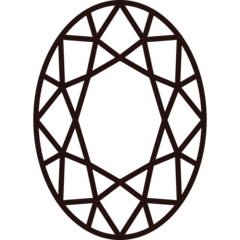
The shape affects the character of the ring more than a slight difference in colour or clarity. The round shape appears symmetrical and familiar. The oval shape elongates the outline. The emerald cut produces calm, broad reflections of light. The radiant cut combines an angular outer line with a more lively faceted pattern. The marquise and pear shapes emphasize length, while the cushion cut combines soft corners with a wider silhouette.
Round & Emerald
Round is balanced and brilliant. Emerald has a more graphic appearance and features clear, reflective facets.
Oval & Marquise
The elongated shape follows the contour of the finger. With a marquise cut, both tips must be well protected.
Radiant & Cushion
Angular or gently rounded contours provide more surface area and a modern look.
Why a carat isn't the same as a visible size
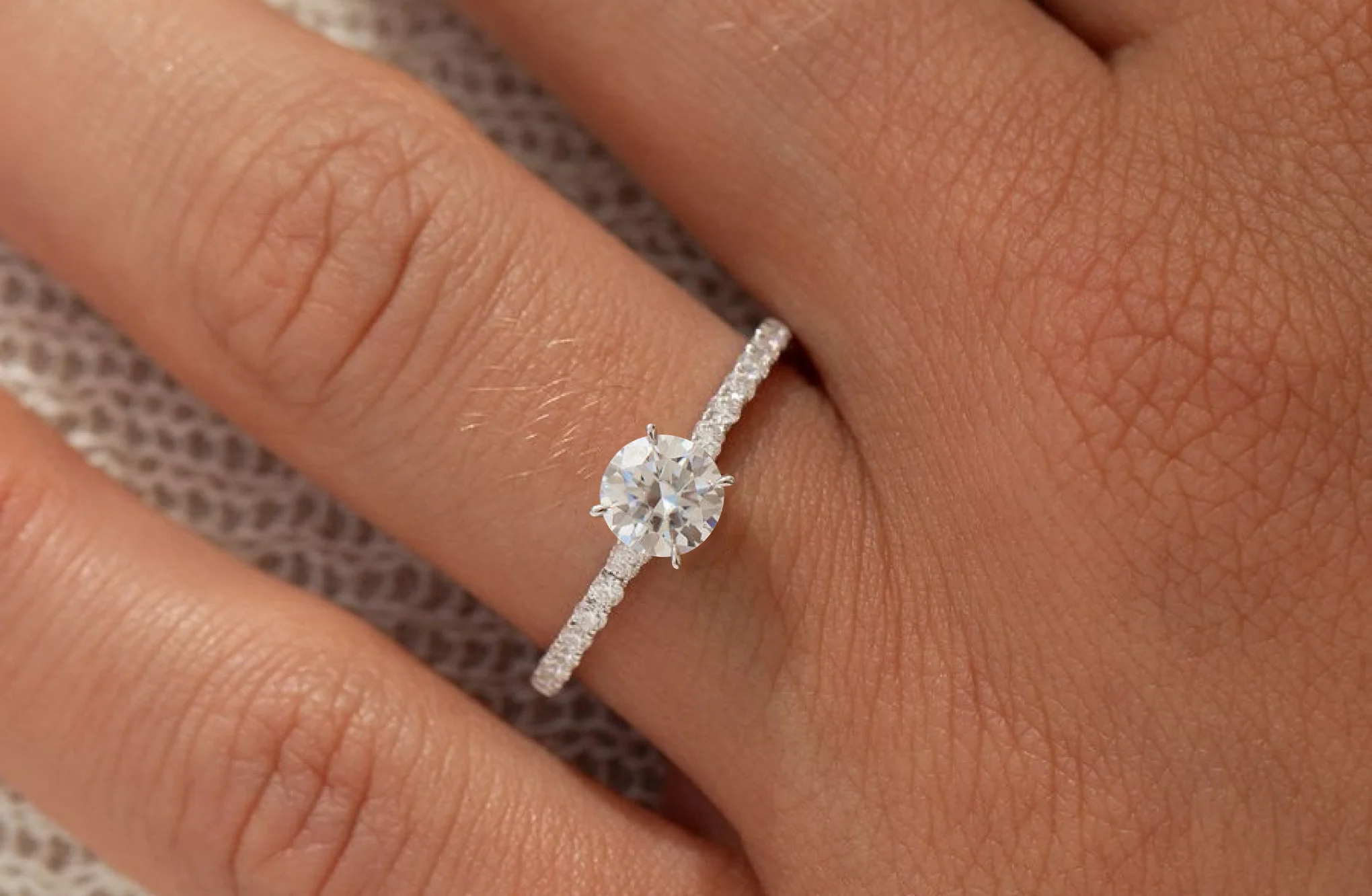
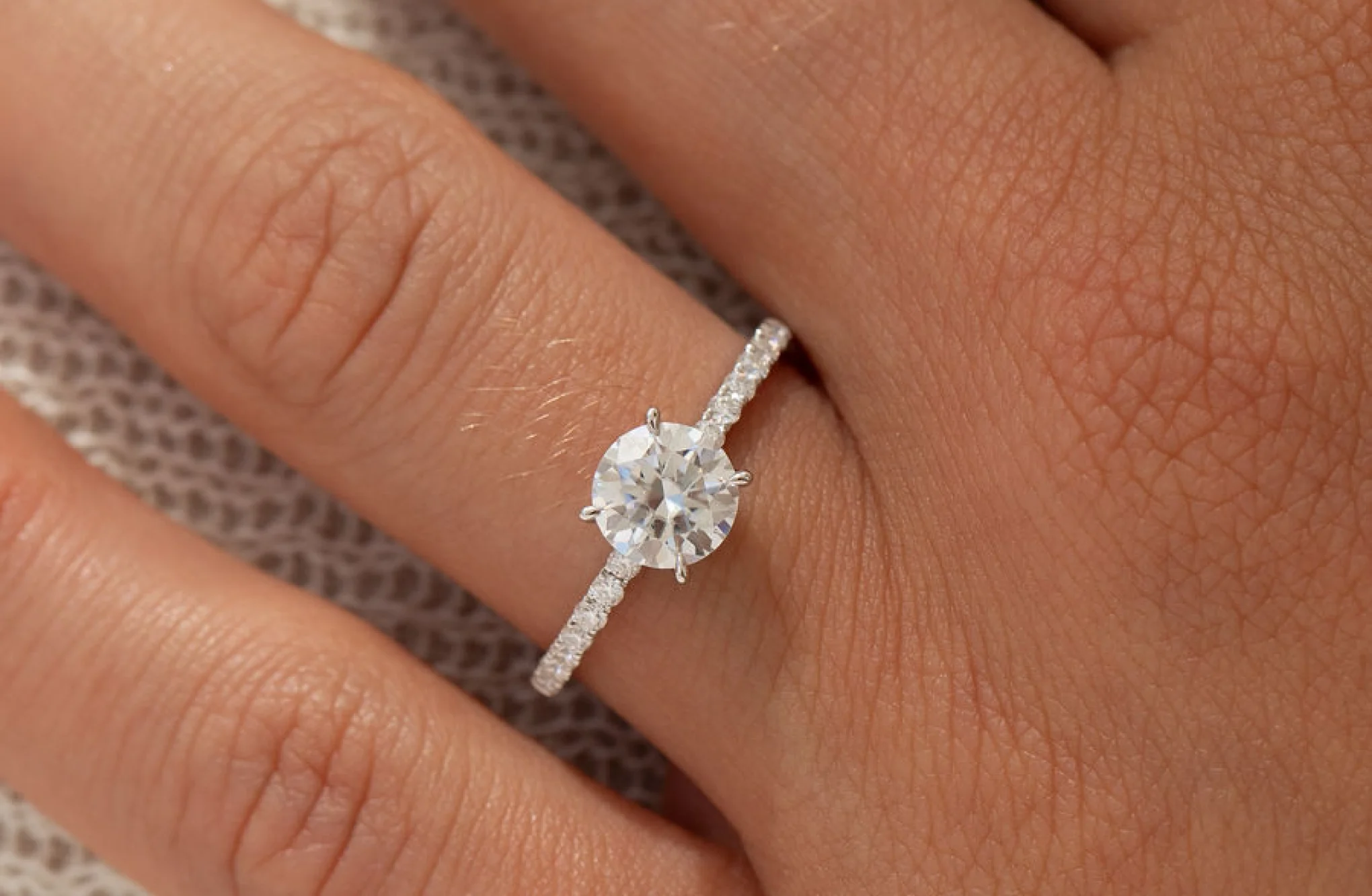
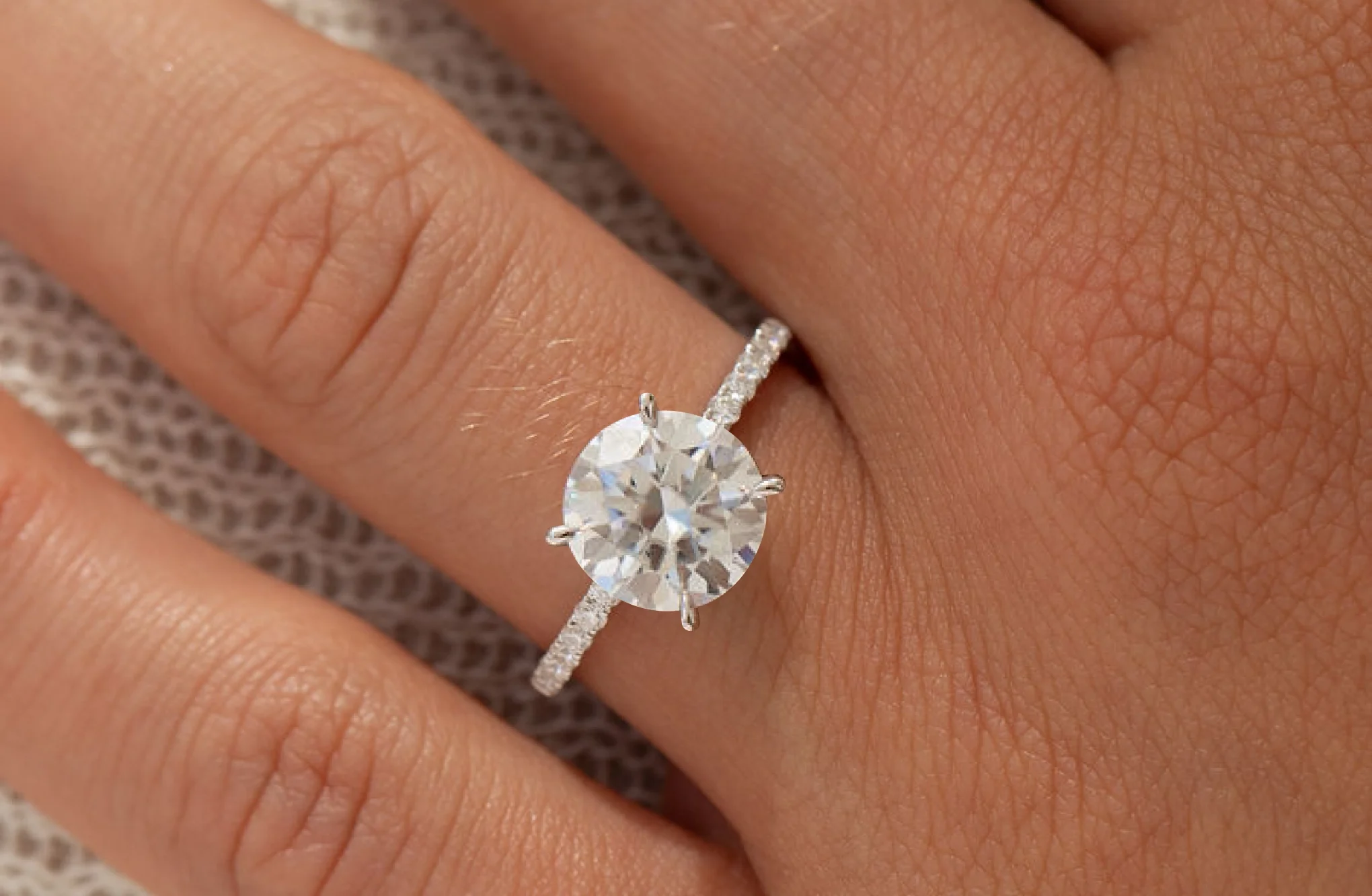
Carat measures weight, not diameter. The GIA defines one metric carat as 0.2 grams. Two stones of the same weight may still appear to be different sizes when viewed from above because their shape, length-to-width ratio, and depth cause the weight to be distributed differently. Therefore, always compare the measurements in millimetres and refer to a photo.
For elongated shapes, it’s worth paying attention to symmetry and dark areas in motion. A bow-tie pattern can occur in oval, marquise, and teardrop cuts. It isn’t necessarily a flaw; it becomes a problem when the centre remains consistently dark under different lighting conditions. A short video is more informative in this regard than a brightly lit front view.
Choose two shapes and compare them based on their similar visible widths. That’s how you decide on the outline—not subconsciously based on the larger stone or the prettier product photo.
Which frame style and which precious metal are best for everyday use?
The setting determines how high the stone sits, how well its edges are protected, and whether a plain wedding band can later sit flush against it. The metal determines the colour, weight, and care requirements. Both should be suitable for everyday wear—not just for making a first impression.
| Design | Effect | Check Before Buying |
|---|---|---|
| Solitaire | a clear focus on a key element | Flanges, side profile, and stability of the ring rail |
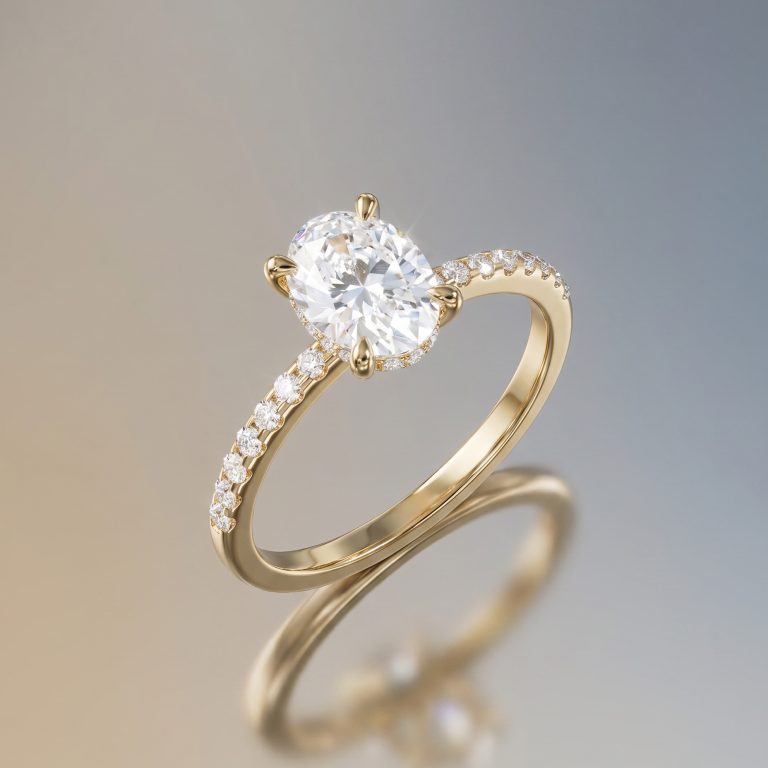
| Accent Stones / Pavé | More Light via the Ring Track | Setting the Small Stones and Subsequent Care |
| Halo | a wider overall area around the central stone | Distance, Symmetry, and Everyday Height |
| Bezel | Sleek, modern design with a metal rim | visible stone surface and clean metal edge |
| Cathedral | Architecture supported on the sides, often taller | Getting caught and pairing with the wedding ring |
Yellow gold, white gold, or platinum?
Yellow gold provides a warm contrast to the light-coloured stone. White gold gives the ring and stone a cooler colour palette; depending on the design, its surface may need to be re-rhodium-plated at a later date. Platinum feels denser and heavier and develops its own patina over time. The right choice depends on colour, weight, budget, and your preferred maintenance routine.
Not only do 14-karat and 18-karat gold look different, but they also contain different percentages of gold. 14-karat gold corresponds to 585 gold, while 18-karat gold corresponds to 750 gold. The alloy and construction also influence how the gold performs in everyday use; the number alone does not answer every question about hardness. Our comparison of 14-karat and 18-karat gold provides a detailed analysis to help you make your decision.
Start Thinking About Your Future Wedding Ring Now
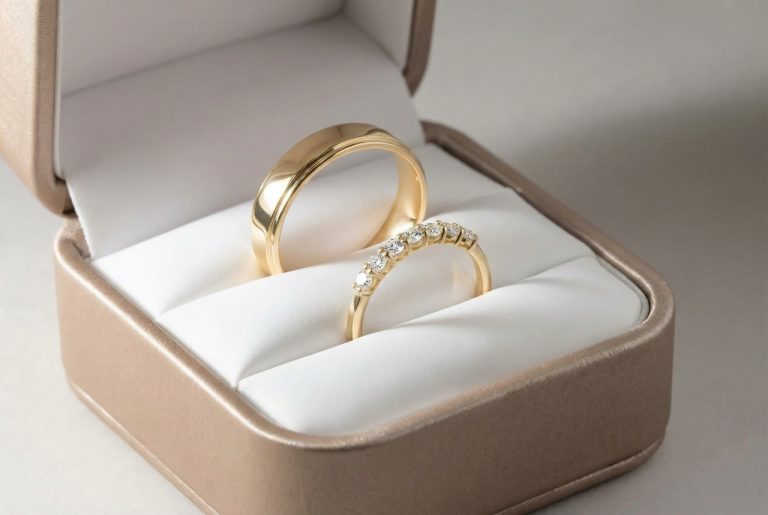
If you want both rings to sit side by side without any space between them, there must be enough room under the setting. A low setting may look more comfortable, but sometimes requires a curved wedding band. Ask to see a side view and inquire about the ring’s height. “Goes with any wedding band” is not a useful answer without measurements.
How do you evaluate the stone, the report, and the craftsmanship?
When it comes to diamonds, the 4Cs provide a common vocabulary: Cut, Colour, Clarity, and Carat Weight. GIA emphasizes that carat is a measure of weight and that a higher carat weight does not automatically mean better quality. Dimensions, proportions, symmetry, and setting also contribute to the diamond’s visual appeal.
Cut and Photograph
Examine the stone in motion and under different lighting conditions. For round brilliant-cut diamonds, a cut grade is a good point of comparison. For fancy shapes such as oval, emerald, or radiant, a single overall grade is not sufficient because the outline and facet patterns vary more significantly.
Considering Colour and Metal Together
Very subtle differences in colour are often difficult for the untrained eye to detect. Yellow gold can give a warmer tone a different look than white gold or platinum. Therefore, try to evaluate the stone in the metal colour you’ve chosen.
Purity Based on Location, Not Just on Abbreviations
When assessing clarity, the GIA evaluates, among other things, the size, type, location, and number of internal and external characteristics at 10x magnification. Additional factors to consider when purchasing include: Does the stone appear clear to the naked eye, and is there a characteristic located in a structurally sensitive area?
Verify the report number yourself
For a lab-grown diamond, the report number should be listed directly on the issuing lab’s website. IGI includes, among other things, the shape, dimensions, and the 4Cs in its reports; depending on the report, the growth method and any treatments may also be listed. Check to see if the information matches the stone being offered.
Inspect the setting with the naked eye
The stone should sit straight. The prongs should grip the stone evenly, protect the tips and corners, and not form any visible sharp edges. The ring band should not appear unnaturally thin around the setting. With small side stones, it’s worth taking a careful look along the entire band.
How can you safely buy an engagement ring online?
An online purchase is well-planned when the product, final price, delivery window, and terms for your specific configuration are clearly outlined. Don’t rely solely on a general trust symbol. Open the product page, review the options, and read the return, size exchange, and warranty policies as three separate sets of guidelines.
- Product consistency: Do the title, photos, stone type, metal, and selected variant all match?
- Views: Are there front, side, and close-up photos, or a detailed video?
- Final Price: Is the price clear based on the stone, carats, metal, ring size, and extras?
- Delivery: Does the specified time apply to this specific model, or is it just a general estimate?
- Documentation: Is a verifiable report provided for a lab-grown diamond?
- Returns: What are the return deadlines, costs, and exceptions for customised or engraved items?
- Resizing: Which types of rings can be resized, within what timeframe, and under what conditions?
- Warranty: What counts as a manufacturing defect, and what counts as wear and tear or third-party tampering?
- Consultation: Can you answer a specific question about the side profile, wedding band, or gemstone?
- Payment: Are the provider, contact information, secure payment methods, and order summary clearly presented?
Our separate guide explains this process step by step: Buying an Engagement Ring Online — Ten Safety Checks. If you’re still torn between online advice and an in-person appointment, the objective comparison “Buy Online or at a Jewellery Store?” can help.
Check the current status at Velur
Variants, prices, and estimated delivery information are listed on each product page. Return, size adjustment, and warranty policies are subject to change; therefore, please refer to the currently linked service pages and, for custom-made items, check with us before placing your order.
Which engagement rings should you compare first?
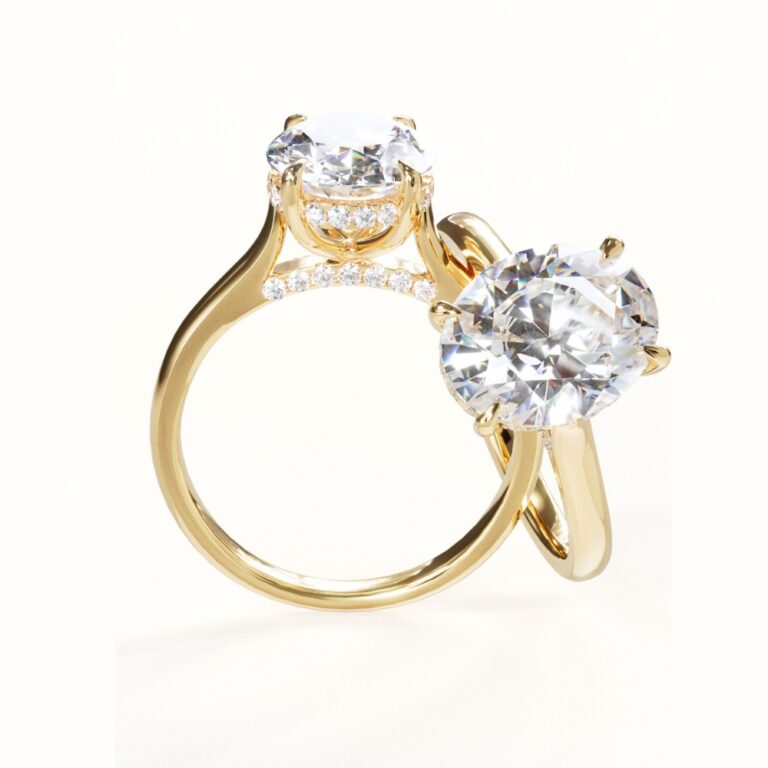
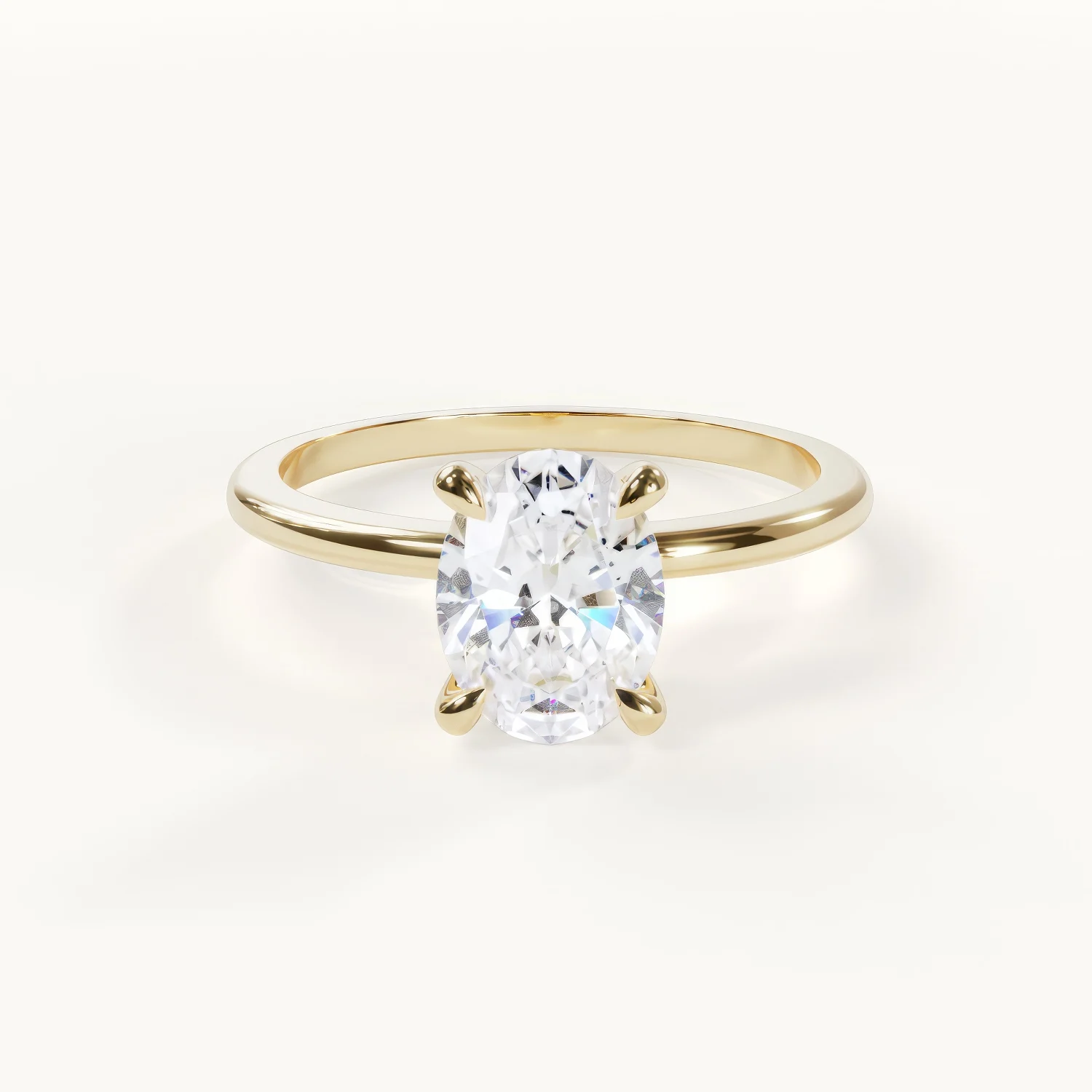
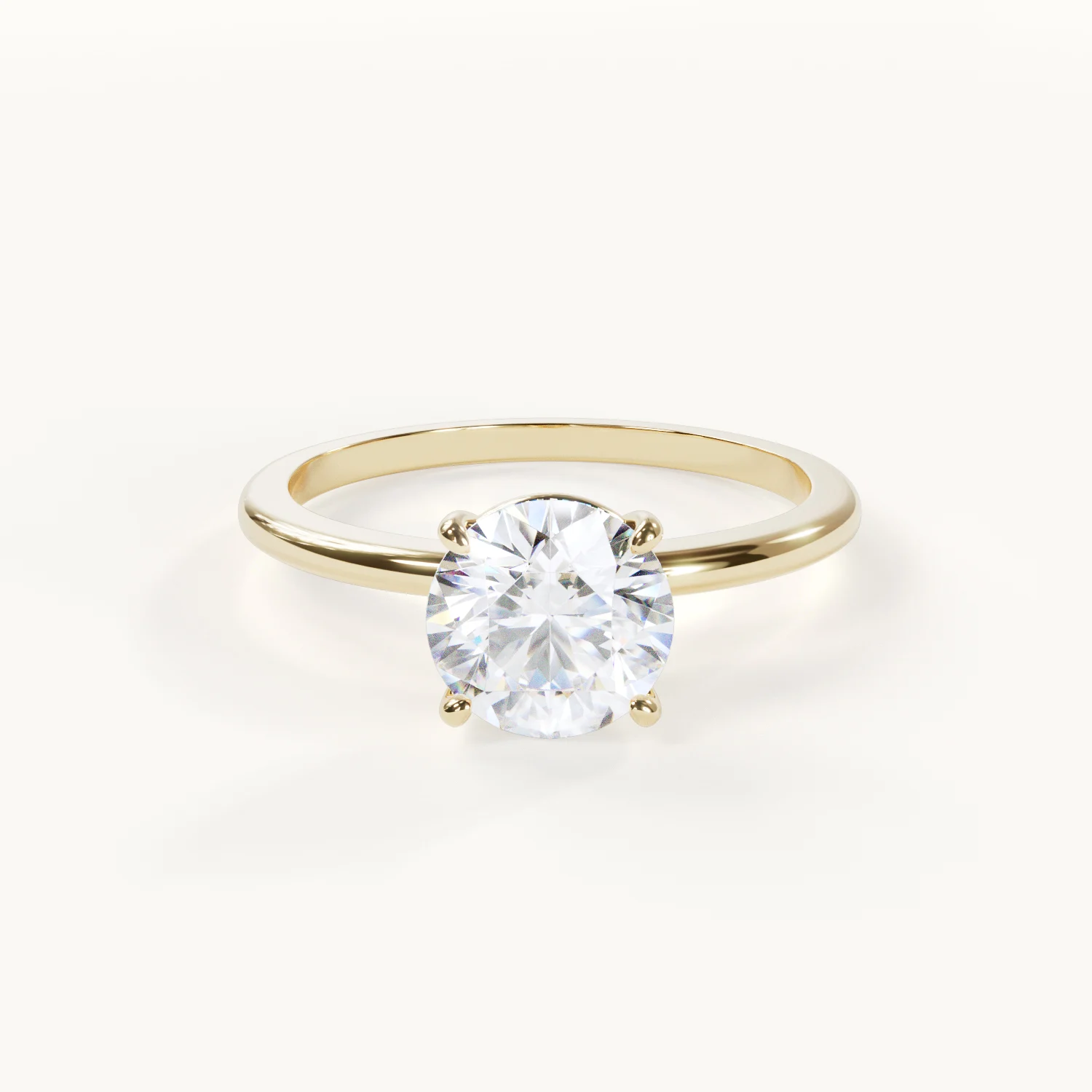
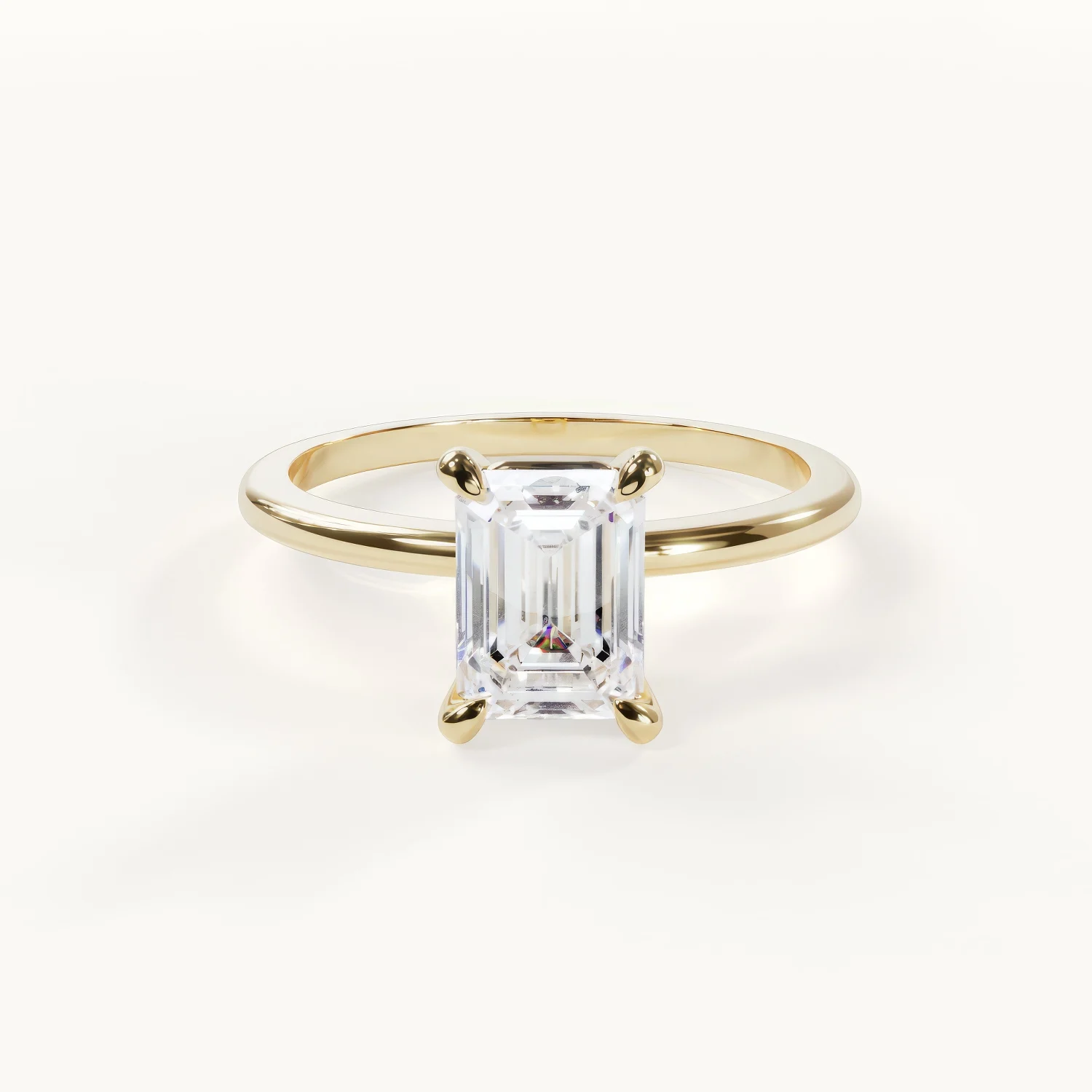
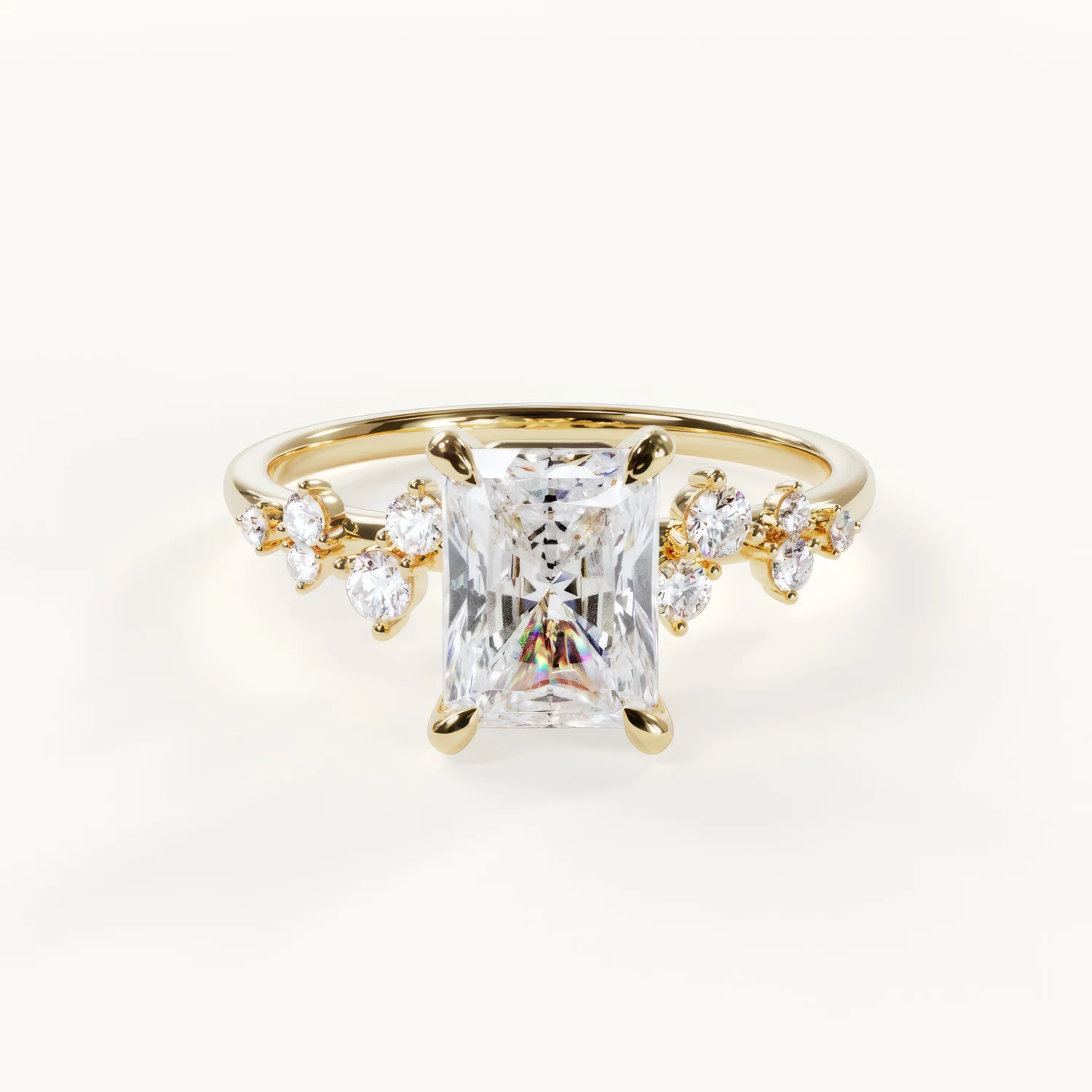
Start with four clearly distinguishable styles: Oval and Round represent two classic solitaire styles, Emerald has a more graphic look, and Radiant, with accent stones, is more vibrant. Names, images, prices, and available variations are loaded directly from WooCommerce and therefore remain up to date.
From the Velur Collection
Compare Engagement Rings by Shape


How do you make a calm decision in 48 hours?
Spending more time in your browser doesn't automatically mean more security. Set up a short routine with two breaks. That way, you can distinguish your true preferences from the effect of new images.
- Day 1, morning: Set a budget cap and choose two metallic colours.
- Day 1, evening: Memorize two stone shapes and no more than three ring models.
- Day 2, morning: Check the appearance of the hands, side profile, ring size, and how the ring looks in everyday wear.
- Day 2, afternoon: Compare stone types, dimensions, quotes, and final prices.
- Day 2, evening: Read the terms and conditions and ask the counseling service an open-ended question.
If you’re left with two candidates, don’t ask, “Which ring is prettier?” Ask, “Which one looks more like her?” The answer is usually clearer that way. If you’re still unsure about the style, the Velur Ring Quiz will help narrow down the shape, setting, and metal. For a design not included in the collection , you can request a custom-made engagement ring.
Frequently Asked Questions Before Buying an Engagement Ring
How much should an engagement ring cost?
There's no "right" percentage or practical rule for monthly budget. Set a total amount that you can afford without going into debt, and use that to determine the cost of the finished ring, including the stone, metal, size, and any desired adjustments.
How do I figure out my partner's style?
Take a look at several pieces of jewellery and everyday accessories instead of just a single ring. The metal’s colour, clean or soft shapes, delicate or bold proportions, and how they look in everyday life all come together to give you a more reliable picture.
Which is better for an engagement ring: moissanite or lab-grown diamond?
Moissanite is a good choice if you're looking for intense fire and a lower price. A lab-grown diamond is a good choice if you specifically want a real diamond with a verifiable grading report. The two don't look identical; the choice comes down to material, how the stone catches the light, and your budget.
Which gemstone looks bigger on your finger?
Elongated shapes such as oval, marquise, and teardrop can appear longer while having a similar weight. However, carats measure weight, not surface area. Therefore, compare millimetre measurements, proportions, and images side by side.
What should I do if I don't know the exact ring size?
Measure the inside diameter of a ring she wears on the finger it’s meant for, and note the hand and finger. If that’s not possible, check before ordering whether—and under what conditions—the specific model can be resized later.
Is it safe to buy an engagement ring online?
Yes, as long as the product variant, final price, shipping information, report, return policy, sizing, and warranty for that specific order are clear. Check out real photos of the ring and ask any questions you may have before making a payment.
Compare the latest Velur models by shape, stone, and metal, or get answers to your two questions directly from our consultants.