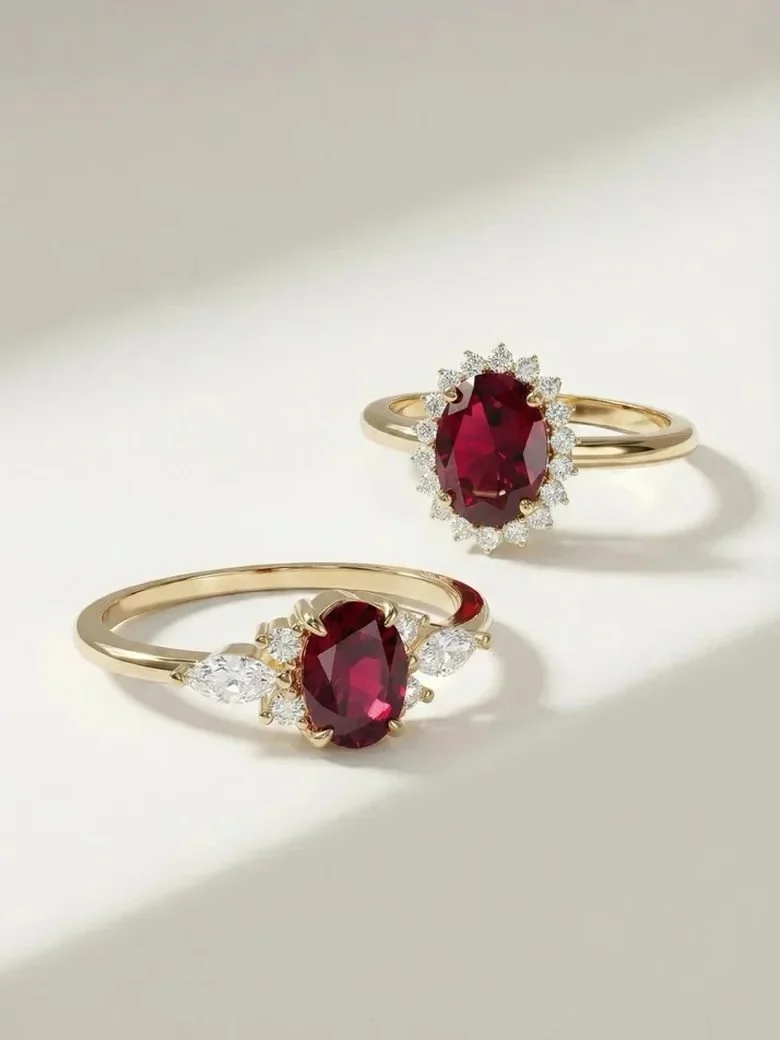
Diamond Clarity Explained: VVS1, VVS2, and VS1 at Velur
A diamond doesn't have to be flawless to appear exceptionally clear. What matters is whether the inclusions are visually distracting. That's exactly why we at Velur rely on lab-grown diamonds with clarity grades of VVS1, VVS2, and VS1.
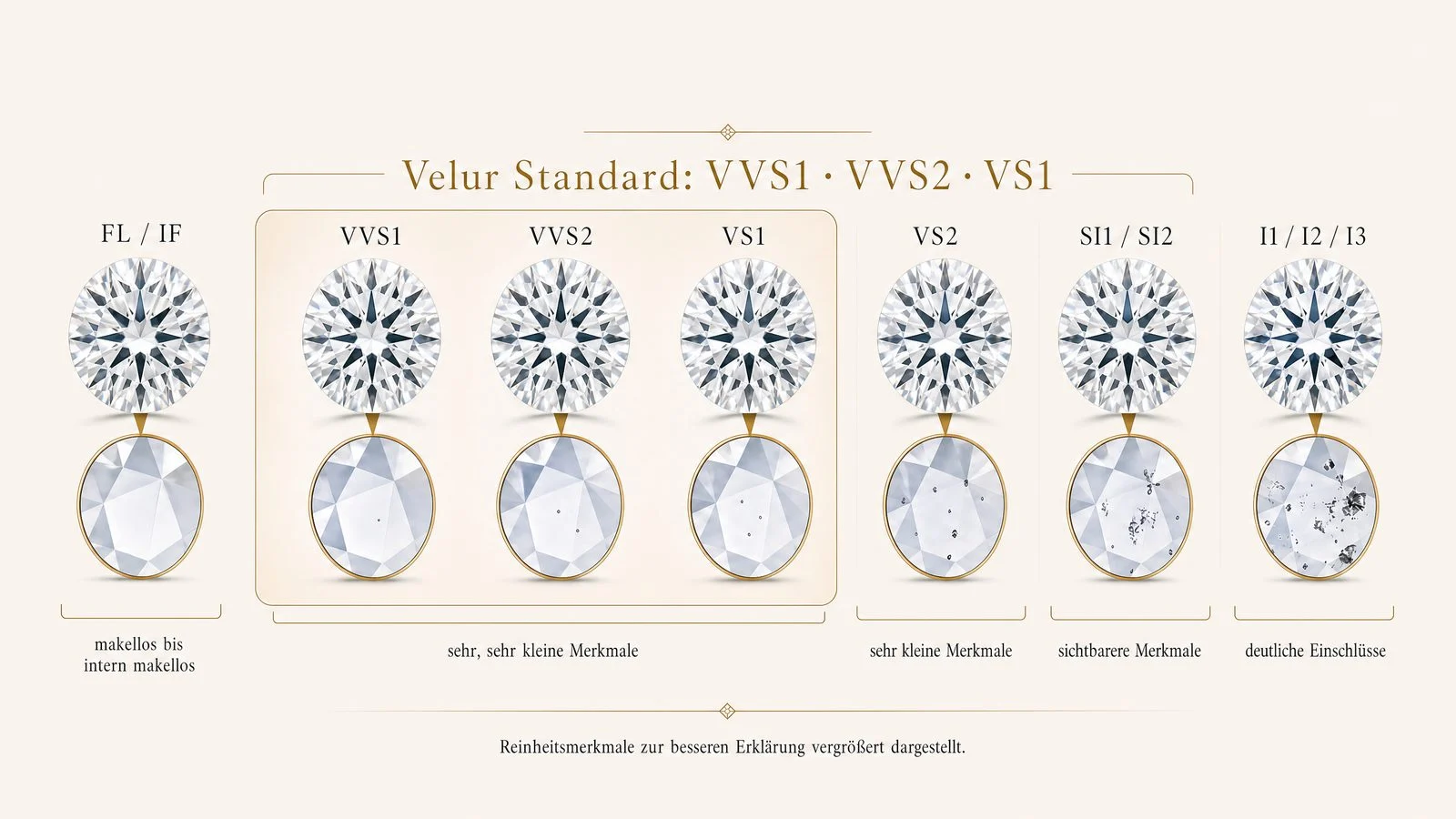
Clarity is one of those terms that can sound very technical when you're buying a diamond. FL, IF, VVS, VS, SI. Lots of abbreviations, not much feeling. But the real question is actually quite simple: Does the diamond in the ring look clear?
In short: At Velur, the answer is “yes” if a lab-grown diamond falls within the clarity grades VVS1, VVS2, or VS1. Not because we don’t like the term “Flawless,” but because, in practice, these three grades correspond exactly to what you’d want to see in a high-quality engagement ring: a clear stone with very minor inclusions and no distracting imperfections.
The short answer
At Velur, VVS1, VVS2, and VS1 are the standard grades for lab-grown diamonds. Under magnification, the stone may exhibit growth-related characteristics, but these should not detract from its appearance when set in a ring.
What does diamond clarity mean?
A diamond's clarity describes how free a stone is from internal characteristics and external surface characteristics. The GIA distinguishes between inclusions—internal characteristics—and blemishes—external characteristics. Clarity is assessed under 10x magnification.[1] [2]
Important: A diamond does not have to be completely free of characteristics. Almost every stone has a kind of fingerprint. The question is how large these characteristics are, where they are located, how noticeable they are, and whether they affect transparency, brilliance, or durability.
| Term | Meaning | This is relevant to you because |
|---|---|---|
| Inclusions | Internal characteristics of a diamond. | They may be visible under magnification and, depending on their location, can affect visual comfort. |
| Blemishes | External features on the surface. | They are part of the cleanliness assessment, but do not automatically interfere with daily life. |
| 10x Magnification | Standard examination at 10x magnification. | Many of the features that a grader sees cannot be detected without a magnifying glass. |
Why VVS1, VVS2, and VS1 Are Our Standard
At Velur, we select lab-grown diamonds with clarity grades of VVS1, VVS2, and VS1. This is a deliberate choice: VVS1 and VVS2 indicate extremely fine inclusions, while VS1 represents the clear lower limit for a very clean visual appearance in the finished ring.
To be honest: There are higher clarity grades, especially IF and FL. They sound impressive. But in everyday life, you’re often paying for a rarity that’s barely noticeable without a magnifying glass. That’s why, for us, VVS1, VVS2, and VS1 represent the range where high standards, visual tranquility, and a sensible focus on quality come together very well.
“Our goal isn’t a lab rating that just looks good on paper. Our goal is a diamond that looks calm, clear, and high-quality in a ring. That’s why we use VVS1, VVS2, and VS1 as our standard for lab-grown diamonds.”
Velur Editorial Team
The Purity Scale Explained Simply
The international clarity scale ranges from FL to I3. FL stands for "Flawless," meaning there are no visible inclusions or surface characteristics under 10x magnification. At the other end of the scale are I1 through I3, where inclusions are clearly visible and may affect transparency, brilliance, or durability.[1] [2]
| Degree | Category | Classification of Engagement Rings |
|---|---|---|
| FL / IF | Flawless / Internally Flawless | Extremely rare and highly valued. Often more of a luxury item than a practical necessity, given its visual impact. |
| VVS1 / VVS2 | Very, Very Slightly Included | Premium-Standard Velur. Very subtle characteristics, difficult for experienced graders to detect, and visually very distinct in the ring. |
| VS1 | Very Slightly Included | Standard Velur. Minor characteristics, a very clean appearance in the ring, and the clear lower limit for our lab-grown diamonds. |
| VS2 | Very Slightly Included | It may look good, but for Velur, that’s not our minimum standard when it comes to lab-grown diamonds. |
| SI1 / SI2 | Slightly Included | Features are more clearly visible under magnification. Depending on the stone, they may also be noticeable without a magnifying glass. |
| I1–I3 | Included | Inclusions are visible and can affect transparency, brilliance, or durability.[1] |
Can you see inclusions in the finished ring?
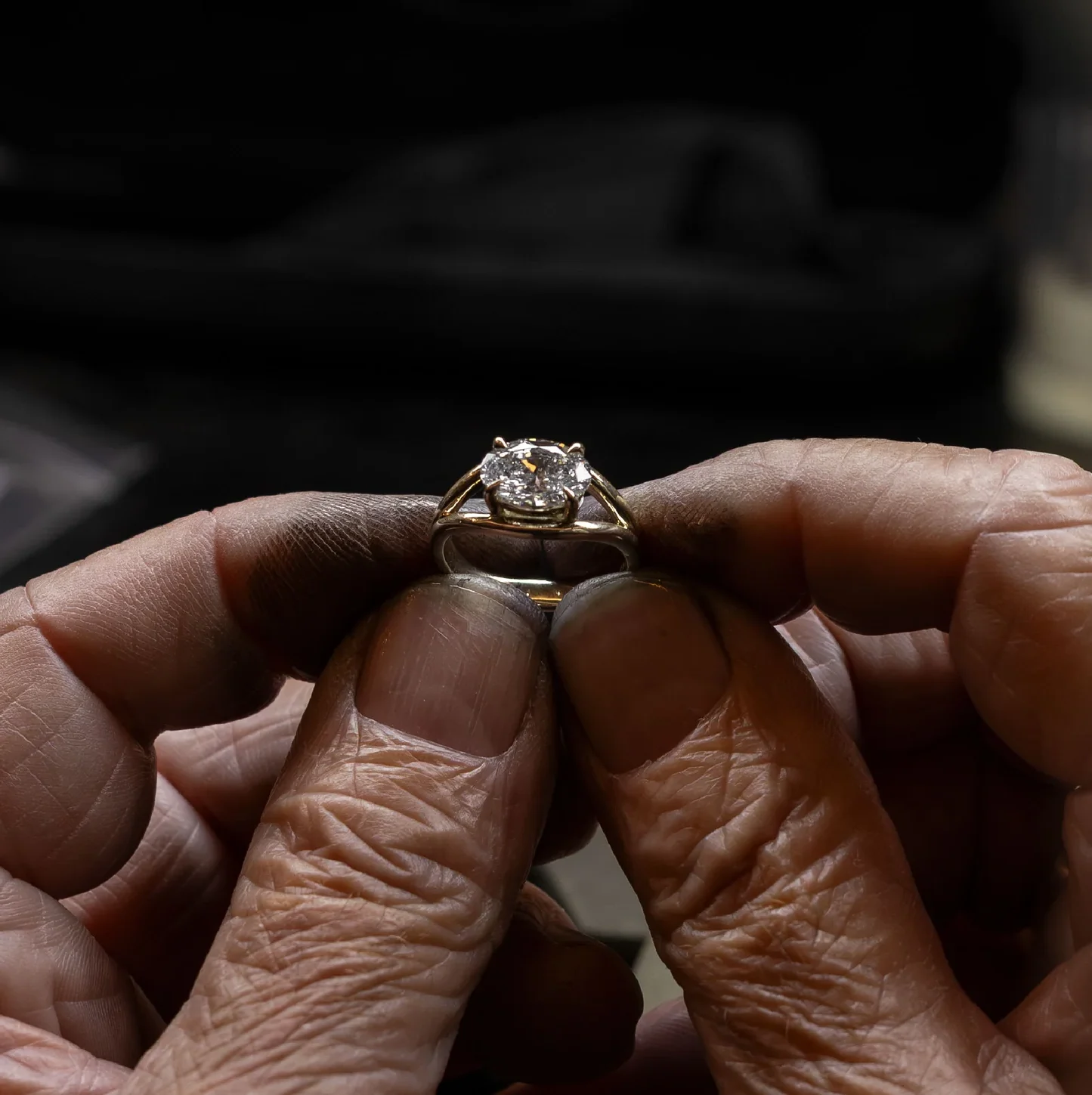
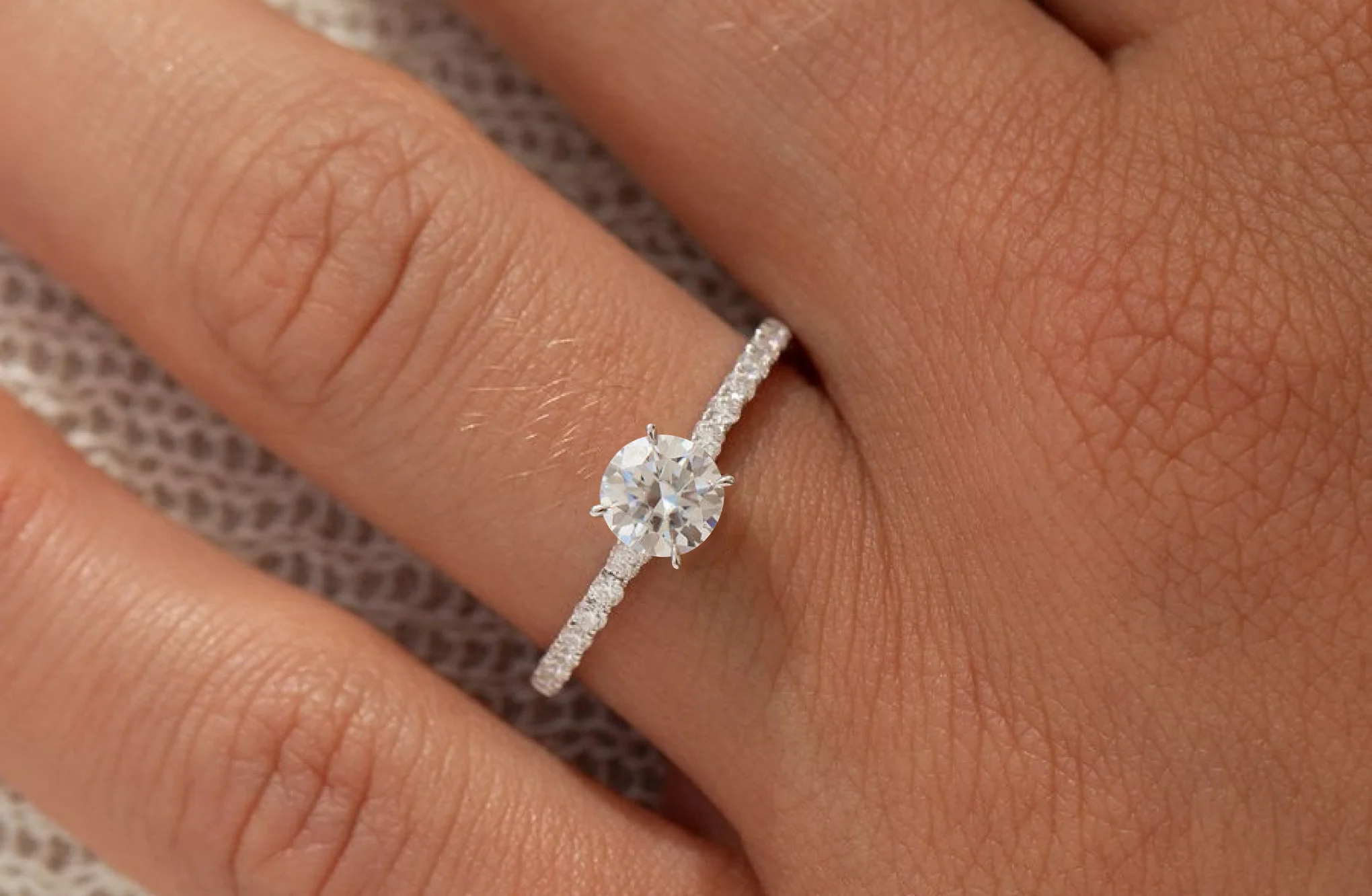
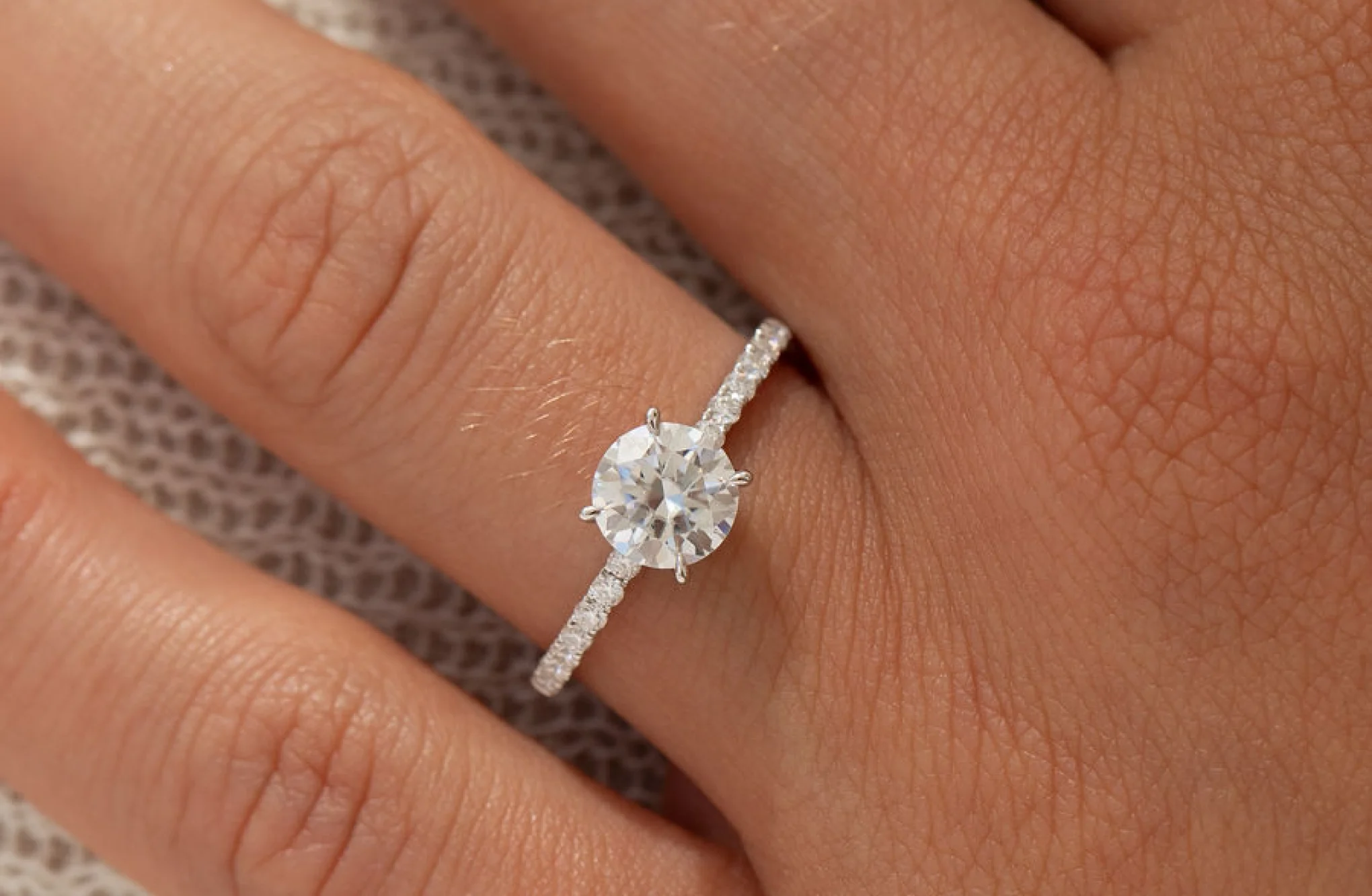
Sometimes. But not in the way many people think. A single spot under a magnifying glass does not automatically mean that the diamond will look distracting in everyday wear. What matters most are the location, colour, size, and number of inclusions. An inclusion directly beneath the table is more noticeable than a fine inclusion at the edge.
And then there’s the cut. A very good cut brings light back into the eye and can visually outshine minor flaws. A poor cut does the opposite. That’s why we never consider clarity in isolation.
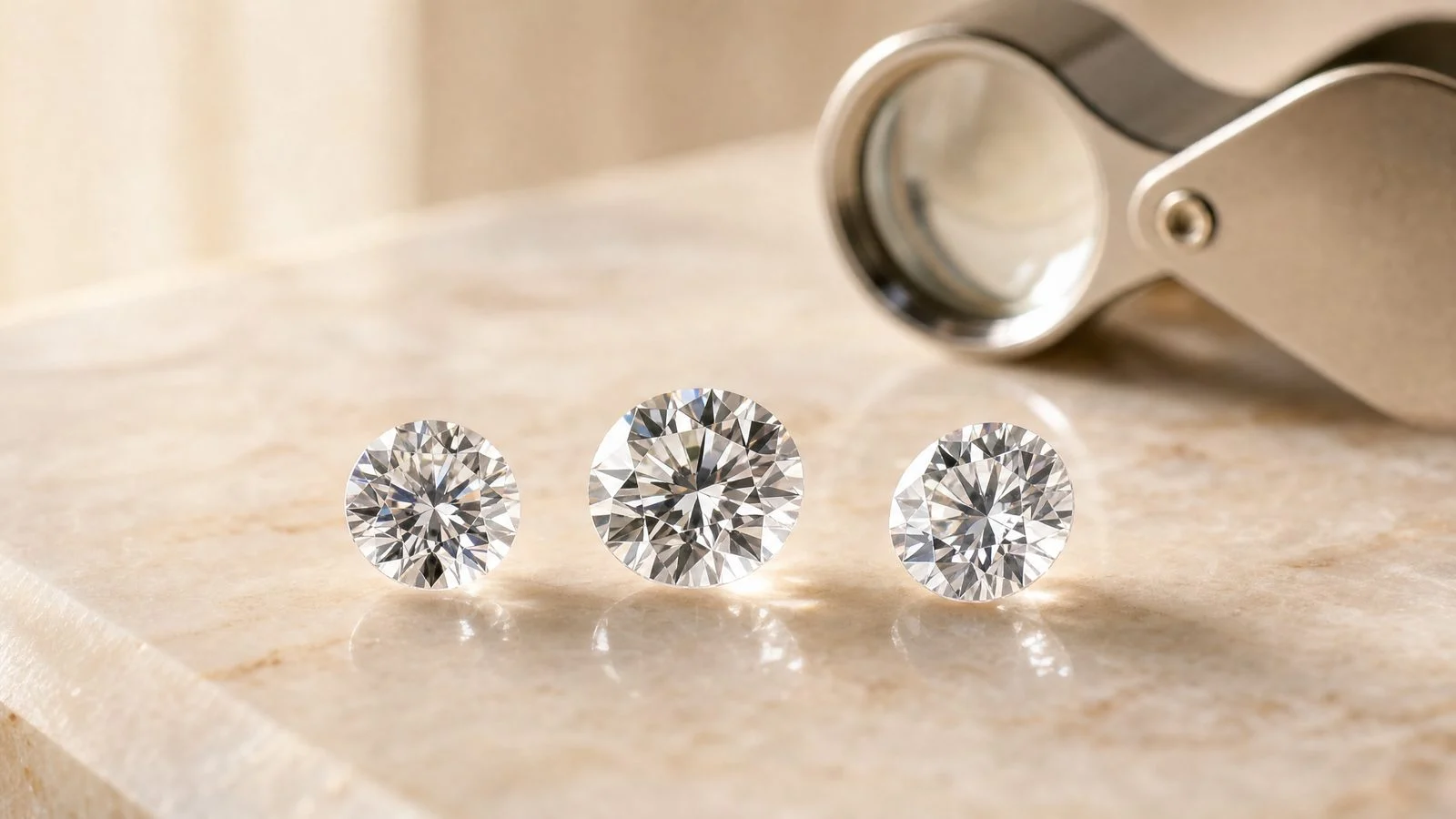
When choosing an engagement ring with a lab-grown diamond, VVS1, VVS2, and VS1 are Velur’s standards. VVS1 and VVS2 look exceptionally fine; VS1 is our clear lower limit. We would only consider anything below VS1 after very careful examination—and at Velur, that’s not our standard.
Rings where a clear centre stone makes all the difference
With minimalist solitaire designs in particular, the diamond takes centre stage. A clean VS1 lab-grown diamond looks understated, clear, and thoughtfully chosen in this setting.
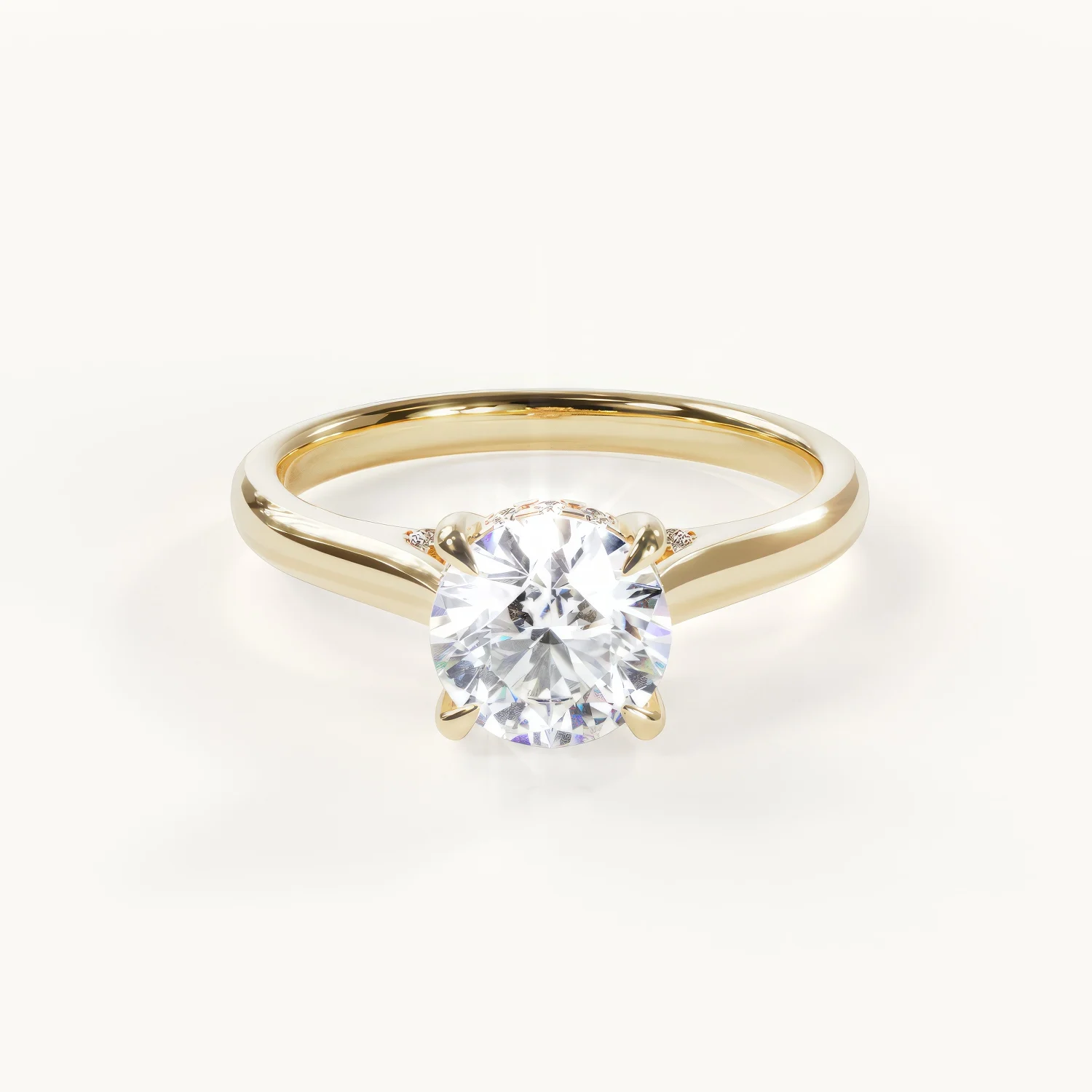
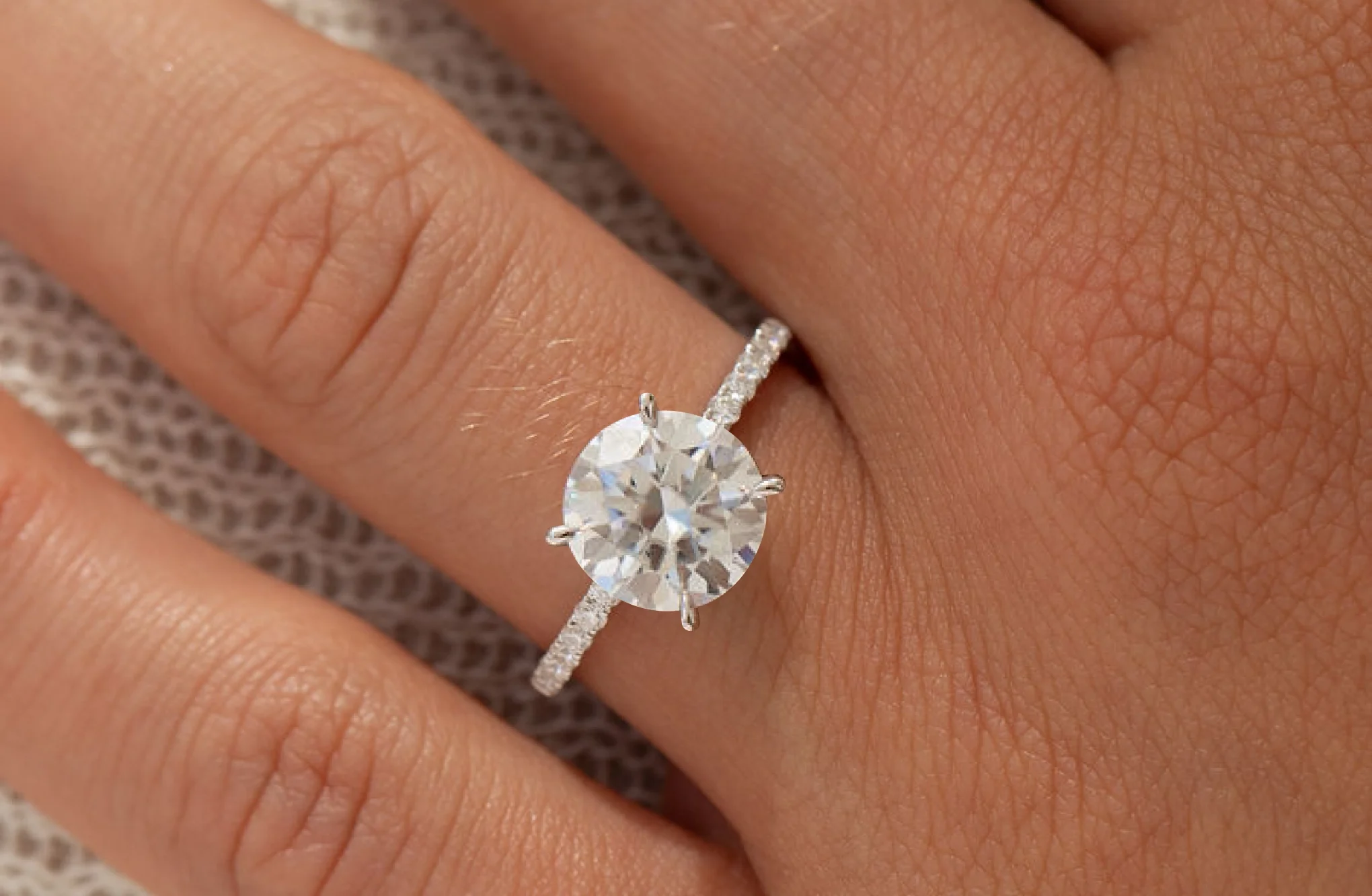
Clarté – Cathedral Round-Cut Solitaire
Classic round cut with intense brilliance. Ideal when you want the centre stone to appear clear and striking.
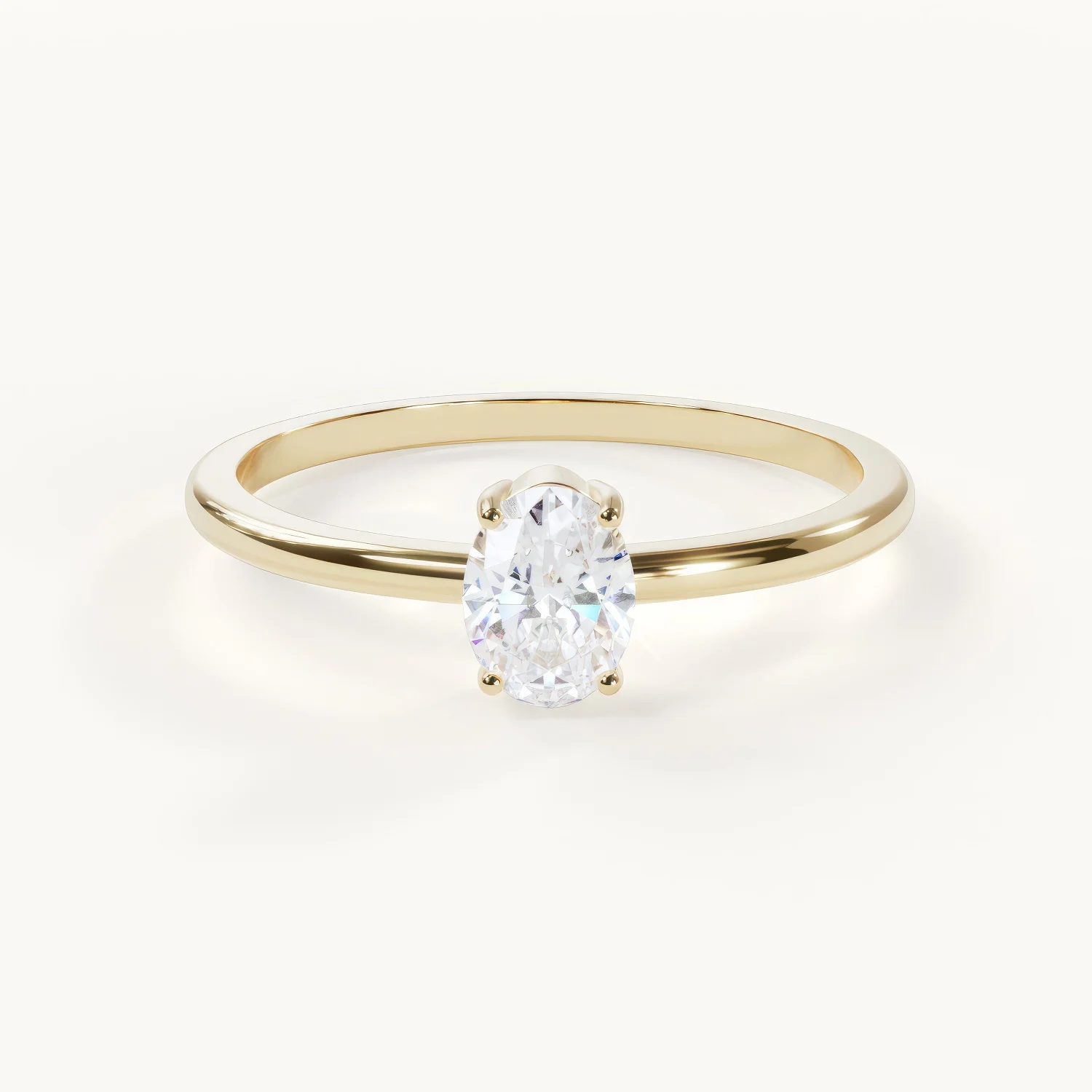
Aveline – Oval Solitaire Ring
An elongated oval solitaire in which purity and proportions come together in a particularly serene way.
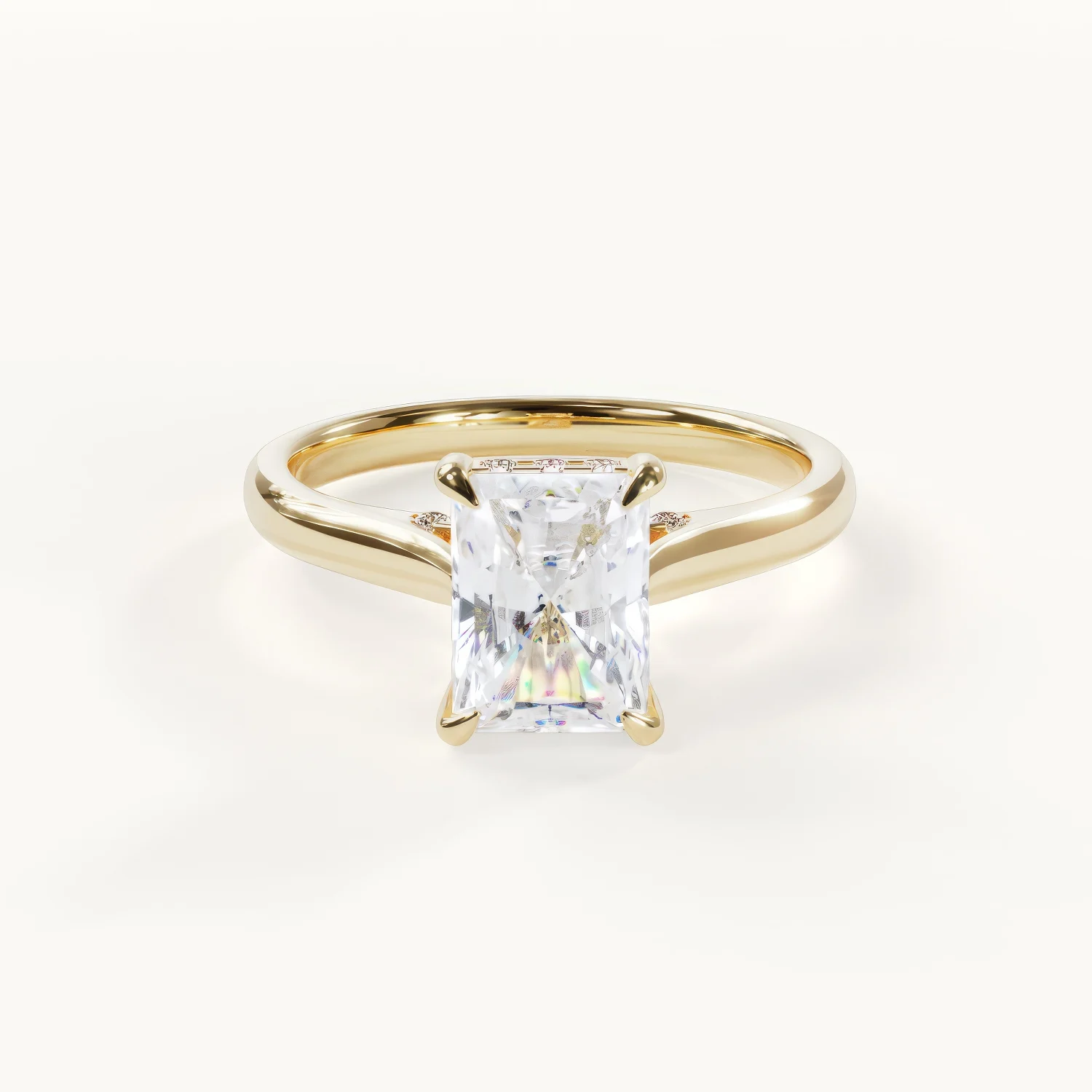
Rayonne – Cathedral Radiant Solitaire
A striking Radiant cut with clean, precise geometry. The VS1 clarity grade enhances the stone’s calm, pristine appearance.
Sources and Context
This article is based on the international diamond grading system established by the GIA. The GIA describes the clarity scale as a system with 11 grades ranging from FL to I3 and evaluates clarity characteristics under 10x magnification.[1] [2] The IGI also defines clarity as an assessment of the absence of internal and external clarity characteristics.[3]
[1] GIA – 4Cs: Clarity
[2] GIA – Diamond Clarity
[3] IGI – Diamond 4Cs
Frequently Asked Questions About Diamond Clarity
What is a good diamond clarity grade?
For a high-quality engagement ring, VVS1, VVS2, and VS1 are very reliable clarity grades. The stone looks clean without requiring you to go for extremely rare clarity grades like FL or IF.
Why does Velur use VVS1, VVS2, and VS1 for lab-grown diamonds?
Because these three clarity grades reliably reinforce the desired premium impression. VVS1 and VVS2 denote extremely fine characteristics, while VS1 represents the clear lower limit. The diamond should appear serene in the ring and show no visible inclusions that would detract from the first impression.
Is VS1 better than VS2?
Yes. VS1 is a higher grade than VS2. Both grades fall under the "Very Slightly Included" category, but VS1 generally describes finer or less easily detectable characteristics.
Do you need FL or IF for an engagement ring?
Not necessarily. FL and IF are impressive grades, but they’re often more of a rarity than a noticeable difference in everyday life. For many couples, VVS1, VVS2, and VS1 are the more sensible premium choices.
Is clarity more important than cut?
No. The cut has a huge impact on brilliance and light play. Clarity ensures that nothing visually detracts from the diamond. Both must complement each other.
Would you like to choose a clear lab-grown diamond?
We'll help you make the right choices when it comes to clarity, colour, cut, and size—without all the technical jargon.