Fluorescence in Diamonds: Good, Bad, or Irrelevant?
Why some diamonds glow blue under UV light, when this is completely harmless, and which stones you should take a closer look at.
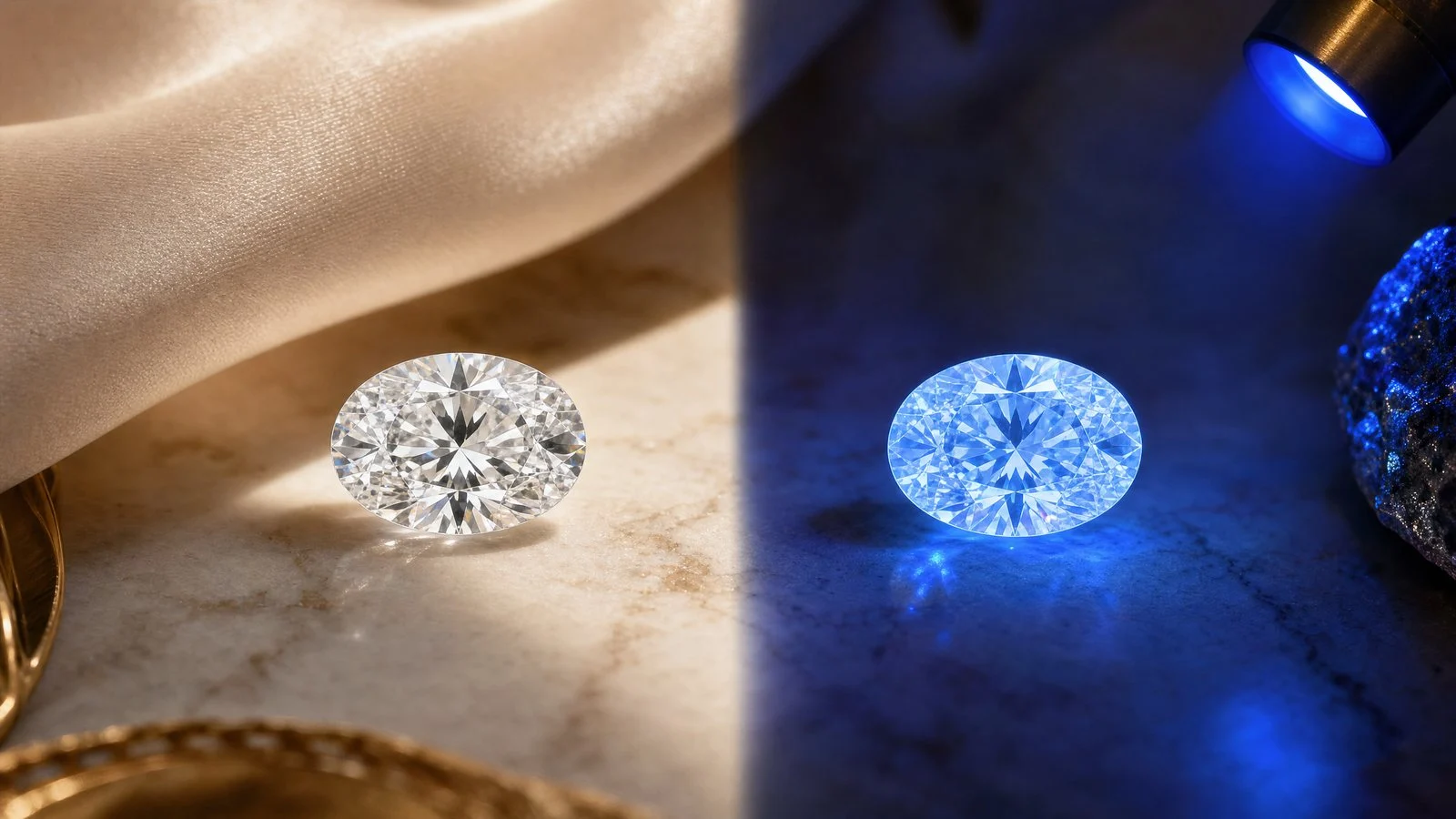
At first glance, “fluorescence” sounds more technical than it actually is in everyday life. Essentially, it boils down to a simple question: How does a diamond react when exposed to UV light? Some stones remain visually unchanged. Others emit a visible glow under UV light, usually blue.
This is important when buying an engagement ring because, although fluorescence is listed as a characteristic in the certificate, it is often misinterpreted. Many buyers see “Strong Blue” and immediately assume there’s a flaw. Others see “None” and believe the stone is automatically better. Both of these assumptions are too simplistic.
In a nutshell
Fluorescence is visible light that a diamond can emit when exposed to UV light. It is not one of the 4Cs and is not necessarily a negative trait. What matters is whether the stone appears clear, bright, and calm under normal everyday conditions. "None" and "Faint" are usually unproblematic; "Strong" and "Very Strong" should be examined visually in particular.
What is fluorescence in diamonds?
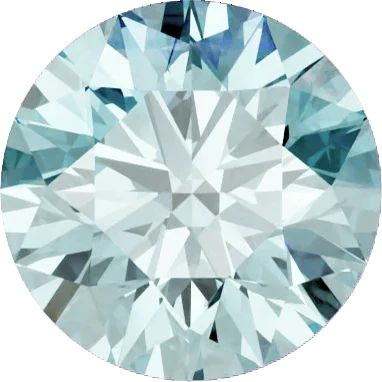
Fluorescence describes a diamond’s visible reaction to ultraviolet light. When UV light strikes certain atomic structures within the stone, the diamond may briefly glow. In most fluorescent diamonds, this glow is blue.
Context is important. UV light is not only found in black light bulbs, but is also a component of daylight. However, that doesn’t mean that every fluorescent diamond appears blue in everyday life. Often, the reaction is only visible under special lighting or is so faint that it hardly matters when the ring is worn.
"Fluorescence is not a flaw that must be avoided across the board. It is a light characteristic. What matters is whether the stone appears clear, brilliant, and of high quality in reality."
Velur Editorial Team
GIA defines fluorescence as the intensity of the reaction to long-wavelength UV light. According to GIA, approximately 25 to 35 percent of submitted diamonds exhibit some degree of fluorescence; in over 95 percent of these cases, the visible colour is blue. At the same time, GIA notes that, in the vast majority of diamonds, fluorescence has no broadly perceptible effect on appearance.
None, Faint, Medium, Strong: What the Scale Means
Many diamond certificates include a fluorescence rating. The GIA uses the grades None, Faint, Medium, Strong, and Very Strong. For Medium, Strong, and Very Strong, the colour of the fluorescence is also specified, for example, Blue.
Fluorescence is not one of the 4Cs—Carat, Colour, Clarity, or Cut. It is an additional identifying and visual characteristic. Therefore, it should not be considered in isolation, but should always be evaluated in conjunction with colour grade, cut, clarity, and actual appearance.
Is fluorescence good or bad?
The honest answer is: It depends. For many diamonds, fluorescence is virtually irrelevant. It’s noted on the certificate, but it hardly affects the stone’s appearance. For others, it can influence the market value or become visually significant.
Things get interesting when colour and fluorescence interact. Blue fluorescence can make a slightly yellowish diamond appear somewhat whiter because blue and yellow are complementary colours. That’s why Medium or even Strong Blue can be quite attractive in warmer colour grades, depending on the stone.
In the case of very colourless diamonds—for example, in the D through H range—strong blue fluorescence is viewed more critically. Not because it structurally weakens the stone, but because some stones with very strong fluorescence may appear less transparent, milky, or oily. The GIA emphasizes, however, that this is rare and that fluorescence generally has little to no effect on transparency.
| Situation | Classification | Recommendation |
|---|---|---|
| D–H + None/Faint | Very straightforward and, for most buyers, the safest choice. | A good standard option, provided the stone is otherwise satisfactory. |
| D–H + Strong | It might be fine, but it should be inspected visually. | Look for a milky, oily, or cloudy appearance. |
| I–K + Medium/Strong Blue | It can visually balance out the warm tone a bit. | Don't rule it out too quickly; what really matters is your actual opinion. |
| Very Strong | More inspection is required, especially for large stones. | Select only after performing a thorough check of the image, video, and lighting. |
Sources: GIA – Is Diamond Fluorescence Good or Bad? and IGI – Diamond Fluorescence: The Bad and the Beautiful
Interactive Fluorescence Check
This quick check is not a substitute for individual advice, but it will help you understand the certificate information more quickly. Select the colour range and the fluorescence level; you’ll then get a general idea.
If a stone fluoresces more strongly, the question shouldn’t be, “Is that bad?” The better question is, “How does this specific stone look under different types of light?” When it comes to an engagement ring, what matters isn’t abstract logic from a chart, but how the stone looks—calm and clear—on your finger.
Fluorescence in Lab-Grown Diamonds
Fluorescence also occurs in lab-grown diamonds, but it is usually different from that seen in natural diamonds. IGI notes that fluorescence is significantly less common in lab-grown stones than in natural diamonds. When it does occur, its intensity depends, among other factors, on the growth method used.
For you as a buyer, however, it matters less whether a stone is natural or lab-grown. What’s more important is whether it’s visually appealing. A lab-grown diamond may have excellent specifications on paper but still appear less calm to the eye. Conversely, a stone with slight fluorescence can appear absolutely clear, bright, and high-quality.
If you want the stone to look as subtle as possible, "None" and "Faint" are safe choices. If a stone exhibits "Medium," "Strong," or "Very Strong" fluorescence, it shouldn't be automatically rejected—but it must be visually appealing.
How Velur Rates Fluorescent Diamonds
At Velur, we don’t select diamonds and lab-grown diamonds based solely on their certificates. We also visually inspect the stones for their play of light to ensure that strong fluorescence doesn’t result in a milky, oily, or uneven appearance.
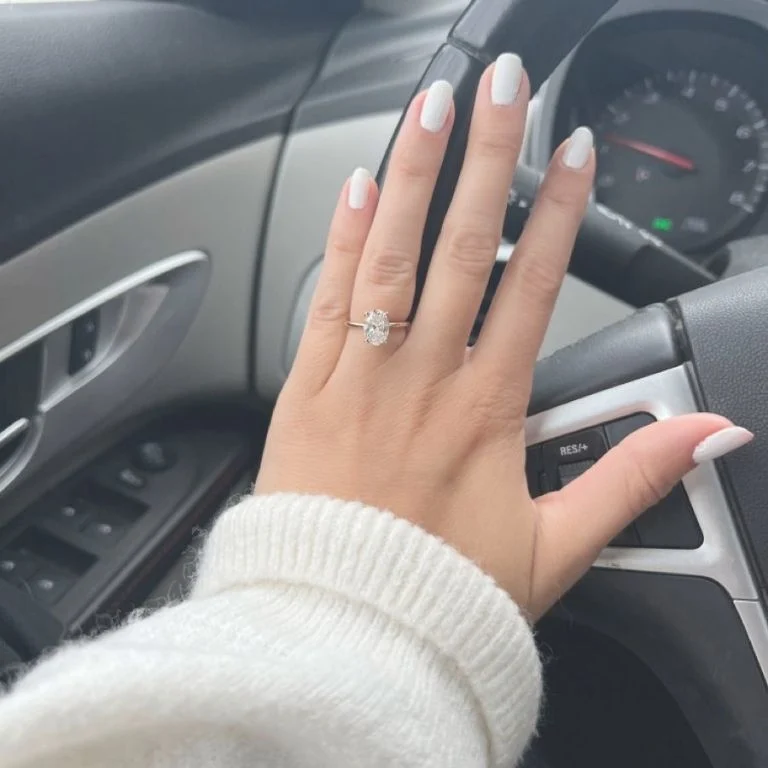
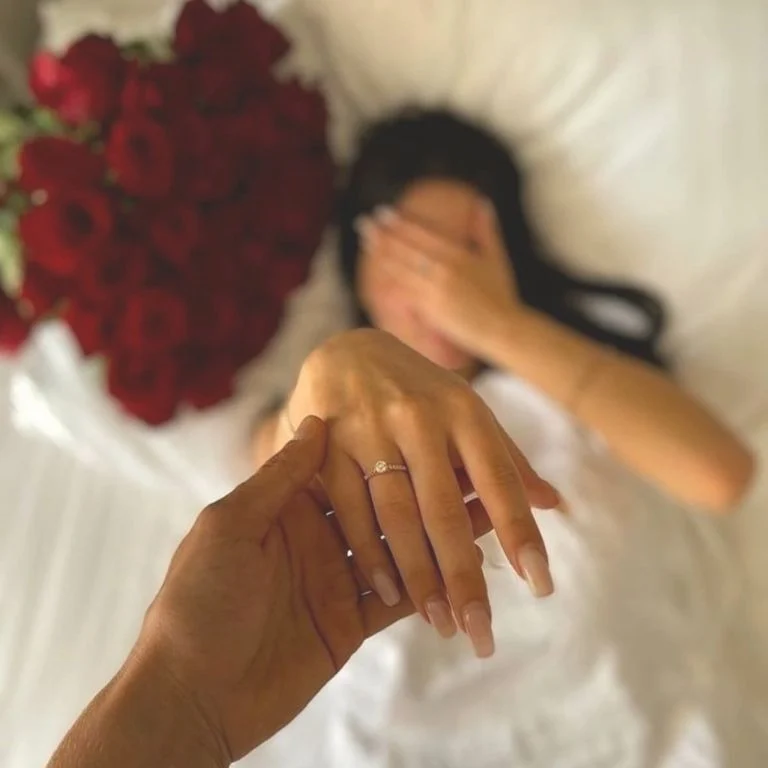
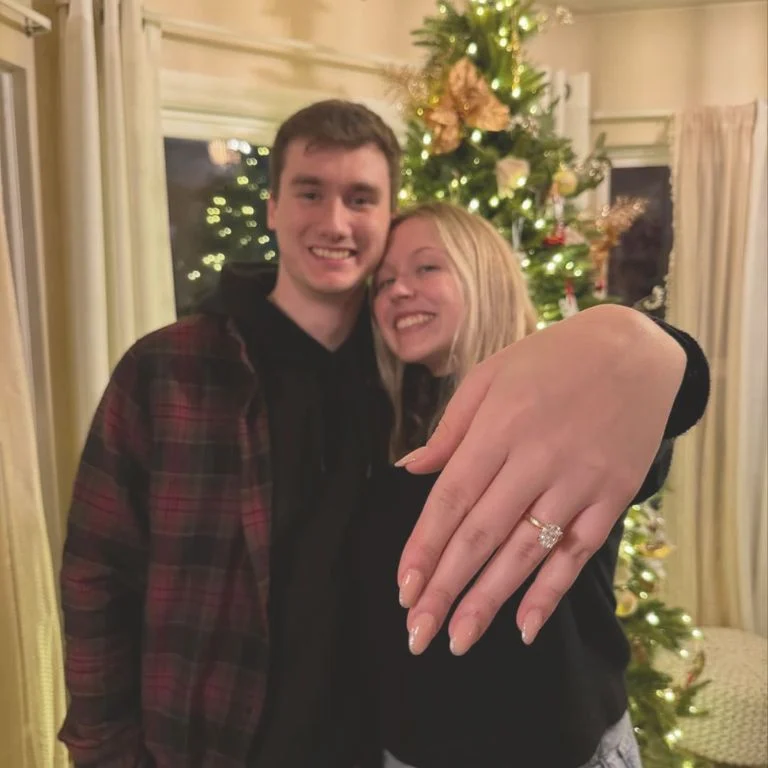
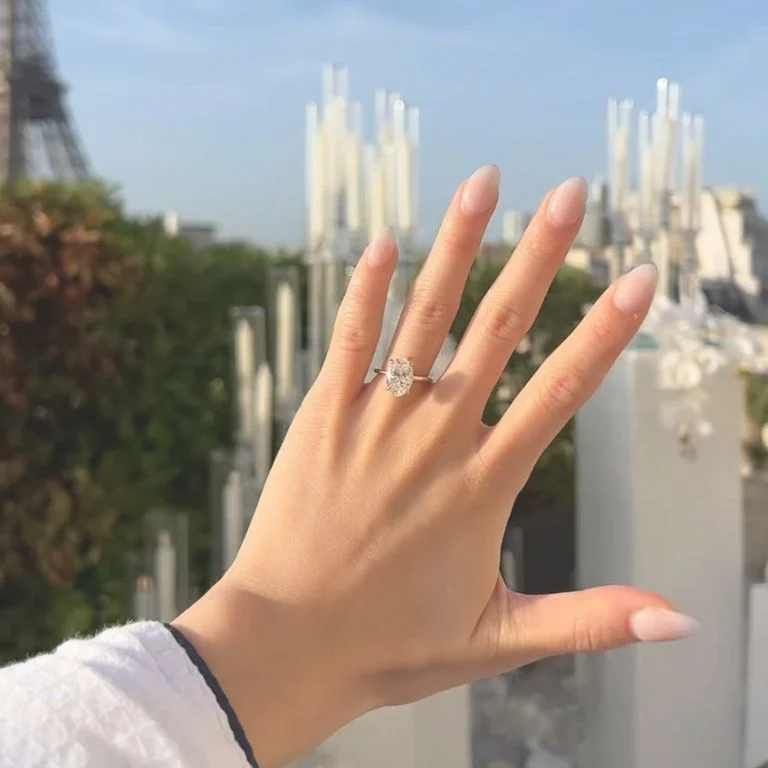
This is particularly important because certificates describe the stone but do not always fully reveal how it looks in everyday life. A ring is not worn under laboratory lighting. It is seen in daylight, warm indoor lighting, in a car, at a restaurant, and in photos. That is why a stone must look good in more than one lighting environment.
If you’re looking for a ring with an oval, round, or radiant-cut stone, it’s worth considering the overall effect: colour, cut, clarity, proportions, size, and how it catches the light. It’s precisely this combination that determines whether an engagement ring looks subtly luxurious or only looks impressive on paper.
Rings that highlight the beauty of the gemstone
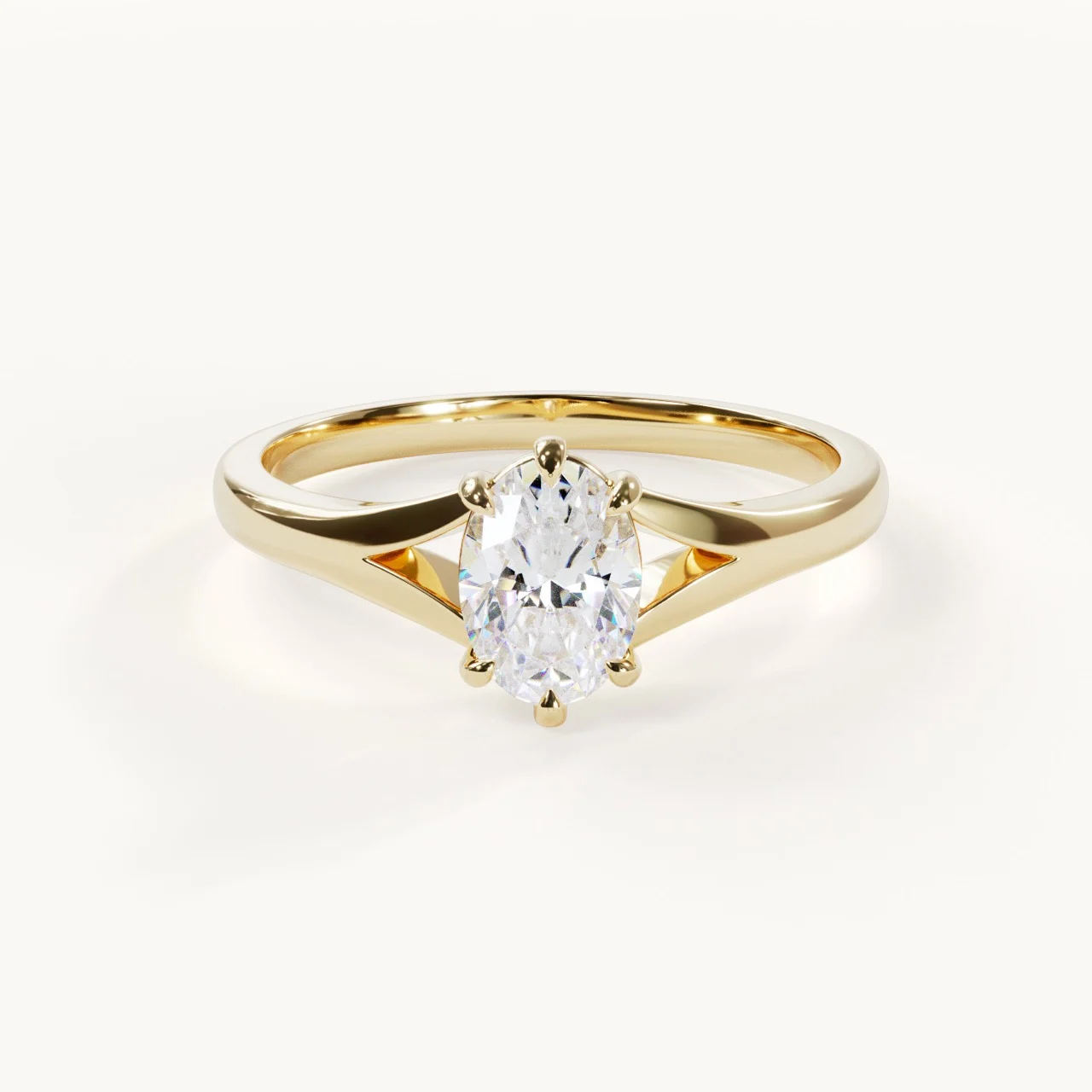
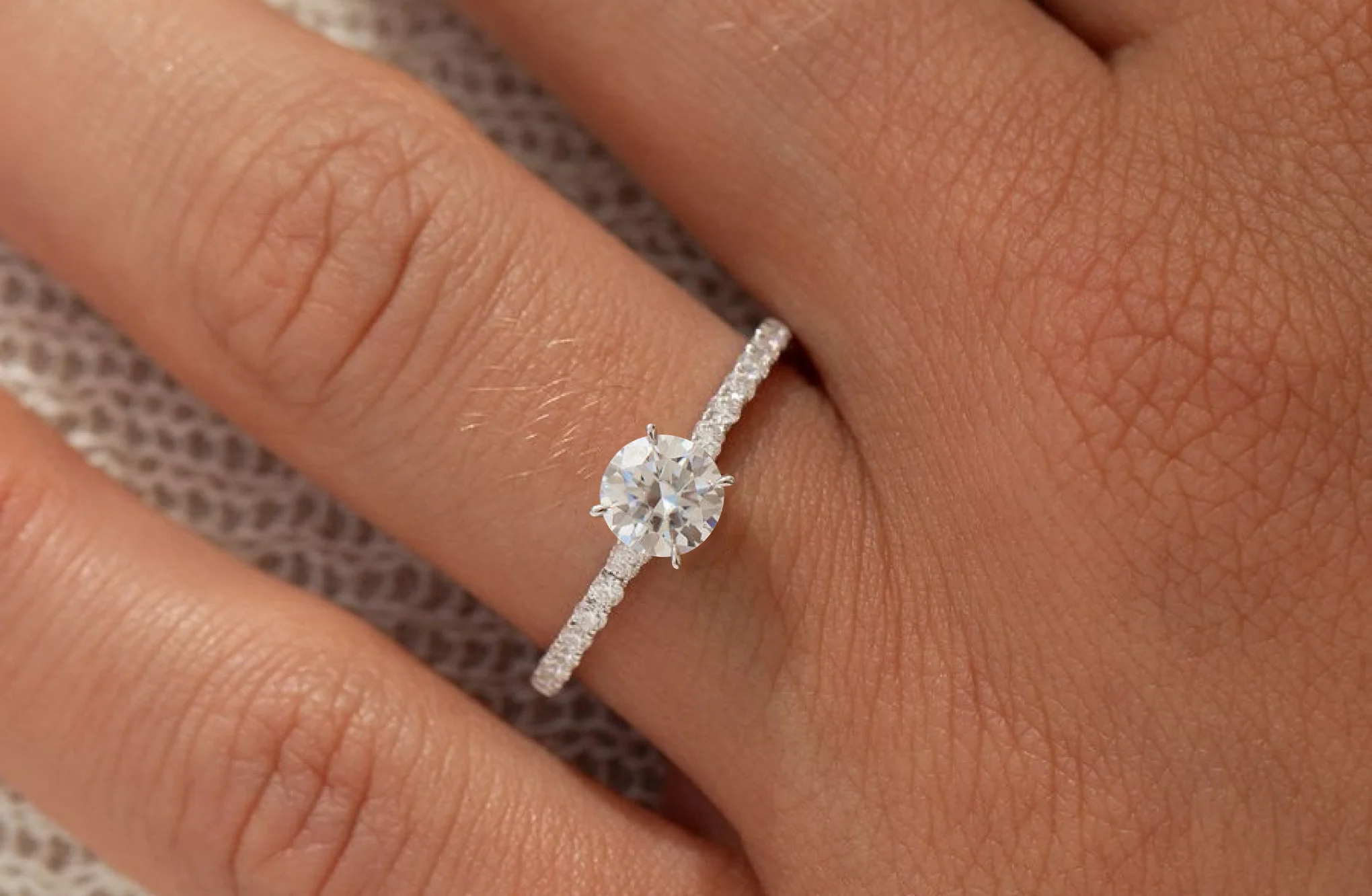
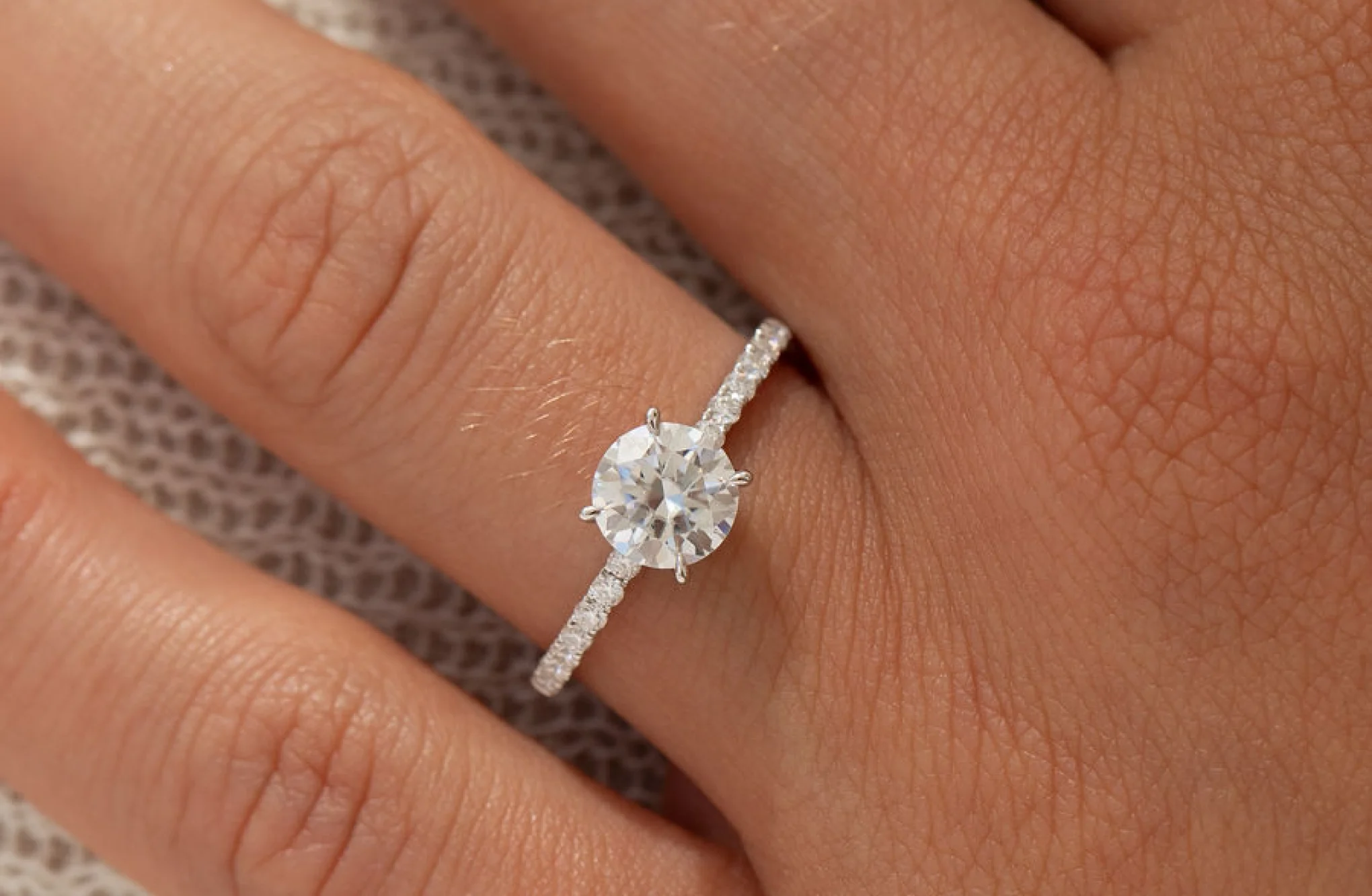
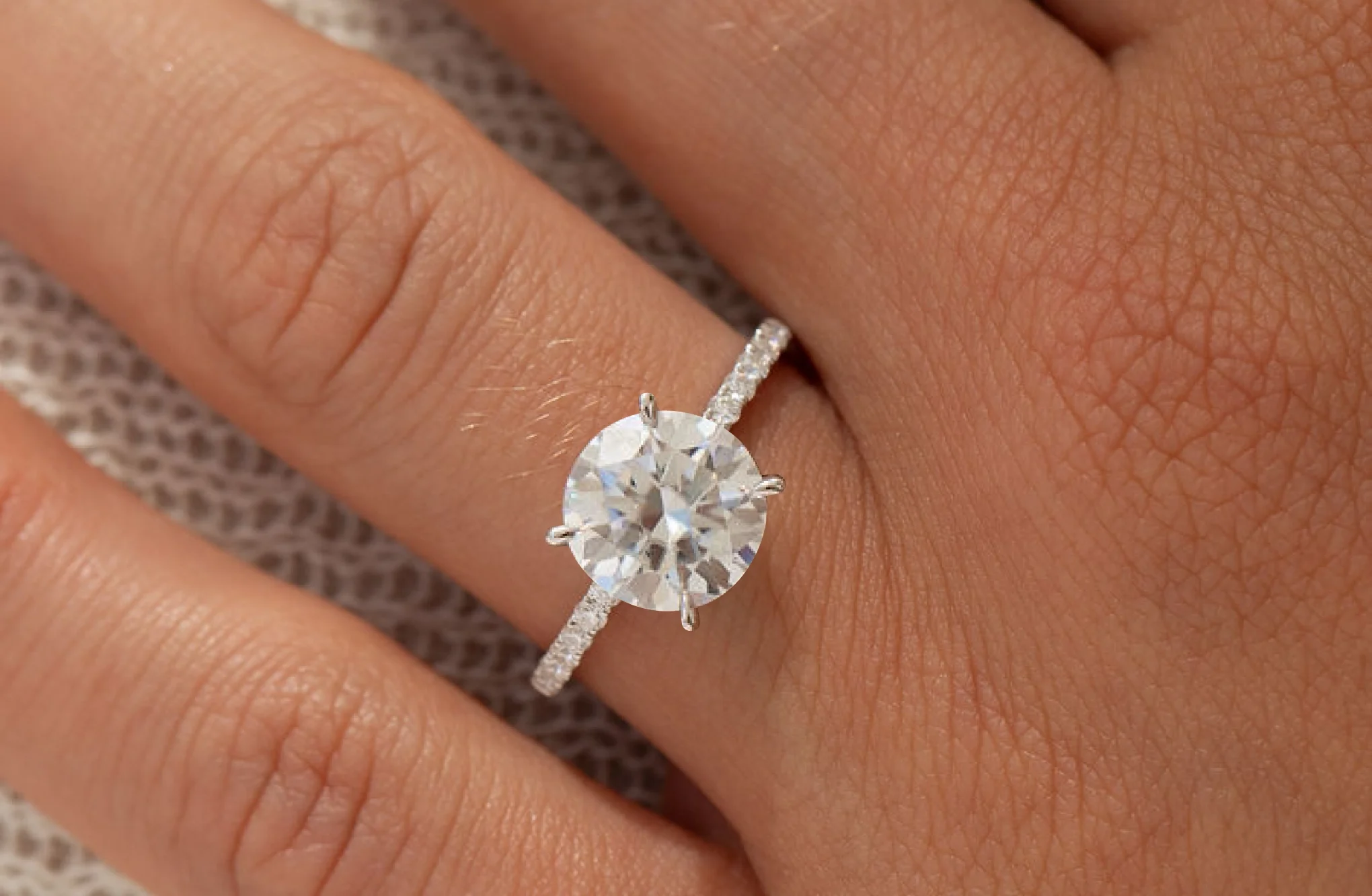
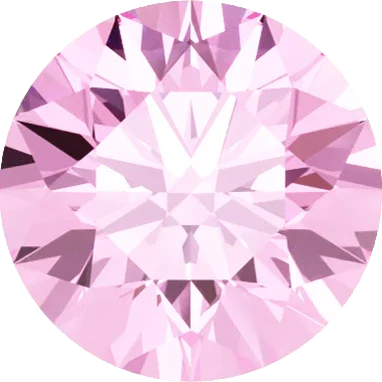
An elegant oval ring in which the centre of the stone should appear particularly clear.
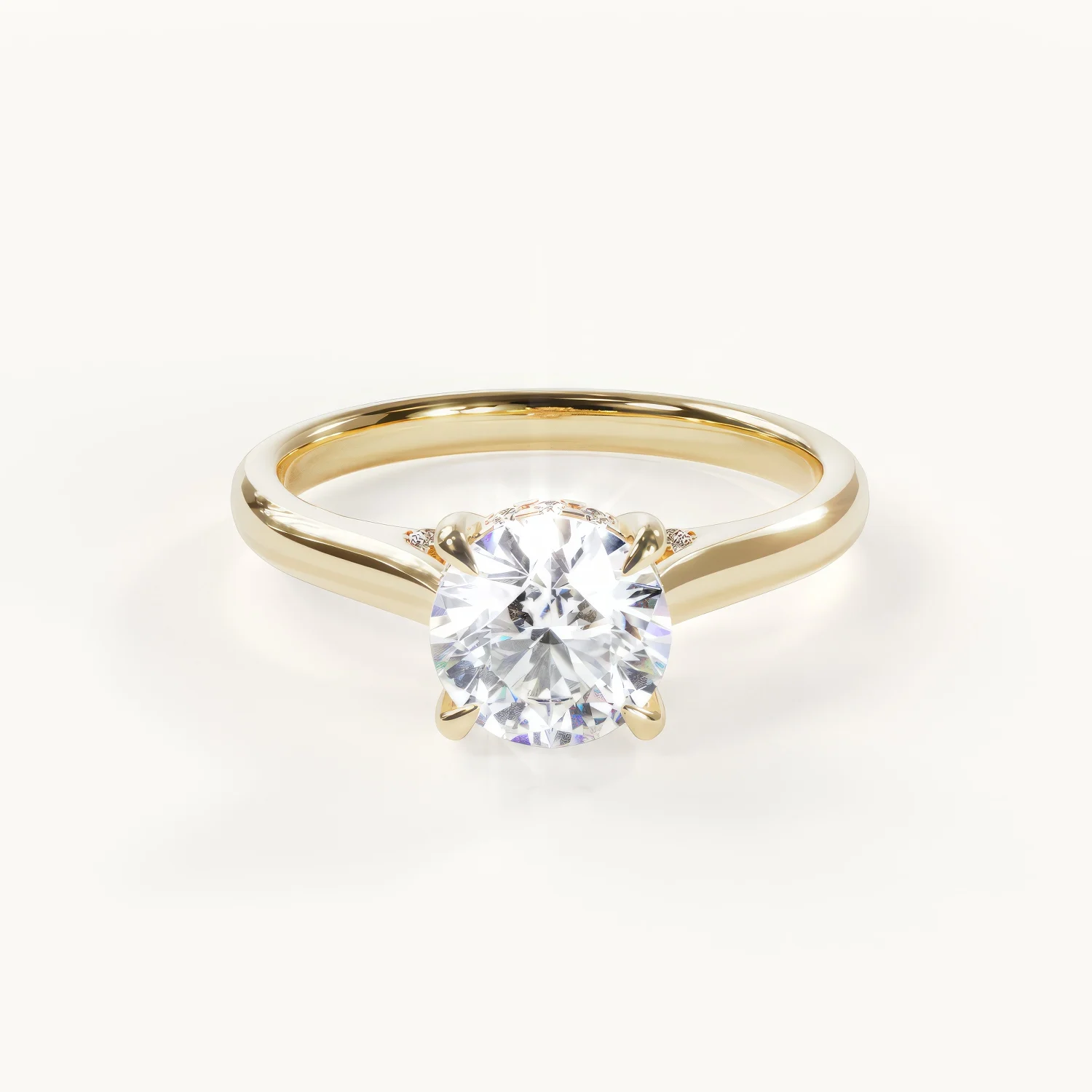
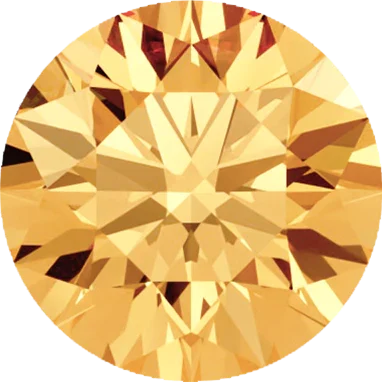
A classic solitaire with understated brilliance and a timeless design.
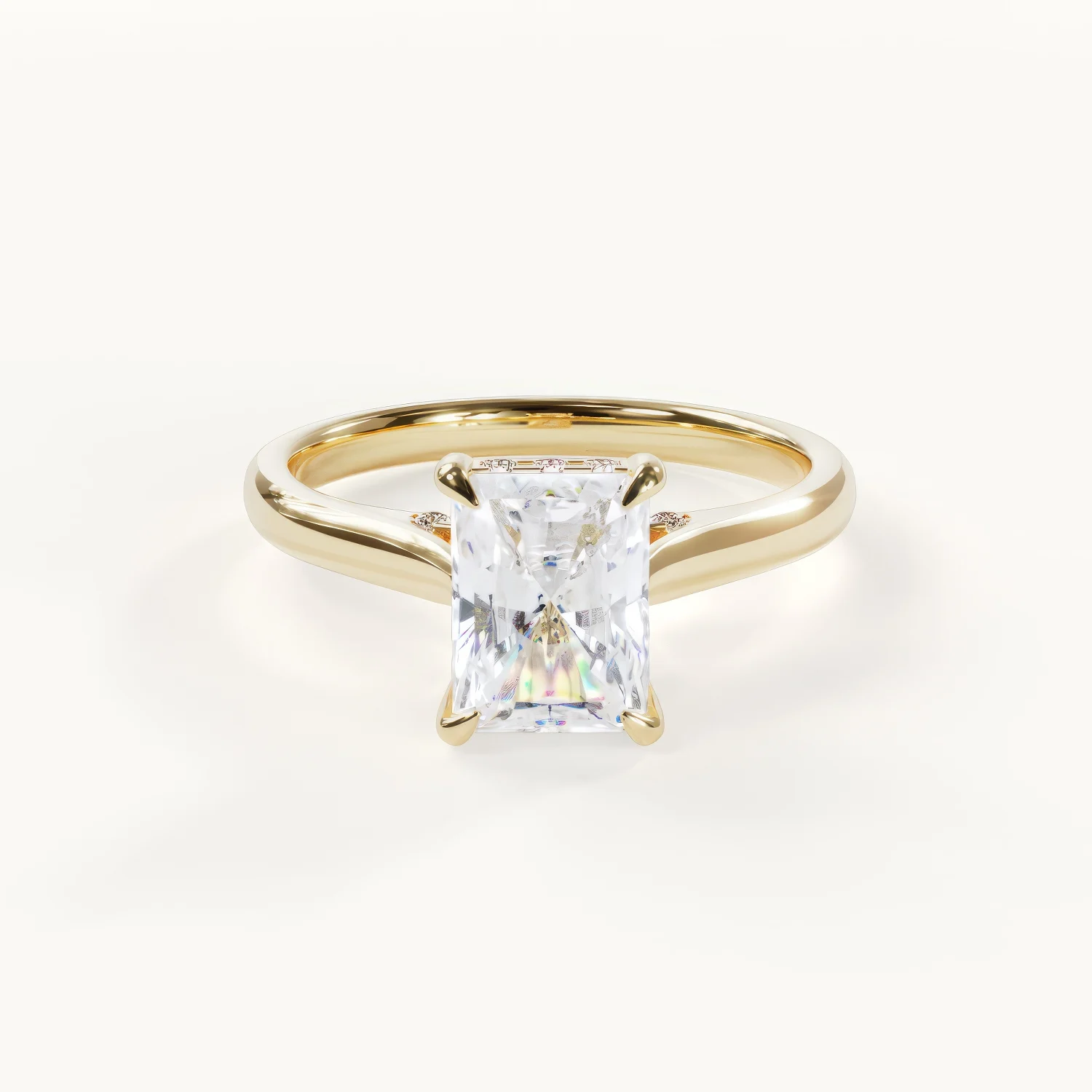
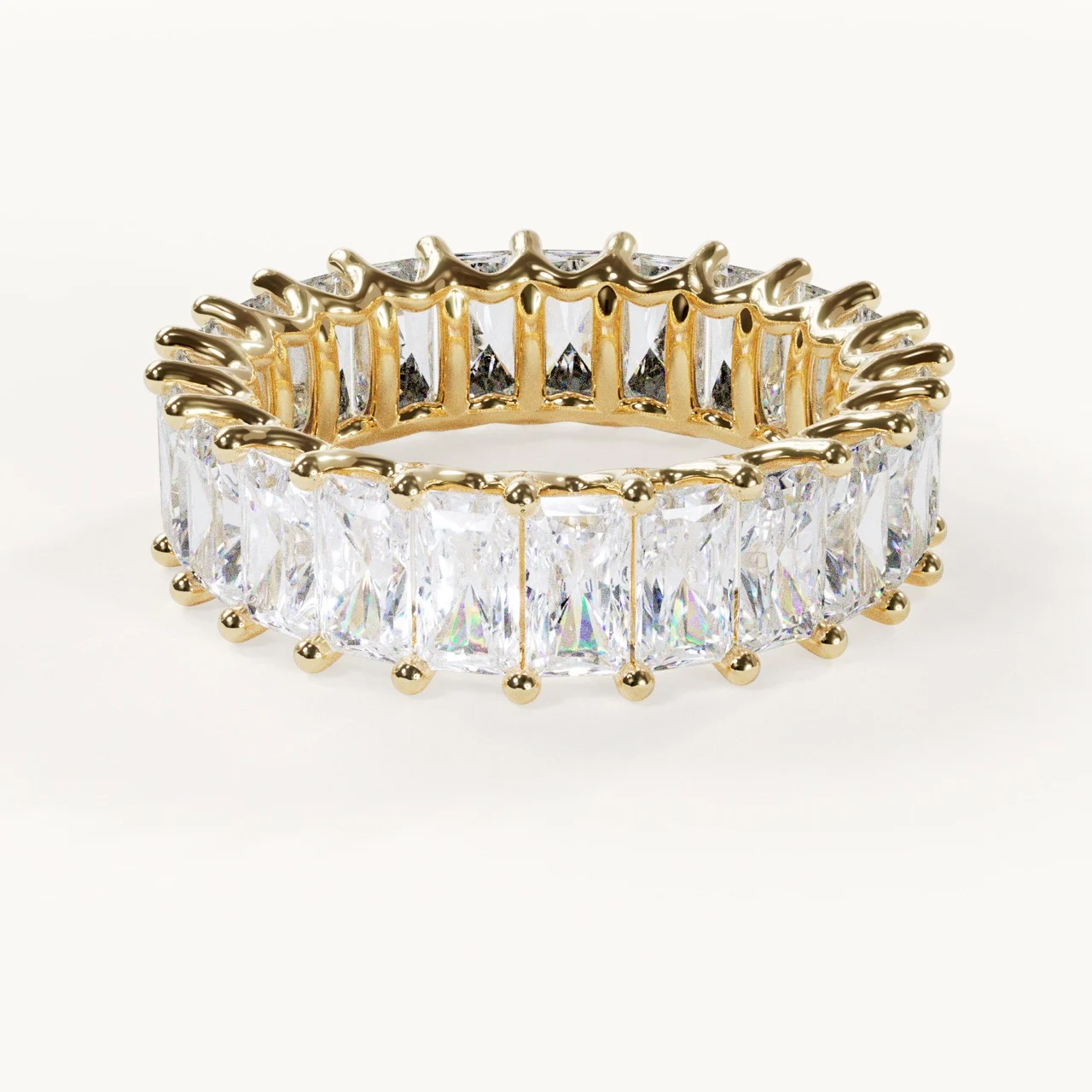
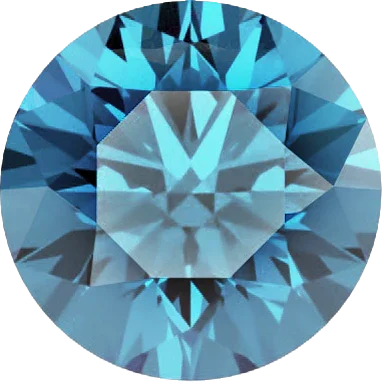
A modern, clean look for anyone who loves a more angular stone.
Fluorescence is not a warning sign—but it is a checkpoint
Fluorescence shouldn't worry you. It's a normal characteristic of many diamonds and, in most cases, isn't a visual issue. "None" and "Faint" are particularly reliable ratings. "Medium" can look perfectly fine, depending on the stone. "Strong" and "Very Strong" call for more attention, not more panic.
The best purchase isn't based on a single line in a certificate, but on a combination of data and visual inspection. If a stone appears clear, brilliant, and of high quality, fluorescence is only part of the story. If, on the other hand, it appears cloudy, milky, or uneven, you should examine it more closely or choose a better alternative.
"None" and "Faint" are usually unproblematic. "Medium" depends on the context. "Strong" and "Very Strong" are not grounds for rejection, but they should be inspected visually—especially in colourless diamonds and larger centre stones.






Frequently Asked Questions About Fluorescence in Diamonds
What does fluorescence mean in the context of diamonds?
Fluorescence refers to the visible light that a diamond can emit when exposed to UV radiation. Certificates typically indicate the intensity of this reaction, which is not necessarily a quality defect.
Is fluorescence a bad thing in diamonds?
Don't generalize. "None" and "Faint" are usually not a problem. "Medium" can be neutral or even interesting, depending on the colour intensity. "Strong" and "Very Strong" should be inspected visually, especially if the stone appears milky or oily.
What is the ideal type of fluorescence for an engagement ring?
For a simple engagement ring, "None" or "Faint" are very safe options. For "Medium," "Strong," or "Very Strong," the actual appearance under daylight, indoor lighting, and near-UV lighting is more important.
Can blue fluorescence make a diamond appear whiter?
Yes, in slightly warmer-coloured diamonds, blue fluorescence can visually offset the yellowish tint to some extent. In very colourless diamonds, however, strong fluorescence is often viewed more critically.
Does fluorescence weaken the structure of a diamond?
No. Fluorescence is a reaction to UV light and does not weaken the diamond's structure.
How does Velur test diamonds for fluorescence?
At Velur, we don’t select diamonds and lab-grown diamonds based solely on their certificates. We also visually inspect the stones for their play of light to ensure that strong fluorescence doesn’t result in a milky, oily, or uneven appearance.
More Guidance for Choosing a Ring
Technical Basis
This article is based on neutral laboratory and expert sources, particularly the GIA and IGI. Other jewellery brands were deliberately not used as sources.
GIA – Understanding Diamond Fluorescence
Ready to find the right stone?
Discover engagement rings where it's not just the certificate that counts, but how they actually look on your finger.