

A Comparison of Engagement Ring Shapes and Settings
Eight gemstone shapes, the most important settings, and a straightforward path to finding your favorites.
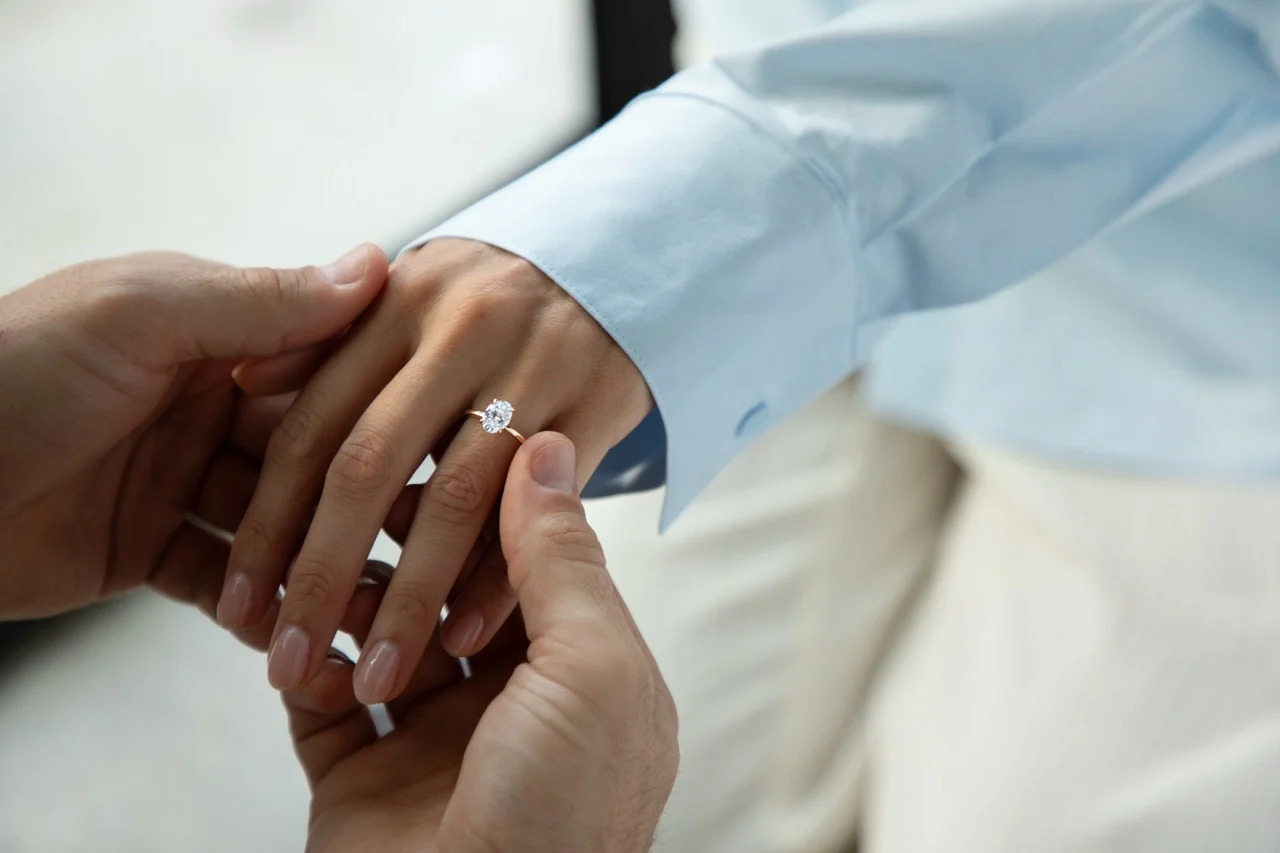
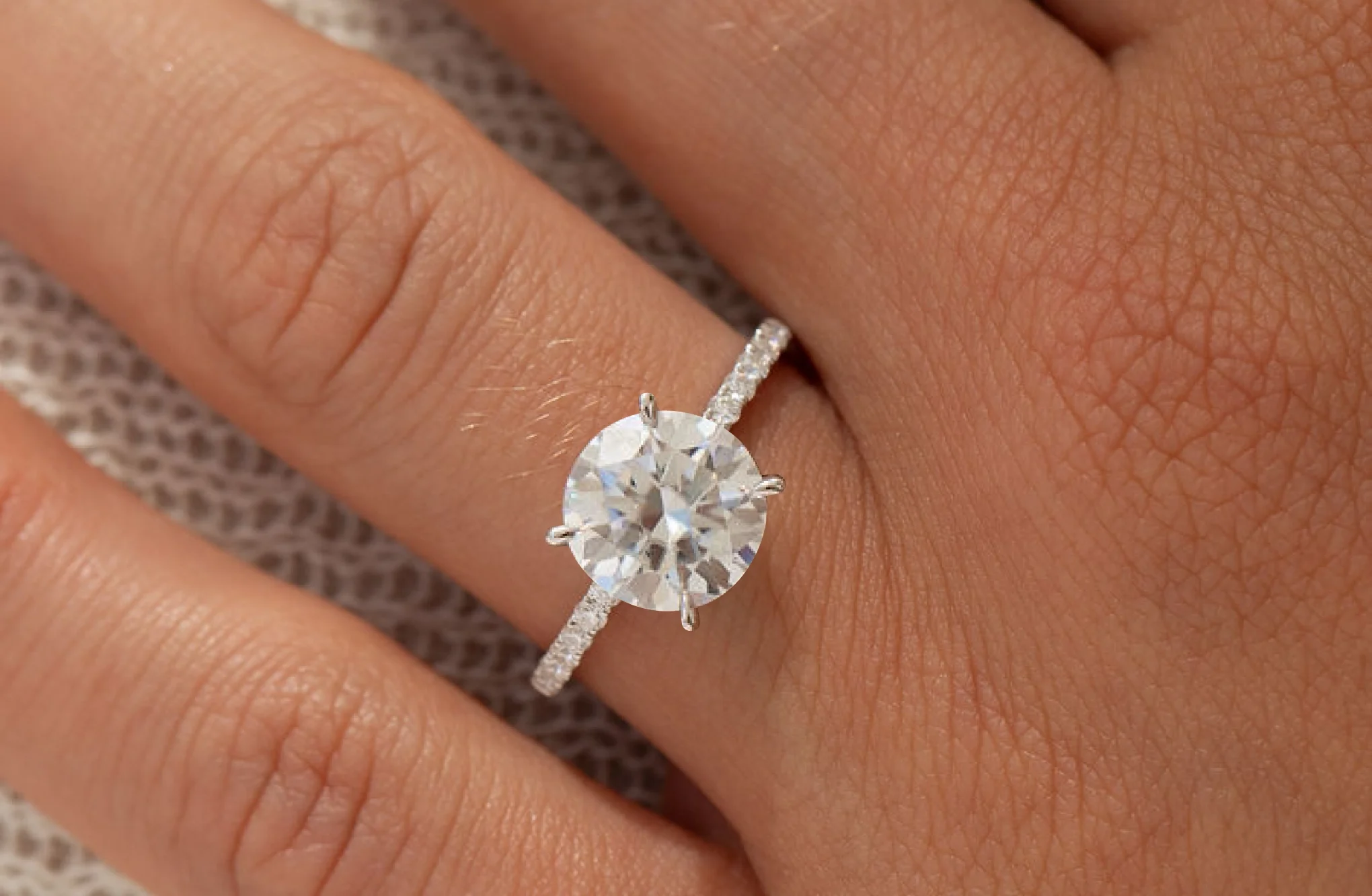
When it comes to engagement ring styles, it’s helpful to distinguish between the stone shape, cut, and setting. “Oval” or “round” describes the outline of the stone; “prong” or “bezel” describes how it is held in place. A solitaire features a single center stone and can come in various stone shapes and settings.
You might like two rings with oval stones—yet they look completely different. In one, much of the stone’s edge remains visible, while in the other, metal frames the stone. Or the ring band features small accent stones. By using the right terms, you can describe exactly what appeals to you and make more targeted comparisons.
This guide categorizes the different shapes and settings. For each of the eight gemstone shapes described below, you’ll find an existing Velur collection. The guide walks you through the rest of the decisions involved in buying an engagement ring, including budget, material, and ring size.
What do engagement ring shapes, cuts, and settings mean?
The stone shape is the outline you see from above. The cut describes the arrangement of the facets—that is, the cut surfaces. The setting holds the stone in the ring. Some names combine shape and cut: “Emerald Cut,” for example, refers to a stone that is usually rectangular with stepped facets.
Cut quality is another consideration. Two stones of the same shape can handle light differently. Therefore, a photo or the shape name alone does not indicate which stone appears more vibrant. The GIA overview of diamond shapes explains this distinction.
What types of gemstones are suitable for your ring?
First, choose based on the outline. Then take a closer look: Do you prefer many small reflections of light, or larger, clearly defined areas of light? The following descriptions are meant to serve as a guide. When making your decision, you should always examine the specific stone and its setting.
Round: a uniform contour
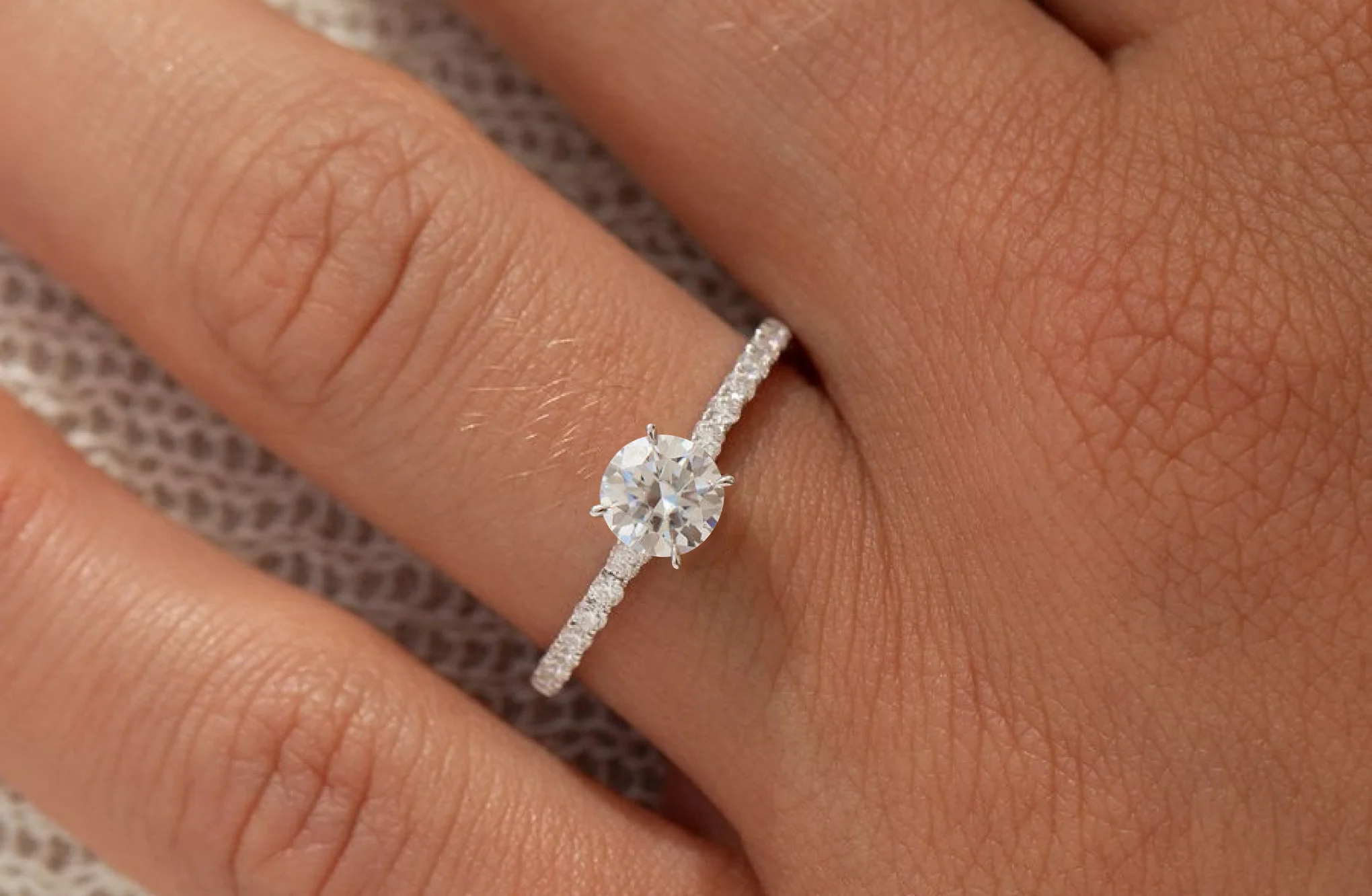
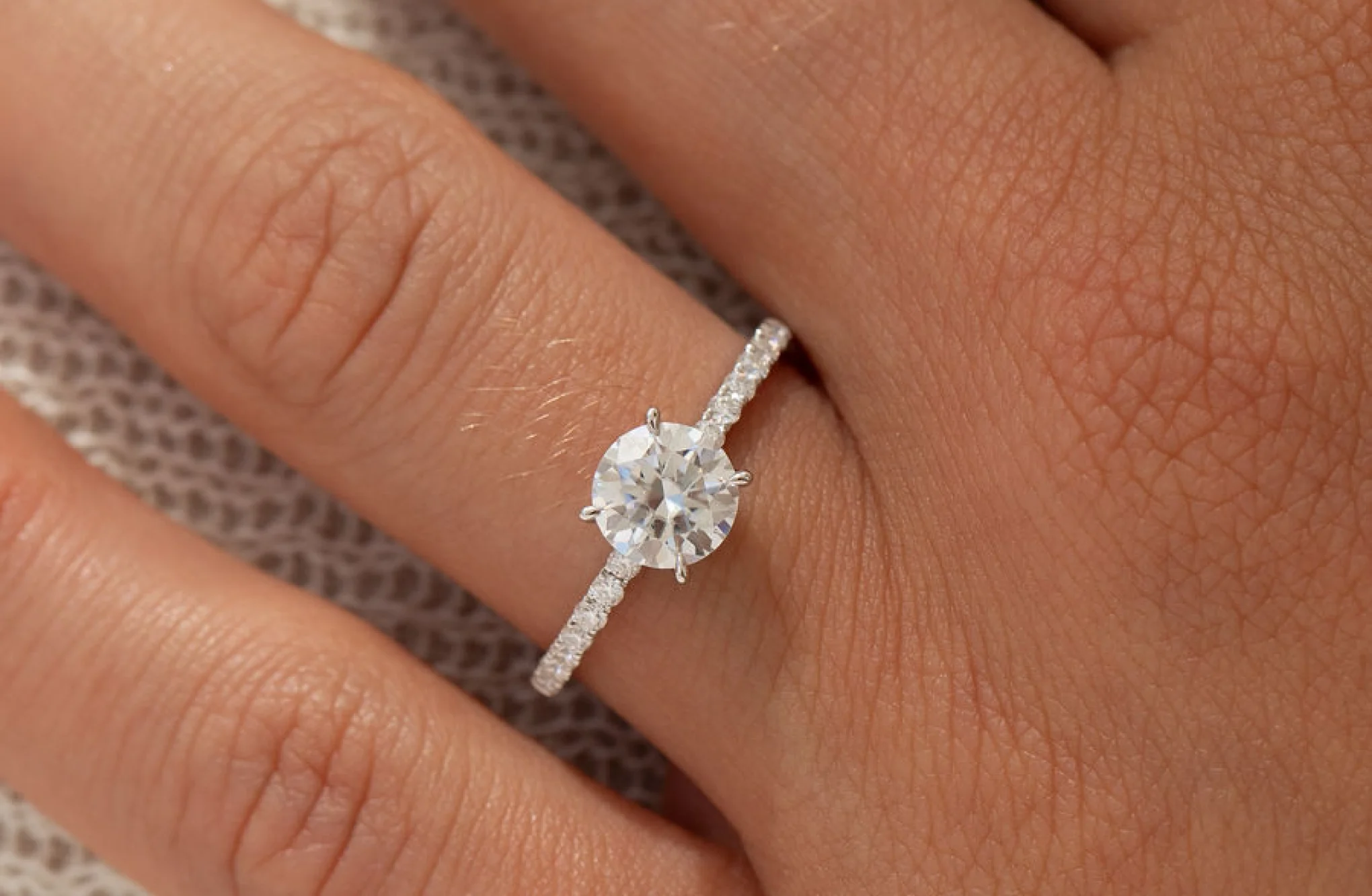
The round brilliant cut has a circular outline. If you like this clean, simple outline, compare different ring designs within this shape: a simple band, side stones, or a metal setting. You can start your comparison in the collection of engagement rings featuring round brilliant cuts.
Oval: elongated with rounded ends
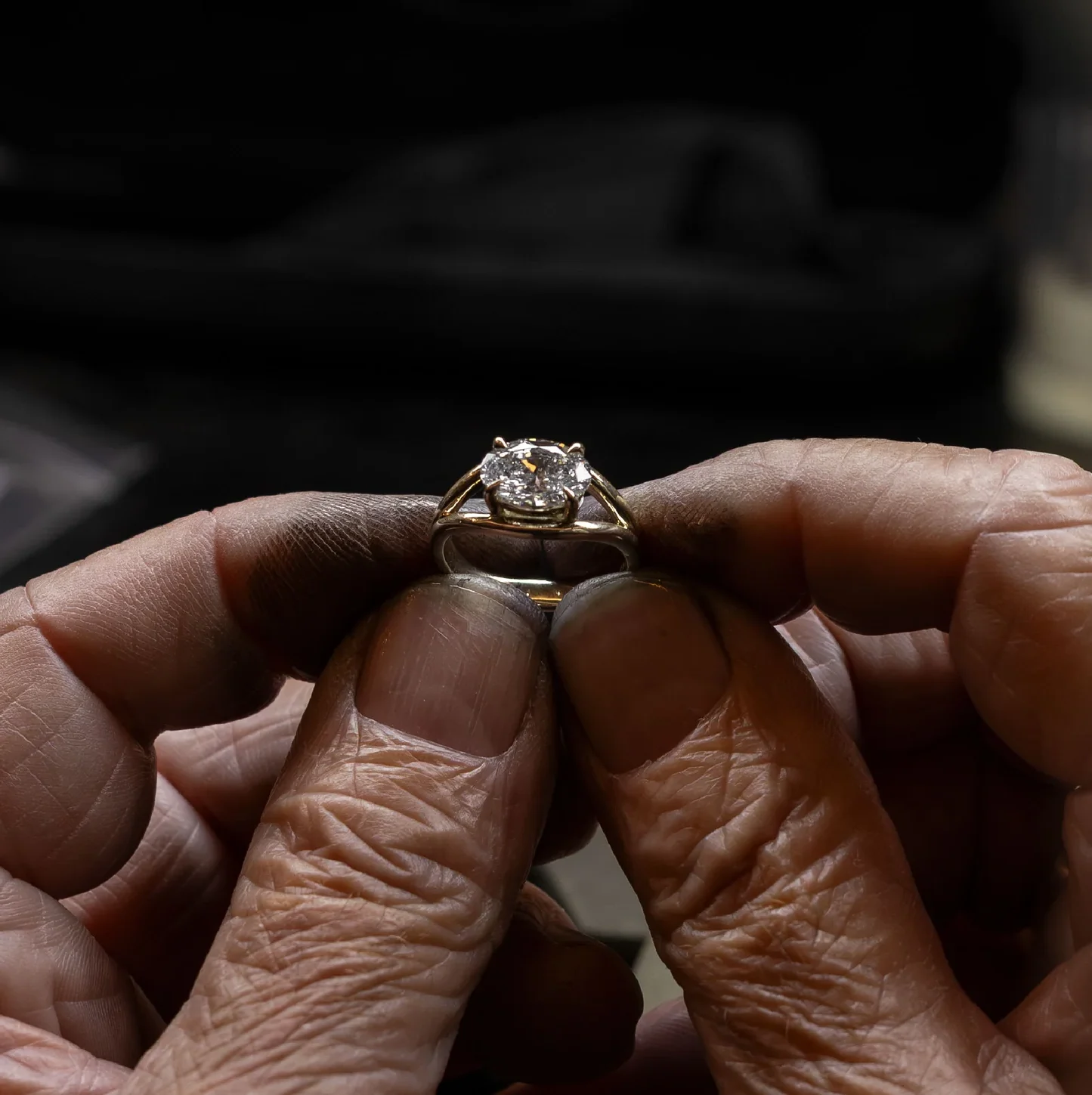
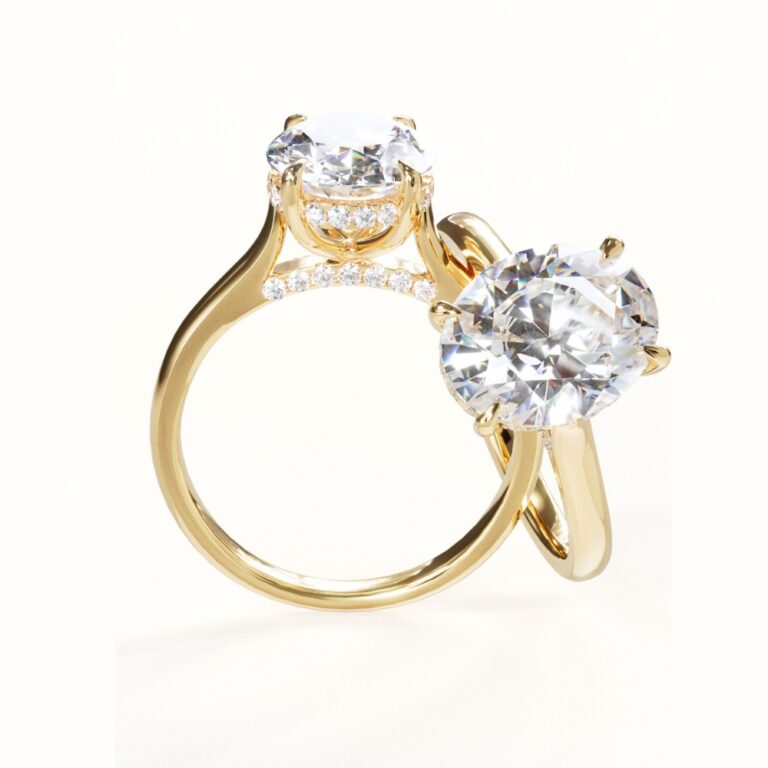
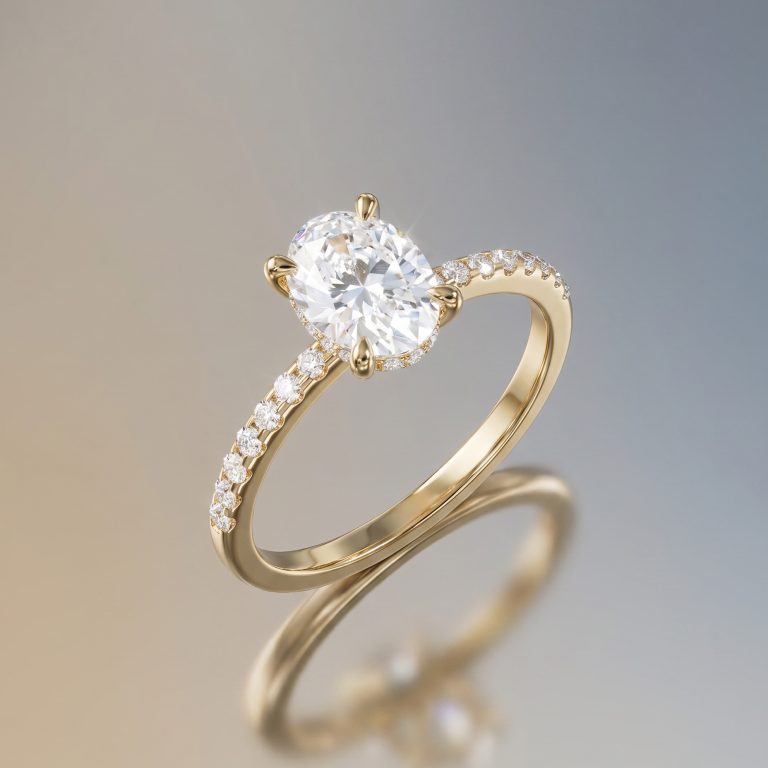
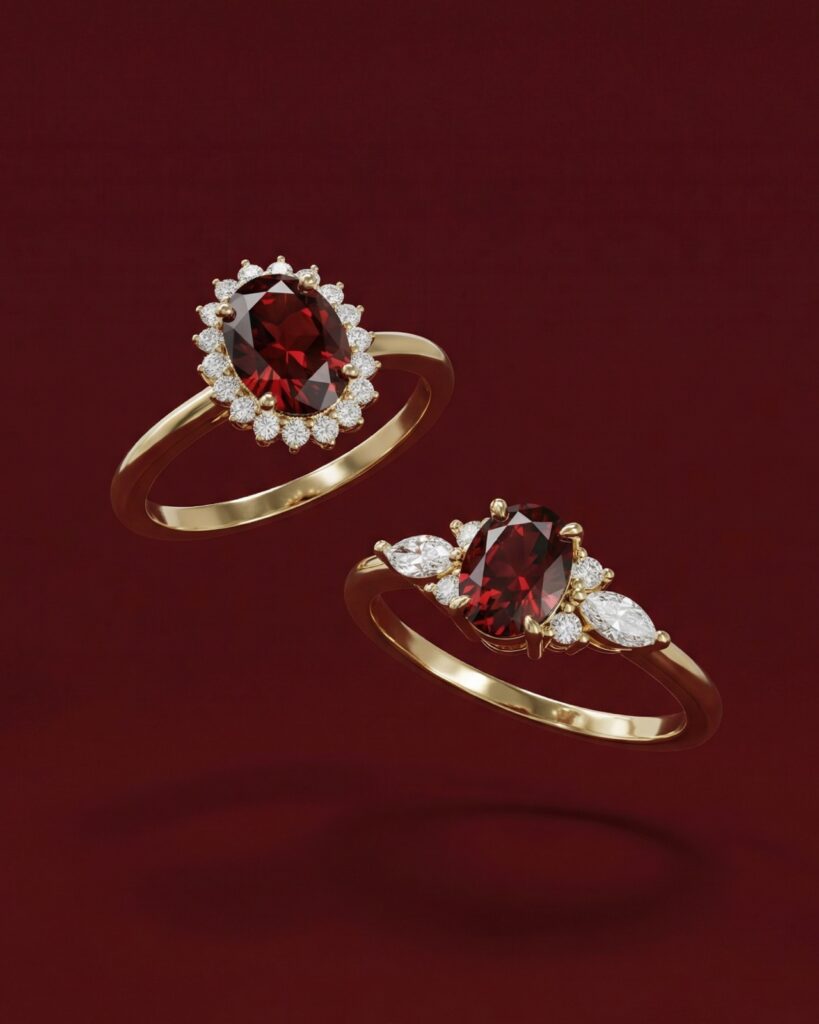
An oval shape is a good starting point if you're looking for an elongated outline without points. As you look at them, pay attention to whether you prefer a narrow or wider oval shape. Start by placing two different proportions side by side. The oval engagement rings shown here are existing models of this shape.
Marquise: two tapered ends
The marquise cut, also known as the navette, tapers to a point at both ends. When choosing a ring, be sure to pay close attention to the ends of the setting. Do you prefer a visible metal finish, or would you rather the outline appear as open as possible? Discover marquise engagement rings; the marquise guide goes into more detail about the selection process.
Drop: one rounded side, one point
The teardrop shape is also called a "pear." Its two ends are different and determine the orientation of the ring. Therefore, don't just look at a single front view—take a look at the ring on your hand. You'll find the available selection in the collection of teardrop-cut engagement rings.
Emerald: clean lines and stepped facets
"Emerald Cut" is a cut style and does not mean that the stone is an emerald. The larger facets create different light patterns than a brilliant cut; inclusions may be more clearly visible. Be sure to compare the specific stone while it's in motion. Here you'll find engagement rings with an emerald cut.
Radiant: angular outline with a vibrant faceted appearance
Radiant-cut diamonds can appear square or rectangular and have beveled corners. Compare a Radiant cut to an Emerald cut if you want to see the difference between many small reflections and longer step facets. Radiant-cut engagement rings are the perfect way to get started with this selection.
Elongated Cushion: oblong with rounded corners
An elongated cushion combines an elongated cushion shape with rounded corners. Pay attention to the outline: Some designs appear softer, while others are closer to a rectangle. You can easily see which style you prefer by comparing them side by side. Take a look at the elongated cushion engagement rings.
Princess: a square basic shape
The Princess Cut combines a mostly square shape with pointed corners. Be sure to pay close attention to the corners when choosing a setting. If you like clean, defined lines, it’s also worth comparing it to the Radiant and Cushion cuts. The Princess Engagement Ring Collection showcases the models currently available.
For information on shape characteristics and facets: GIA: Guide to Diamond Shapes. For information on the visibility of inclusions in step-cut diamonds: GIA: Choosing a Diamond Engagement Ring.
What is the difference between a setting and a ring style?
A prong setting holds the stone in place with individual metal prongs. A bezel setting, also known as a bezel, completely or partially encircles the stone’s edge with metal. Both affect how clearly you can see the stone’s outline. Look at the ring from the side: From there, you can better see how high the stone sits and how the ring shank is constructed.
Terms such as “solitaire,” “halo,” or “pavé,” on the other hand, describe different aspects of the design. Some of them can be combined. For example, a solitaire ring can have a prong setting or a bezel setting. Small stones on the band do not, by themselves, indicate how the center stone is set.
The table can be moved to the side.
| Term | What You See at the Ring | Things to Keep in Mind |
|---|---|---|
| Solitaire | A single keystone stands at the center. | The interplay of the stone, the setting, and the ring band |
| Halo | Small stones surround the main stone. | Overall outline of the ring head |
| Pavé | Many small, closely set stones cover an area. | Width and extent of the occupied area |
| Three-Stone Ring | Three large stones define the design. | Ratio of the center stone to the side stones |
The GIA overview of ring settings and styles also distinguishes between mounting methods and design. The terms alone do not indicate how secure or comfortable a specific model is.
Which shape fits your hand and fits your everyday life?
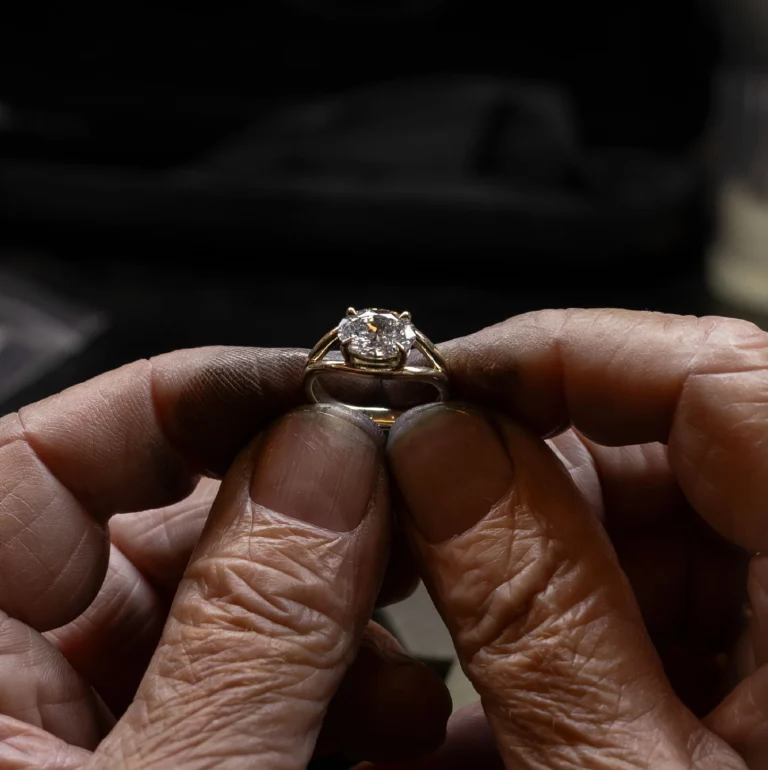
A hard-and-fast rule like “narrow fingers need an oval shape” isn’t very helpful if you like a different ring better. If possible, try on different shapes and ring widths. Look at your whole hand from a slight distance. A highly magnified close-up reveals details you might not notice in everyday life.
Also, compare the dimensions in millimeters. Carat refers to a diamond’s weight, not its visible length or width. Two stones of the same weight may appear to be different sizes. The GIA explanation of quality factors provides the basis for this difference.
In elongated stones, you may notice a dark area in the center known as a “bow tie.” You can assess how noticeable it is by examining the specific stone from different angles. Don’t let a single, carefully selected photo influence your judgment. GIA research on fancy shapes examines such visual characteristics.
For each favorite, note the visible stone dimensions, the ring width, and the height of the setting, if specified. If any information that’s important to you is missing, ask for it. That way, your comparison will still make sense even if you look at the models again later.
How do you narrow down your choices in a practical way?
Start with two designs. Then choose one ring with a simple band and one with more details. This will help you figure out whether you’re drawn more to the stone itself or the design surrounding it. If you change the shape, metal, and stone size all at once, it’ll be hard to make a decision.
When comparing prices, keep as many features as possible the same. A large stone in a simple setting and a smaller stone with additional accent stones are not a direct comparison of prices for two different cut shapes. Compare the entire selected configuration on the product page. Static price rankings by shape do not account for these differences.
The choice of metal also warrants its own comparison. If you’re considering a white setting, the “Platinum or White Gold” guide can help. If you’re interested in lab-grown diamonds, the “Engagement Rings with Lab-Grown Diamonds” collection will show you the available models. You can see which combinations are offered by looking at the specific ring.
In the end, a brief explanation is enough: “We like the elongated silhouette, but we’d prefer few additional details.” This sentence allows for a more targeted search than a long list of supposedly required features. The shape should appeal to you, and the design should align with your ideas about how you’d wear it.
Frequently Asked Questions About Engagement Ring Shapes
Are the gemstone and the setting the same thing?
No. The stone shape describes the outline of the stone—for example, round or oval. The setting holds the stone in the ring, such as with prongs or a bezel. The cut style additionally describes the arrangement of the facets.
Can a solitaire ring have an oval stone?
Yes. The term "solitaire" refers to a single center stone at the heart of the design and does not specify a particular stone shape. A solitaire can, for example, feature a round, oval, or square stone.
Which engagement ring shape looks the biggest?
The carat weight alone isn't enough to determine this. Compare the length and width in millimeters, as well as the setting and how it looks on your hand. Two stones of the same weight can appear to be different sizes.
Is an emerald cut always an emerald?
No. "Emerald cut" refers to a type of cut. Diamonds can also have this typically rectangular shape with beveled corners and step facets.
Which shape is best for slender fingers?
There is no set rule. Compare different shapes and ring widths on your hand. What matters most is which proportions you like and how the ring feels when you wear it.
Where can you find rings that match a specific shape?
The sections in this guide will take you to the available Velur collections. Choose a model there and check the product page for the materials, stone types, and sizes offered.
Narrow your selection down to two styles, and then compare their settings and materials.