Engagement: What Comes After Saying "I Do"?
The ring is on, the tears have dried. Now what? Our guide will take you through the weeks after the proposal—all the way to the start of wedding planning—without any stress.
In a nutshell
After the proposal, you should first share the news of your engagement with your closest family before making it public. The actual wedding planning ideally begins with setting a budget (on average, 15,452 euros in Germany) and drawing up a rough guest list. Take your time—most couples are engaged for 12 to 18 months.
The moment was magical. The question has been asked, the “yes” has been said, and the ring sparkles on your finger. To be honest, the first few days after the proposal feel like a rush. But as soon as that initial adrenaline rush wears off, a quiet sense of panic often creeps in. What happens next? Do we have to book a venue right away? Who should we call first?
Take a deep breath. Every week, we see how quickly our clients’ excitement turns into planning stress. It doesn’t have to be that way. In this guide, we’ll walk you through, step by step, how you can truly enjoy the first phase of your engagement—and when it’s time to start the actual wedding planning.
The First 48 Hours: Your Little Bubble
It’s a mistake almost every couple makes: reaching for their cell phones right after the proposal. Resist the urge. This moment belongs only to the two of you. Take at least a day—preferably a whole weekend—to keep the news to yourselves.
Drink champagne. Go out for a nice meal. Stare at the engagement ring for hours. As soon as you tell the world, you’ll be bombarded with a hundred questions: When’s the wedding? Where? Am I invited? In your little bubble, these questions don’t exist yet.
"Today, 83% of couples prefer a private, intimate proposal without a large audience. This clearly shows that an engagement is once again seen as a very personal moment between two people."
Helzberg Proposal Survey, 2025
The Announcement: Who Finds Out When?
If you're ready to burst the bubble, there's an unwritten order to follow. This will help you avoid hurt feelings and family drama.
| Order | Who? | How? |
|---|---|---|
| Level 1 | Parents & Siblings | In person or via video call (never via text message!) |
| Level 2 | The Closest Friends (Best Men and Maids of Honor) | Phone call or in-person meeting |
| Level 3 | Expanded Circle of Friends | In a WhatsApp group or at a meeting |
| Level 4 | The whole world | Social Media Post (Instagram, TikTok) |
What many people don't know: These days, a social media post is often the official kickoff for the planning phase. According to recent surveys, nearly one-fifth of couples begin planning more than a year in advance.
Ring Care & Safety: Sparkle That Lasts a Lifetime
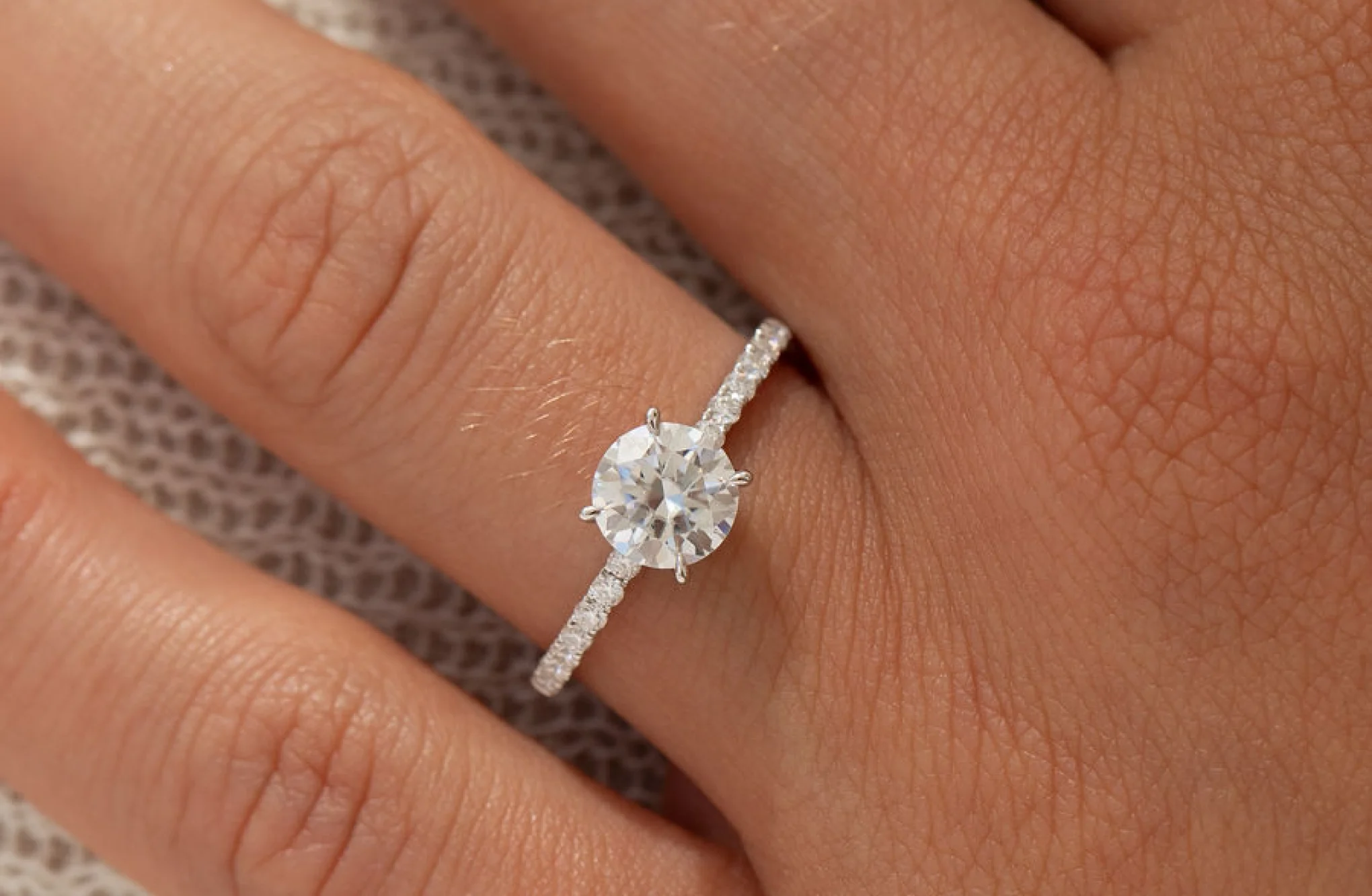
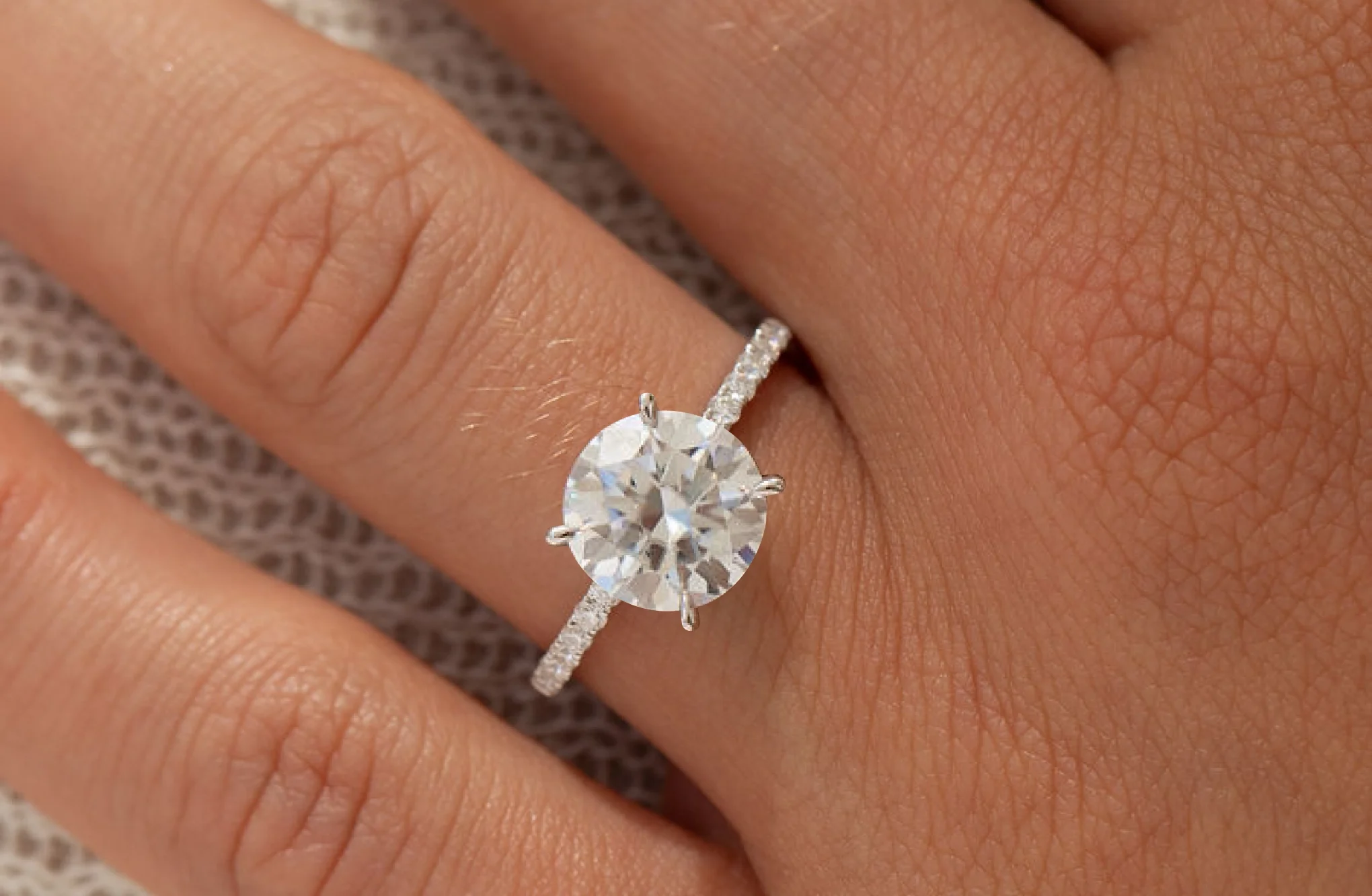
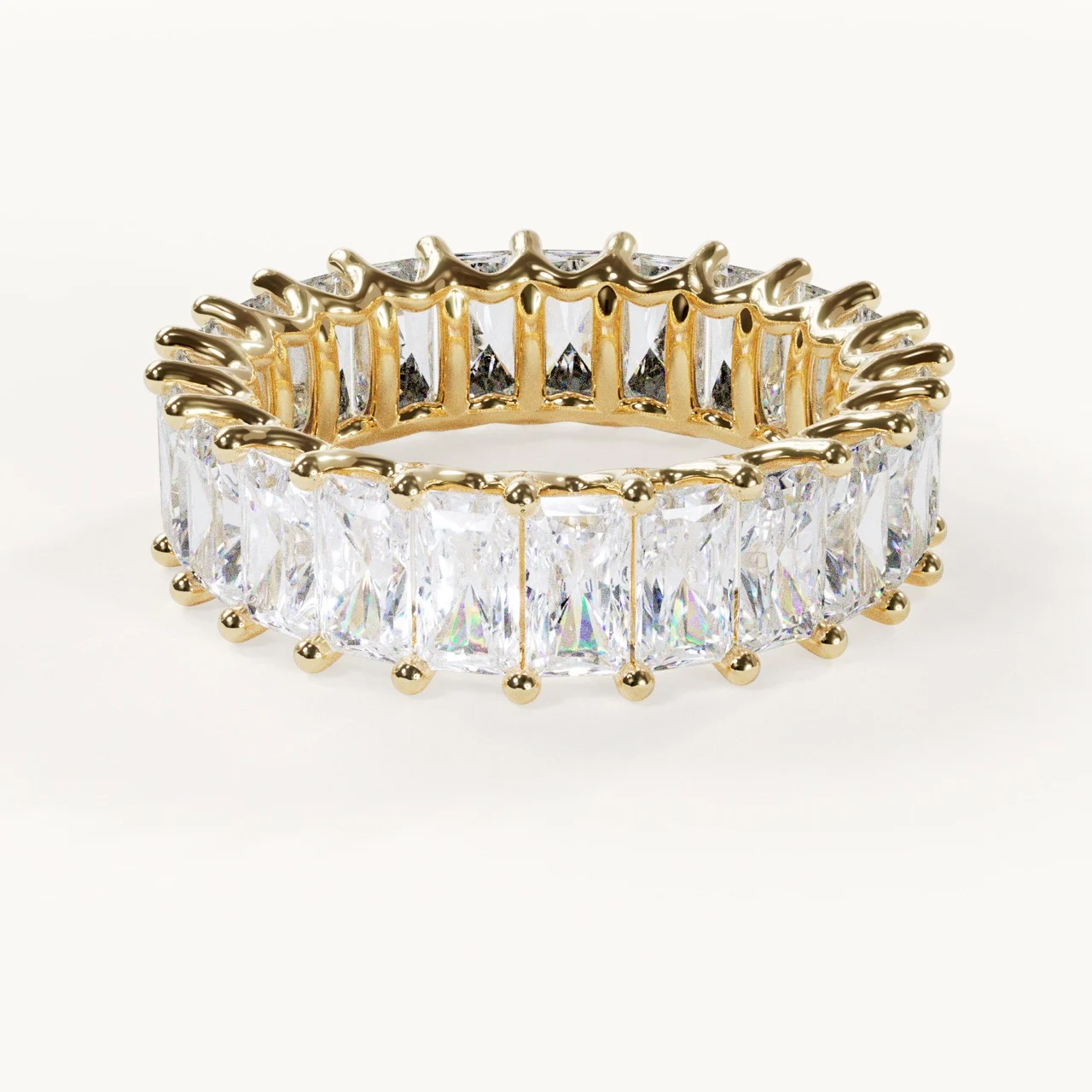
Your ring is probably the most valuable piece of jewellery you own right now. And it really catches everyone's eye. If it doesn't fit right, now is the time to take action.
Is the ring too loose or too tight? Don't panic. At Velur, we offer a free size adjustment within 180 days. Just send us a quick message. WhatsApp
There are two things you should do right away: First, get into the habit of taking off your ring when doing housework, exercising, and sleeping. Second, check to see if your ring is covered by your home insurance. If not, it’s often worth getting separate jewellery insurance.
One more thing that many people forget: Have the ring professionally cleaned before you show it off on social media for the first time. Fingerprints and skin oils dull the shine. A soft microfiber cloth is enough for everyday use. For special occasions, we recommend gently cleaning it with lukewarm water and a drop of dish soap.
What many people don’t know: With a hardness of 9.25 on the Mohs scale, moissanite is extremely scratch-resistant. By comparison, diamond rates at 10 and sapphire at 9. So your ring can withstand quite a bit. Still, you shouldn’t wear it while rock climbing, at the gym, or while gardening—not because of the stone, but because the gold setting is more delicate than the stone itself.
When do you start planning a wedding?
The short answer: Whenever you’re ready. The reality is often different. 30% of German couples get married within a year of the proposal. 45% wait one to two years. That means if you want to get married in the summer, you usually have to start looking for a venue 12 to 15 months in advance.
The numbers speak for themselves. The wedding market in Germany is huge, and popular dates fill up quickly.
Don't let these numbers stress you out, but use them as a guide. If you want to plan without rushing, it's better to give yourself 18 months.
One thing we see time and time again with our clients: The venue is the biggest source of stress. Popular barns, castles, and event venues in Bavaria, on Lake Constance, or in Tuscany are often booked up 18 to 24 months in advance. If you have a specific date in mind—such as an anniversary or a date with repeating digits like 7/7—start looking early.
In short: The engagement period isn't a sprint. It's a marathon where you set the pace yourselves. Enjoy the anticipation, because this phase will never come again.
The Three Pillars of Your Wedding
Before you open Pinterest and get lost in table decoration ideas, there are three basic things you need to figure out. We call them the foundation of any wedding planning. Without these three decisions, you won't be able to book a single vendor.
1. The Budget: Be honest about money. How much have you saved? How much can you set aside each month leading up to the wedding? 76% of couples pay for their wedding entirely on their own. Set an absolute limit you won’t cross.
2. The guest list: You don’t have to send out invitations just yet, but you do need a rough estimate. In Germany, 60 to 100 guests is the norm. A venue for 40 people looks very different from one for 120. Write down everyone you want to invite, and then cut the list down drastically if your budget requires it.
3. The vibe: Will it be a rustic barn wedding? An elegant celebration at a castle? Or an intimate micro-wedding on the beach? The trend for 2026 is strongly leaning toward individuality and unconventional concepts. Your wedding should reflect who you are, not what’s popular on Instagram.
Don't forget the rings
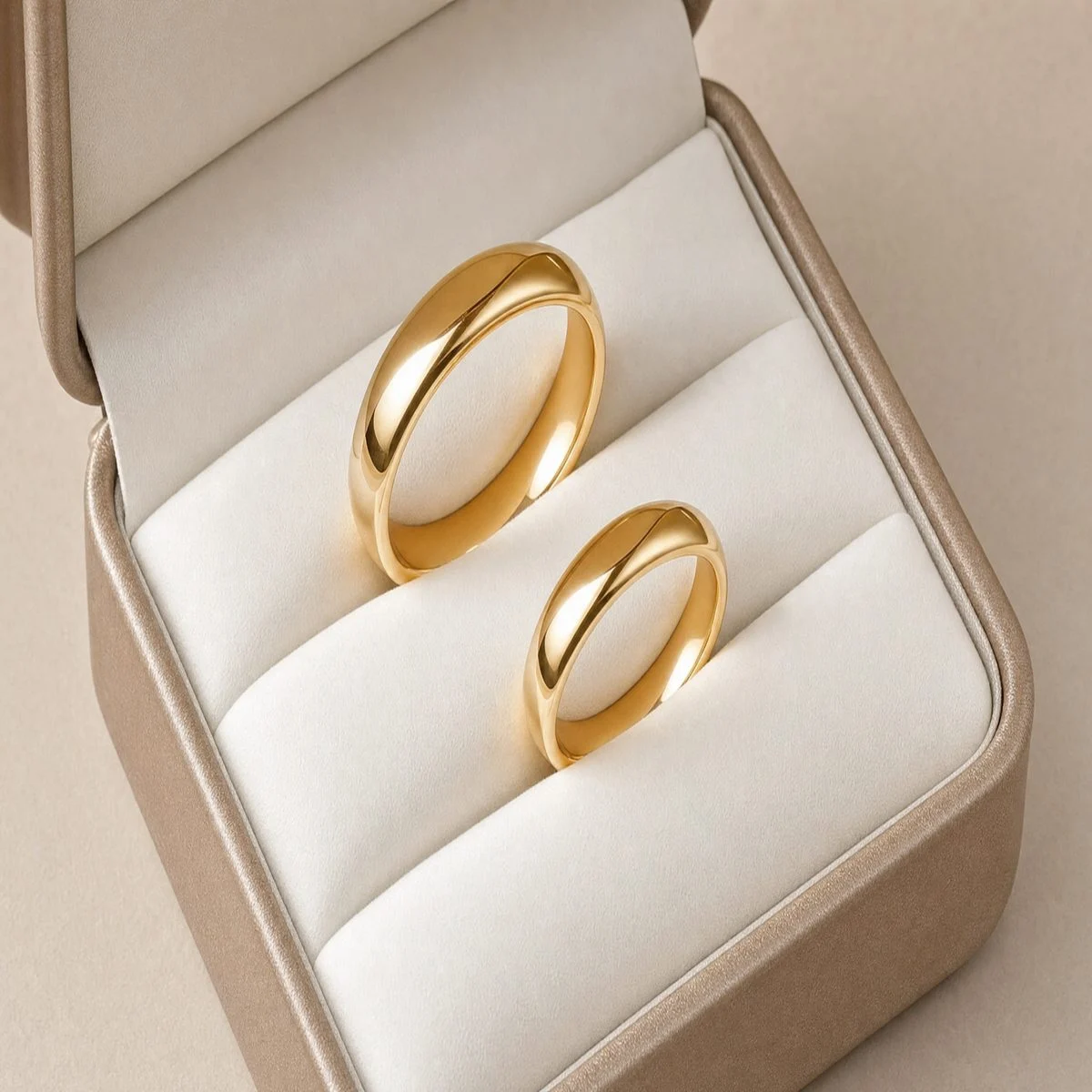
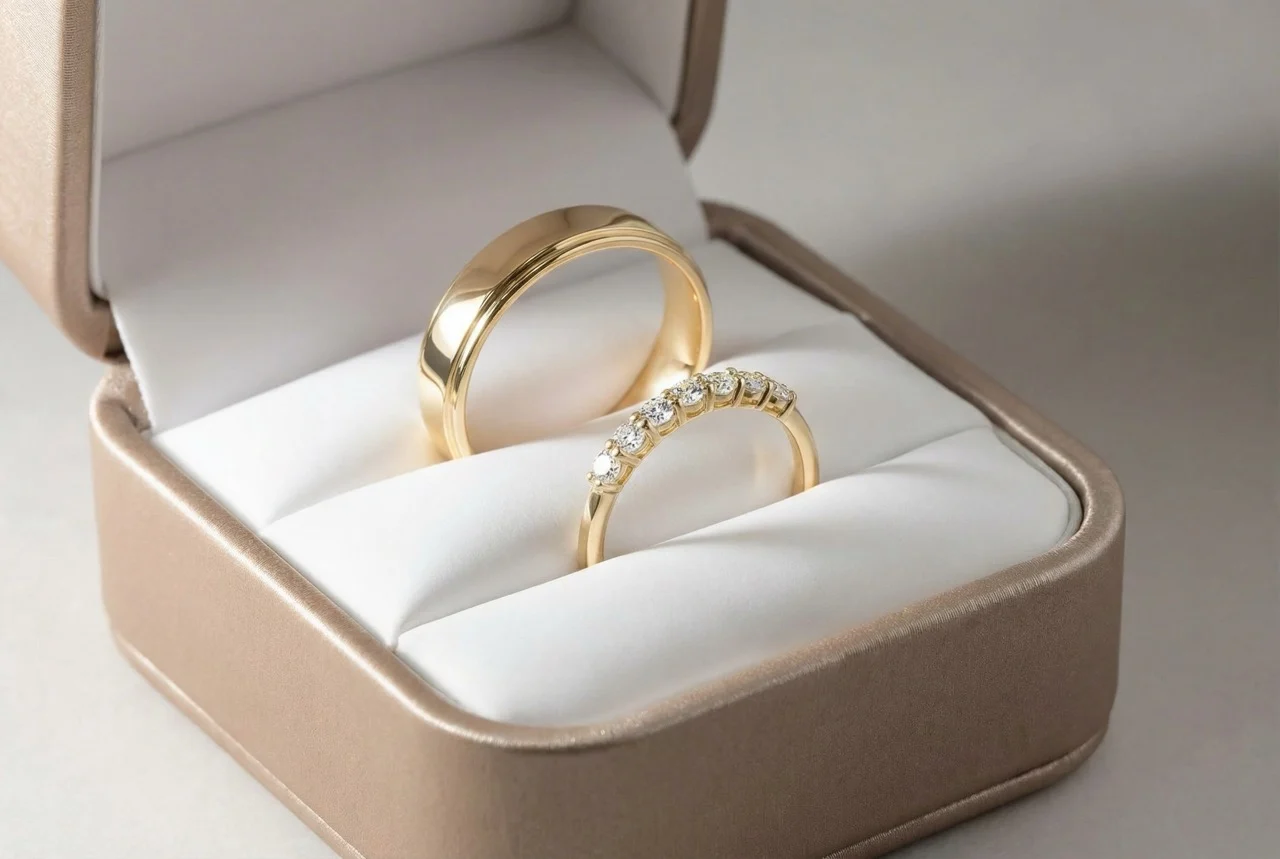
You should start looking for your wedding rings about 3–4 months before the wedding. That way, you’ll have enough time for custom work and engravings. Tip: Many of our customers coordinate their wedding rings to match their Velur engagement ring perfectly.
One more thought on the topic of sustainability: The trend for 2026 is clearly moving toward more conscious weddings. Local flowers instead of imported roses. Digital invitations instead of printed cards. A seasonal menu instead of standard catering. This not only saves money, but also feels better.
This guide is for you if...
...you've just gotten engaged and don't know where to start. Or if you know someone who just popped the question. Share this article—it might save someone the stress of planning.
Interactive: Your Engagement Checklist
Click through the most important milestones of the first few weeks after filing your application.
Our Customers' Favorites
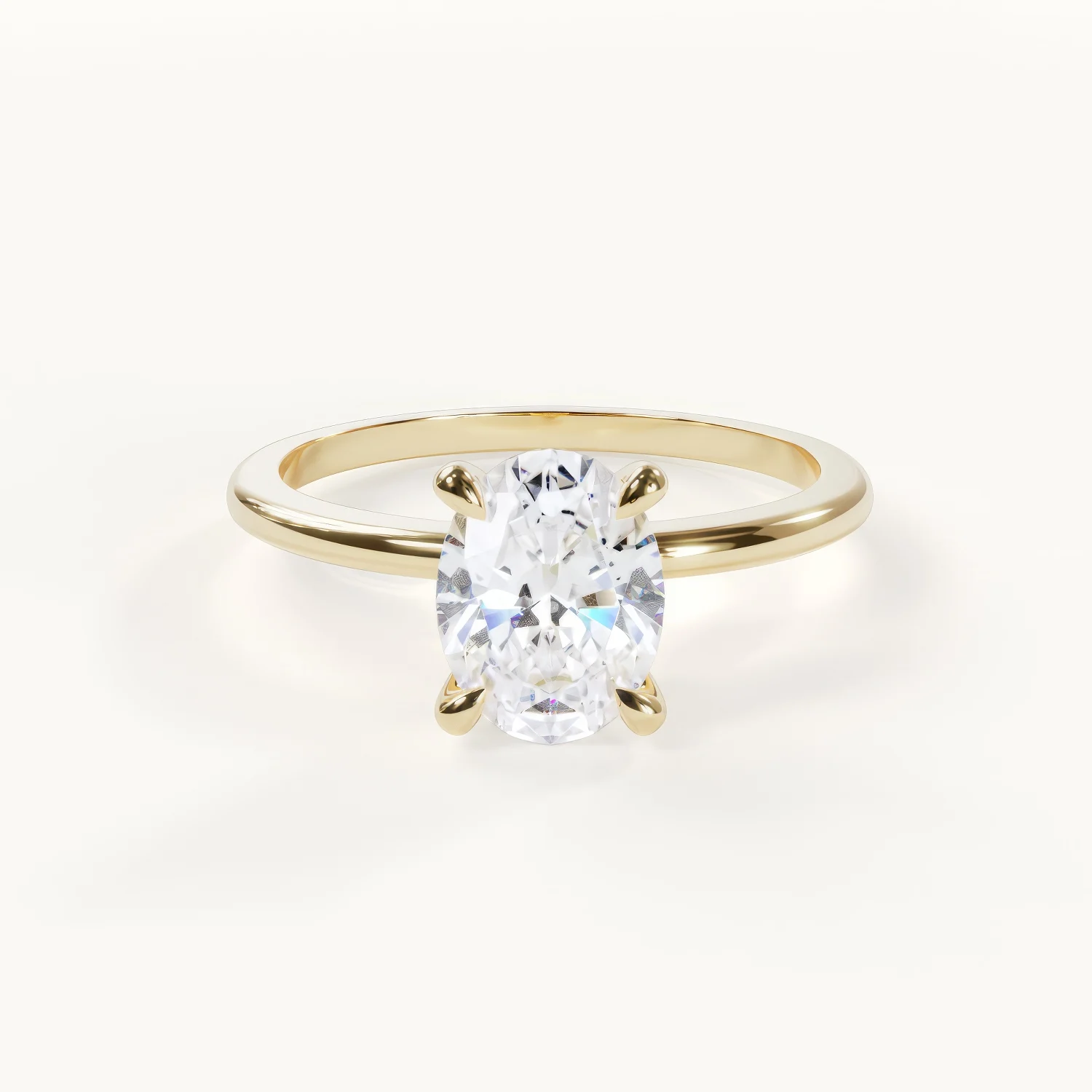
Elegance – Oval Solitaire
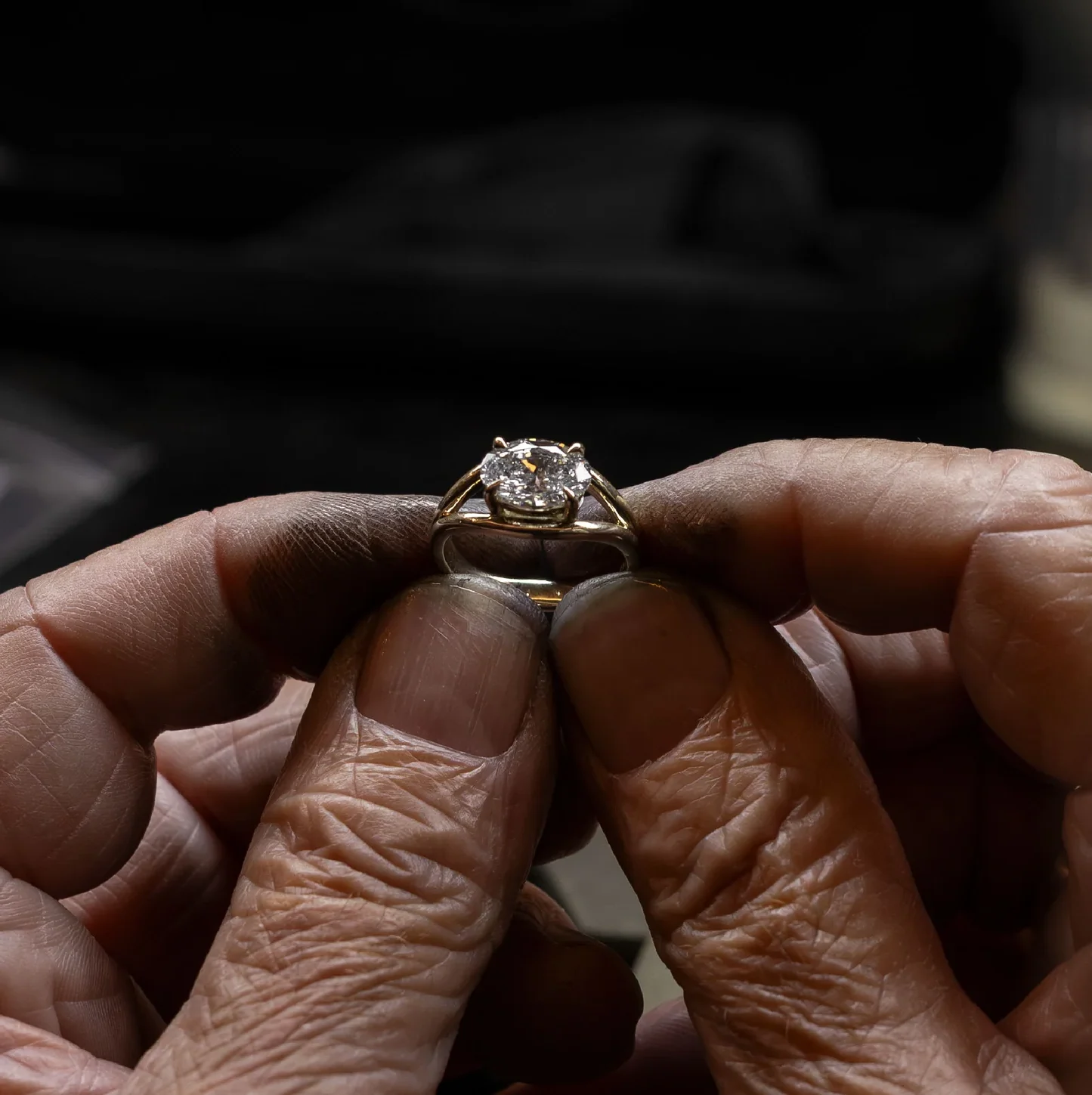
The classic engagement ring. An oval moissanite that makes the hand look longer and sparkles in every light.
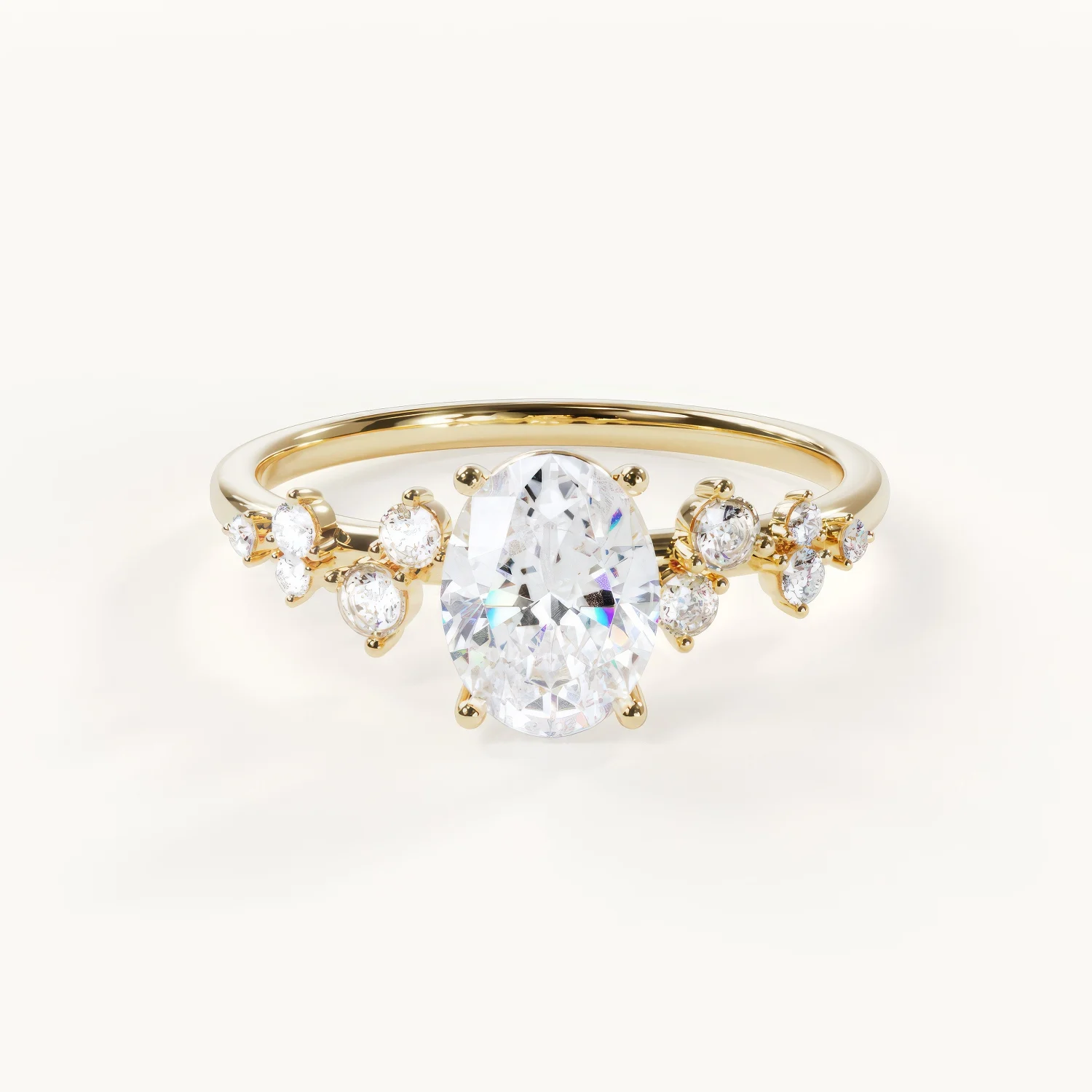
Floral – Oval with Accents
Romantic and playful. Sparkling accent stones beautifully frame the oval centre stone.
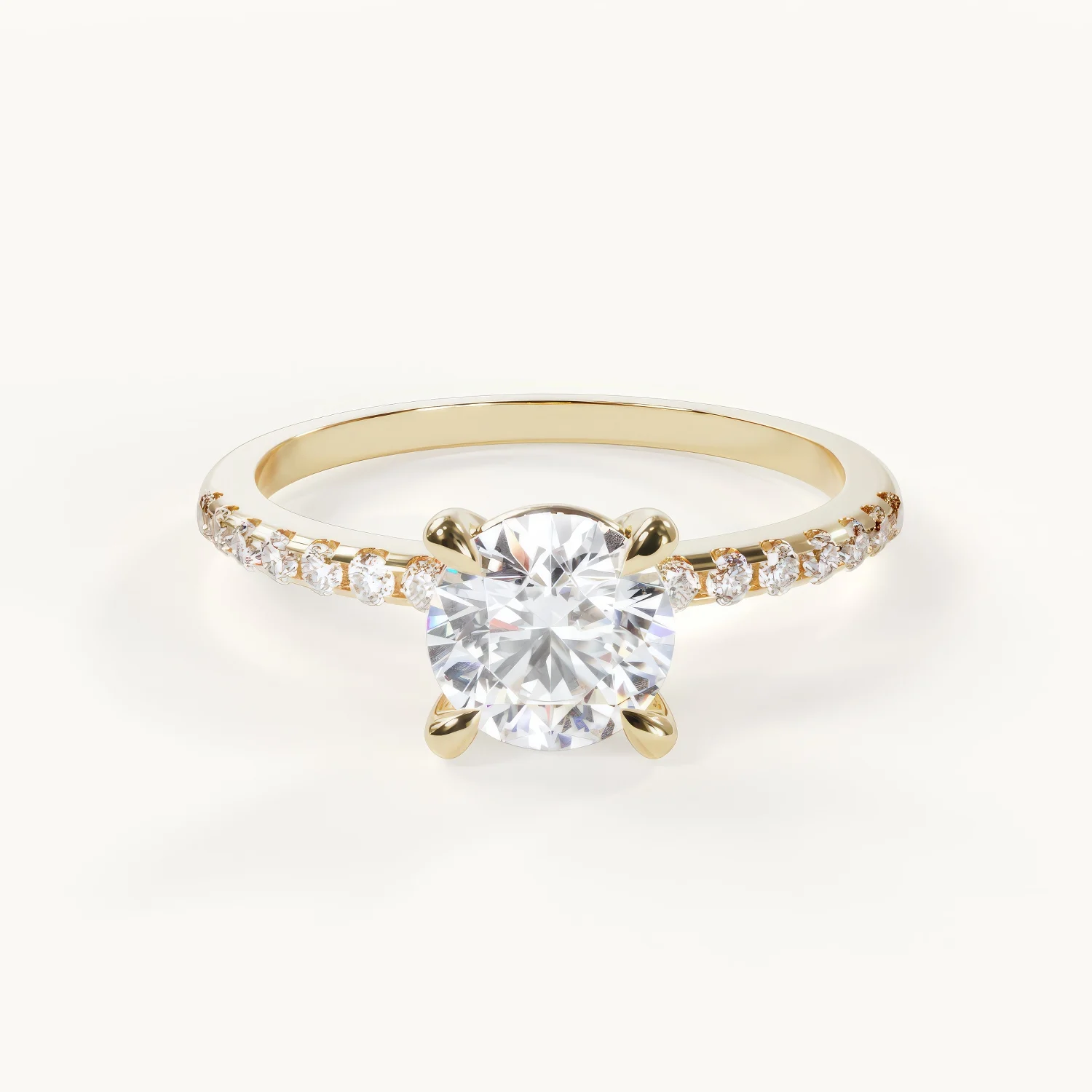
Pureté – Round-Cut Pavé
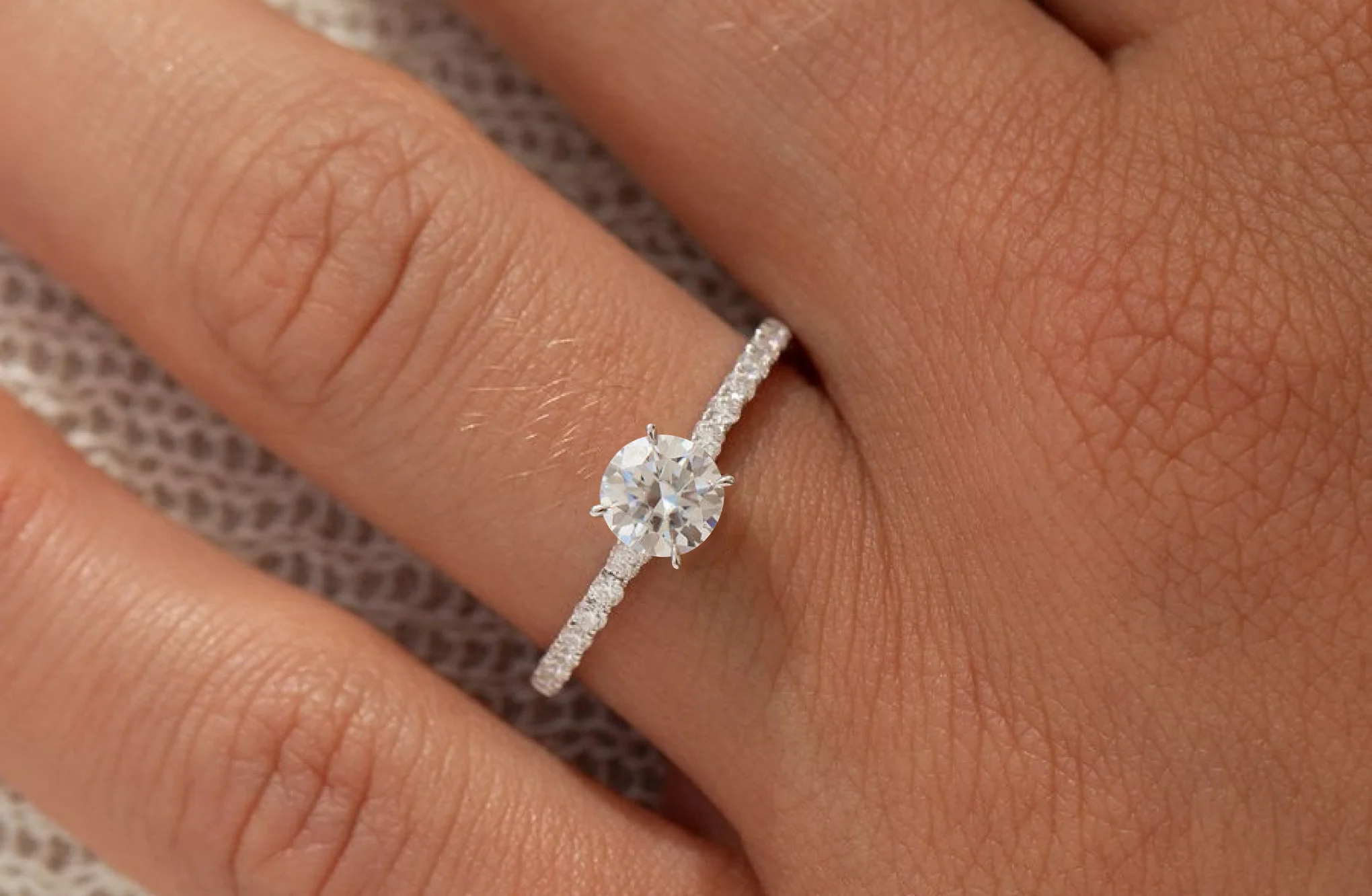
Maximum brilliance. The classic round cut, accented by a sparkling pavé band.
Frequently Asked Questions About the Engagement Period
In Germany, couples are engaged for an average of 12 to 18 months. About 30% get married within a year, while 45% take one to two years to plan their wedding. Ultimately, there’s no right or wrong way to do this—just take the time you need.
Your immediate family (parents and siblings) should always be the first to know. It’s best to tell them in person or via video call. Next, let your closest friends and witnesses know. Only after these important people have been informed should you share the news on social media.
Before you start planning the details, you need to lay the groundwork: 1. Set your absolute maximum budget. 2. Create a rough guest list to get an idea of the size of the celebration. 3. Determine an approximate time frame and region for your venue search.
In Germany, the engagement ring is traditionally worn on the left hand. The wedding ring is later worn on the right hand. After the wedding, many women wear both rings together on their right hand (the engagement ring then serves as a stackable ring).
Absolutely not. An engagement party isn't a well-established tradition in Germany, but it's becoming more and more popular. If you feel like it, have a casual get-together with your closest friends. If you'd rather enjoy some intimate time together as a couple, that's just as wonderful.
Sources: 2026 Wedding Statistics, Destatis Marriages, Presse Augsburg Engagement Study
Read more on this topic
Ready for your dream ring?
Discover handcrafted engagement rings from Munich—uncompromising quality, fair prices, and a lifetime warranty.