Are lab-grown diamonds really more sustainable? An honest look
They are considered the green alternative to traditional mined diamonds. But how much energy do they really consume? We take a close look at their environmental footprint.
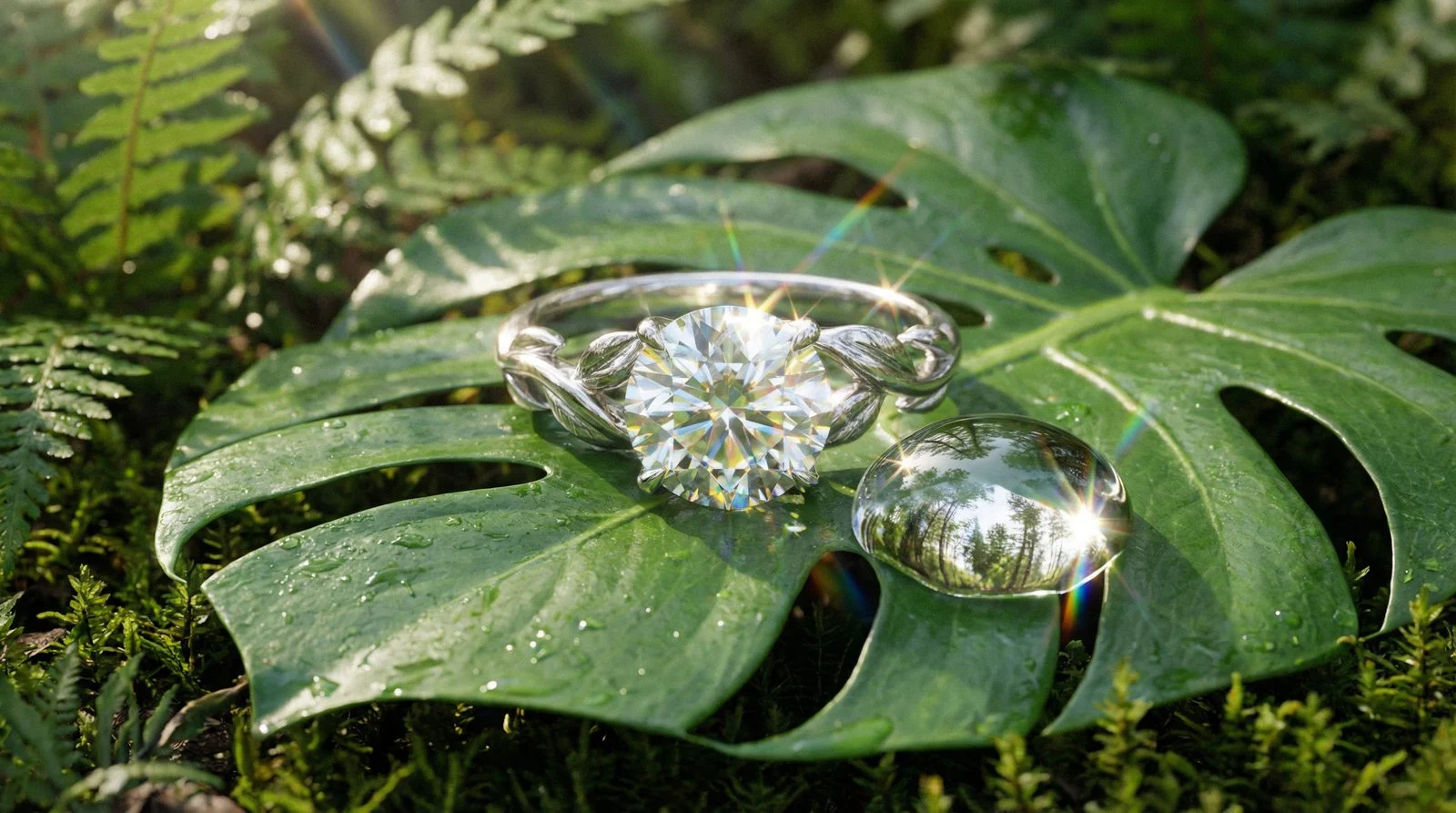
More and more couples are prioritizing ethics and sustainability when buying their engagement rings. No one wants to wear a symbol of love that was created at the expense of nature or through the exploitation of people.
Lab-grown diamonds are often marketed as the ultimate “green” solution. They are conflict-free and do not require mining. However, critics are quick to point out the high energy consumption of the labs. So what’s the truth? Are lab-grown diamonds really the more sustainable choice? We’re doing an honest fact-check.
Contents
1. 100% Conflict-Free: The Ethical Side
Let's start with the biggest and most undeniable advantage of lab-grown diamonds: they are guaranteed to be conflict-free. Although the Kimberley Process (an international certification system) has greatly curbed the trade in "blood diamonds," the supply chain for natural diamonds is still long and often opaque.
This problem does not exist with lab-grown diamonds. They are produced in modern, safe, high-tech laboratories, often in countries with strict labor laws (such as the United States, India, or European countries). There is no child labor, no dangerous mine shafts, and no financing of armed conflicts.
Ethics Winner: Lab-Grown Diamond
If you want to be absolutely certain that no one suffered for the stone in your engagement ring, lab-grown diamonds are the perfect solution.
2. The End of Destructive Mining
To find a single-carat natural diamond, an average of 250 metric tons of earth must be blasted, excavated, and sifted. This process leaves gigantic craters in the landscape, destroys local ecosystems, and consumes immense amounts of water (approximately 480 liters per carat).
In contrast, a lab-grown diamond does not require any mining. It is grown in a vacuum chamber. Direct interference with nature, habitat destruction, and water consumption are virtually nonexistent in lab-grown diamond production.
Ethical & Beautiful
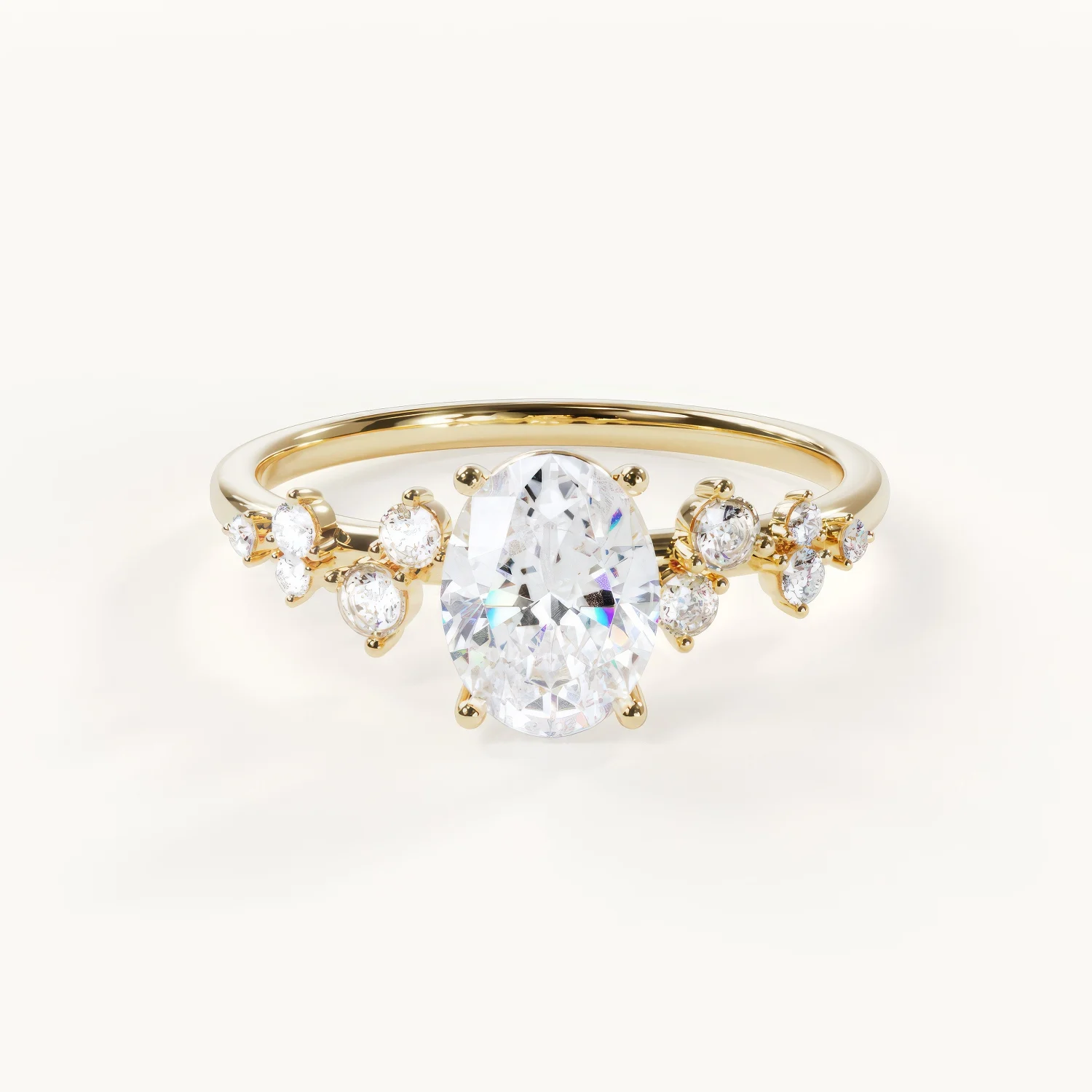
Floral Oval Ring
A nature-inspired setting featuring a sparkling, conflict-free lab-grown diamond.
Discover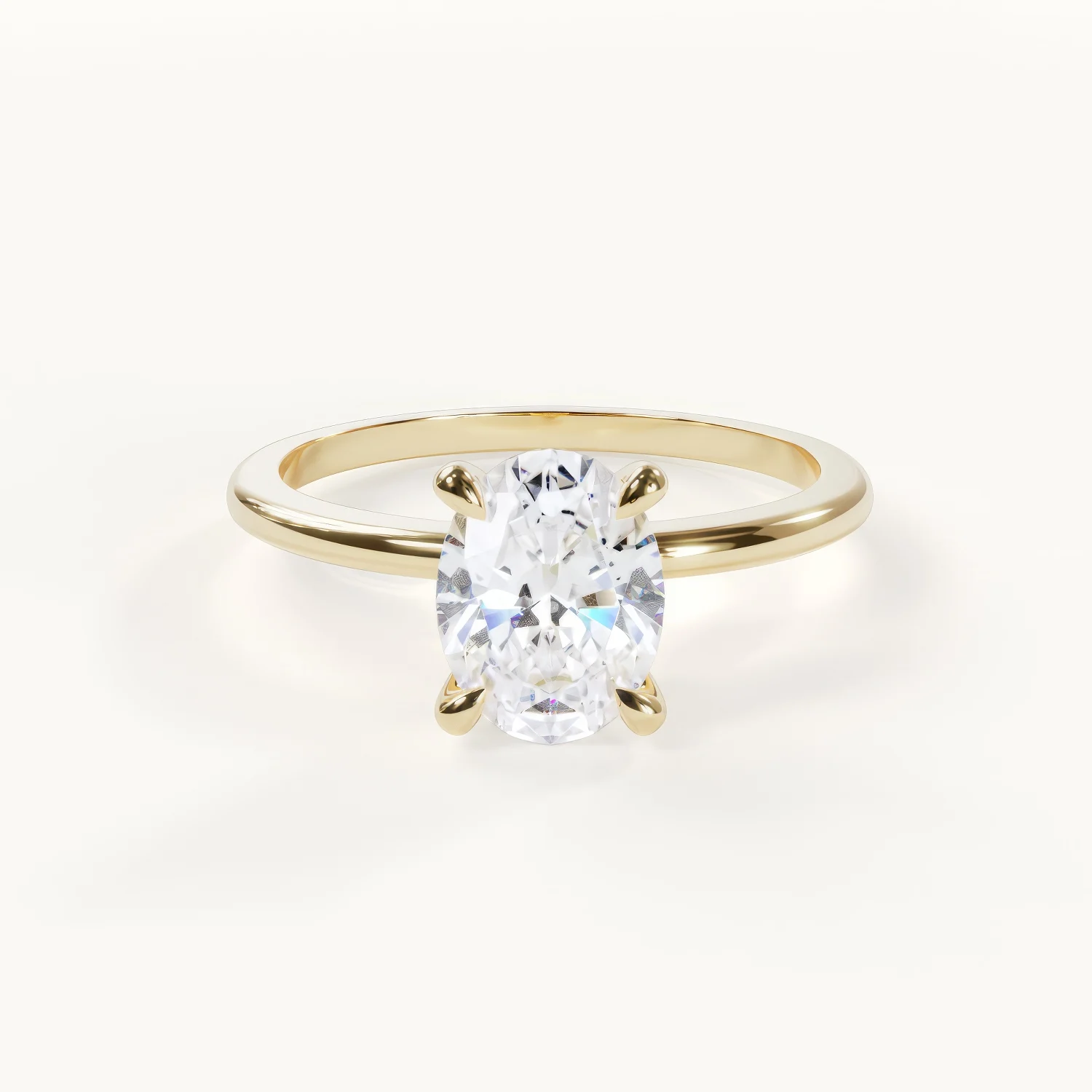
Elegance Oval
A timeless classic that looks especially elegant with a 1.5-carat lab-grown stone.
Discover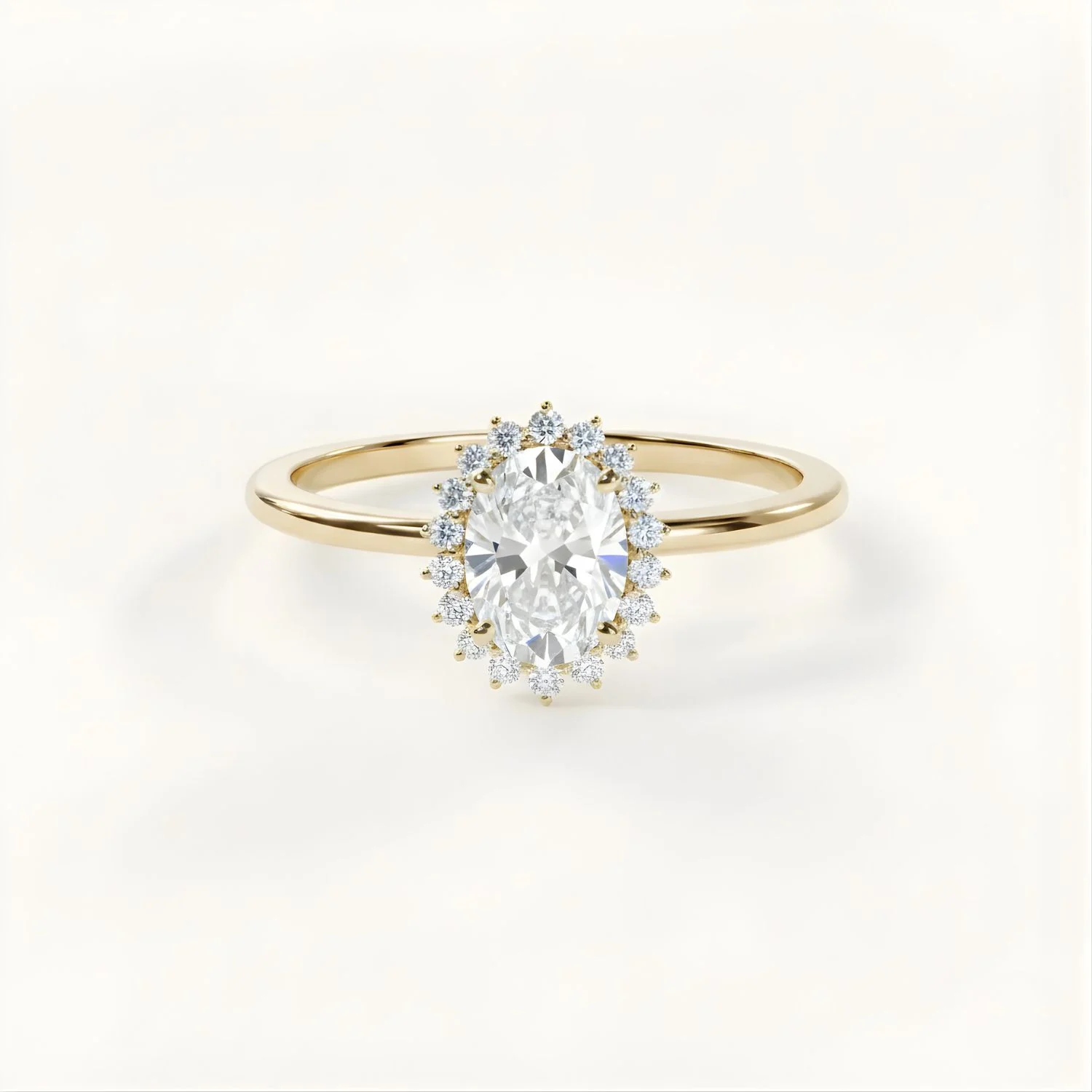
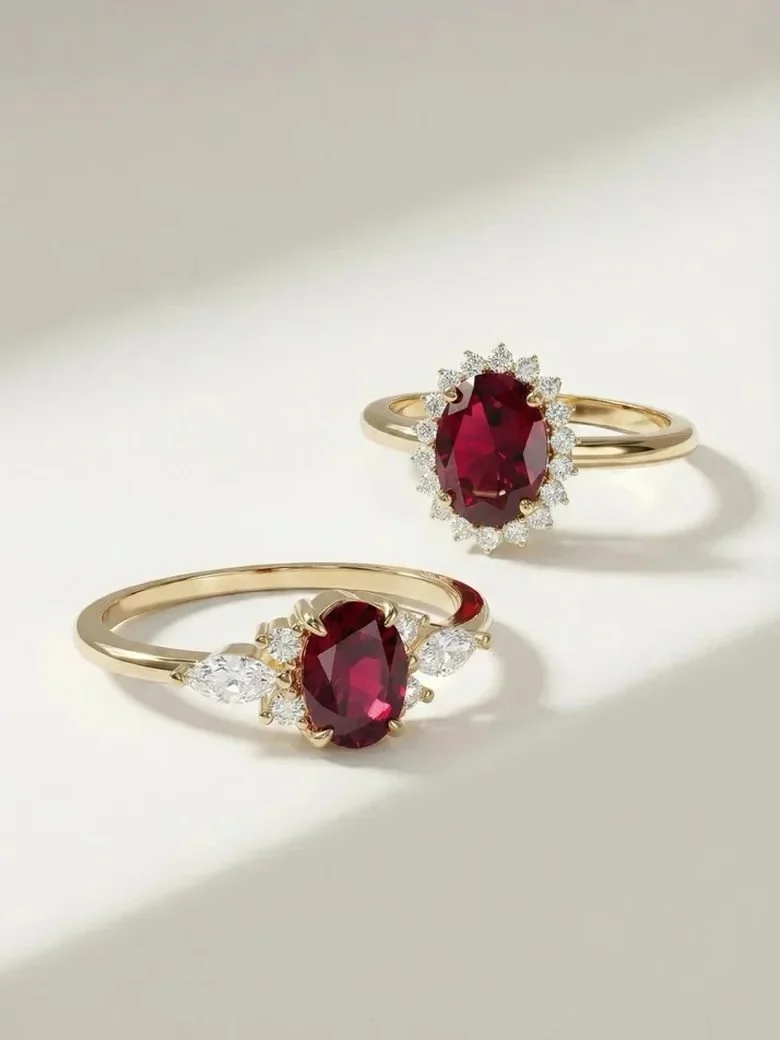
Aurora – Oval Halo Ring
Maximum sparkle thanks to a halo of small accent stones surrounding the centre diamond.
Discover3. The catch: High energy consumption
Here’s the part that many lab-grown diamond manufacturers like to keep quiet about: The machines (CVD or HPHT reactors) in which the diamonds are grown require an enormous amount of electricity. They must constantly maintain temperatures of over 1,500 degrees Celsius and enormous pressure for several weeks.
If this electricity comes from coal-fired power plants (which is often the case in some Asian countries), the carbon footprint of a lab-grown diamond is considerable. In this case, it can even be higher than that of a natural diamond sourced from a modern, efficient mine.
The industry is changing rapidly. More and more leading laboratories are completely switching their production to solar, wind, or hydroelectric power. A lab-grown diamond cultivated using 100% renewable energy is undeniably the most eco-friendly choice on the market.
4. Conclusion: Is lab-grown the better choice?
When we consider all the factors—ethics, land use, water consumption, and CO2 emissions—the lab-grown diamond emerges as the clear winner.
| Category | Natural Diamond | Laboratory-grown diamond |
|---|---|---|
| Human Rights | Risk of Conflict Financing Remains (Despite Controls) | 100% Conflict-Free & Fair Working Conditions |
| Environmental Impact | Massive destruction of ecosystems (mines) | No interference with nature |
| Energy Consumption | High (Heavy Equipment, Transportation) | High (reactors), but increasingly from green electricity |
At Velur, we’re proud to work exclusively with certified lab-grown diamonds. For us, this is the only way to offer you breathtaking luxury without compromising our ethical values. An engagement ring should be a pure symbol of love—and with a lab-grown diamond, that’s exactly what it is.








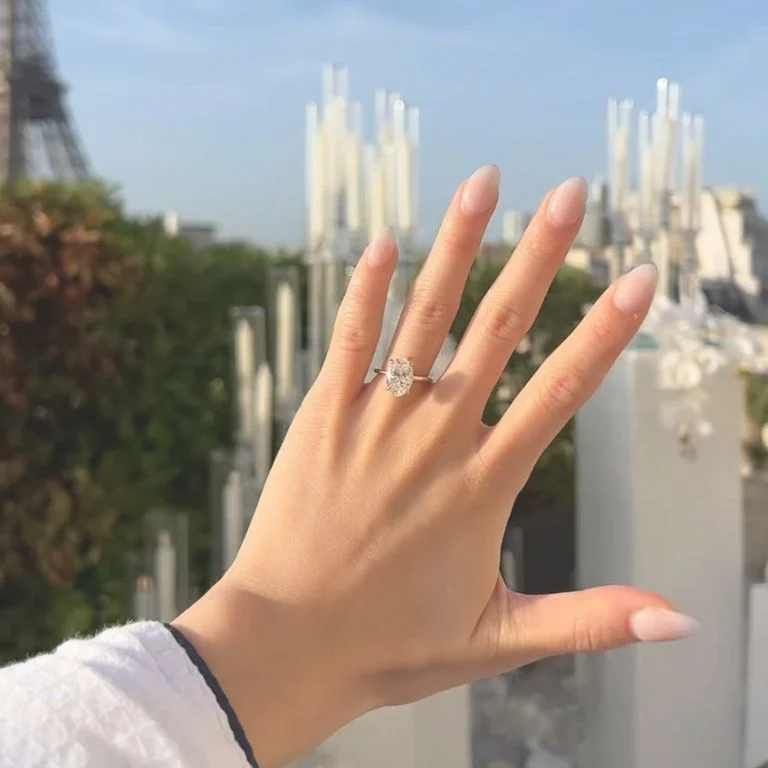


A ring you can wear with a clear conscience
Discover our handcrafted engagement rings featuring lab-grown diamonds with certification. Breathtaking sparkle, fair prices, and ethically sourced.
FAQ on Sustainability
Not automatically. Manufacturing requires a lot of electricity. However, if this electricity is generated from renewable energy sources (such as solar or hydroelectric power), the carbon footprint is extremely low. The industry is moving strongly toward climate neutrality.
No. Since lab-grown diamonds are produced in modern, controlled facilities, there is no connection to armed conflicts, child labor, or the exploitation of miners.
There are mining companies that are strongly committed to environmental restoration and fair working conditions. Nevertheless, mining remains a massive intrusion into nature—an impact that is completely eliminated with lab-grown diamonds.