





Lab-Grown Diamonds vs. Natural Diamonds: The Honest Comparison 2026
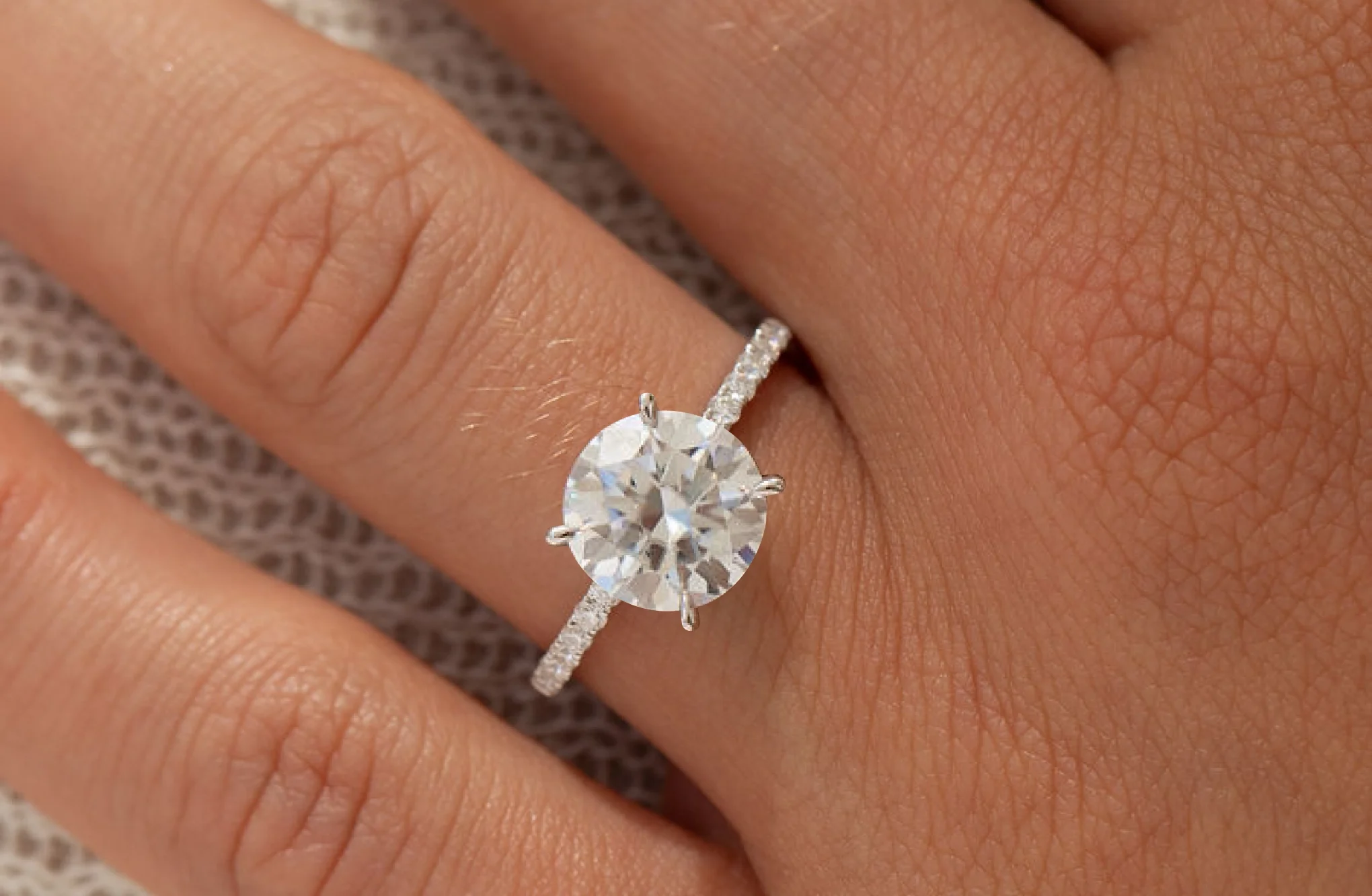
Both are genuine diamonds. Both sparkle breathtakingly. But which stone is the right choice for your engagement ring?
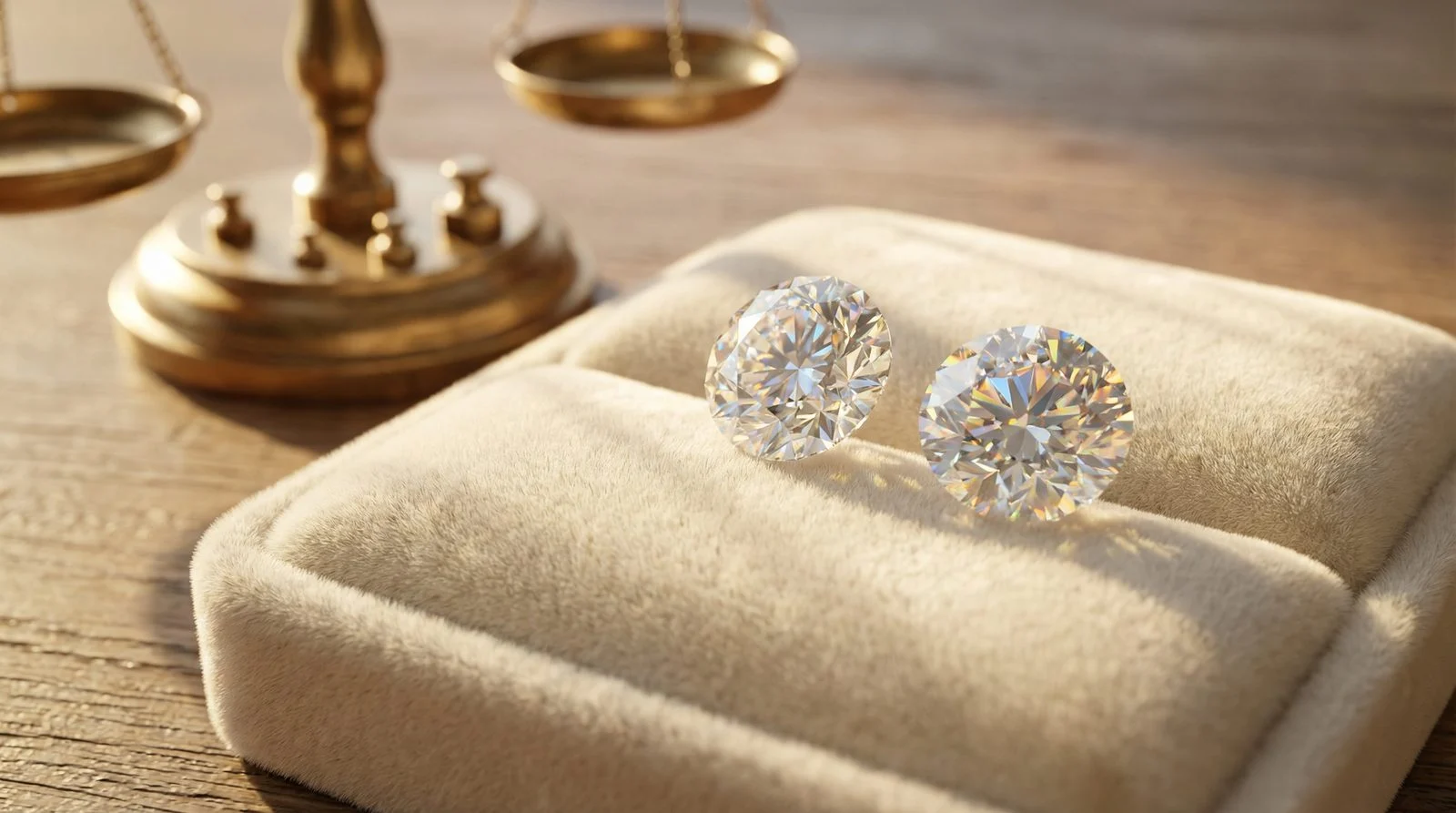
Hardly any other topic in the world of jewellery is currently being discussed as intensely (and often as emotionally) as this one: lab-grown diamonds or natural diamonds?
Just a few years ago, the answer was clear for most couples: an engagement ring needs a stone that comes from deep within the earth. But times have changed. Lab-grown diamonds have revolutionized the market and now offer a genuine, equivalent alternative at a fraction of the price.
Here at Velur, we’ve made a conscious decision to offer engagement rings with lab-grown diamonds because we believe in transparency and fair prices. In this post, we’ll compare both options honestly and objectively—without any marketing gimmicks—so you can make the best decision based on your budget and values.
Contents
1. What They Have in Common (Everything Visual)
Before we talk about the differences, we need to clear up one thing that is often misunderstood: Both are real diamonds.
A lab-grown diamond is neither a fake nor a cubic zirconia. It consists of 100% crystallized carbon. In practical terms, this means:
- Identical appearance: Both sparkle exactly the same way. The human eye cannot tell the difference.
- Identical hardness: Both have a rating of 10 on the Mohs scale. They won't scratch and will last a lifetime.
- Identical Certification: Both are graded by institutions such as the IGI according to the exact same 4Cs (Carat, Colour, Clarity, Cut).
The only physical difference
The only way an expert can tell a lab-grown diamond from a natural one is by using an expensive laboratory instrument that analyses the atomic growth patterns. Natural diamonds have grown irregularly over millions of years, while lab-grown diamonds are grown in layers over a few weeks. This difference is invisible to the naked eye or under a standard jeweller’s loupe.
2. The Price: The Most Obvious Difference
This is where it gets interesting for most couples. The price difference between a lab-grown diamond and one mined from the ground is enormous—and it has grown even wider in recent years.
| Property (Example) | Laboratory-grown diamond | Natural Diamond |
|---|---|---|
| 1.0 carat (round cut) | approx. 800–1,200 € | approx. 4,500–7,000 € |
| 2.0 carats (round cut) | approx. 1,800–2,500 € | approx. 15,000–25,000 € |
| Price Curve | Increases linearly with size | Increases exponentially with size |
(Prices are estimates for good quality: Colour G–H, Clarity VS1–VS2, Cut: Excellent, as of 2026)
Why such an extreme difference?
With natural diamonds, you’re paying for their rarity. Finding, mining, and transporting a large, flawless stone from the ground is extremely costly. The larger the stone, the rarer it is. That’s why a 2-carat diamond doesn’t cost twice as much as a 1-carat diamond—it costs nearly four times as much.
Lab-grown diamonds, on the other hand, are created in a lab. The production cost for a 2-carat diamond is only slightly higher than for a 1-carat diamond. You’re paying for the technology and the craftsmanship involved in cutting the diamond, not for its geological rarity.
With a lab-grown diamond, you can make your partner’s dream design a reality (e.g., a large 1.5-carat stone) without having to go into debt. For the same budget, you’ll get a significantly larger and often purer stone.
Popular Engagement Rings with Lab-Grown Diamonds
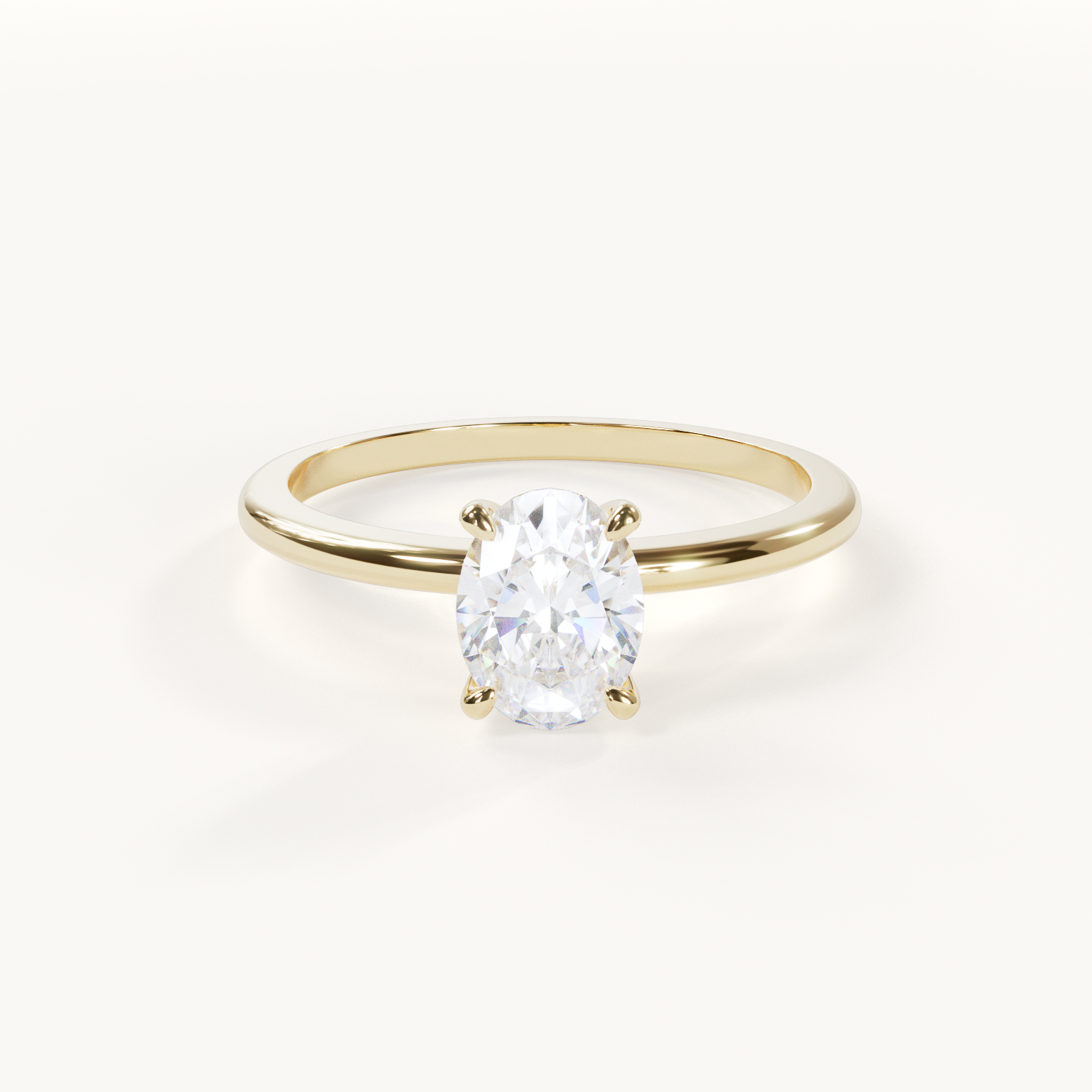
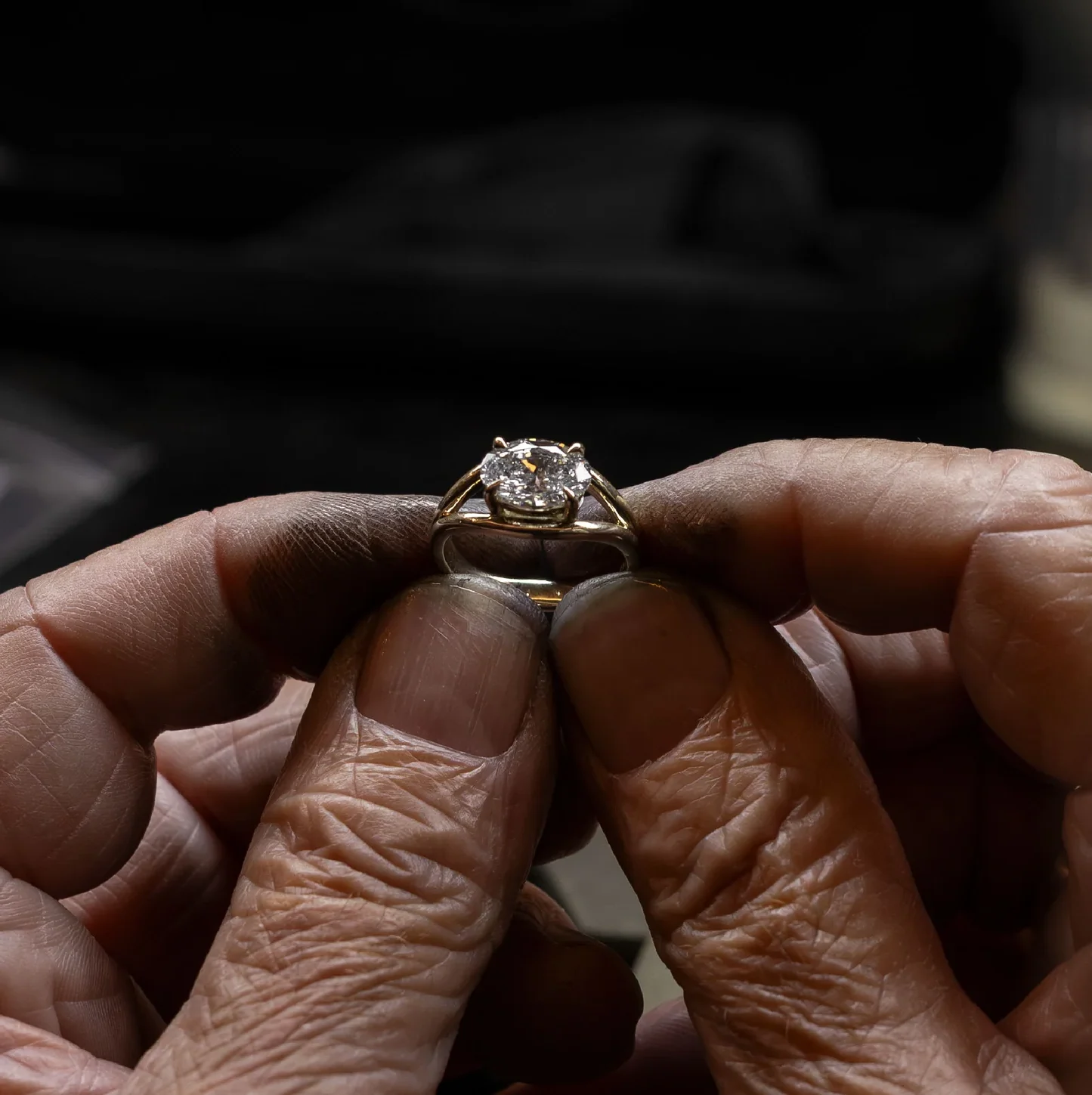
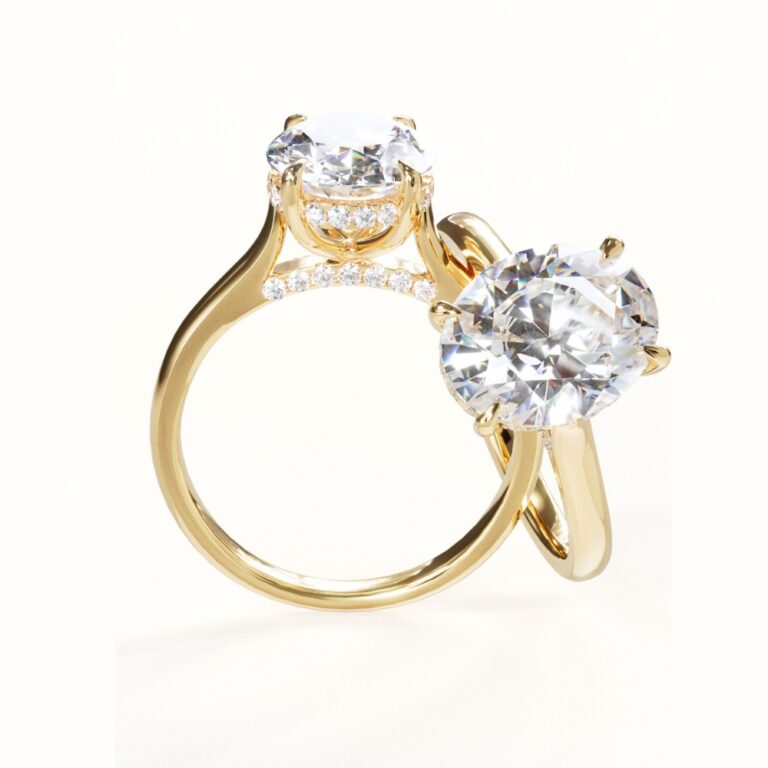
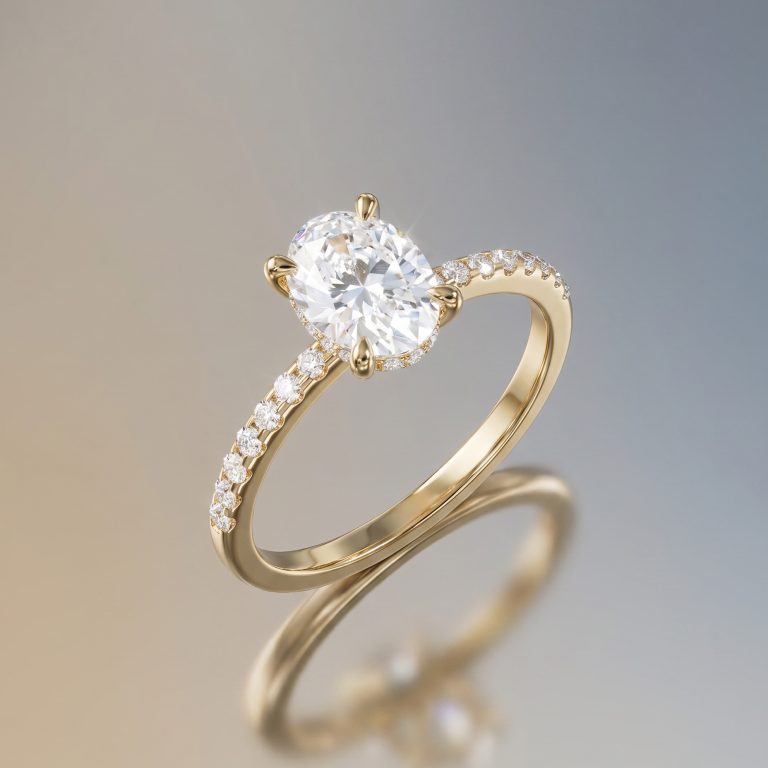
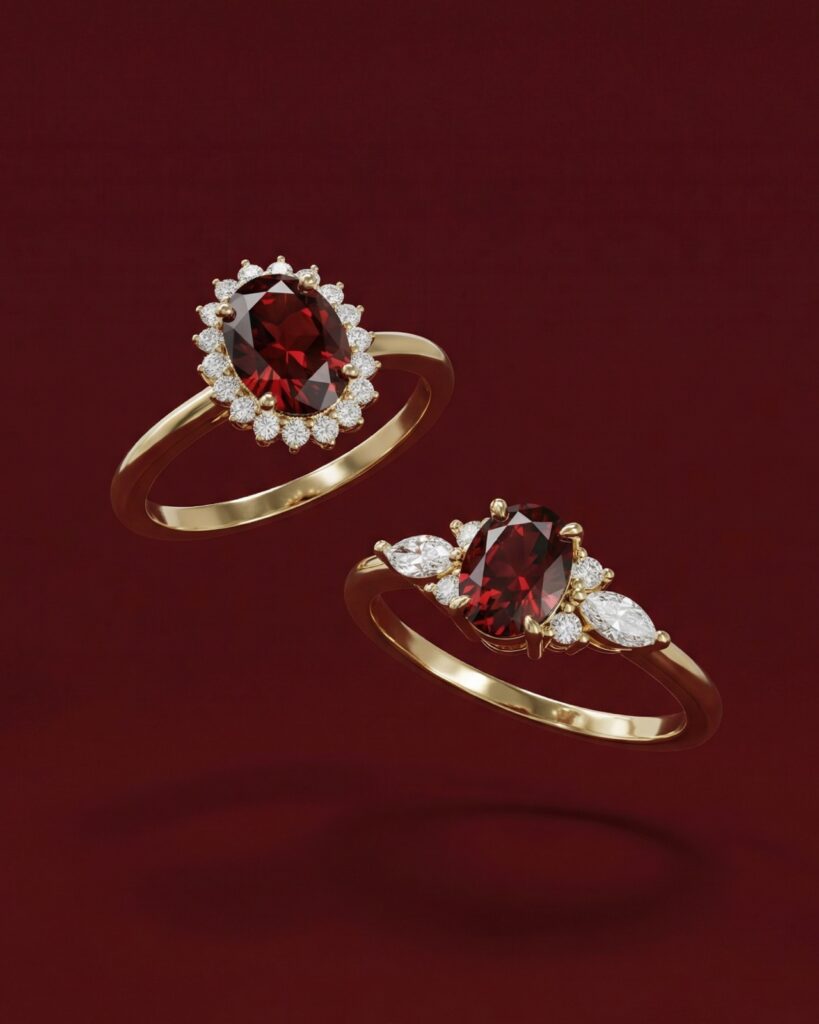
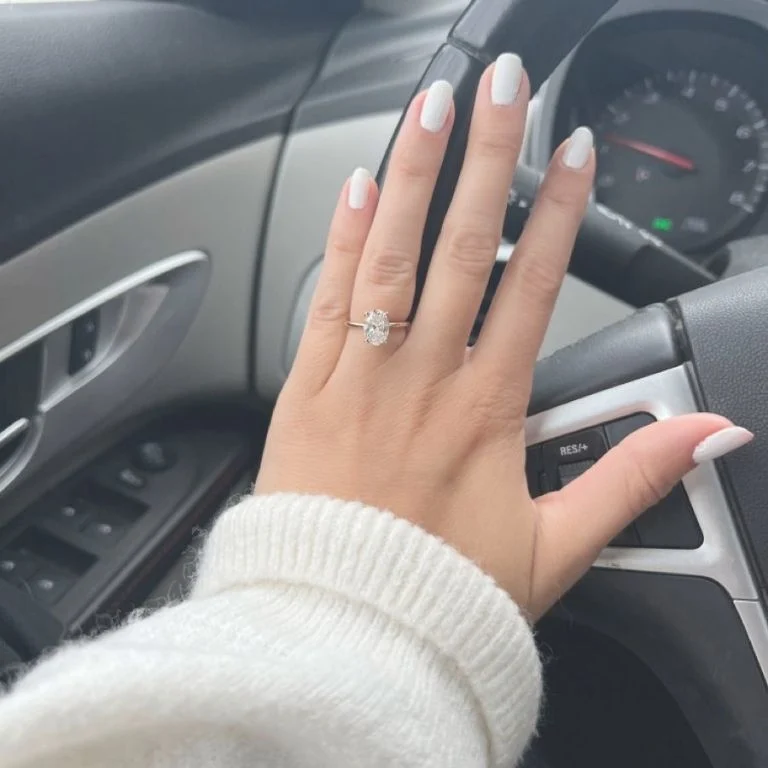
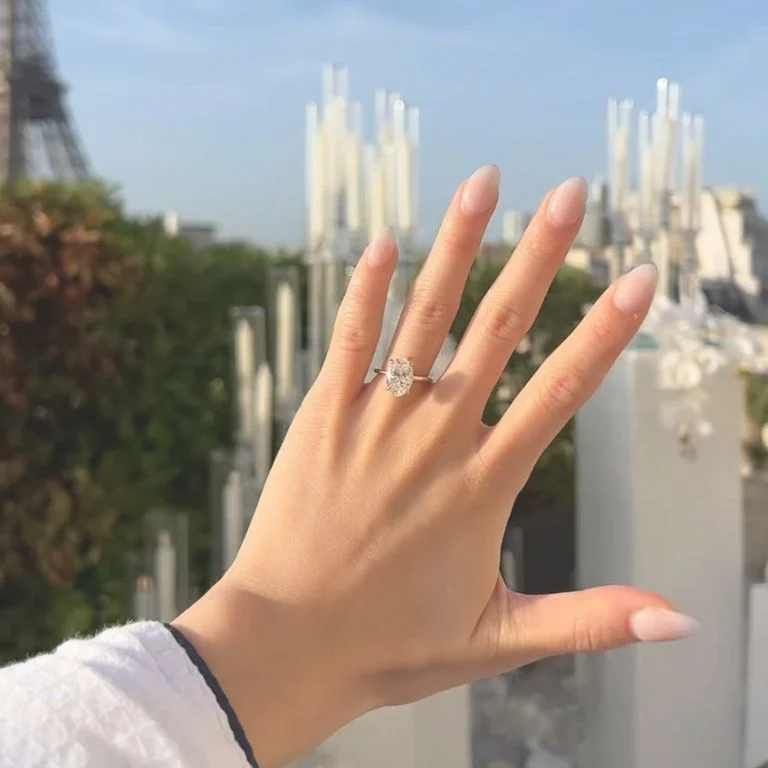
Elegance Oval
Our bestseller. The oval cut makes the finger appear longer and gives the impression of a larger stone for the same carat weight.
Discover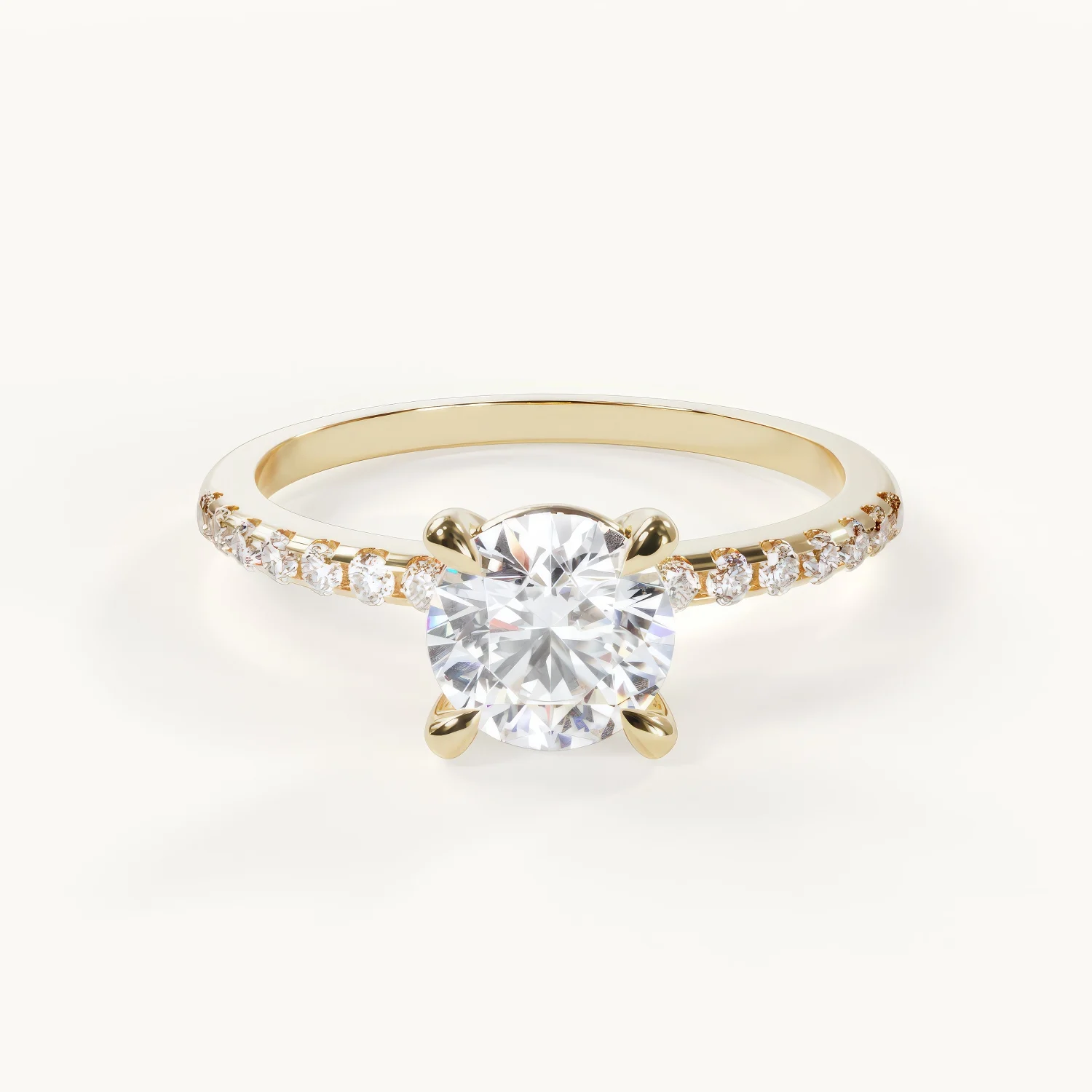
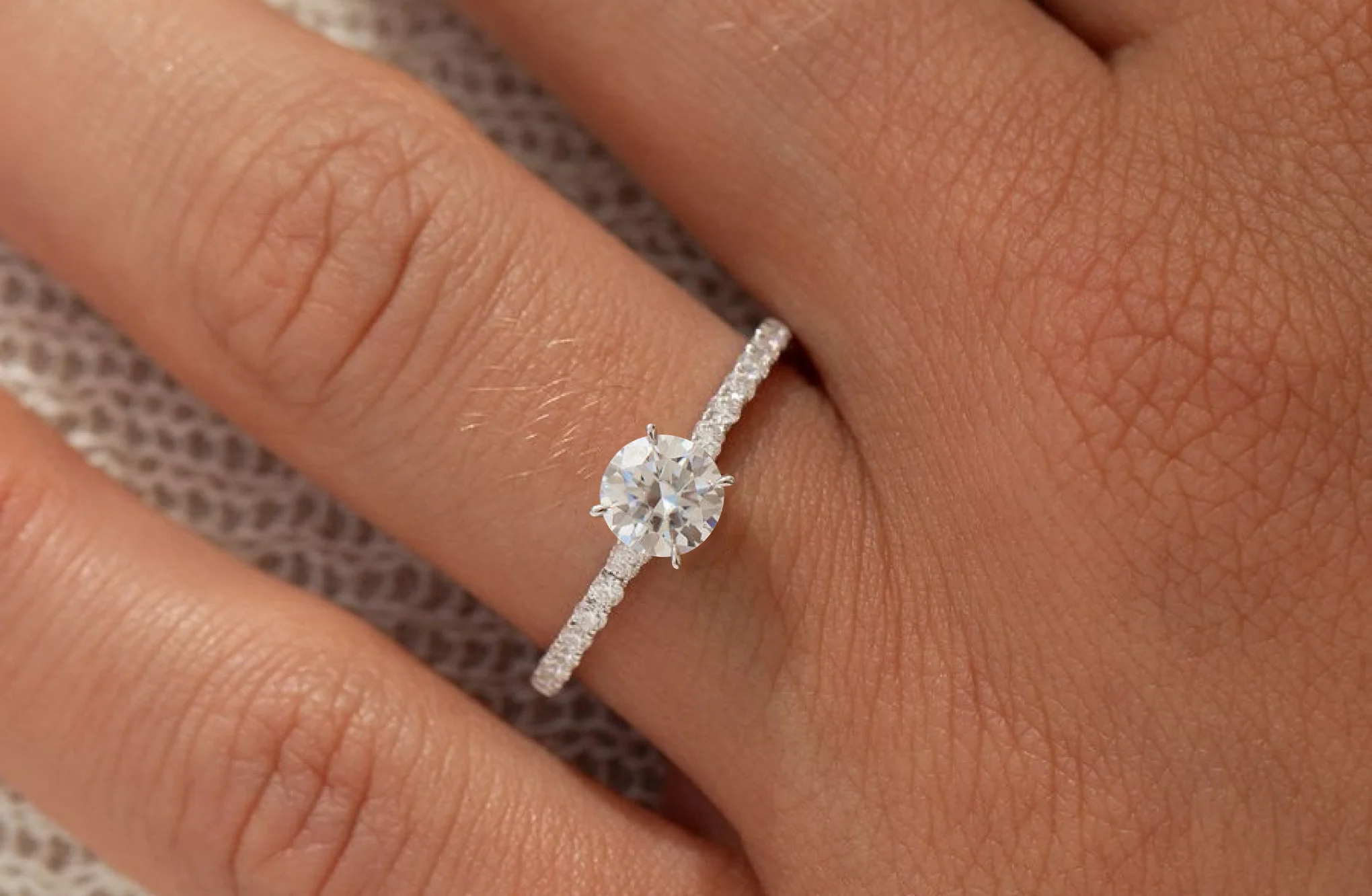
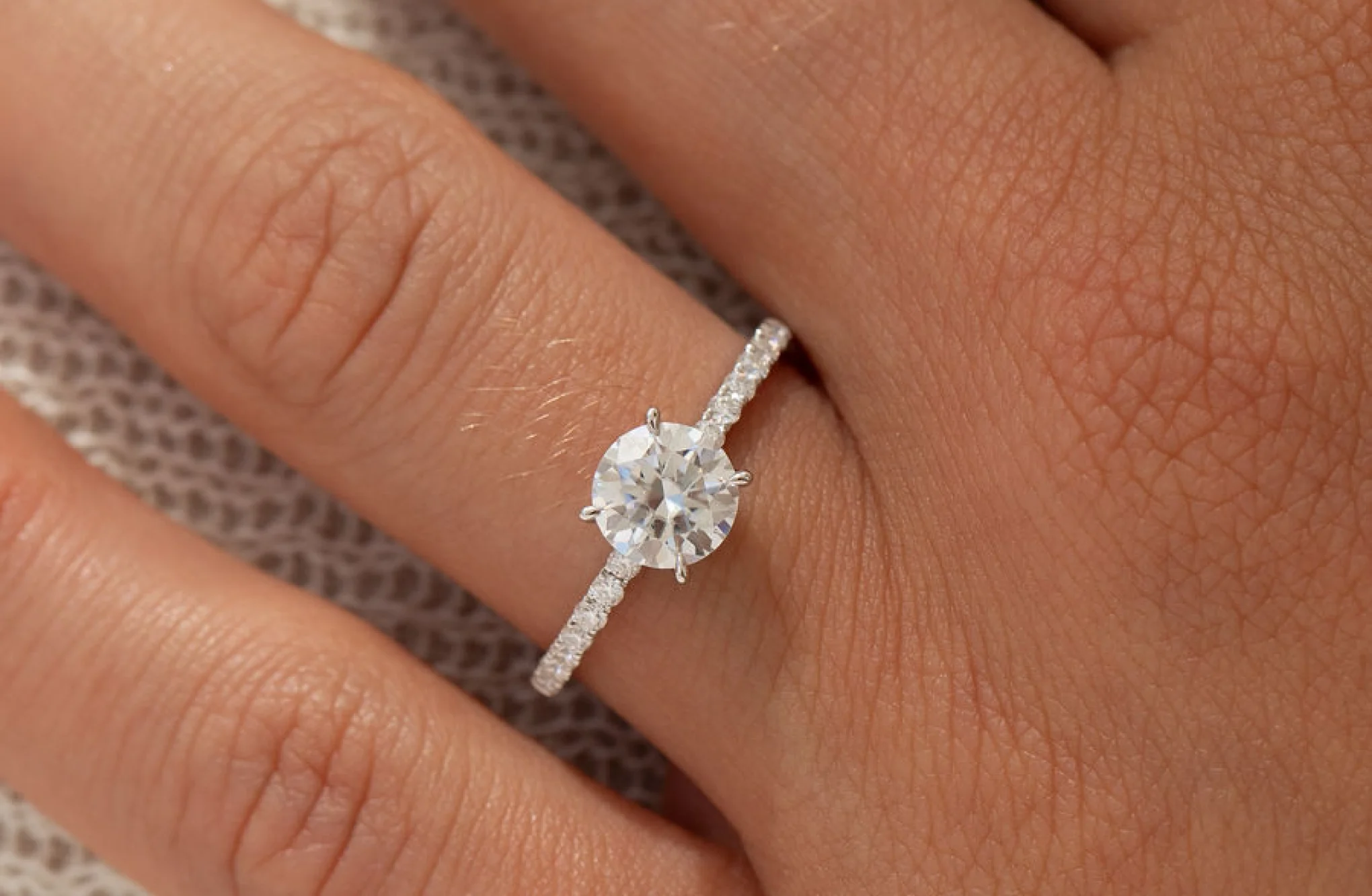
Pureté Round-Cut Pavé
A perfectly cut round stone, set with the finest craftsmanship and surrounded by pavé stones.
Discover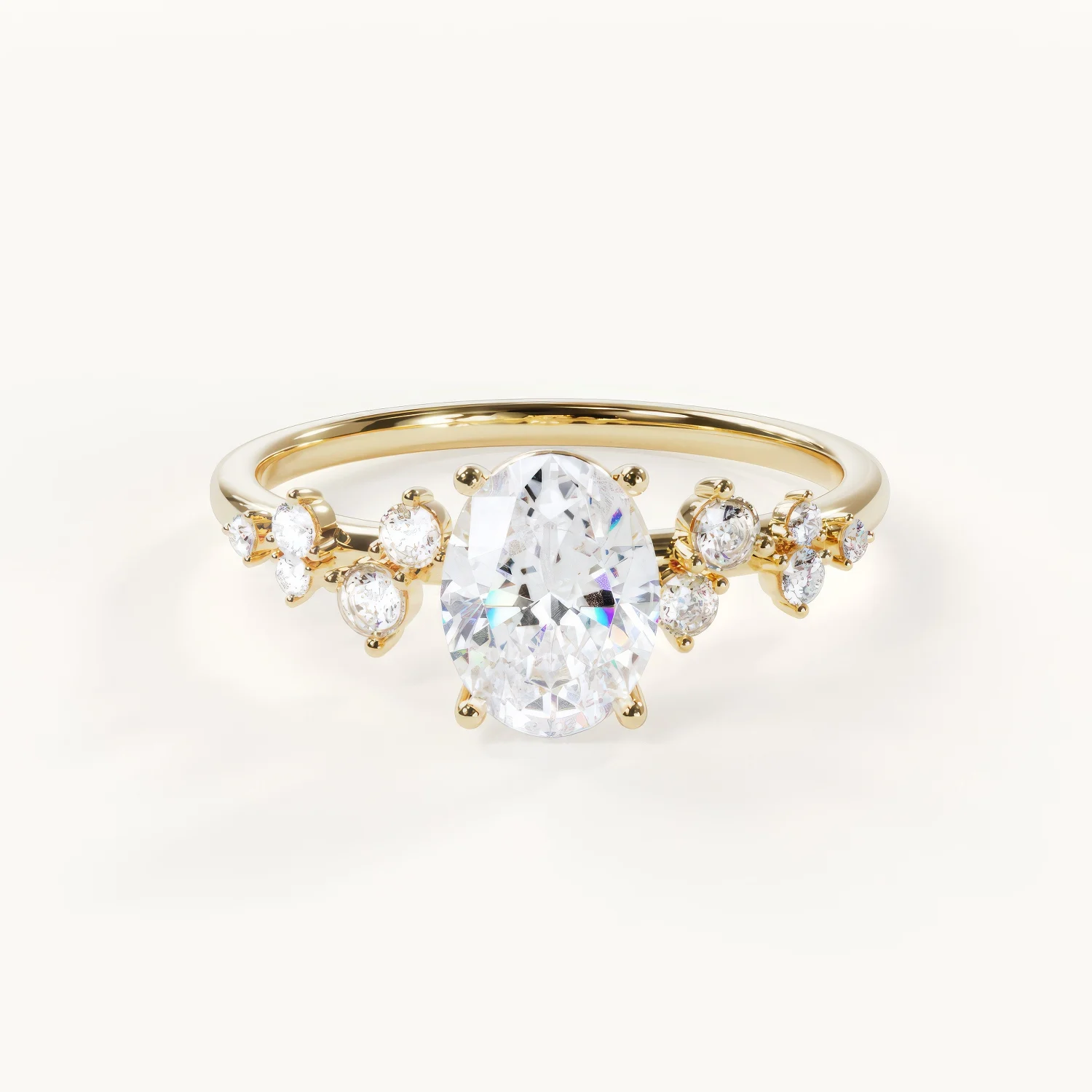
Floral Oval
An oval stone with delicate accent stones that frame the centre stone like blossoms.
Discover3. Resale Value & Appreciation
This is the issue that many online retailers are reluctant to discuss, but one that we want to address transparently.
Natural Diamonds
Natural diamonds retain a certain value. If you buy a natural engagement ring and want to sell it the next day, you’ll typically get back between 30% and 50% of the purchase price. The jeweller has already deducted their markup, taxes, and setting costs. They are not an investment (except for extremely rare, coloured stones weighing 5 carats or more).
Lab-grown diamonds
Lab-grown diamonds currently have a low resale value. As the technology used to produce them continues to improve and become more affordable, prices for new stones are falling. For couples who plan to wear their ring for a lifetime, this isn’t an issue—but for everyone else, it’s something to consider.
The Honest Perspective
An engagement ring isn’t an investment—it’s an emotional keepsake. Most couples never sell their ring—eventually, it’s passed down to the next generation or stays on their finger forever. But if retaining value is important to you, a natural diamond is the safer choice. If you’d rather invest your budget in a larger, more impressive stone, a lab-grown diamond is unbeatable.
4. Sustainability and Ethics
Lab-grown diamonds are often marketed as the "green" or "ethical" alternative. The reality is a bit more nuanced.
Ethics: Lab-grown diamonds are the clear winner here. Since they are produced in modern laboratories (often in the U.S., Europe, or Asia) under strict working conditions, the risk of conflict diamonds (“blood diamonds”) or child labor is 0%. You know 100% where your stone comes from.
Sustainability (Environment): Natural diamond mining requires massive earthmoving and often destroys local ecosystems. Lab-grown diamonds do not require mines. However, the lab-grown process (pressure and heat) is extremely energy-intensive. A lab-grown diamond is truly “green” only if the lab is powered by renewable energy. Overall, however, the environmental footprint of a lab-grown diamond is generally smaller than that of a large diamond mine.
5. Conclusion: Which stone is right for you?
There's no objective "better" or "worse" here. It depends on which values are important to you.
Choose a lab-grown diamond if:
- You want to stretch your budget as far as possible and buy the largest, most beautiful stone you can.
- You care more about the appearance (the sparkle) than the geological origin.
- You want absolute certainty that the product comes from a conflict-free source.
- The resale value doesn't matter to you, since the ring is meant to stay on your finger forever anyway.
Choose a natural diamond if:
- The romantic idea that the stone is billions of years old means a great deal to you (or her).
- You value the material's extreme rarity.
- It is psychologically important for you to retain some of the material value.





Ready to make a decision?
Discover our handcrafted engagement rings featuring certified lab-grown diamonds of the highest quality.
FAQ: Lab-Grown vs. Natural
No. Since both are made of the same material (crystallized carbon), they refract light in exactly the same way. The human eye cannot tell the difference. Only the cut determines how beautifully the stone sparkles.
No, absolutely not. Zirconia is a cheap glass imitation that scratches easily. A lab-grown diamond is a real diamond with a hardness of 10, made to last forever.
Yes, we always recommend complete transparency. In fact, most modern women today prefer lab-grown diamonds because they are ethically sound and allow you to get a significantly larger and more beautiful stone for the same budget.