The Big 3-Way Price Comparison: Lab-Grown Diamonds vs. Natural Diamonds vs. Moissanite
Are you looking for the perfect engagement ring but unsure which stone to choose? We compare the prices, characteristics, and value for money of the three most popular gemstones.
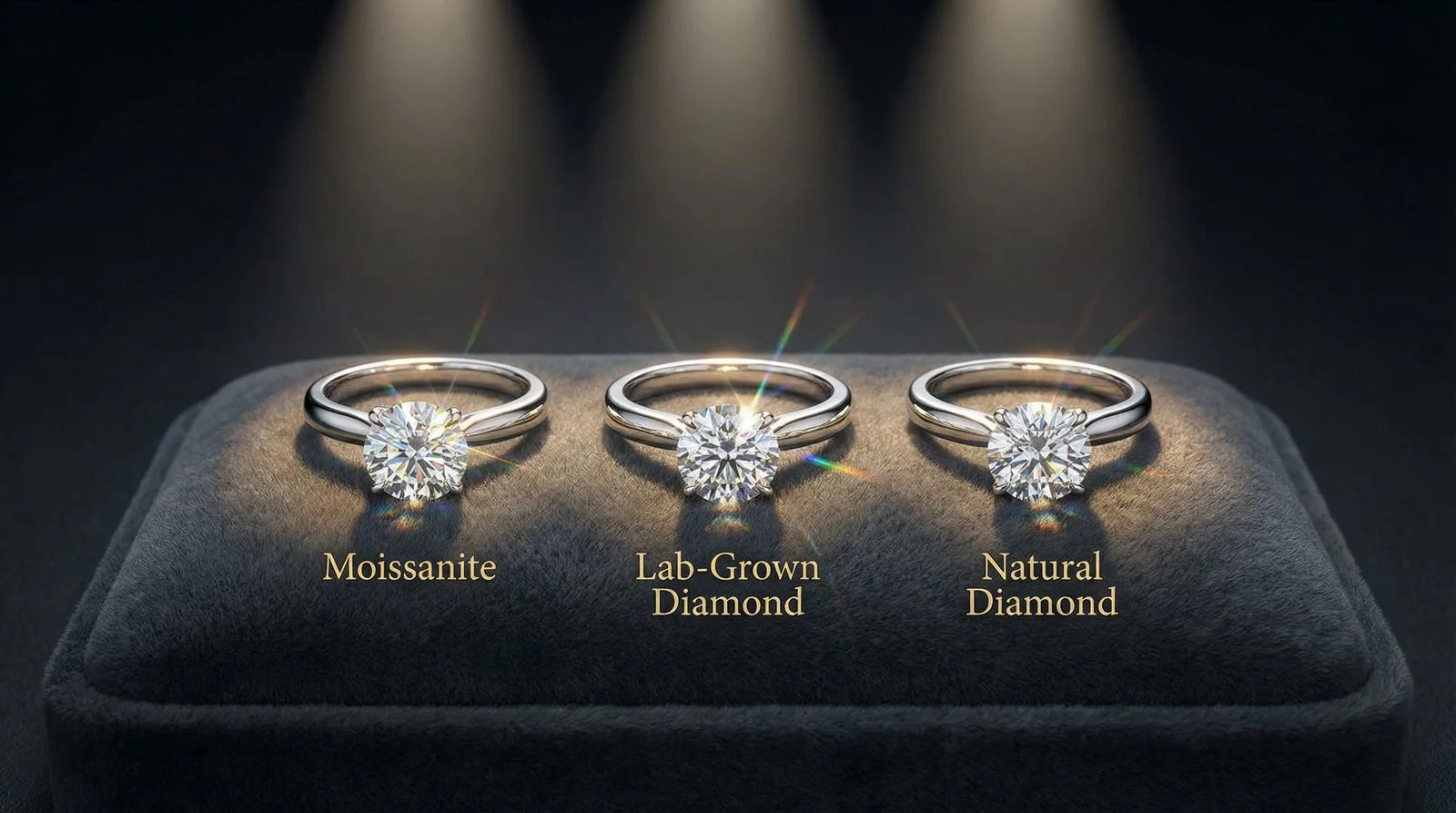
Just a few years ago, the decision when buying an engagement ring was simple: You bought a natural diamond, often spending two to three months' salary on it, and had to compromise on the size (carats).
Fortunately, the world of luxury jewellery looks very different today. With lab-grown diamonds and moissanites, you have two stunning, ethical, and significantly more affordable alternatives to choose from. But how big is the price difference, really? And which stone offers the best value for your budget?
In this 3-way price comparison, we reveal the true costs for 2026—transparently, honestly, and with no hidden fees.
Contents
A Brief Overview of the Three Stones
Natural Diamond (Mined Diamond)
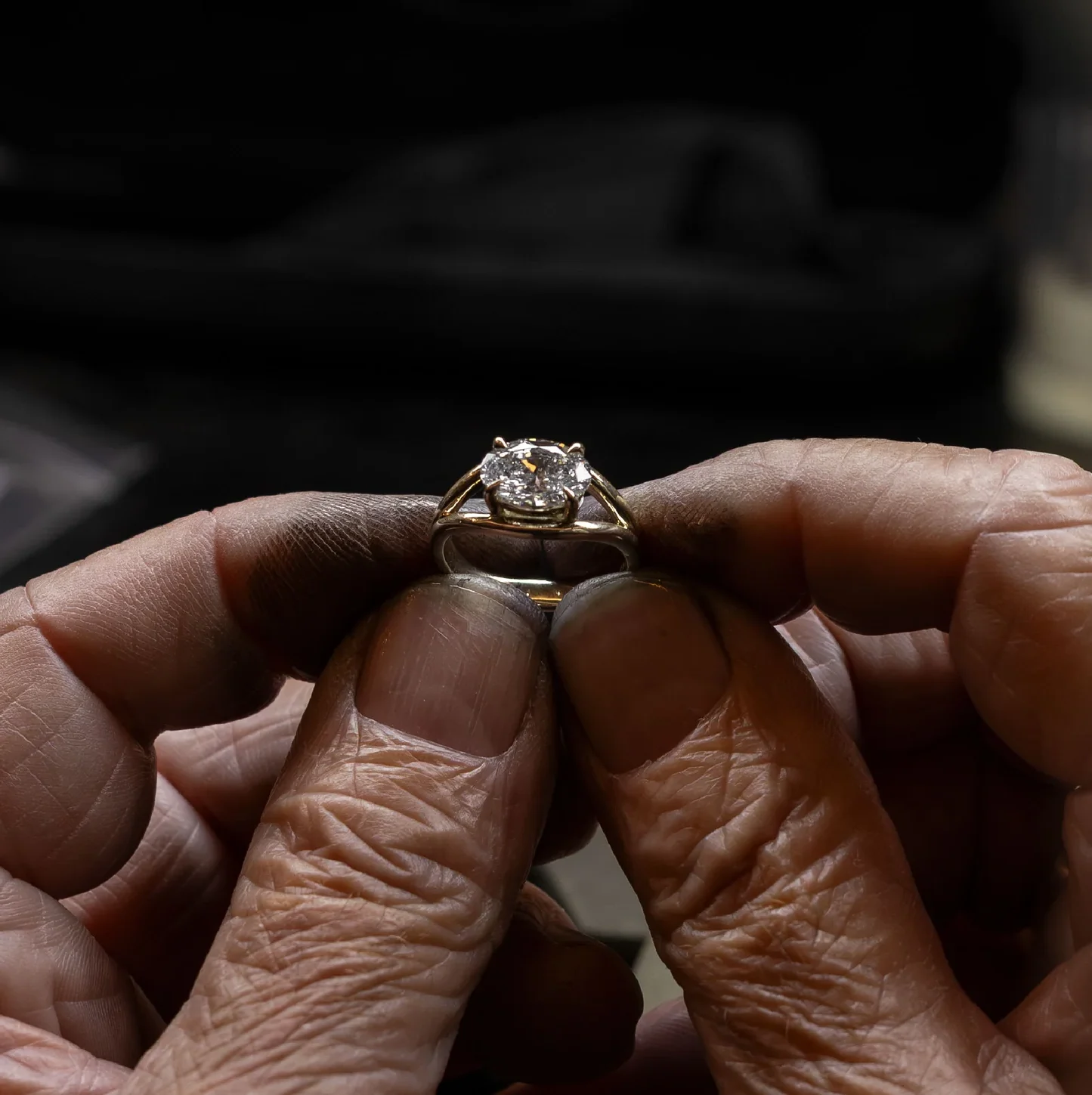
Formed over millions of years deep within the Earth. It is the classic gemstone for engagement rings, extremely hard (10/10 on the Mohs scale), and strongly associated with tradition and prestige. The downside: It is extremely expensive and often raises environmental and ethical concerns (mining).
Lab-Grown Diamond
It will be grown in a high-tech lab in a few weeks. It is 100% identical to a natural diamond in terms of appearance, chemical composition, and physical properties (also a 10/10 on the Mohs scale). Even a jeweller cannot tell the difference with the naked eye or a magnifying glass. It is significantly less expensive and 100% conflict-free.
Moissanite
A unique, very rare gemstone (silicon carbide) that was originally discovered in a meteorite crater and is now produced in a laboratory. It is almost as hard as a diamond (9.25/10) and actually has a higher fire (more rainbow sparkle) than a diamond. It is the most affordable of the three options.
Direct Price Comparison: 1.0 carat
Let’s take a look at the specific figures. For this comparison, we’ll assume a round diamond (brilliant cut) of exceptional quality: colour F–G (nearly colourless), clarity VS1–VS2 (eye-clean), and excellent cut. Set in a classic 14k gold solitaire ring.
| Stone Type (1.0 ct) | Average Price in 2026 | Savings vs. Nature |
|---|---|---|
| Natural Diamond | approx. €6,500 – €8,500 | - |
| Laboratory-grown diamond | approx. €1,100 – €1,400 | ~80% cheaper |
| Moissanite | approx. €550–€750 | ~90% cheaper |
The bottom line: For a 1-carat ring, a natural diamond will cost you as much as a good used car. With a lab-grown diamond, you get exactly the same stone for a fraction of the price. With a moissanite, you’ll even stay well below the 1,000-euro mark.
Lab-Grown Diamond vs. Moissanite
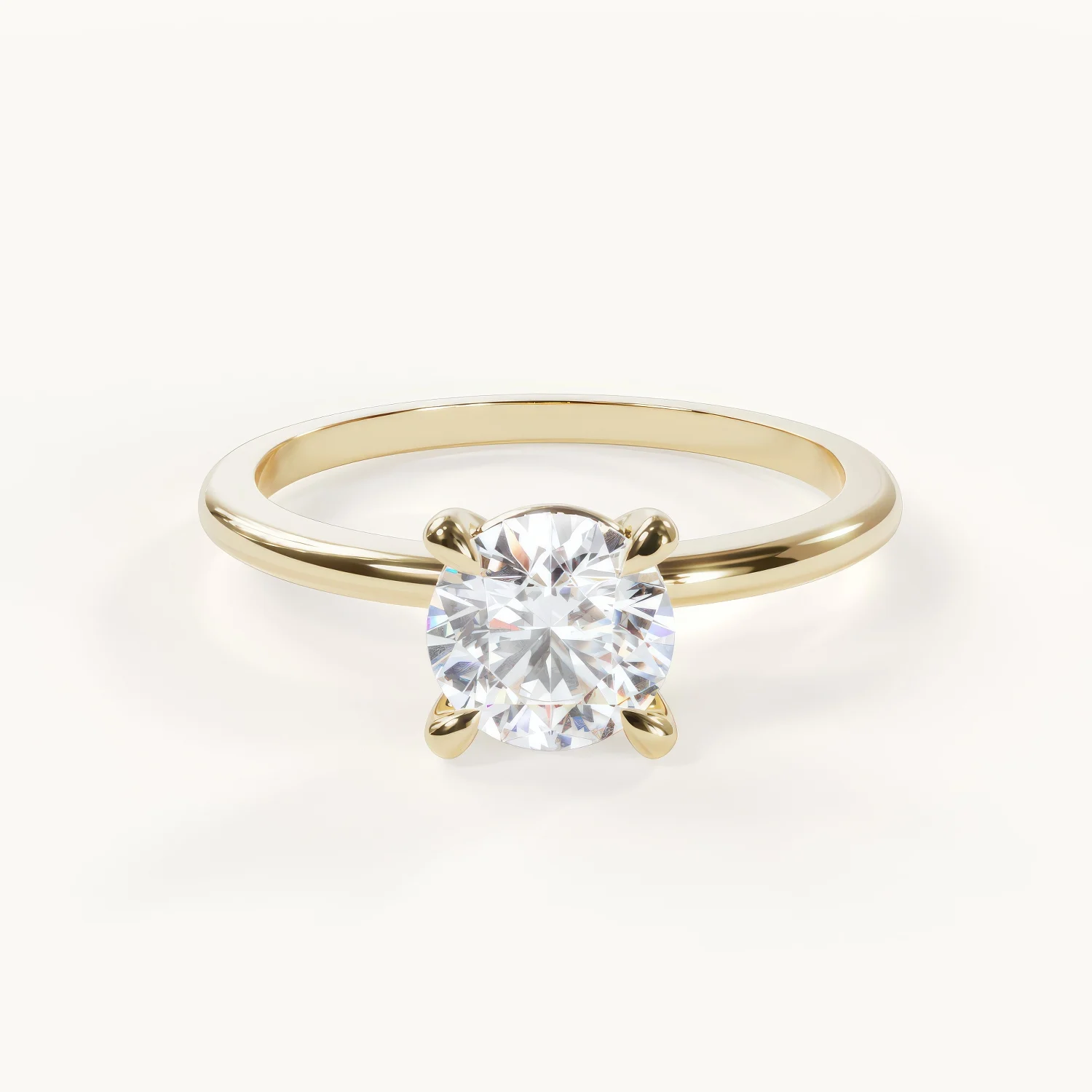
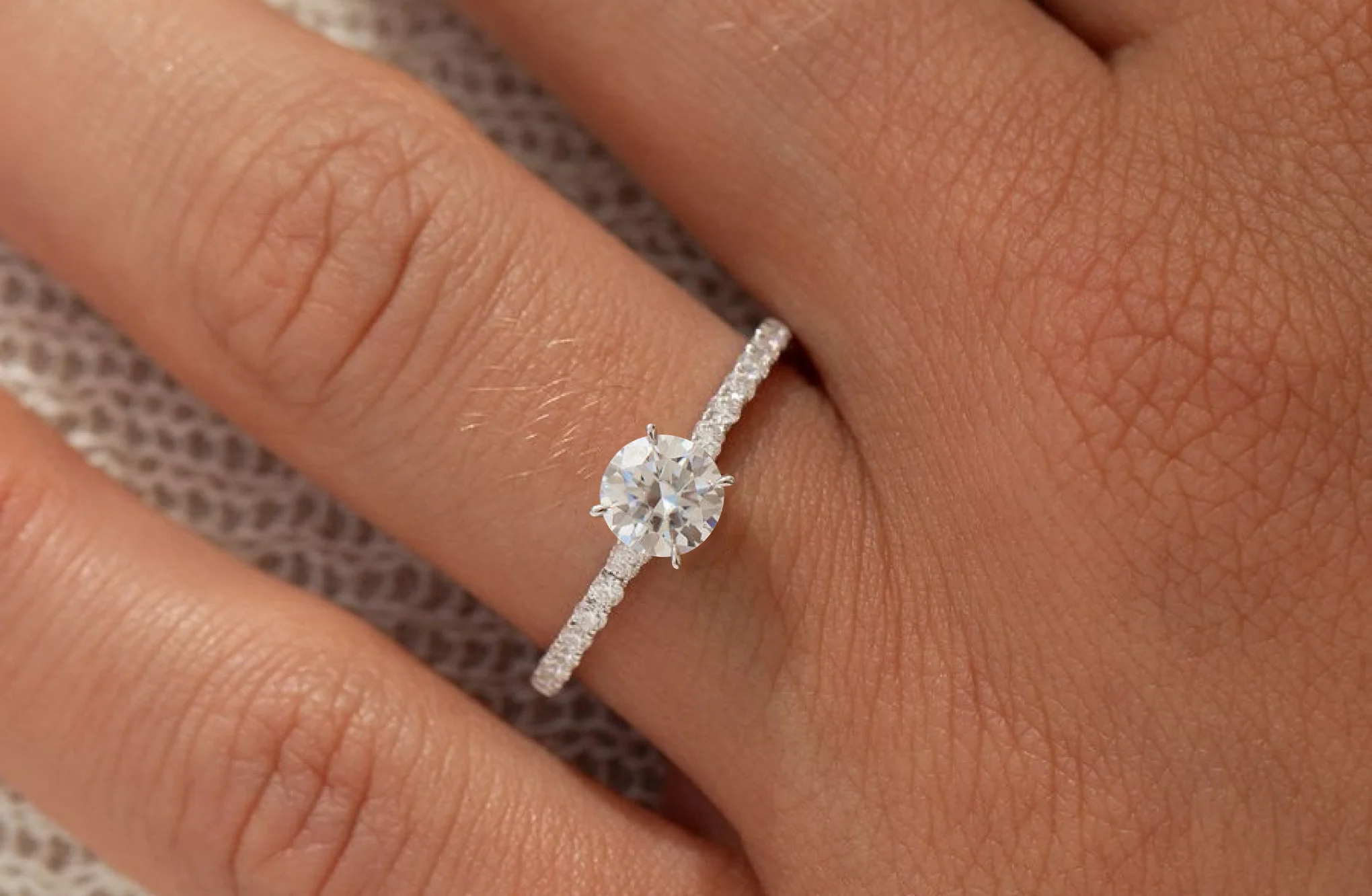
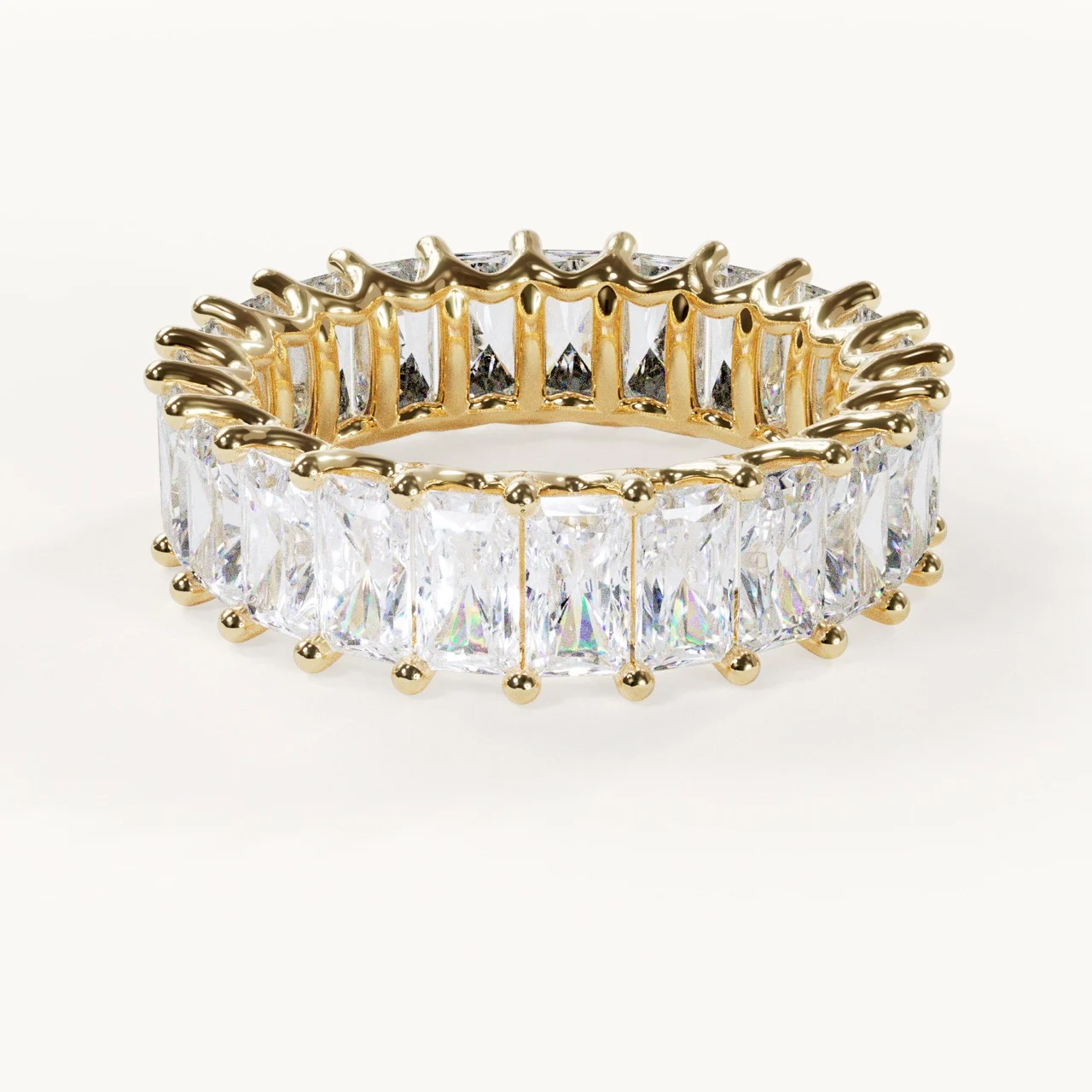
Pureté Round Cut (Lab)
A genuine 1-carat diamond (IGI-certified) created in a laboratory. Chemically identical to natural diamonds.
Discover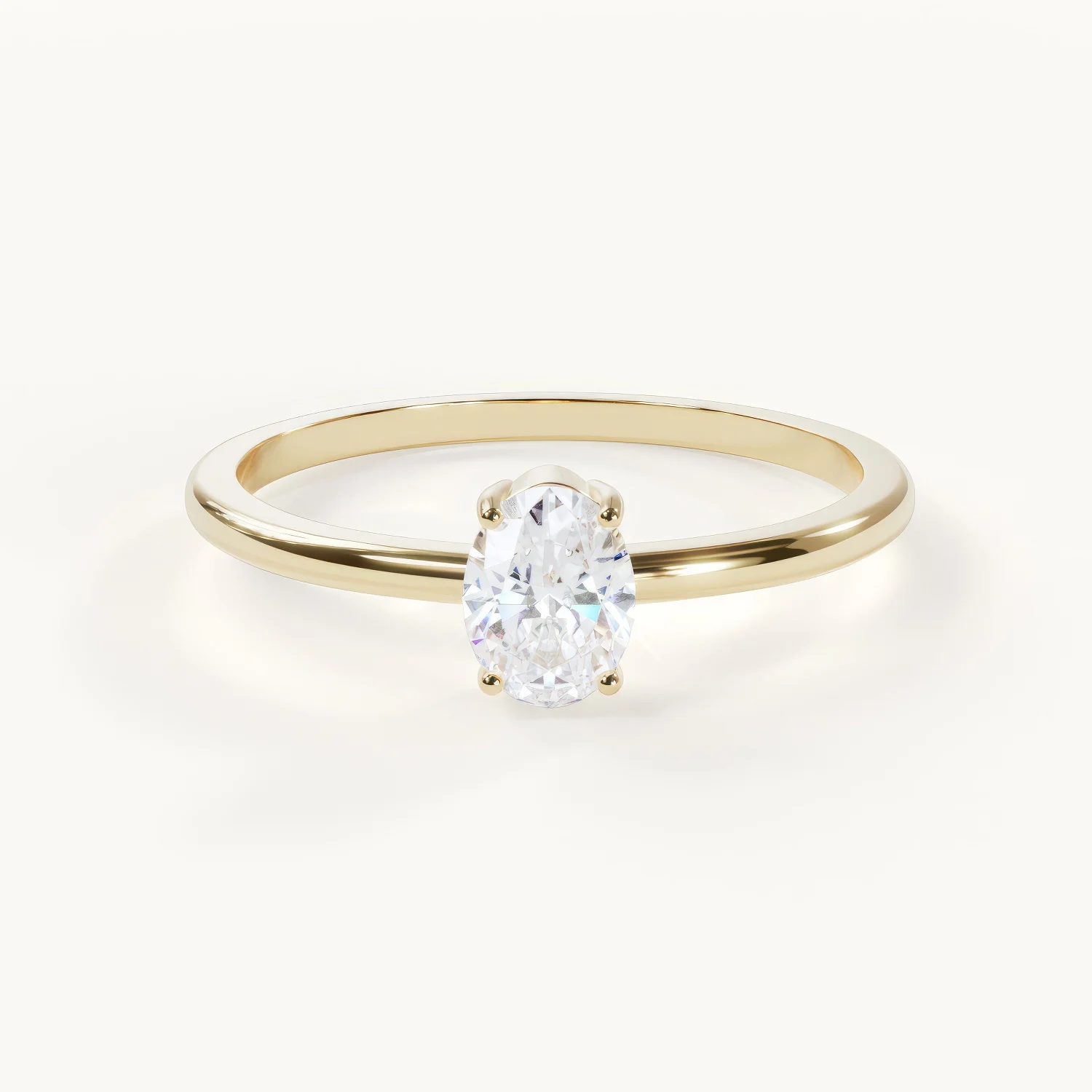
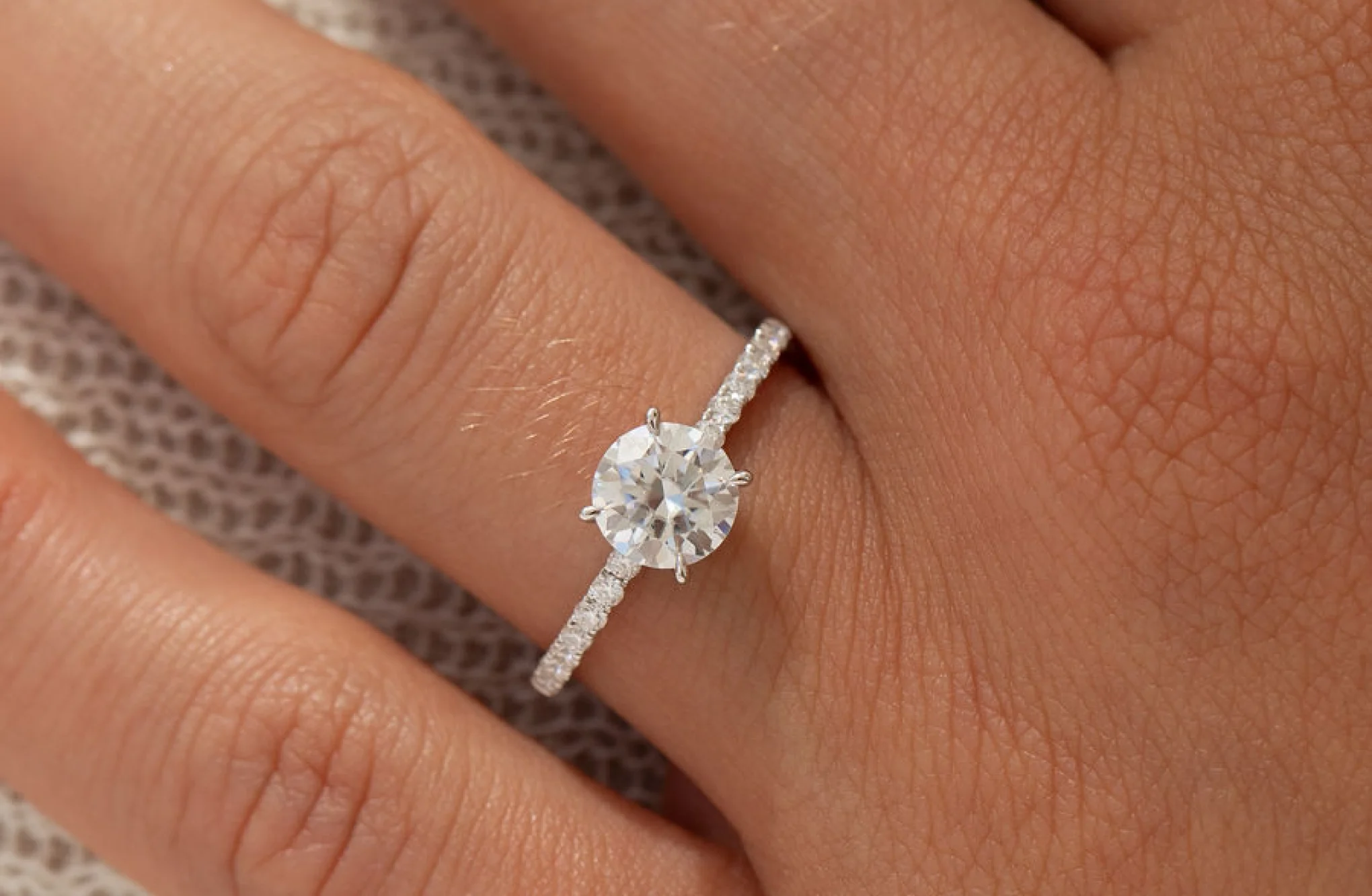
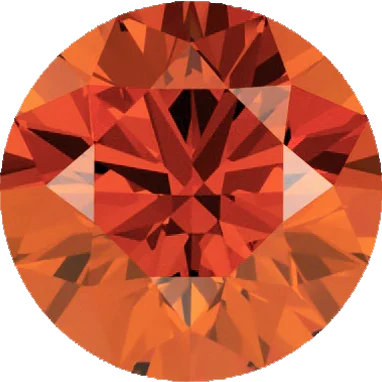
Aveline Solitaire (Moissanite)
A 1-carat moissanite. Same size, even more fire, and significantly more affordable.
DiscoverDirect Price Comparison: 2.0 carats
The larger the stone, the more extreme the price difference becomes. Large, high-quality natural diamonds are extremely rare, which is why their prices rise exponentially. In a lab, on the other hand, even 2-carat stones can be efficiently grown.
| Stone Type (2.0 ct) | Average Price in 2026 | Savings vs. Nature |
|---|---|---|
| Natural Diamond | approx. €18,000 – €25,000 | - |
| Laboratory-grown diamond | approx. €2,000 – €2,800 | ~88% cheaper |
| Moissanite | approx. €750–€950 | ~96% cheaper |
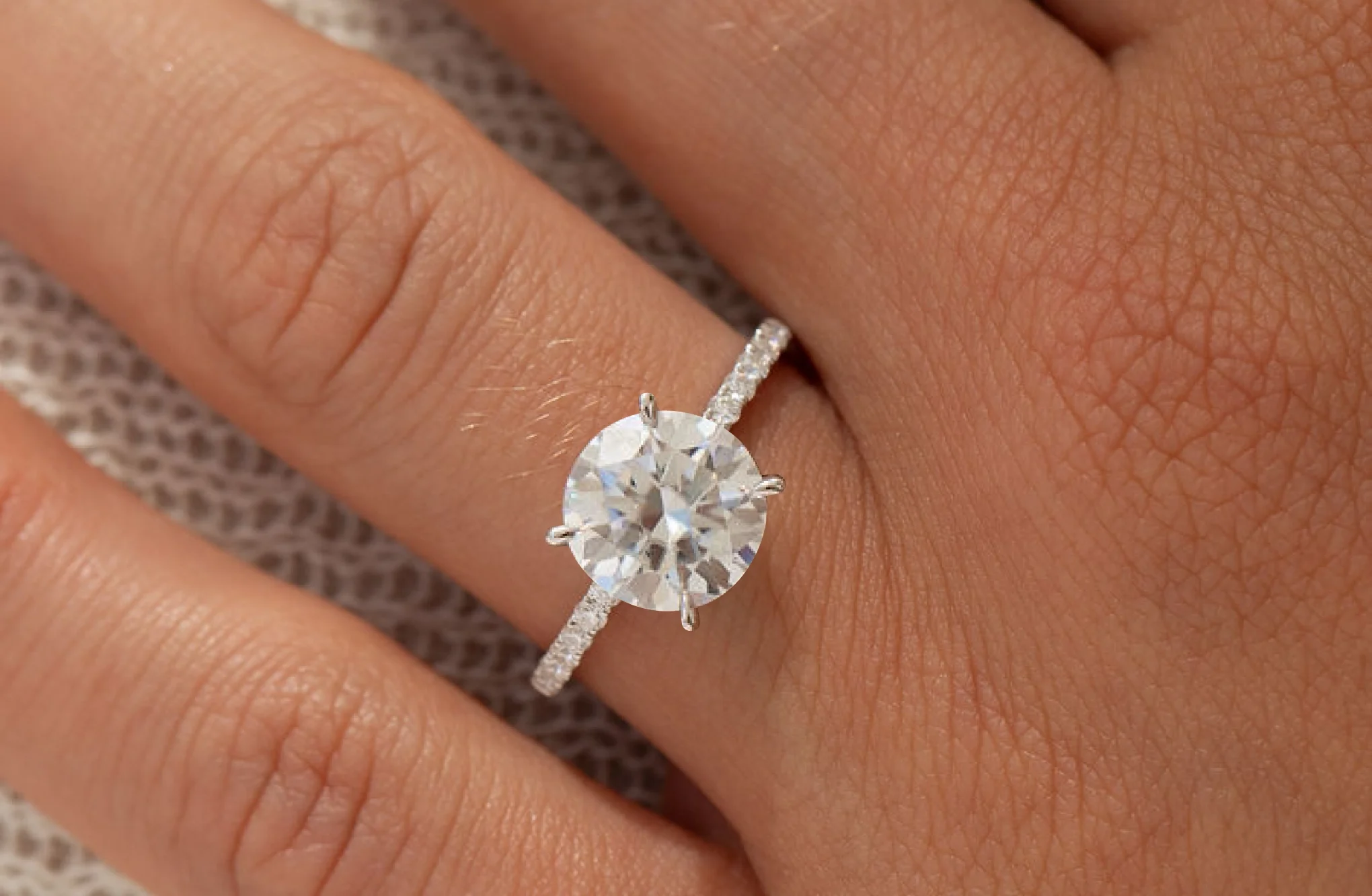
If your partner dreams of a large, eye-catching ring (2 carats or more), a natural diamond is unaffordable for most couples. A lab-grown diamond makes this dream come true for under €3,000—with a real diamond. A moissanite makes this look possible for even less than €1,000.
Conclusion: Which stone is right for you?
There's no "wrong" decision—only the right decision for your budget and your priorities.
Choose a lab-grown diamond if...
- ...you want a real diamond (100% chemically identical).
- ...you don't want to pay the hefty surcharge for mined (natural) diamonds.
- ...you value an official diamond certificate (IGI/GIA).
- ...you're looking for the best value for the sparkle of real diamonds.
Choose a moissanite if...
- ...you love intense fire and the sparkle of rainbows.
- ...you're looking for a large stone (1.5 to 3 carats) for less than €1,000.
- ...it doesn't matter to you that the stone is chemically a diamond.
And what about natural diamonds?
At Velur, we deliberately do not offer natural diamonds. We believe that the enormous price premium (and the often unclear ethical origins) will no longer be justifiable by 2026. The future of luxury is smart, ethical, and lab-grown.



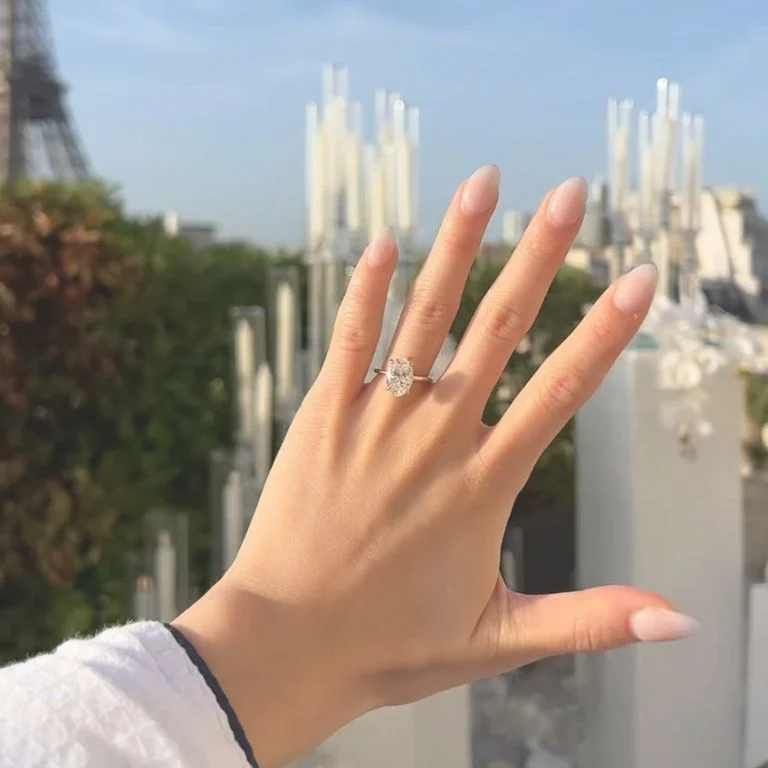

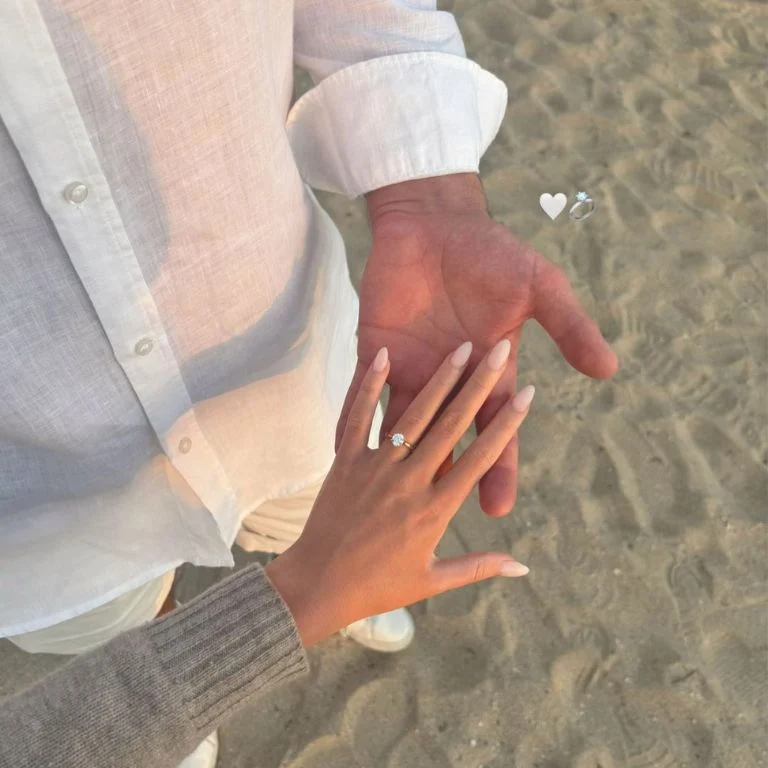
Find Your Dream Ring
Whether it's a genuine lab-grown diamond or a sparkling moissanite—at Velur, you'll find handcrafted, premium-quality engagement rings. Fair, transparent, and sustainable.
FAQ on Price Comparison
Because the extremely expensive and complex supply chain associated with diamond mining is eliminated. Lab-grown diamonds go directly from the high-tech lab to the cutting facility and then to the jeweller. We pass these efficiency gains directly on to you.
No, not with the naked eye, and not even with a jeweller's loupe. Since lab-grown diamonds are chemically and optically identical, a jeweller needs a special, expensive testing device to analyze the growth lines in the crystal lattice.
A moissanite has a higher refractive index than a diamond (2.65 vs. 2.42). This means it refracts light more strongly and produces more "fire" (colourful rainbow flashes). A diamond (whether lab-grown or natural), on the other hand, has more white light reflections (brilliance).