Celebrities and Lab-Grown Diamonds: What the Evidence Really Shows
Campaign, investment, or a private engagement ring? We distinguish between confirmed connections and mere speculation—and explain what this means for buying an engagement ring.
Yes, celebrities have visibly worn lab-grown diamonds in advertising campaigns, and Leonardo DiCaprio has invested in a manufacturer. However, that doesn’t mean that every engagement ring attributed to him online is a lab-grown diamond. An attribution is only reliable if the brand, designer, certificate, or the person himself confirms the material.
Evidence, Not Rumors
When is a celebrity association reliable?
When it comes to celebrity jewellery, three things are often conflated: A celebrity endorses a collection; a celebrity wears a specific piece during a public appearance; or a celebrity chooses an engagement ring for personal use. These are three different statements—with very different levels of evidence.
An official campaign confirms that the person pictured wore the jewellery shown for that production. A red-carpet appearance documented by the designer can also be reliable evidence. For a private engagement ring, more is needed: a statement from the couple, the jeweler, or clear product confirmation. Close-ups and social media comments are not sufficient.
| Type of connection | What she presents as evidence | What she does not prove |
|---|---|---|
| Official Campaign | The person is wearing the specified piece of jewellery on behalf of the brand. | That she bought the same stone or ring for herself. |
| Documented Appearance | A specific, identified piece was worn on that occasion. | That every ring that looks similar has the same origin. |
| Investment | A business interest in a company in the industry. | A personal choice of jewellery or a recommendation for a specific piece. |
| Photo or Rumor | The only thing is that a piece of jewellery is visible. | Material, manufacturer, certificate, and purchasing decision. |
If the origin of a piece of jewellery cannot be confirmed, we do not write “features a lab-grown diamond,” but rather state that the matter is still unclear. Especially when it comes to engagement rings, restraint is more accurate than a sensational headline.
Which celebrities have been documented as having promoted lab-grown diamonds?
A well-documented example is Pandora’s “Diamonds for All” campaign from 2023. In the official announcement for the lab-grown diamond collection, Pamela Anderson, Grace Coddington, Precious Lee, Amita Suman, Sherry Shi, and Vinson Fraley are named as part of the campaign. The jewellery was thus not only similar in appearance but was explicitly identified as lab-grown diamond jewellery.
What can we say for certain? These six celebrities wore jewellery featuring lab-grown diamonds for a commercial production. That’s all. The campaign reveals neither their personal purchasing habits nor the origin of a ring photographed at a later date.
It is precisely this distinction that makes the example useful. Lab-grown diamonds have entered the public discourse on jewellery—not as a secret substitute, but as a clearly defined category of material. Pamela Anderson’s appearance thus symbolizes visibility. It is not evidence of a specific private engagement ring.
Source: Pandora press release regarding the “Diamonds for All” campaign.
What evidence is there of Leonardo DiCaprio's connection to lab-grown diamonds?
Leonardo DiCaprio is often included in lists of celebrities who wear lab-grown diamonds. The facts tell a different story: In November 2015, he went public with his investment in Diamond Foundry. The industry publication JCK reported on his investment and his statement at the time.
This is relevant because a well-known figure not only appeared in an advertisement but also invested in the technology behind lab-grown diamonds. Nevertheless, it remains a business decision. It does not follow that DiCaprio owns a specific ring or that a ring in his possession automatically comes from that company.
So, for the sake of accuracy, his name belongs in the “Investor” category, not the “Personal Engagement Ring” category. This small distinction prevents a big mistake: a genuine connection doesn’t turn into a made-up jewellery story.
Source: JCK on the investment in Diamond Foundry.
Why We Don't Publish a Longer List of Stars
Many lists online simply copy names from one another without specifying the actual piece of jewellery. A short list with verifiable sources is more valuable to buyers than twenty unsubstantiated attributions.
Why are celebrity engagement rings so hard to identify?
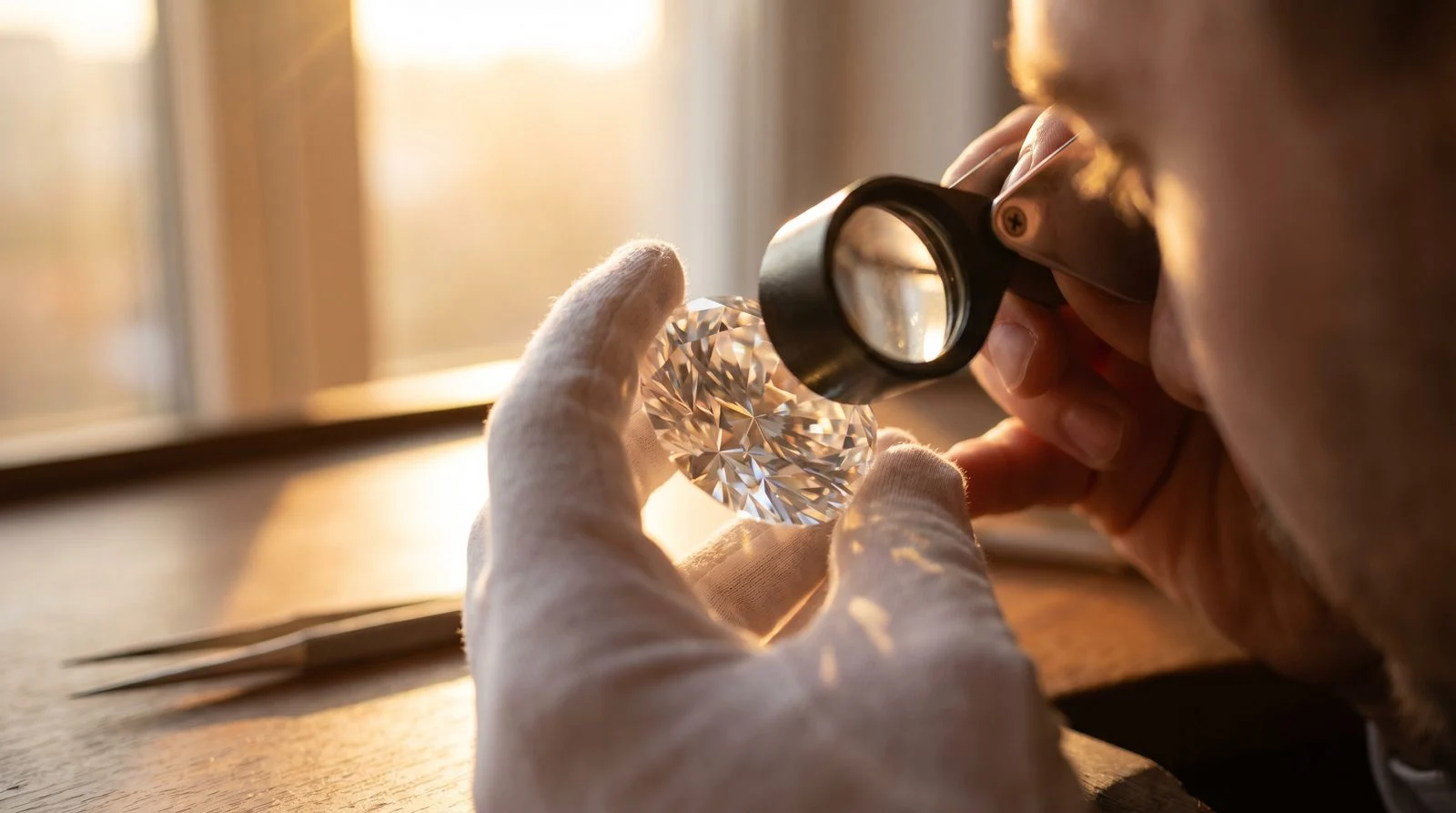
A cut laboratory-grown diamond looks very similar to a natural diamond. The GIA explains that conventional gemological observations and older diamond testers are not sufficient to distinguish between the two with certainty. Specialized laboratories use specialized instruments for this purpose and analyze, among other things, growth characteristics and reactions to light.
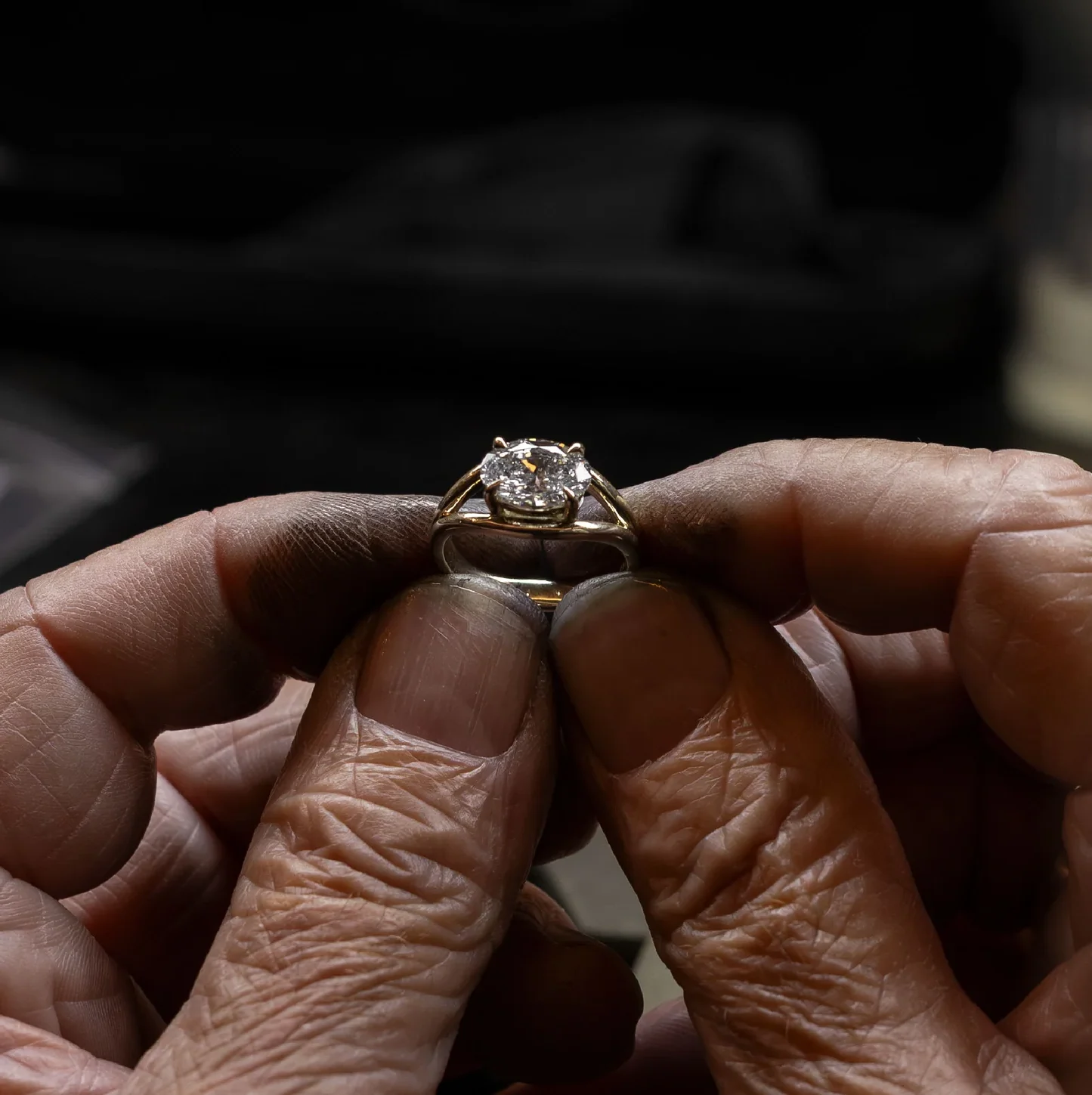
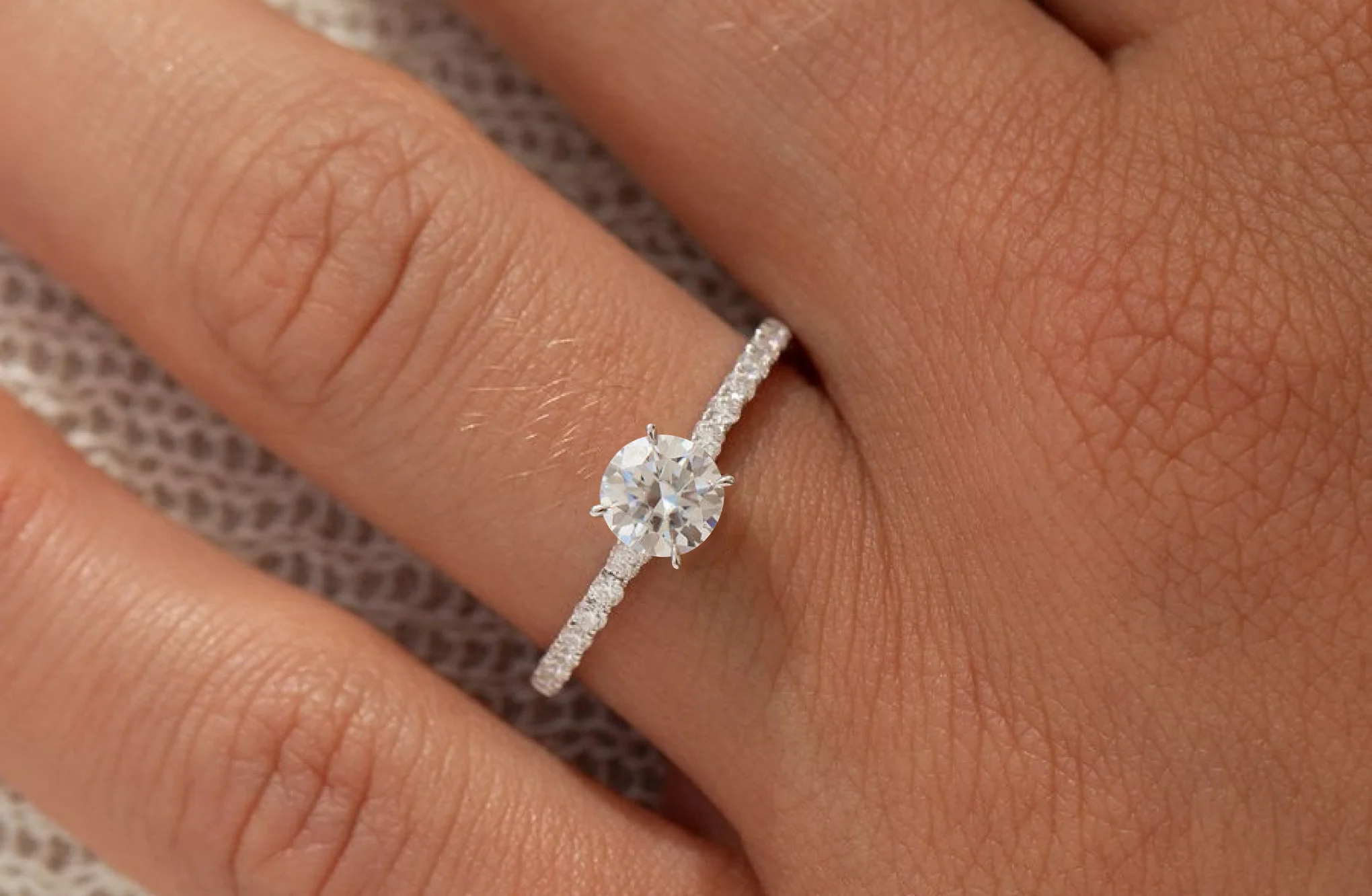
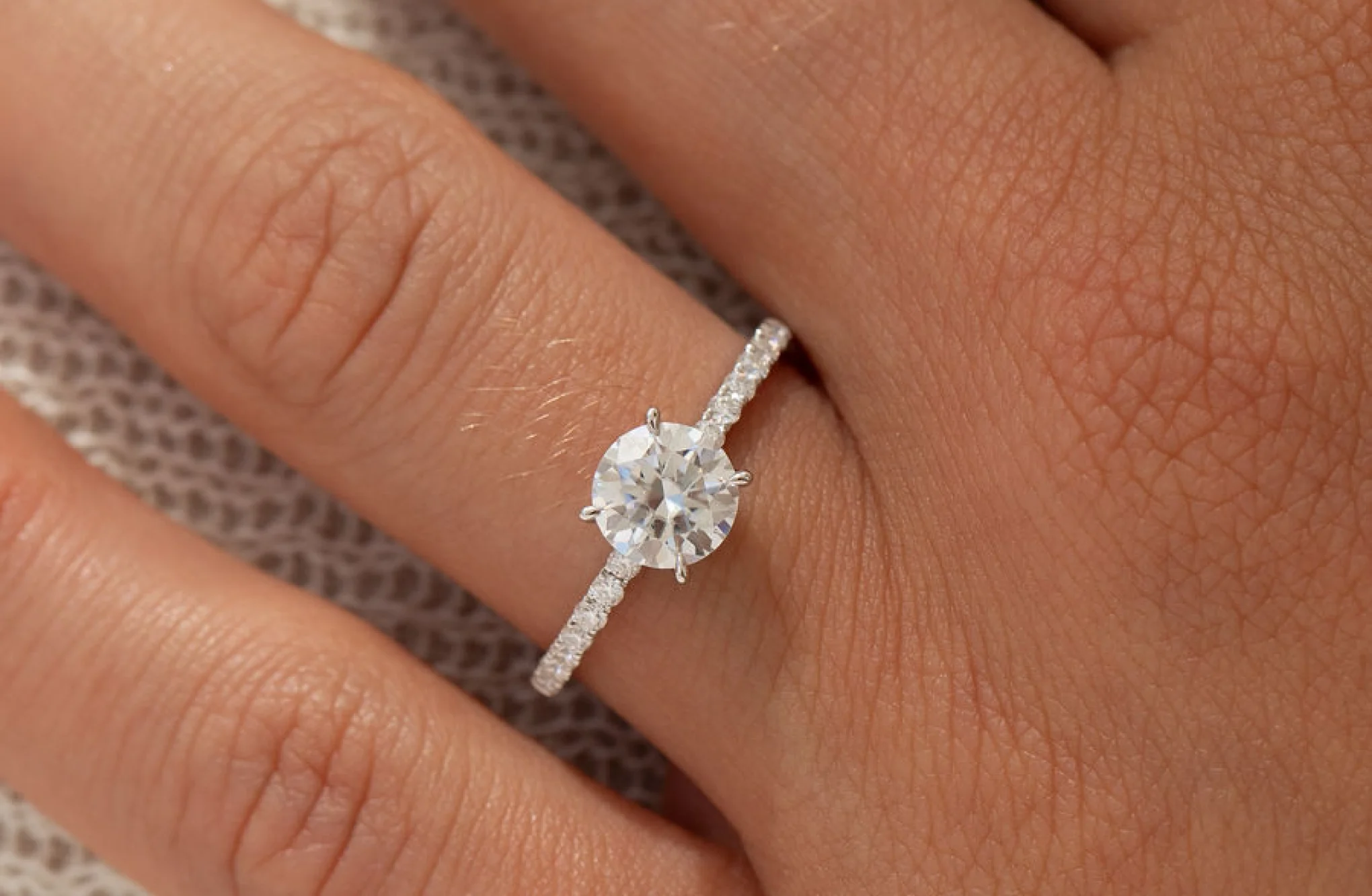
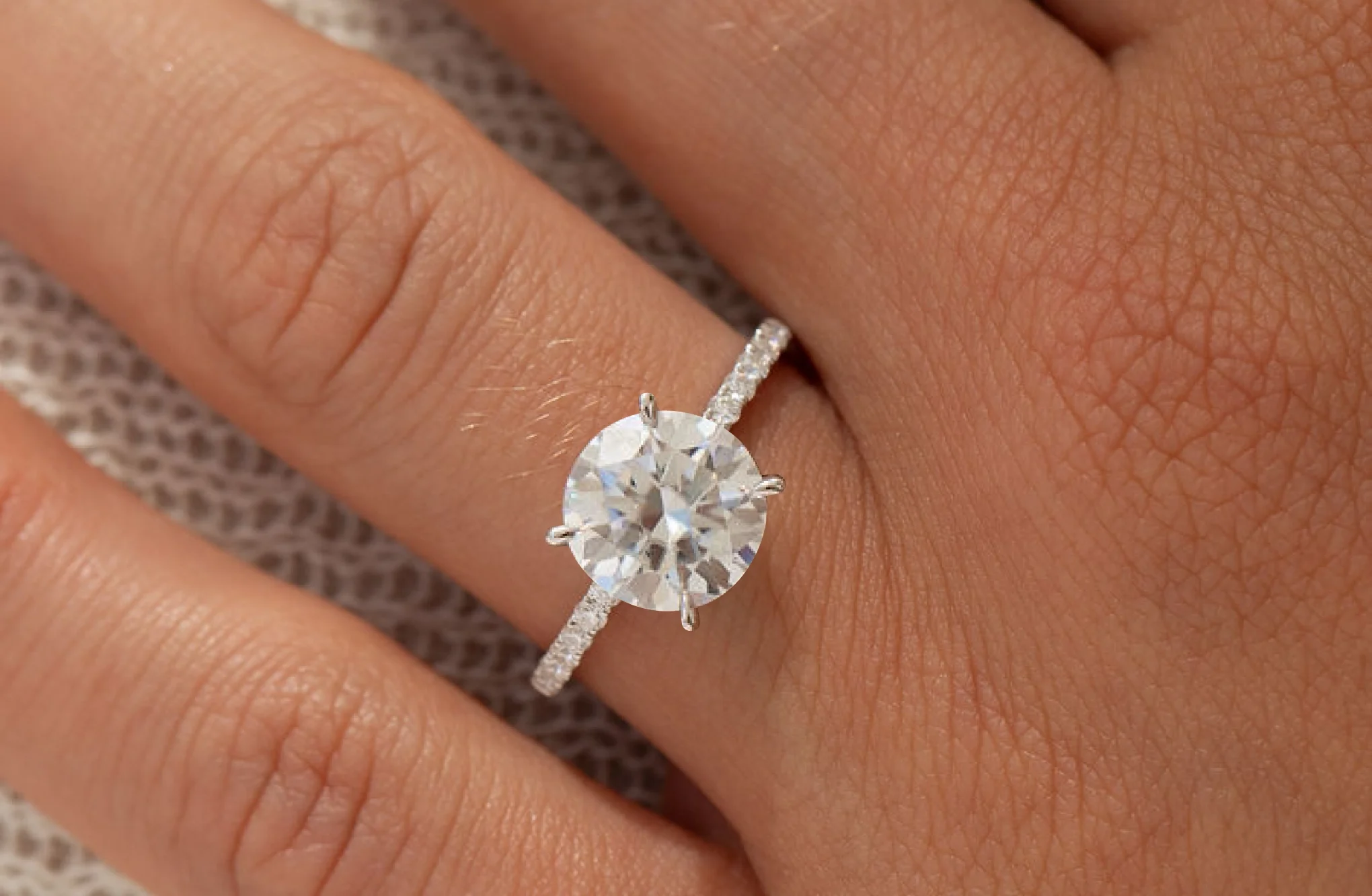
A press photo does not provide this information. Even a sharp close-up can show the cut, approximate size, and setting, but it cannot reliably indicate the stone’s origin. Anyone who claims a stone is a “lab-grown diamond” based on a single image is overlooking the crucial evidence.
There are therefore three distinct levels to this practical question:
- Appearance: A photo can be used to describe the style, metal color, cut, and setting.
- Product Attribution: The designer or brand can confirm which piece of jewellery was worn.
- Diamond Origin: A certificate, laser inscription, or gemological examination can determine whether the diamond is natural or lab-grown.
You can find more information on the technical aspects in our guide, “How to Identify Lab-Grown Diamonds.” The article “Are Lab-Grown Diamonds Real Diamonds?” answers the fundamental question. For information on price, formation, and resale value, see the direct comparison between lab-grown and natural diamonds.
Source: GIA for the reliable identification of laboratory-grown diamonds.
What does this celebrity trend mean for your own ring?
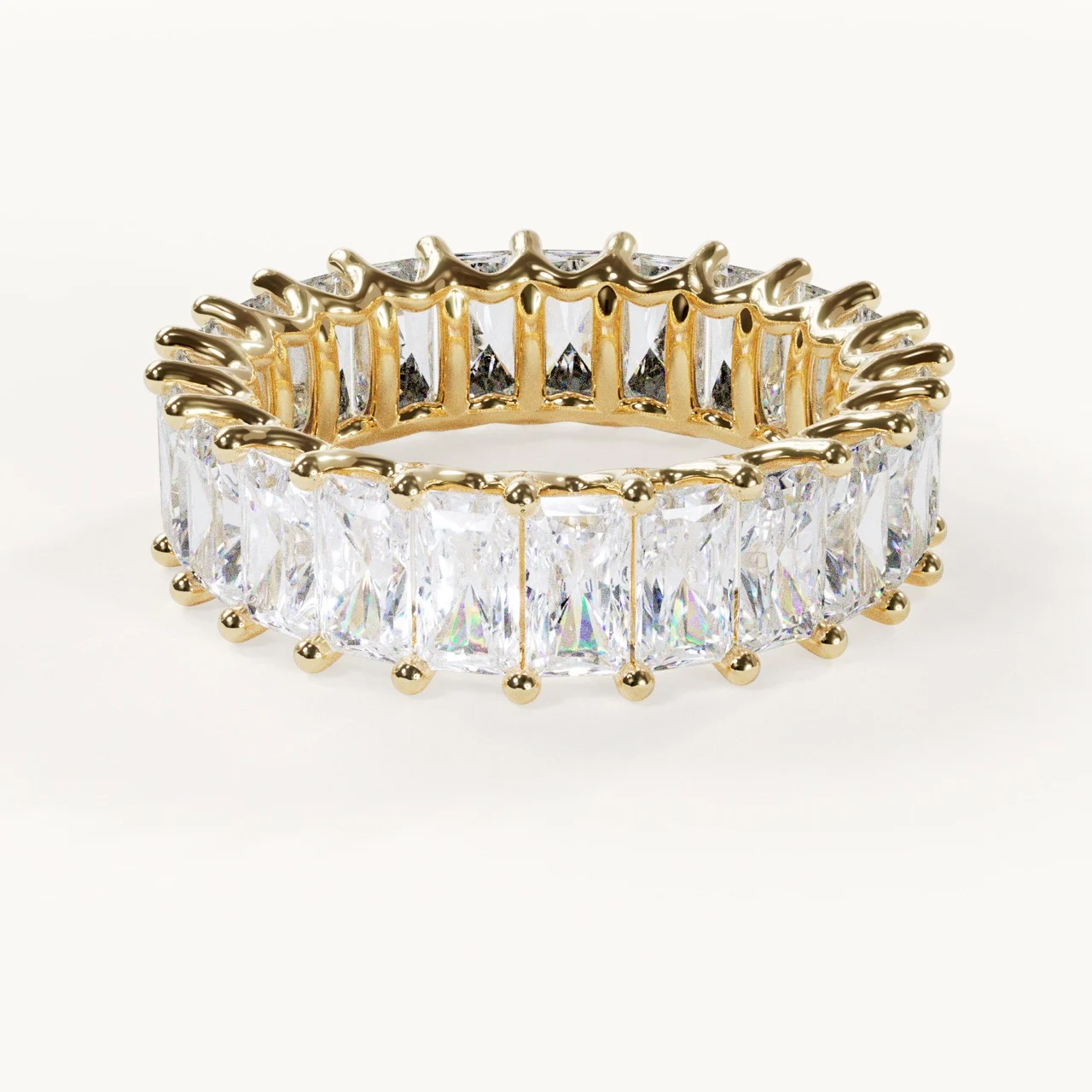
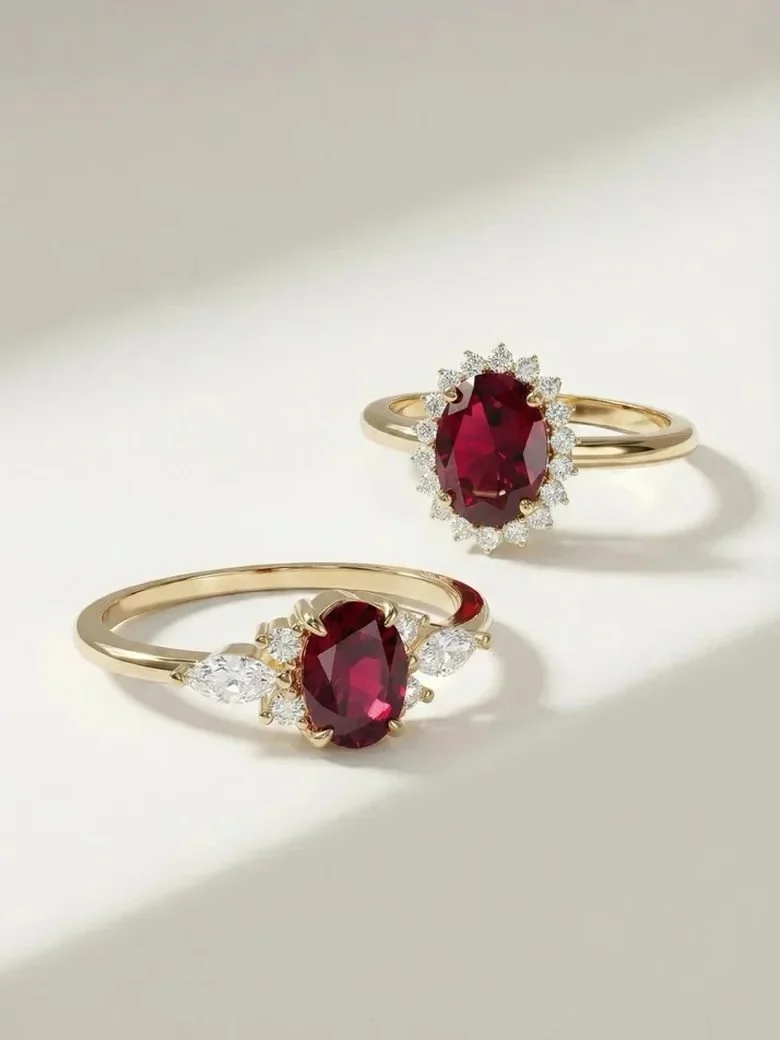
Celebrities can help define a style. An oval solitaire, a narrow band, a halo setting, or yellow gold—these are the kinds of details that can be incorporated into a look. The origin of the stone, however, should not be left to guesswork. It belongs in the listing and in the documentation.
What we’ve noticed during consultations: As soon as couples consider lab-grown diamonds and natural diamonds separately, their decision becomes more practical. Then it’s no longer about a label, but about four questions: What should the ring look like? What size is right for everyday wear? What’s the budget? And which origin feels right to you?
When purchasing a lab-grown diamond, you should look for a clear description and verifiable proof of quality. The 4Cs—cut, color, clarity, and carat weight—remain key factors in your selection. A celebrity’s name is no substitute for any of these criteria.
If you like the look of a specific ring, start by describing its visible features. For example, “an oval solitaire in yellow gold with a narrow band” is a useful style description. “The same lab-grown diamond as the one worn by Person X” is not a valid description without confirmation.
Draw Inspiration From
Cut, proportions, setting style, and metal color can be compared in detail.
Verify Origin
The type of stone must be specified in the product information, certificate, or technical inspection report.
Decide for you
Budget, everyday life, and personal taste matter more than a red-carpet moment.
Our engagement rings featuring lab-grown diamonds showcase the available designs with the corresponding stone options. If you'd like to recreate a specific celebrity-inspired look, a personalized ring consultation can help you translate visible details into a suitable design.
Frequently Asked Questions About Celebrities and Lab-Grown Diamonds
Which celebrities have been shown to endorse lab-grown diamonds?
Pamela Anderson, Grace Coddington, Precious Lee, Amita Suman, Sherry Shi, and Vinson Fraley were part of Pandora’s official “Diamonds for All” campaign in 2023. This indicates their involvement in the campaign, not necessarily that they personally purchased an engagement ring.
Does Leonardo DiCaprio have a lab-grown diamond engagement ring?
There is no reliable evidence of this in the sources we reviewed. What is documented is his investment in Diamond Foundry in 2015. This represents a business connection to the industry, not evidence of his personal jewellery collection.
Do celebrities really wear lab-grown diamonds on the red carpet?
Yes, individual appearances and campaigns are documented by jewellery brands or image sources. The key factor is whether the source specifies the exact piece of jewellery and material. A photo alone is not enough.
Are lab-grown diamonds real diamonds?
Yes. They essentially have the same chemical and optical properties as natural diamonds. The difference lies in their formation; specialized testing equipment or a gemological laboratory is required to determine their origin with certainty.
Should I buy a lab-grown diamond just because a celebrity does?
No. A celebrity example can serve as inspiration for the style, but it is no substitute for evaluating the cut, certificate, budget, and ring design. The ring should suit the person wearing it.
Discover engagement rings with lab-grown diamonds, or get personalized advice on cut, setting, and size.