Does Moissanite Lose Its Luster Over Time? The Ultimate Guide to Moissanite Care
Discover the truth about moissanite: Does it really lose its luster? Learn how to keep your moissanite jewellery sparkling and find out what the “oil slick” is all about.
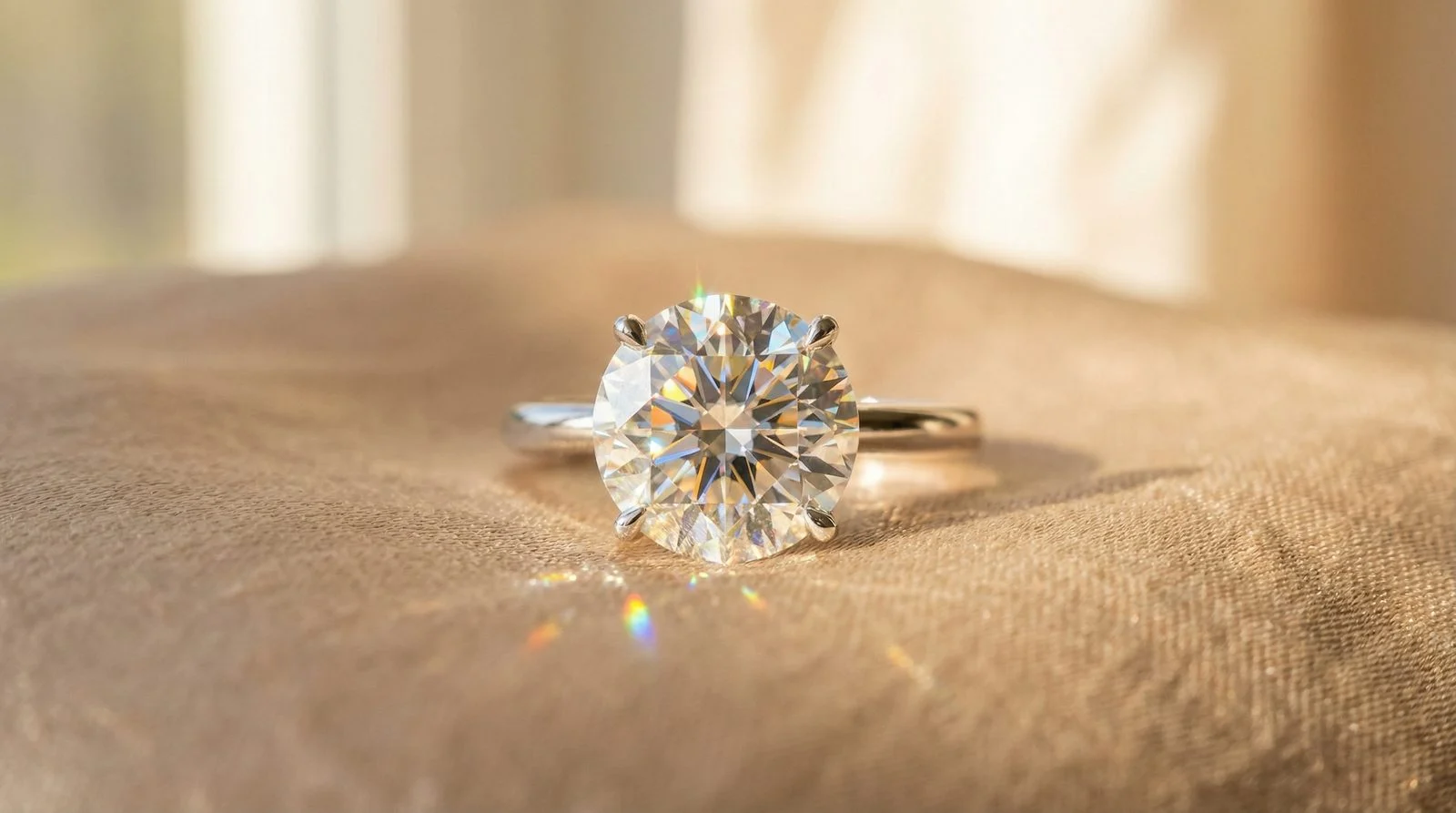
In a nutshell
No, moissanite does not become permanently dull. Any dullness is caused by surface deposits such as dirt, oils, or soap residue, which can build up over time. However, these deposits can be easily removed, and the stone will regain its original luster. Unlike cubic zirconia, which can become permanently dull, moissanite retains its brilliance.
Moissanite has established itself as a stunning and ethical alternative to diamonds. But one question keeps coming up: Does moissanite lose its luster over time? Many potential buyers are unsettled by rumors that often stem from a lack of knowledge or confusion with other gemstones. First, the good news: A genuine moissanite does not permanently lose its luster. If your moissanite jewellery ever looks less brilliant, it’s almost always due to external factors that can be easily remedied.
In this comprehensive guide, we take a deep dive into the world of moissanite. We’ll explain what the so-called “oil slick” is all about, how to properly care for and clean your moissanite jewellery, and why you don’t need to worry about permanent clouding. Get ready to debunk all the myths and discover the true brilliance of this extraordinary gemstone!
What Is Moissanite? A Brief Overview
Moissanite is a fascinating gemstone that was originally discovered in 1893 by the French chemist Henri Moissan in a meteorite crater. At first, he mistook the crystals for diamonds, but it later turned out that they were silicon carbide—an entirely new mineral. Since natural moissanite is extremely rare, the moissanite used in jewellery today is lab-grown. These lab-grown gemstones have the same chemical composition and optical properties as their natural counterparts.
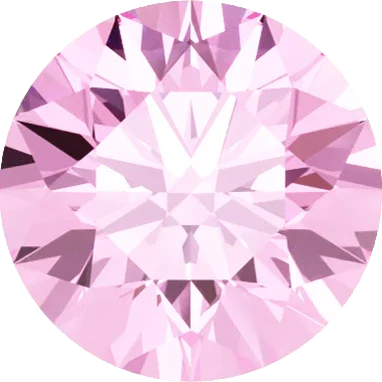
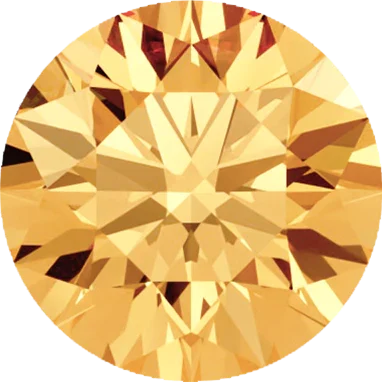
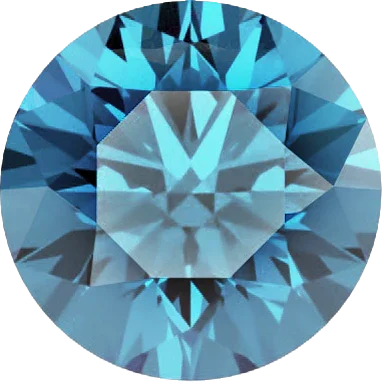
What makes moissanite so special is its extraordinary brilliance and fire. It surpasses the diamond in terms of light refraction and displays a breathtaking sparkle with rainbow-coloured flashes. With a hardness of 9.25 to 9.5 on the Mohs scale, moissanite is also extremely resistant to scratches and abrasion—only the diamond is harder.
Does Moissanite Become Dull? The Truth About the 'Oil Slick'
The common concern that moissanite might become dull is a widespread myth. The truth is: moissanite itself does not become permanently dull. If your moissanite jewellery loses its luster, it’s almost always due to surface deposits. These can be caused by everyday substances such as skin oils, soap residue, lotions, hairspray, or even hard water. These deposits form a fine film on the surface of the stone, which prevents light from reflecting optimally and thus gives the impression of cloudiness.
A specific phenomenon often referred to as “moissanite oil slick” is a rainbow-coloured, oily film that can form on the surface. This occurs when certain silicones or other residues from cosmetics react with the surface of the moissanite, often exacerbated by heat or moisture. It is important to understand that this is purely a surface phenomenon and does not cause permanent damage to the stone. With proper care, this “oil slick” can be easily removed.
Moissanite vs. Diamond vs. Cubic Zirconia: A Comparison of Durability
To better understand the durability of moissanite, it’s worth comparing it to other popular gemstones and diamond alternatives:
| Property | Moissanite | Diamond | Cubic Zirconia (CZ) |
|---|---|---|---|
| Hardness (Mohs scale) | 9.25–9.5 | 10 | 8–8.5 |
| Persistent cloudiness | No (only surface deposits) | No (only surface deposits) | Yes (due to scratches and absorption) |
| Brilliance & Fire | Very high (double refraction, intense fire) | High (single refraction, classic fire) | Moderate (less fiery, often glassy) |
| Scratch resistance | Excellent | Excellent | Fair (scratches slightly) |
| Maintenance requirements | Regular cleaning is recommended | Regular cleaning is recommended | Regular cleaning is necessary; cloudiness is often irreversible |
As the table shows, moissanite is very similar to diamond in terms of durability and resilience, and far superior to cubic zirconia. Concerns that moissanite will lose its luster are unfounded as long as you care for it properly.
How to Keep Your Moissanite Sparkling: Care and Cleaning Tips
To ensure your moissanite jewellery always shines in all its glory, regular and simple care is essential. Here are our best tips to keep your moissanite sparkling:
Daily Care
Avoid exposing your moissanite jewellery to harsh chemicals, strong cleaning agents, lotions, perfumes, and hairspray. Remove your jewellery before exercising, showering, or doing housework.
Regular Cleaning at Home
Fill a small bowl with warm water and add a few drops of mild dish soap. Place your moissanite jewellery in the bowl for about 10–15 minutes. Gently brush the stone and the setting with a soft toothbrush (such as a baby toothbrush). Rinse it under clean water and dry it with a lint-free cloth. This is an effective way to clean moissanite and prevent buildup.
Removing a Stubborn 'Oil Slick'
If a stubborn "oil slick" has formed, you can try gently rubbing it off with a special silver-polishing cloth (e.g., Sunshine Cloth). Another method is to make a paste of toothpaste and isopropyl alcohol, apply it gently to the stone, and then rinse it off thoroughly. These methods help remove the moissanite “oil slick” and restore its brilliance.
Professional Cleaning
For a deep clean, or if you're unsure, we recommend having your jewellery professionally ultrasonically cleaned at a jeweller's. Moissanite is durable enough to withstand this type of cleaning and will look like new afterward.
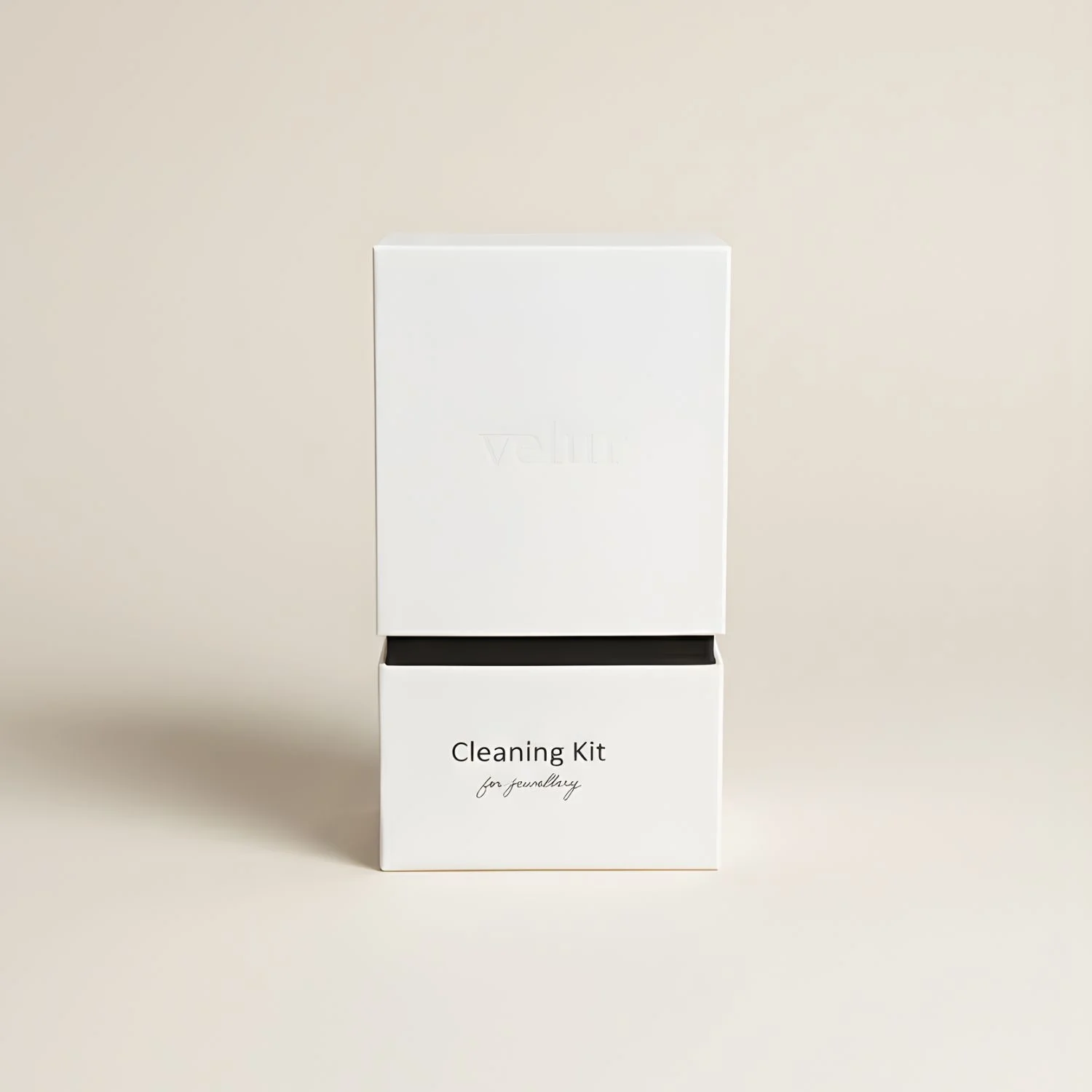
Velur Care Kit – Brilliance to Go
Would you like to professionally care for your moissanite jewellery at home? Our Velur Care Kit was specially designed to preserve the brilliance of moissanites, lab-grown diamonds, and gold. The kit includes a cleaning spray, a precision brush, and a polishing cloth—everything you need to keep your jewellery sparkling forever.
Go to the Care KitBy following these simple steps and using the right tools, you can ensure that your moissanite retains its breathtaking brilliance for years to come and that you’ll enjoy your piece of jewellery for a long time. The moissanite care guide is straightforward and effective.
Do you have questions about moissanite jewellery?
Our team of experts would be happy to provide you with personalised advice, with no obligation. Just contact us via WhatsApp!
Get advice now via WhatsAppFrequently Asked Questions (FAQ)
Does moissanite lose its luster over time?
No, moissanite does not become permanently dull. Any dullness is caused by surface deposits such as dirt, oils, or soap residue, which can build up over time. However, these deposits can be easily removed, and the stone will regain its original luster. Unlike cubic zirconia, which can become permanently dull, moissanite retains its brilliance.
What is the "oil slick" in moissanite, and how does it form?
"Oil Slick" is a rainbow-like, oily film that can form on the surface of moissanite. It is caused by the reaction of surface residues (e.g., silicones from cosmetics, lotions, or hairspray) with heat or moisture. It is purely a surface phenomenon and does not indicate any damage to the stone.
How do I clean my moissanite jewellery so it doesn't lose its luster?
For daily care, warm water with mild dish soap and a soft toothbrush are sufficient. For more stubborn deposits or an “oil slick,” special silver-cleaning cloths (e.g., Sunshine Cloth) or a mixture of toothpaste and isopropyl alcohol can help. Professional ultrasonic cleaning is also safe and effective.
Does moissanite lose its luster or brilliance?
No, moissanite does not permanently lose its luster or brilliance. Its high hardness (9.25–9.5 on the Mohs scale) makes it extremely scratch-resistant and durable. Any loss of luster is due to surface dirt, which can be easily removed.
Is moissanite as durable as a diamond?
With a Mohs hardness of 9.25–9.5, moissanite is the second-hardest mineral in the world, second only to diamond (Mohs hardness 10). This makes it extremely resistant to scratches and abrasion, and thus an excellent choice for jewellery worn every day, such as engagement rings set with moissanite.
What's included in the Velur Care Kit, and how do I use it?
The Velur Care Kit includes a professional cleaning spray (50 ml), a fine brush for precise settings, a high-quality polishing cloth, and an elegant FSC-certified storage box. Spray the cleaning solution onto your jewellery, gently brush it with the fine brush, and then polish it with the cloth. It was specially developed for moissanite, lab-grown diamonds, and gold. View the Velur Care Kit
What are the advantages of moissanite over cubic zirconia (CZ)?
Moissanite is significantly harder (9.25–9.5 on the Mohs scale) and more brilliant than cubic zirconia (8–8.5 on the Mohs scale). While cubic zirconia can become permanently cloudy over time due to scratches and the absorption of oils, moissanite retains its luster and clarity because deposits are only superficial and can be easily removed.
"Moissanite is one of the most durable gemstones there is. With the right care, it will retain its brilliance for a lifetime. Our Velur Care Kit was designed specifically for this purpose."
Velur Editorial Team
What is a lab-grown diamond?
Learn all about the fascinating world of lab-grown diamonds and their benefits.
What is moissanite?
Learn more about the properties, origin, and unique brilliance of moissanite.
The Ultimate Guide to Buying a Large Engagement Ring
Everything you need to know to find the perfect engagement ring.
Your dream ring is waiting for you
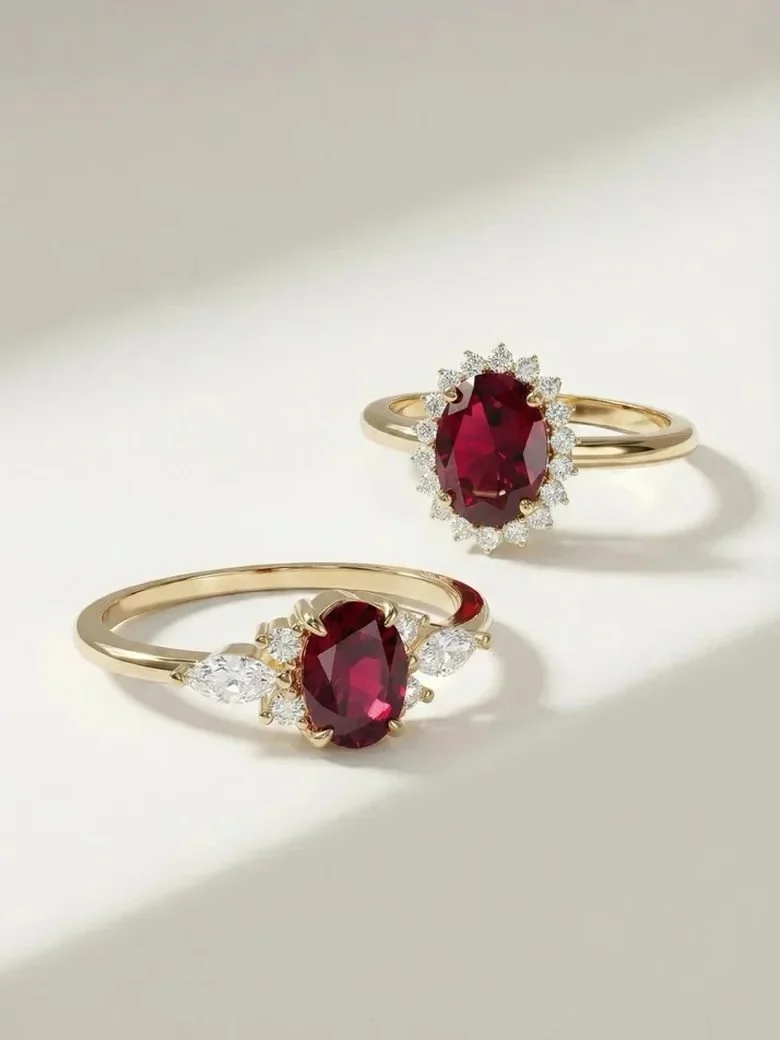
Discover our exquisite collection of moissanite and lab-grown diamond rings and find the perfect symbol of your love.