

Laboratory-Grown Diamond Certification: IGI, GIA, and GRA Explained
Three letters, three institutions, completely different grading systems. Here's what you really need to know.
In a nutshell
IGI is the world’s leading certifier of lab-grown diamonds (~65% market share) and grades them according to the classic 4Cs. Since October 2025, GIA has used a simplified system: lab-grown diamonds are now classified only as “Premium” or “Standard.” GRA certifies moissanite, not diamonds. When it comes to your engagement ring, an IGI certificate is currently the best standard for lab-grown diamonds.
Why a Certificate Is Important
Imagine you're buying a ring for €1,500. The seller says, "1 carat, colour D, clarity VVS2." Sounds good. But how do you know that's true?
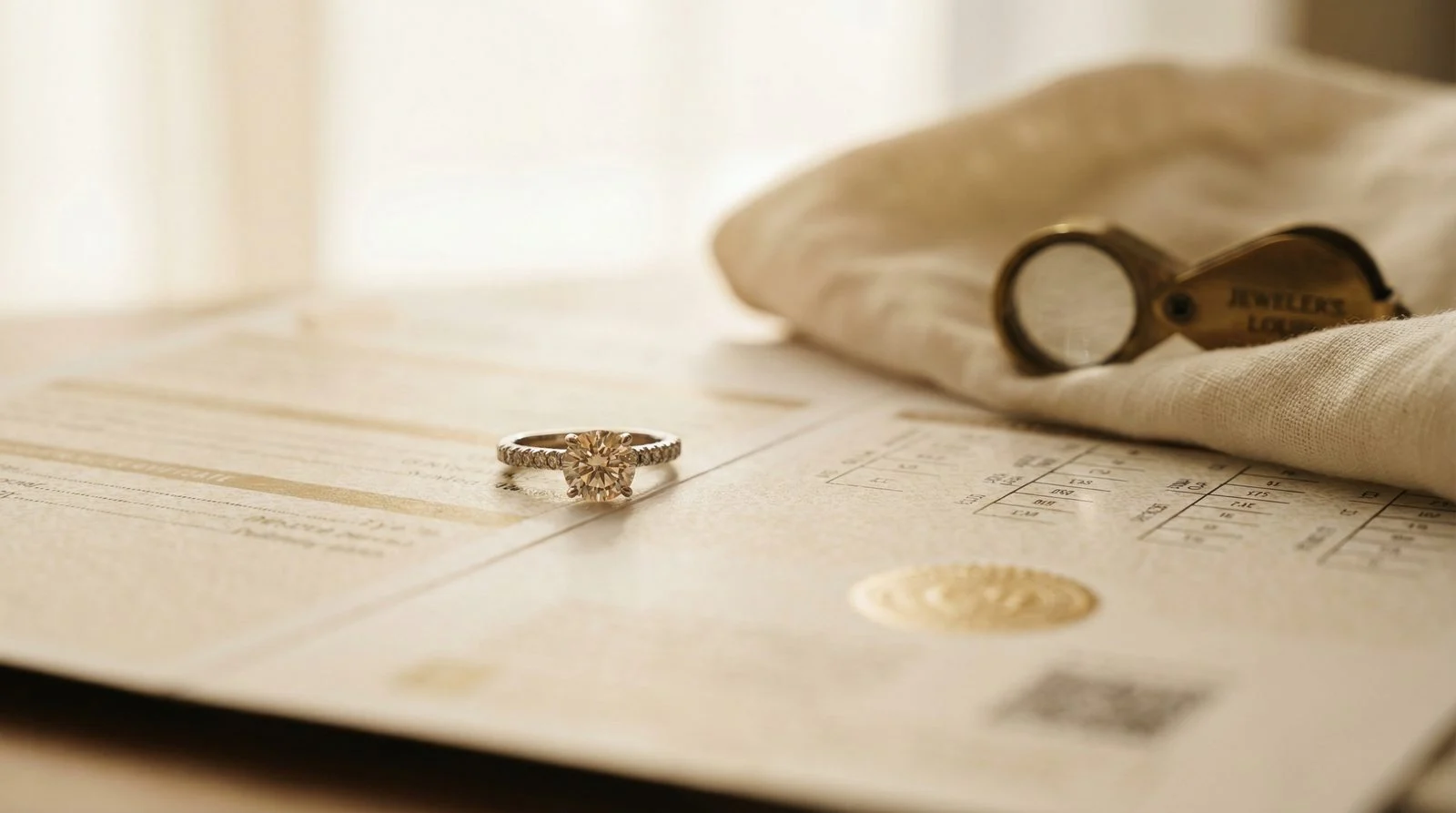
That’s exactly why there are independent certification agencies. They evaluate the stone based on standardised criteria—without any financial stake in the sale. The certificate is your proof that you’re getting what you pay for.
No certificate? Then you’re putting your trust in the dealer blindly. It might work out—but it might not. Time and again, we see gemstones from other suppliers among our customers’ collections that were sold without a certificate—and upon closer inspection, turn out to be one colour grade or clarity grade lower than stated.
The Short Version
A certificate isn't just a nice-to-have. It's your insurance. Don't buy a lab-grown diamond without an independent certificate—no matter how trustworthy the dealer may seem.
IGI – The Market Leader in Laboratory-Grown Diamonds
The International Gemological Institute, founded in Antwerp in 1975. Today, it is by far the most important certifier of lab-grown diamonds worldwide.
What does the IGI certificate say?
IGI grades lab-grown diamonds according to the same 4Cs as natural diamonds. This means you’ll receive a detailed evaluation of cut, colour, clarity, and carat weight. The report also includes information on proportions, symmetry, polish, and fluorescence.
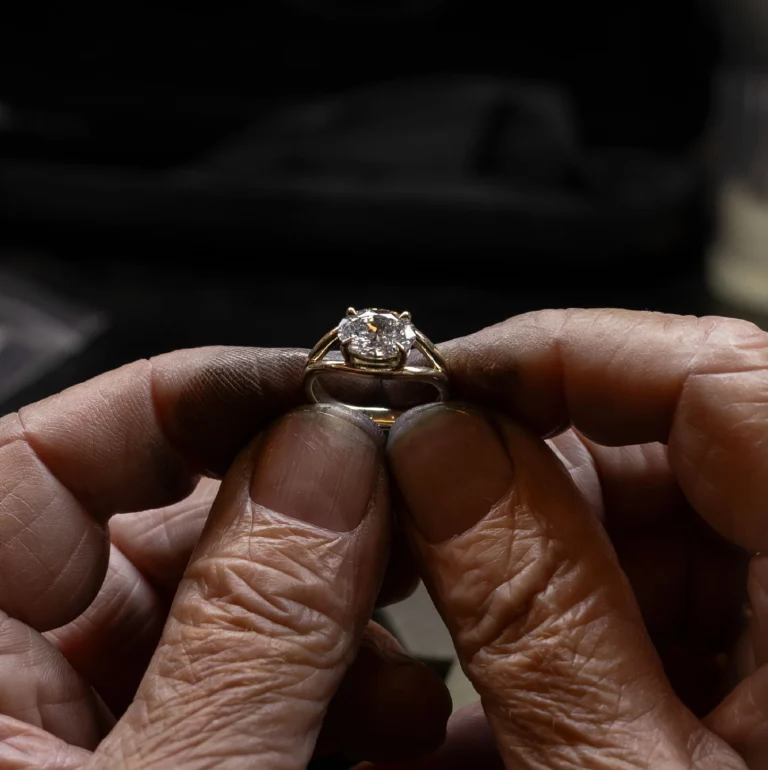
Every IGI-certified laboratory-grown diamond has a laser engraving on the girdle (the edge of the stone)—invisible to the naked eye but readable with a magnifying glass. This number uniquely links the stone to its certificate.
Why IGI Is a Leader in Lab-Grown Diamonds
Three reasons. First, IGI embraced lab-grown diamonds early on—long before GIA decided to do so. Second, certification costs are lower than at GIA, which reduces the final price for customers. Third, with over 30 labs worldwide, IGI is faster. A stone that takes weeks to certify at GIA can be certified in just a few days at IGI.
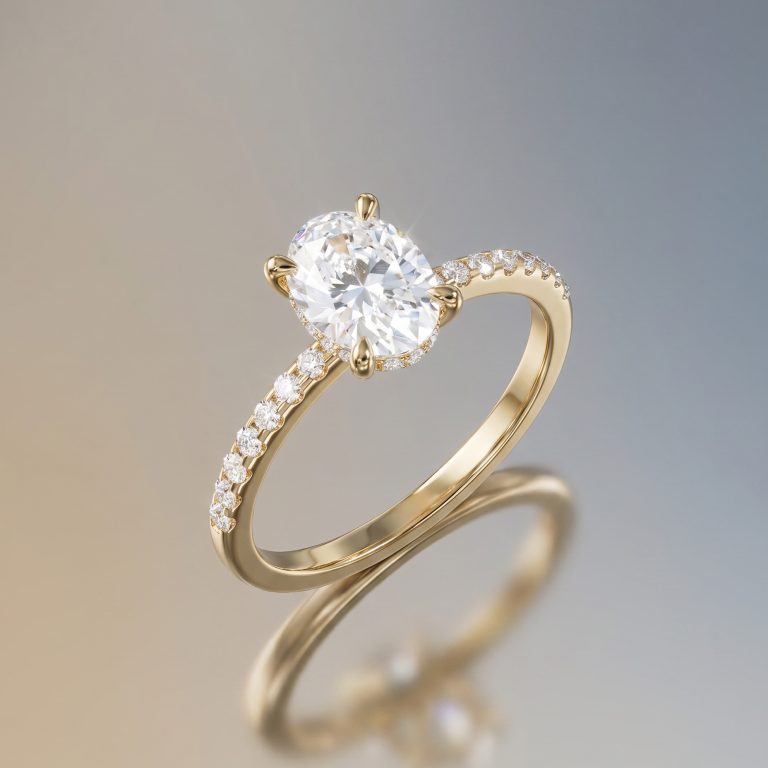
When you order one of our lab-grown diamond engagement rings, it always comes with an IGI certificate. You can also verify the certificate number online on the IGI website—this allows you to independently verify the information.
GIA – The New Premium/Standard System
The Gemological Institute of America. Founded in 1931. Creator of the 4Cs. The gold standard for natural diamonds. And, starting in October 2025—a completely new grading system for lab-grown diamonds.
What happened? GIA has decided that the 4C grading system is no longer appropriate for lab-grown diamonds. The reason: Most lab-grown diamonds fall within a very narrow range of quality. Instead of D, E, and F for colour and VVS1 and VVS2 for clarity, there are now only two categories.
"It is appropriate to use descriptive terms to describe the quality of lab-grown diamonds, as most fall within a very narrow range of colour and clarity."
Pritesh Patel, GIA President & CEO, August 2025
Source: GIA Press Release, August 26, 2025
Premium vs. Standard—what does that mean?
GIA now classifies lab-grown diamonds into two grades:
| Criterion | Premium | Standard |
|---|---|---|
| Clarity | VVS and higher | VS |
| Colour | D | E through J |
| Polish | Excellent | Very Good |
| Symmetry | Excellent | Very Good (Good for Fancy Shapes) |
| Cut (round cut only) | Excellent | Very Good |
| Fee | 15 USD per carat (min. 15 USD) | |
Stones that do not even meet the standard criteria do not receive a GIA certificate at all—only a $5 evaluation fee.
What does this mean for you as a buyer?
To be honest, it makes things more complicated. A GIA “Standard” lab-grown diamond can be either colour E or colour J—that’s a huge difference that you can no longer tell from the certificate. With IGI, it clearly states “E” or “J.”
Our assessment: For lab-grown diamonds, the IGI certificate currently provides more information. The GIA system may make sense for the industry—but for you, the end customer, it offers less transparency.
GRA – Moissanite Certification
This is often misunderstood. GRA stands for the Gemological Research Association—and certifies moissanite, not diamonds. That’s an important distinction.
What does GRA test for? Whether the stone is actually moissanite (and not cubic zirconia or glass). It also assesses the cut quality, colour, and clarity. A GRA certificate therefore confirms: "Yes, this is genuine, high-quality moissanite."
Why is this important? Because, unfortunately, there are also low-quality moissanites on the market—or stones that are sold as moissanites but aren’t actually moissanites. The GRA certificate protects you from this. At Velur, every moissanite comes with a GRA certificate.
IGI vs. GIA vs. GRA: A Comparison
| Characteristic | IGI | GIA | GRA |
|---|---|---|---|
| Founded | 1975, Antwerp | 1931, Los Angeles | – |
| Certified | Lab-grown diamonds + natural | Lab-grown diamonds + natural | Moissanite |
| Rating System | The Classic 4Cs | Premium / Standard (since Oct. 2025) | Colour, Clarity, Cut |
| Level of detail | High (precise colour shade, purity) | Low (only 2 categories) | Medium |
| Market Share of Lab-Grown Diamonds | ~65 % | ~15 % | – (Moissanite only) |
| Laser Engraving | Yes | Yes ("Laboratory-Grown") | No |
| Online Verification | Yes | Yes | Partially |
| Costs | Moderate | 15 USD/ct (min. 15 USD) | Low |
Sources: GIA press release, IGI
What to Look for When Buying
Always request an independent certificate
No certificate, no purchase. It's that simple. A "house certificate" from the dealer doesn't count—it's like a self-assessment in school. You need an IGI, GIA, or (for moissanite) GRA certificate.
Check Certificate Number Online
Every legitimate certificate has a number that you can verify on the issuing organization's website. Do that. It takes 30 seconds and gives you peace of mind.
Take a Close Look at GIA Certificates
Since the new system was introduced (October 2025), a GIA “Standard” rating doesn’t mean much. Colour E and Colour J are both “Standard”—but the price difference is significant. If your stone has a GIA certificate, ask the dealer for the exact values.
Check Laser Engraving
IGI- and GIA-certified lab-grown diamonds have a laser engraving on the girdle. Using a 10x magnifying glass, you can read the number and compare it to the certificate. This is your proof that the stone and the certificate belong together.
HRD? Not anymore for lab-grown diamonds.
HRD Antwerp—formerly a recognised certifier—discontinued the certification of lab-grown diamonds in January 2026. If someone offers you a lab-grown diamond with a "current" HRD certificate, you should exercise caution.
How Velur Is Certified
Transparency is important to us. So here is a clear breakdown:
Velur Certification Standard
Lab-grown diamonds: Every Velur lab-grown diamond comes with an IGI certificate. Detailed 4C grading, laser engraving, verifiable online.
Moissanite: Every Velur moissanite comes with a GRA certificate. Authenticity confirmation, colour and cut grading.
Both certificates are included with the ring upon delivery. No extra charge, no extra service—that’s standard for us.
You can learn more about the differences between these types of gemstones in our comparison: Moissanite vs. Lab-Grown Diamond vs. Natural Diamond. And if you want to know exactly what lab-grown diamonds are: What Is a Lab-Grown Diamond?
Do you have questions about a specific certificate, or would you like to know in advance what grade your stone has? Message us on WhatsApp —we'll send you the certificate details before you place your order.
Certified Rings
Every ring comes with a certificate—at no extra charge
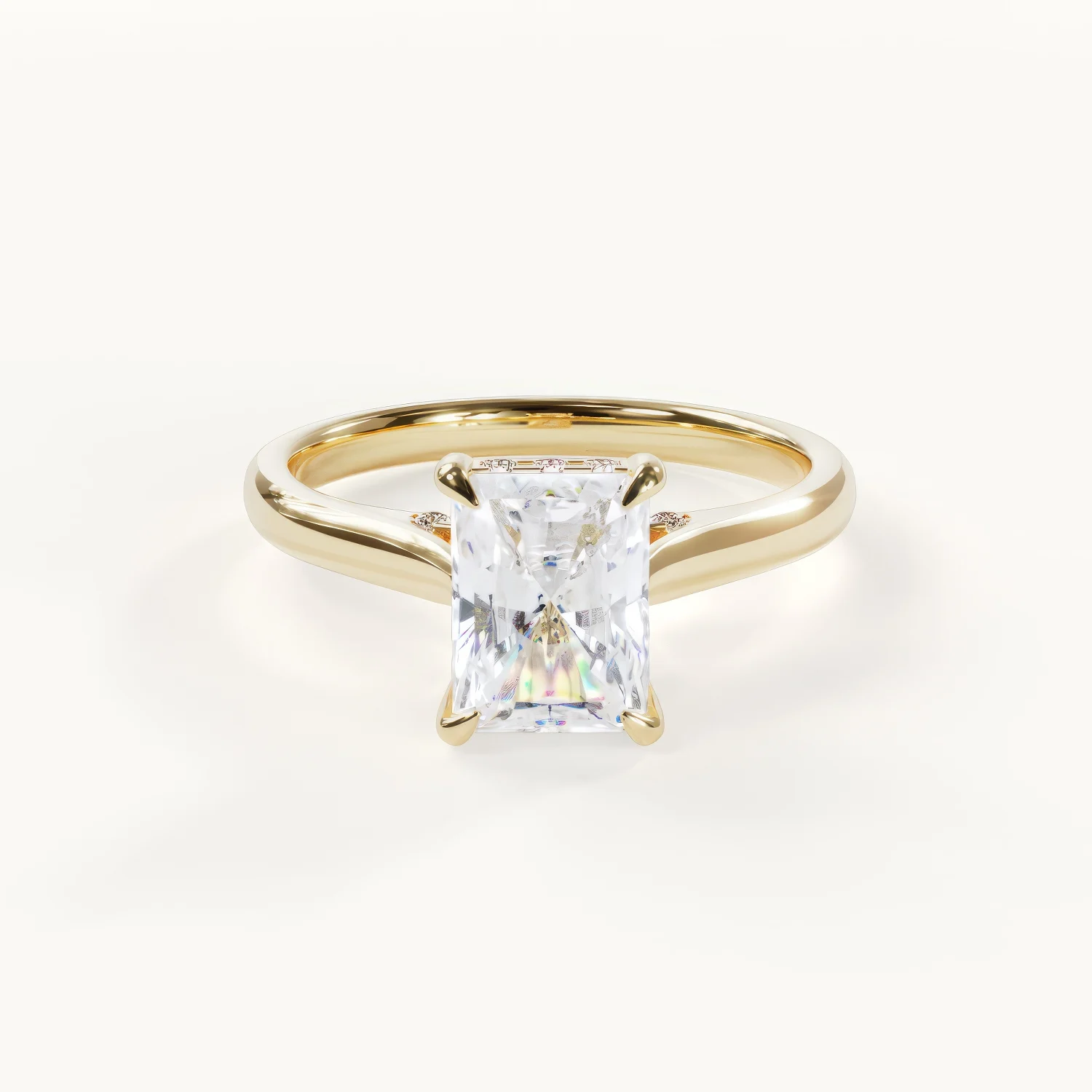
Rayonne – Radiant Solitaire
Cathedral setting with a 1.5 ct radiant-cut diamond. Each stone comes with an IGI or GRA certificate.
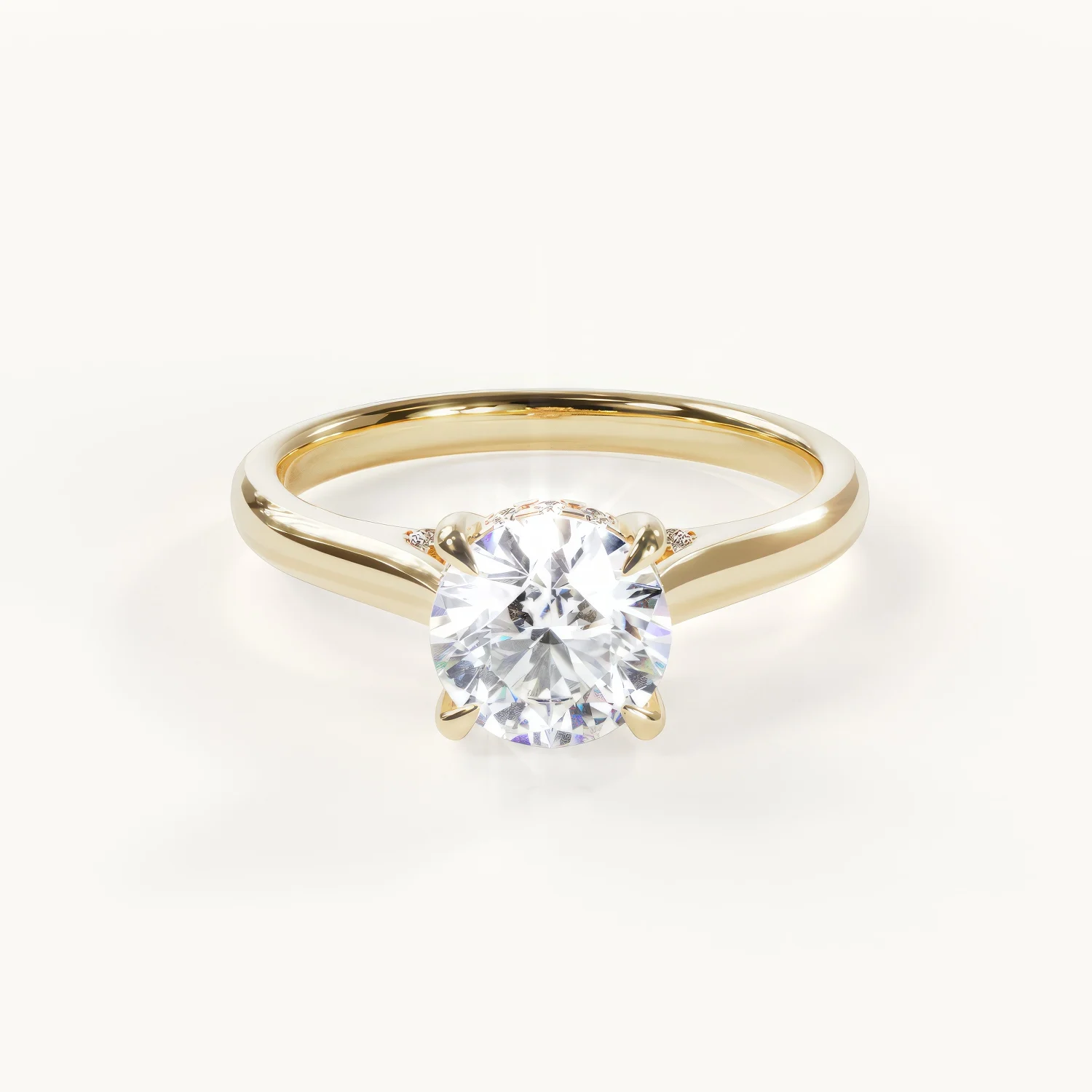
Clarté – Round-Cut Solitaire
The round cut—the most highly rated cut. Cathedral setting in 10k gold.
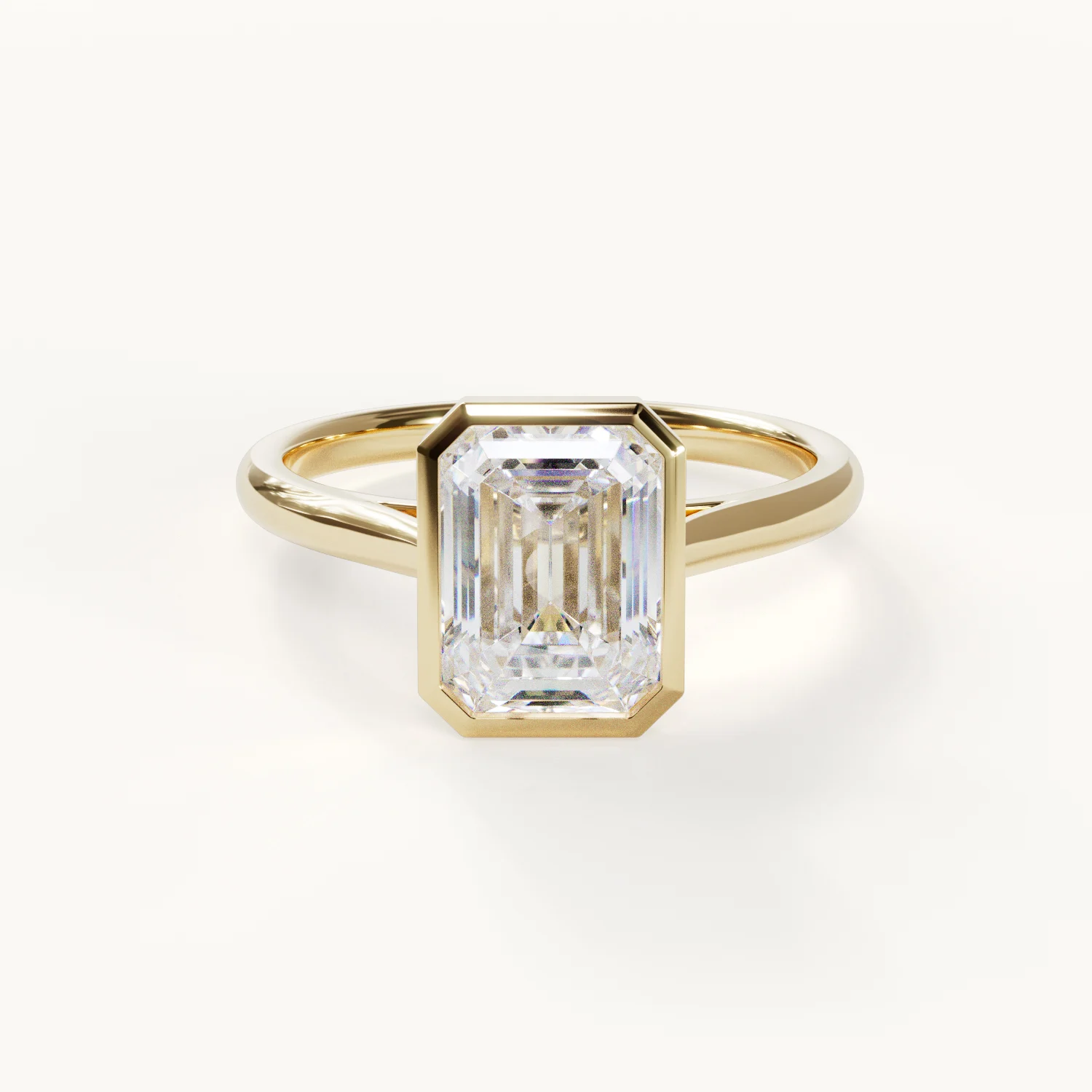
Solace – Emerald Bezel
Emerald cut in a bezel setting. Maximum protection for the stone—with a certificate.
Frequently Asked Questions (FAQ)
What is the difference between IGI and GIA for lab-grown diamonds?
IGI continues to grade lab-grown diamonds according to the classic 4Cs—you’ll receive precise information on colour, clarity, cut, and carat weight. Since October 2025, GIA has been using a simplified system: lab-grown diamonds are now classified only as “Premium” or “Standard,” without the traditional 4C nomenclature.
Does my lab-grown diamond need a certificate?
Yes. A certificate provides independent verification of your stone’s quality. Without a certificate, you have no guarantee that the colour, clarity, and cut match the seller’s specifications. At Velur, every lab-grown diamond comes with an IGI certificate—at no extra charge.
What does GRA certification mean for moissanite?
GRA stands for Gemological Research Association. The GRA certificate confirms that the stone is genuine moissanite and evaluates its cut, colour, and clarity. It is the global standard for moissanite certification. Learn more: What is moissanite?
Why did the GIA discontinue the 4Cs for lab-grown diamonds?
GIA argues that most lab-grown diamonds fall within a very narrow quality range. For this reason, descriptive terms such as "premium" and "standard" are more appropriate than the detailed 4C grading system. Critics view this as a devaluation of lab-grown diamonds compared to natural stones.
Is an IGI certificate just as good as a GIA certificate?
For lab-grown diamonds, IGI is currently the more relevant standard. IGI certifies about 65% of all lab-grown diamonds worldwide and provides a more detailed evaluation than the new GIA system. Both institutes are reputable—but for lab-grown diamonds, we recommend IGI.
Can a lab-grown diamond without a certificate be fake?
Theoretically, yes. Without an independent certificate, a dealer could sell a moissanite or cubic zirconia as a lab-grown diamond. An IGI or GIA certificate with a laser engraving on the stone protects you from this. Therefore: Always insist on a certificate.
Read more



Certified quality. Honest advice.
Each Velur ring comes with its own certificate—IGI for lab-grown diamonds, GRA for moissanite.