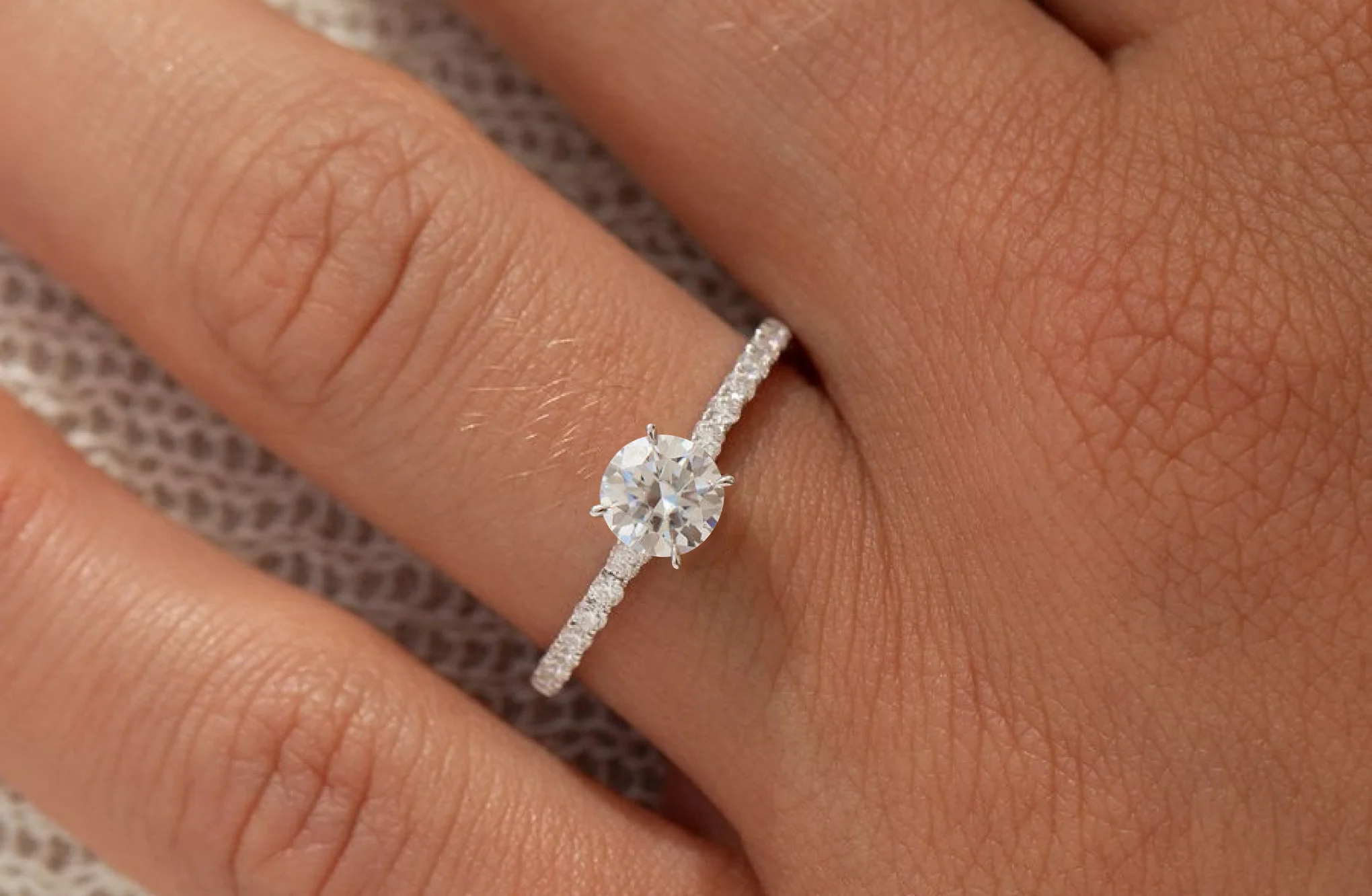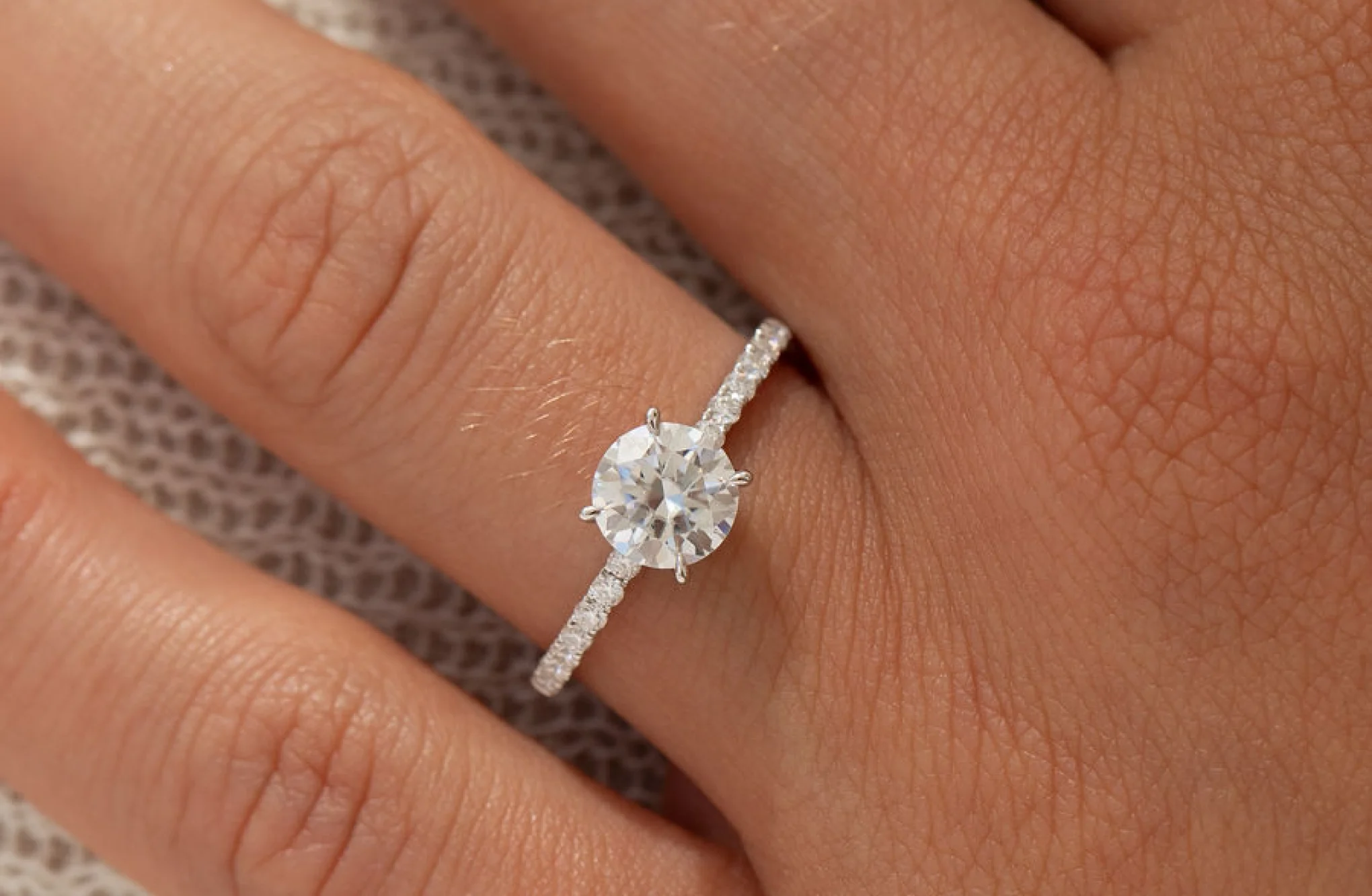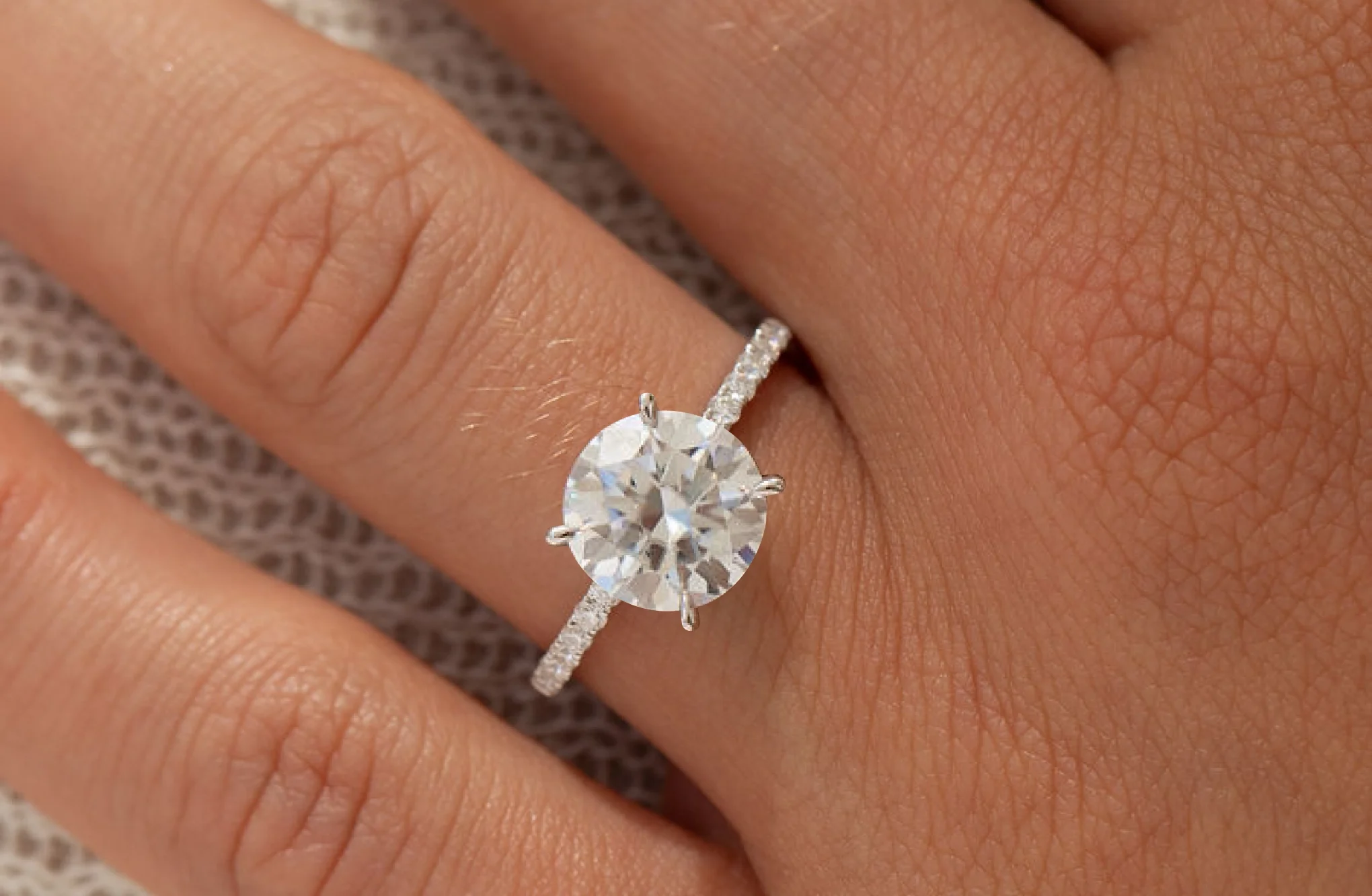
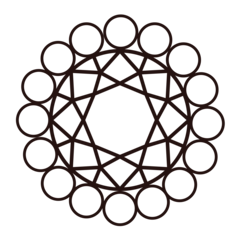


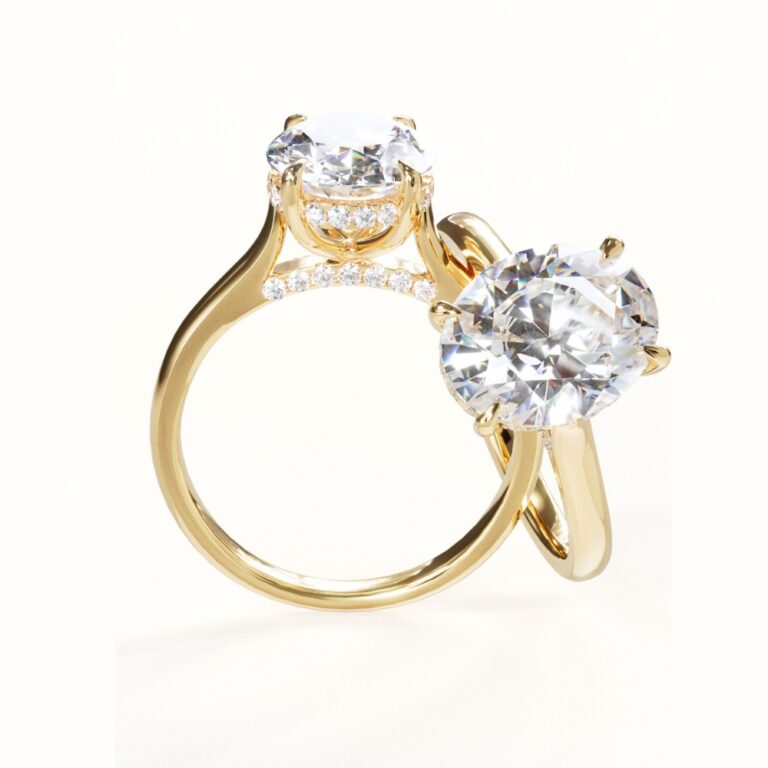
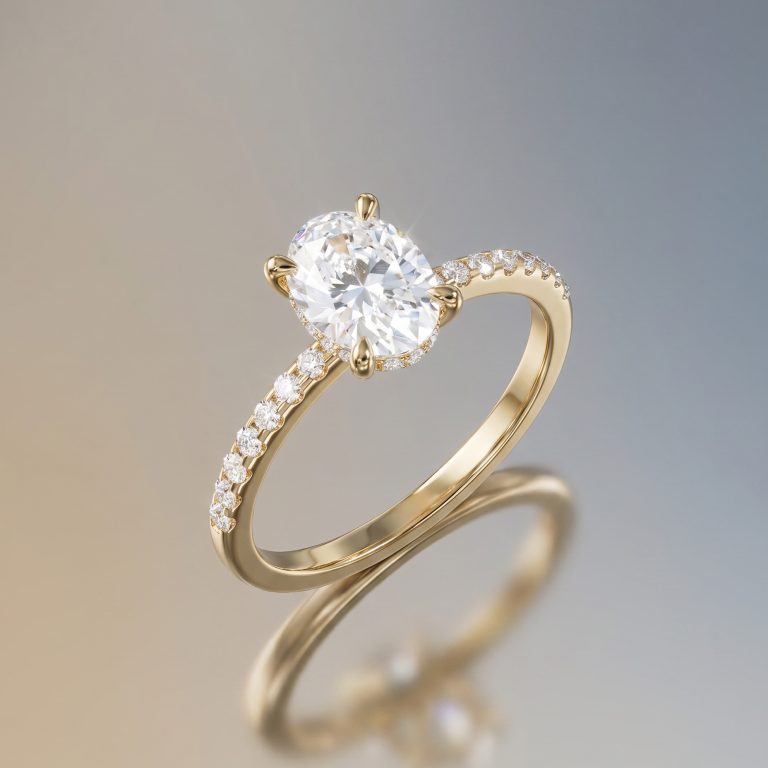
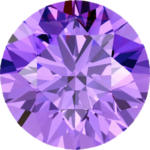
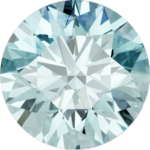
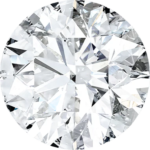
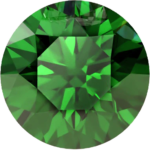
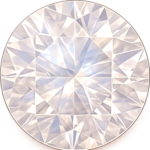
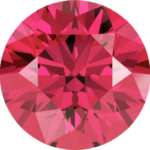
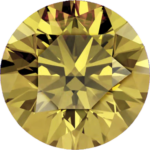
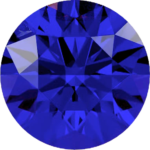
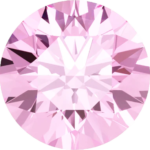
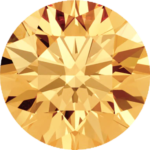
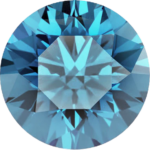
Round Brilliant Cut
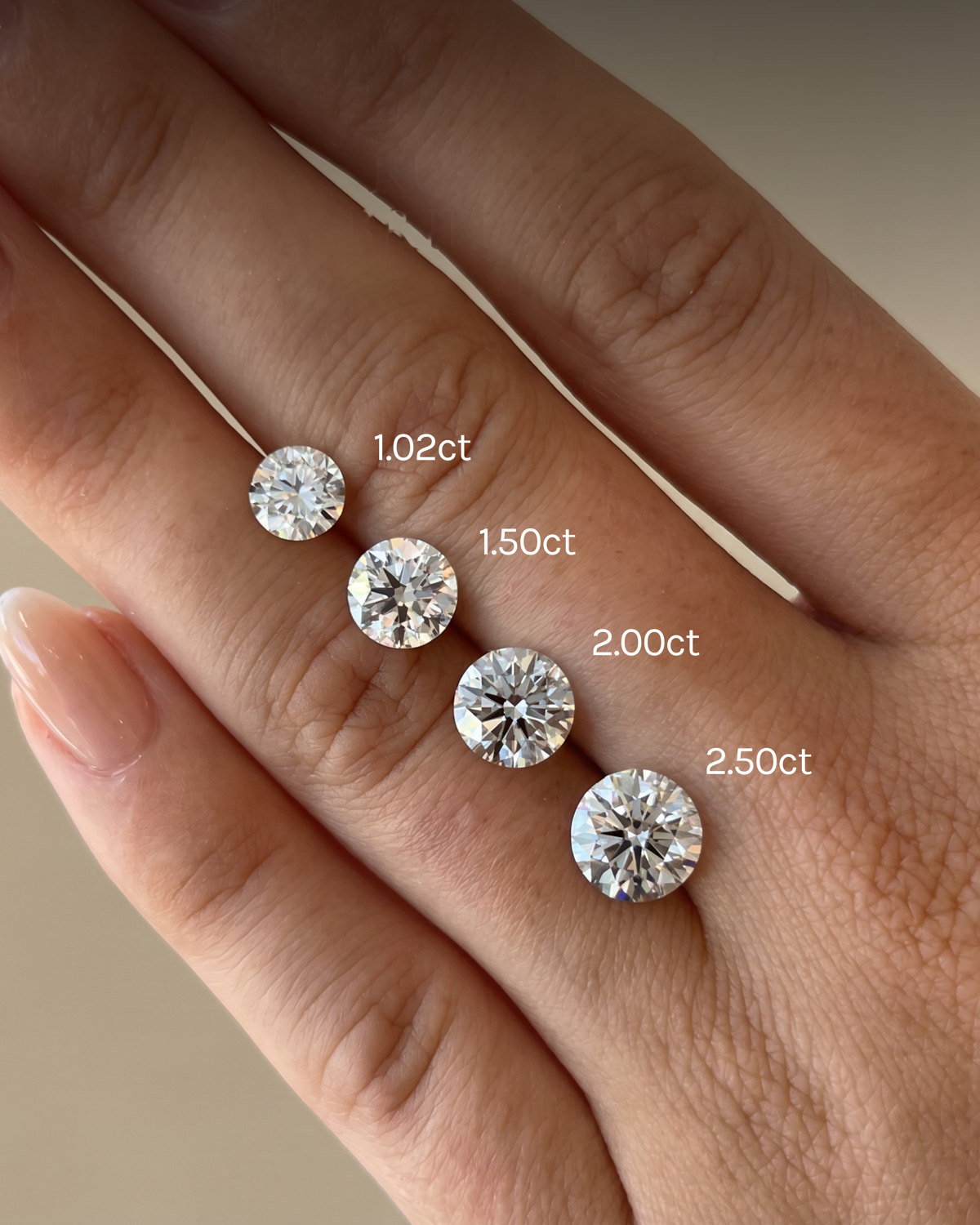
View Round RingsThe classic cut with the most sparkle. Because the round brilliant cut is cut deep, it appears slightly more compact per carat than elongated shapes—but it sparkles from every angle.
1.02 ct1.50 ct2.00 ct2.50 ct

The most common question before proposing—here’s the honest answer in pictures: six cut styles ranging from 0.7 to 3.5 carats, all photographed on the same hand so they can be compared side by side.
The classic cut with the most sparkle. Because the round brilliant cut is cut deep, it appears slightly more compact per carat than elongated shapes—but it sparkles from every angle.
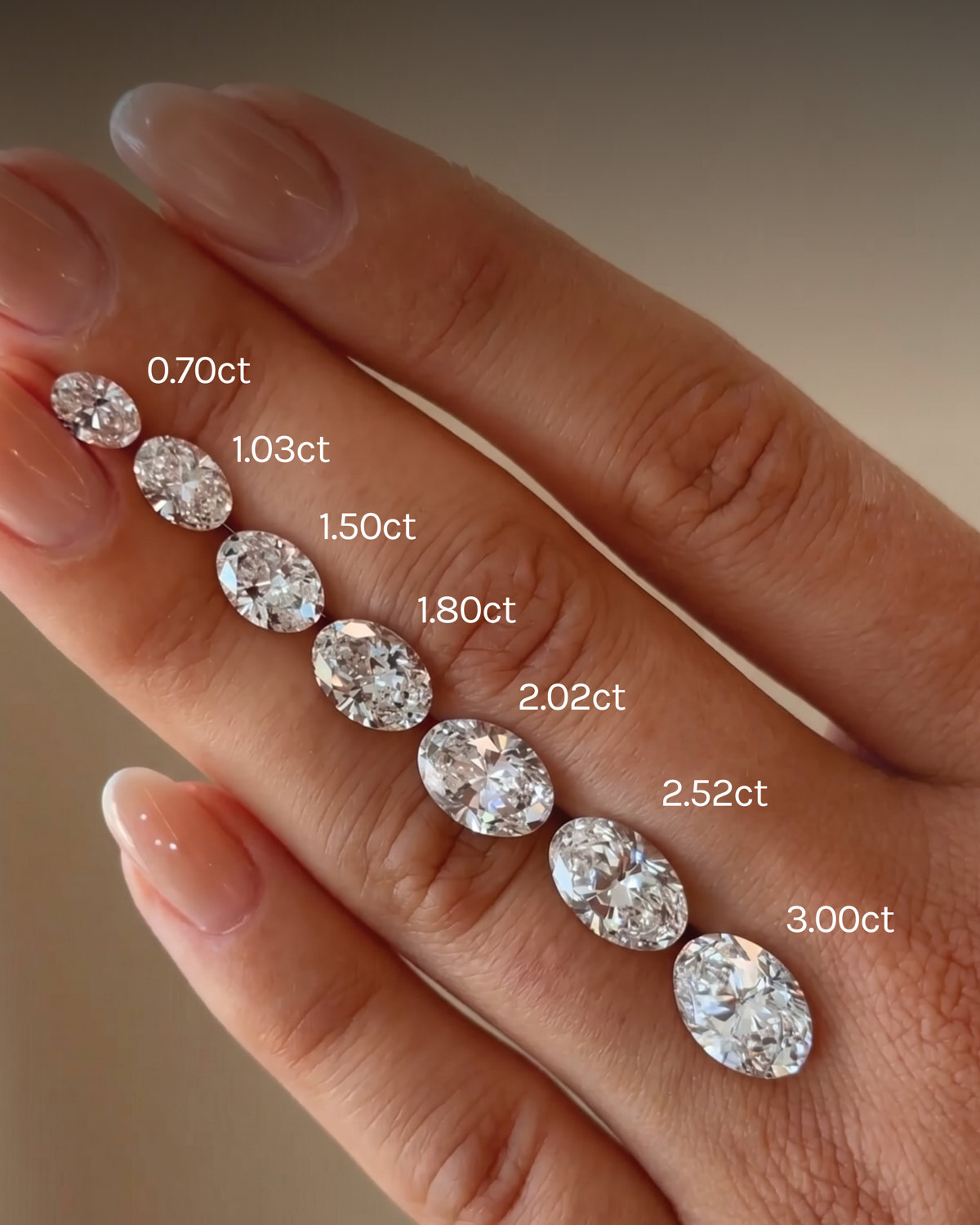
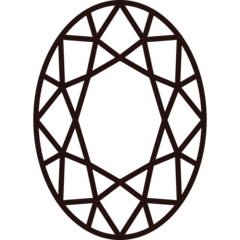
Our most popular shape. The oval shape makes the finger appear longer and, for the same carat weight, offers more visible surface area than a round cut—which is why a 1.5-carat oval often looks like a 2-carat round.
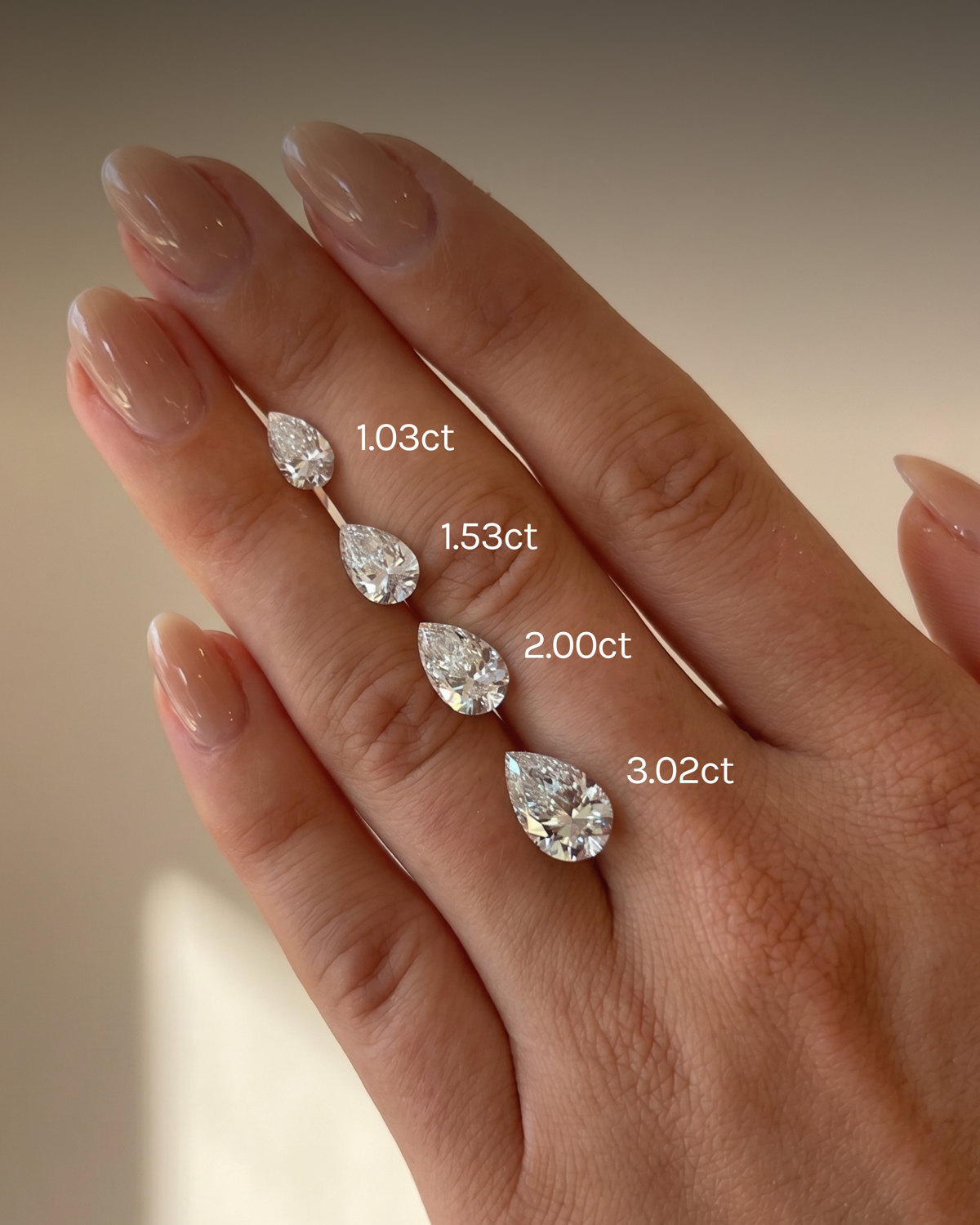
The point draws the eye upward and makes the hand look slimmer. The teardrop is one of the shapes with the largest visible surface area per carat.
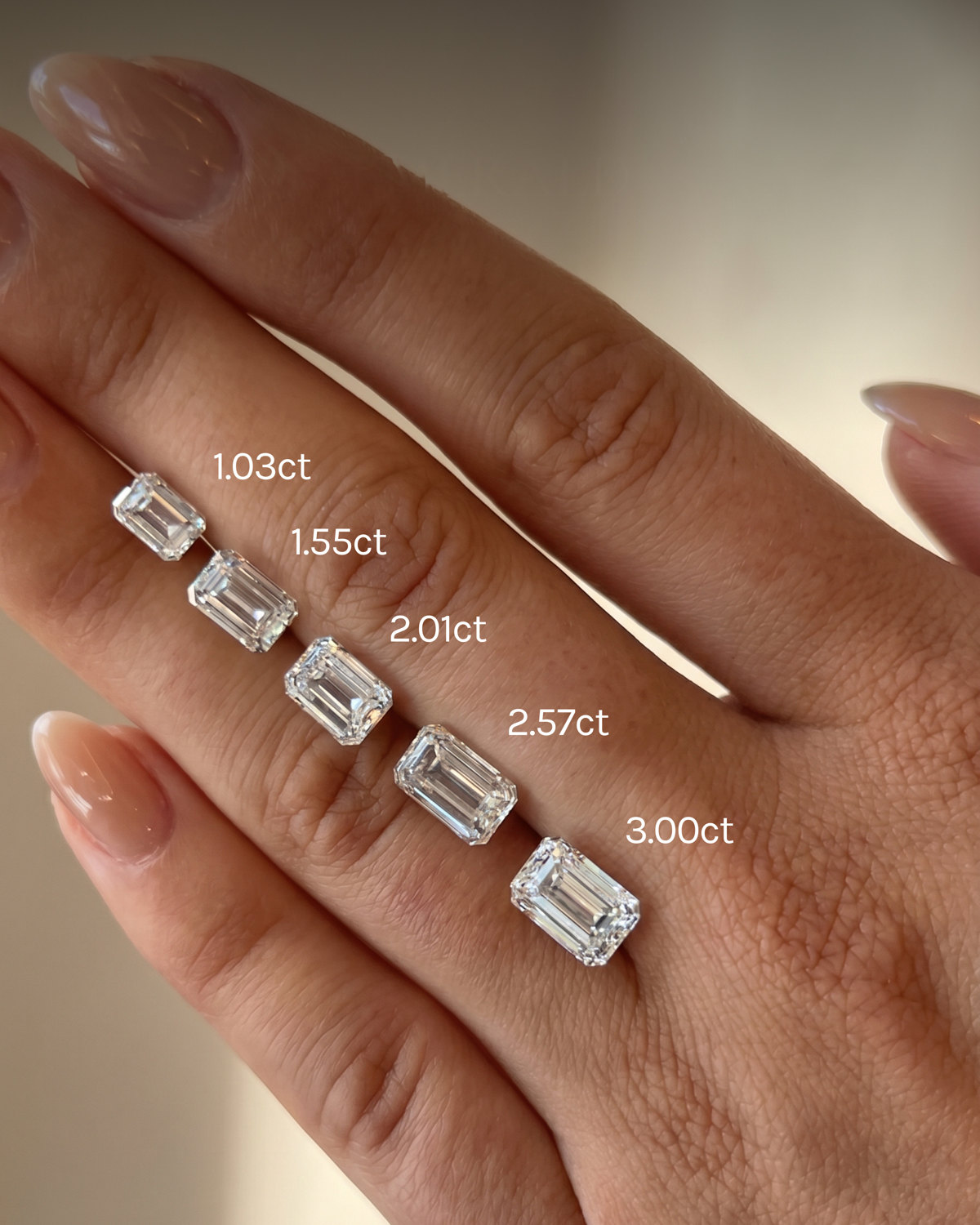
Clean lines instead of sparkle: The step cut reveals mirror-like surfaces and has a calm, architectural appearance. Thanks to its large, open face, it has a pleasing presence per carat.
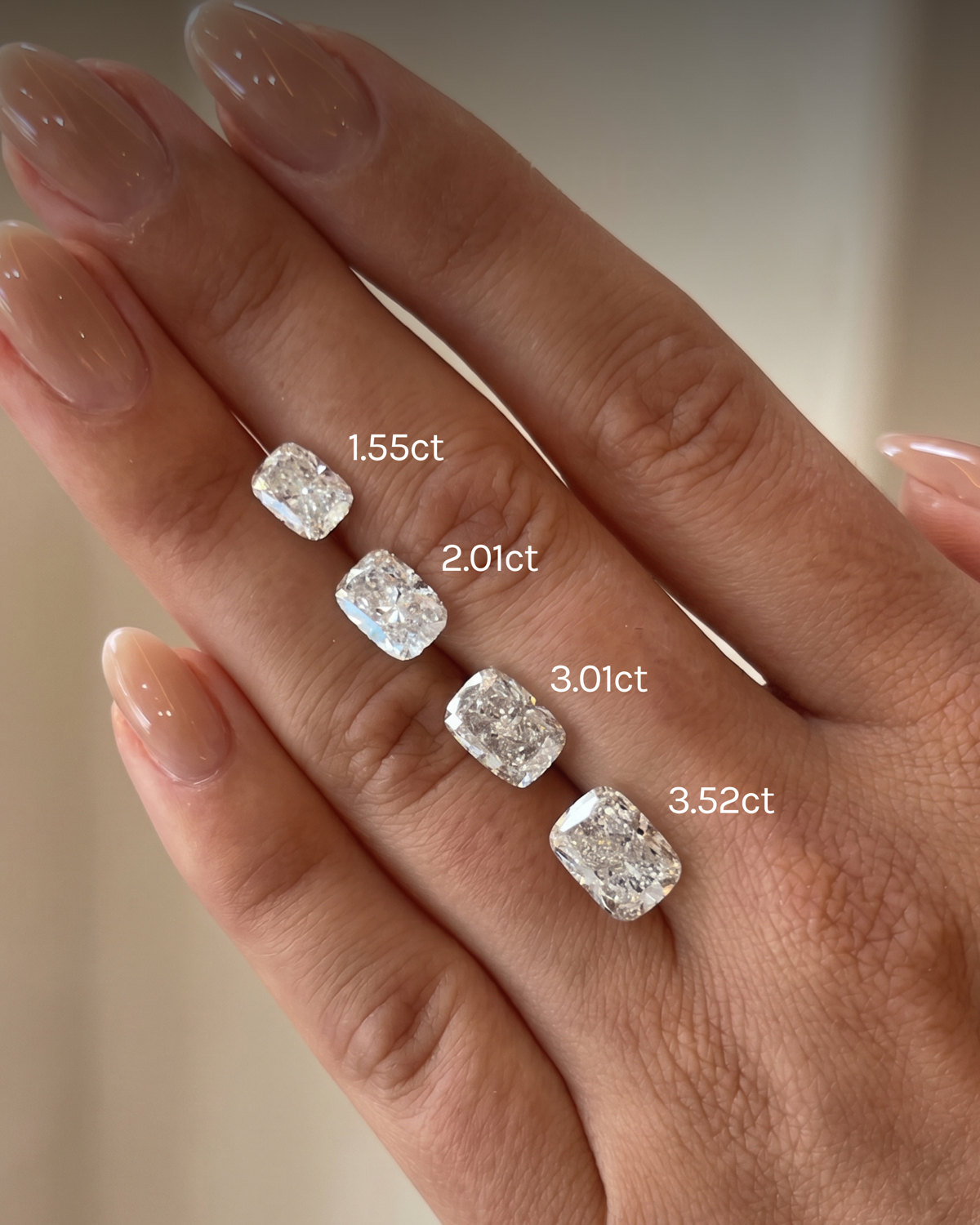
Soft corners, plenty of brilliance, and an elongated silhouette. This oblong cushion combines the sparkle of a round cut with the striking presence of an elongated shape.
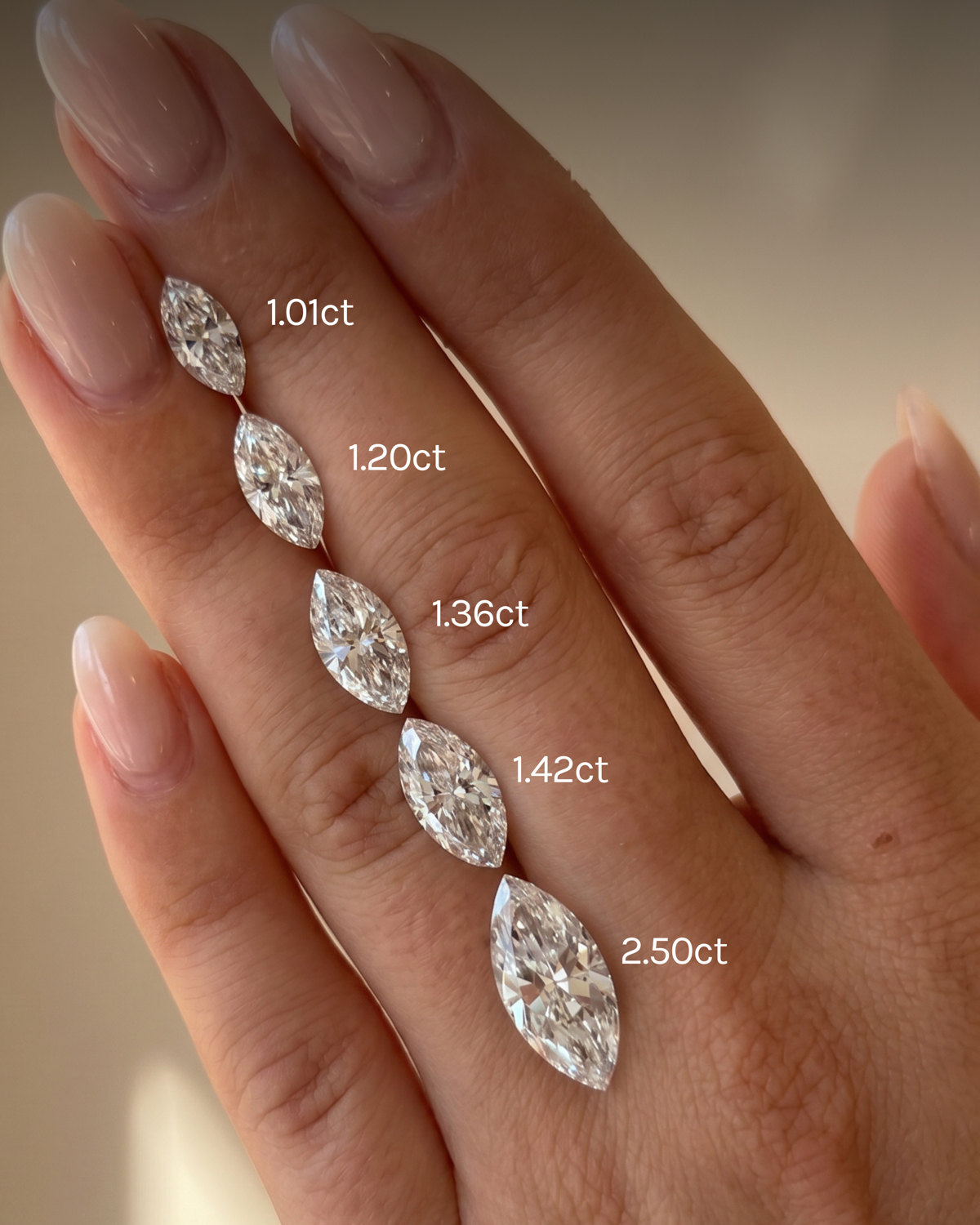
The cut with the greatest length per carat. With two points and a narrow body, the marquise cut appears significantly larger than its weight would suggest and makes the finger look longer.
Two stones weighing exactly one carat each can appear to be different sizes on the finger. Three factors determine this.
Elongated cuts—oval, pear, marquise, cushion—distribute their weight across their surface. Per carat, they reveal more of the stone from above than a deep-cut round brilliant.
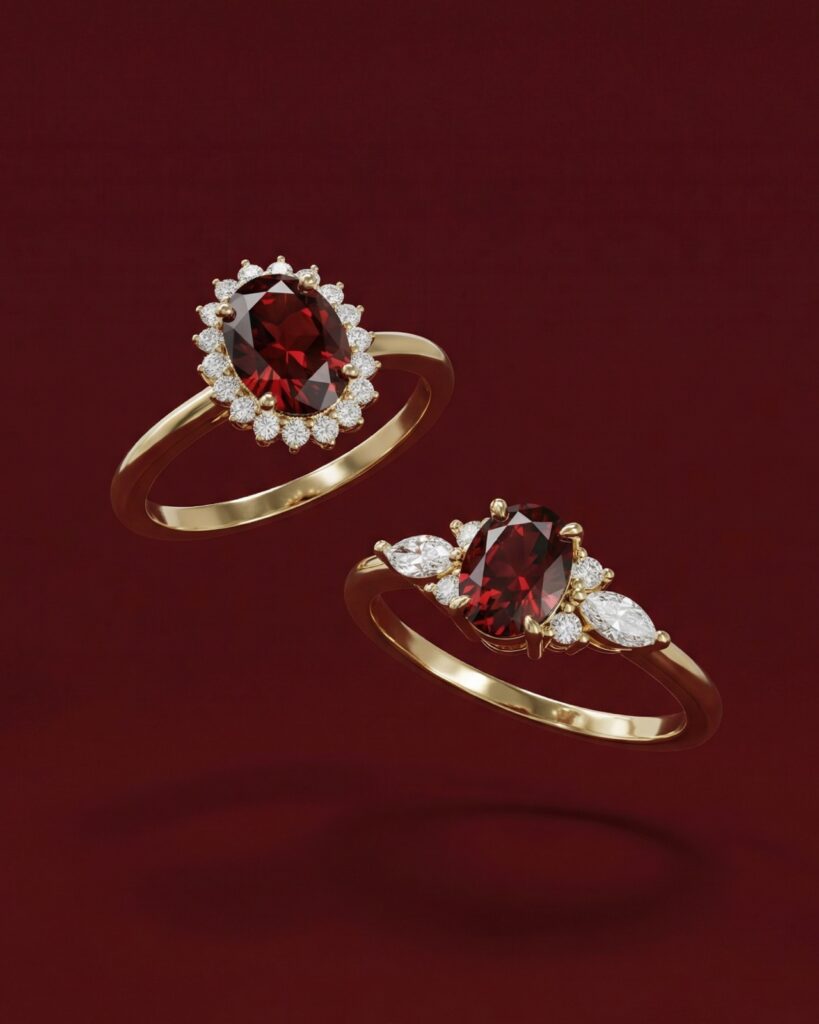
A halo of small stones makes the center stone appear larger, while a slender ring band makes it stand out more. Same stone, different effect.
Every stone looks bigger on a slender hand. The photos show a hand—place your own finger next to it to get a sense of the proportions.
Approximate measurements for well-proportioned stones—as a guide if you want to measure them with a ruler against your own finger.
| Carat | Circular (Ø) | Oval (L × W) | Drops (L × W) |
|---|---|---|---|
| 1.0 ct | approx. 6.5 mm | approx. 7.7 × 5.7 mm | approx. 8.5 × 5.5 mm |
| 1.5 ct | approx. 7.4 mm | approx. 8.8 × 6.5 mm | approx. 9.7 × 6.3 mm |
| 2.0 ct | approx. 8.1 mm | approx. 9.7 × 7.2 mm | approx. 10.7 × 7.0 mm |
| 2.5 ct | approx. 8.8 mm | approx. 10.5 × 7.8 mm | approx. 11.5 × 7.5 mm |
| 3.0 ct | approx. 9.3 mm | approx. 11.0 × 8.2 mm | approx. 12.2 × 8.0 mm |
Approximate values — actual measurements depend on the cut proportions and depth of the specific stone.
A round brilliant-cut diamond weighing 1 carat measures about 6.5 mm in diameter—roughly as wide as a pencil. When cut into an oval, the same carat weight appears longer (approx. 7.7 × 5.7 mm). In the photos above, you can see 1-carat diamonds in each shape worn directly on the finger.
Round: approximately 8.1 mm in diameter; oval: approximately 9.7 × 7.2 mm. A two-carat diamond makes a distinct statement on the finger without looking bulky—especially in elongated shapes like oval or pear, which elongate the hand.
Marquise, pear, and oval cuts offer the most surface area per carat because they are flatter and longer. The round cut appears more compact but offers the most fire. The emerald cut falls in between and stands out for its understated elegance.
No. A carat is a unit of weight (1 carat = 0.2 grams). How large a stone appears depends on its shape, cut proportions, and setting. That’s why it’s more worthwhile to look at the photo than to focus on the number.
Every Velur engagement ring is available in several carat sizes—just choose your stone when selecting a design.