Is your gold vermeil tarnishing? What's really happening—and what you can do about it
A dark patina, dull spots, or silvery edges don’t all mean the same thing. We’ll explain honestly how long gold vermeil lasts, how to spot wear and tear, and when it makes sense to clean, care for, or have it re-plated.
Yes, gold vermeil can change over time. A dark or dull film is often caused by dirt, cosmetics, or a reaction of the silver base in areas where the gold has already worn away; silvery edges are usually the result of actual wear on the gold layer. There is no set lifespan in terms of specific years: A ring worn daily is subjected to more wear and tear than earrings or a necklace worn only occasionally. Gentle care slows down wear and tear, but it cannot restore a worn-away layer.
People who search for “Gold Vermeil is tarnishing” often mean three completely different things: The jewellery suddenly looks dull, dark spots appear, or silver is showing through at the edges. These differences are important. Only if the issue is a surface coating can careful cleaning restore the jewellery’s original appearance. If the gold plating has been mechanically worn away, no cloth in the world will help—in that case, the piece may need to be replated.
This guide deliberately focuses on identification, durability, and restoration. If you’d like to first understand how the material is constructed and how it differs from gold-plated costume jewellery and solid gold, you’ll find detailed information in our introductory article, “What Is Gold Vermeil?”
Does gold vermeil really tarnish?
Gold itself is corrosion-resistant. However, gold vermeil is not made of solid fine gold: beneath a gold alloy lies sterling silver. In addition, a 14- or 18-karat gold layer contains other metals in addition to gold. Air, moisture, and sulfur-containing compounds can reach the silver base through pores, scratches, and areas where the plating has already worn away. This can cause silver sulfide to form—the typical dark tarnish found on silver.
The Canadian Conservation Institute describes sulfur compounds as the primary cause of silver tarnishing. On an intact vermeil piece, the silver is largely protected. Visible darkening is therefore not proof that “the gold is bad.” It may indicate deposits, a damaged surface, or a locally exposed layer of gold.
Dull or greasy
The surface is often covered with skin oils, cream, soap residue, or cosmetics. Gentle cleaning can help.
Dark or mottled
Residue or tarnished silver may appear on porous, scratched, or worn areas.
Evenly silvery
This suggests that the gold layer has become thinner at points of friction or has already been worn away.
In everyday language, “tarnish” and “abrasion” are often used interchangeably. For proper treatment, however, they are opposites: Tarnish should be removed as gently as possible to preserve the material; abrasion must not be “combated” by more vigorous polishing, because polishing removes even more of the surface.
Coating or Abrasion: How Can You Tell the Difference?
Examine the dry piece of jewellery in diffused daylight. Start by using only a clean, very soft cloth and applying very little pressure. If a dull film disappears even with gentle wiping, it was likely only on the surface. If a silvery area remains unchanged—especially on the underside of a ring, along the edges, on the clasp, or where the chain touches the jewellery—it is more likely to be caused by abrasion.
| Observation | Likely reason | The Most Sensible Next Step |
|---|---|---|
| A matte, slightly greasy film | Skin oil, cream, soap, or cosmetics | Gently wipe with a soft, lint-free cloth; if necessary, clean with a slightly damp cloth according to the manufacturer's instructions. |
| Dark spots or lines | Residue or tarnished silver in exposed areas | Do not scrub. Clean gently, and if the discoloration persists, have it inspected by a professional. |
| Silver-colored edges and contact surfaces | Gold layer worn away by friction | Do not polish any further; change your wearing routine and consider having it re-gilded. |
| Rough spot, deep scratch, loose stone | Mechanical damage | Do not continue to wear or clean the item; contact the jeweler or manufacturer first. |
While a silver polishing cloth, abrasive cleaner, or a stiff brush can remove dark tarnish, they can also wear away the thin gold plating. The result appears brighter in the short term but takes on a silvery appearance over time.
How long does gold vermeil really last?
Promises such as “two to five years” or “lasts a lifetime” are circulating online. Without specifying the type of jewellery, the thickness of the plating, and how it’s used, both statements are too general. A gold plating is a wear layer. How quickly it wears down depends on how often and where it’s exposed to friction, water, sweat, and chemicals.
In the U.S., the current FTC rule on vermeil serves as a clear guideline: a sterling silver base, a gold alloy of at least 10 karats, and a minimum plating thickness equivalent to 2.5 micrometers of fine gold. This is a U.S. labeling standard, not a German legal definition as we have claimed. However, it illustrates why the specific layer thickness is more meaningful than the term “gold-plated” alone.
The karat number alone does not answer the question of durability either. 18-karat gold contains more gold than 14-karat gold, but it is not automatically harder or more resistant to wear. The alloy composition, plating process, layer thickness, surface finish, and intended use all play a role. Simply seeing “18k” does not tell you how thick the plating is.
- Rings: These are usually subjected to the heaviest wear and tear, because hands are constantly grasping objects, washing, and brushing against surfaces.
- Wristbands: frequent contact with the table, clothing, watch, and skin; the clasp and underside wear out first.
- Chains and pendants: less exposure to hard impacts, but contact with skin, perfume, hair products, and friction against the décolletage.
- Earrings: often experience the least mechanical friction; when stored in a dry environment, the surface can retain its uniform appearance for a correspondingly longer period.
Our most honest answer, therefore, is this: Gold vermeil can retain its beauty for a long time with careful, occasional use, but as a ring worn daily, it is not equivalent to solid gold. Visible wear is not a result of improper cleaning nor is it proof of inferior material; rather, it is an expected limitation of any plating.
Gold-Vermeil Condition Check
This check is not a substitute for an examination by a jeweler, but it will help you avoid unnecessarily aggressive cleaning. Consider what you actually see and how the piece is worn.
Three short questions will help us make a preliminary assessment. The information remains entirely within your browser and is neither stored nor transmitted.
When in doubt, follow this rule: less friction and no harsh chemicals.
Ohne JavaScript: Ein matter Film, der sich sanft verändert, spricht eher für Rückstände. Unveränderte silbrige Kanten sprechen eher für Abrieb. Bei Kratzern, rauen Stellen oder lockeren Steinen bitte fachlich prüfen lassen.
Is gold vermeil waterproof—and what about sweat and perfume?
Brief contact with clean water does not immediately damage an intact gold coating. Nevertheless, claiming it is “waterproof” would be a false promise. Showering, swimming, and exercise combine moisture with friction, cleaning agents, chlorine, salt, or sweat. It is precisely this combination that puts a strain on coatings and causes residues to accumulate in fine crevices.
Among other things, the GIA care instructions warn against chlorinated pools, as well as cosmetics and chemicals that can discolor or damage precious metals. For vermeil, it’s best to follow a simple sequence: first apply lotion, perfume, and hairspray; let them absorb or dry completely; and then put on your jewellery. In the evening, take it off first.
The Most Effective Ways to Extend Shelf Life
Remove while washing hands, showering, swimming, exercising, cleaning, and sleeping; store individual pieces separately in a dry, soft place; after wearing, gently wipe with a dry, lint-free cloth without applying pressure.
Sweat varies from person to person. That’s why two people may see the same piece age very differently over time. This is not a judgment on the quality of the skin and cannot be predicted with a general figure. If you’re very active or want to wear a ring around the clock, you’re often better off with solid gold in the long run. Our comparison of 14-karat and 18-karat gold can help you make this decision about the material.
How to Clean Gold Vermeil Without Polishing Away the Gold Layer
Start with a dry cloth: Use a very soft, clean, lint-free cloth to remove fresh fingerprints and skin oils. Don’t rub back and forth quickly; instead, gently wipe the surface with light pressure. Special silver-cleaning cloths often contain polishing agents or active ingredients designed for polished silver and are not the best choice for a gold-plated surface.
If the manufacturer permits damp cleaning, use lukewarm water and a very small amount of mild, pH-neutral soap. Do not soak delicate pieces with glued elements for long periods. Briefly rinse off any residue and pat the piece completely dry. Do not use toothpaste, baking soda, abrasive sponges, hard toothbrushes, or uncontrolled ultrasonic baths.
- Check jewellery for loose stones, open settings, and deep scratches.
- First, gently wipe the surface with a dry microfiber cloth.
- Clean with a slightly damp cloth only, following the material and manufacturer's instructions.
- Let them dry completely and store them individually in a soft bag.
- If discoloration persists, do not rub harder; instead, consult a professional.
Why the caution? The Canadian Conservation Institute points out that any kind of polishing removes material. This is already a concern with solid silver; with a micrometer-thin gold plating, aggressive polishing is even more counterproductive. You can find more practical tips for everyday care in our jewellery care guide.
Can gold vermeil be re-gilded?
In many cases, yes. Because the base is made of sterling silver, a specialized shop can clean and prepare the surface and re-plate it with gold. Whether this is economically and technically feasible depends on the design, the stones, the settings, the solder joints, and any existing damage. Very delicate structures or fragile settings require an individual assessment.
Before applying a new coating, the old surface is not simply “painted over.” Grease, oxides, and uneven residues must be properly removed or leveled so that the new coating adheres. Ask about the gold alloy, the target coating thickness, any possible intermediate layers, and whether the stones can withstand the pretreatment. A vague promise that “it will look like new again” is less helpful than clear details about the process.
DIY electroplating and strong silver cleaners can cause uncontrolled changes to the surface, color, skin compatibility, and settings. For pieces with sentimental value, a documented professional repair is the safest option.
Re-gilding restores the gold finish but does not turn the piece into solid gold. The new coating is also just a wear layer. For a favorite piece, however, re-gilding can still be a sensible and resource-efficient option—for example, when the design, engraving, or personal value are more important than the pure cost of the material.
What We Prioritize in Terms of Transparency at Gold Vermeil
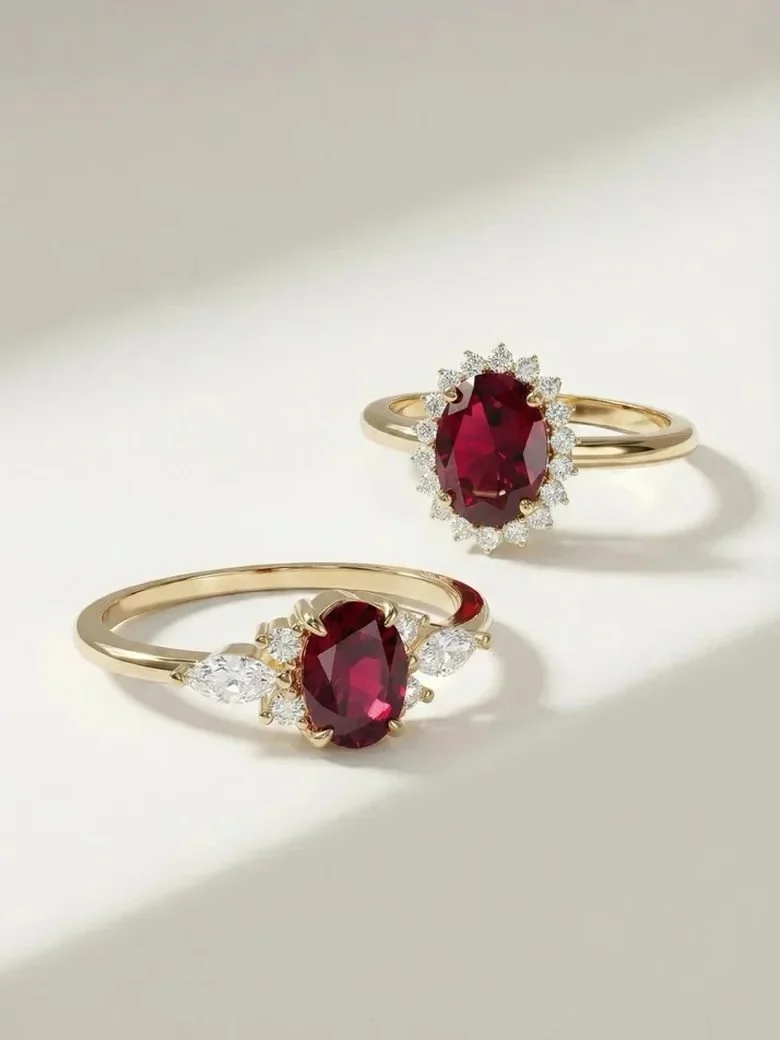
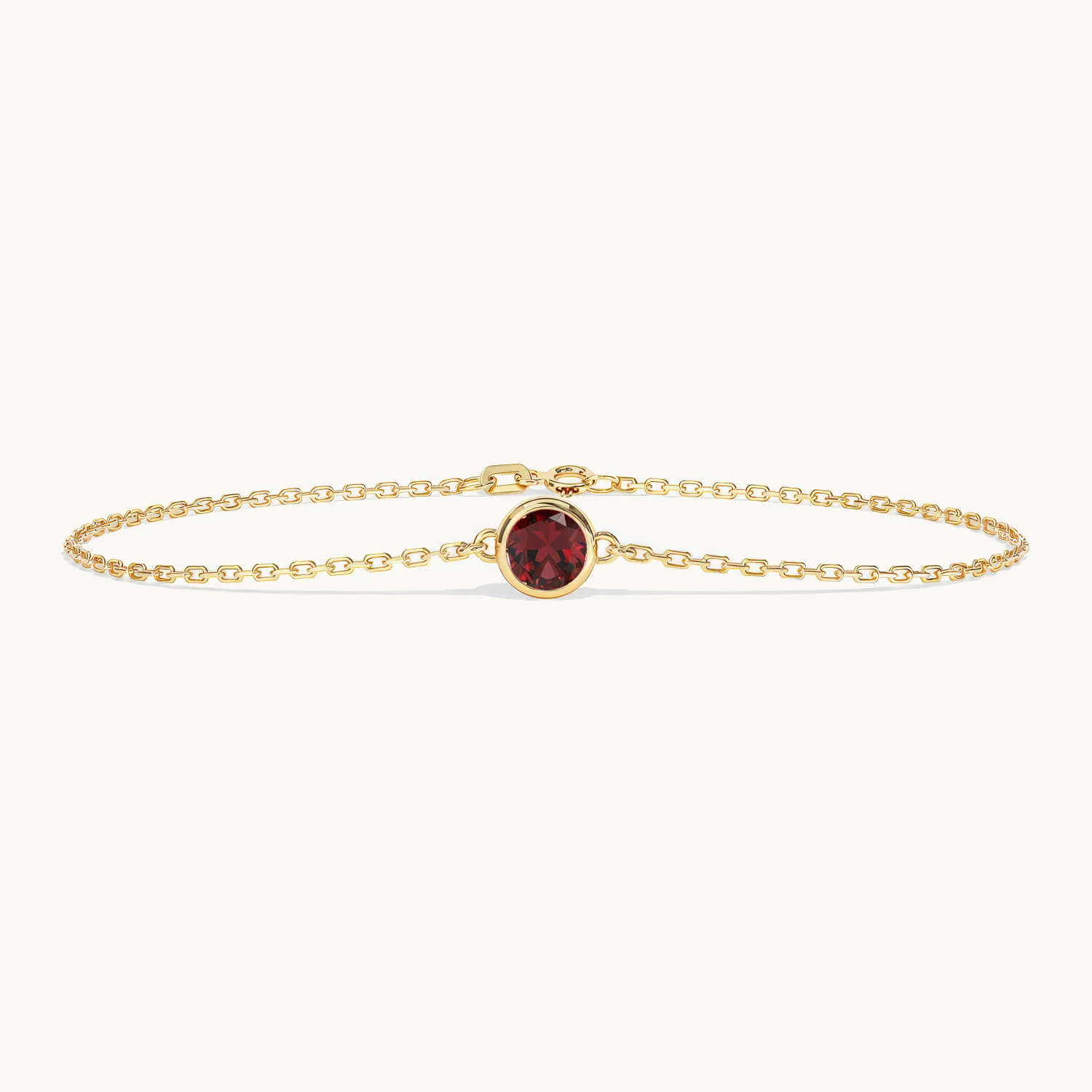
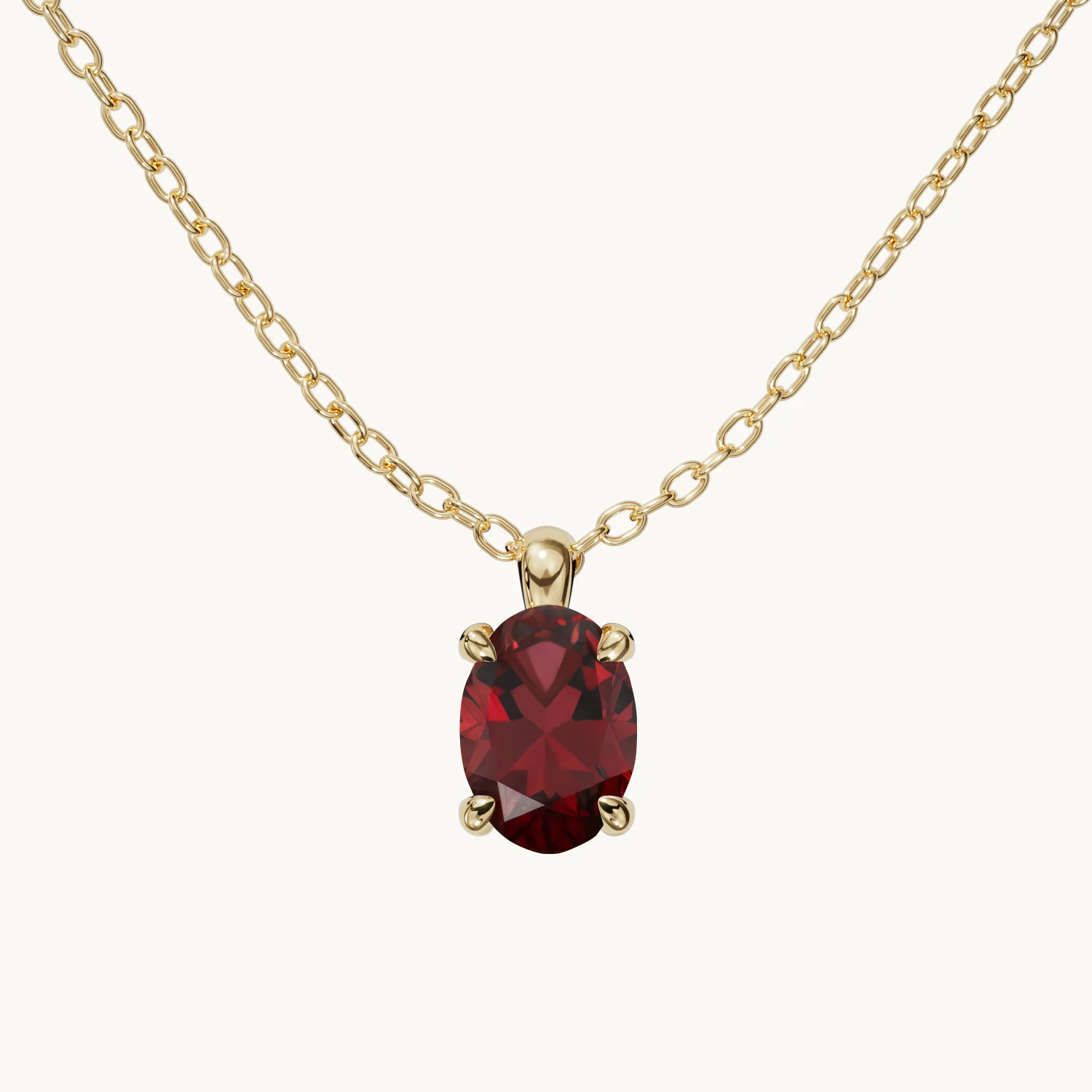
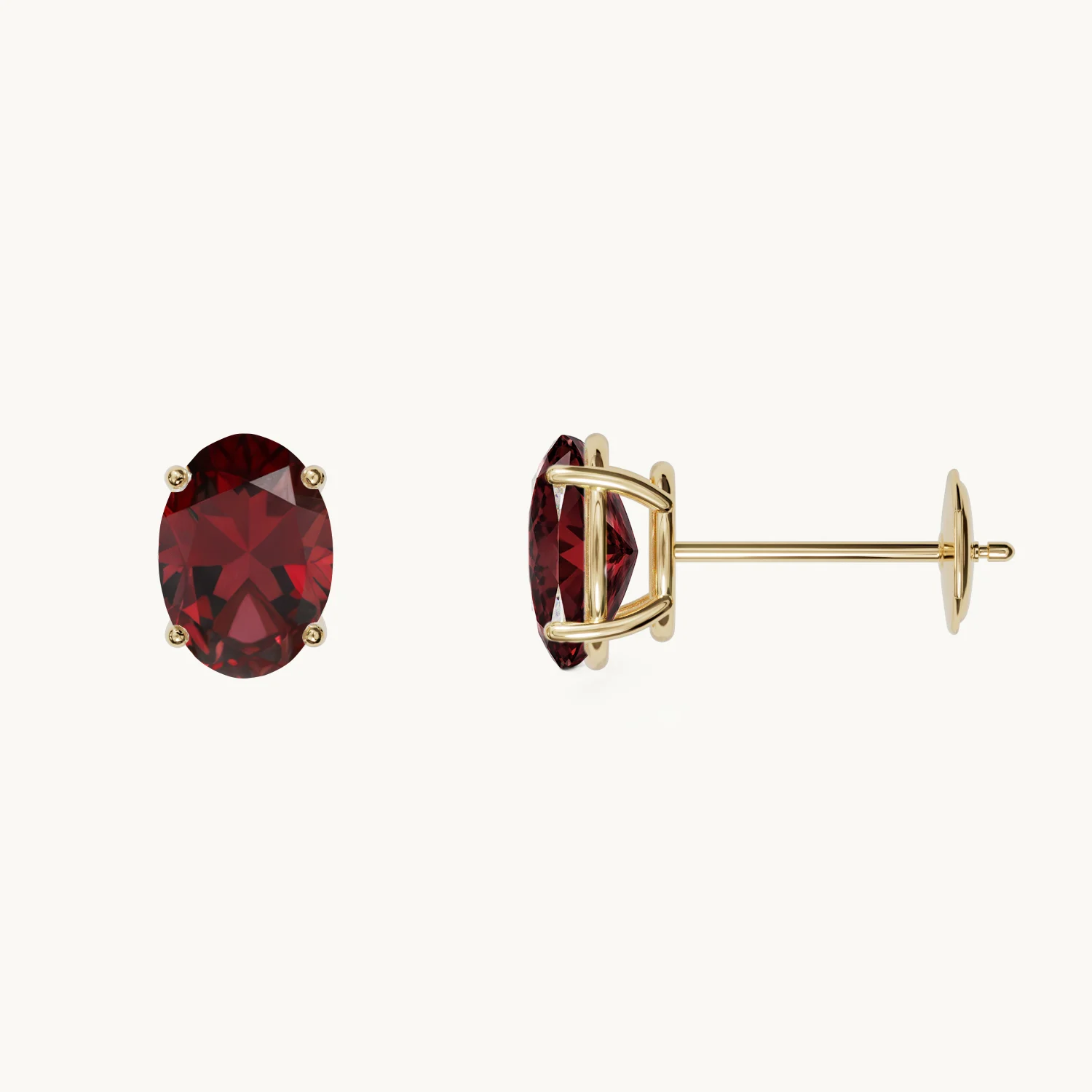
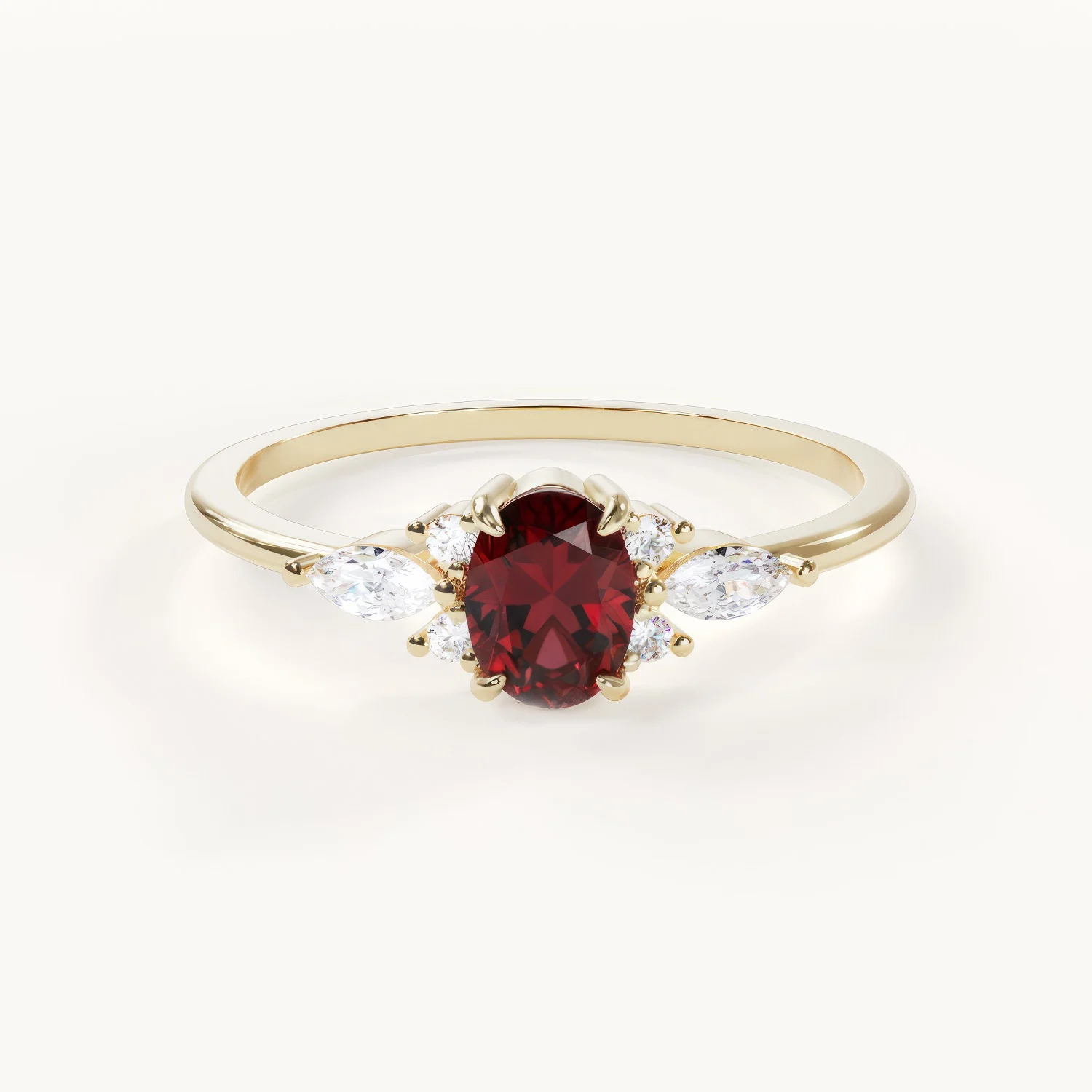
The most important information isn’t the gold appearance, but the structure underneath. For the current gold-plated birthstone models we’re showing here, we therefore specify 925 sterling silver as the base, 14-karat gold, and a plating thickness of 2.5 micrometers. This allows for a precise classification of the material.
In our consultations, we’ve also noticed that customers describe both dark residue and edges that have turned silvery as “tarnished.” We make a point of distinguishing between these cases: First, we check for care issues and buildup, then look for typical areas of friction. A worn surface cannot honestly be presented as a cleaning problem.
For us, gold vermeil is a great choice if you’re looking for the look of gold, a high-quality silver base, and a more affordable option—and are willing to accept that the finish requires some care. For a ring that’s meant to be worn every day for decades without ever being taken off, solid gold is the more durable option. For personal, thoughtfully chosen birthstone jewellery, however, vermeil can be a very fitting choice.
From the Velur Collection
Gold-plated jewellery by Velur


Sources: 16 CFR § 23.4, U.S. FTC Vermeil Labeling; FTC Consumer Advice on Gold, Silver, and Vermeil; Canadian Conservation Institute: Care of Silver; GIA: Tips for Caring for Jewelry. Retrieved July 23, 2026.
Frequently Asked Questions About Tarnished Gold Vermeil
Does gold vermeil tarnish?
Gold vermeil may appear darker or duller. Residue is often a factor; in porous, scratched, or worn areas, the sterling silver base may also tarnish. Silvery contact areas are more likely a sign of wear than of a removable coating.
How long does gold vermeil last?
There is no definitive figure. The thickness of the metal, the type of jewellery, friction, how often it is worn, exposure to water, and how it is cared for all determine its durability. Rings worn daily usually wear out faster than necklaces or earrings worn only occasionally.
Is gold vermeil waterproof?
Brief contact with water does not immediately damage an intact coating, but gold vermeil should not be advertised as permanently waterproof. Showering, chlorinated water, seawater, soap, and friction can damage the surface and reduce its durability.
What should you do if gold vermeil turns silvery?
Silvery edges or undersides usually indicate that the gold plating has worn thin. Do not polish it any further. Handle the piece with care and, if desired, have it inspected by the manufacturer or a goldsmith and, if necessary, have it re-gilded.
Can gold vermeil be re-gilded?
Often, yes. A specialized shop can prepare sterling silver and apply a new electroplated coating. The design, gemstones, settings, and any damage determine which process is appropriate. The new surface is also a wear layer.
Can you clean gold vermeil with a silver polishing cloth?
It's best not to do this without the manufacturer's explicit approval. Silver-cleaning cloths may contain polishing agents or active ingredients that could wear away the gold plating. Start with a soft, dry, lint-free cloth and apply very little pressure.
Are you unsure whether your jewellery just has some residue on it or if the gold plating has worn off? Send us photos of the surface, edges, and underside in good daylight.