



Mixed Cut or Brilliant Cut? The Difference in the Cushion Cut
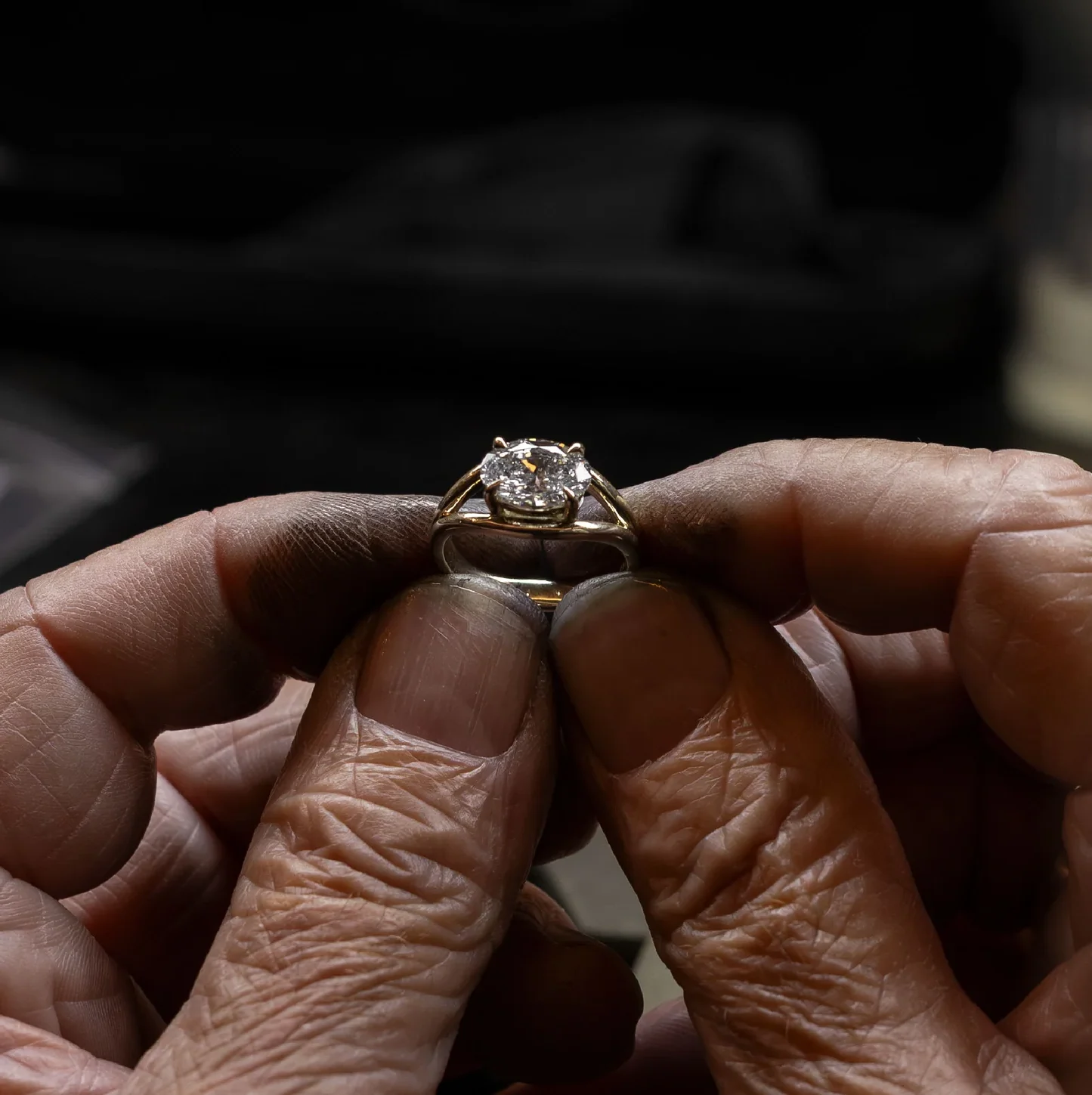
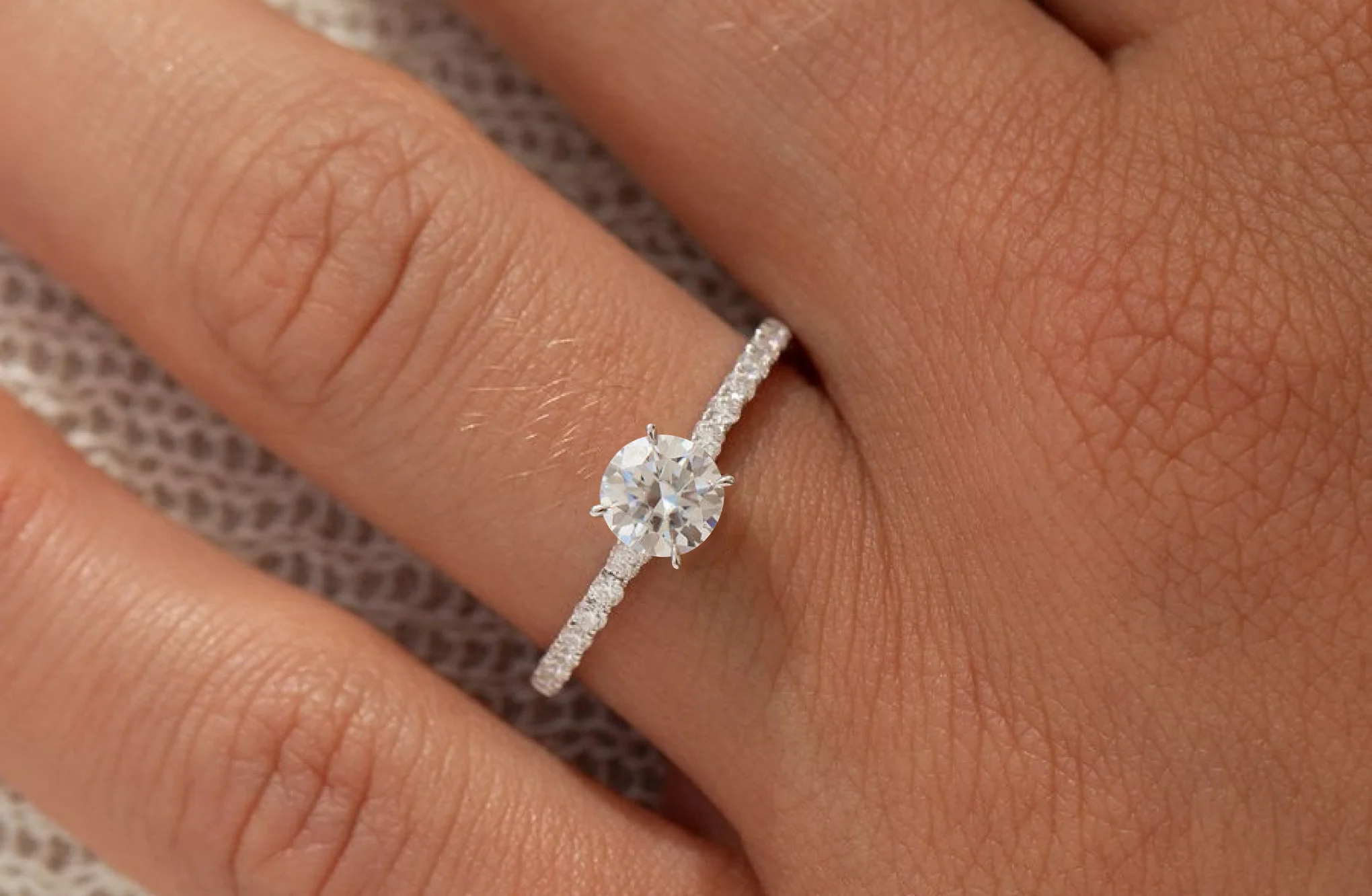
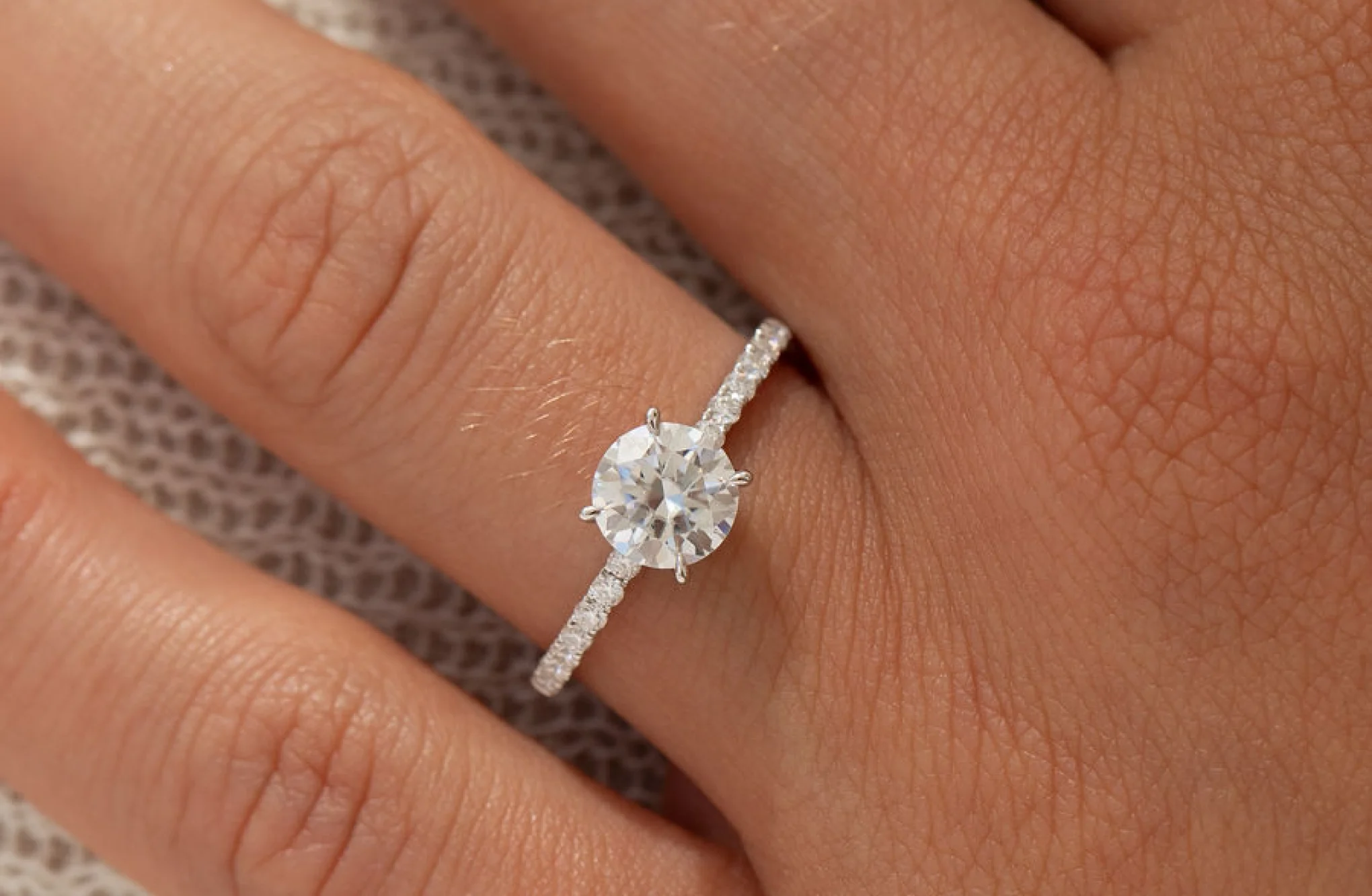
Both rings feature the elongated cushion silhouette. The difference lies in the faceting—and thus in how light, contour, and character appear on the hand.
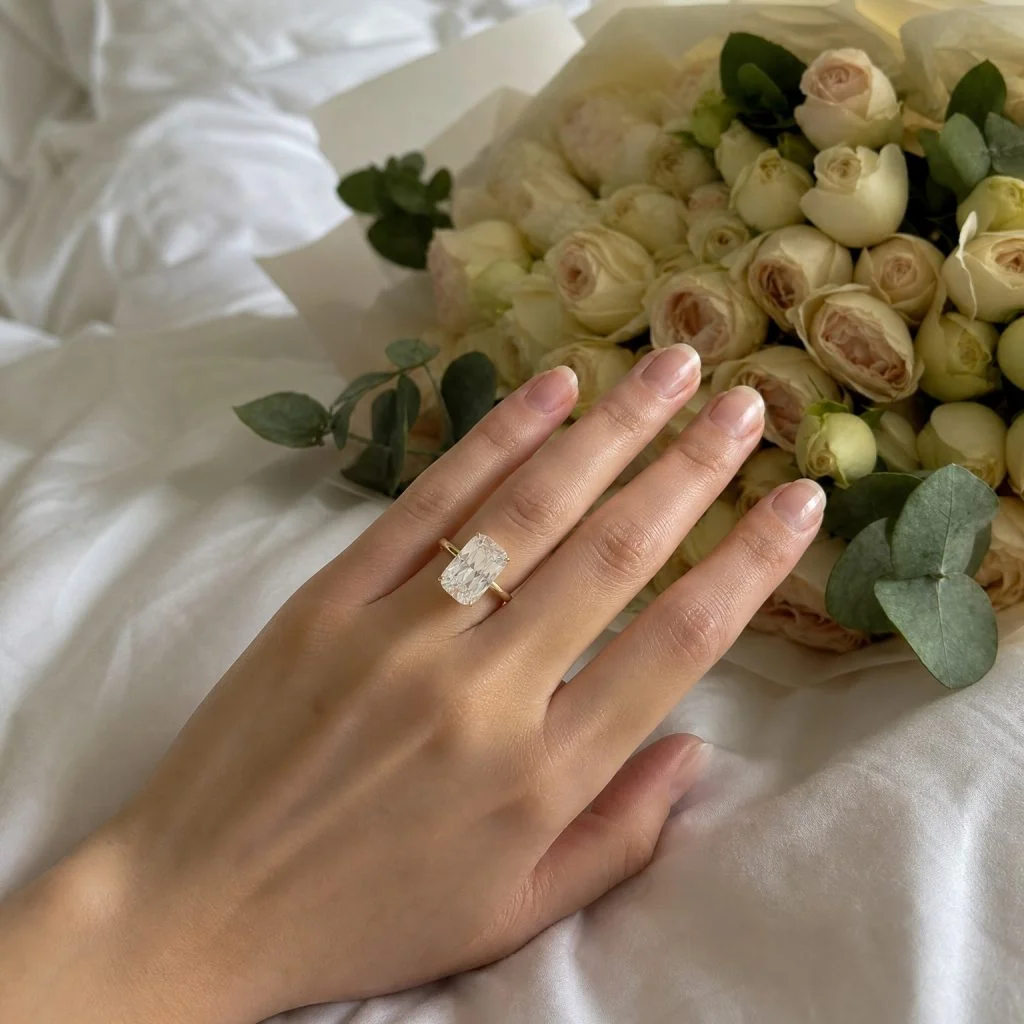
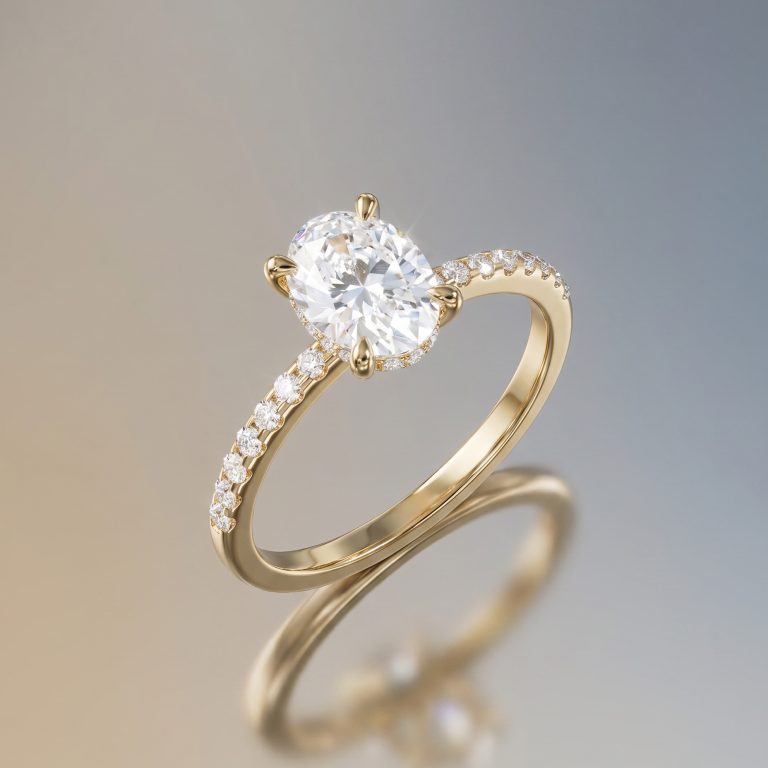
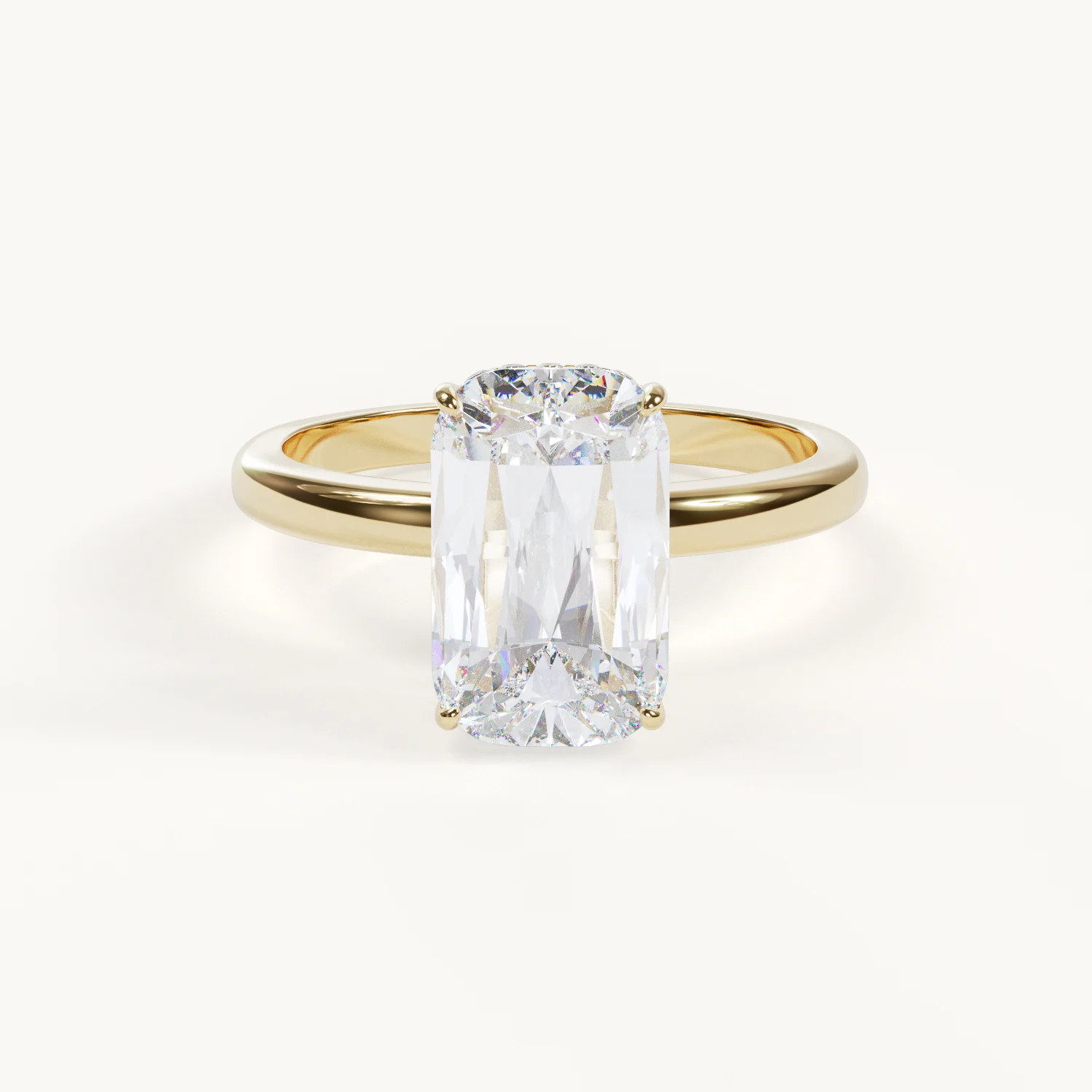
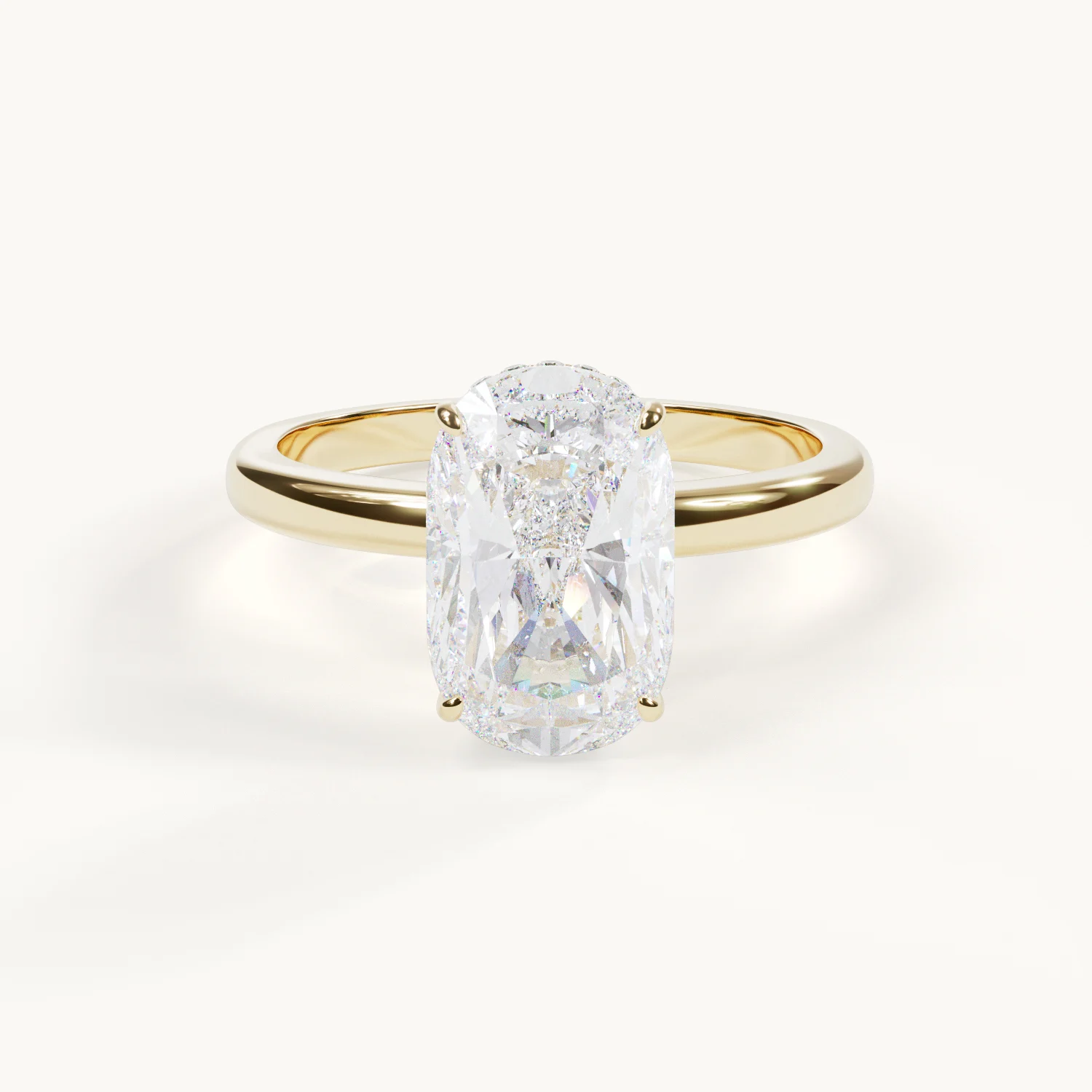
The Madison is designed by Velur as an Elongated Cushion Modified Mixed Cut—in the catalogue, this look is described as a Mixed or Scissor Cut. The Madison Brilliance features an Elongated Cushion Brilliant Cut with rounder corners and a uniformly bright, vibrant sparkle. Both models have a ratio of 1.6–1.65 and are available as pre-set Velur rings set with moissanite or lab-grown diamonds. So the question isn’t “which one is better?” but rather: Which sparkle suits you best?
The inspiration for this comparison is a short video by Chatoyer Diamonds on Instagram. In it, the difference between the mixed or scissor cut and the brilliant cut is clearly explained. We’re applying this distinction to two specific rings from the Velur collection so that you have more than just a name—you have a real tool to help you make your decision.
What do Madison and Madison Brilliance have in common?
From the top, both rings start with the same concept: an elongated cushion shape—that is, an elongated cushion form with soft transitions instead of a sharp rectangle. Both Velur product pages specify a ratio of 1.6–1.65. This creates a distinctly elongated silhouette. It guides the eye along the finger and makes the centre stone stand out without adopting the pointed ends of a marquise cut.
There is also a common foundation when it comes to configuration. Both rings are crafted from solid gold; depending on your selection, you can choose from yellow gold, white gold, or platinum, as well as moissanite or lab-grown diamonds. Certificates, a lifetime warranty, 180 days of free resizing, and the current 30-day return and exchange policy are all listed on the respective product page. Current options and prices vary depending on the stone, metal, and carat weight—which is why we always link to the Madison product page and the Madison Brilliance product page, rather than including a snapshot of the information in the text.
Shape is not the same as cut
“Elongated Cushion” describes the outer contour. “Mixed Cut” and “Brilliant Cut” describe the arrangement of the facets and, consequently, how the diamond interacts with light. It is precisely these two aspects that are often confused when buying a ring.
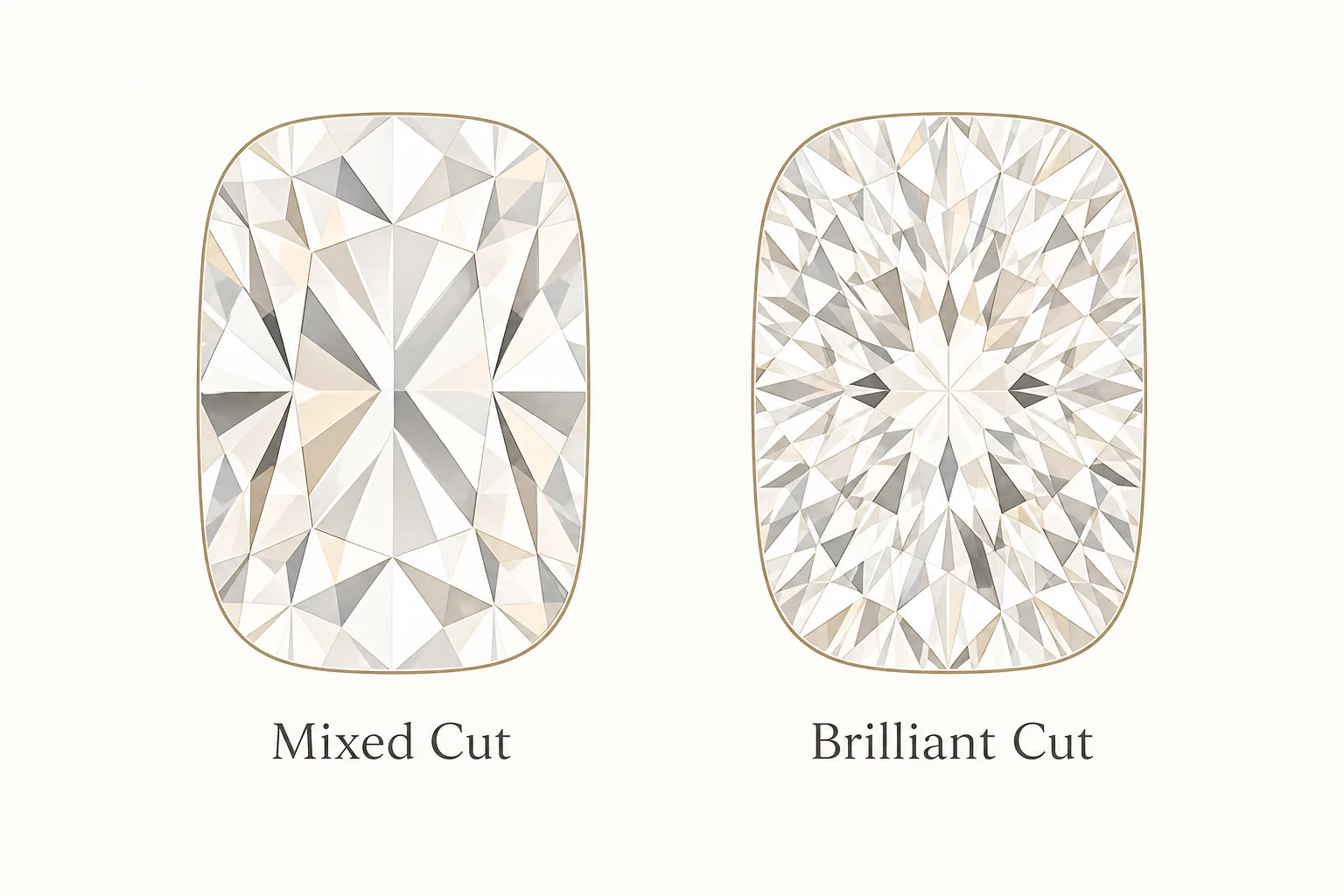
The Gemological Institute of America (GIA) also distinguishes between the visible shape and the facet style. In a cushion brilliant, the sides are typically somewhere between square and rectangular, with curved sides and rounded or more pointed corners. A Modified Cushion Brilliant features additional facets on the crown and pavilion. GIA explains the basics in its Cushion Cut overview. For our two rings, the specific product name listed on the Velur website is the most reliable point of reference.
What makes the Madison Mixed Cut so special?
The Madison is the ring for you if you don’t want the shape to look completely smooth. Velur offers it as an Elongated Cushion Modified Mixed Cut. “Mixed” means that the stone features a combination of facet styles that don’t reflect light in just one uniform pattern. In the Instagram Reel, the same concept is described as a “Scissor Cut”—a name that vividly illustrates the scissor-like, more directional interplay of the facets. The official product name remains “Modified Mixed Cut.”
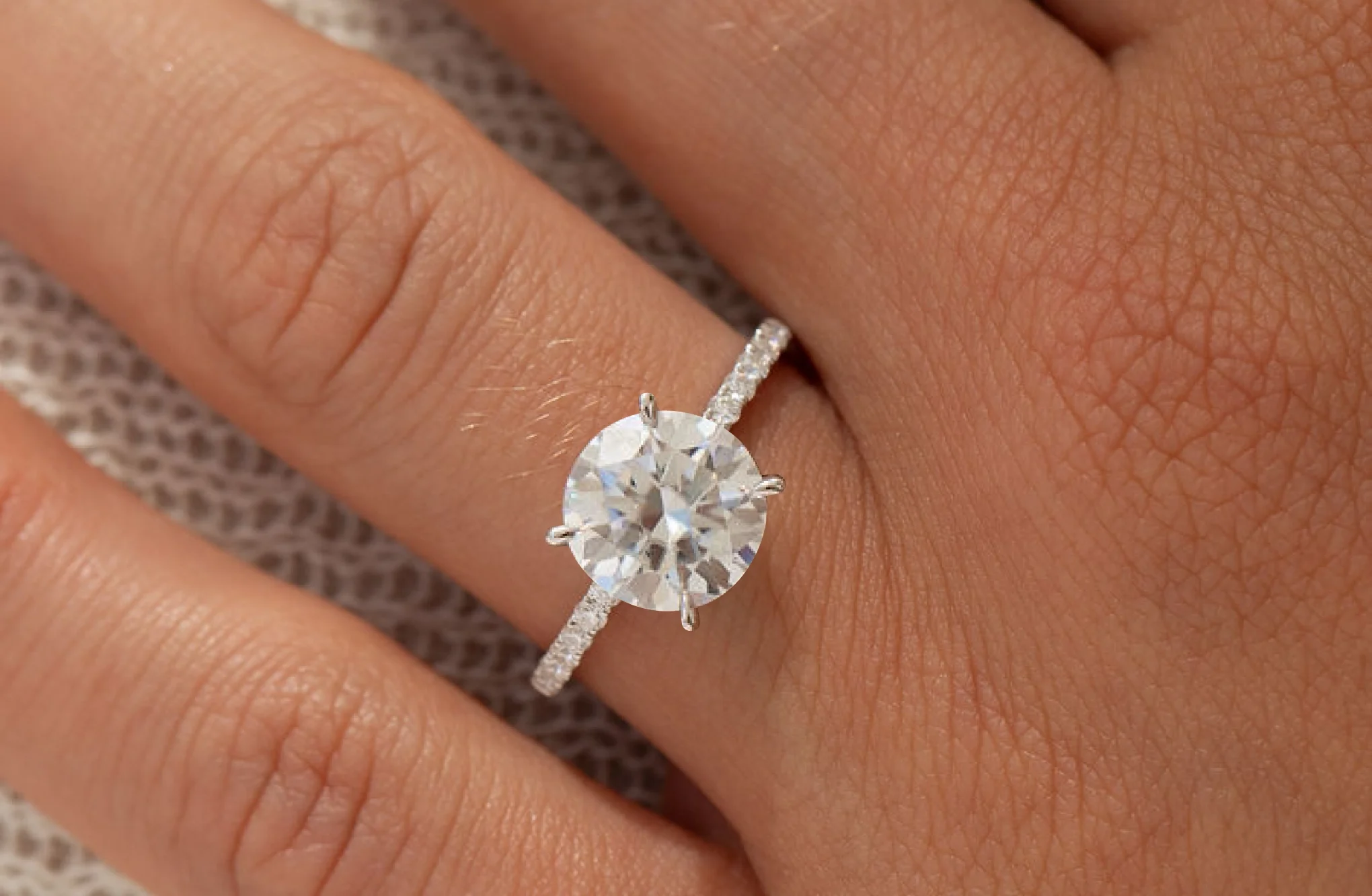
In the top view, the slightly more pronounced corners and the elongated pattern stand out. When tilted, not only do many small points of light appear, but also broader flashes that are clearly distinct from one another. Some reflections move across the stone like narrow stripes. This can make the ring appear calmer and, at the same time, more profound. “Less sparkle” would be the wrong way to put it: it’s a different kind of sparkle.
In our consultations, we’ve found that this look appeals to people who are looking for a distinctive style. The Madison is somewhat reminiscent of older cushion cuts, but its elongated proportions keep it modern. A simple setting works well with it; it lets the facets take centre stage. On the other hand, if you want to see fine points of light all over the stone, you should take a look at the second ring not just in photos, but in moving video as well.
Texture Instead of a Uniform Glittery Surface
The mixed facet arrangement creates a noticeable alternation of light and high-contrast areas. Depending on the light source, this can make the Madison appear more graphic. This is a stylistic choice, not a judgment on quality.
A touch of vintage, without the retro look
The elongated cushion shape and more pronounced corners are reminiscent of historic cushion silhouettes. In yellow gold, it has a warm appearance; in white gold or platinum, the contrast is cooler and more defined. The basic design remains the same ring.
Technical Classification: The GIA defines a mixed cut as a combination of brilliant and step cut styles. See the GIA for definitions of cut styles.
What sets the Madison Brilliance Brilliant Cut apart?
The name says it all: The Madison Brilliance features an elongated cushion brilliant cut. The corners appear rounder, and the faceting distributes the reflections more densely across the visible surface. In everyday life, this often results in a brighter, more vibrant sparkle from many small flashes of light—especially when the hand moves or the light source shifts.
This ring will appeal to you if you’re looking for a classic sparkle at first glance. It has a less graphic appearance than the mixed cut and blends easily into a traditional engagement ring look. A brilliant cut can also visually minimise the appearance of colour and small inclusions thanks to its many light reflections; this is a general characteristic of the cut style, not a statement about every individual configuration.
It’s important to make the comparison under the same conditions. A 3-carat moissanite in yellow gold may behave differently than a 4-carat lab-grown diamond in platinum. If you want to evaluate both models fairly, make sure the metal, stone type, carat weight, and—as far as possible—ring size are the same. Only then will it become clear what is actually due to the mixed cut versus the brilliant cut.
Don't just watch a video on your phone with the screen brightness set to maximum. Rotate your hand slowly, switch between daylight and indoor lighting, and see whether you prefer high contrast or lots of small points of light over time.
The GIA describes brilliant facets as an arrangement that breaks light into many bright reflections. The GIA guide to diamond shapes also explains why elongated shapes can appear larger when viewed from above: what matters is the visible surface area, not just the carat weight.
Mixed Cut or Brilliant Cut: A Direct Comparison of the Differences
Both models share the same silhouette and Velur customisation options. The following table therefore deliberately lists only the features that affect how you perceive the ring.
| Characteristic | Madison | Madison Brilliance |
|---|---|---|
| Faceted Style | Elongated Cushion Modified Mixed Cut, explained in the reel as Mixed/Scissor Cut | Elongated Cushion Brilliant Cut |
| Corners | More striking and slightly more defined | Sounds rounder and softer |
| Photograph | Wider, more directional flashes; greater contrast and texture | Many bright, intense reflections; a lively sparkle across the surface |
| Mood | A vintage feel with a modern, elongated silhouette | Classic, bright, and true to tradition |
| This is right for you if … | if you prefer a less generic pattern and visible depth | you're looking for as even a brilliance as possible and lots of little flashes of light |
| Together | Elongated Cushion, Ratio 1.6–1.65, Solid Gold, available with moissanite or lab-grown diamonds | |
A cut isn’t defined by its label. What matters is whether the specific stone remains bright, appears perfectly symmetrical, and feels right on your finger. At Velur, you can customise both rings on their respective product pages; our consultants can also show you videos and compare different material options.
Which ring suits your style?
Ask yourselves two questions. First: Should the light sweep across the stone in clear, slightly wider bands—or would you prefer to see many small points of light with every movement? Second: Does a more striking corner appeal to you more than a soft, rounded contour? The answers usually lead you to the right model faster than comparing prices.
For Character
You like graphic reflections, a slightly vintage-inspired touch, and a stone that doesn't look like just any other brilliant-cut diamond.
For a bright sparkle
You're looking for a classic silhouette with rounded corners and a rich, dynamic image.
Compare in real time
If photos aren't enough, a video taken in neutral lighting and a discussion about the hand, the metal, and the type of stone can help.
Start a consultation
If you generally like this shape, you’ll find more information about proportions, settings, and visible size in the Elongated Cushion Guide. The general Cushion Cut Guide helps you understand the soft corners. And if the occasion itself is what’s inspiring you: Our article on the Madison Beer engagement ring explains why this shape is getting so much attention right now.
Our advice from the Velur team: Don’t choose the ring that looks the brightest in the first photo. Choose the one whose photo you’ll still want to look at even after seeing it several times. An engagement ring isn’t just for a photo shoot—it’s for your everyday hands: by the window, at a café, and on the way home.
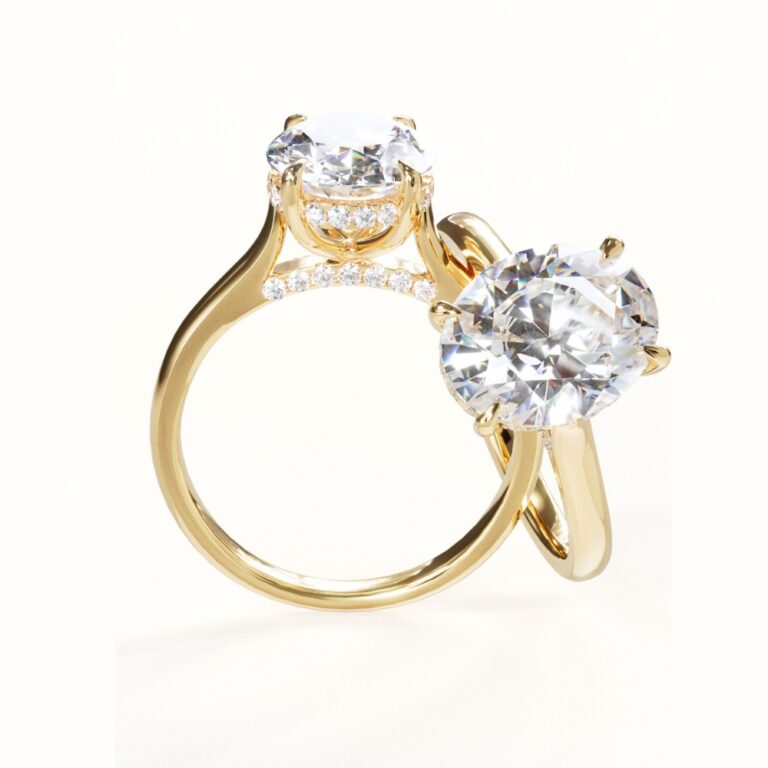
Madison and Madison Brilliance right next to each other
You can view the current configuration, available carat sizes, and prices on the product pages. This ensures that the comparison remains up to date, even if the material or stone selection changes.
From the Velur Collection
Discover the Perfect Engagement Rings


Frequently Asked Questions About Madison and Madison Brilliance
Is the mixed cut better than the brilliant cut?
No. The Mixed Cut and the Brilliant Cut produce different light patterns. The Madison produces more focused, high-contrast reflections; the Madison Brilliance distributes many bright points of light across the surface. The better choice is the one whose effect appeals to you more when you hold it in your hand.
What does "scissor cut" mean in Madison?
"Scissor Cut" is a descriptive term for a mixed, more strongly oriented facet pattern. On the Velur product page, this cut is called the "Elongated Cushion Modified Mixed Cut." It is not a distinct diamond shape separate from the cushion cut, but rather a description of the facet arrangement.
Which of the two rings sparkles more?
The Madison Brilliance typically produces a more even brightness and displays many small flashes of light. The Madison Mixed Cut creates broader, directional reflections and contrasts. The type of gemstone, carat weight, metal, and light source also influence the effect.
Are both Madison rings Elongated Cushion?
Yes. Both product pages list an "Elongated Cushion" with a ratio of 1.6–1.65. They therefore share the same elongated outer contour; the main difference lies in the Mixed Cut versus the Brilliant Cut.
Can both rings be customised with moissanite or lab-grown diamonds?
Yes. The Velur product pages feature configurations for both models with moissanite or lab-grown diamonds, as well as several precious metals. You can see which carat sizes and styles are currently available directly in the respective selection.
How do I choose between Madison and Madison Brilliance?
Choose the Madison if you prefer structured, directional reflections and a more pronounced corner. Choose the Madison Brilliance if you prefer many evenly bright points of light and rounder corners. If possible, compare both using the same type of stone, carat size, and metal colour.
Take a look at both rings in the right combination, or get personalised advice. We'll help you choose the right setting, metal, and gemstone to complement your hand.