

Elongated Cushion Cut Engagement Ring: Proportions, Facets, and Settings
Soft corners, an elongated shape, and plenty of visible surface area: We'll show you how to evaluate an elongated cushion cut before deciding on carats or a setting.
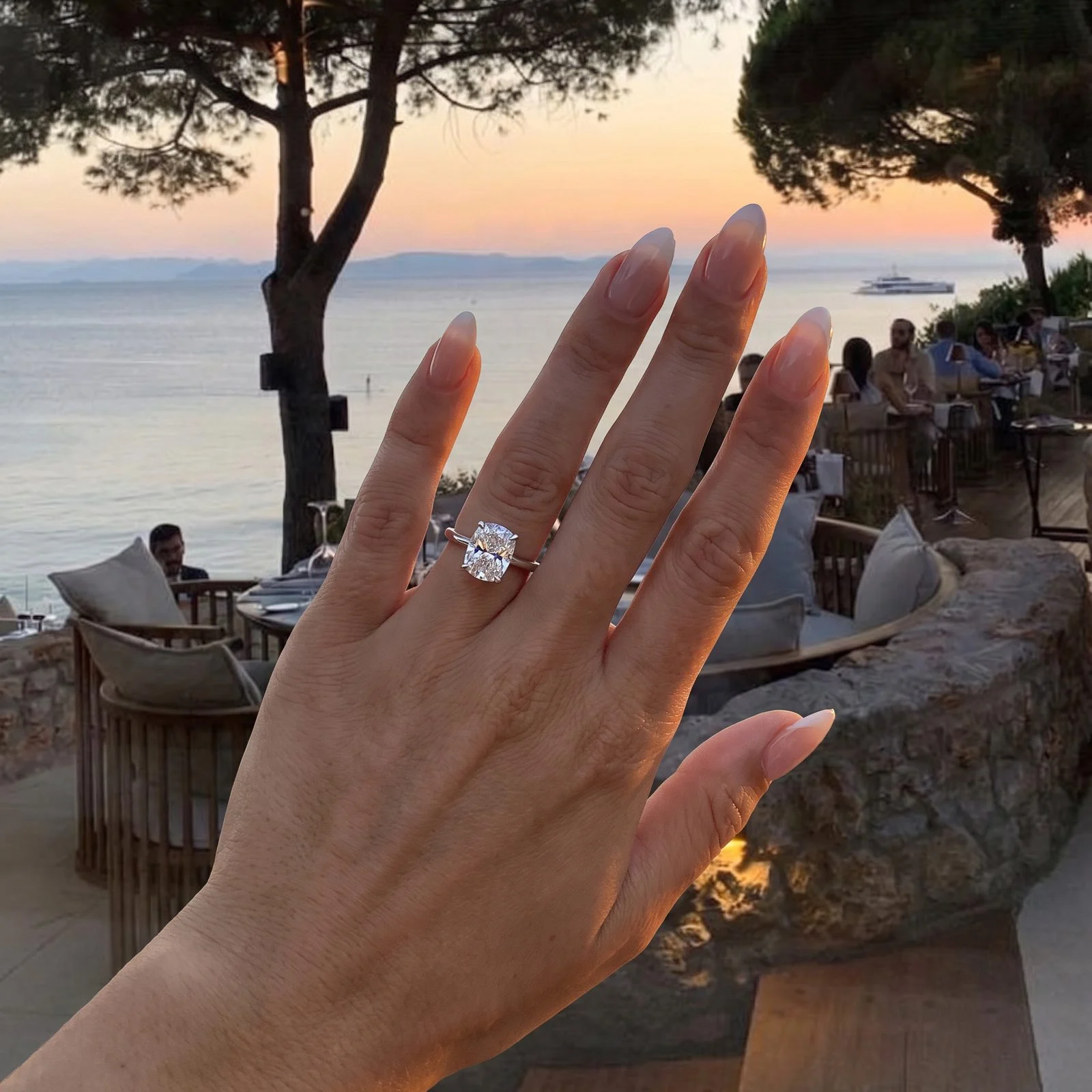
An elongated cushion-cut engagement ring features an elongated cushion cut with rounded corners. What matters most is not just the carat weight and certificate, but the length-to-width ratio, a symmetrical contour, a vibrant faceting pattern, and a setting that securely holds the stone. A ratio of around 1.30 to 1.50 gives the stone a distinctly elongated appearance; the specific stone on your finger will determine which proportion looks best.
The classic cushion cut resembles a pillow when viewed from above: roughly square, with soft corners and slightly curved sides. In the elongated cushion cut, this shape is stretched out lengthwise. This preserves the stone’s soft character while making it appear significantly longer on the finger.
This is part of a broader trend. Vogue lists elongated shapes—such as oval, marquise, and elongated cushion—among the defining ring trends of 2026. However, the trend is only the starting point when it comes to making a purchase decision. Two stones of the same weight can vary greatly in terms of shape, brilliance, and apparent size.
What is an elongated cushion cut?
“Elongated” means elongated. The stone retains the rounded corners of a cushion cut but is longer than it is wide. Unlike an oval, the sides are not rounded throughout. The outline usually features four distinct sides with smooth transitions between them.
There is no globally standardised threshold for the ratio at which a cushion cut is considered “elongated.” The laboratory designation can also vary. An IGI report, for example, might list “Cushion Brilliant” or “Cushion Modified Brilliant.” This line describes the type of faceting; it does not necessarily indicate whether you will like the look in everyday life.
The name is not an indication of quality
Always compare the measurements in millimetres, the top view, and a video. “Elongated Cushion” tells you something about the contour, but nothing yet about brightness, symmetry, or dark areas in the centre.
Our general guide to cushion-cut engagement rings explains the history of the cushion cut. Here, we’re focusing specifically on the elongated version and the factors that matter when comparing stones side by side.
Why are elongated cushion-cut engagement rings so popular?
The design combines softness and clarity
The rounded corners take away the stone's rectangular rigidity. At the same time, the long axis creates a cleaner line than that of the square cushion cut. This gives it a modern look without appearing cold.
The top view shows a lot of length
Carat weight refers to mass, not the surface area you see from above. A well-proportioned, elongated stone distributes its weight along a longer axis and can therefore appear more striking. However, it should not be cut too flat, or it will lose light.
He follows his finger with his eyes
In a north-south orientation, the long axis runs parallel to the finger. This creates a smooth, elongated line. The effect is visible without the pronounced points of a marquise cut.
Many versions work
Solitaire, Cathedral, Hidden Halo, pavé, or a narrow bezel setting: The outline can be designed to be understated or richly detailed. What’s important is that the setting provides clean protection for the four corners and doesn’t cover up more of the stone than necessary.
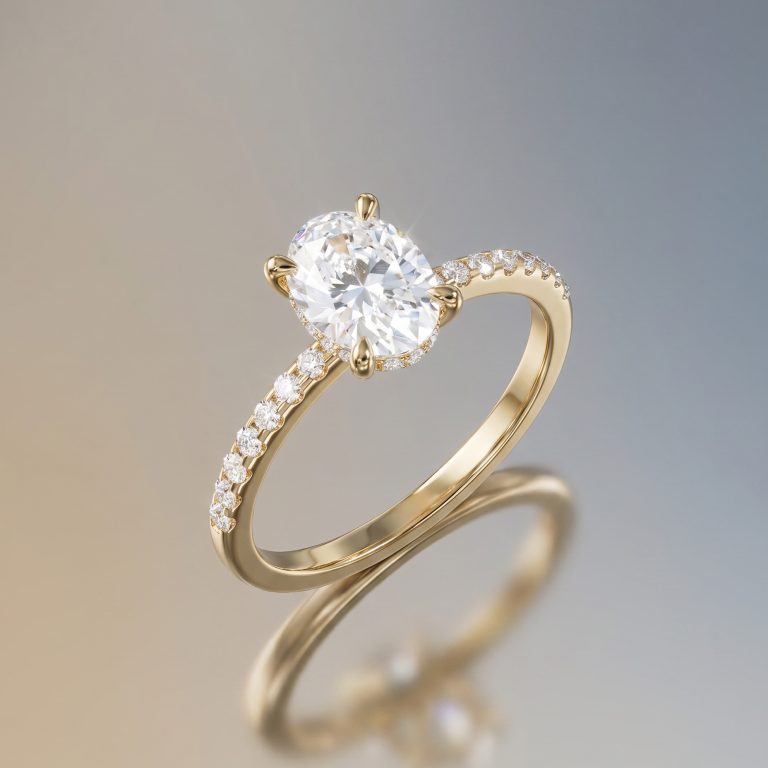
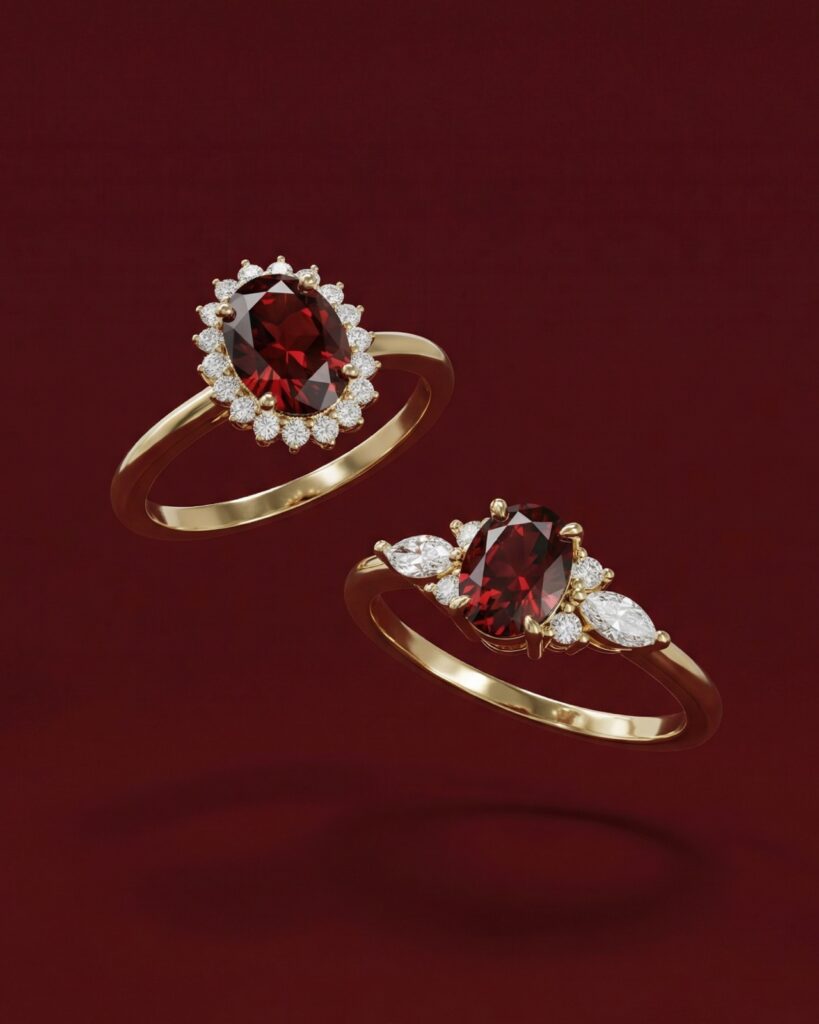
In the Velur collection of elongated cushion engagement rings, you'll see this shape in various shades of gold and settings. Use these images primarily to compare the side profile and proportions.
What aspect ratio works best for an elongated cushion?
The ratio is length divided by width. A stone that is 9.0 millimetres long and 7.0 millimetres wide has a ratio of about 1.29. For a stone measuring 9.0 by 6.0 millimetres, the ratio is 1.50. Even a difference of just a few tenths visibly changes the contour.
| Ratio | Effect | Keep in mind |
|---|---|---|
| approx. 1.15–1.25 | Only slightly longer, similar to the classic cushion | Whether the shape on the finger really appears elongated |
| approx. 1.30–1.40 | Clearly laid out, with all corners and sides still intact | Balanced shoulders and even brightness |
| approx. 1.45–1.55 | A narrower, stronger longitudinal effect | A dark centre, narrow ends, and sufficient width |
These guidelines are for reference only; they are not a grading system. A higher ratio is not automatically better. On small hands, a very long stone can appear dominant; on larger ring sizes, the same shape may look more balanced. Therefore, overlay true-to-scale printouts or digital size views on a photo of the hand.
When comparing two stones of similar price, first ask about their length and width. Only then should you compare their carat weight. This way, you’ll avoid paying for extra weight that’s mainly concentrated in the depth of the stone and is barely visible from the top.
Cushion Brilliant or Crushed Ice: Which Looks Better?
The Cushion Brilliant cut often produces clearer, larger flashes of light. The facets may form an orderly pattern reminiscent of a round brilliant cut. Modified Brilliant variations split the lower facets more extensively. This can create a finer, sparkling light pattern that is often referred to in the industry as “Crushed Ice.”
Neither of these two patterns is universally superior. Some people prefer large flashes of light, while others prefer a more granular sparkle. The key factor is whether the stone remains vibrant across its entire surface. You shouldn’t confuse grey or glassy areas, a permanently dark core, or uneven corners with the style of the faceted cut.
Brilliant Look
Larger, distinct flashes of light and often a more structured pattern.
Crushed Ice
Many small reflections, a denser sparkle, and less sharply defined facets.
Video Instead of a Label
The lab description isn't enough. Look at the stone in motion and under neutral lighting.
Does an elongated cushion have a bow tie?
Even elongated cushion-cut stones can exhibit stronger contrast across the centre. A subtle shift between light and dark gives the stone depth. It becomes problematic when a wide, dark band remains visible from almost every angle. Our guide to the bow-tie effect in diamonds shows you how to distinguish normal contrast from a distracting shadow.
Compare a video shot head-on in diffused daylight with a second video in which the stone is slowly tilted. A jewellery store commercial can make almost any stone sparkle briefly; you’ll be better able to assess its uniform brightness in more subdued lighting.
Technical Classification: IGI Guide to Diamond Shapes and GIA Guide to Engagement Ring Cuts.
Which setting goes well with the elongated cushion cut?
Solitary or Cathedral
A simple prong setting leaves the outline open. In a cathedral setting, two arches rise from the band toward the stone. This adds more structure on the sides and makes it easier for a straight wedding band to slide past the centre stone. Be sure to check the actual height, though: if the ring is too high, it may catch on things more often during everyday use.
Hidden Halo
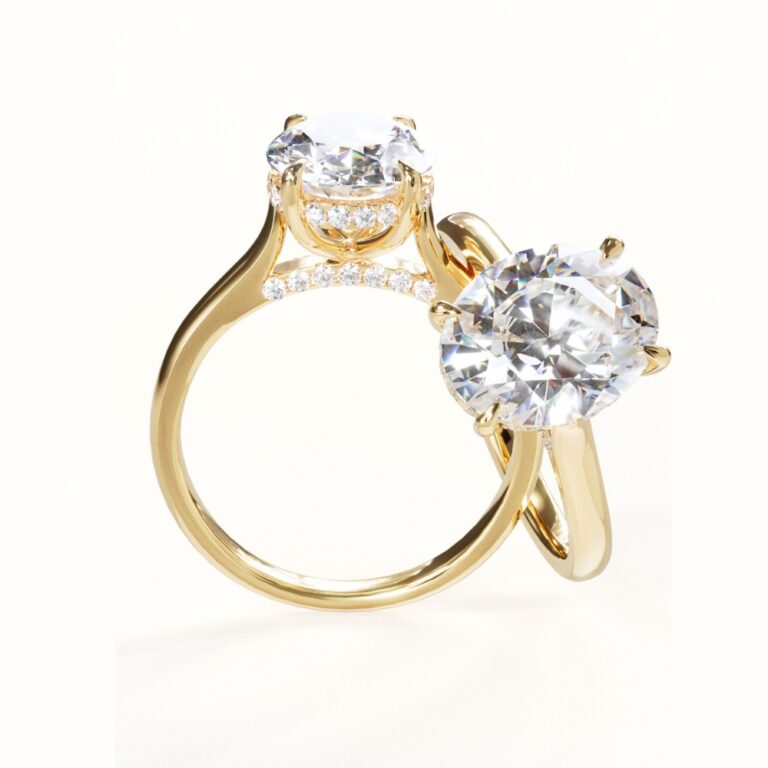
A hidden halo sits beneath the visible stone surface. From above, the solitaire look is preserved, while small accent stones are added when viewed from the side. This detail works well when the shank and prongs are neatly proportioned and the ring doesn’t appear unnecessarily wide.
Frame Mount
A bezel setting encases the stone in metal. It protects the edge and often feels smooth to the touch, but it can alter the appearance of the soft corners. A delicate bezel should follow the cushion’s contours rather than turning it into a rigid rectangle.
Paving Stones and Curb Stones
Pavé adds sparkle to the ring band, while side stones broaden the overall look. Both can have a strong visual impact if the centre stone isn’t very large. With a pronounced elongated cushion cut, a simple band is often sufficient because the shape itself makes a strong statement.
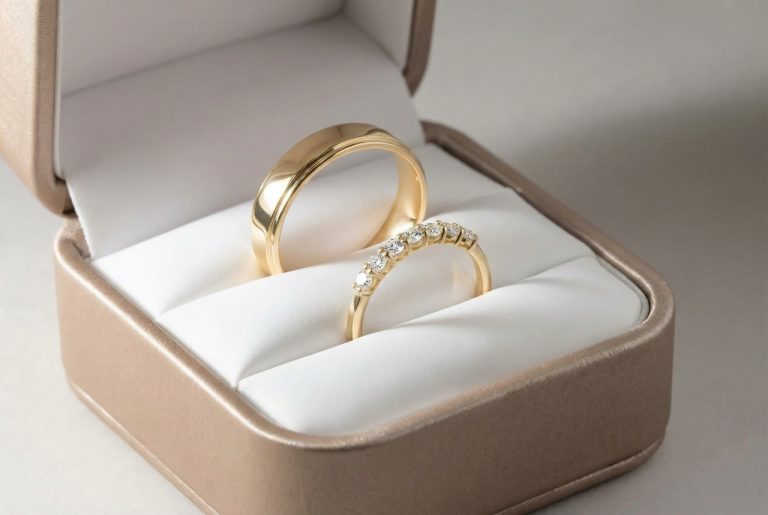
Think About Your Wedding Ring Early On
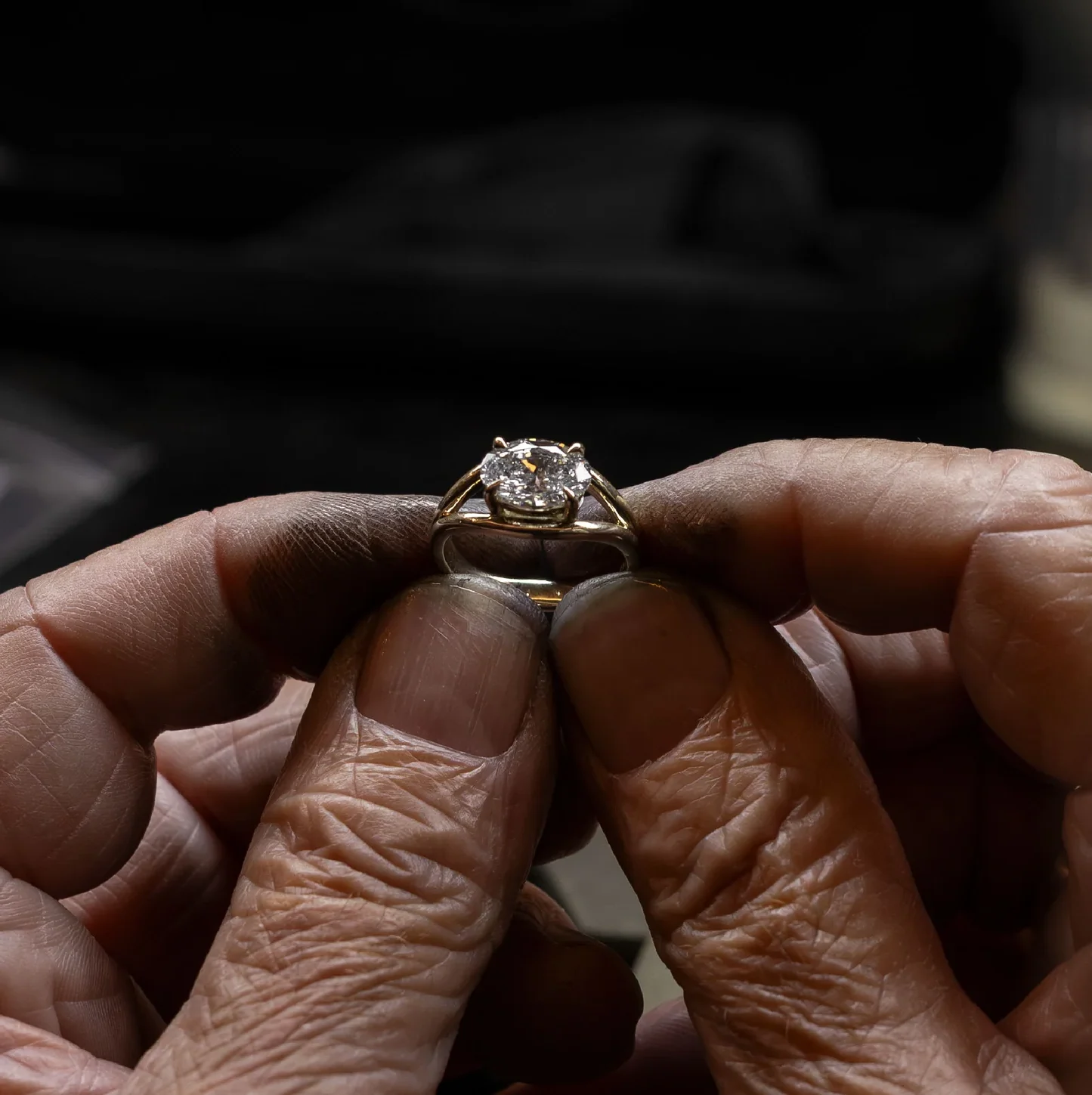
Always ask to see an actual side view of the ring. That’s the only way to tell whether a straight wedding band will sit flush or leave a gap. If you want the rings to stack flush, be sure to check the height before placing your order.
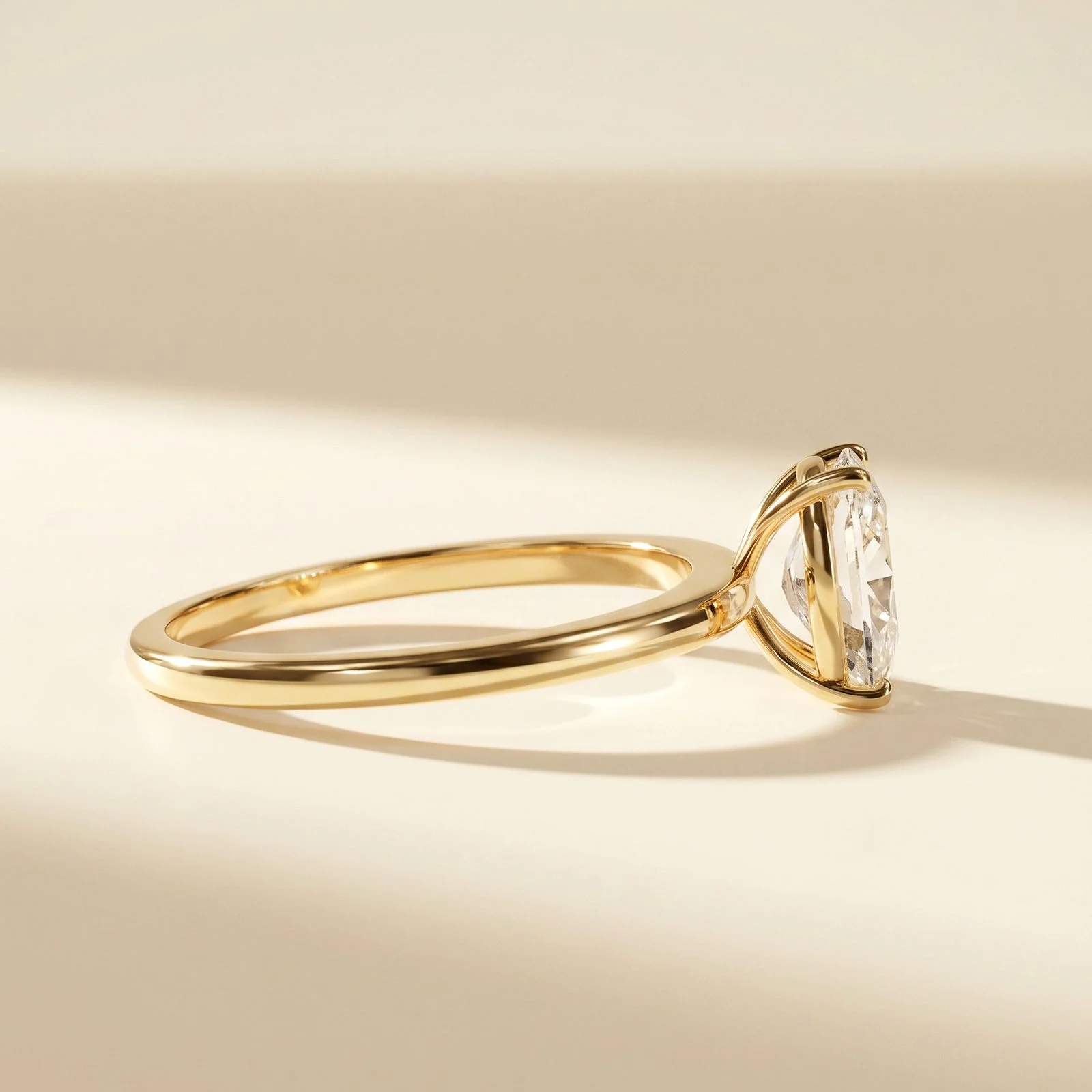
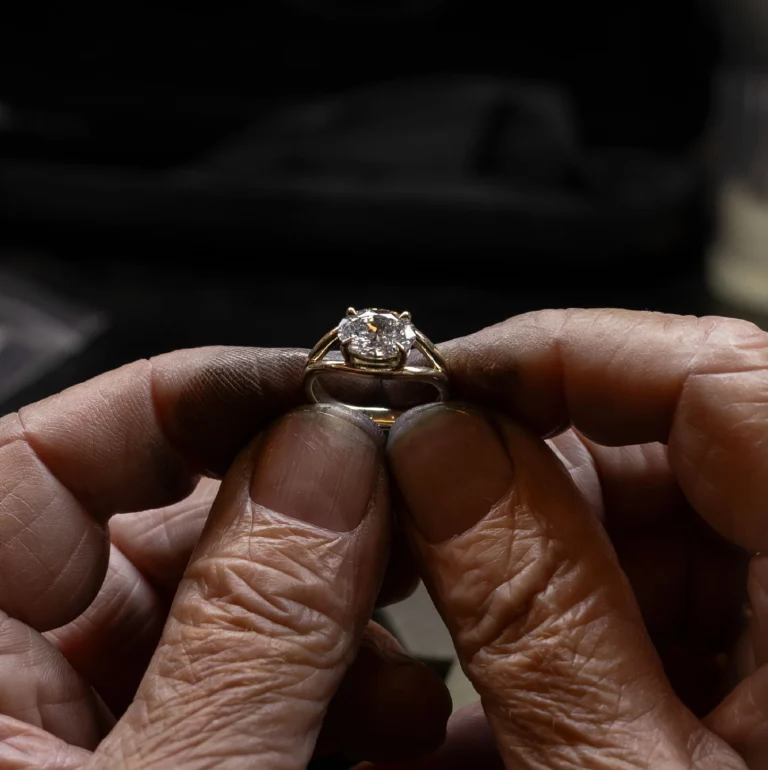
In the side view, you can see how high the stone is set, how the prongs hold it in place, and whether there's room next to it for a straight wedding band.
What should you look for with the elongated cushion cut?
- Proportions and millimetres: Length and width reveal more about the visible shape than carats alone.
- Symmetrical shape: Both sides and all four corners should look balanced. An unevenly rounded shoulder is immediately noticeable on the finger.
- Light output: Test the stone from the front and at an angle. Bright areas should move, rather than leaving a dark centre in place.
- Faceted patterns: Choose between larger flashes of light and a more subtle crushed-ice look.
- Prongs: They must be positioned evenly, must not press down on the corners, and should not protrude too far above the stone.
- Side Profile: Height, balance, and distance from the wedding ring are all factors in the purchasing decision.
- Certificate: For lab-grown diamonds, an IGI report describes the dimensions, colour, clarity, and other characteristics. It is not a substitute for an actual video.
Lab-grown diamond or moissanite?
Both stones can be cut into an elongated cushion shape. A lab-grown diamond has the same crystal structure as a natural diamond and exhibits the typical diamond sparkle. Moissanite refracts light more strongly into spectral colours, giving it a more vibrant appearance. This difference is more easily visible on larger surfaces. Our comparison of moissanite and lab-grown diamonds will help you assess the effect and fit it into your budget.
What carat size looks right?
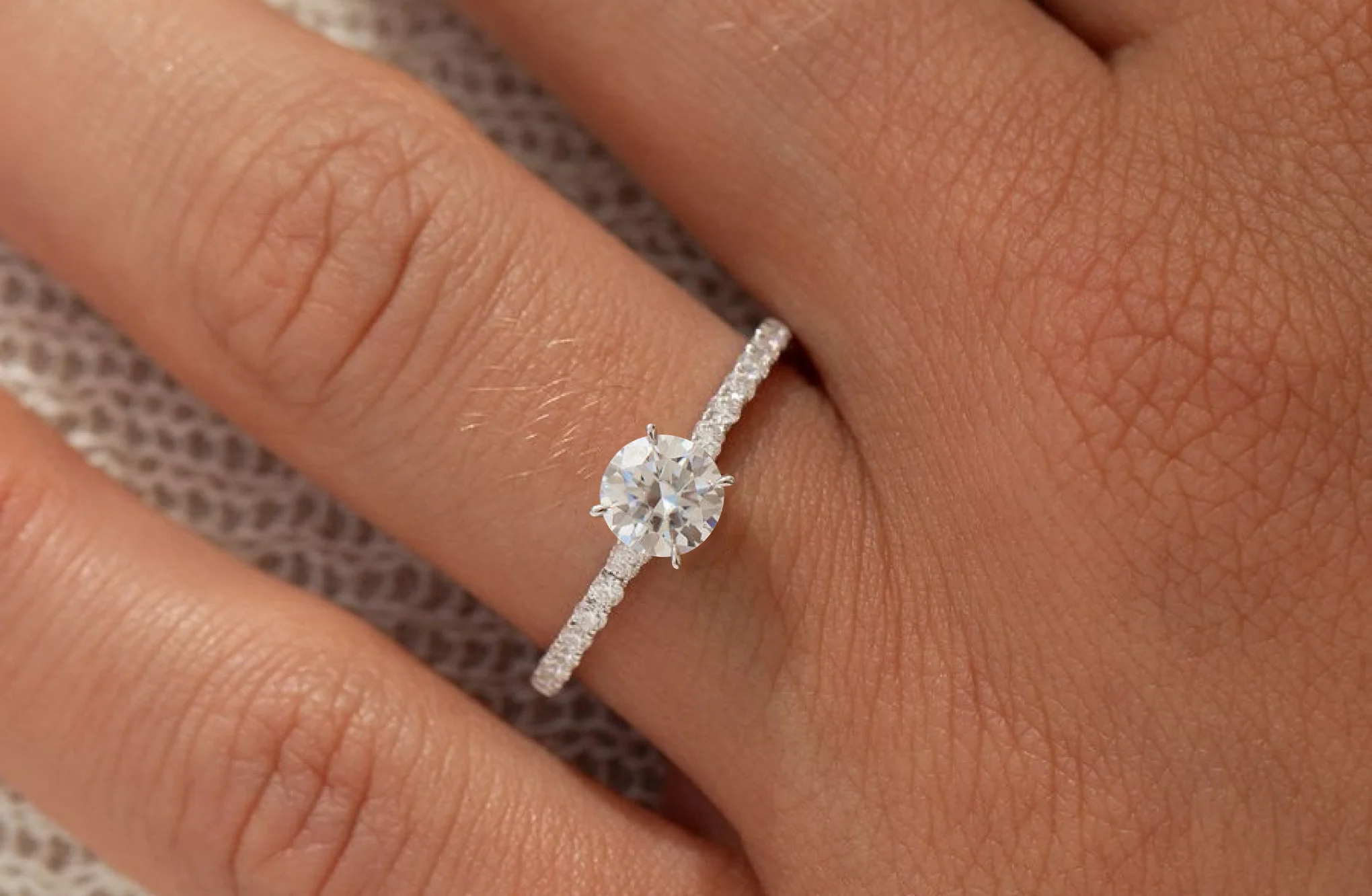
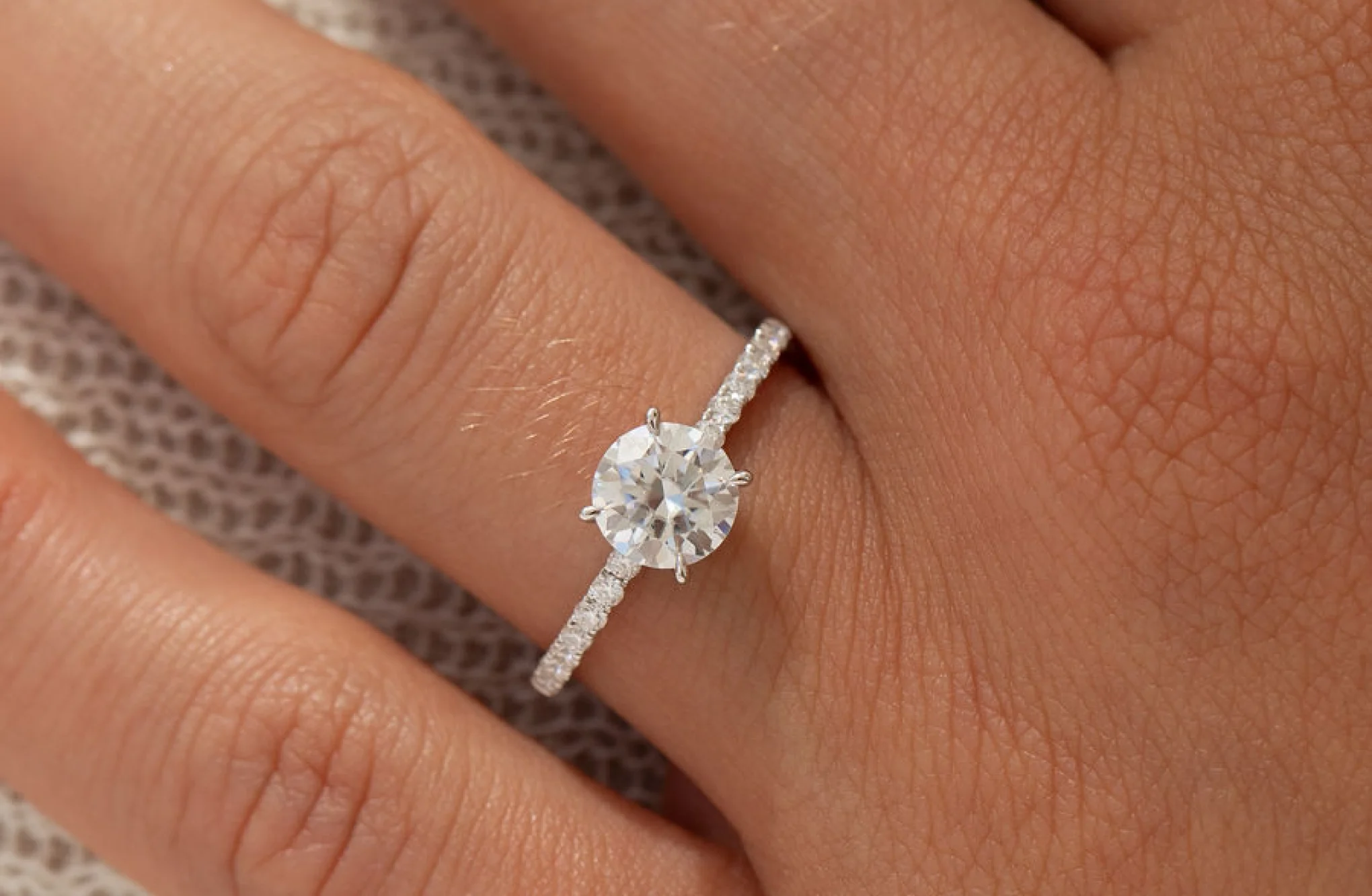
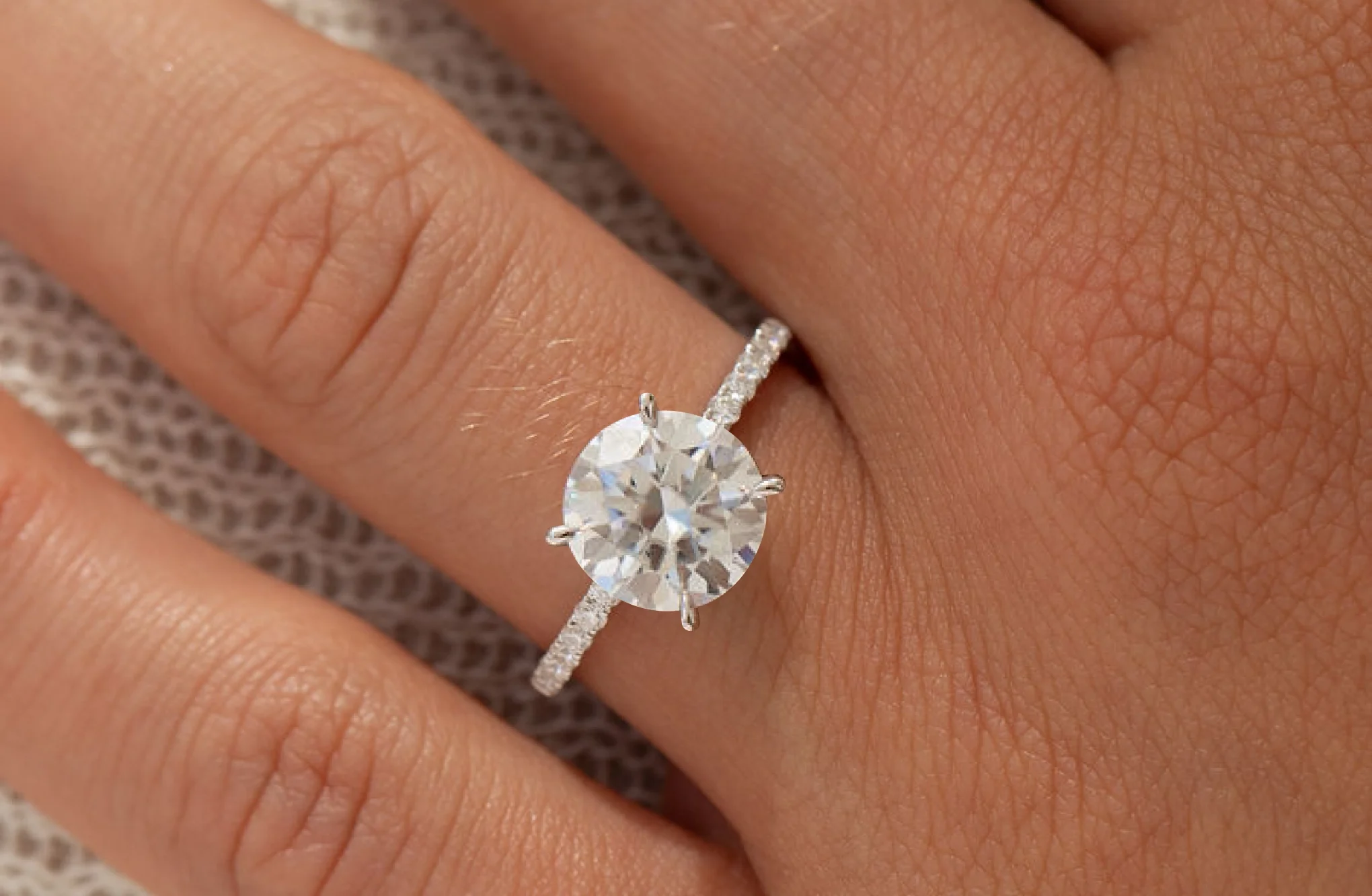
Don't rely on general carat images without knowing the dimensions. For the Velur Élan, the 2-carat centre stone measures approximately 6 × 8 millimetres, and the 3-carat version measures approximately 7 × 9 millimetres. These are the specific dimensions of this model; they are not a standard for every cushion-cut diamond. Different cut depths can result in different dimensions even for the same weight.
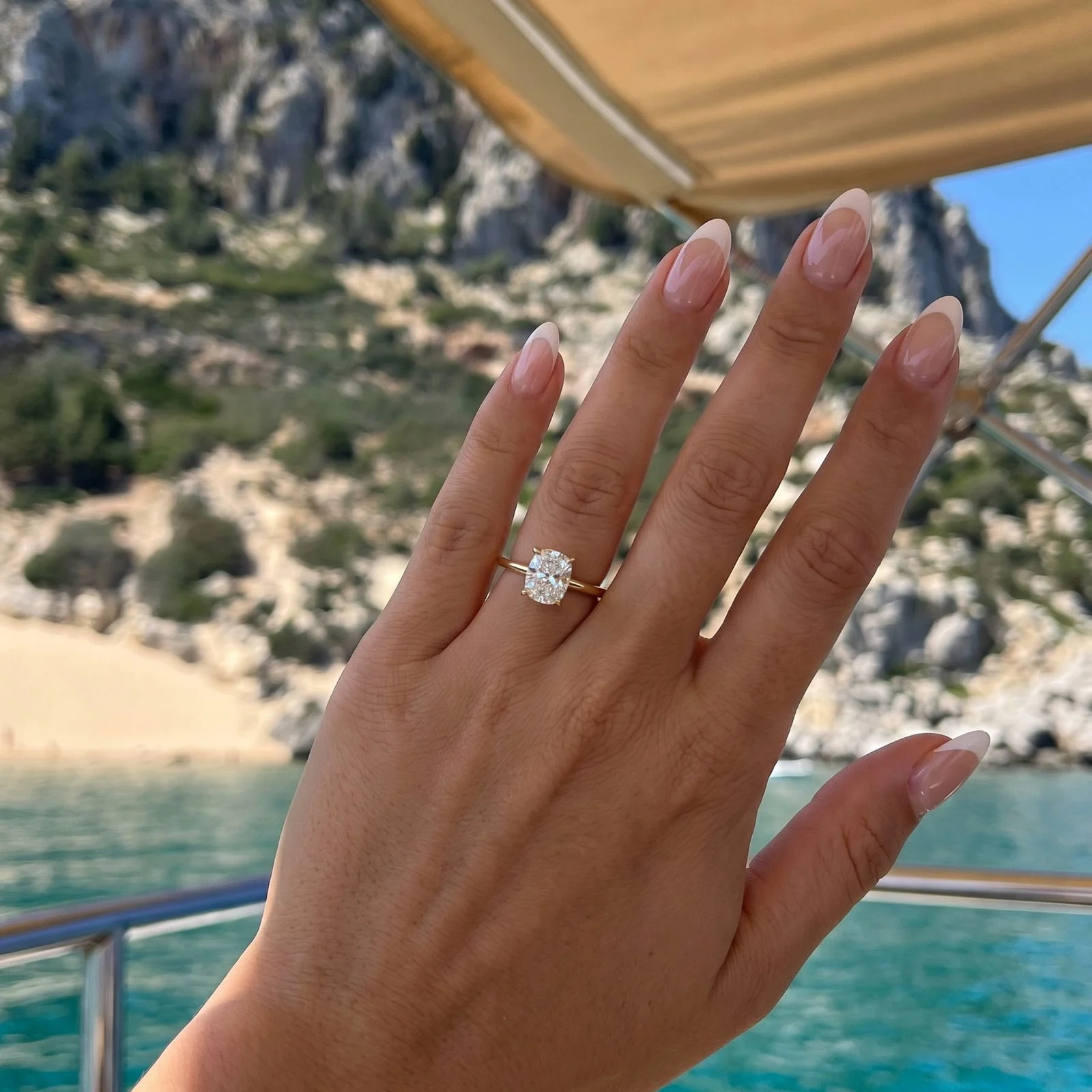
Elongated Cushion with Cathedral Profile
With the Élan, the elongated cushion stone sits elevated above a 1.8-millimetre-wide band. You can choose between 2 or 3 carats, as well as moissanite or lab-grown diamonds. You can find the latest configurations and prices directly on the product page.
Frequently Asked Questions About the Elongated Cushion Cut Engagement Ring
What is the difference between a cushion cut and an elongated cushion cut?
A classic cushion is usually roughly square. An elongated cushion retains the rounded corners but has a longer axis, giving it a more rectangular and elongated appearance.
What is a good aspect ratio for an elongated cushion?
Many well-proportioned cushion-cut stones measure approximately between 1.30 and 1.50. However, there is no set standard. The key factors are the cut, the desired width, the symmetry, and the brilliance of the individual stone.
Does an elongated cushion have a bow-tie effect?
It may show greater contrast across the centre. A slight alternation between light and dark is normal. A wide dark band that remains visible with almost every movement is a cause for concern.
What does "crushed ice" mean in the context of a cushion cut?
"Crushed Ice" describes a faceted appearance with many small, sparkling reflections. It is commonly found in Modified Brilliant Cushion cuts. It’s easier to judge whether you like this look in the video than on the certificate.
Which setting is best for an elongated cushion-cut diamond?
Well-placed prongs protect the four corners without covering up too much of the stone. A fine frame setting encloses the edge more tightly. Clean workmanship, minimal hooking, and a balanced side profile are crucial.
Does an elongated cushion ring look bigger on the finger?
A long, elongated profile can create a more striking visual presence than a more compact shape of similar weight. How large the stone actually appears depends on its dimensions in millimetres, the depth of the cut, the ring size, and the setting.
Are you torn between two sizes, designs, or styles? We'll show you the differences using real-life images and design the ring to fit your hand perfectly.