The Anatomy of an Engagement Ring
From the centre stone to the setting to the Hidden Halo: Understand every detail before you make your decision.
In a nutshell
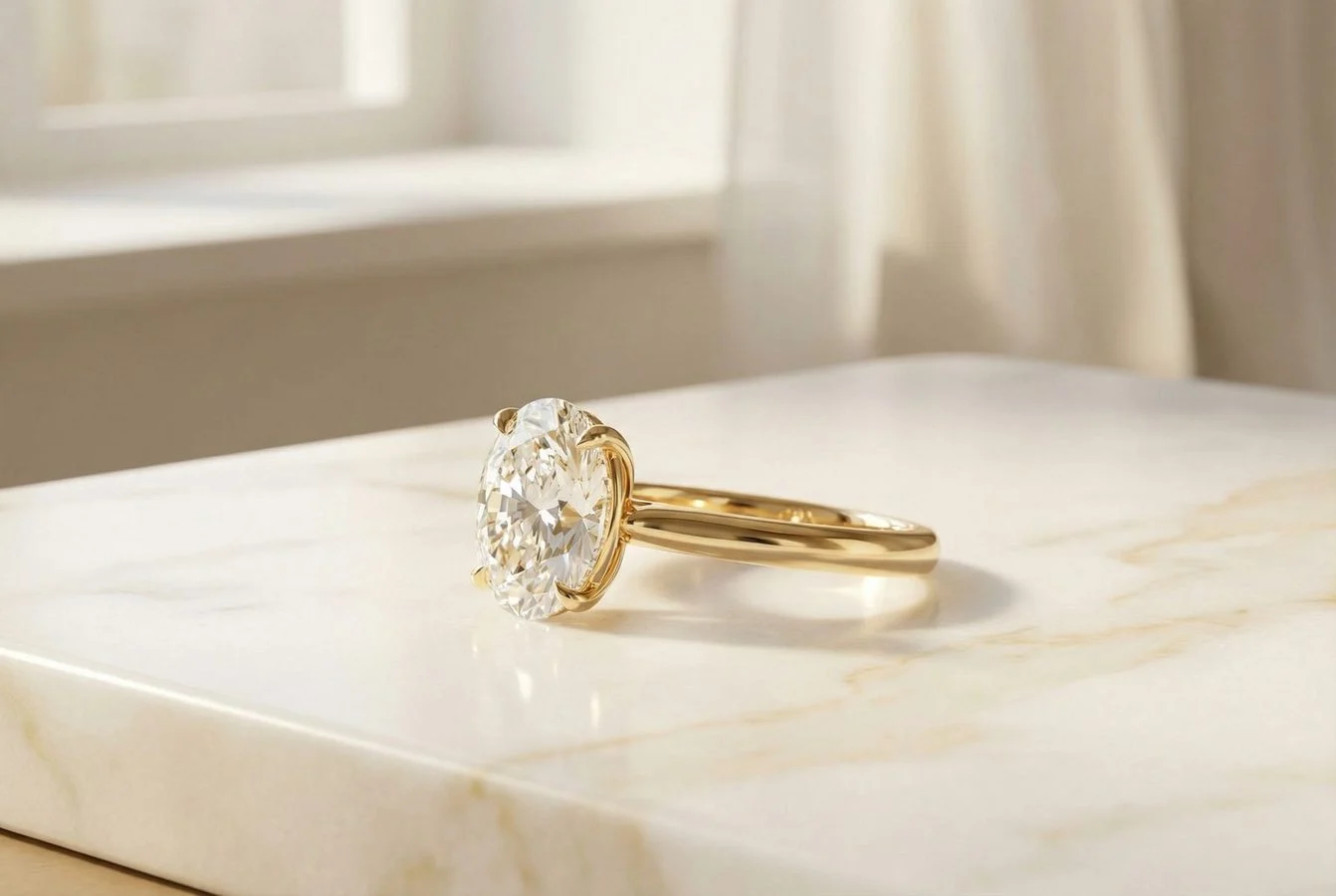
An engagement ring consists of six main elements: the center stone (cut and type of stone), the setting (prong, bezel, cathedral, or channel), optional details such as a hidden halo, the band (width and profile), and the precious metal (yellow gold, white gold, rose gold, or platinum). Each element influences the ring’s appearance, comfort, and durability. The available combinations depend on the specific ring model.
The Cornerstone
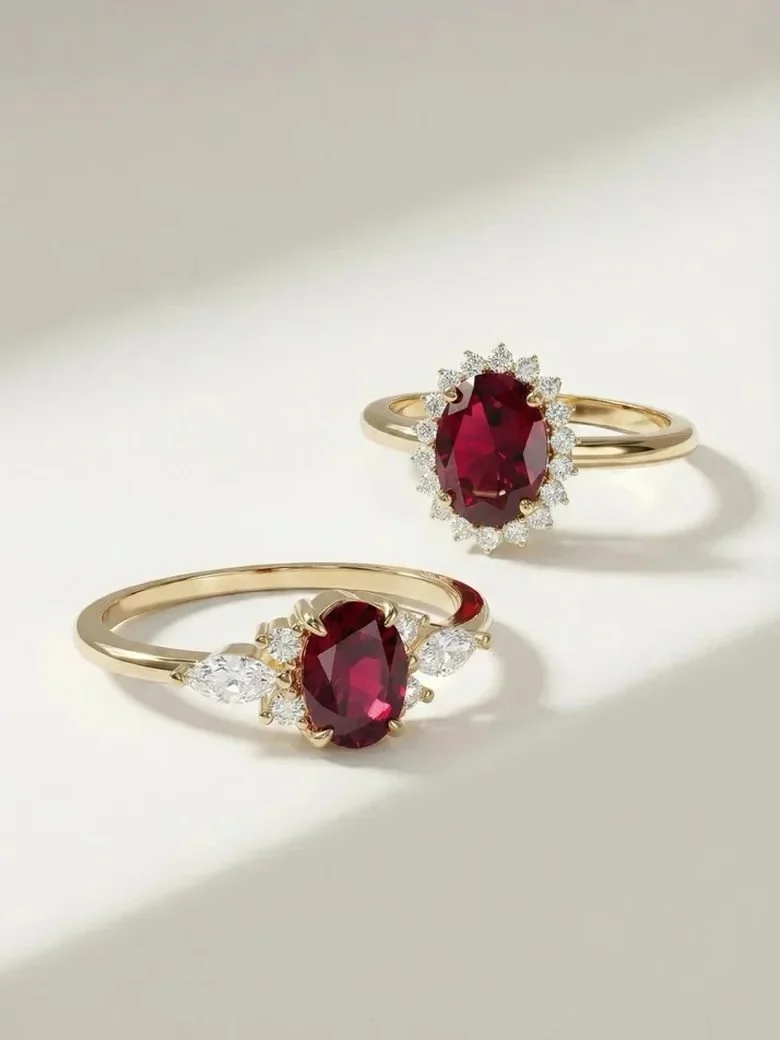
The centre stone is the centrepiece of every engagement ring. There are two decisions to make here: the cut and the type of stone.
Cut shape: Oval, round, or something else?
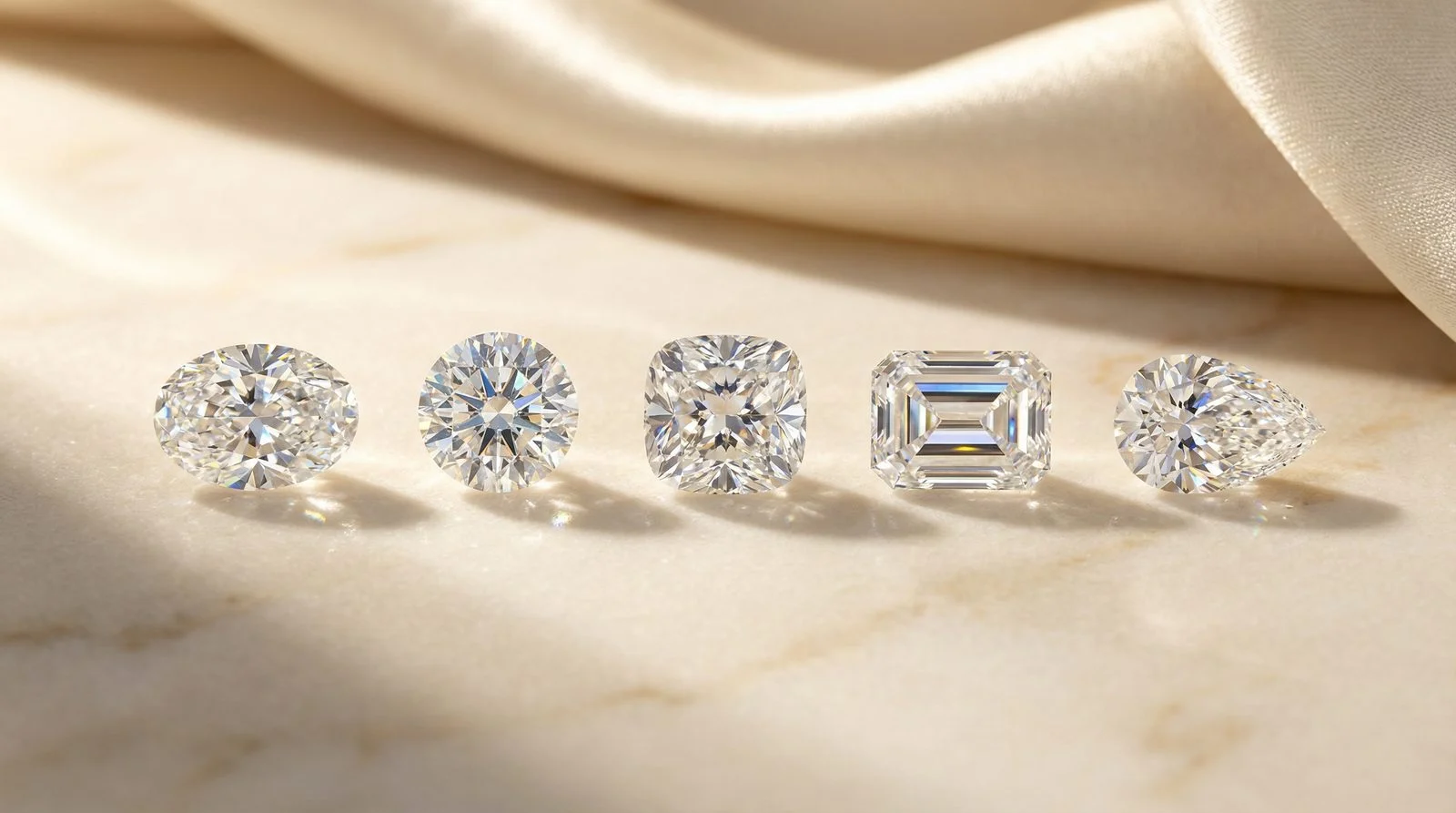
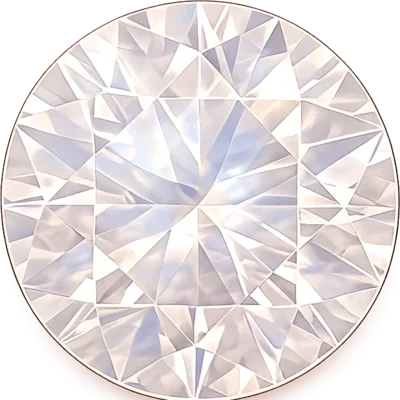
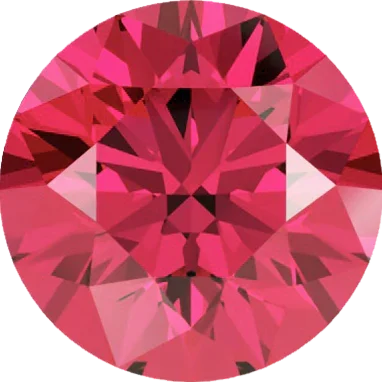
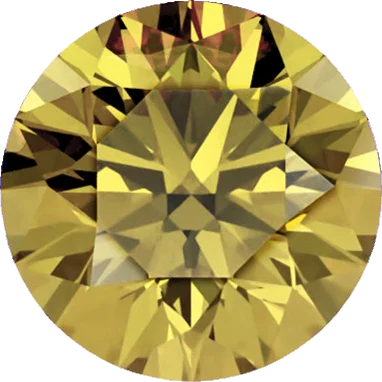
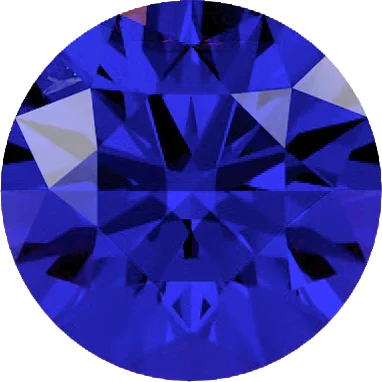
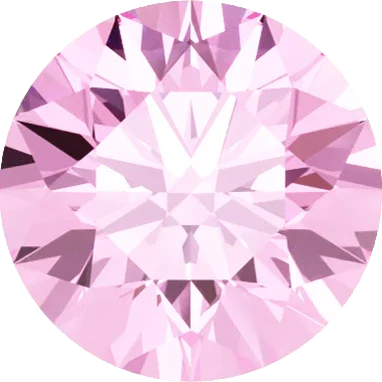
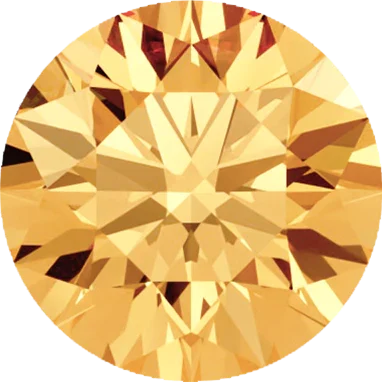
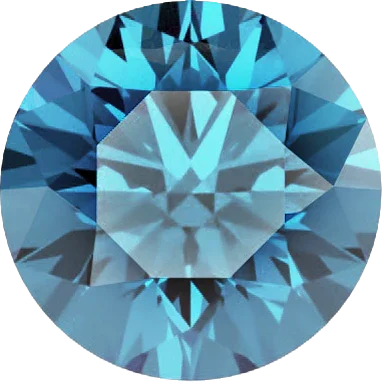
The cut determines the character of your ring. The oval cut has an elegant look thanks to its elongated shape and makes your finger appear longer. The round cut (brilliant cut) is the classic choice: maximum light refraction, timeless, and versatile. Other options include the cushion cut (soft, romantic), the emerald cut (geometric, Art Deco), and the marquise cut (dramatic, unique).
There's no "right" or "wrong." The cut should suit your style, not a trend. Our ring quiz will help you find the right cut in 60 seconds.
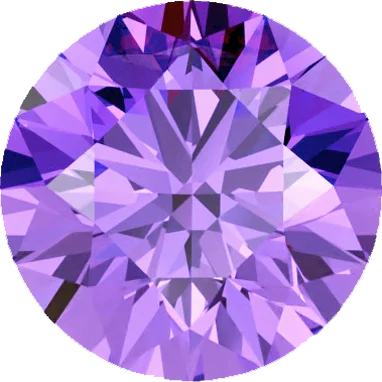
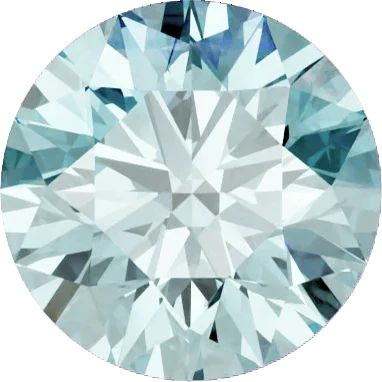
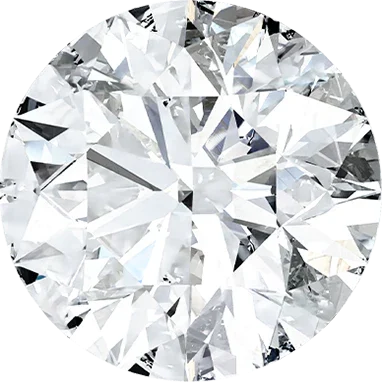
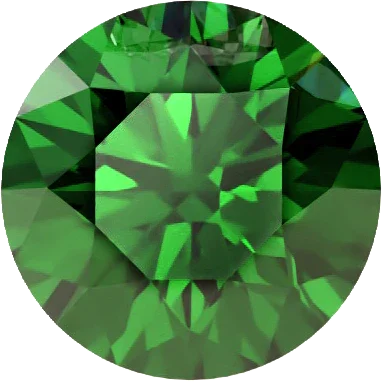
Type of Stone: Moissanite or Lab-Grown Diamond?
At Velur, you can choose between two types of stones—both certified, both conflict-free, and both set in real gold.
Velur Moissanite is a customer favorite. Colour D (absolutely colourless), clarity VVS1 (luge-clean), hardness 9.25 on the Mohs scale. Moissanite actually has greater brilliance than a diamond—it refracts light more intensely. What’s more, it costs about 40% less than a comparable lab-grown diamond. Each stone comes with a GRA certificate of authenticity.
Lab-grown diamonds are chemically, physically, and optically identical to mined diamonds—they’re just grown in a lab instead of in the ground. Hardness 10 (the hardest gemstone), IGI- or GIA-certified. For anyone who wants the classic brilliance of a diamond without making any ethical compromises.
Read more: Moissanite vs. Lab-Grown Diamond vs. Natural Diamond – The Complete Comparison
The Version
The setting holds the stone securely in the ring and plays a key role in determining how much light reaches the stone. The more light, the more brilliance.
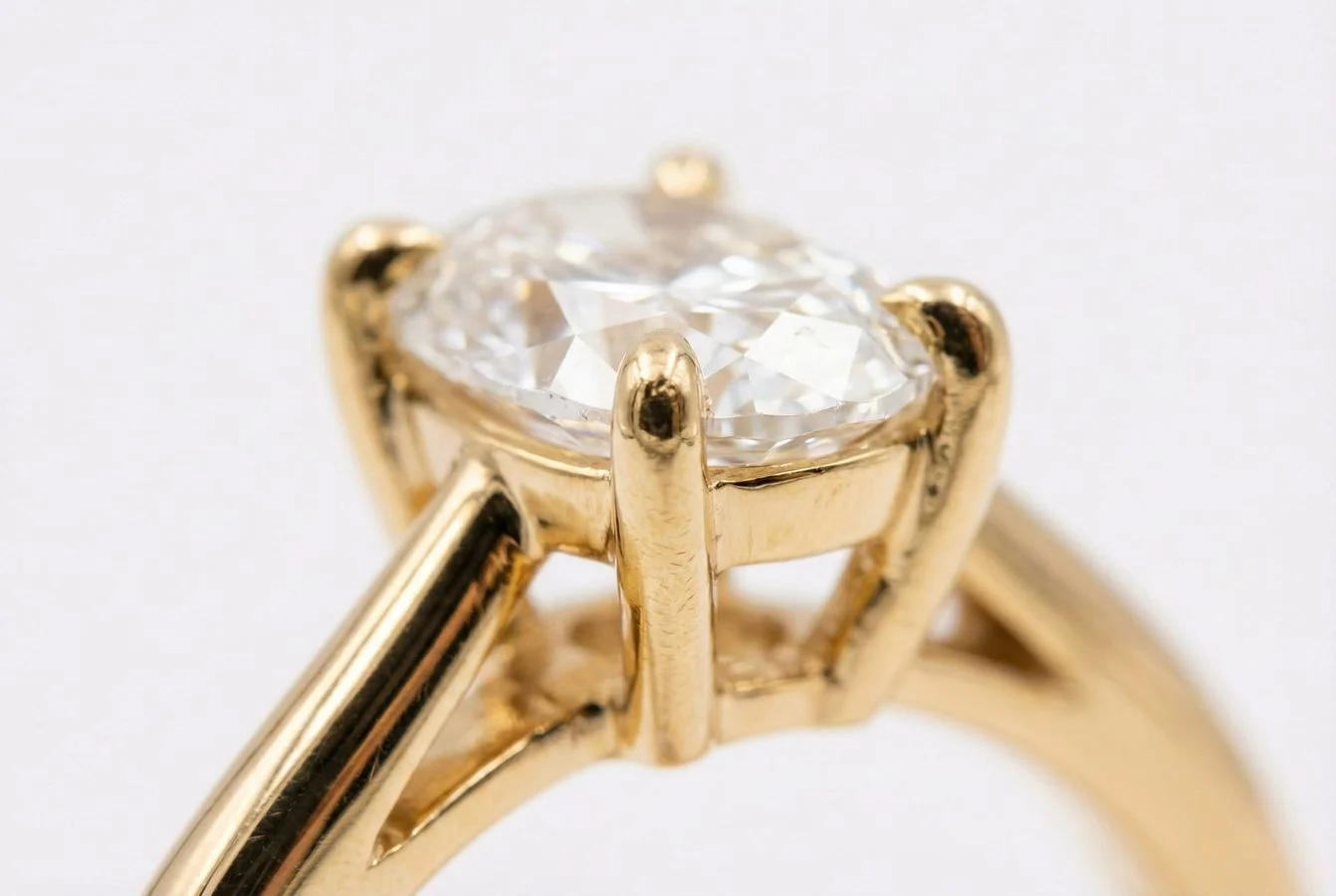
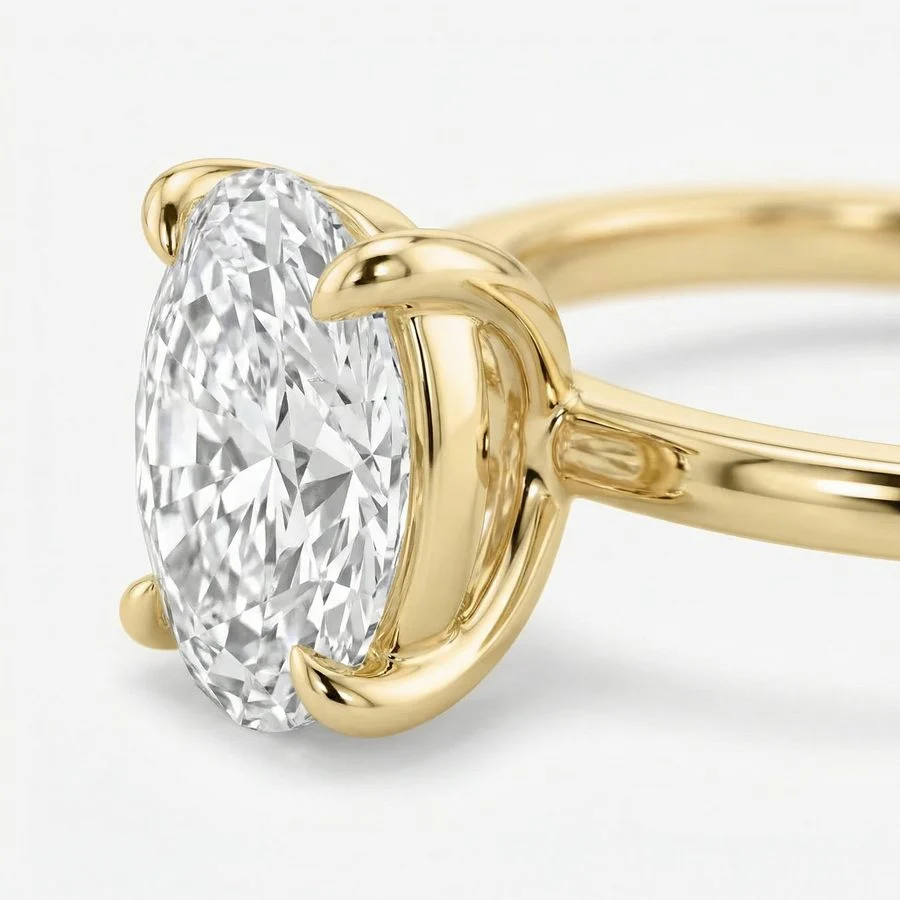
4-Prong Setting
Four individual metal prongs grip the stone at its corners. This classic setting reveals much of the stone. The advantage: maximum visibility of the stone. Light can enter from almost all sides, which enhances its brilliance. The 4-prong setting is ideal for oval stones in particular because it does not obscure their elegant shape.
6-Prong Setting
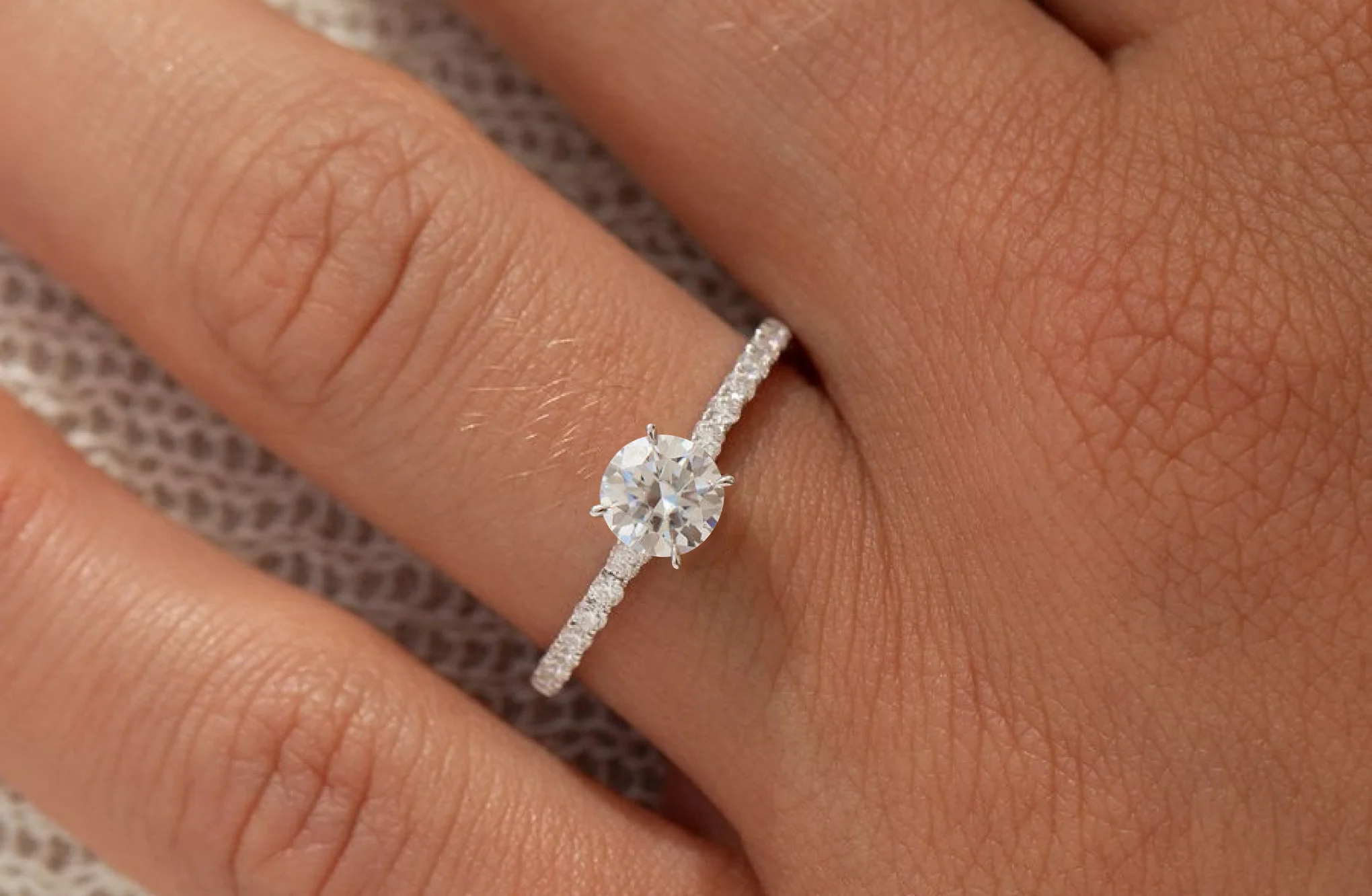
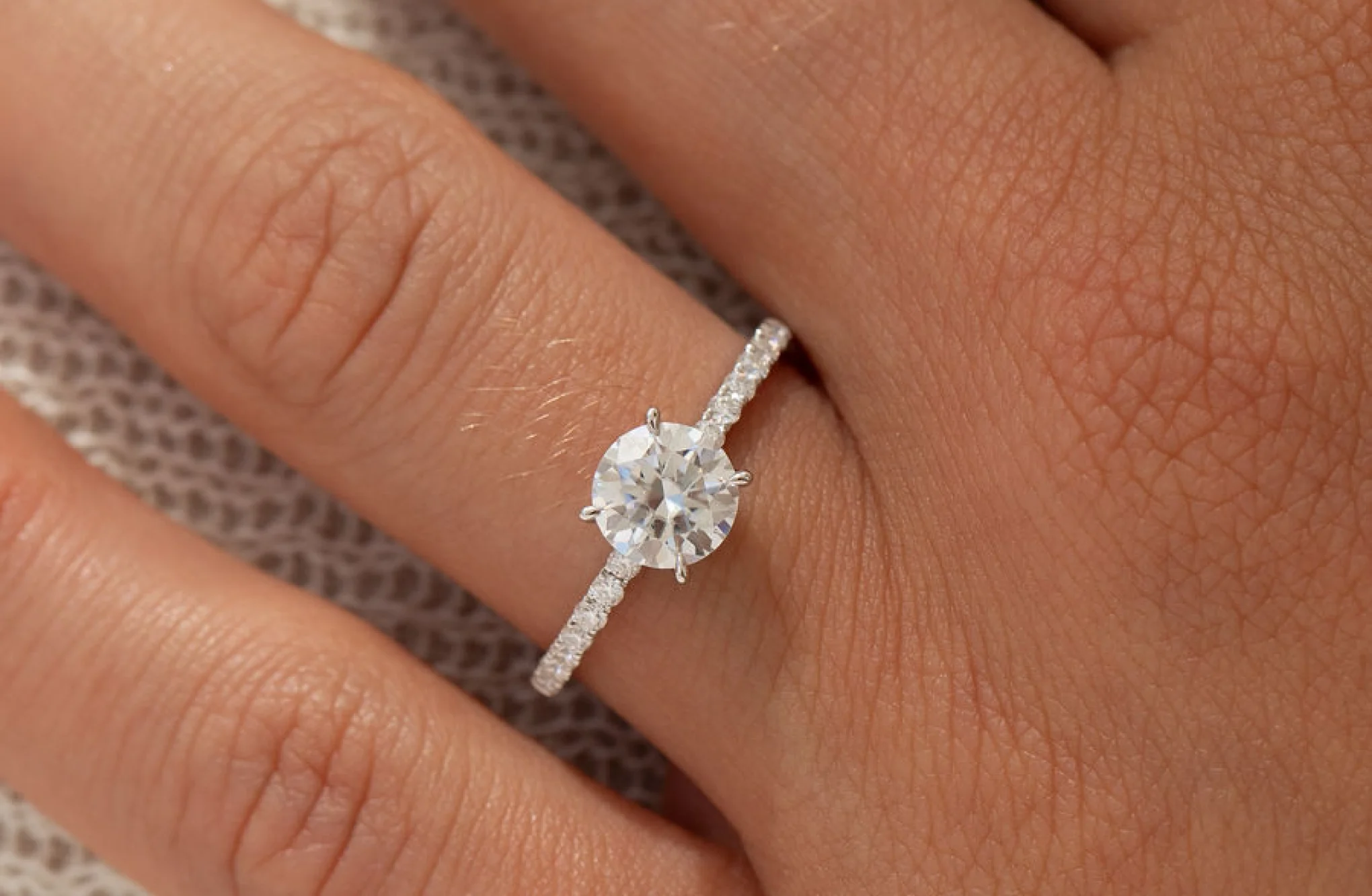
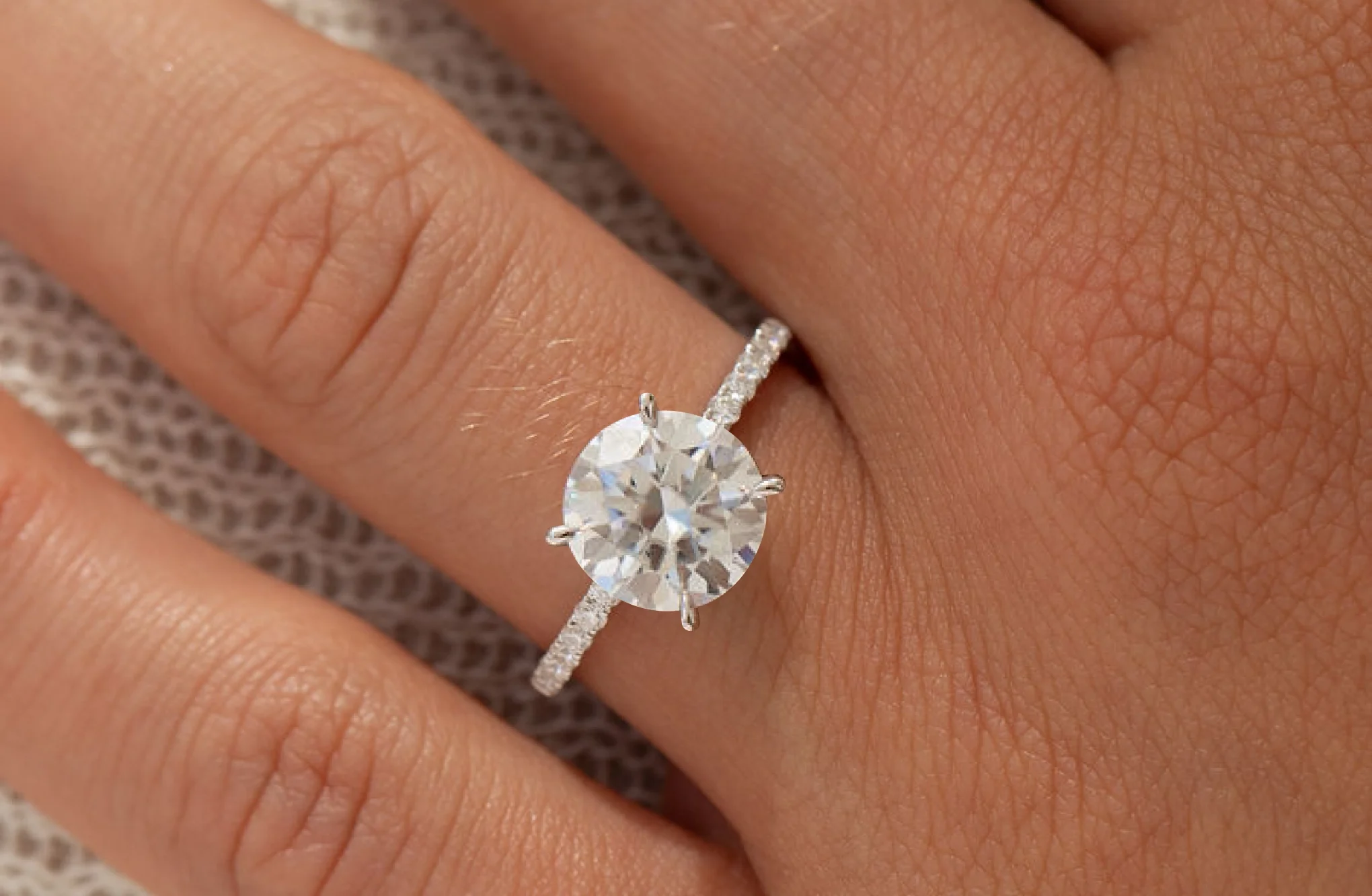
Six prongs instead of four. More stability, slightly less visibility of the stone. The 6-prong setting is especially popular for round stones because the six evenly spaced prongs make the stone appear rounder. If you lead an active lifestyle and want maximum security, this is the right choice for you.
Bezel setting (frame or bezel setting)
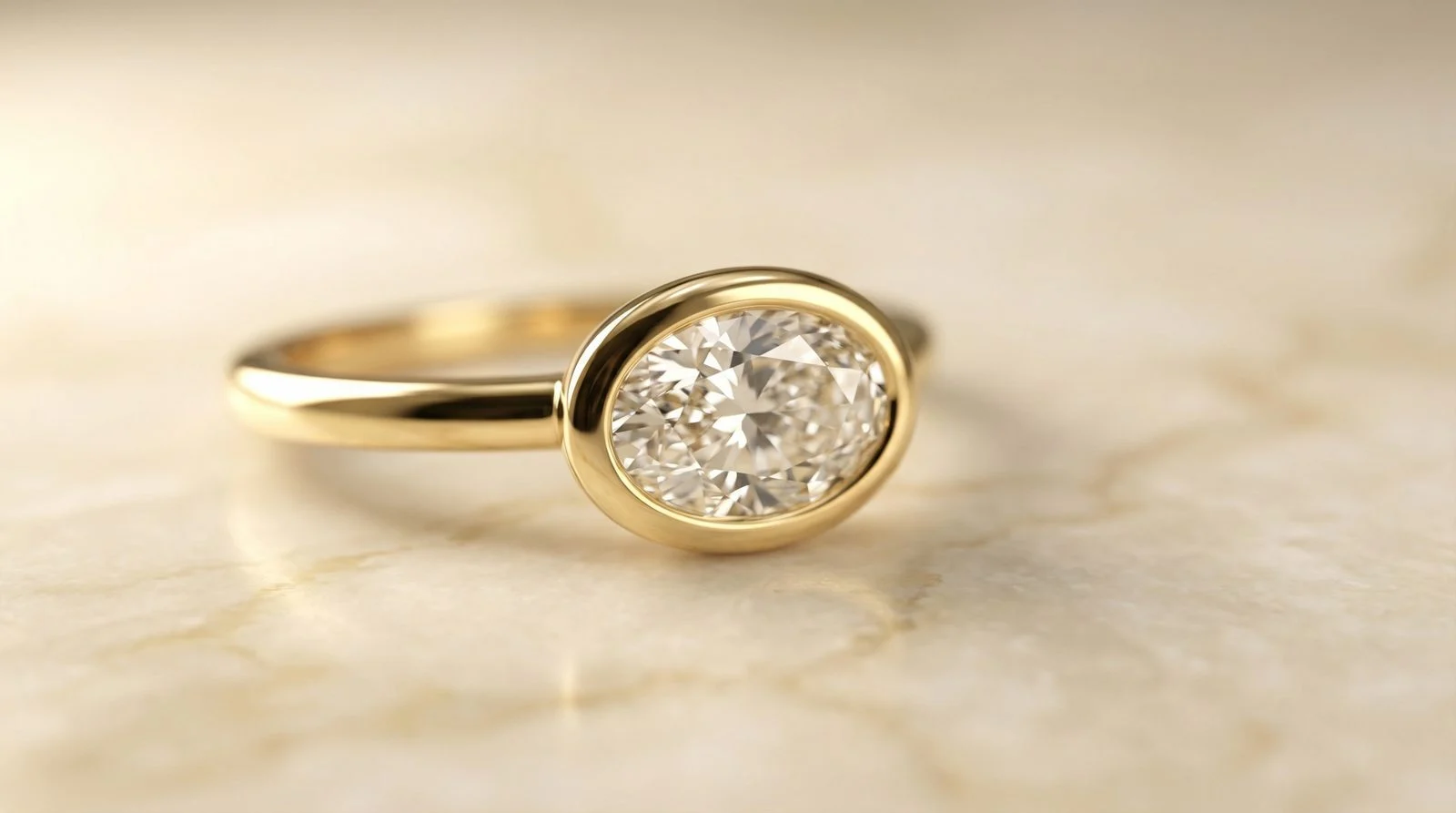
A continuous metal band completely encircles the stone. This is the most secure of all settings—the stone is virtually impossible to dislodge. The look is modern, clean, and minimalist. However, less light reaches the stone, which slightly reduces its brilliance. Perfect for anyone who wants a sturdy ring suitable for everyday wear.
| Version | Security | Brilliance | Look |
|---|---|---|---|
| 4-Prong | Good | Maximum | Classic, elegant |
| 6-Prong | Very good | High | Round, symmetrical |
| Bezel | Maximum | On Sale | Modern, minimalist |
For oval stones, we recommend the 4-prong setting—it best showcases the stone’s beautiful elongated shape. Not sure? Message us on WhatsApp —we’ll give you free advice.
Cathedral Setting
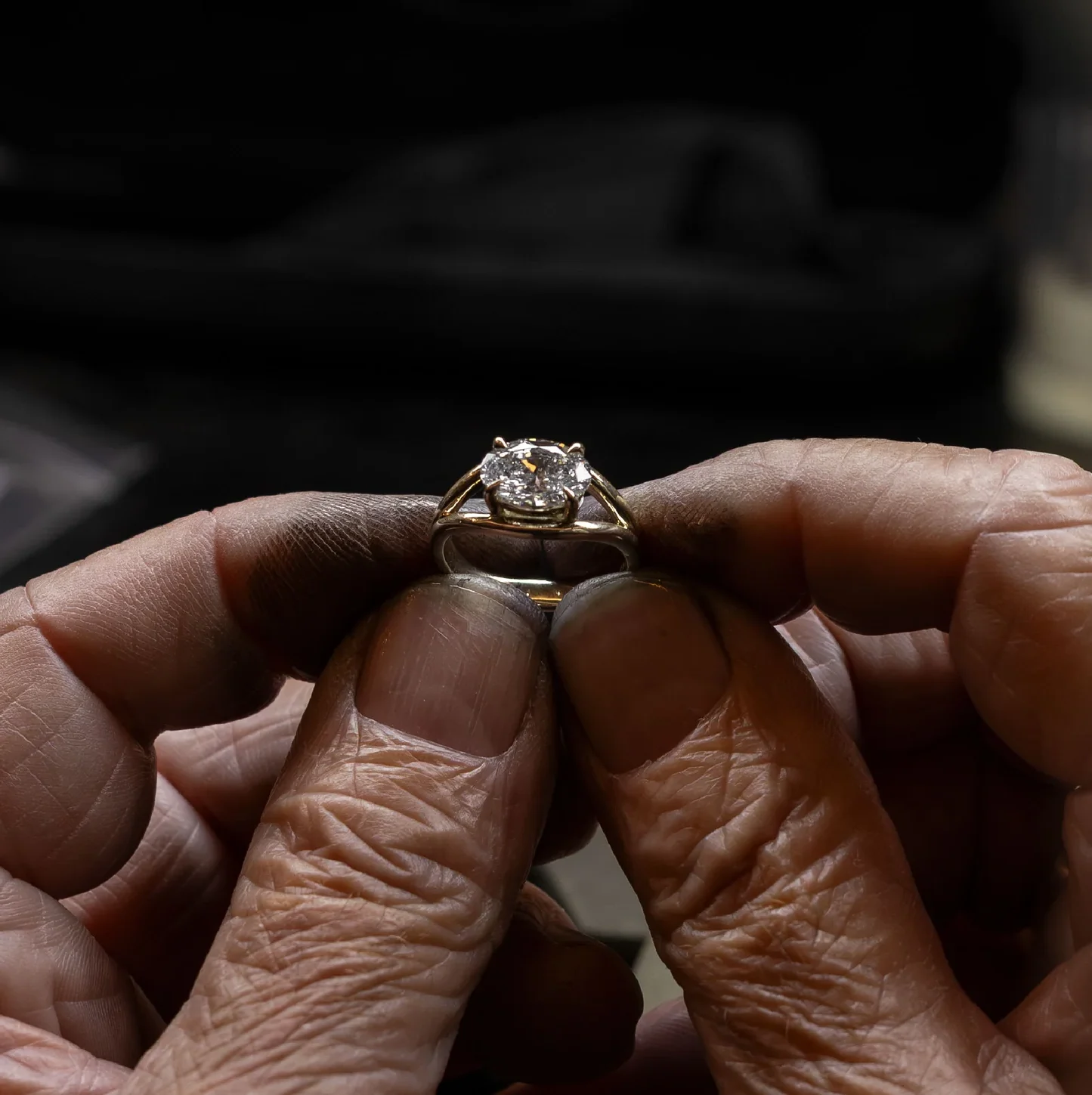
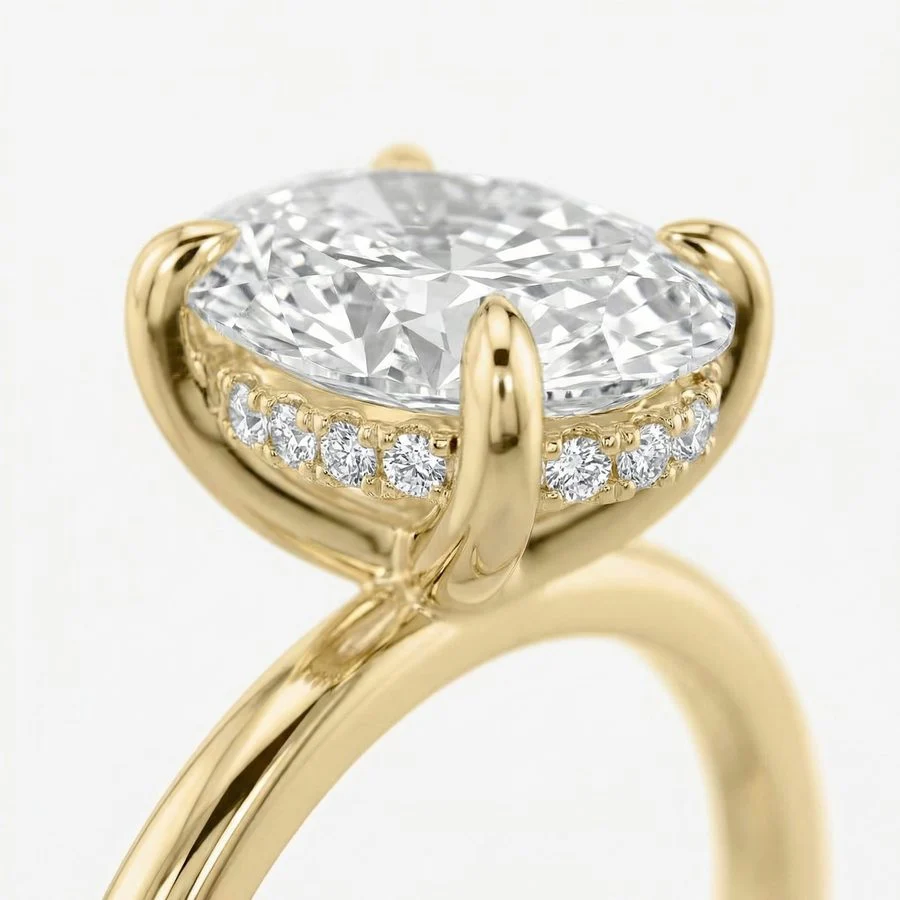
The cathedral setting is a special type of setting in which the ring band splits into two curved arches leading toward the stone—similar to the buttresses of a Gothic cathedral. Hence the name.
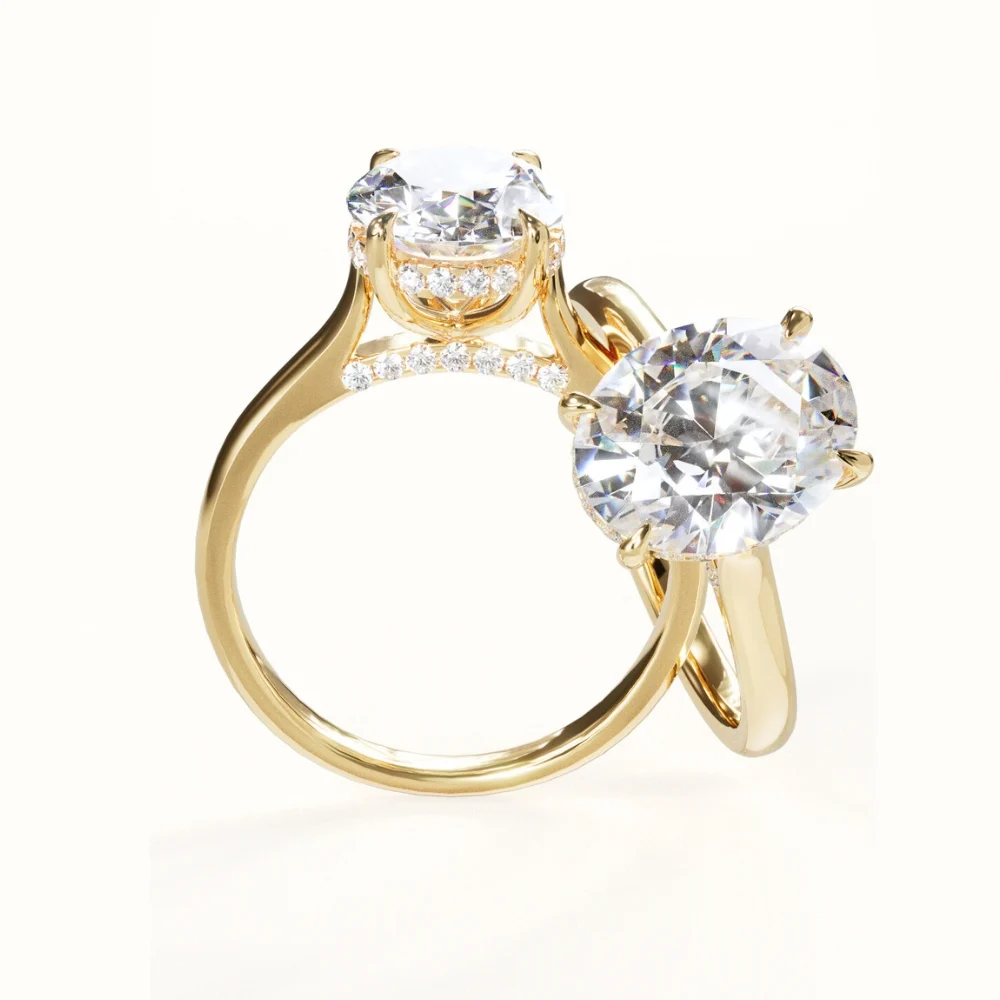
What makes the Cathedral version special?
The arches lift the centre stone higher than a standard prong setting. This has two advantages: First, more light reaches the stone from the sides, enhancing its brilliance. Second, it creates an elegant, architectural side profile that makes the ring particularly striking when viewed from the side.
The cathedral prongs provide the stone with even more stability than a simple bezel setting because the stone is supported from the sides. At the same time, the top remains open—preserving the solitaire look.
Who is the Cathedral edition intended for?
For anyone looking for a ring with character. The Cathedral setting is ideal if you’re searching for a solitaire ring that stands out from classic settings thanks to its side profile. At Velur, you’ll find the Cathedral setting in models such as the Élevée Cathedral Solitaire Oval (starting at €1,720), the Allure Cathedral Marquise, and the Rayonne Cathedral Radiant.
| Version | Stone Height | Side Profile | Stability |
|---|---|---|---|
| Standard Clips | Low to medium | Simple | Good |
| Cathedral | High (raised) | Architectural, elegant | Very good |
The Ring Binder
The band is the part of the ring that wraps around the finger. It sounds simple, but the width and profile make a noticeable difference—both in terms of appearance and comfort.
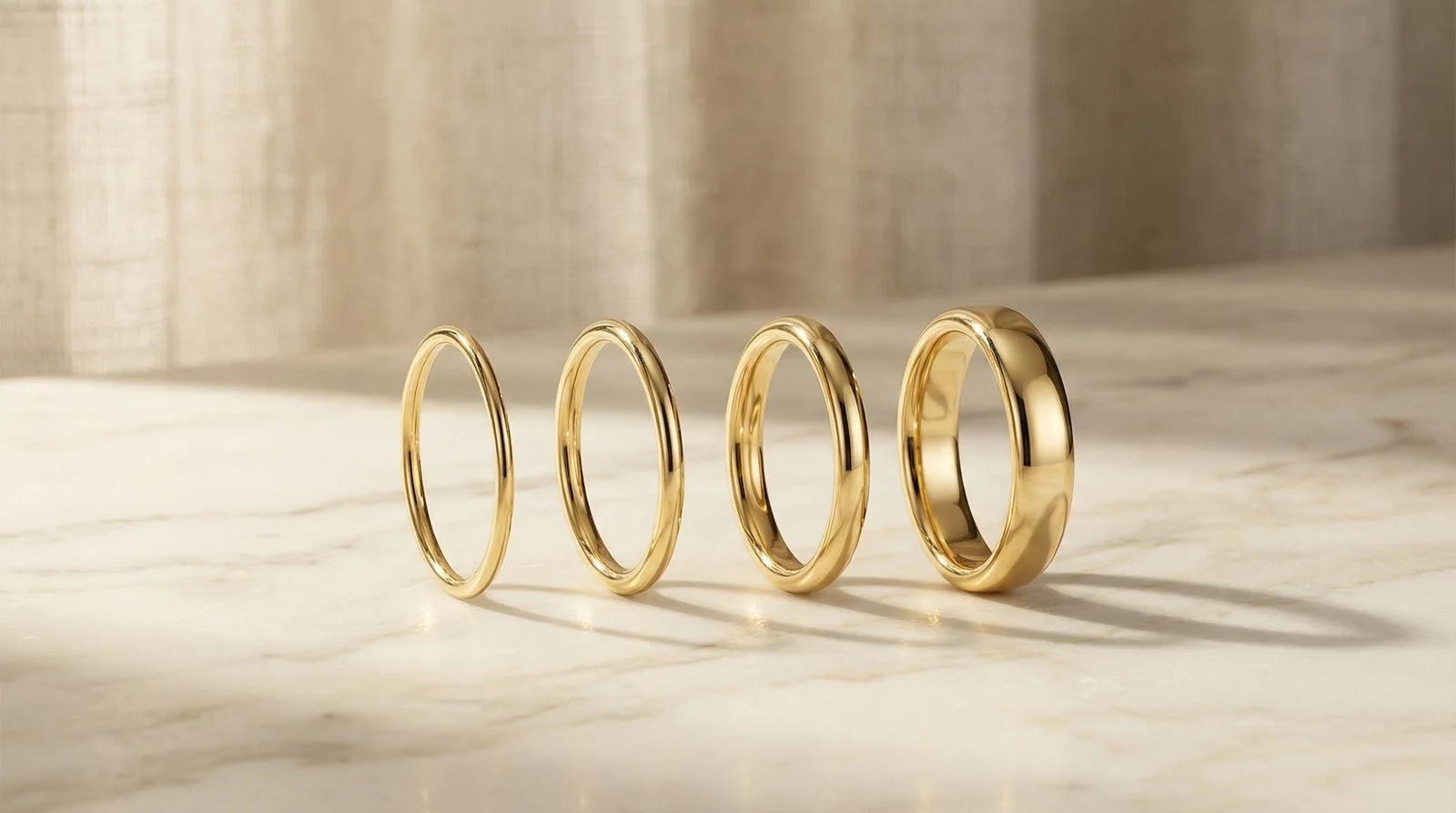
Band width
1.3 mm – Ultra-delicate and wafer-thin. The most delicate look, which really lets the stone take centre stage. Ideal for slender fingers and a particularly feminine style. Note: Thinner bands are more delicate and may be damaged under heavy use.
1.5 mm – Delicate and dainty, yet suitable for everyday wear. Makes the stone appear larger and is especially popular for oval solitaires. A delicate choice that’s perfect for everyday wear.
1.8 mm – The perfect balance. Sturdy enough for everyday use, slim enough for elegance. Perfect if you're looking for a balance between delicate and sturdy.
2.1 mm – More prominent and substantial. Gives the ring more body and is especially well-suited for pavé bands or if you prefer a statement look. Also ideal for wider fingers.
Band Profile
The profile describes the cross-sectional shape of the band. A D-profile (Comfort Fit) is curved on the outside and rounded on the inside—it glides easily over the knuckle and stays comfortable all day long. A flat profile is modern and geometric, but fits a bit more snugly. At Velur, we use the Comfort Fit profile as standard because, after all, the ring is worn every day.
The Metal
The precious metal determines the color, durability, and character of your ring. Depending on the model, Velur engagement rings are available in solid 10k, 14k, or 18k gold, as well as in 950 platinum.
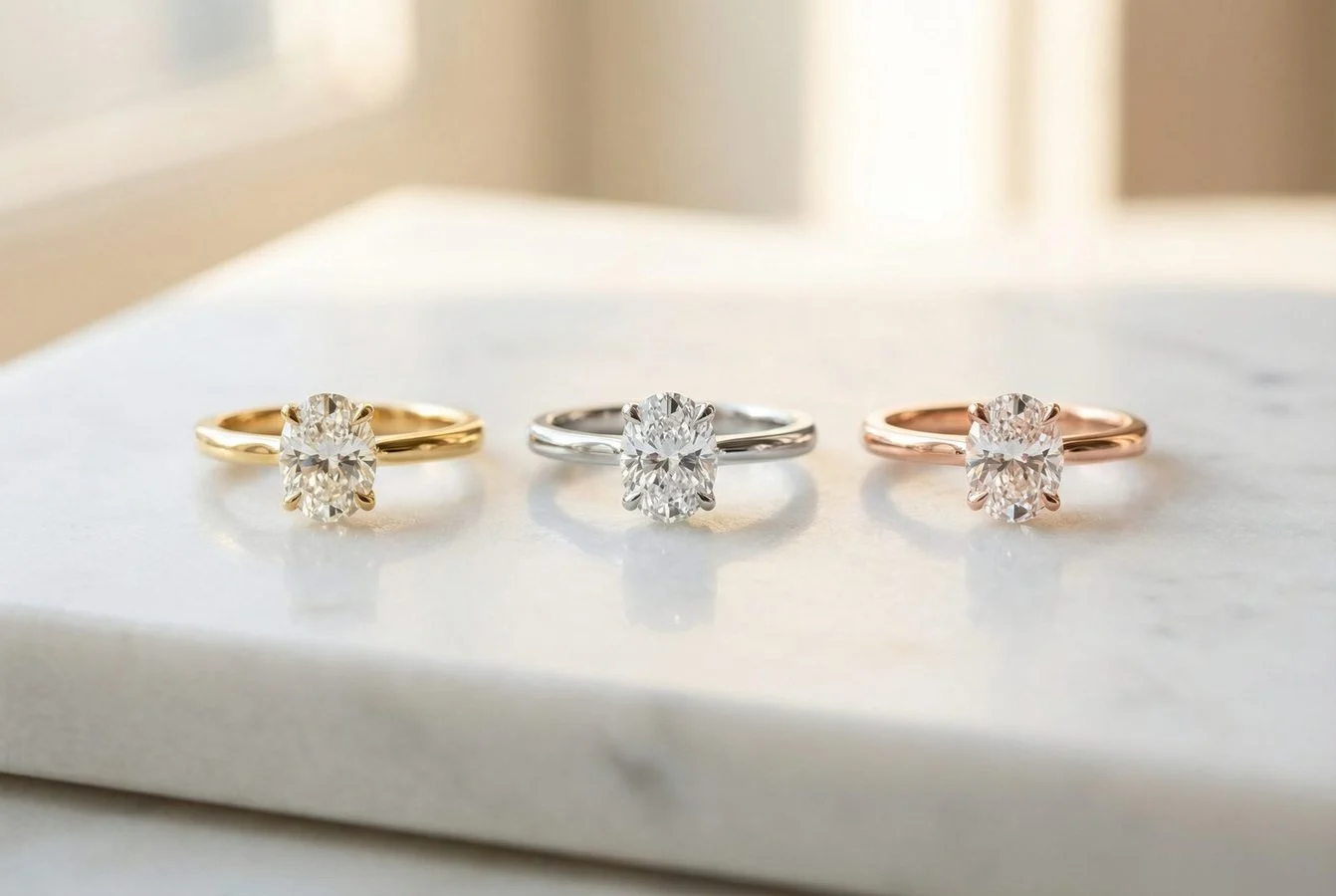
| Metal | Character | Skin tone | Care |
|---|---|---|---|
| Yellow gold | Warm, timeless, classic | Warm skin tones | Polish occasionally |
| White gold | Cool, modern, brilliant | Cool skin tones | Rhodium refinishing every 1–2 years |
| Rose Gold | Romantic, feminine, warm | All skin tones | Easy to care for, develops a patina easily |
| Platinum | Cool, airtight, corrosion-resistant | Cool skin tones | Very easy to care for; develops a patina |
"Choosing a metal is more personal than most people think. Take a look at the jewellery you wear every day—silver or gold? That's your best guide."
Velur Editorial Team
Read more: Platinum or White Gold – Differences, Price, and a Decision-Making Guide
Personalization
An engagement ring tells a story. Personalization makes it unique.
Engraving
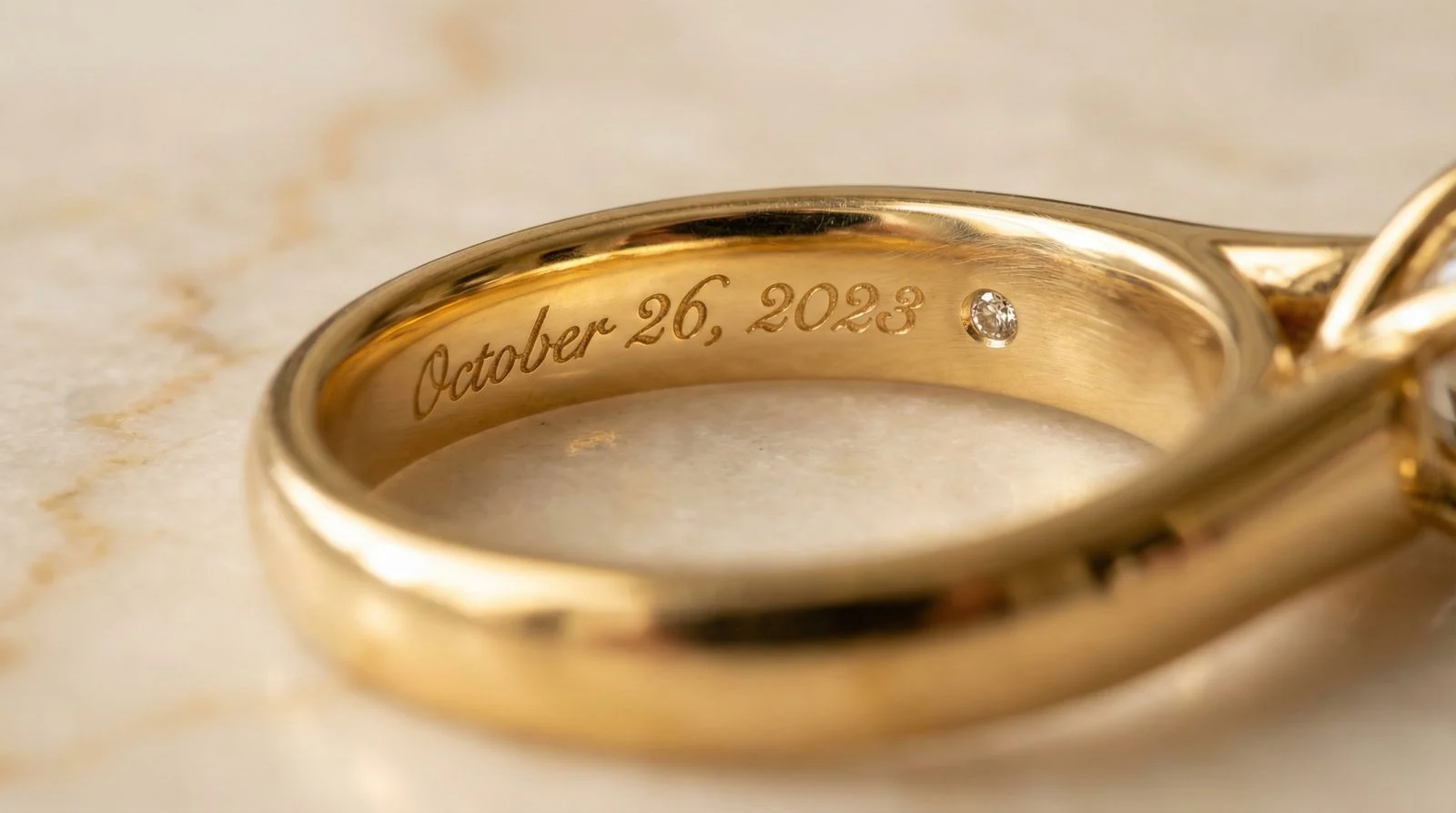
At Velur, interior engraving is included free of charge with every ring. A date, initials, a short phrase—anything is possible. The engraving is done with a laser and is permanent.
One idea for a personalized engraving is the date you first met—the moment it all began. Let our team advise you on WhatsApp.
Everything You Need to Know About Building Your Ring
An engagement ring consists of the centre stone (e.g., oval, round, or cushion), the setting (prong, bezel, or channel), optional details such as a hidden halo, the band, and the chosen precious metal (yellow gold, white gold, rose gold, or platinum).
A hidden halo is a circle of small diamonds set beneath the center stone. From the front, the clean solitaire look is preserved, while the ring sparkles even more when viewed from the side. In select Velur designs, a hidden halo is already incorporated or available as an option. Whether it can be added depends on the setting and ring style.
The bezel setting (also known as a bezel or bezel-style setting) is the most secure, since the stone is completely enclosed by metal. The four-prong setting offers a good balance between security and maximum light transmission.
Yellow gold has a warm appearance, white gold a cool one, rose gold a soft one, and platinum a particularly dense and durable one. The key factors are your personal style, the desired shade, and how you care for it in your daily life. The metals available depend on the ring style.
A 4-prong setting leaves more of the stone visible and maximizes its brilliance. A 6-prong setting offers greater security and makes round stones appear even rounder. For oval stones, we recommend a 4-prong setting; for round stones, both options are popular.
For engagement rings, band widths ranging from 1.3 mm to 2.1 mm are common. The appropriate width depends on the design, comfort, and desired effect.
In a cathedral setting, the ring band splits into two curved arches that support the stone from the sides—much like the buttresses of a cathedral. This raises the stone higher, allows more light to pass through, and creates an elegant side profile.
Related Articles
Your Ring. Your Design.
Design your engagement ring in under 3 minutes—or get personalised advice.