


Moissanite or Zirconia? A Comparison for Engagement Rings
Both sparkle, both are manufactured in a lab—and yet, in everyday life, moissanite and cubic zirconia are two very different stones.
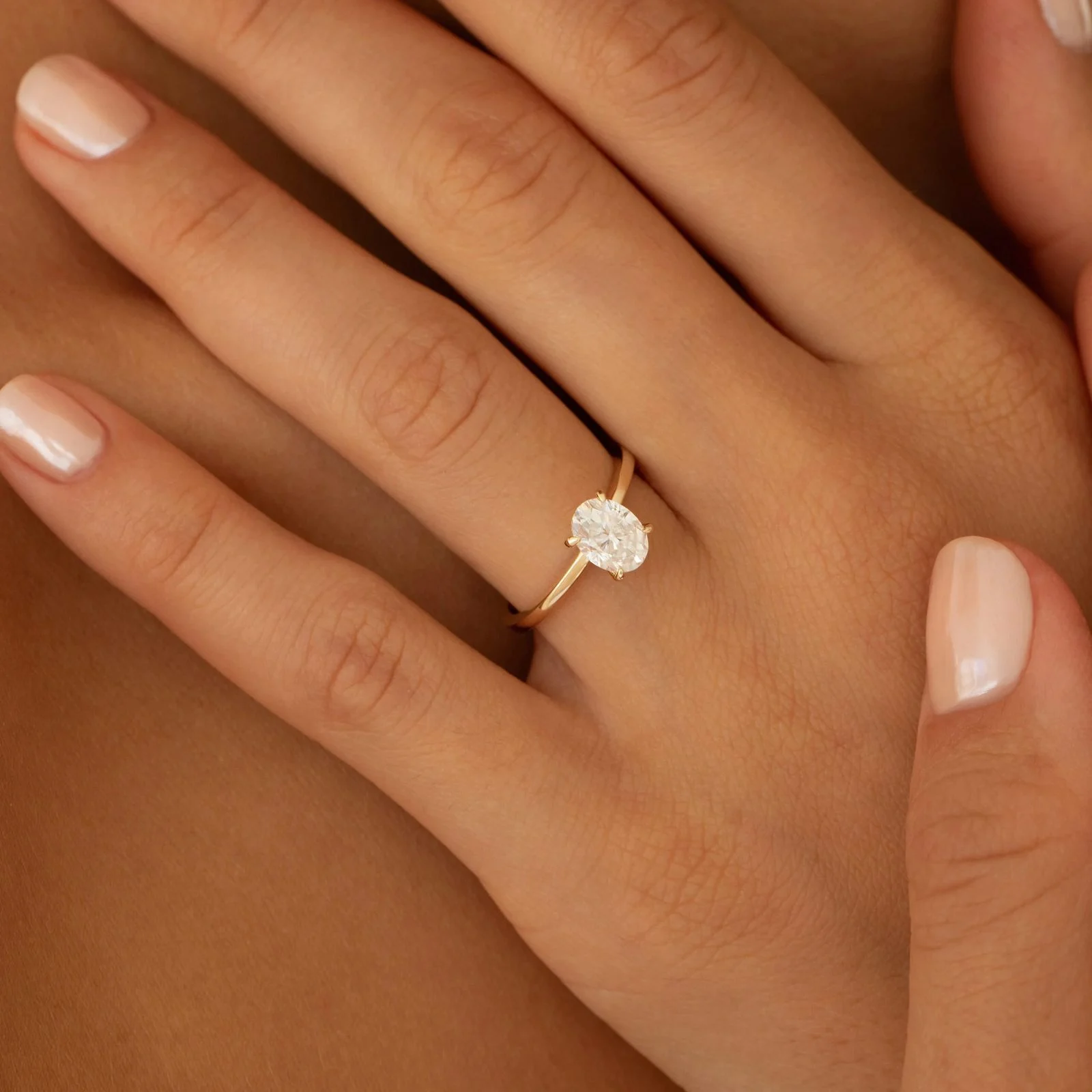
For an engagement ring intended to be worn every day, moissanite is usually the better choice: It is significantly more scratch-resistant, retains its brilliance longer, and is specifically cut to be a durable gemstone. Zirconia is much less expensive and can be a good option for costume jewellery, wedding bands, or a very tight budget, but it shows signs of wear more quickly with daily use.
At first glance, the question “Moissanite or cubic zirconia?” sounds like it’s purely a matter of price. But during our consultations, we quickly realise that most couples aren’t just looking for the cheaper white stone—they want a ring that fits their everyday life, their vision of sparkle, and their budget. That’s exactly why it’s worth making a clear distinction between the two materials.
The search results also highlight this gap. In Google Search Console, Velur is already receiving impressions for “moissanite or zirconia,” even though it doesn’t yet have its own guide addressing this comparison. So far, our main ranking is for our introductory article, “What Is Moissanite?” That article explains the stone, but it doesn’t address the specific decision to buy moissanite over zirconia.
What are moissanite and cubic zirconia?
Moissanite is crystalline silicon carbide. Natural moissanite is extremely rare; therefore, the stones used in jewellery are produced under controlled conditions in a laboratory. Zirconia—more specifically, cubic zirconia, or CZ for short—is the cubic crystal form of zirconium dioxide and is also a synthetic gemstone.
Both are diamond simulants. This means they may resemble diamonds in appearance, but are chemically and physically different materials. A lab-grown diamond, on the other hand, is a real diamond with the same crystal structure as a naturally formed diamond. If you’d like to compare these three categories, you’ll find a detailed breakdown in our guide , “Moissanite, Lab-Grown Diamonds, and Diamonds Compared.”
Zirconia is not zircon. Zircon is a naturally occurring mineral; zirconia is a synthetic gemstone. Reputable product descriptions should not confuse these terms.
Moissanite vs. Zirconia at a Glance
| Characteristic | Moissanite | Zirconia |
|---|---|---|
| Material | Silicon carbide | Cubic Zirconia |
| Hardness | 9.25 on the Mohs scale | about 8 to 8.5 on the Mohs scale |
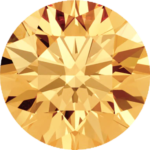
| Sparkle | Exceptionally strong brilliance, striking coloured fire | Bright sparkles, often broader flashes of white light |
| Everyday Life | Ideal for jewellery worn frequently | Better suited for occasional wear or a tight budget |
| Price | Higher than zirconia, usually well below diamond | Very inexpensive to manufacture |
| Long-exposure photo | Stays clear for a long time with proper care | Scratches and wear may cause it to look duller |
The Mohs scale is not linear. The difference between 8.5 and 9.25 may seem small, but it makes a noticeable difference in everyday jewellery use: Moissanite is more resistant to surface scratches. However, hardness does not mean indestructibility. Even a hard stone can chip if struck in the wrong way, and the setting also needs protection.
Which stone sparkles more beautifully?
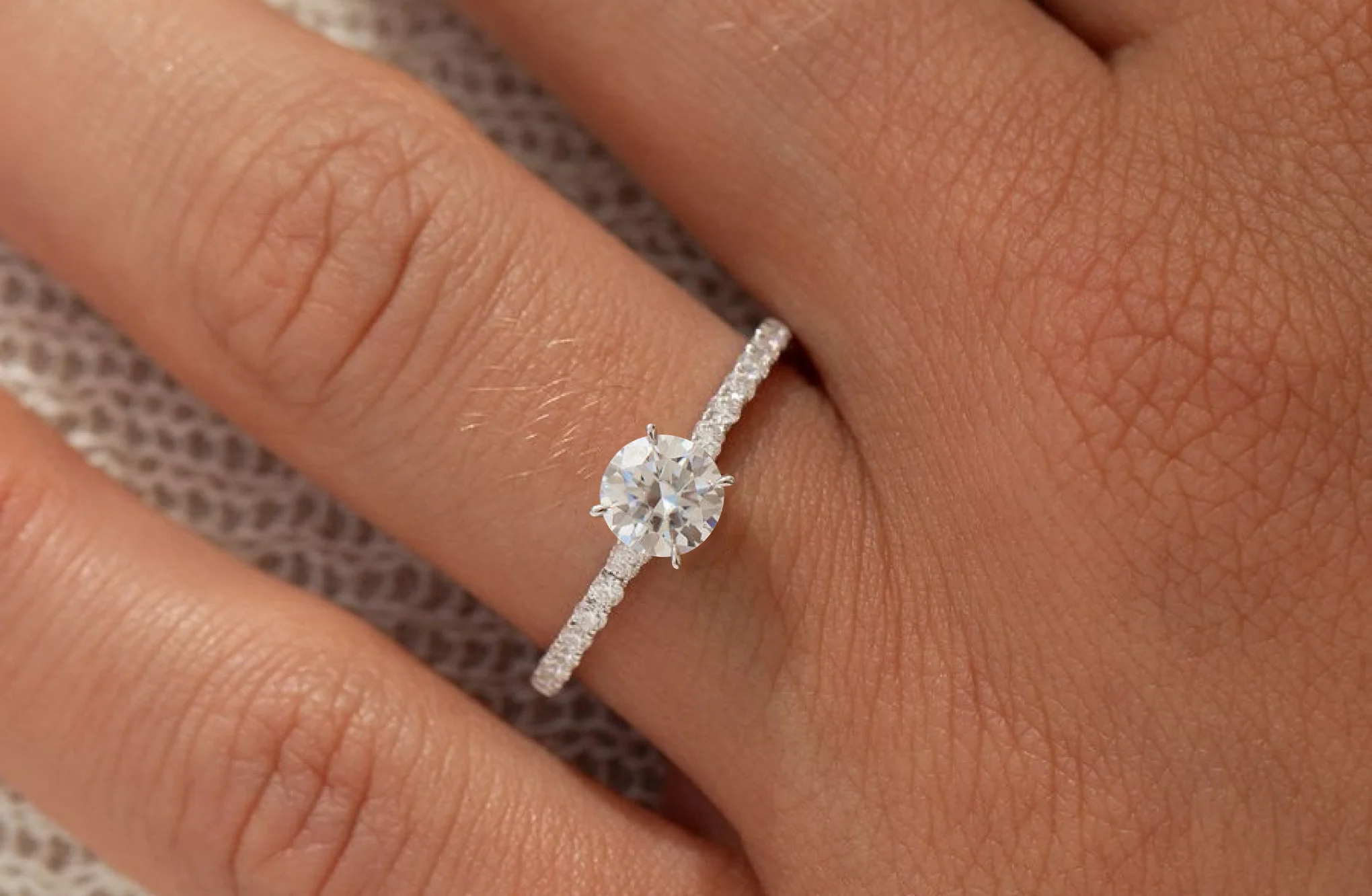
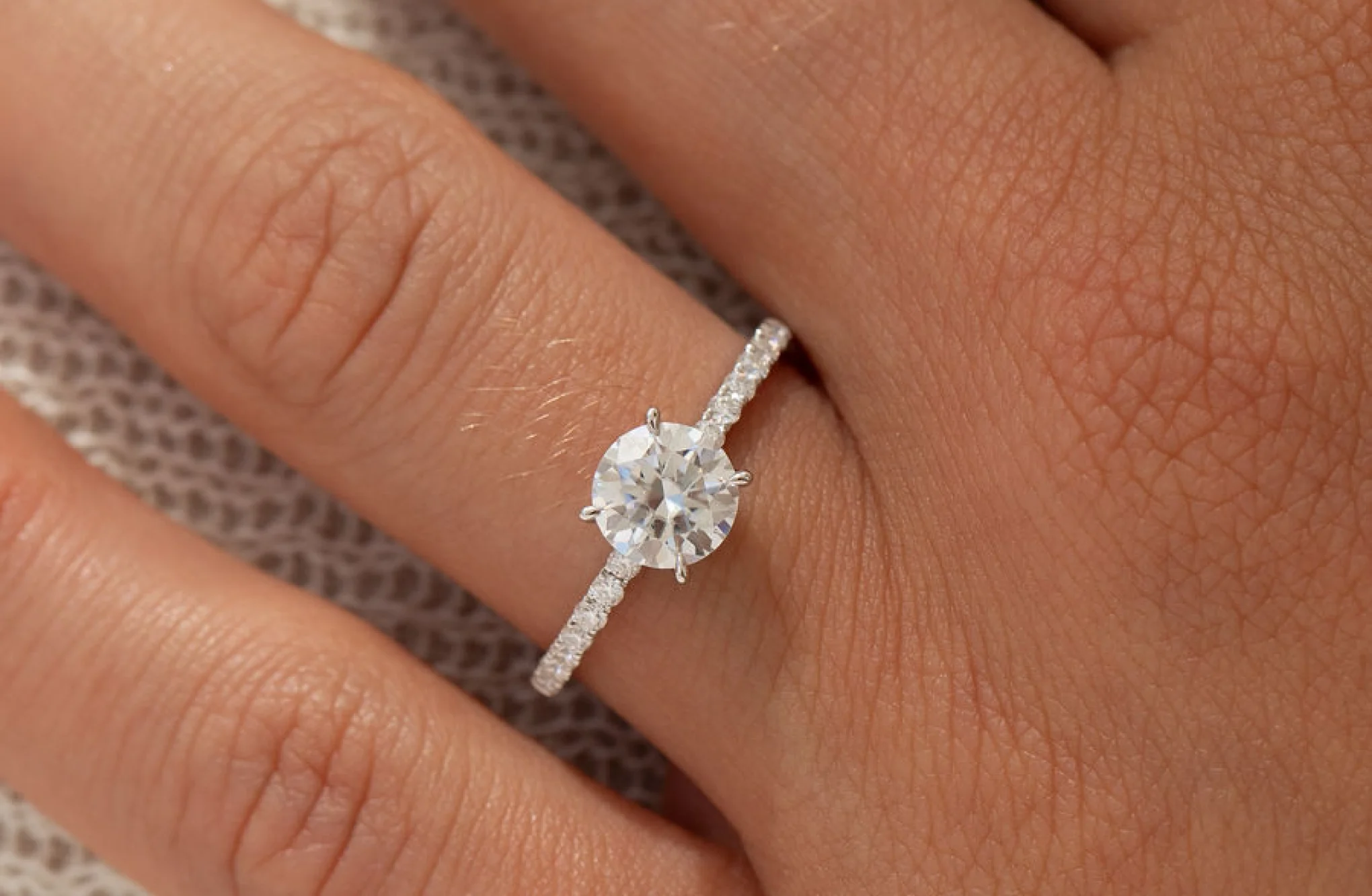
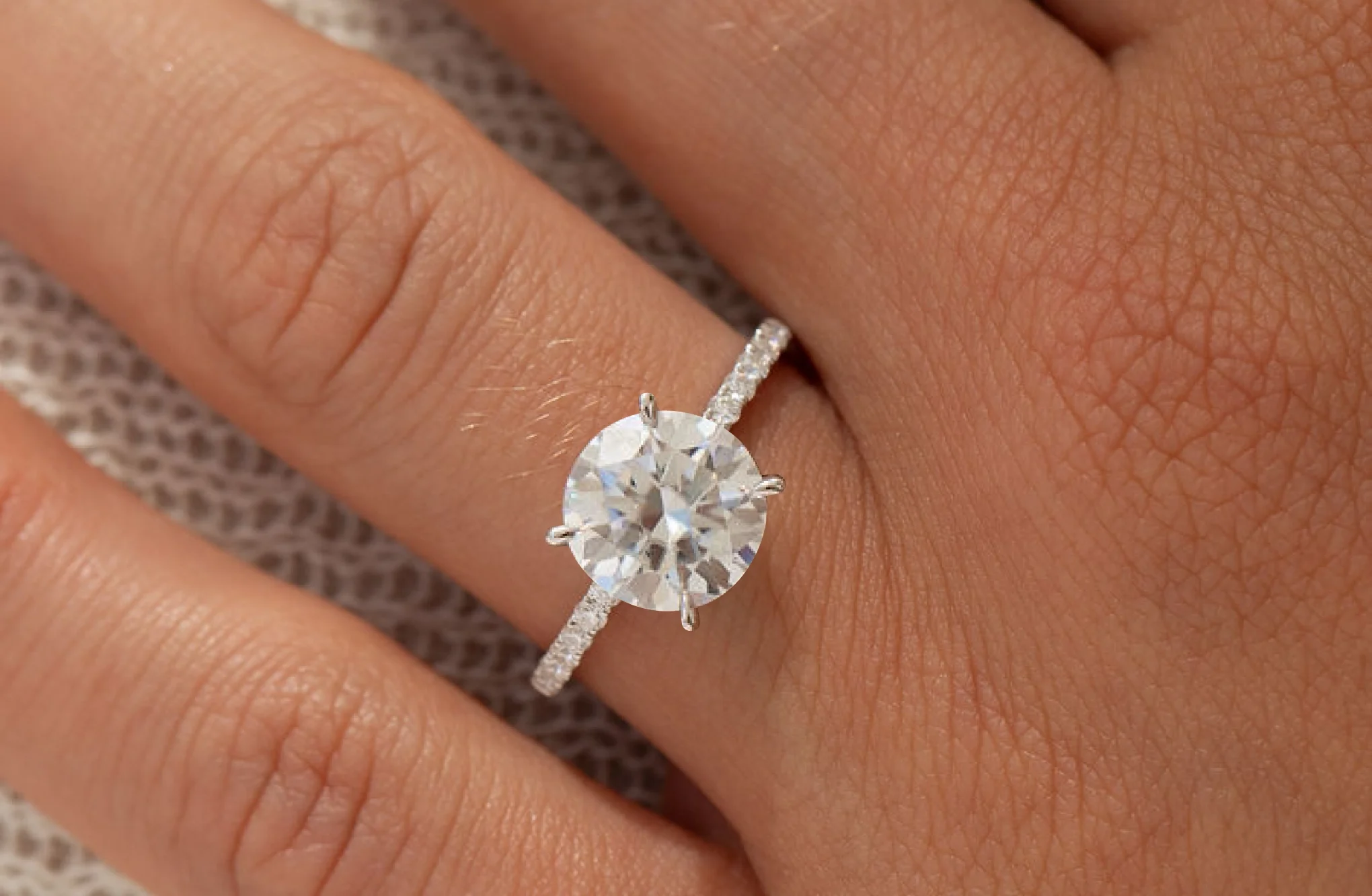
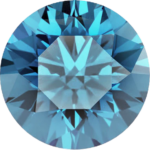
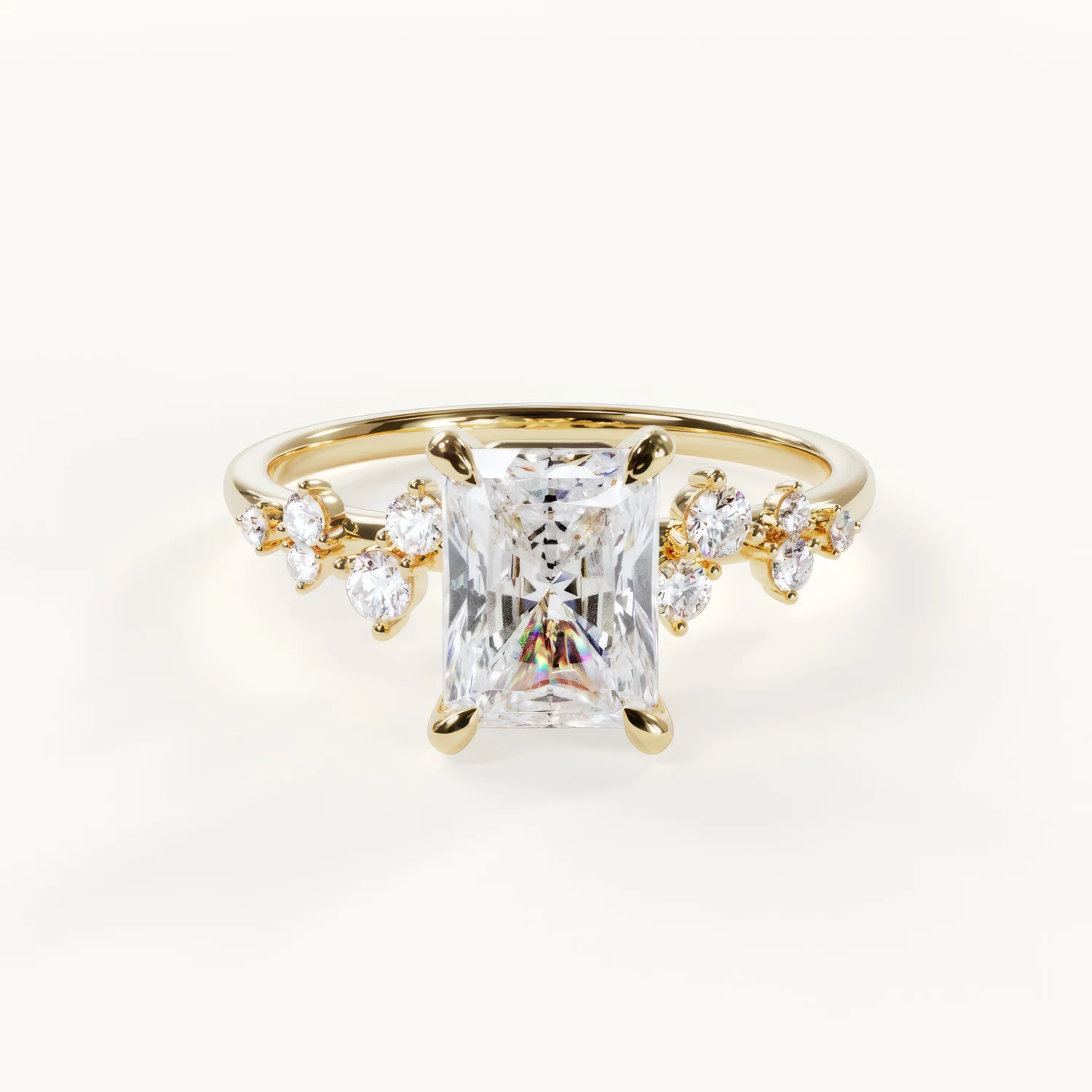
This is not an objective ranking, but rather a matter of personal taste. Moissanite has a very high refractive index and greater dispersion than diamond. As a result, clearly visible rainbow flashes appear when exposed to direct light. Some people love this vibrant fire, while others prefer the calmer, more white-looking sparkle of a diamond.
Zirconia can look very brilliant when new, especially if it has a good cut. Its light reflection often appears somewhat softer and less precise. Larger stones may appear more glassy. In addition, small scratches and wear scatter the light over time, making the surface appear duller. Thorough cleaning can remove grease films, but it cannot reverse actual surface wear.
More colourful fire
A vibrant sparkle that really stands out under spotlights and in the sun.
A softer impression
When new, it is very light in colour; with large stones, it is often slightly more glassy and softer.
View in daylight
Don't just make your decision under jewellery store lights; indirect daylight is more accurate.
With moissanite, birefringence also comes into play. Depending on the cut and viewing angle, the edges of the facets may appear slightly double. This is not a quality defect, but rather a property of the material. Good cut proportions control this effect so that the overall appearance remains calm and symmetrical.
Which stone lasts longer in everyday use?
When it comes to engagement rings, moissanite has a clear advantage. With a rating of 9.25 on the Mohs scale, it is one of the hardest gemstones known. As a result, keys, dust particles, countertops, and other pieces of jewellery are less likely to leave fine scratches on its surface. It is precisely these micro-scratches that are the most common reason why, with cubic zirconia, a ring no longer looks as clear after some time as it did on the first day.
Still, it’s not just the centre stone that matters. A tall setting can get caught on things, delicate prongs can shift when the ring is bumped, and a very thin band can become misshapen. That’s why, when it comes to a ring worn every day, we pay attention to the interplay between the stone, the cut, the metal, and the setting. If you do a lot of work with your hands, you’ll often feel more at ease with a protected bezel setting or a low prong setting.
Can zirconia become clear again?
If soap, lotion, or natural skin oils dull the shine, gentle cleaning can help. If the surface is scratched or worn down, the original shine cannot simply be polished back. With inexpensive jewellery, the stone is therefore usually replaced rather than recut.
The following applies to both stones: Remove your jewellery before exercising, cleaning, lifting heavy objects, or swimming in chlorinated water. A soft brush, lukewarm water, and mild soap are all you need for regular care. Harsh chemicals and toothpaste have no place on an engagement ring. You can find more information in our guide to ring cleaning and jewellery care.
Which is more expensive—moissanite or cubic zirconia?
Zirconia is almost always significantly less expensive. The material can be produced in large quantities, and a single stone often accounts for only a small portion of the total price of a gold ring. Moissanite requires more complex crystal growth, sorting, and cutting processes. That is why it costs more, but it is usually smaller in apparent size than a lab-grown or natural diamond.
The lowest starting price is only one factor in the purchasing decision. If a cubic zirconia ring is worn every day and the stone needs to be replaced later, this involves effort and additional repair costs. Moissanite isn’t “better” simply because it’s more expensive, but because its material properties are better suited for the long-term use of an engagement ring.
We would not recommend either moissanite or cubic zirconia as an investment. Their value lies in the design, the ring’s material, the quality of the craftsmanship, and their personal significance. Anyone looking for a genuine diamond with a verifiable grade should instead consider a certified lab-grown diamond or a natural diamond.
Moissanite or cubic zirconia for the engagement ring?
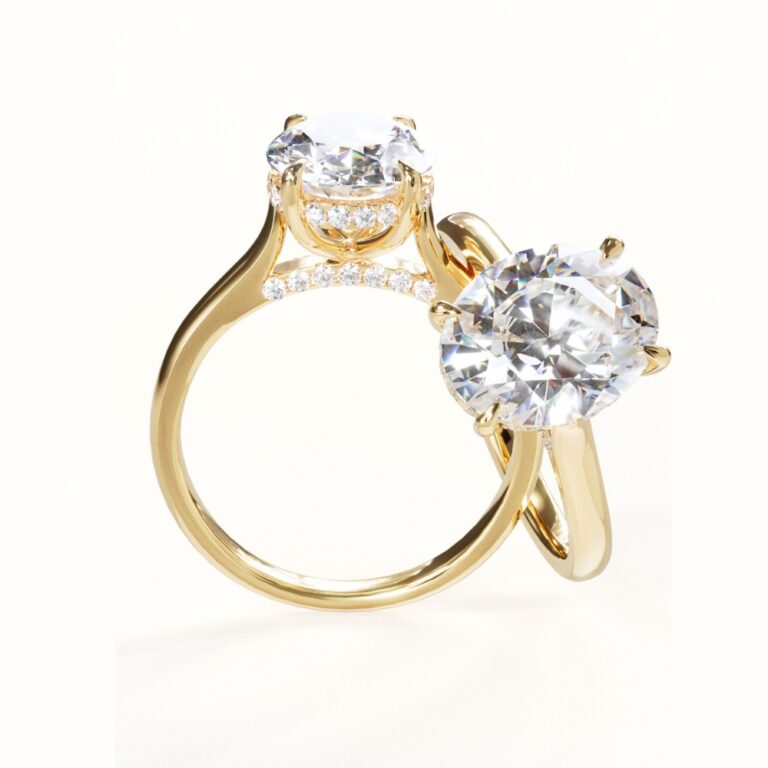
For an engagement ring meant to be worn every day, we would usually choose moissanite. It combines high scratch resistance with brilliant sparkle and allows for a striking centre stone without breaking the budget you’d need for a diamond of comparable size. It’s the perfect choice for you if you love a vibrant, rainbow-coloured fire.
Zirconia is a sensible choice if the ring is intended to be a piece of costume jewellery, a replacement ring for travel, or a very affordable temporary solution. However, it should be clear that its appearance may fade more quickly with daily wear and tear. This doesn’t automatically make it the wrong choice for an engagement—it simply means you’ll have different expectations regarding its lifespan and future maintenance.
If you're torn between moissanite and lab-grown diamonds, our guide, " How to Tell Moissanite from a Diamond," can help. And once you've decided on moissanite, you'll find settings, cuts, and gold colours to suit a variety of styles in our moissanite engagement ring collection.
Moissanite for an everyday engagement ring; cubic zirconia for a very tight budget, costume jewellery, or an occasional replacement ring.
Engagement Rings with Moissanite
These models are loaded directly from WooCommerce. This ensures that names, images, and prices remain up to date; moissanite is set as the default stone for all four designs.
From the Velur Collection
Engagement Rings with Moissanite


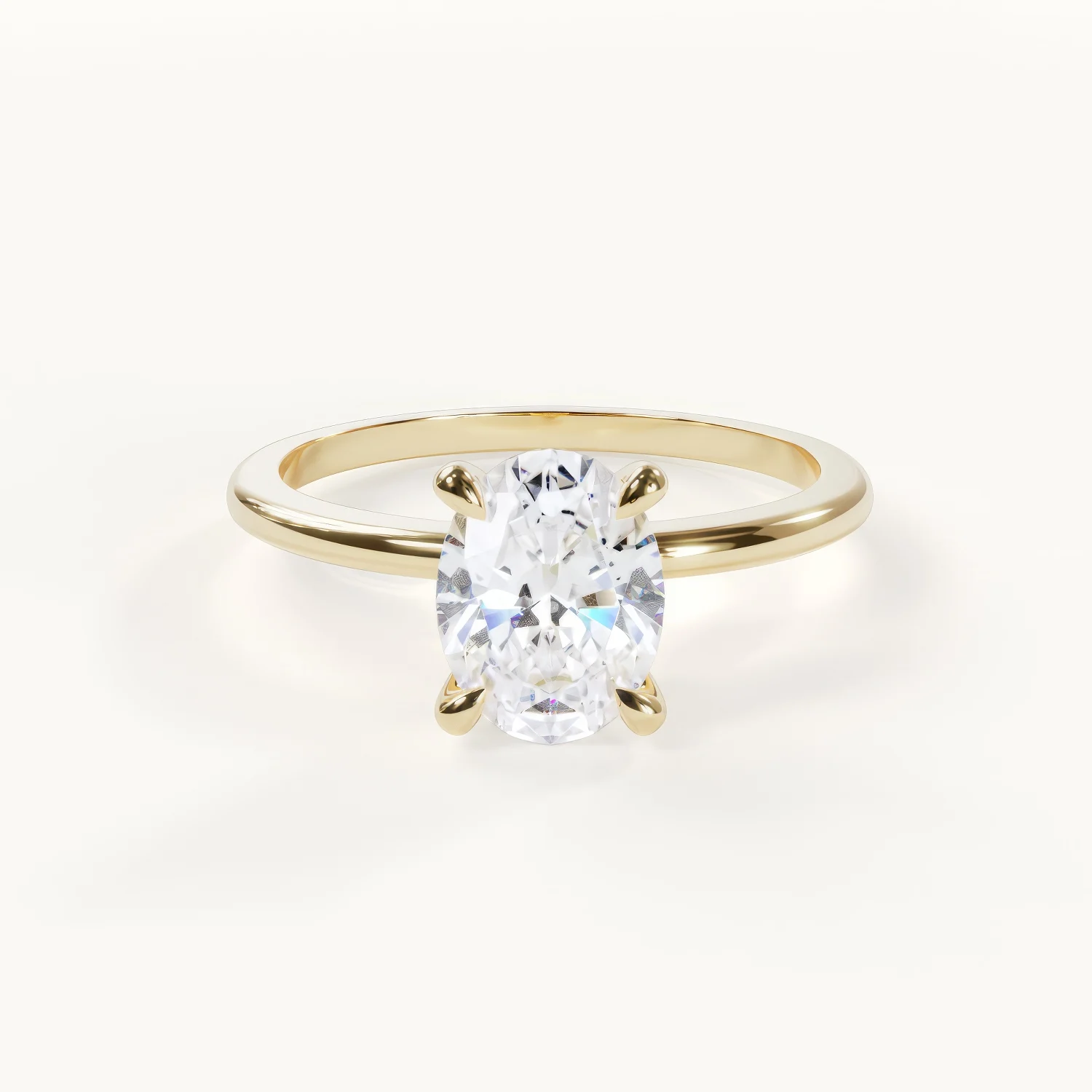
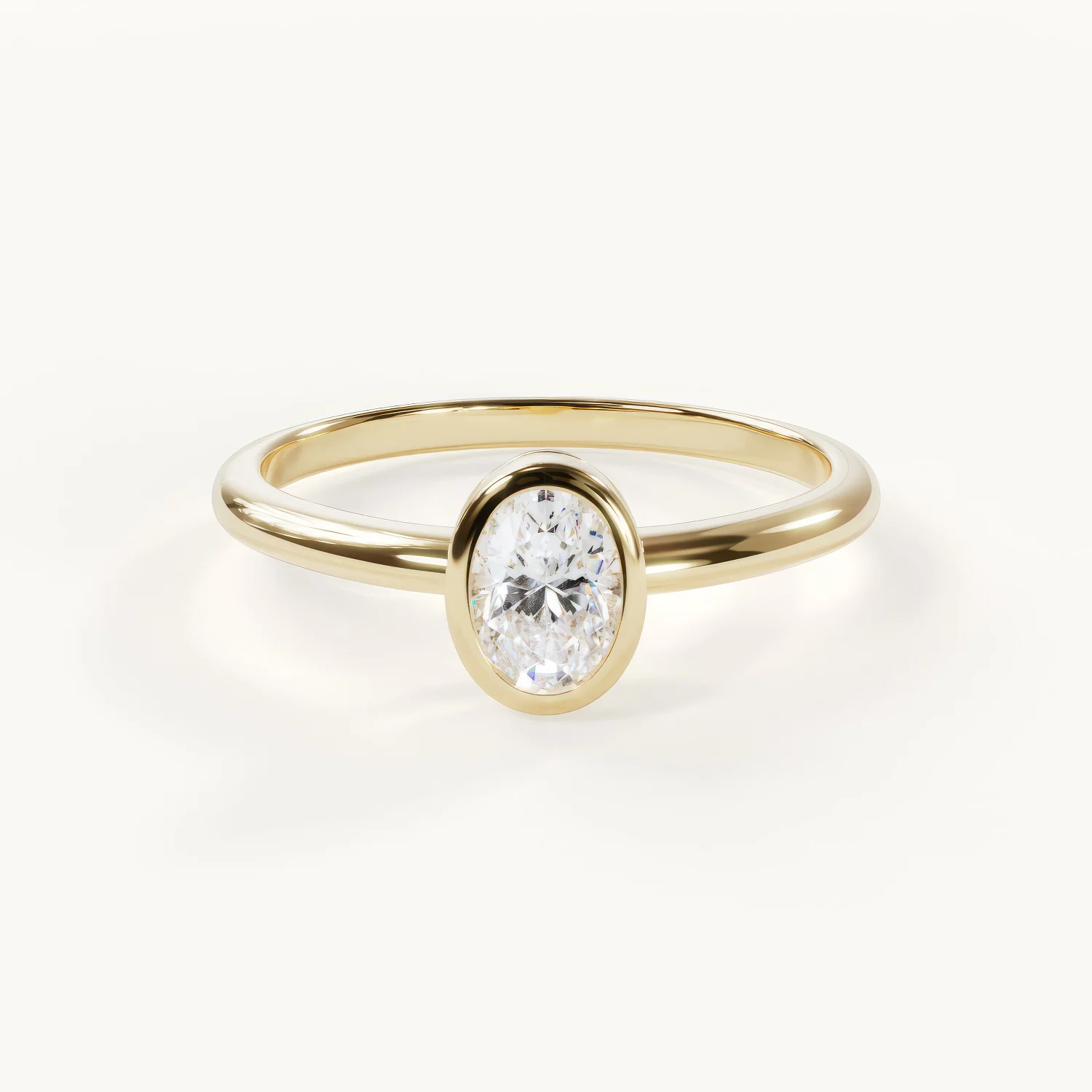
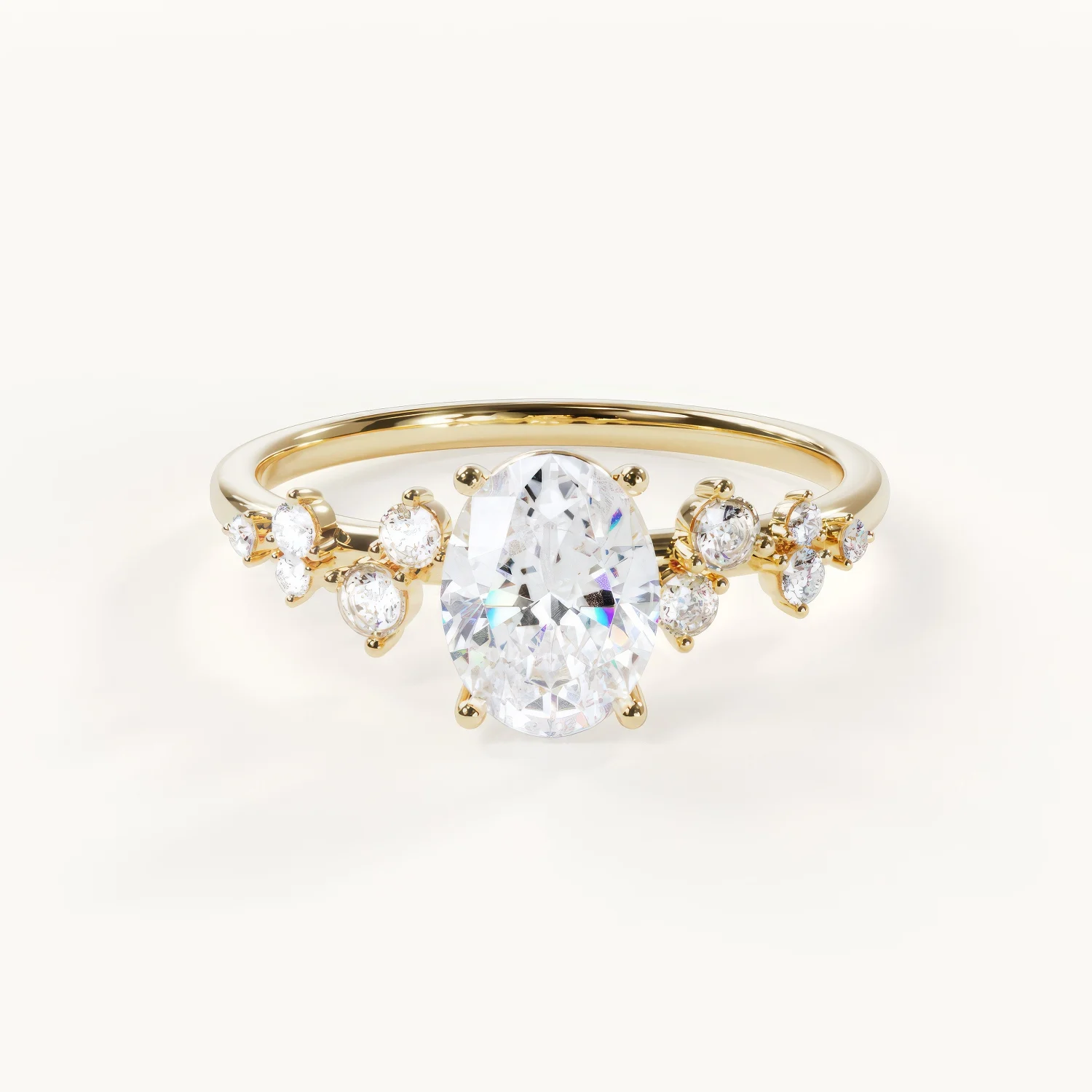
How can you tell the difference between moissanite and cubic zirconia?
At home, it’s harder to identify a gemstone with certainty than many videos claim. Price, weight, or rainbow sparkle can provide clues, but they aren’t proof. Even simple diamond testers may identify moissanite as a diamond, depending on the device, because both materials are good conductors of heat. Combination devices also test electrical conductivity, but they are no substitute for an expert examination.
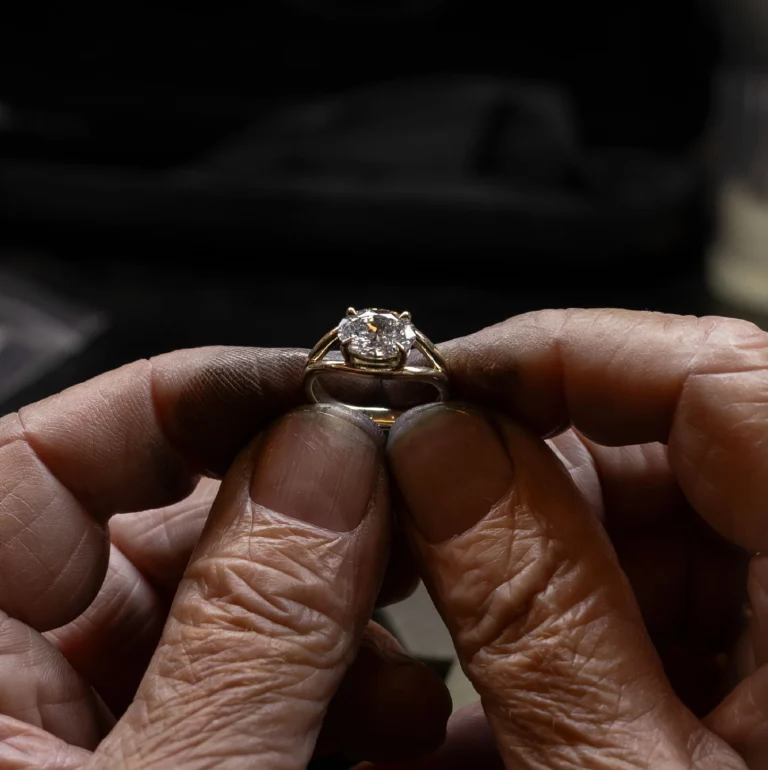
Under magnification, experts examine the facets, wear, birefringence, and inclusions. For a high-quality ring, the appraisal should clearly identify the stone. If you’d like to have an unknown ring appraised, an independent gemological laboratory or an experienced jewellery workshop is the most reliable option.
Frequently Asked Questions About Moissanite and Zirconia
Which is better: moissanite or cubic zirconia?
For an engagement ring worn every day, moissanite is usually a better choice because it is harder, more scratch-resistant, and retains its brilliance over time. Zirconia is the more affordable option for jewellery worn only occasionally.
Does moissanite look like cubic zirconia?
Both are colourless diamond simulants, but they appear different when compared side by side. Moissanite typically exhibits a more precise sparkle and a stronger rainbow fire; cubic zirconia can look slightly softer or more glassy.
Does zirconia become cloudy over time?
Zirconia does not simply undergo a chemical change that turns it into a dull stone. However, grease films, fine scratches, and surface abrasion can make it appear duller. Cleaning removes deposits, but not permanent scratches.
Can moissanite become cloudy?
Moissanite does not become permanently cloudy, but like any gemstone, it can develop a film of soap, cream, or skin oils. Gentle cleaning usually restores its brilliance.
Is moissanite a synthetic diamond?
No. In jewellery, moissanite is a lab-grown silicon carbide, not a diamond. A lab-grown diamond, on the other hand, is made of carbon and has the same crystal structure as a natural diamond.
Can a jeweller tell the difference between moissanite and cubic zirconia?
Yes. Under magnification and using appropriate measuring instruments, it is possible to test material properties, birefringence, and conductivity. A simple thermal conductivity tester alone is not always sufficient for moissanite.
We'll give you honest advice on sparkle, settings, and budget—without mixing up cubic zirconia, moissanite, and diamonds.