Sapphire as a Birthstone: Meaning, White Sapphire, and the Most Beautiful Rings
September’s birthstone is more than just the royal blue found in the world’s most famous engagement ring—sapphires also come in white, pink, and yellow. What sets this stone apart, and who it’s best suited for.
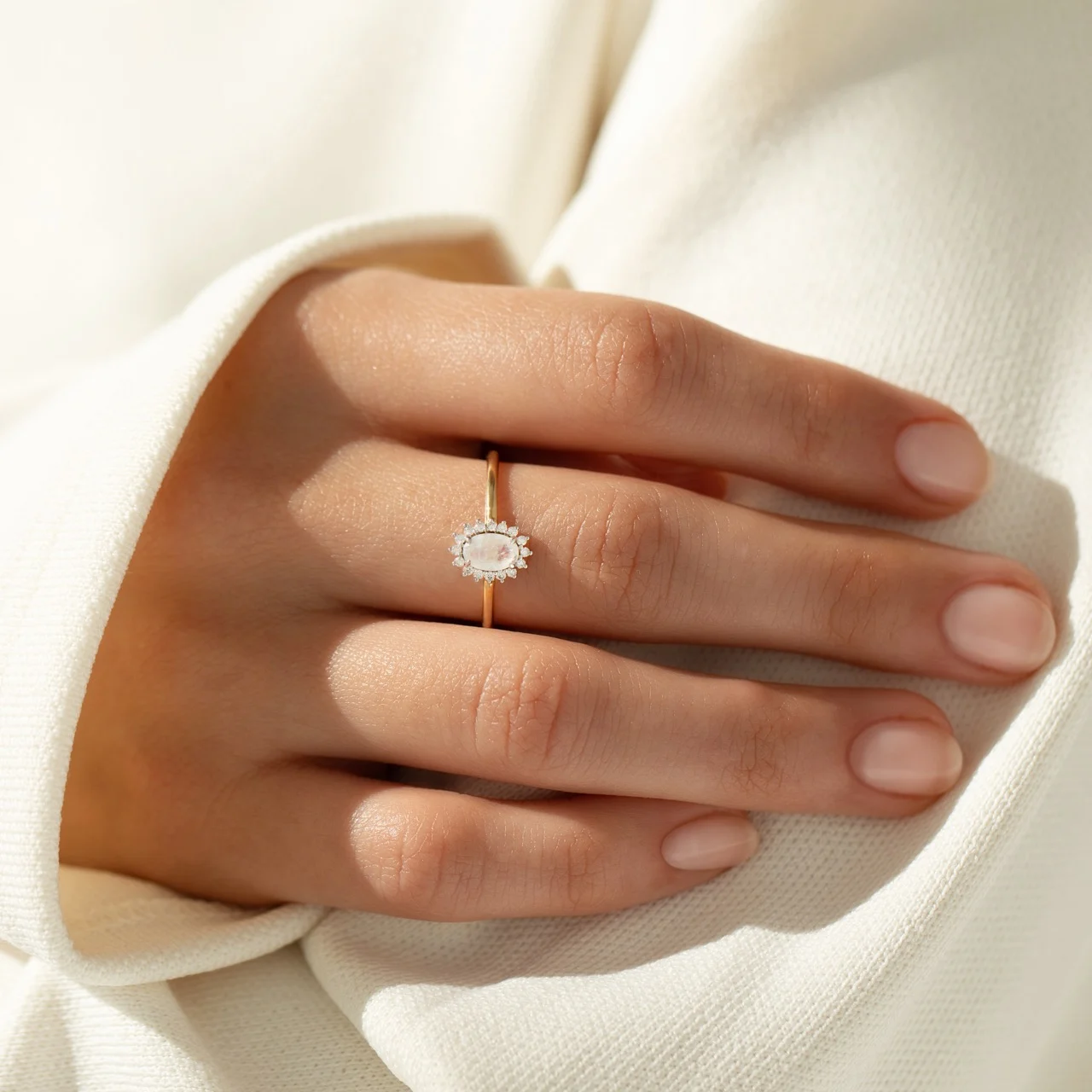
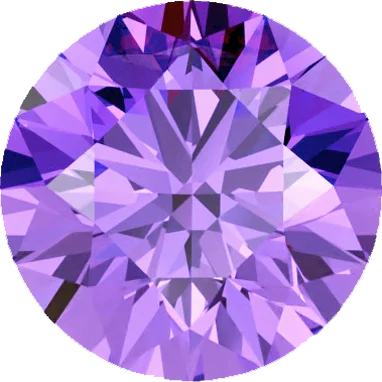
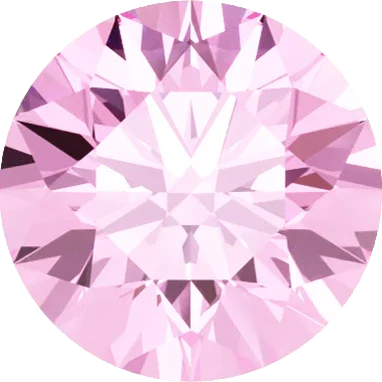
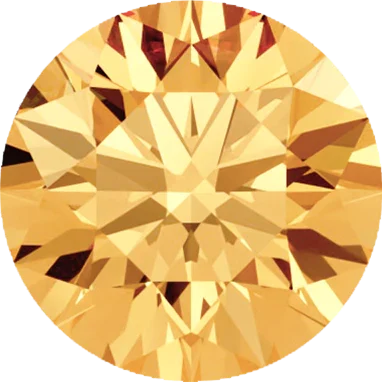
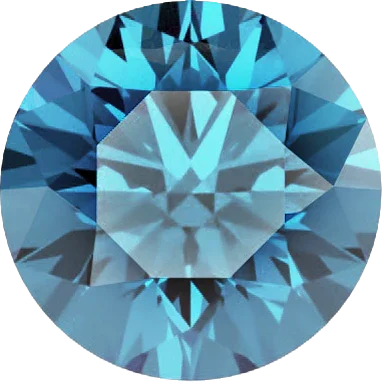
The sapphire is the birthstone for September. It belongs to the corundum mineral family, has a hardness of 9 out of 10 on the Mohs scale, and is therefore one of the most durable gemstones in existence. In addition to the well-known blue variety, sapphires also come in colorless (“white sapphire”), pink, and yellow. At Velur, you can find sapphire birthstone rings starting at 280 euros.
Of the twelve birthstones, the sapphire has enjoyed the most successful career. No other birthstone has made it into the world’s most famous engagement ring, and no other appears as often in crown jewels. At the same time, it is one of the most practical stones for everyday use—more on that later.
If you'd like to get a sense of which stone corresponds to which month first, you'll find a complete overview in our comprehensive birthstone guide. From here on out, we'll be focusing solely on September.
What does the sapphire symbolize?
Loyalty, wisdom, sincerity—these are the three qualities that run through the history of the sapphire. In the Middle Ages, clergy wore sapphires as a symbol of heaven, and kings wore them as a protective stone. Its association with loyalty later made it the stone of engagement: a sapphire on the finger was a promise long before diamonds took on that role.
Today, the sapphire serves two purposes. As a birthstone, it’s a personal symbol—representing one’s own birth month, a partner’s, or a child’s. And as a pop of color, it adds something to a ring that colorless stones cannot: character that’s instantly recognizable.
What we see time and again during consultations is that sapphire is rarely chosen on its own. It usually tells a little story—the child’s birth month in the mother’s ring, the month they met, or sometimes simply a favorite color. It is precisely this second layer of meaning that distinguishes a birthstone ring from mere jewellery.
September's Birthstone: Why the Sapphire?
The modern birthstone list dates back to a standardization effort by American jewelers’ associations in 1912—that’s when the sapphire was assigned to September, and it has remained that way to this day. For those born in September, this means that their stone is one of the three “major” colored gemstones (alongside the ruby and emerald) and, at the same time, one of the most durable.
By the way, a birthstone doesn’t have to be worn in a way that draws attention. A very popular option here is to hide the stone on the inside of the ring band—only those in the know will notice it. Check out the article on hidden birthstones in engagement rings to see what that looks like.
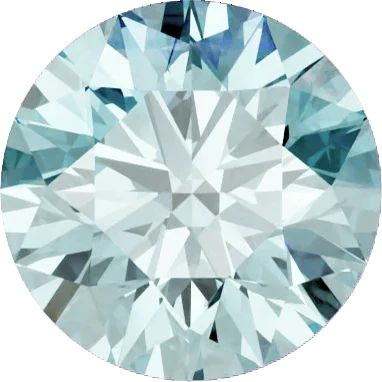
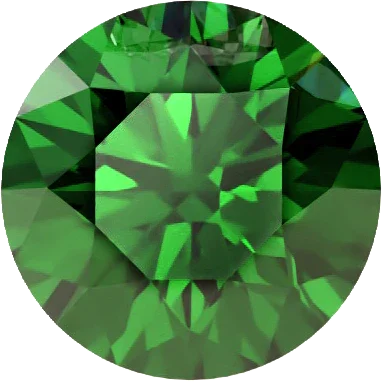
Sapphire isn't just blue
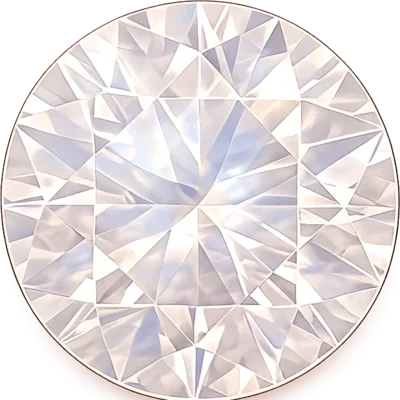
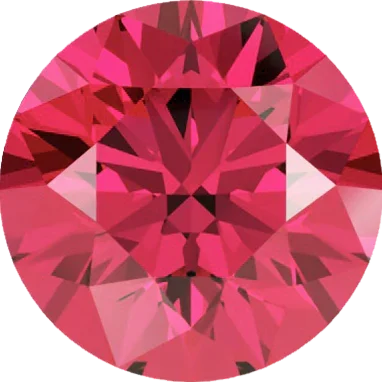
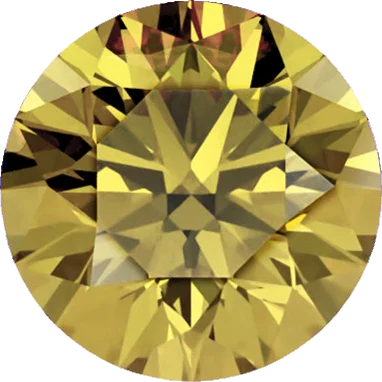
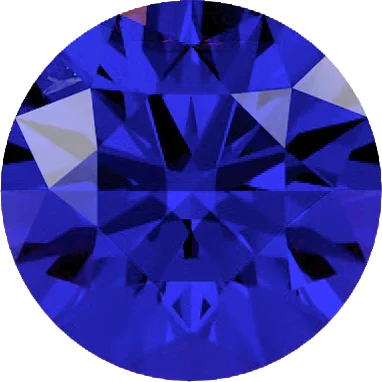
Sapphire is the trade name for corundum in all colors except red—red corundum is called a ruby. Chemically, both are aluminum oxide; their color is due to trace elements:
The Classic
Iron and titanium give the stone its blue color—ranging from a light sky blue to a deep royal blue. This is the best-known and most valuable variety.
The Subtle One
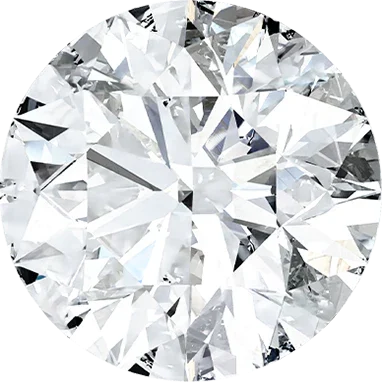
Colorless corundum without any coloring trace elements. It has a calmer appearance than a diamond—a “quiet” white stone.
The Character Heads
Chromium turns sapphires pink, while iron alone turns them yellow. Both varieties are rarer to find and therefore all the more special.
White Sapphire vs. Diamond vs. Moissanite: Which One Sparkles Like What?
White sapphire is often marketed as an affordable alternative to diamonds. That’s only partly true—it’s an alternative with its own unique look. Here’s a table showing the physics behind it:
| Property | White Sapphire | Diamond | Moissanite |
|---|---|---|---|
| Refractive Index | 1.76–1.77 | 2,42 | 2.65–2.69 |
| Fire (Dispersion) | 0,018 | 0,044 | 0,104 |
| Hardness (Mohs) | 9 | 10 | 9,25 |
| Look | Calm, velvety, subtle | Bright shine with flashes of color | Maximum sparkle and fire |
In other words: A white sapphire sparkles noticeably more subtly than a diamond or moissanite—its light is softer, more velvety, and less “flashy.” Some people love exactly that. But if you’re looking for the classic brilliance of an engagement ring, you’re better off choosing a moissanite or lab-grown diamond as the center stone and using the sapphire as a colorful accent or birthstone. That’s what most of our female customers do.
The Most Famous Sapphire Ring in the World
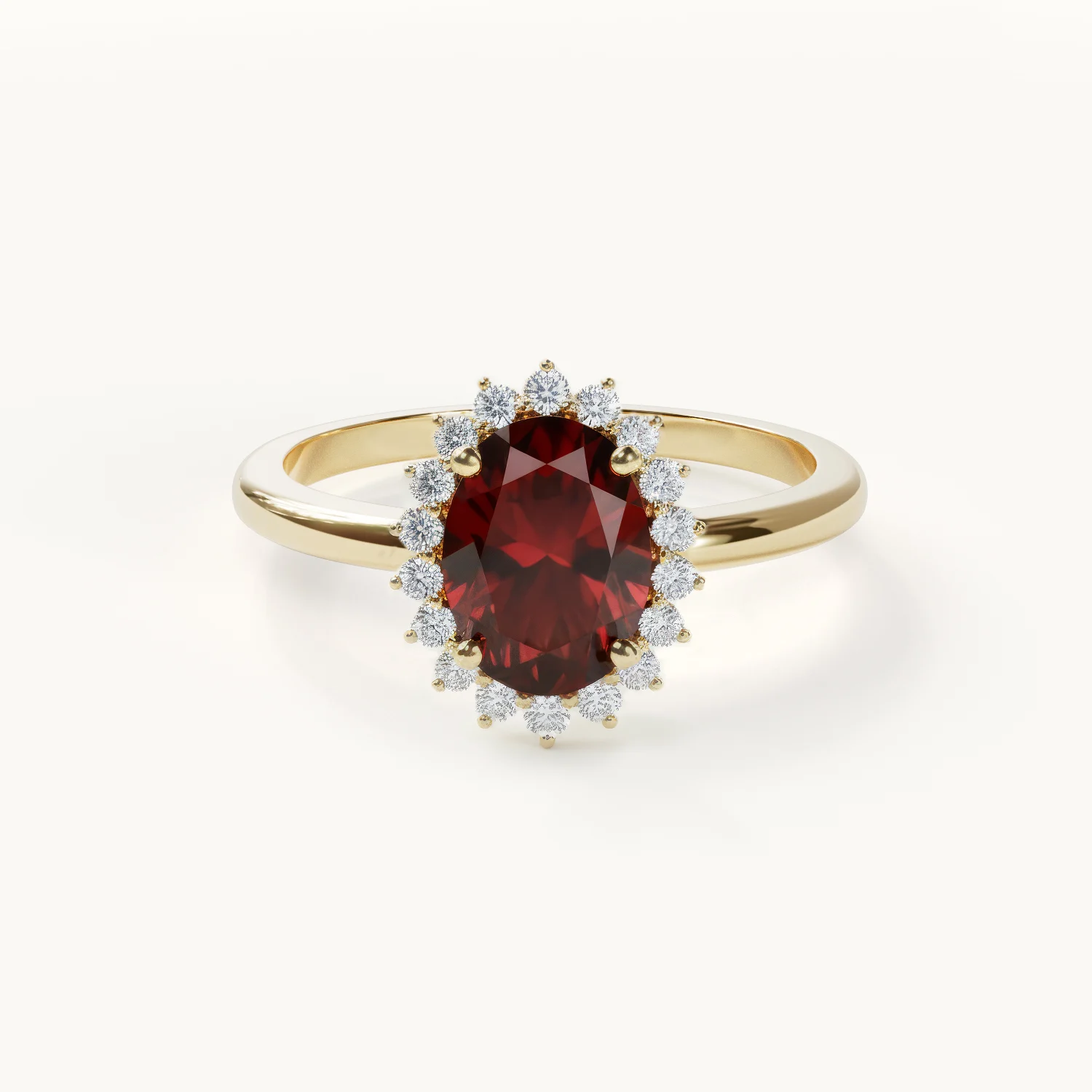
In 1981, Lady Diana chose a 12-carat oval Ceylon sapphire set with diamonds—breaking with convention, which at the time would have called for a diamond. Since 2010, Catherine, Princess of Wales, has been wearing the same ring. Hardly any piece of jewellery has been photographed more often, or copied more frequently.
The trend continues to this day: the blue sapphire with a halo is arguably the most sought-after colored gemstone combination for engagement rings worldwide. If you like this look but want to make it more personal, choose your own birthstone instead of the classic blue—the design remains regal, but the story becomes your own.
How hard is a sapphire—and how do you care for it?
A hardness of 9 out of 10 on the Mohs scale means, in practical terms, that in everyday life, almost nothing can scratch a sapphire except a diamond. It withstands hand washing, sports, and housework without any issues. This makes it one of the few colored gemstones that we unreservedly recommend for rings worn every day—emeralds, for example, are significantly more delicate.
Caring for it is straightforward: lukewarm water, a drop of dish soap, a soft brush—that’s it. Once a month is enough. An untreated sapphire or one that has undergone only heat treatment can also withstand ultrasonic cleaning—but this is not recommended for stones with filled cracks or color coatings, which is, however, the exception for stones sold by reputable dealers.
One more point about honesty: Almost all sapphires on the market are heat-treated to enhance their color and clarity. This has been standard practice for centuries; the treatment is permanently stable and not a flaw—untreated stones of top color are collector’s items that command correspondingly high prices.
Sapphire is also a great choice as a birthstone in a ring because its color complements any metal—blue paired with yellow gold is a classic combination, while blue paired with white gold creates a regal look. If you’re unsure, our WhatsApp consultation service is here to help.
Sapphire Rings at Velur
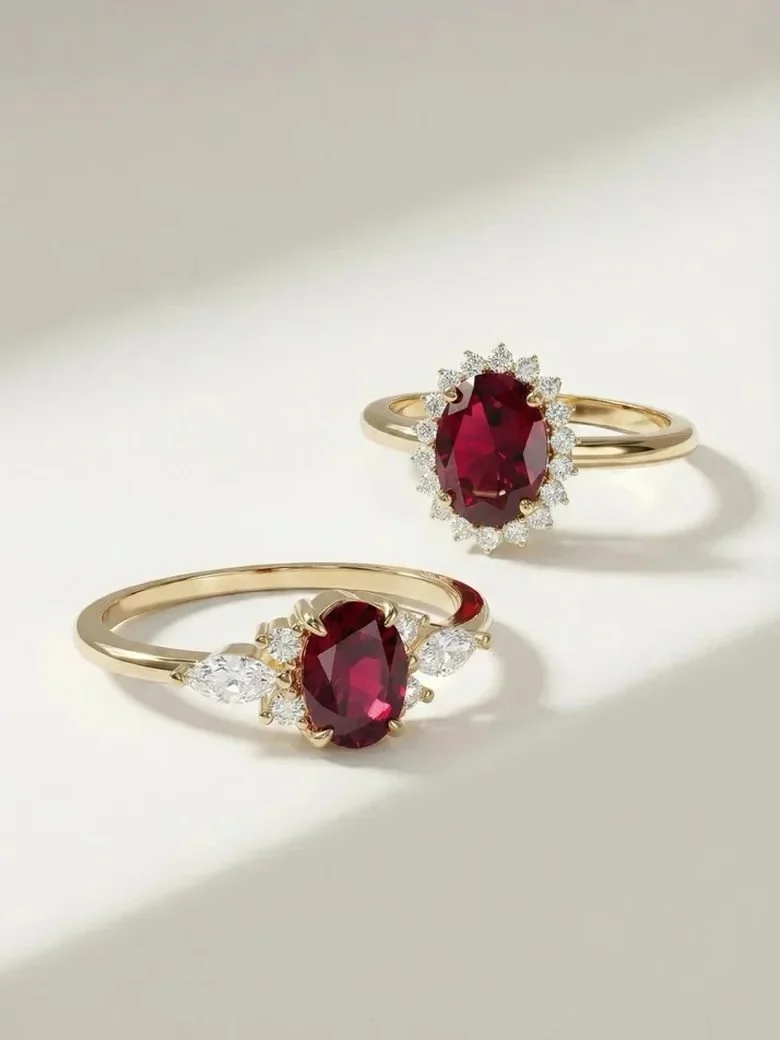
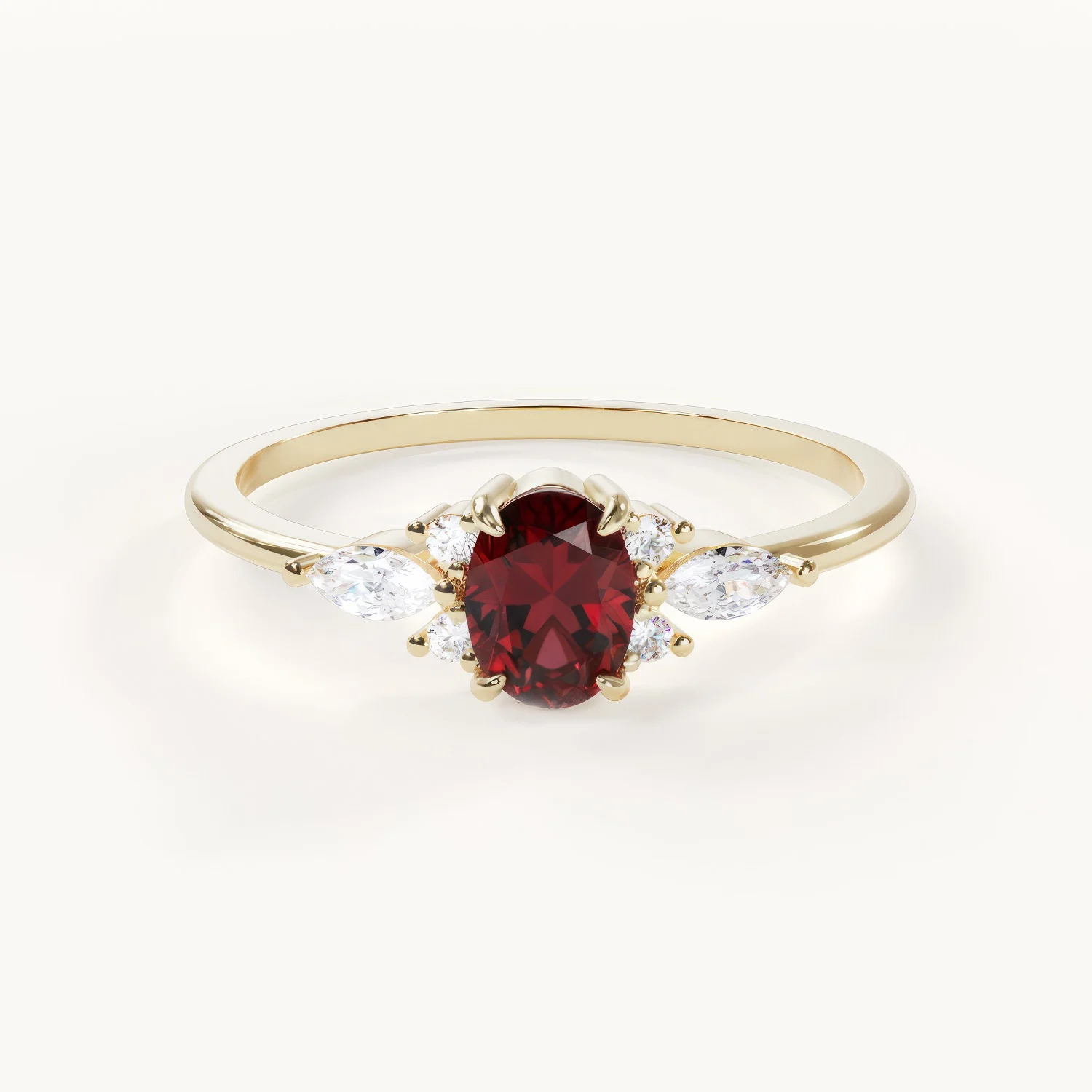
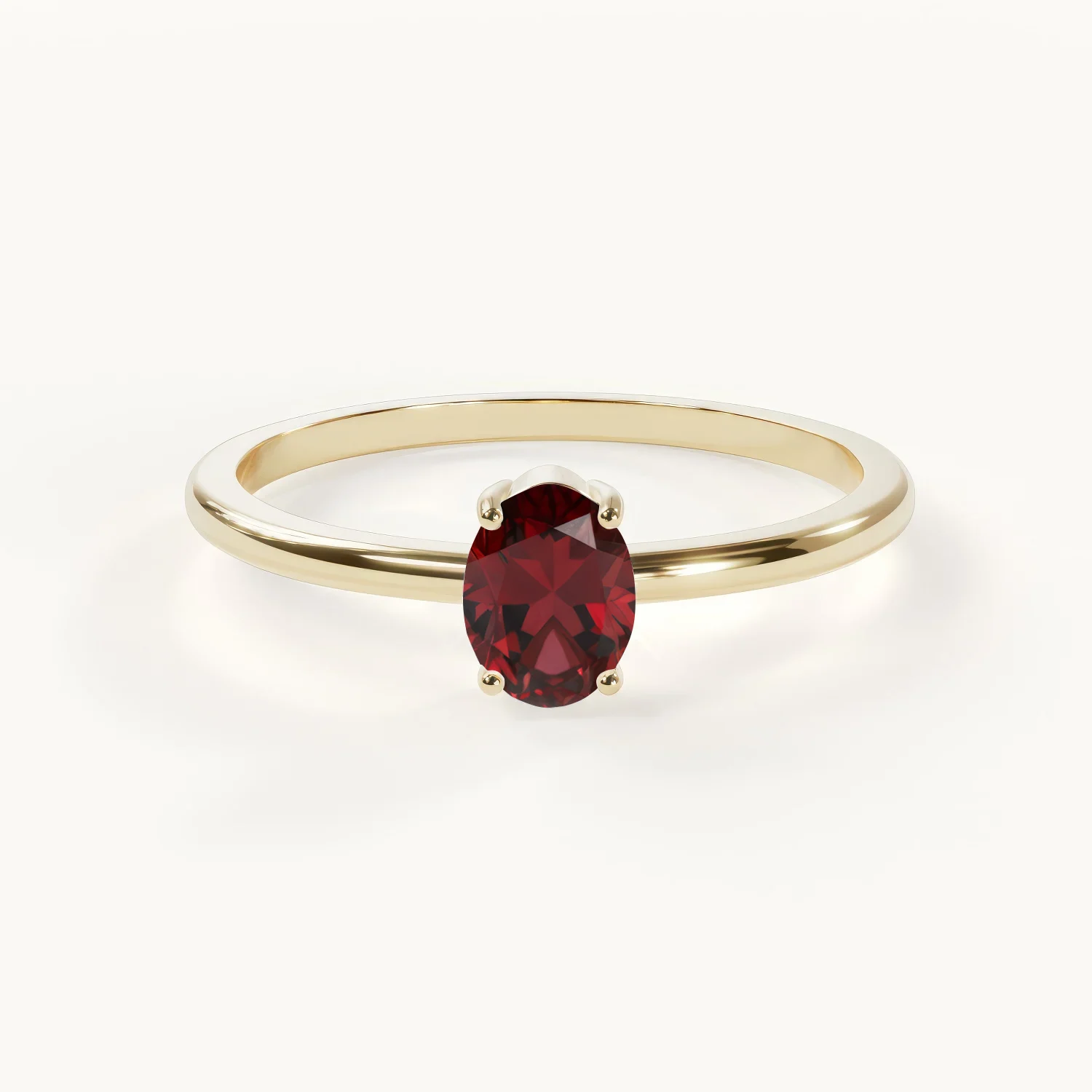
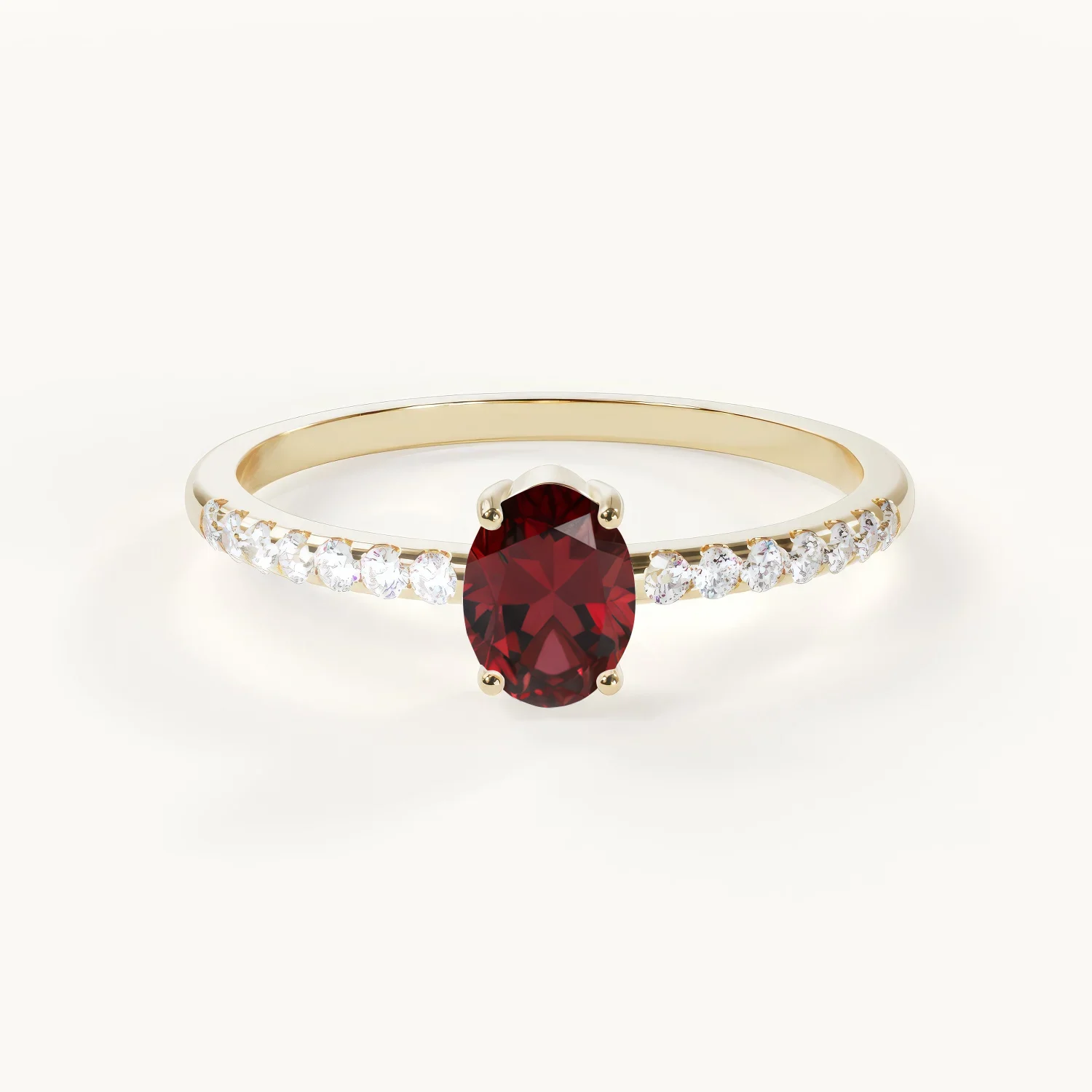
Our birthstone rings are available in all twelve monthly stones—including sapphire for September. The designs are loaded directly from the store; prices and images are up to date. Learn more about the concept: the Promise Ring Guide with birthstones and the complete birthstone collection.
From the Velur Collection
Rings with Birthstones


Frequently Asked Questions About Sapphire
Which month has the sapphire as its birthstone?
The sapphire is the birthstone for September. This designation dates back to the birthstone list standardized in 1912 by the American jewelers' associations.
Is a sapphire always blue?
No. Sapphire refers to corundum in all colors except red—there are white, pink, and yellow sapphires. Red corundum is called a ruby. Blue is the best-known and most valuable sapphire color.
How hard is a sapphire?
Sapphire has a hardness of 9 out of 10 on the Mohs scale. Only diamond (10) and moissanite (9.25) are harder. This makes it ideal for rings worn every day.
What is a white sapphire?
A white sapphire is colorless corundum—a sapphire without any coloring trace elements. It has a calmer and more understated appearance than a diamond and is worn as a “quiet” alternative to colorless gemstones.
Does a white sapphire sparkle like a diamond?
No. With a refractive index of 1.76–1.77 and low dispersion, a white sapphire sparkles much more subtly than a diamond or moissanite. Its light appears soft and velvety rather than dazzling—that’s a matter of taste, not a flaw.
Is a sapphire suitable for an engagement ring?
Yes—the world’s most famous engagement ring features a blue sapphire. With a hardness rating of 9, it’s suitable for everyday wear. It’s popular as the center stone in a “royal” style or as a personal birthstone accent paired with a moissanite or lab-grown diamond.
Sources: Material properties (refractive index, dispersion, Mohs hardness) according to GIA – Sapphire; Birthstone history: Jewelers of America, standardized in 1912. Price information: Velur collection, as of August 2026.
Birthstone rings featuring sapphire and all other birthstones—in genuine gold, starting at 280 euros.