

Birthstones — The Complete Guide
12 stones, 12 stories. A tradition that dates back to biblical times—and one that holds more personal significance today than any diamond. What each stone symbolises, where the associations come from, and which Velur ring goes with which month.
In a nutshell
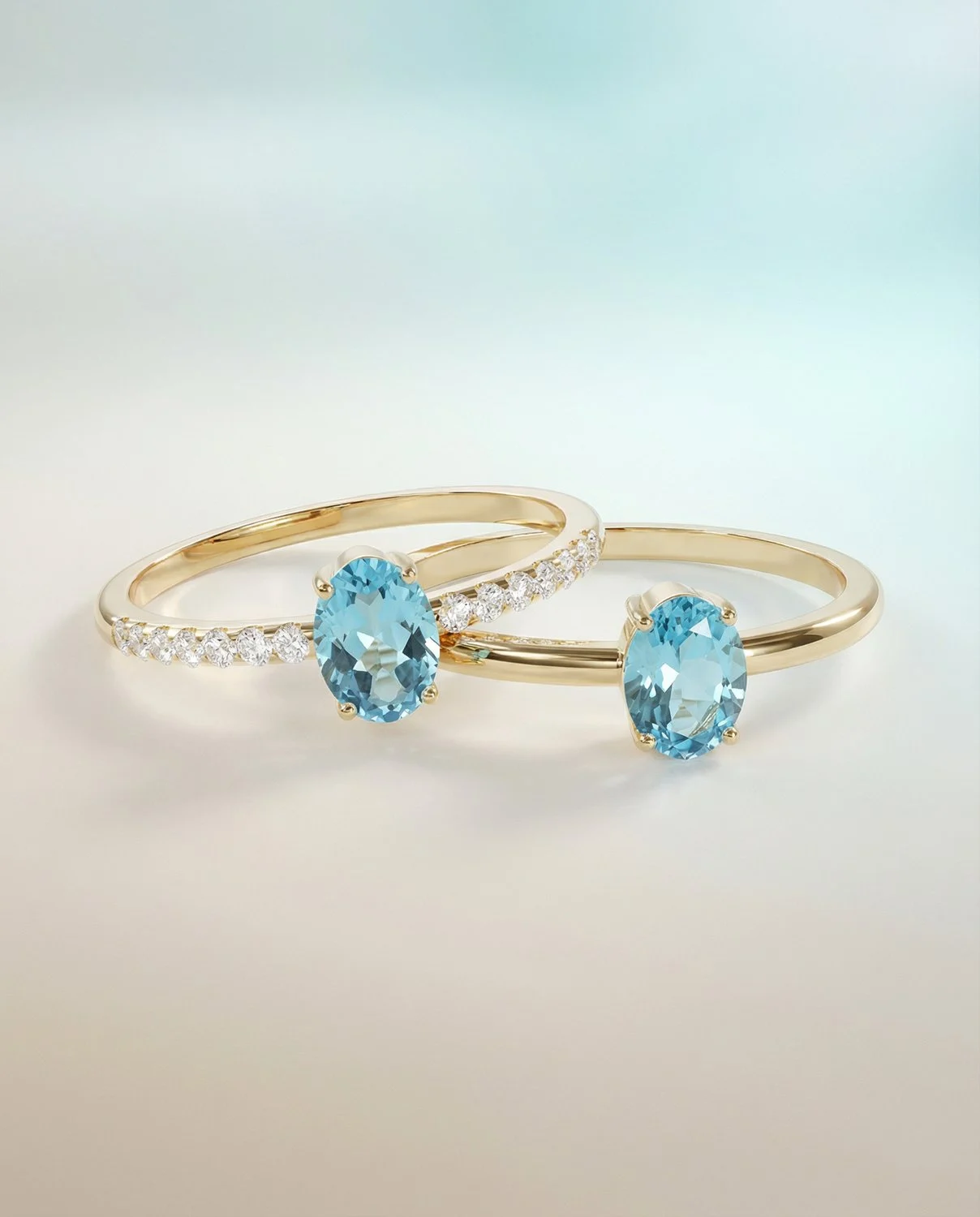
Birthstones are 12 gemstones, each associated with a specific month—from garnet in January to tanzanite in December. The tradition dates back to biblical times, and the current standard list was established in 1912. At Velur, you’ll find every birthstone as a handcrafted 14k gold ring featuring a lab-grown gemstone, starting at €280, with a lifetime warranty and 180 days of free resizing.
The History of Birthstones
The idea of associating gemstones with specific periods of time is an ancient one. Very ancient. The Book of Exodus describes the breastplate of the high priest Aaron, set with twelve gemstones representing the twelve tribes of Israel. In the 1st century A.D., the Jewish historian Flavius Josephus was the first to link these twelve stones to the twelve signs of the zodiac. In the 5th century, the Church Father Jerome further refined this idea: whoever wears one of these stones should receive the power of the corresponding month.
In the Middle Ages, it was customary to own the entire collection—and to wear the appropriate stone depending on the month. It wasn’t until the 18th century that this tradition changed: People began wearing only their birthstone for the rest of their lives. The final standardisation came in 1912 through the American National Association of Jewellers (now Jewellers of America). Their list of twelve stones—garnet for January, amethyst for February, and so on—is the one we know today.
This tradition has endured over the centuries for three reasons: It’s personal without being overwhelming. It combines jewellery with symbolism without being cheesy. And it works well for gifts—for mothers, sisters, partners, and children—because everyone has a birth month, and every month has its own colour.
An Overview of the 12 Stones
Before we dive into the individual stones, here’s a quick overview. In the table, you’ll find each month listed along with its stone, traditional symbolism, and dominant colour. Click on a stone to jump directly to its section.
| Month | Stone | Symbolism | Colour |
|---|---|---|---|
| January | Garnet | Loyalty, Trust | Deep red |
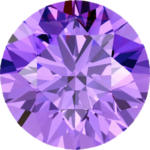
| February | Amethyst | Clarity, Protection | Lavender-Violet |
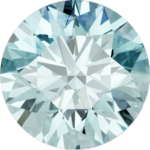
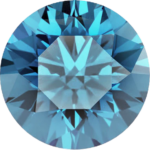
| March | Aquamarine | Courage, Calmness | Light Blue |
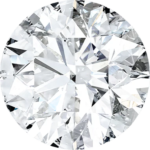
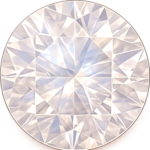
| April | White Sapphire | Purity, Truth | Sure |
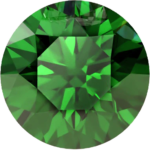
| May | Emerald | Love, Growth | Rich green |
| June | Moonstone | Intuition, Femininity | Shimmering |
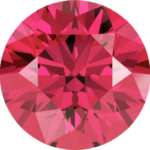
| July | Ruby | Passion, Energy | Carmine Red |
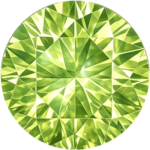
| August | Peridot | Healing, Strength | Light green |
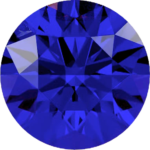
| September | Blue Sapphire | Wisdom, Loyalty | Deep Blue |
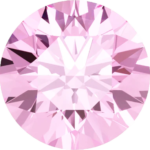
| October | Pink Tourmaline | Compassion, Joy | Pink Rosé |
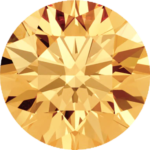
| November | Citrine | Optimism, Warmth | Golden yellow |
| December | Tanzanite | Spirituality, Change | Violet-Blue |
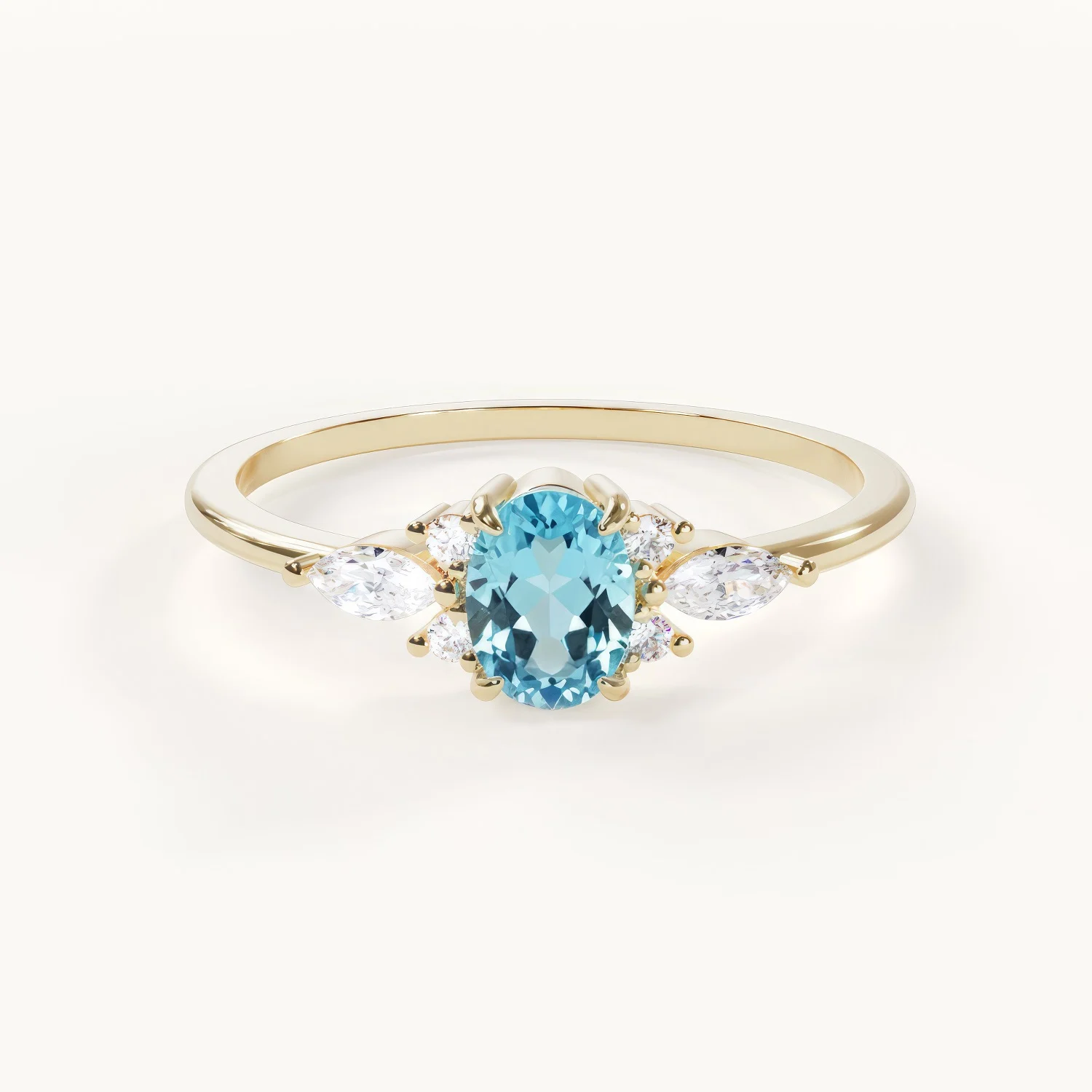
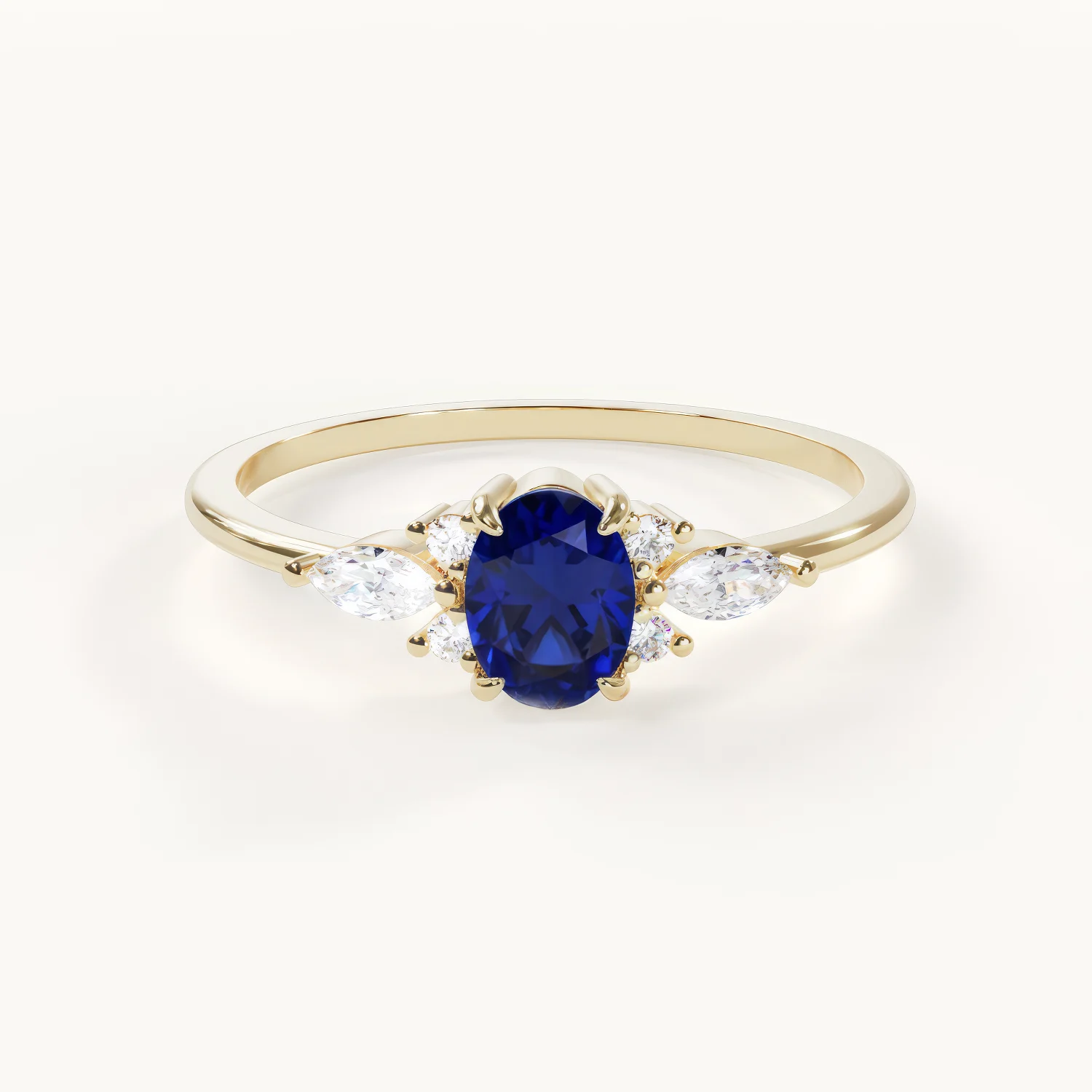
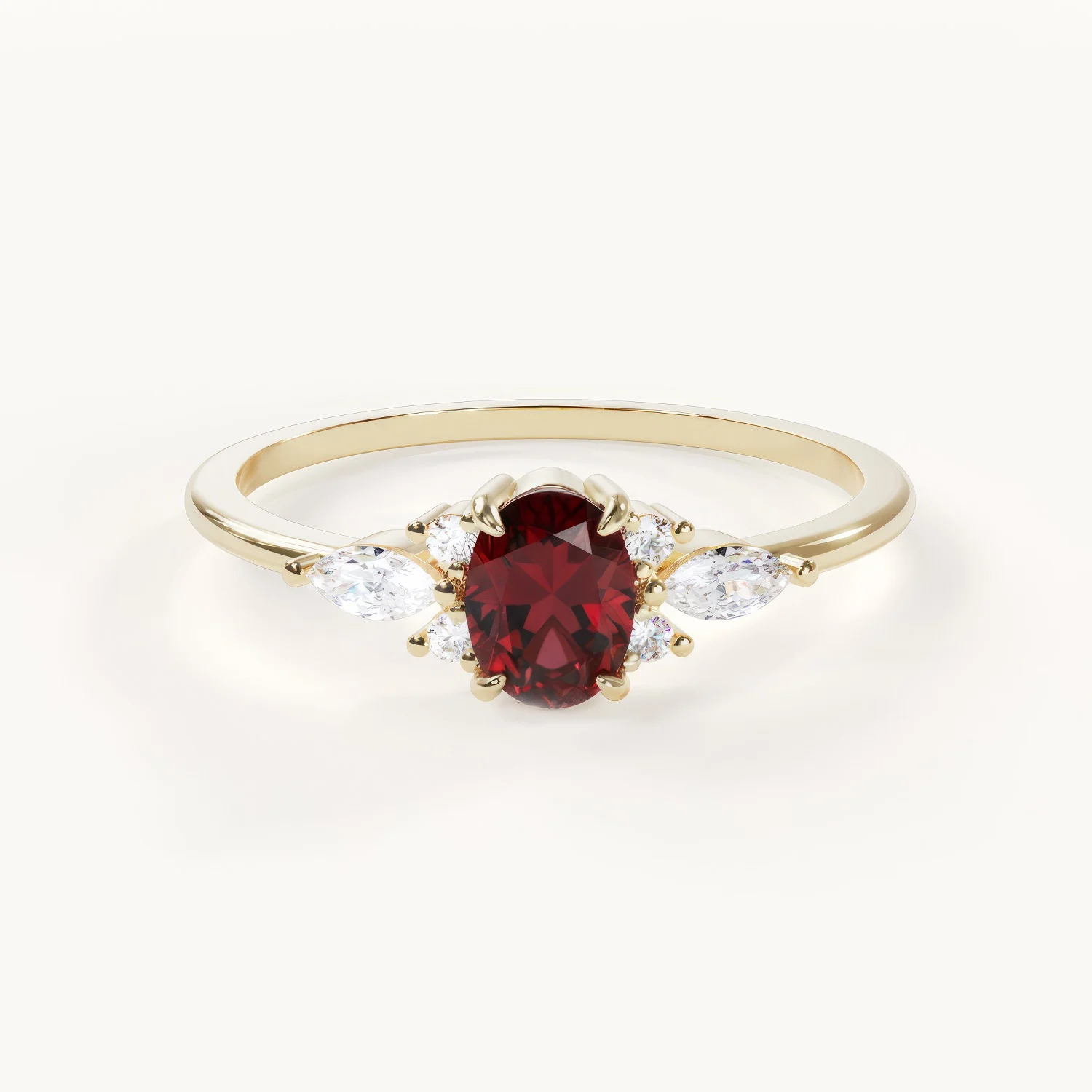
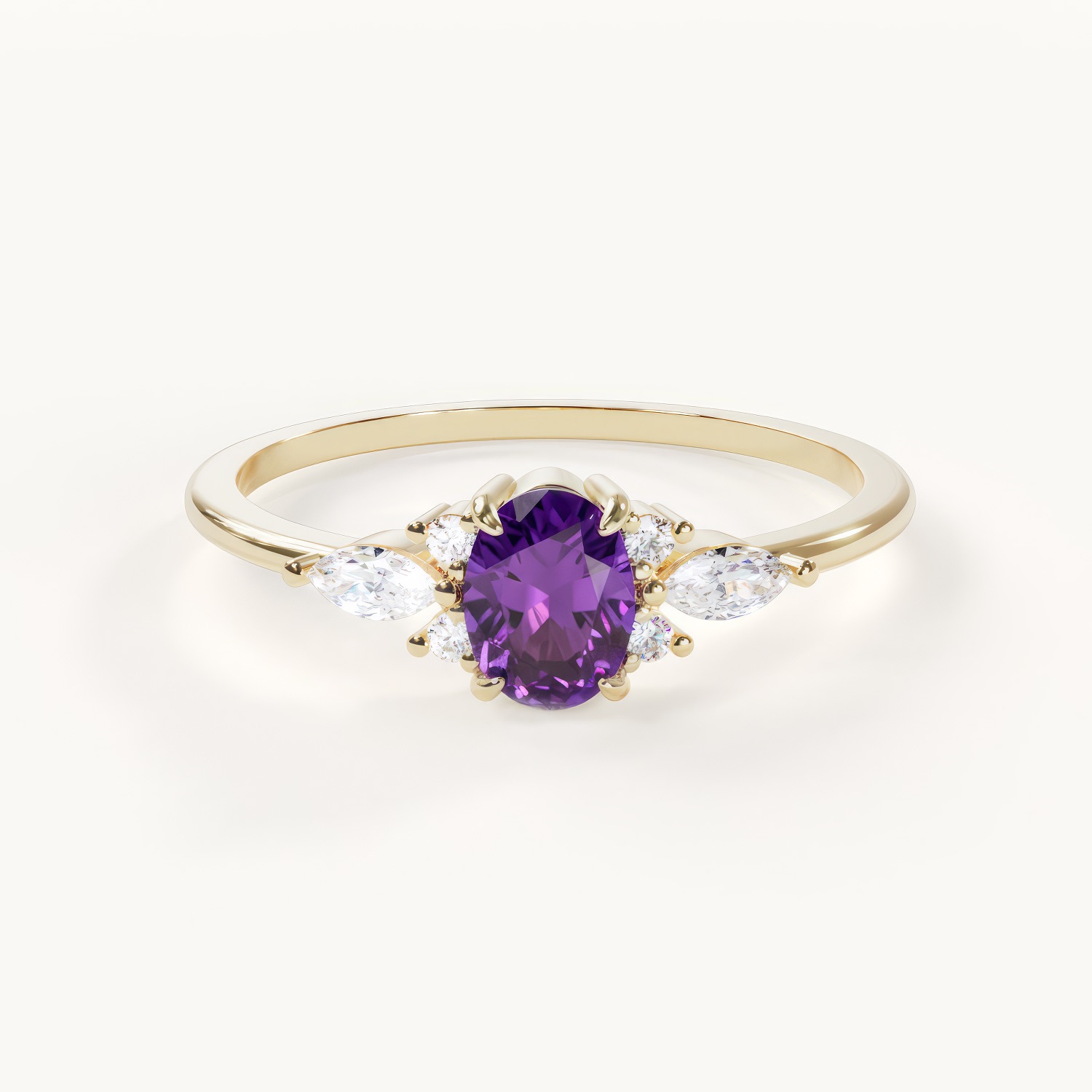
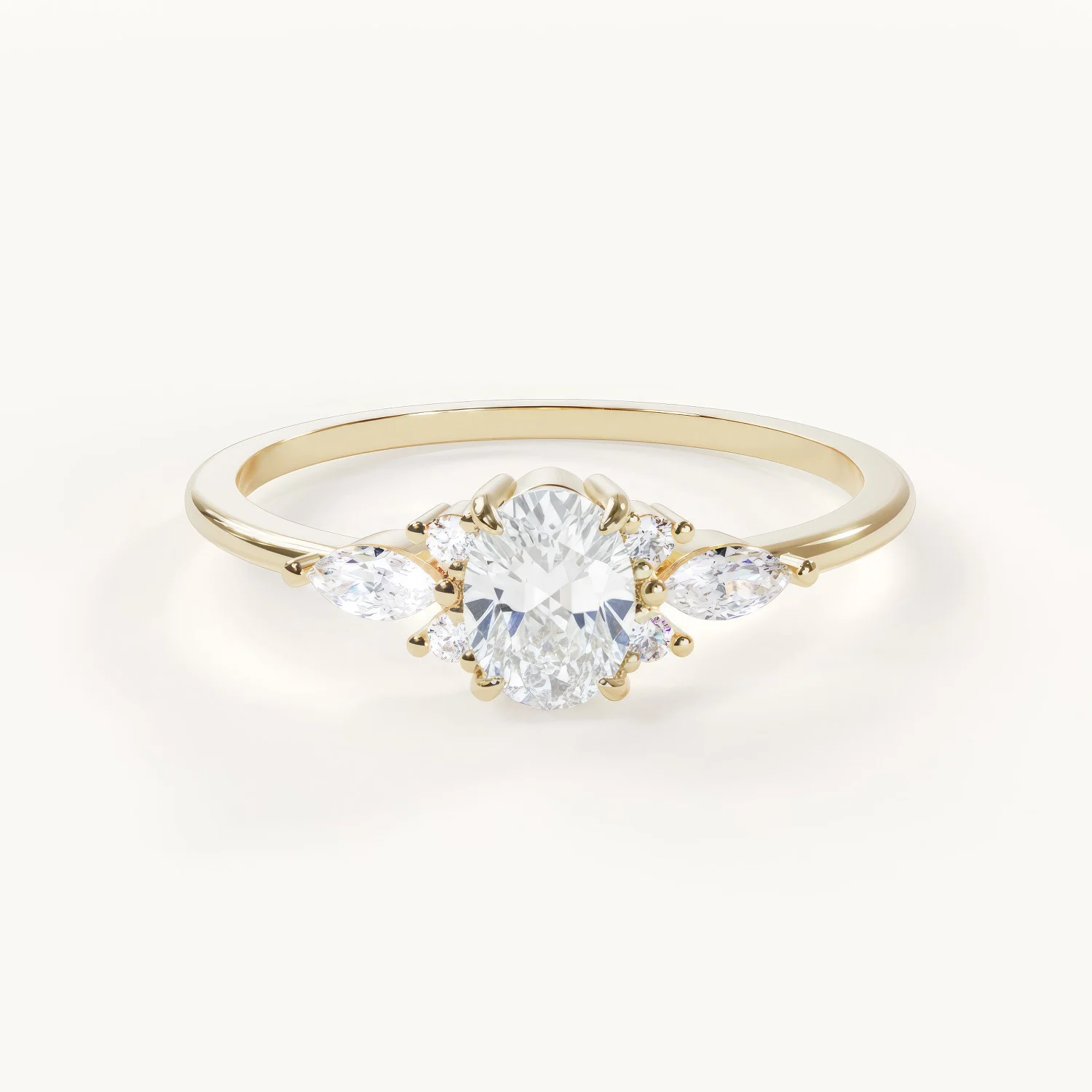
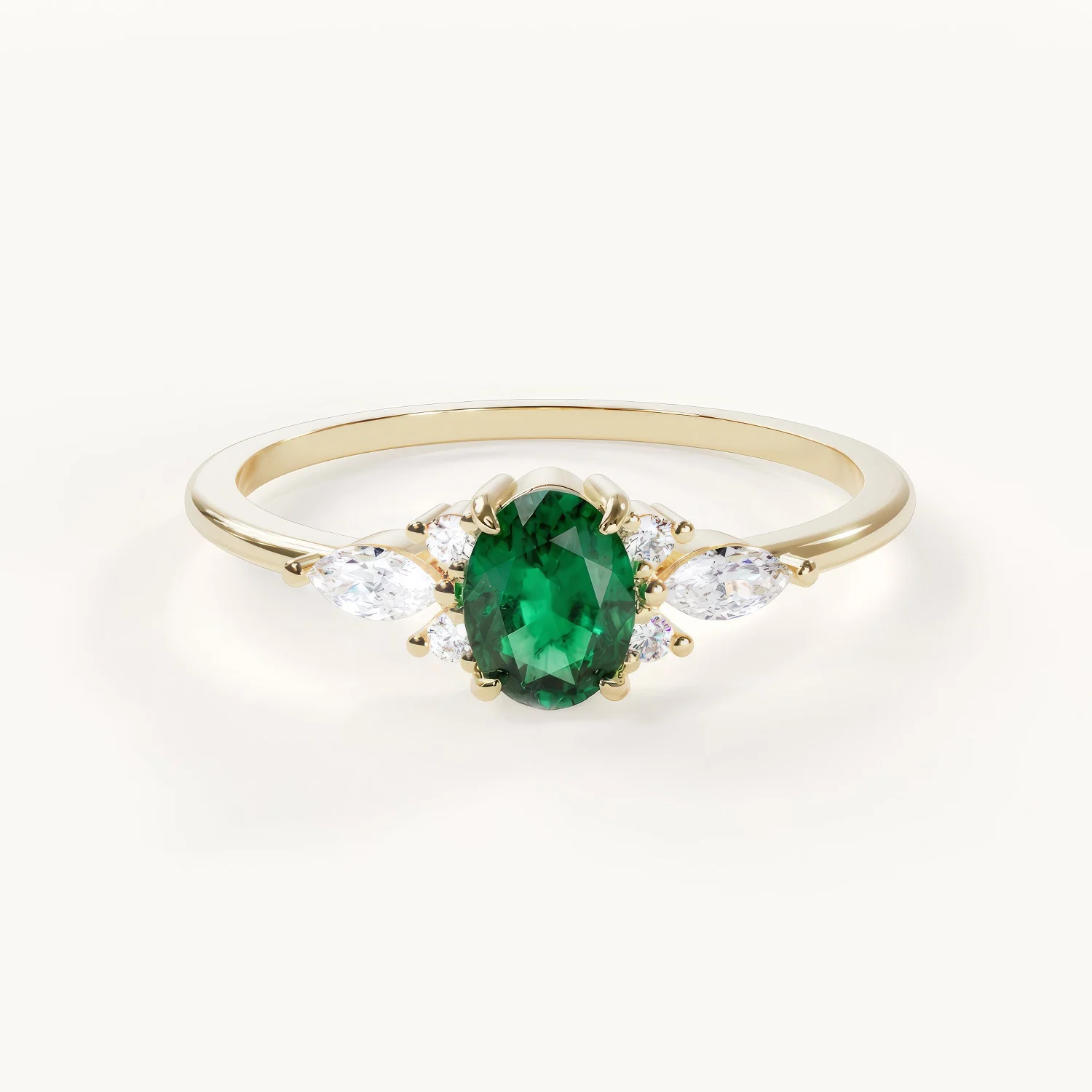
Here's a side-by-side comparison of all twelve stones—all photographed as the Muse Lumière Trilogy Ring so you can compare them in the same setup:

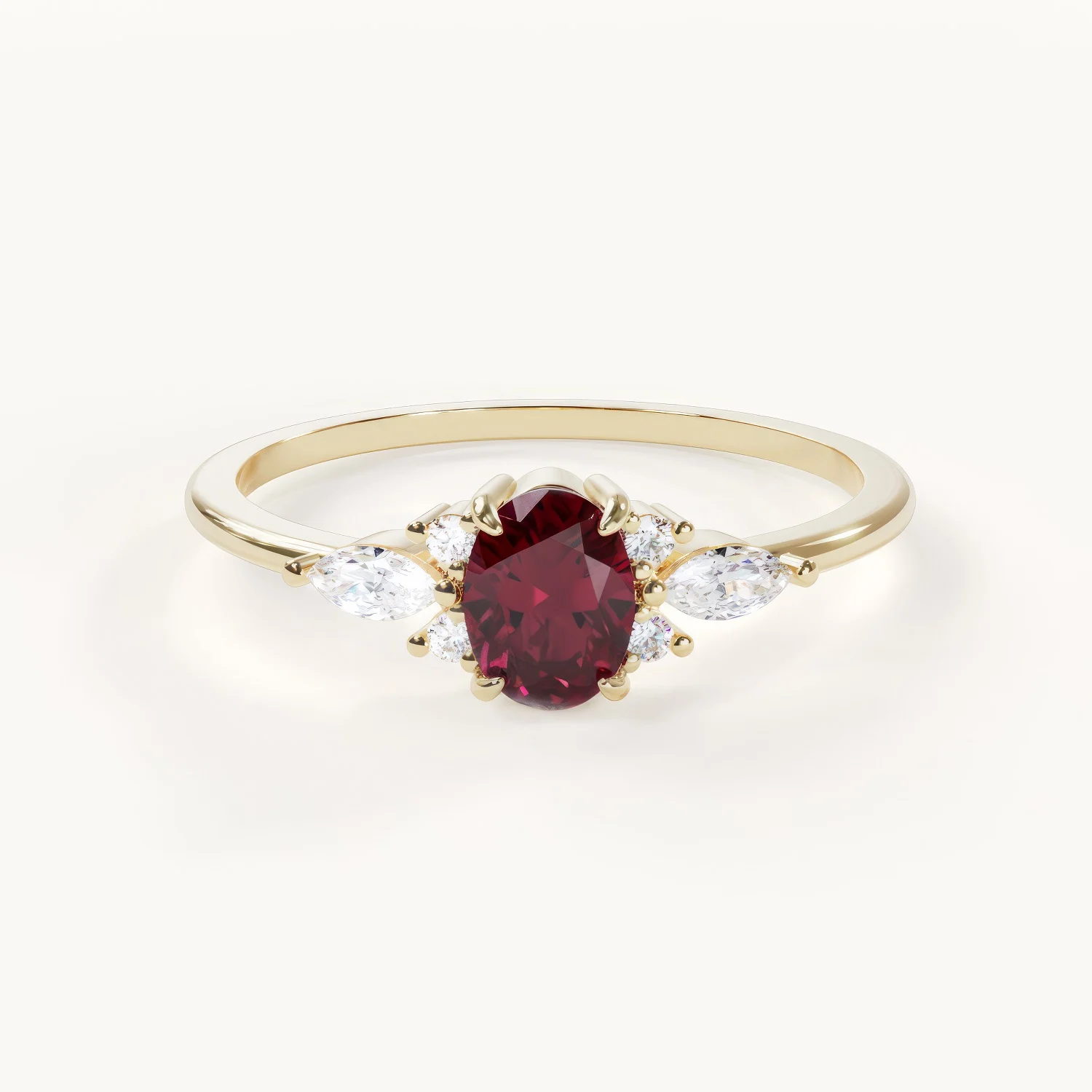
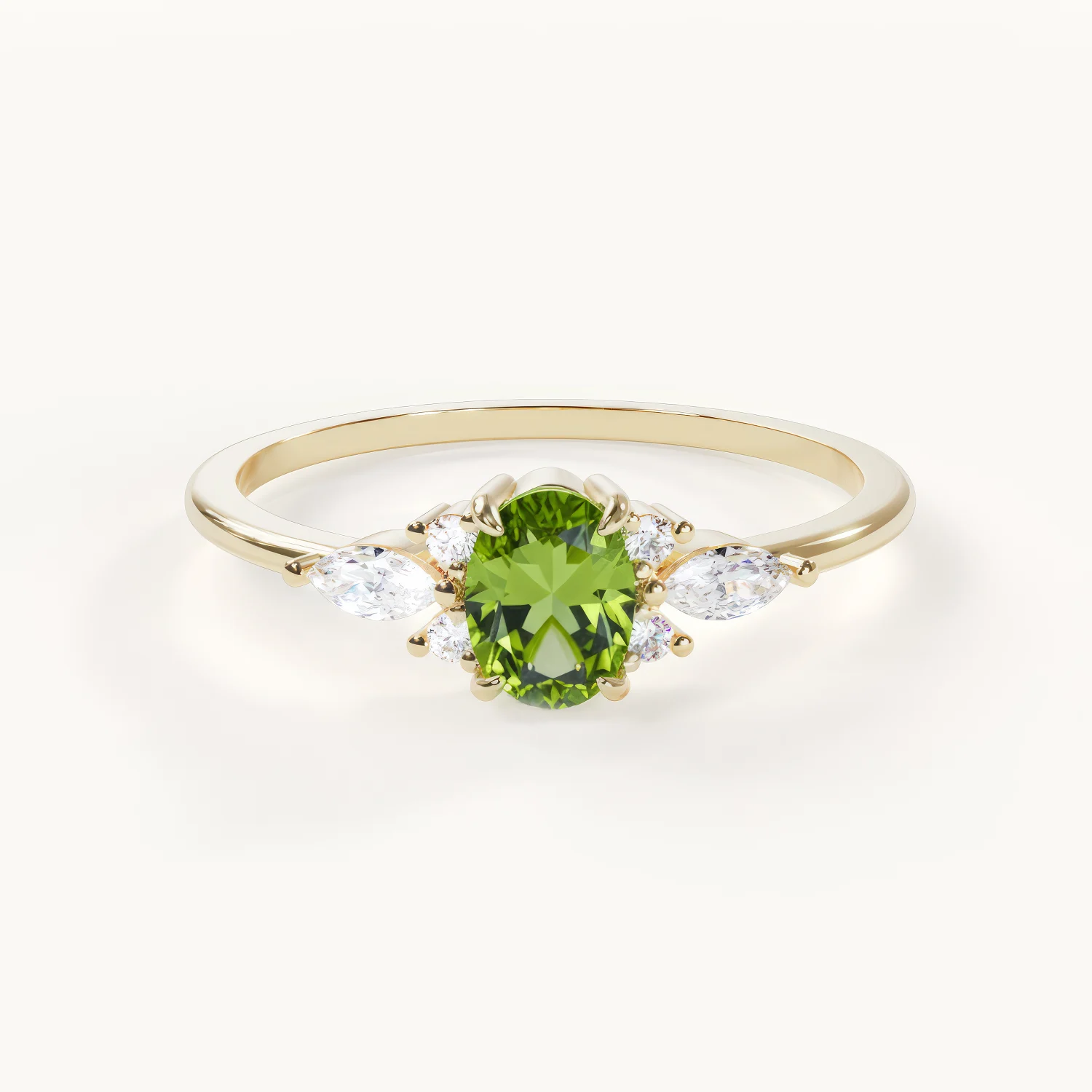
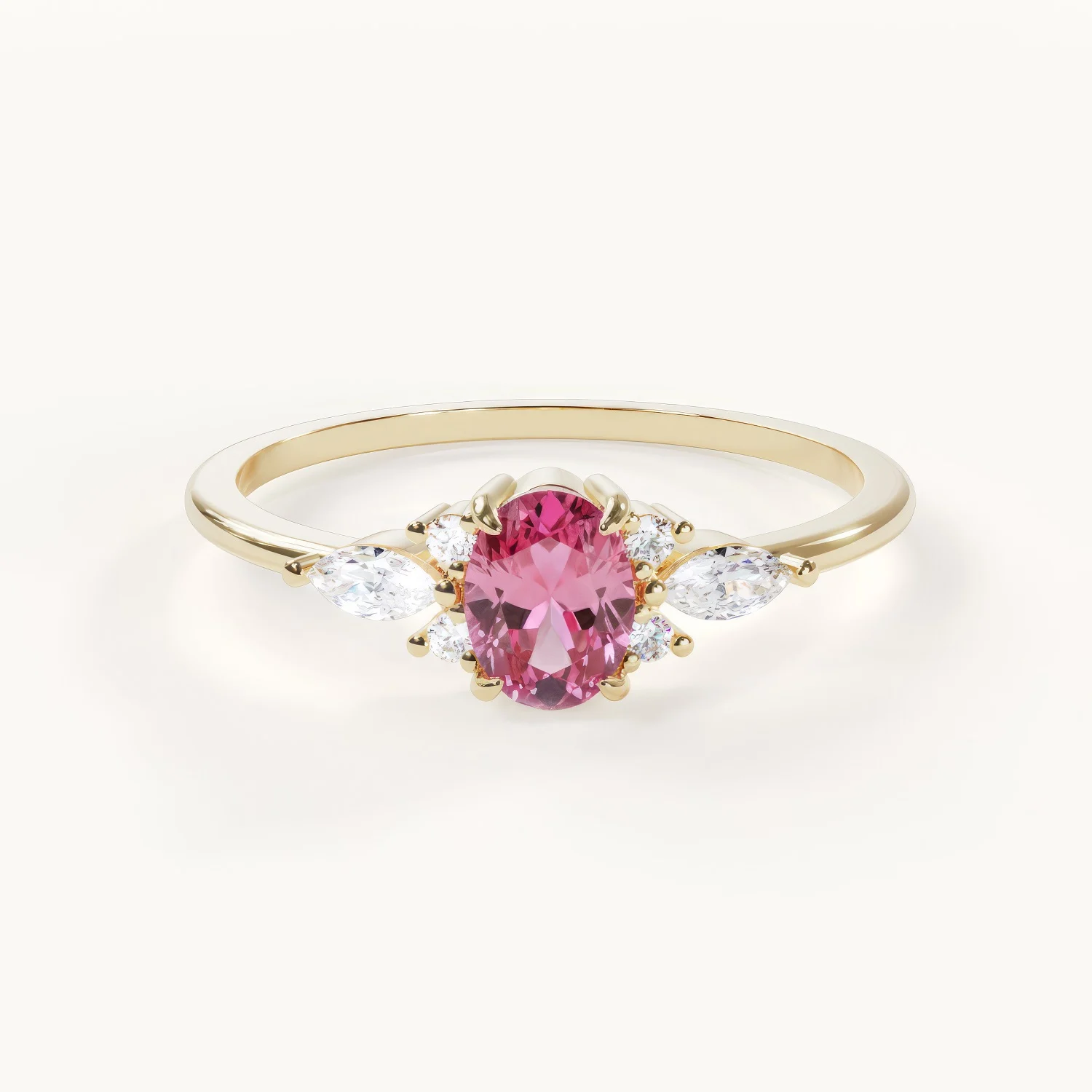
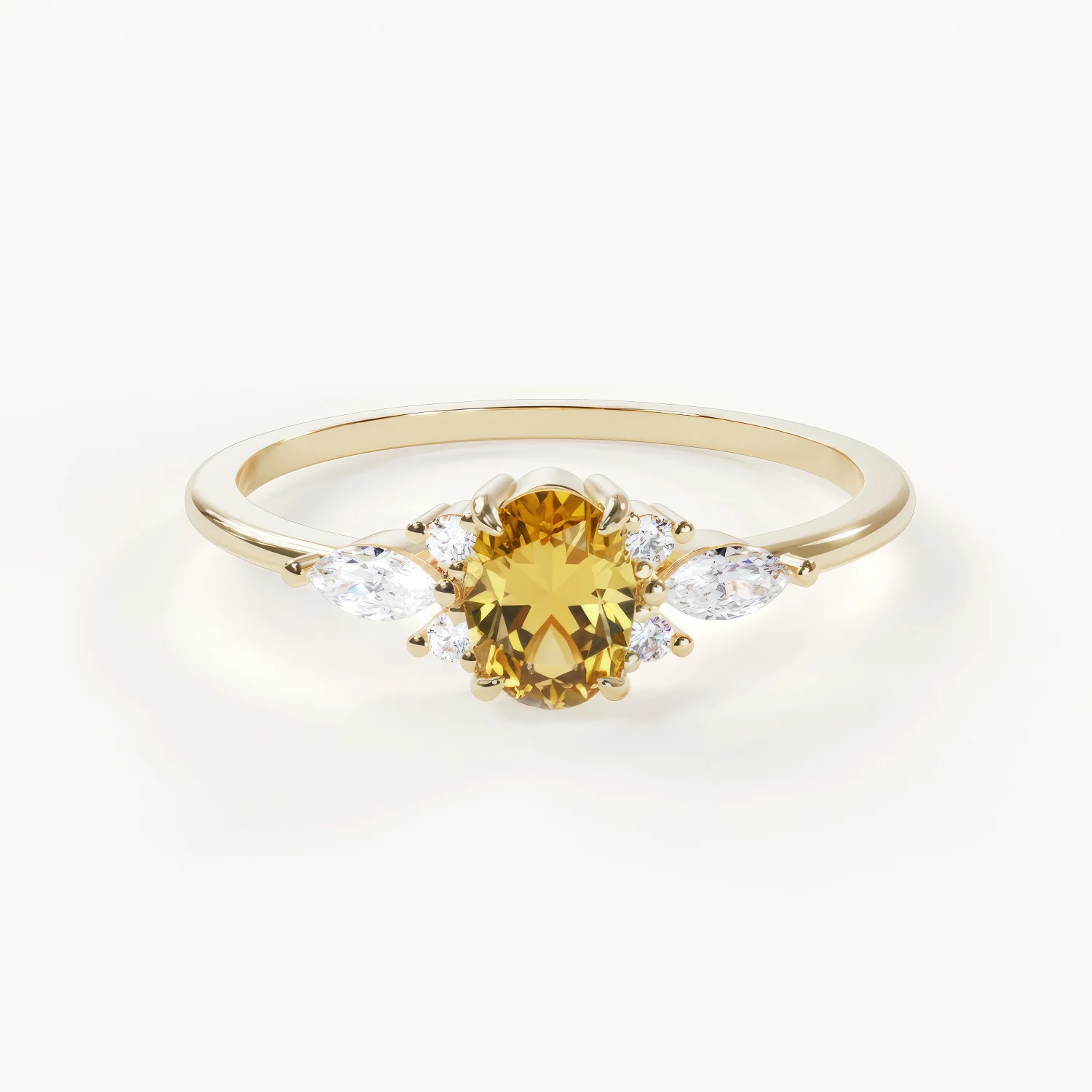
January — Garnet
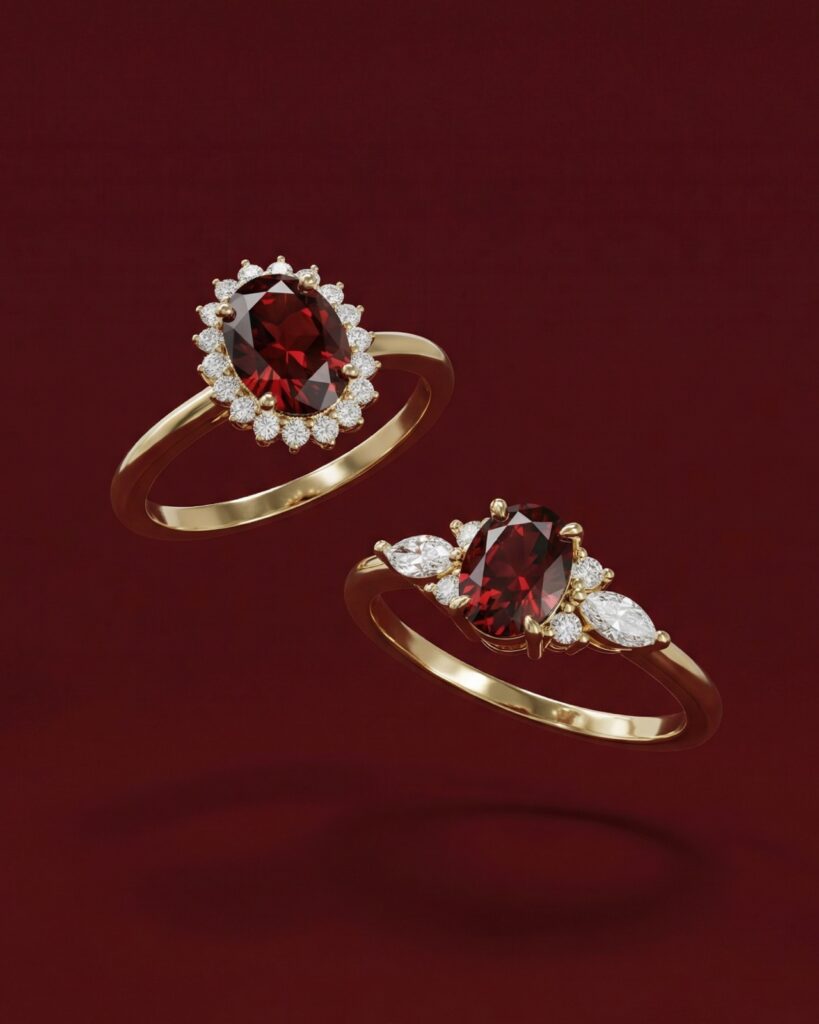
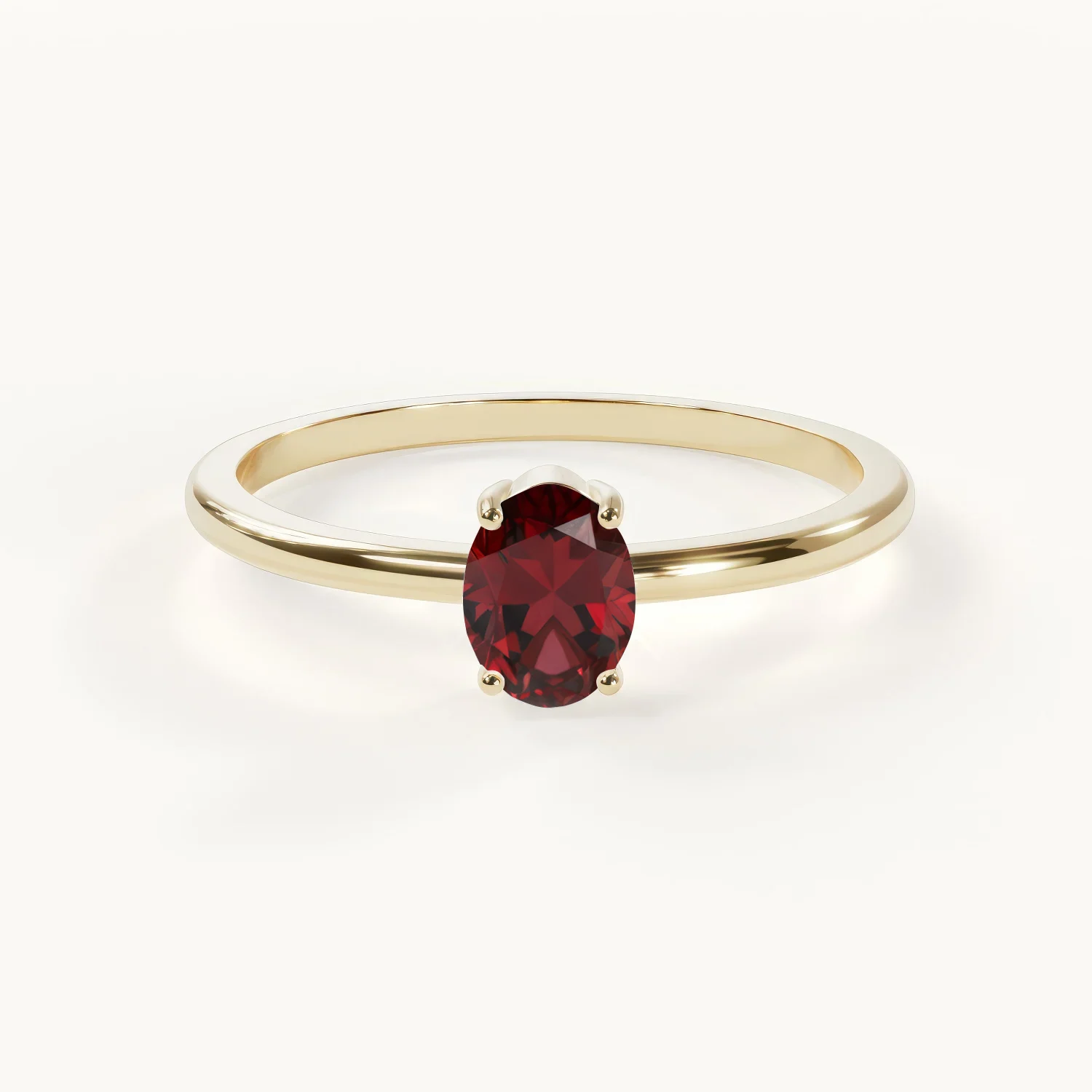
Garnet is the stone of deep connection. Its name comes from the Latin *granatus* —meaning “grained”—and refers to the deep red colour of pomegranate seeds. The ancient Egyptians wore garnet jewellery as a symbol of life and death. In the Middle Ages, it was believed that garnet protected travelers and guided them in the darkness. Those born in January wear a stone that traditionally symbolises loyalty, steadfastness, and the preservation of important relationships—fitting for a month that marks the beginning of a new year.
February — Amethyst
Amethyst is the elegant shade of purple—ranging from delicate lilac to a deep plum tone. The name comes from the Greek word *amethystos*, meaning “not drunk.” The Greeks believed the stone protected against excessive wine consumption and mental confusion. In the British royal family, amethyst was long the stone of the coronation robes. Today, it symbolises clarity, protection, and calm self-reflection. Those born in February wear a stone traditionally associated with inner strength and mental balance—a rare combination.
March — Aquamarine
Aquamarine carries the sea within it. “Aqua marina” —water of the sea—is what the Romans called it, and they believed the stone brought sailors good luck and a safe return home. Its light, clear blue does indeed recall the colour of shallow bays. Aquamarine symbolises courage, calm clarity, and the ability to keep a cool head in stormy times. Those born in March, at the transition from winter to spring, wear a stone that reflects precisely this energy of transition—hope, quiet strength, and a fresh breath of life.
April — White Sapphire
Traditionally, the gemstone for April is the diamond. At Velur, we carry the white sapphire instead—a chemically different stone that is virtually indistinguishable to the eye, yet offers clear advantages in terms of ethics and price. The sapphire belongs to the corundum family; it is the second-hardest gemstone after the diamond and has a clear, cool sparkle. Symbolically, it represents purity, truth, and unclouded clarity. Those born in April thus receive a stone that embodies the timeless elegance of a diamond without the problematic background of the diamond trade.
May — Emerald
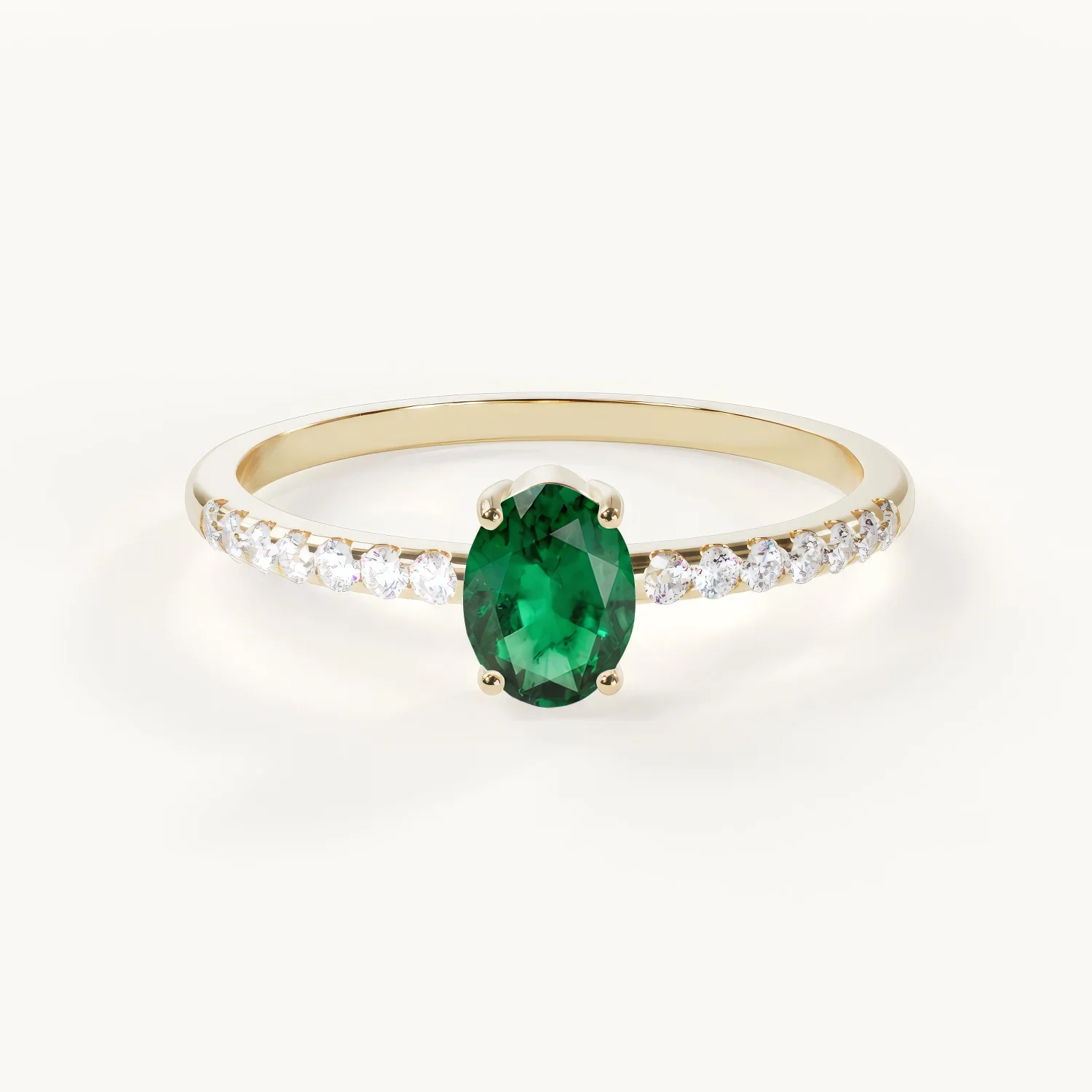
Emerald is the stone of love—and Cleopatra’s favourite stone. She had entire mines worked to extract emeralds for her jewellery. Its deep green colour traditionally symbolises growth, new life, and the blossoming of a relationship. Being born in the spring—the month when everything bursts into bloom—is a perfect symbolic match for this stone. Emeralds are slightly softer than other gemstones and require a little care—which makes them seem even more special and intimate.
June — Moonstone
Moonstone is the most mystical of the birthstones. It has no distinct colour—its sheen shifts with the light, ranging from white-bluish to silvery, and sometimes with a delicate golden hue. Hindus believe the stone was formed from captured moonlight. The Romans associated it with Diana, the goddess of the moon. Symbolically, moonstone represents intuition, femininity, and quiet inner knowledge—qualities that cannot be forced but can only be allowed to unfold. Those born in June wear a stone that, like no other, celebrates change and depth.
July — Ruby
The ruby is a garnet elevated to royal status. Both are red, but while garnet has an earthy quality, the ruby is velvety, intense, and almost luminous. In Sanskrit, it is called ratnaraj —king of gemstones. Burmese warriors wore rubies under their skin because they believed the stone made them invulnerable. The ruby symbolises passion, vitality, and uncompromising devotion. Those born in July, in the midst of midsummer, wear a stone that reflects the warmth and intensity of this month—visible, powerful, and impossible to overlook.
August — Peridot
Peridot is one of the few gemstones that occurs in only a single colour—a clear, fresh light green that is rarely found in any other stone. The ancient Egyptians called it the “gemstone of the sun” and mined it on the volcanic island of Zabargad in the Red Sea. Some peridot crystals have even been found in meteorites—meaning they actually came from space. Symbolically, it represents healing, strength, and letting go of old burdens. It’s a fitting stone for late summer, a time when many things come to a close and fall into a new order.
September — Blue Sapphire
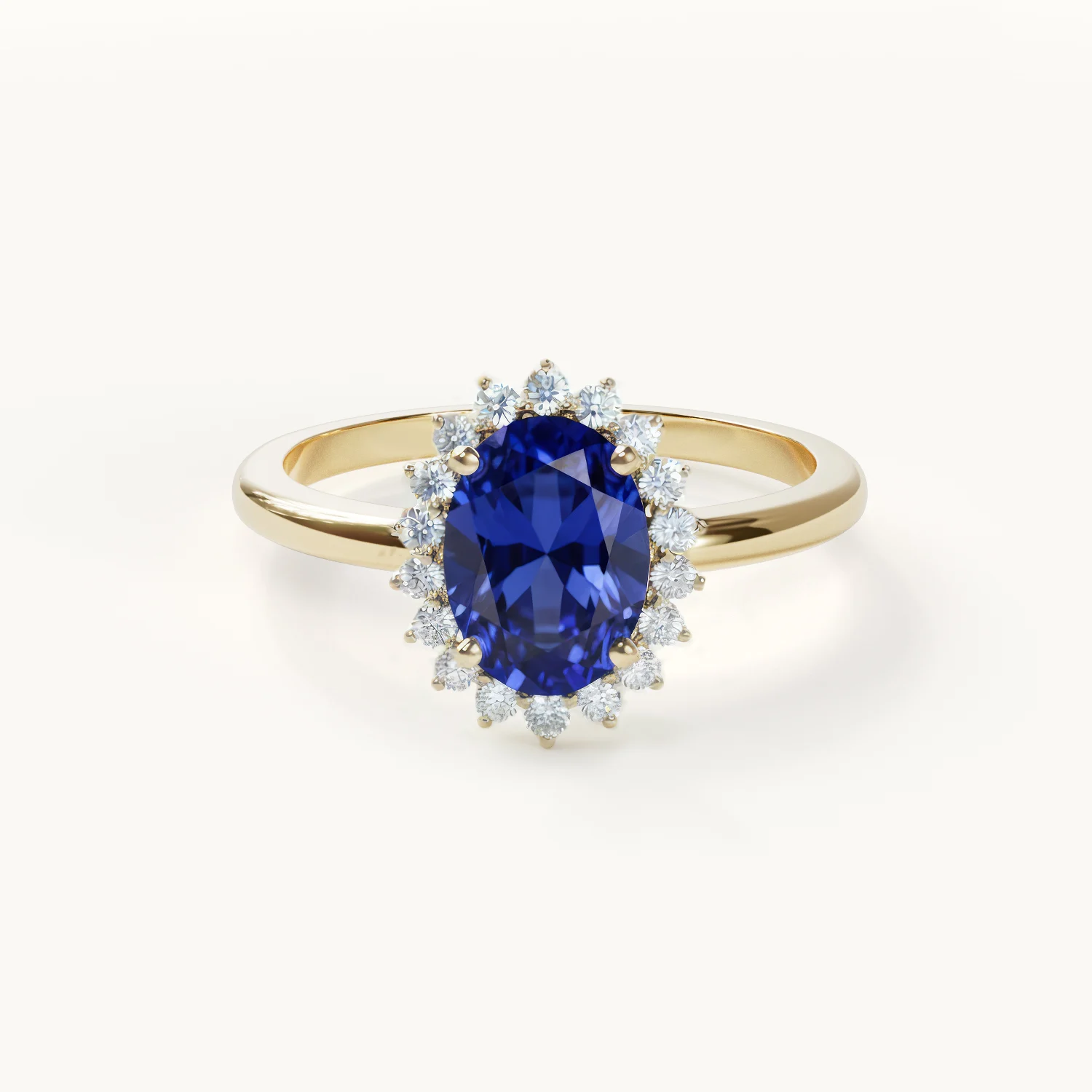
The blue sapphire is regal. Princess Diana wore one; today, Kate Middleton wears the same ring. In the Middle Ages, it was believed that the stone protected against envy and poisonous words. Its deep, rich blue is one of the most famous colours in the world of gemstones. Symbolically, the sapphire represents wisdom, loyalty, and true love. Those born in September, as summer gives way to fall, wear a stone that radiates a special dignity—without needing to make a big show of it.
October — Pink Tourmaline
Tourmaline comes in more colours than any other gemstone—from black to green to pink. The pink variety, sometimes called rubellite, is the birthstone for October. Its name comes from the Sinhalese word “turmali, ” which means “stone of mixed colours.” Pink tourmaline symbolises compassion, joy, and an open heart. It’s a beautiful symbolism for a month when autumn bursts into colour and much of the world takes on warm hues.
November — Citrine
Citrine is the sunny variety of quartz—ranging from a delicate honey-yellow to a rich golden-orange. The name comes from the French word “citron,” meaning lemon. The Romans wore citrine as protection against evil thoughts; in the 17th century, it was particularly popular among Scottish goldsmiths for decorating daggers. Symbolically, the stone embodies warmth, optimism, and creative energy. In a month when the days are growing shorter and light is in short supply, citrine is like a little reservoir of sunshine on your finger—subtle, yet unmistakable.
December — Tanzanite
Tanzanite is the newest of the birthstones. It was discovered in Tanzania in 1967—the only known source worldwide, hence its name. Tiffany & Co. introduced it to the market and named it after the only country that produces it. Its play of colour is fascinating: depending on the angle of the light, it shifts between deep blue and violet. Tanzanite is considered a stone of spiritual renewal and conscious transformation. It is a fitting symbol for those born in December at the end of the year—when the old comes to a close and the new begins.
Birthstone Jewellery at Velur
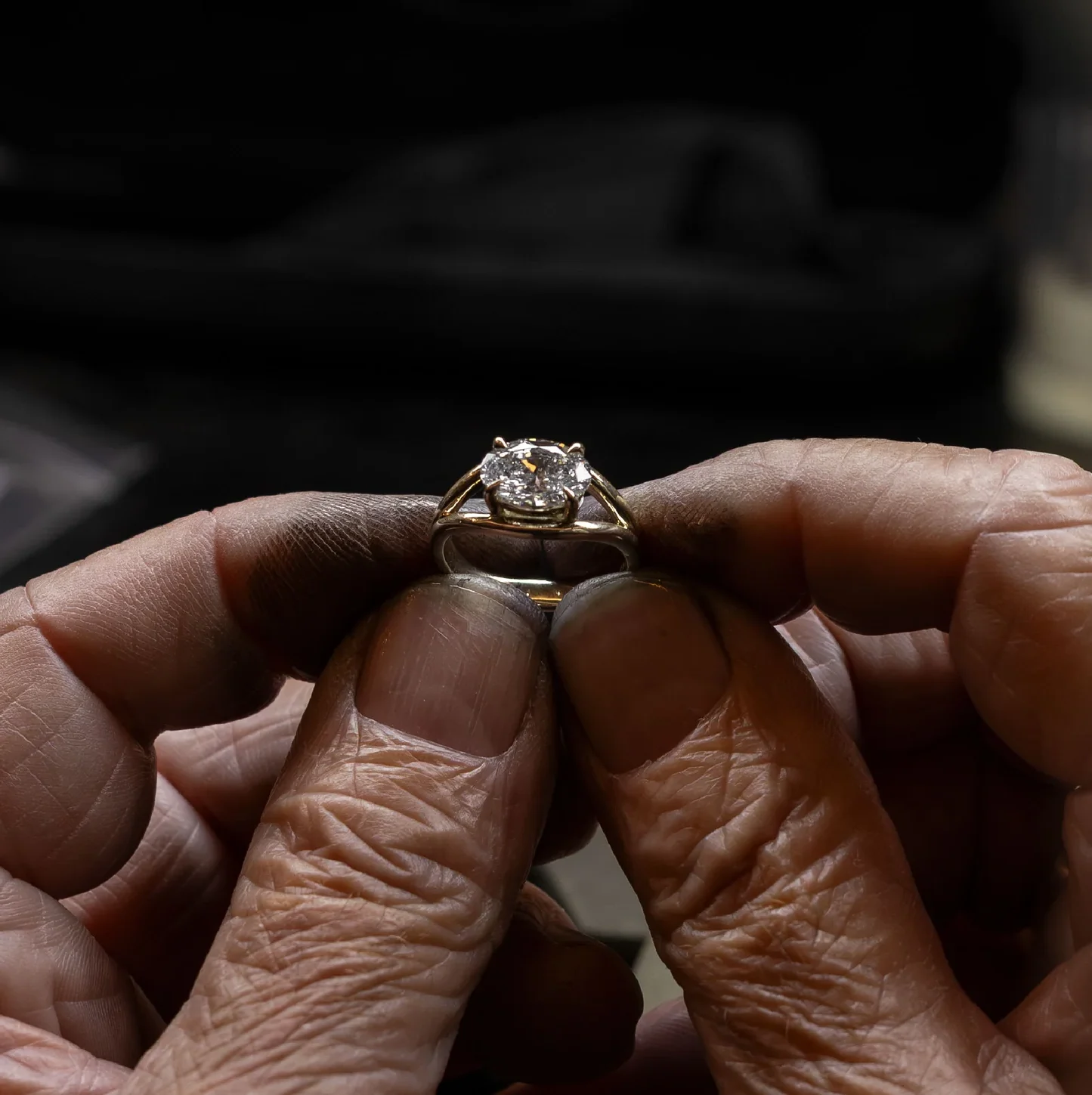
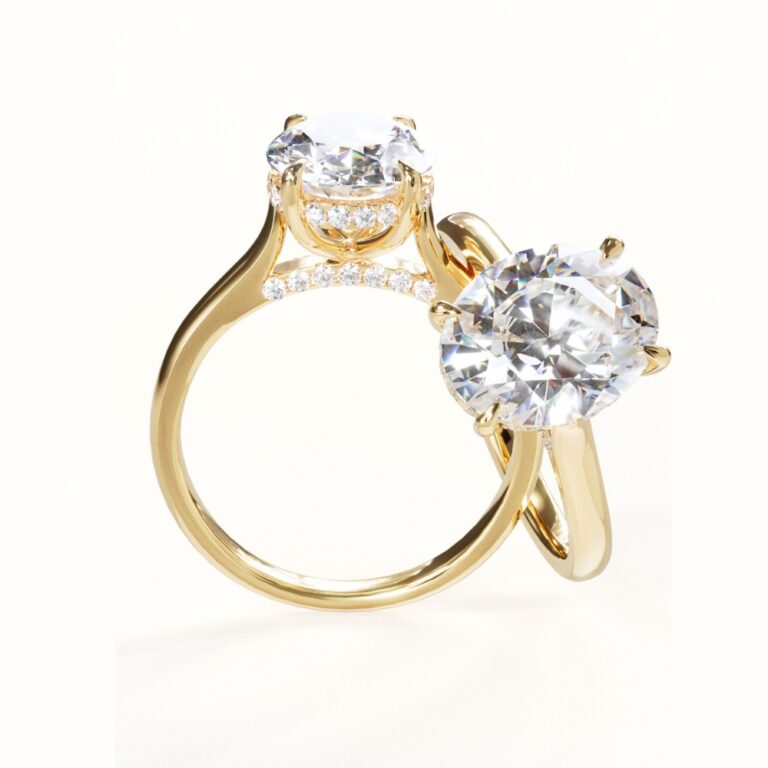
At Velur, you’ll find each of the twelve stones as a handcrafted 14k gold ring. There are four designs to choose from, each available in twelve stone variations—you choose the ring first, then the stone. All stones are lab-grown, making them ethically sound, consistent in colour, and fairly priced. Here are the four designs:
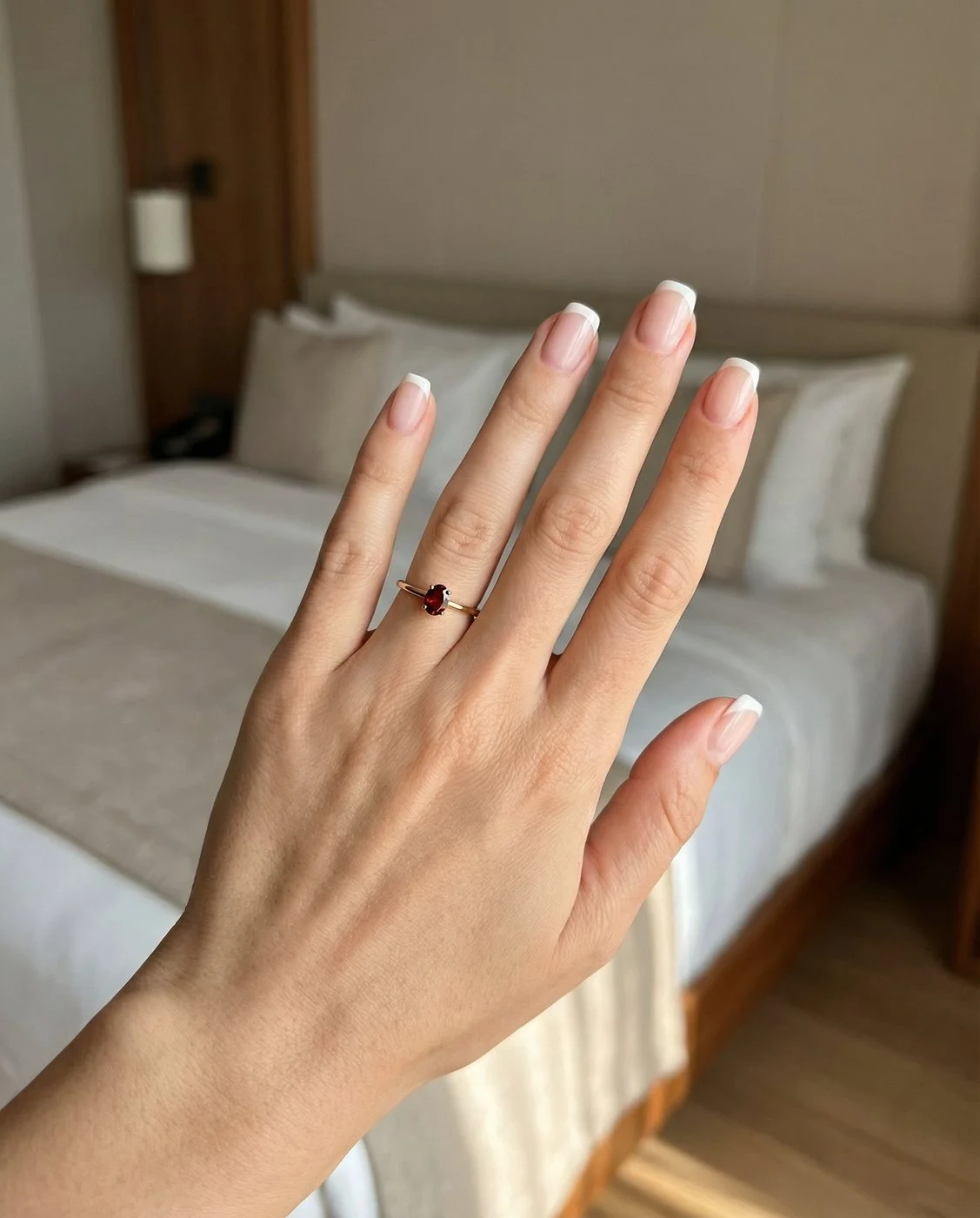
Aveline – Birthstone Solitaire
The simplest solitaire in the birthstone collection. The stone takes centre stage, with a minimalist band. Your introduction to our world of birthstones—and the best-selling piece among the four.
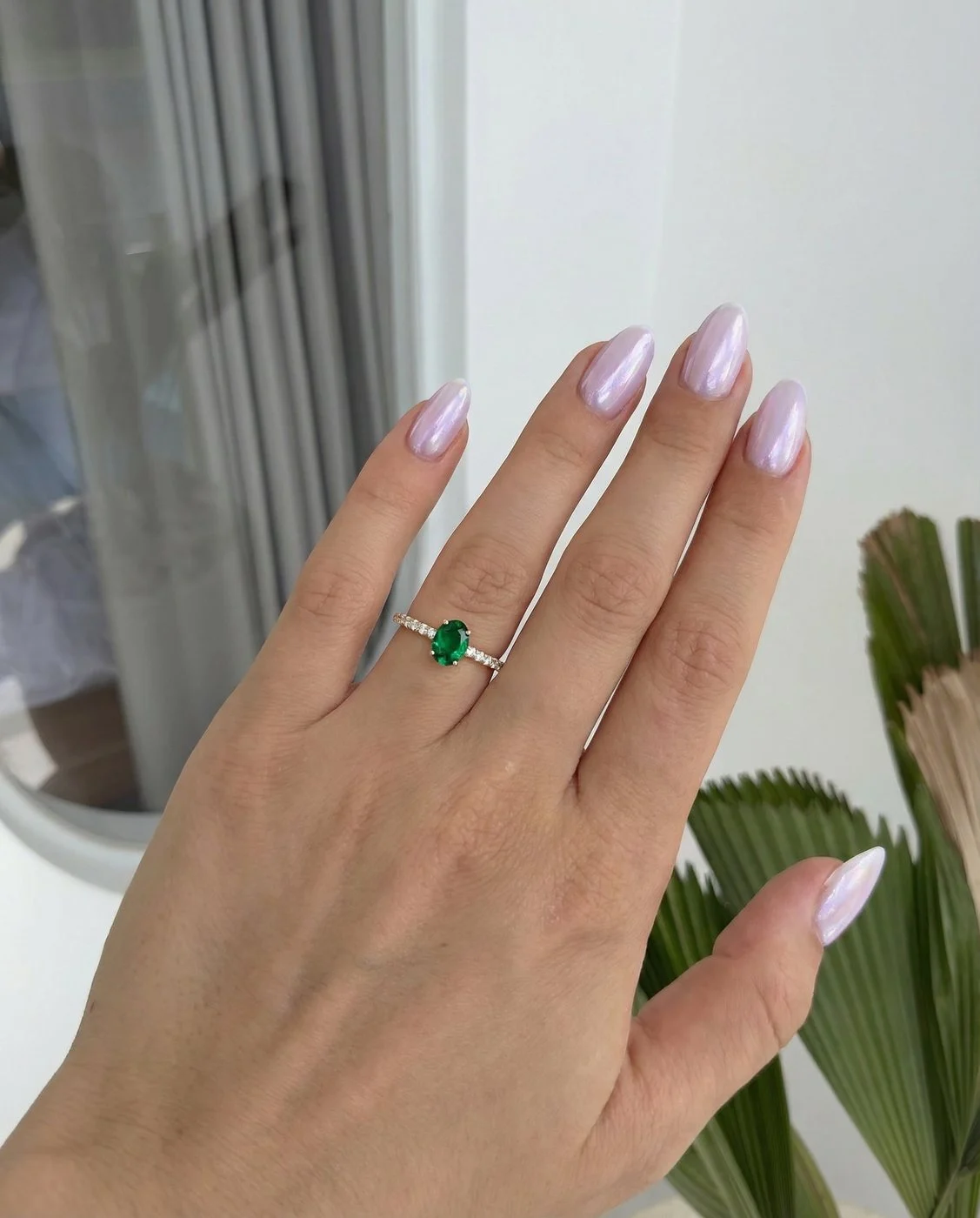
Aveline Lumière – Birthstone Pavé
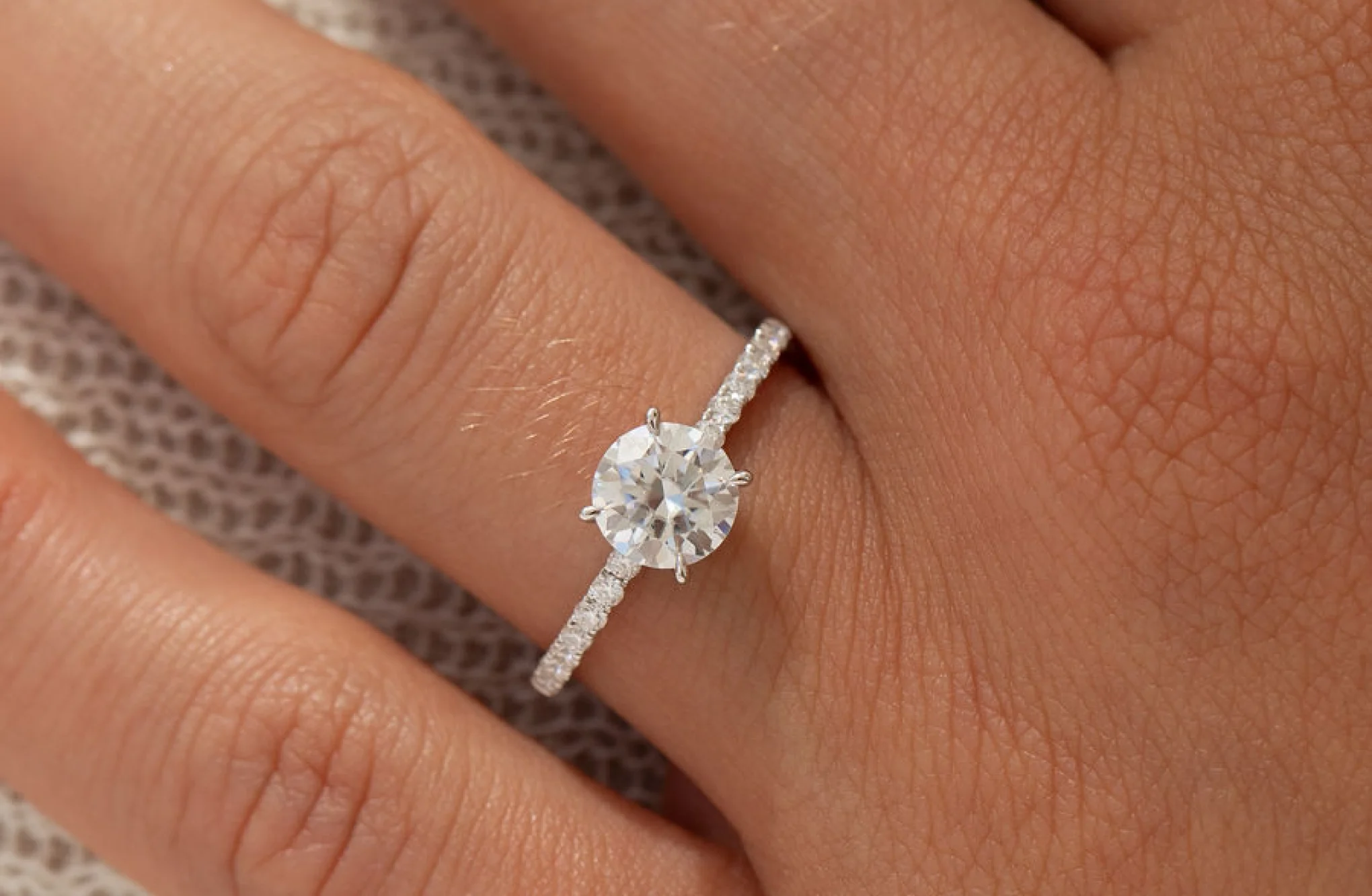
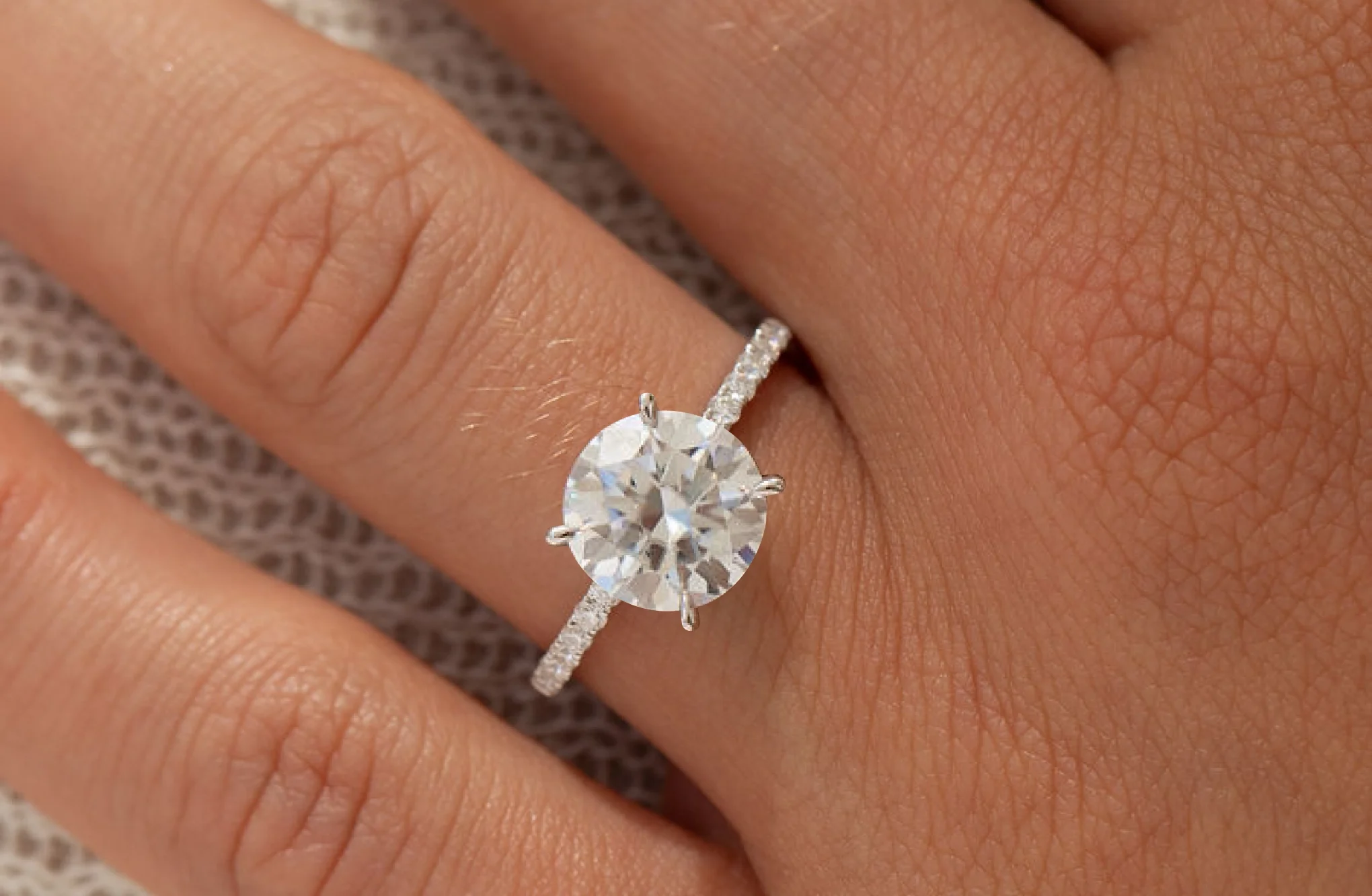
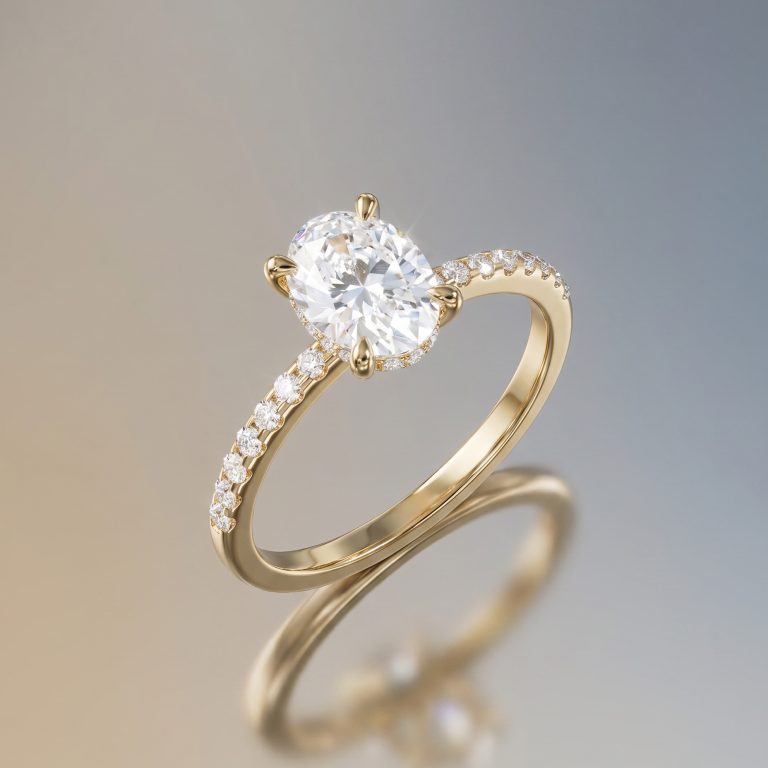
Like Aveline, with a pavé band: small diamonds set along the band frame the centre stone. More sparkle, more presence, without looking overdone.
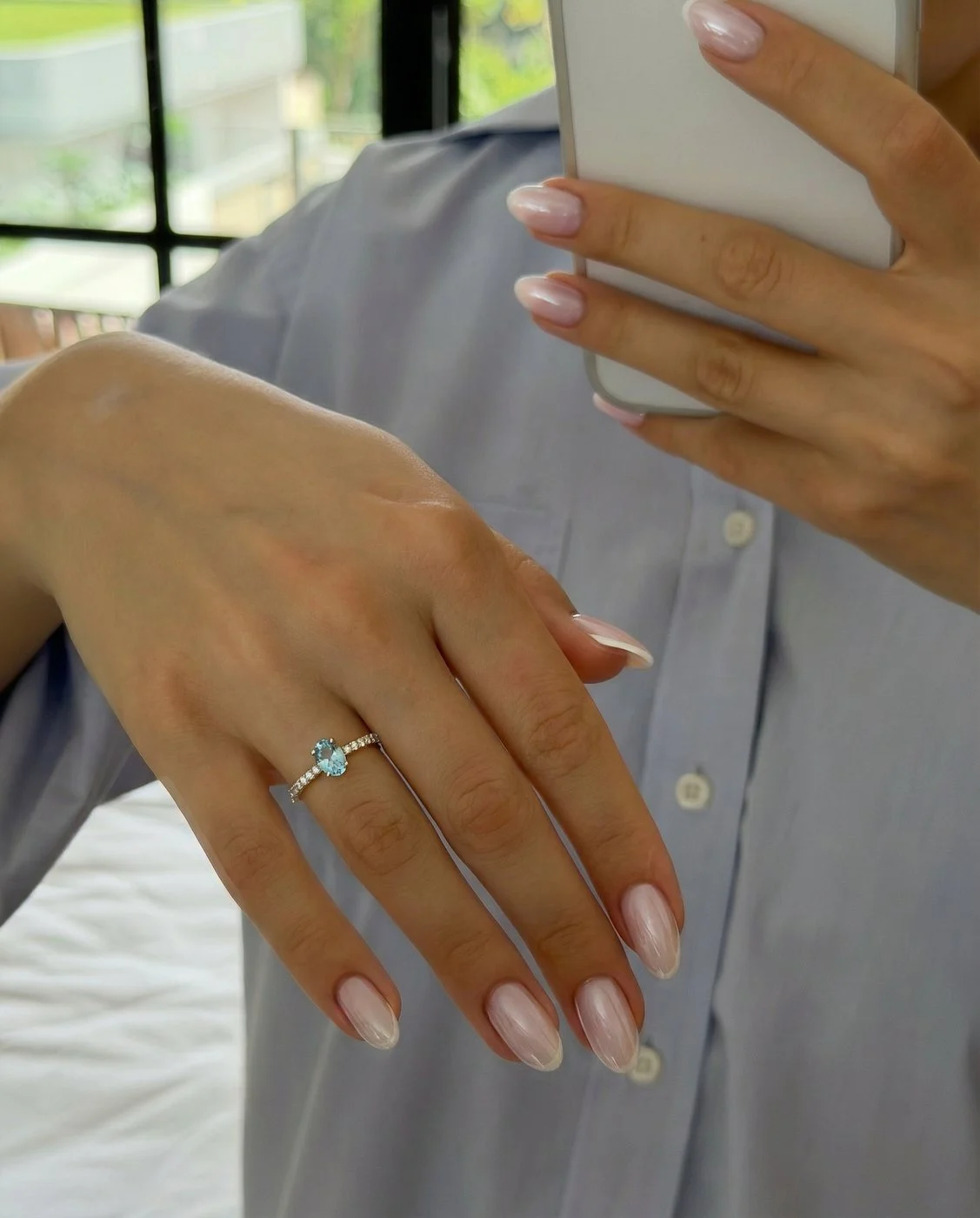
Muse Lumière – Birthstone Trilogy
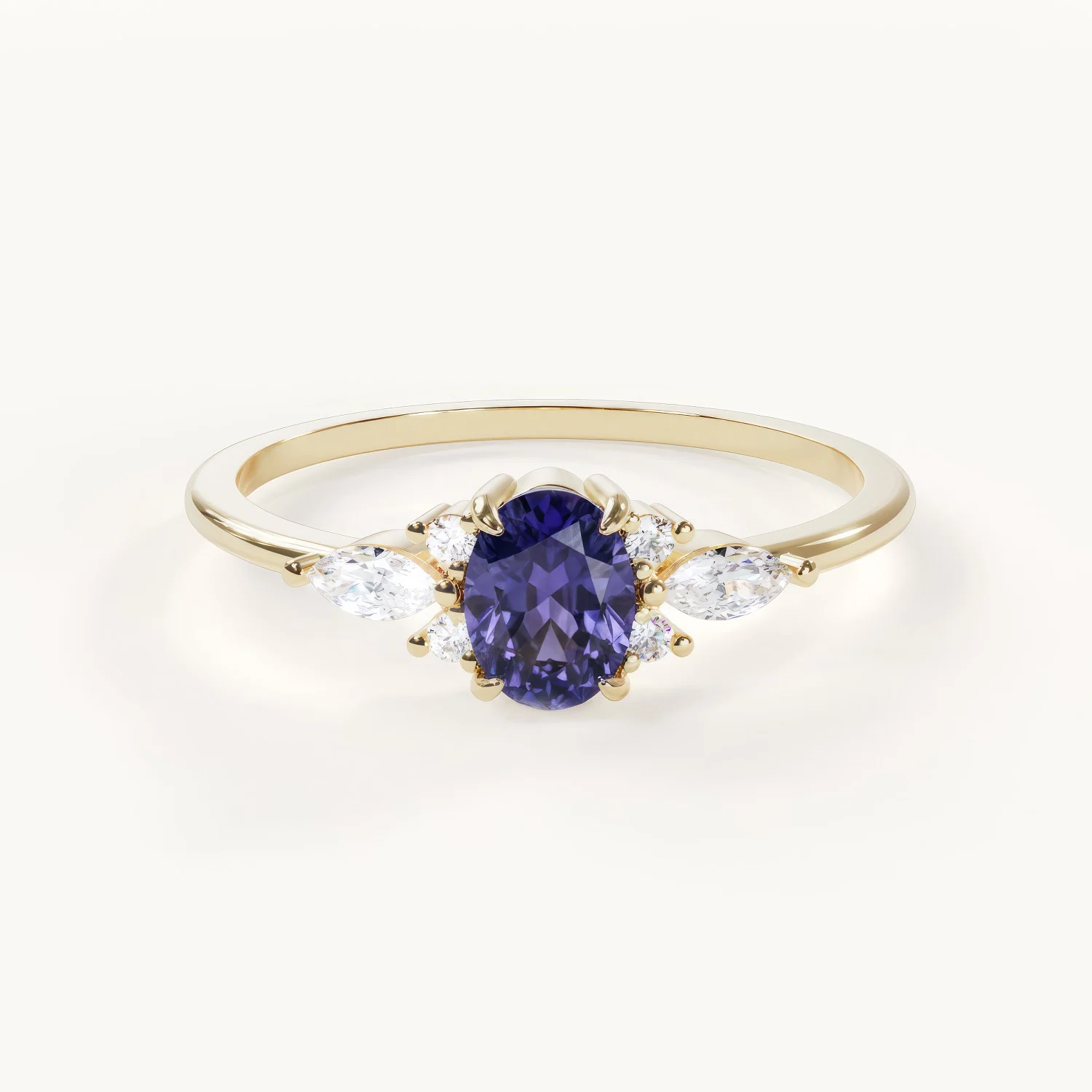
Three-stone design: the birthstone in the centre, flanked by two small accent stones. A ring that tells a story—past, present, and future.
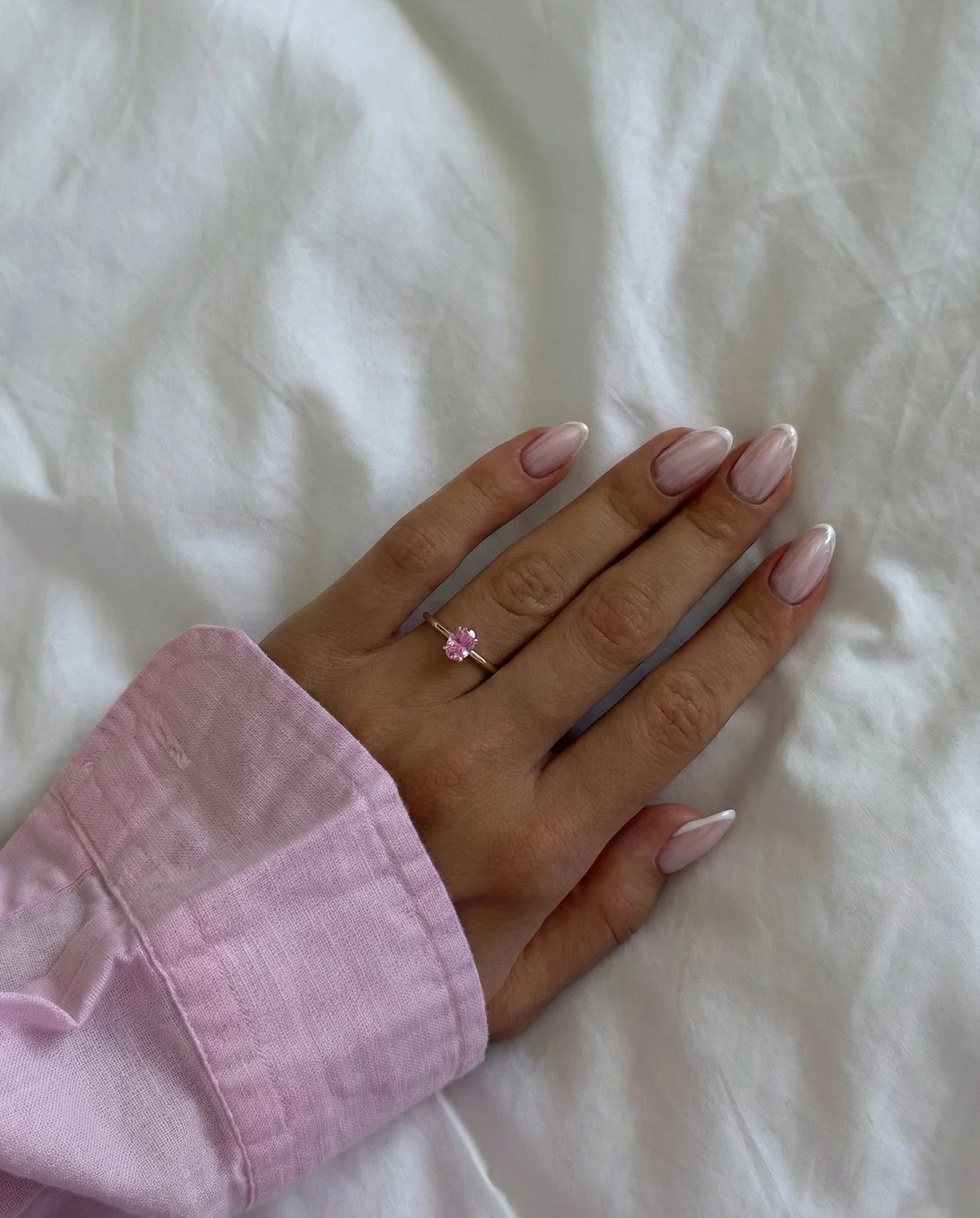
Muse Aurora – Birthstone Halo
A halo-style ring featuring a small diamond border around the centre stone. Maximum brilliance; the most elaborate design in the birthstone collection. For occasions that mark a special moment.
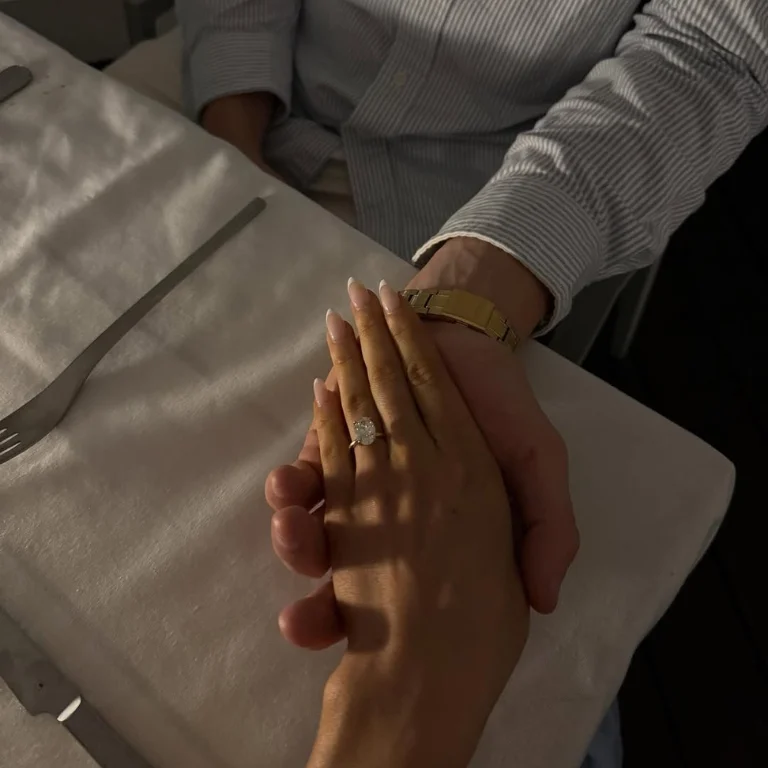
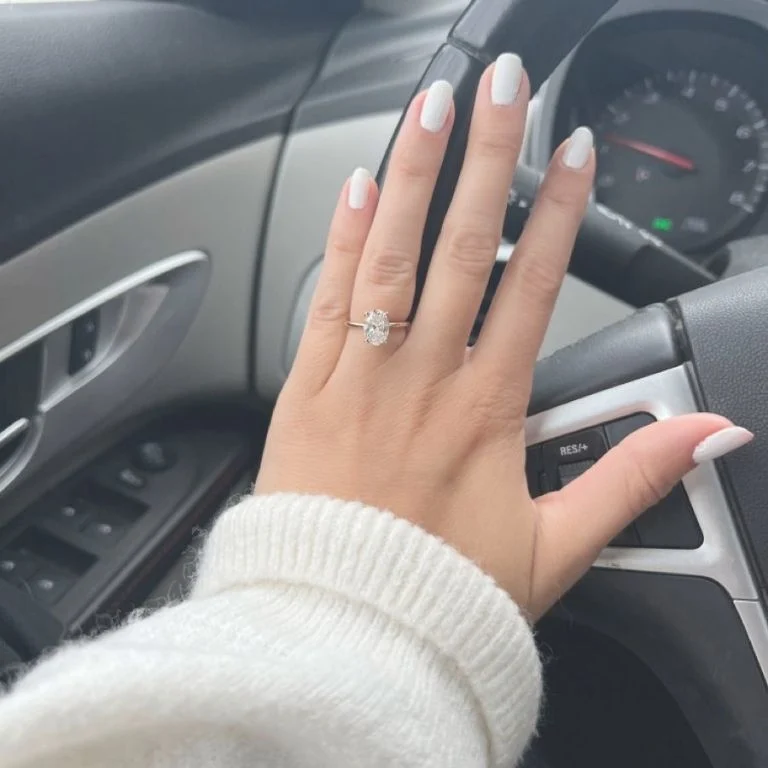
Real Ring Moments
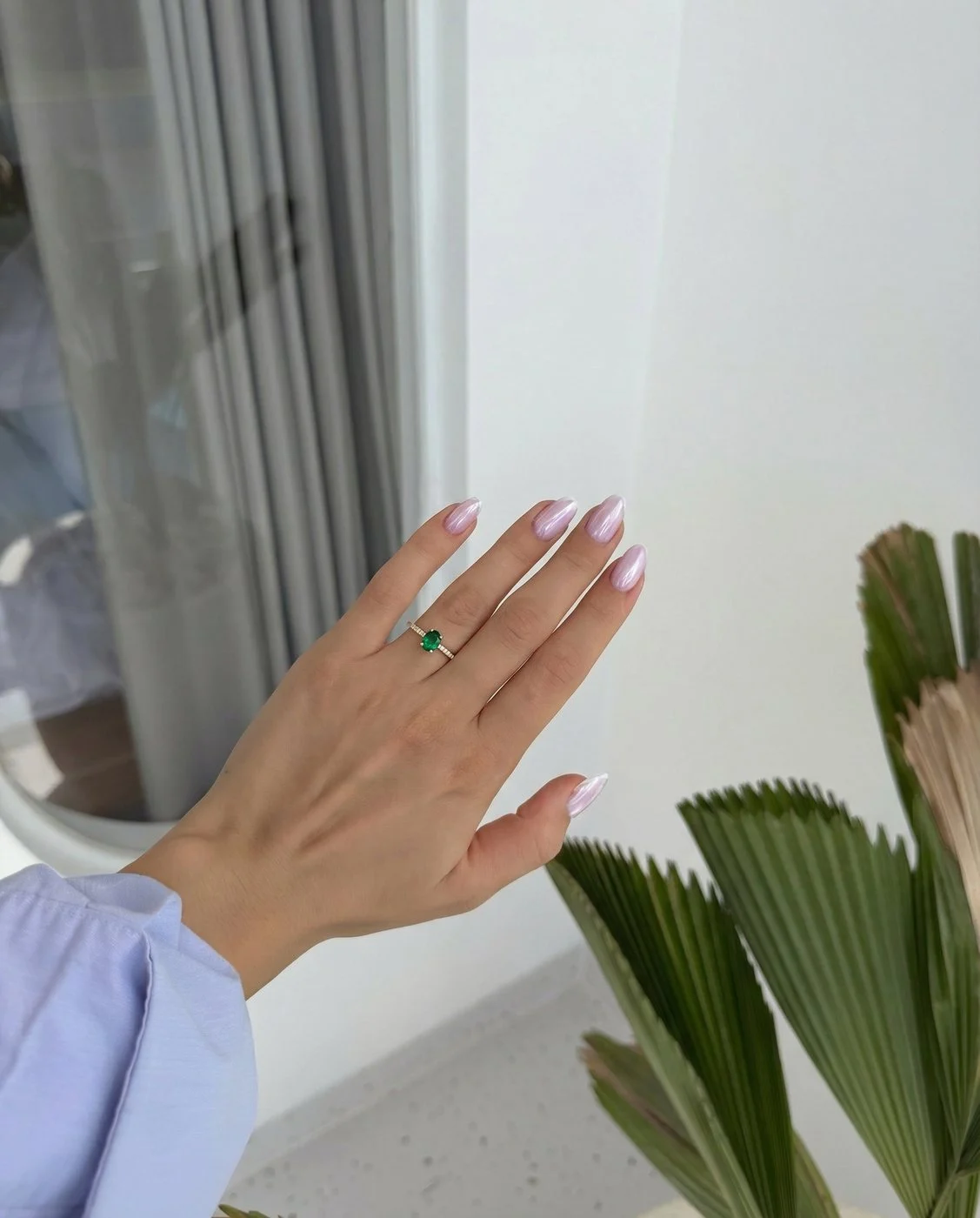
Here's how birthstone rings look when worn
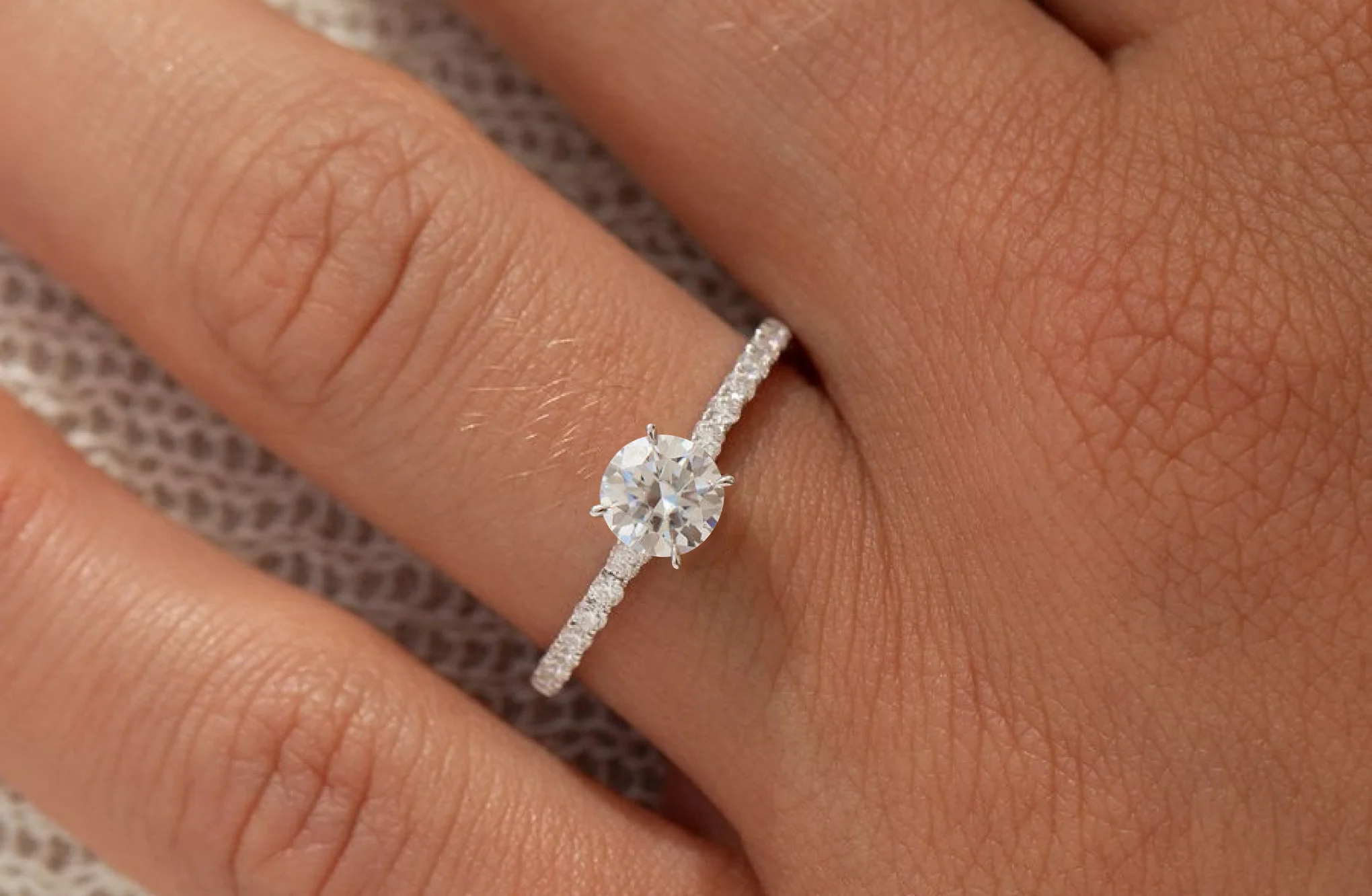
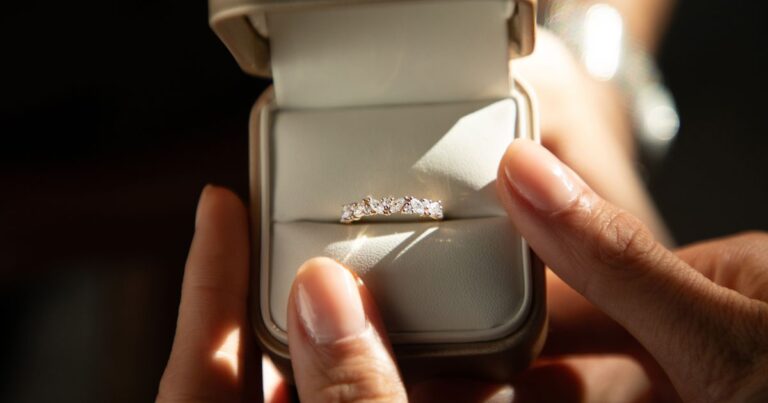
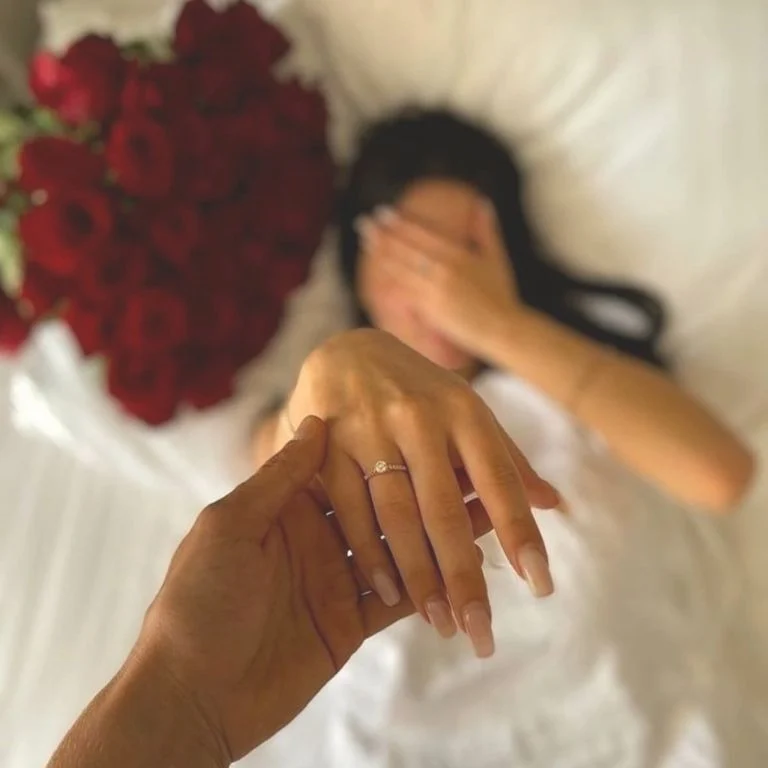
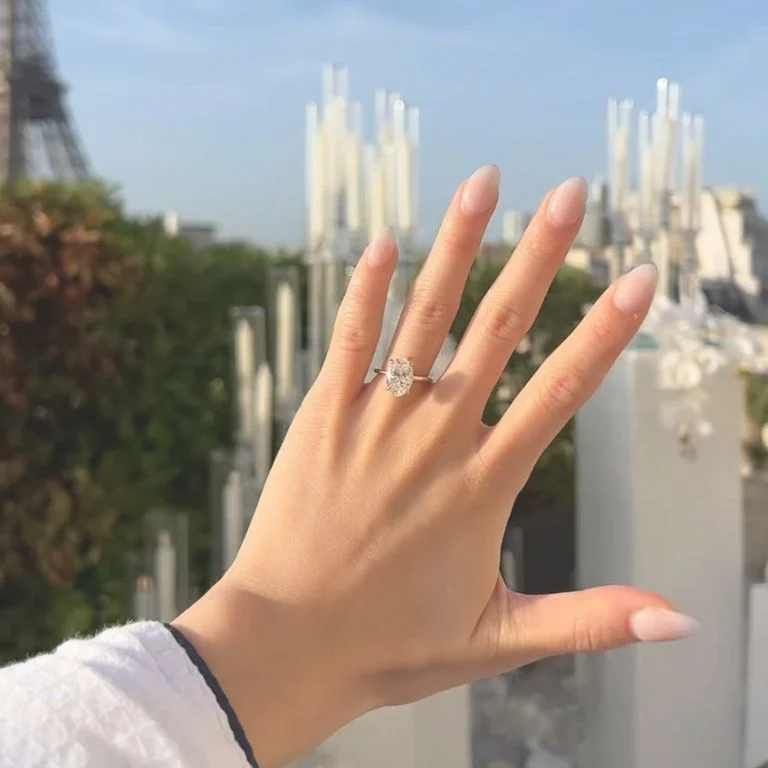
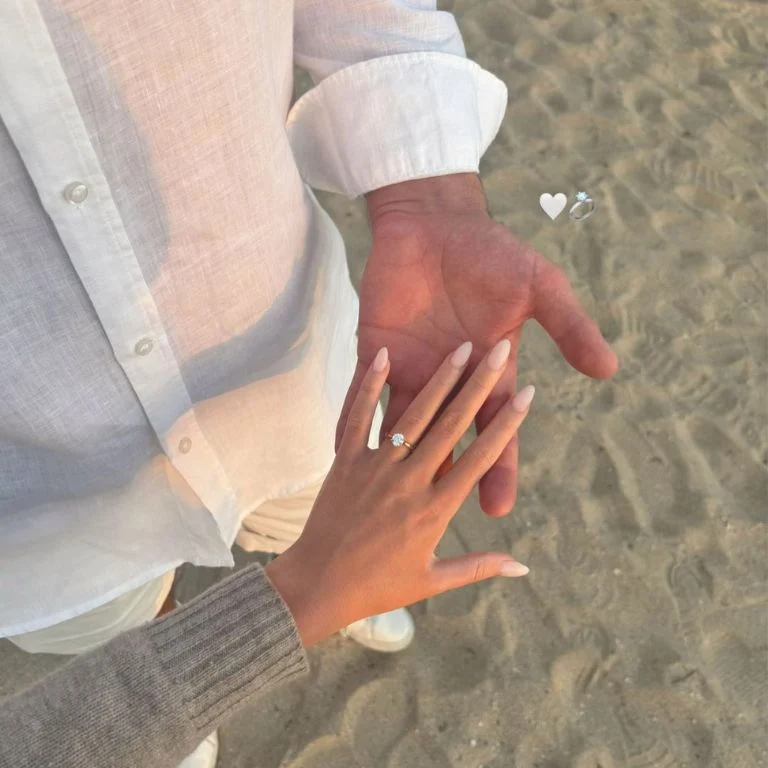
The following photos show selected stones held in the hand. This makes the colour more tangible: not just as a studio subject, but in natural light, alongside skin tones, clothing, and everyday situations.
Colour Effect Worn
When it comes to birthstones in particular, it’s not just the symbolic meaning that matters, but also how they look on the hand. Real photos help you better assess the intensity of the colour: Emeralds appear significantly clearer, garnets warmer, aquamarines brighter, and tourmalines softer than in pure product renderings.
If you’d rather not buy the birthstone as a standalone ring but would like to incorporate it into an engagement ring, read our post on the hidden birthstone in an engagement ring —there, we explain how a hidden stone works in an engagement ring and when it makes sense.
Five Occasions for Birthstone Jewellery
Birthstone jewellery isn't just for your own birthday. Here are five occasions when it's a great choice:
1. Mother's Day
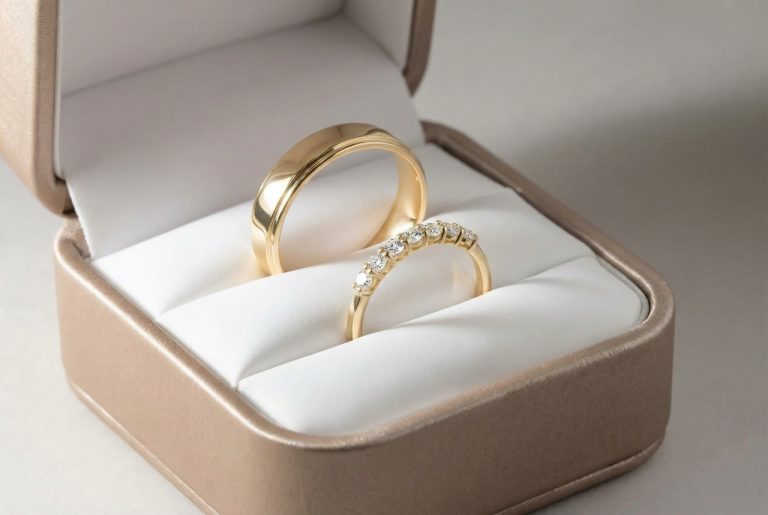
The mother’s birthstone, worn by her daughter—or the mother’s own birthstone, worn by her child. Both options work. Mothers with multiple children love rings or pendants that combine the birthstones of all their children. With the Velur Eternity bands, up to five stones can be set in a row.
2. Birth of a Child
The child’s birthstone, worn by the mother—as a visible symbol of a new bond. It may seem simple and unspectacular, but emotionally, it’s one of the most powerful jewellery gifts of all. Fathers who want to give the new mother something personal without falling into clichés will find a solution here that’s anything but generic.
3. First Date or Getting-to-Know-You Month
Did you meet in May? Emerald. In September? Sapphire. The stone becomes an unspoken reminder of the moment when it all began. She won’t understand it right away—and when you explain the story behind it as you give it to her, you’ll create a moment she’ll remember for a long time.
4. A Gift to Yourself to Celebrate a Milestone
A degree, a new job, an important birthday. Birthstone jewellery as a gift to yourself has a special quality: it’s personal, without carrying any external significance. You wear a reminder of a moment when you achieved something—visible only to you.
5. Hidden Message in the Engagement Ring
The most intimate option: a tiny birthstone, hidden in the engagement ring where no one but her can see it. The stone represents her birth month, the month you got engaged, or her mother’s birth month. We’ve written a separate post about this.
Lab-Grown vs. Natural Stone — Velur's Position
At Velur, all birthstones are lab-grown. This is a deliberate decision, and there are three reasons for it.
Ethics. The gemstone trade is historically a problematic business. Not all mines are problematic, but enough of them are that it is rarely possible to trace the origin of a natural gemstone with certainty. Lab-grown gemstones are produced through controlled laboratory processes, without mining and without questionable supply chains.
Quality. Conditions can be precisely controlled in the lab. The result: stones without inclusions, with perfect colour saturation, and in the exact size needed for a ring. With natural gemstones—especially smaller ones—such levels of clarity are expensive and rare.
Price. Lab-grown stones cost a fraction of what their natural counterparts do. This is what makes birthstone jewellery affordable in the first place for people who don’t want to spend €2,000 on a small natural gemstone—which, to be honest, is most people.
Chemically and physically, lab-grown and natural gemstones are identical. The only differences lie in their origin and price. When you buy a Velur birthstone ring, you get a genuine gemstone—but without the ethical and financial baggage of the traditional gemstone industry.
Which birthstone is right for whom?
If you'd like to give birthstone jewellery as a gift but aren't sure which stone is right, here are four profiles to help guide you.
She loves simple, minimalist designs
Aveline solitaire set in a clear, cool stone: white sapphire (April), aquamarine (March), moonstone (June). A slim gold ring, one stone, no frills. She’ll be able to wear it every day—with jeans or a cocktail dress.
She likes statement pieces and bold colours
Muse Aurora Halo in garnet, ruby, emerald, or blue sapphire. The halo setting and the intense colour make this ring a real eye-catcher that stands out even on a hand full of other rings.
She values meaning more than glamour
The Muse Lumière Trilogy features her birthstone, flanked by two accent stones that can represent other important people in her life. Three stones, three stories—the ring gains depth without being overly flashy.
It straddles the line between classic and modern
Aveline Lumière Pavé. A classic solitaire design, but with a subtle pavé band. It sounds understated, looks high-quality, and suits almost any lifestyle. Probably the most versatile ring in the collection.
Frequently Asked Questions
What is a birthstone?
A birthstone is a gemstone traditionally associated with a particular birth month. The list commonly used today includes twelve stones—garnet for January, amethyst for February, aquamarine for March, and so on—and was standardised in 1912 by the American National Association of Jewellers. The tradition itself is much older and dates back to biblical times.
Are Velur's birthstones real?
Yes. Velur uses only lab-grown gemstones. They have the same chemical structure, hardness, and sparkle as natural gemstones—but they are ethically sound, free from mining-related conflicts, and more consistent in colour.
Which birthstone is the most valuable?
When it comes to natural gemstones, emerald, ruby, and sapphire are traditionally the most valuable—diamond is not a classic birthstone. In the lab-grown category, as we carry it, the price differences between the stones are significantly smaller. At Velur, every birthstone ring starts at €280, regardless of the stone you choose.
Can I still give a birthstone as a gift even if the month doesn't match?
Of course. Many couples choose the birthstone of the mother, the child, or their best friend—or simply their favourite colour. Birthstone jewellery is all about symbolism, not specific birthdates.
How do I care for birthstone jewellery?
Lukewarm water, mild soap, and a soft cloth—that’s all you need for most stones. Moonstone and emerald are a bit more delicate and should not be cleaned in an ultrasonic cleaner. It’s best to remove them when exercising, swimming, or cleaning. Detailed care tips can be found on each product page.
What is the difference between a birthstone ring and an engagement ring?
An engagement ring is a symbol of engagement—usually featuring a diamond or moissanite as the centre stone. A birthstone ring is a personal piece of jewellery that symbolises the wearer’s birth month. The two can be combined—for example, by incorporating a birthstone as a hidden accent in the engagement ring.
By when do I need to place my order so the ring will arrive in time for my birthday?
Each Velur ring is made to order. The usual delivery time is 2 to 3 weeks, though it may take a little longer during peak seasons. Plan for a three-week lead time, and you'll be sure to receive the ring on time.
Can I combine multiple birthstones in one ring?
Yes. Engagement rings with the Hidden Stone option can incorporate up to four birthstones—perfect for families where each member gets their own stone.





Which stone should I choose?
Whether it's for yourself, your mom, or as a gift—at Velur, you'll find every birthstone as a handmade 14k gold ring. Browse the collection or message us on WhatsApp if you need help choosing.