

Shopping Cart
0Engagement Rings with Lab-Grown Diamonds
Colorless laboratory-grown diamonds with no visible inclusions and an IGI certificate—set in solid gold or platinum.
4.6 on Trustpilot Lifetime warranty
Shape
Advice from Velur’s Ring Experts
Whether it is the ring, stone or size: we offer personal, no-obligation advice.
Talk to a Ring Expert→Colorless laboratory-grown diamonds with no visible inclusions and an IGI certificate—set in solid gold or platinum.
★★★★★ 4.6 on Trustpilot Lifetime warranty
Refine your selection
Sort
Carat
Gold alloy
Cut
Style
Shape
Lab-grown diamond is preselected for these rings. Your centre stone is colourless (colour D–F) with no visible inclusions (clarity VS1 or better). Cut, polish and symmetry are graded “Excellent”, and it has its own IGI certificate. From 1 carat, a lab-grown diamond in our diamond exchange costs less than a third of a natural diamond of the same size and quality.
A lab-grown diamond is a diamond grown in a laboratory. Chemically, physically and optically it matches a natural diamond. Our lab-grown diamond guide explains how to recognise a good stone.
The cheapest available loose stone per size in our diamond exchange: round, colour D–F, clarity VS2 or better, cut, polish and symmetry “Excellent”.
Prices change with availability. A finished ring also includes the setting and precious metal; the configurator shows the ring price.
For your ring, practical choices also matter: How does the stone shape look on your hand? Which setting suits everyday wear? Which metal and carat size fit your budget? Compare models with the same configuration so that prices, stone details and proportions remain comparable.
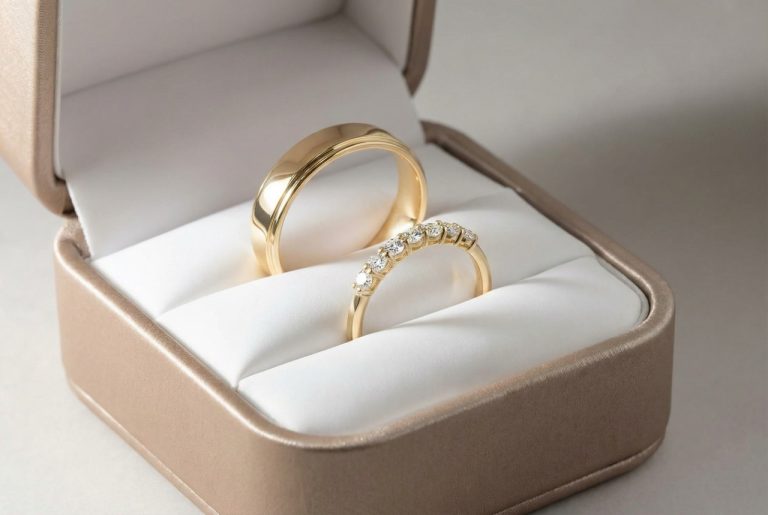
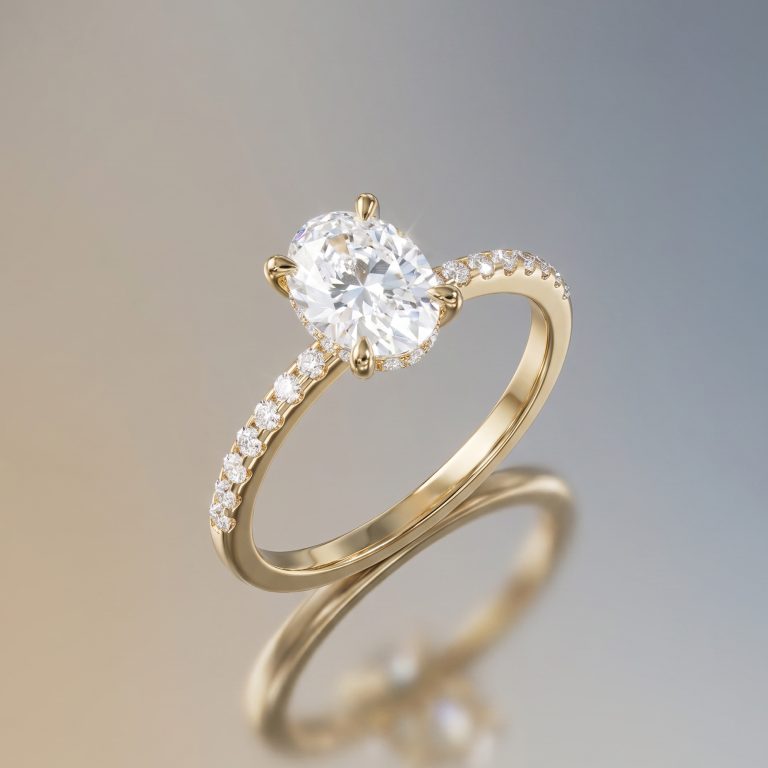
A round cut looks classic, while an oval cut emphasises length. A solitaire draws attention to the centre stone. Side stones or a floral setting change the overall look. Also check how high the stone sits and how the ring will fit next to a wedding band.
Carat measures a diamond’s weight. Its dimensions and cut also affect how large it looks. Our carat size guide helps you compare sizes. Yellow gold creates a warm contrast, while white gold has a cooler look. The model’s configurator shows which alloys are available and whether platinum is an option.
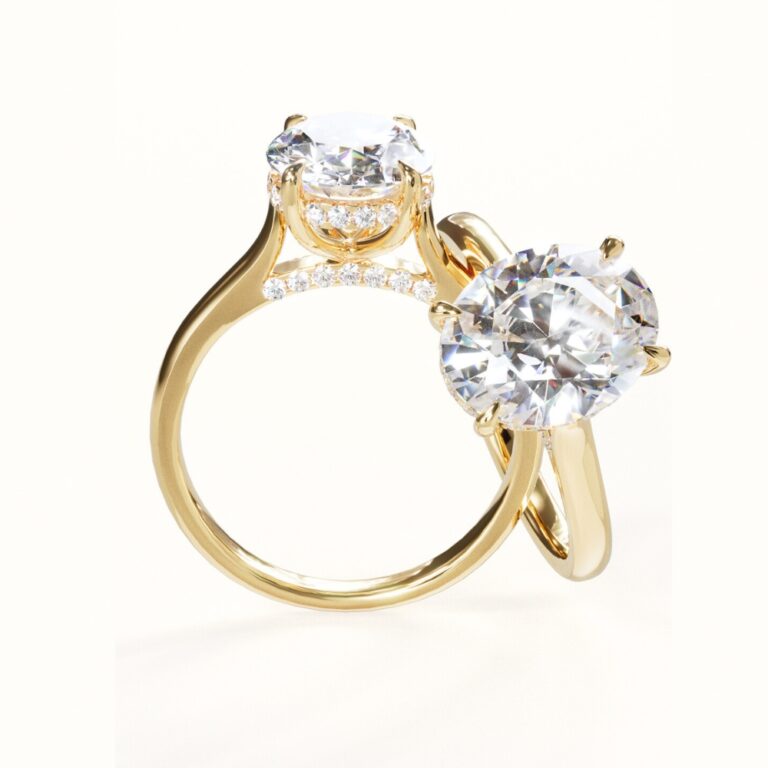
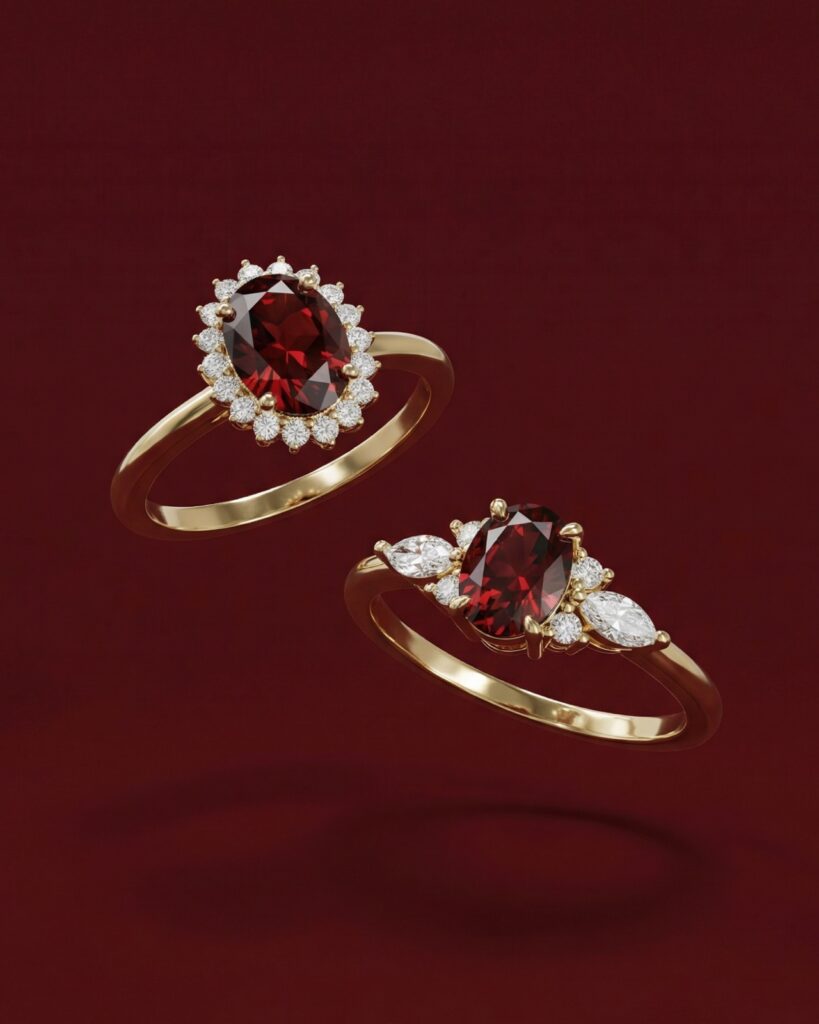
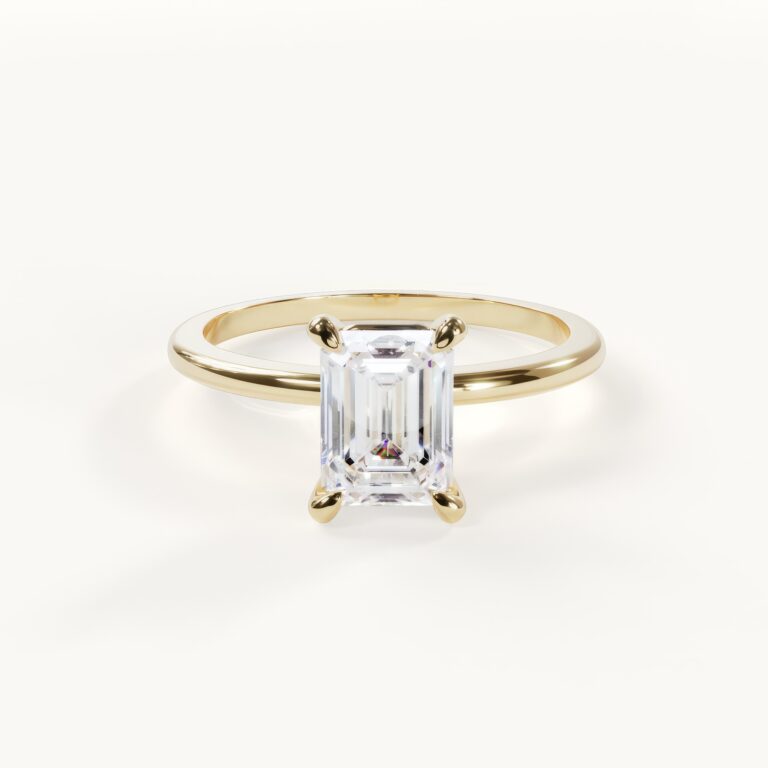
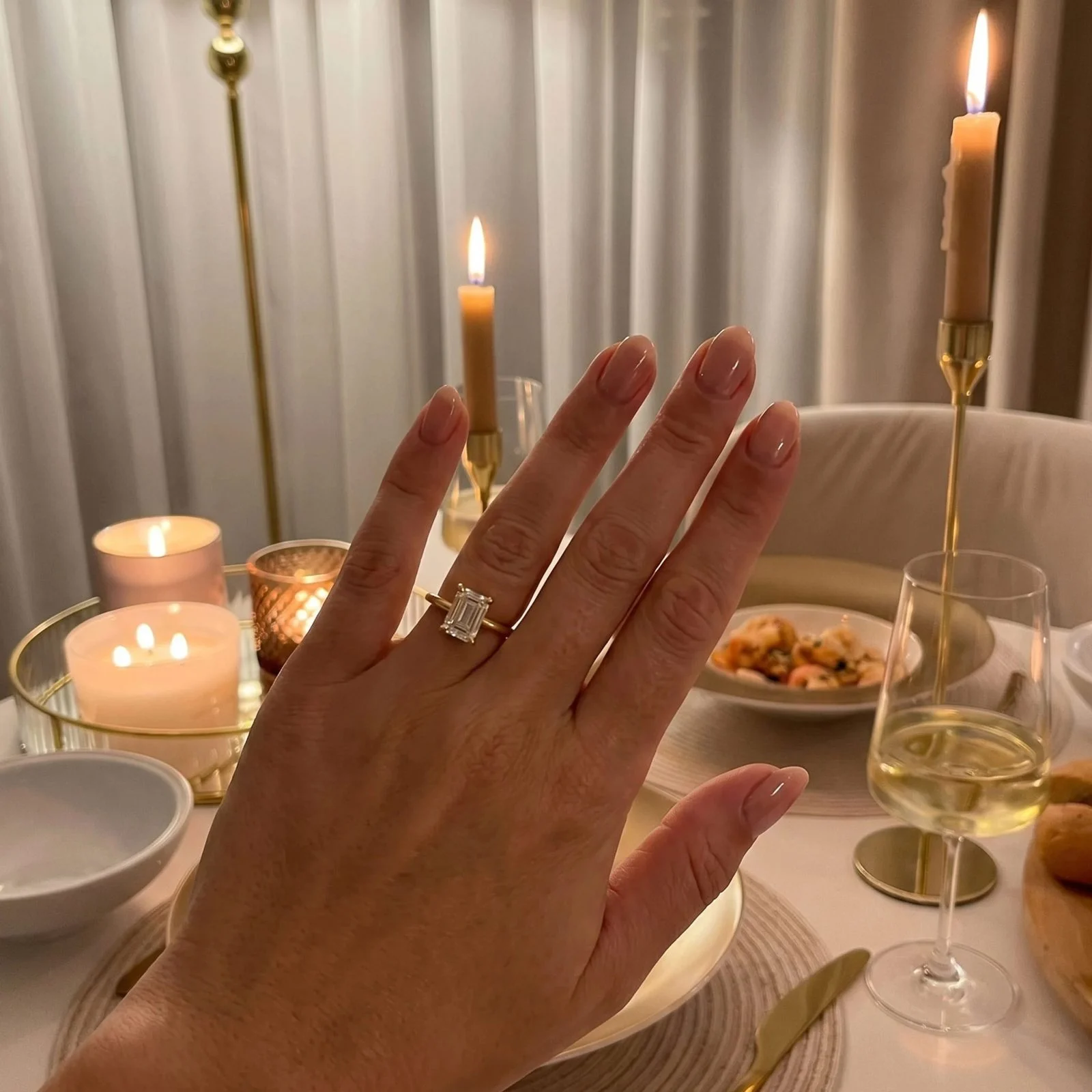
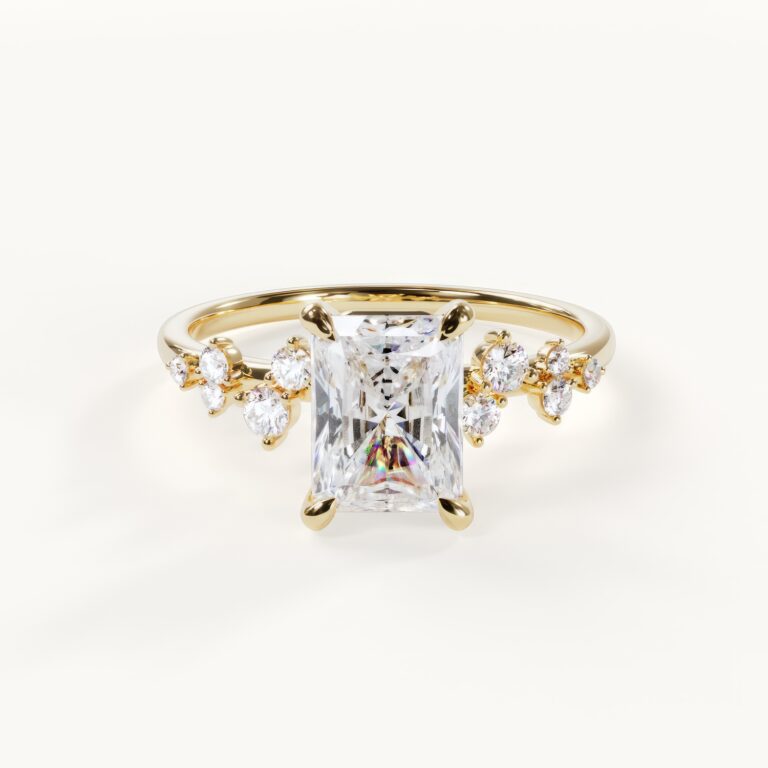
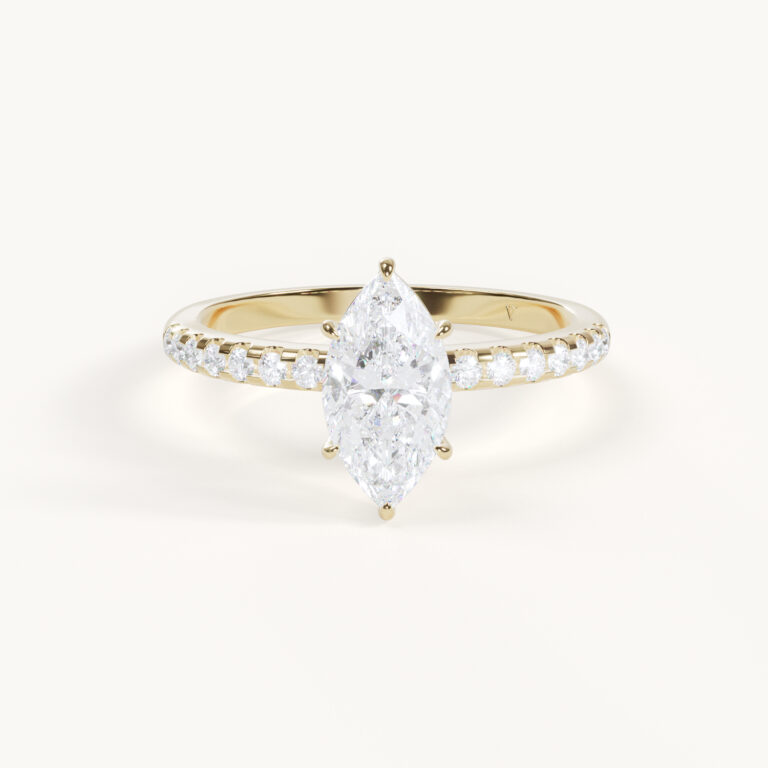
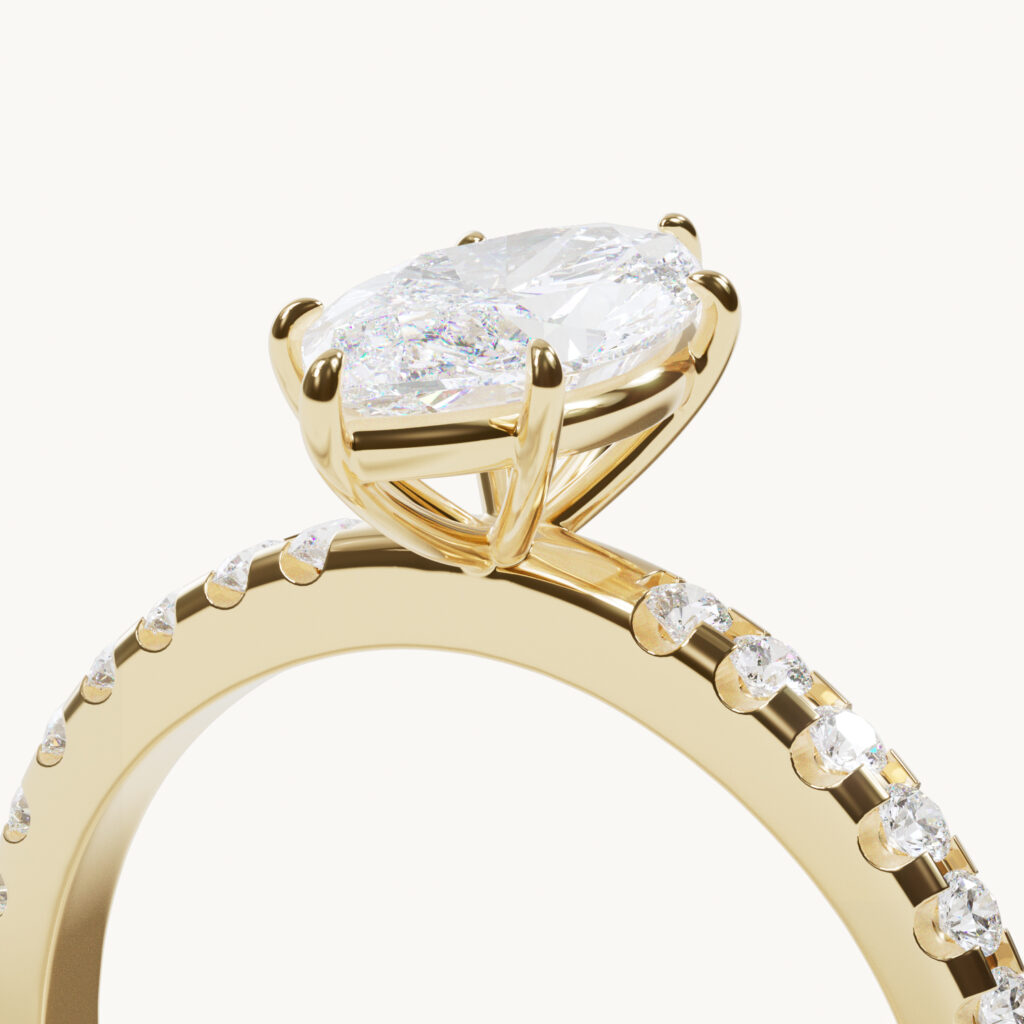
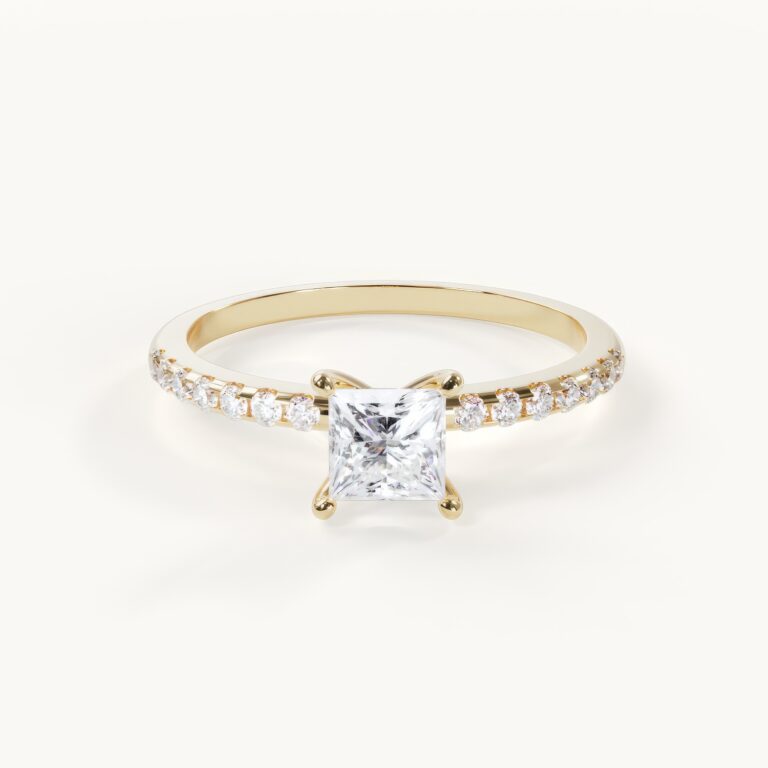
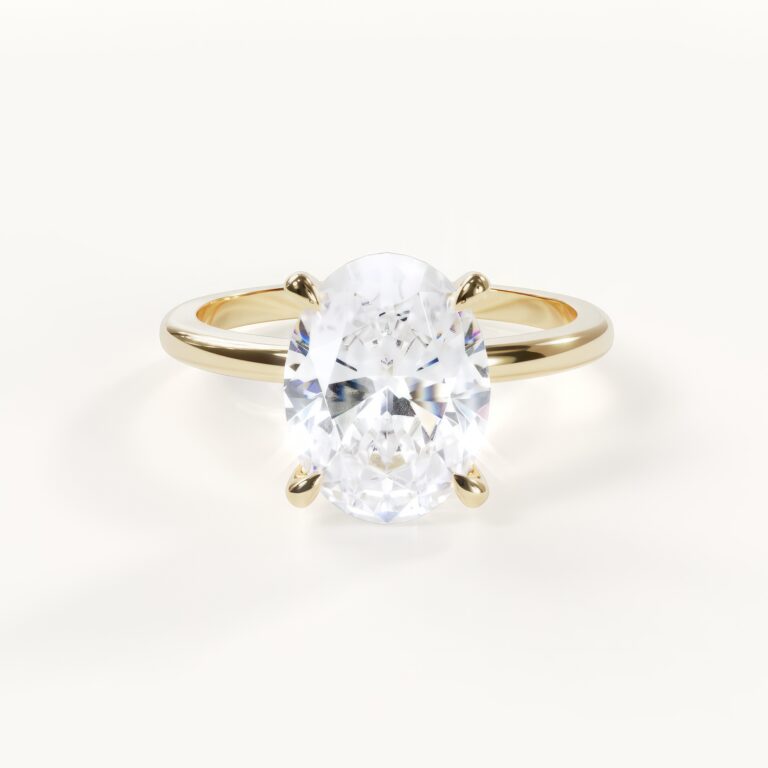
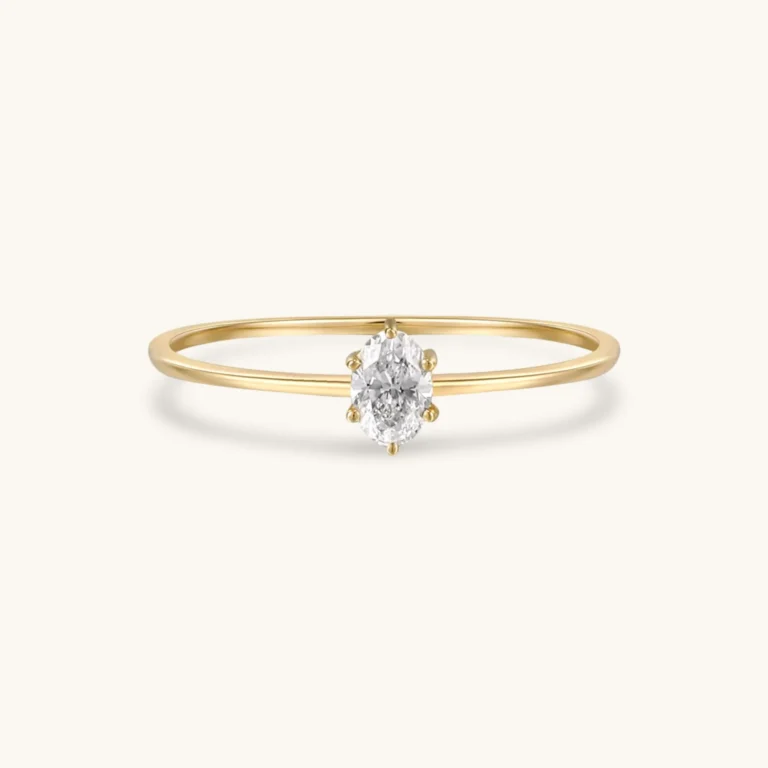
These ring models show different settings and stone sizes in yellow gold. For a price comparison, choose the same carat size and metal in each model’s configurator.
We select the centre stone to fixed minimum grades: colour D to F, meaning colourless without a yellow tint; clarity VS1 or better, so no inclusions are visible to the naked eye; cut, polish and symmetry graded “Excellent”. Your stone also comes with its own IGI certificate that lists these grades.
The certificate covers the centre stone. Small side stones do not have their own report. If you need specific grades or a report number, contact us before you order.
The product cards in this collection open the ring with lab-grown diamond already selected. Review the metal, carat size, ring size, price and current delivery estimate. Confirm the size and design before ordering an engraving. Read the current exchange and return terms and warranty policy for service conditions. A warranty covers manufacturing defects under its terms; it is not a general right of return.
Yes. Lab-grown diamonds have essentially the same chemical, physical and optical properties as natural diamonds. Read more in Are lab-grown diamonds real diamonds?
Carat measures the stone’s weight, not how large it looks; shape and setting change the effect. Each model’s configurator lists the available sizes. See how they look on the hand in our carat size guide.
Your centre stone comes with its own IGI certificate listing carat weight, colour, clarity and cut grade. Small side stones do not have their own report. Our article on lab-grown diamond certificates explains what it contains.
Open a model from this collection; lab-grown diamond is already selected. Choose metal, carat size and ring size, then check the price and delivery estimate. Our advisers are happy to help.
The price depends on the ring model, metal and stone; the configurator price applies to your selection. You can compare loose lab-grown and natural diamonds of the same quality in our diamond exchange.
Your ring is made for you after you order; this takes approx. 3–4 weeks, and the stones are set in Bavaria. The product page shows the delivery estimate for your selection. More under shipping and delivery.
Not the right ring for you? Within 30 days you can switch once to a different model – we do not charge for the exchange itself, only any price difference. If you would rather return the ring, that is also possible, minus a recycling fee for the made-to-order piece. You will find all details under Returns.
Rings in solid gold or platinum come with a lifetime warranty on materials and workmanship. It covers manufacturing defects and is not a right of return. You will find all conditions under Warranty.
Perfection takes time.
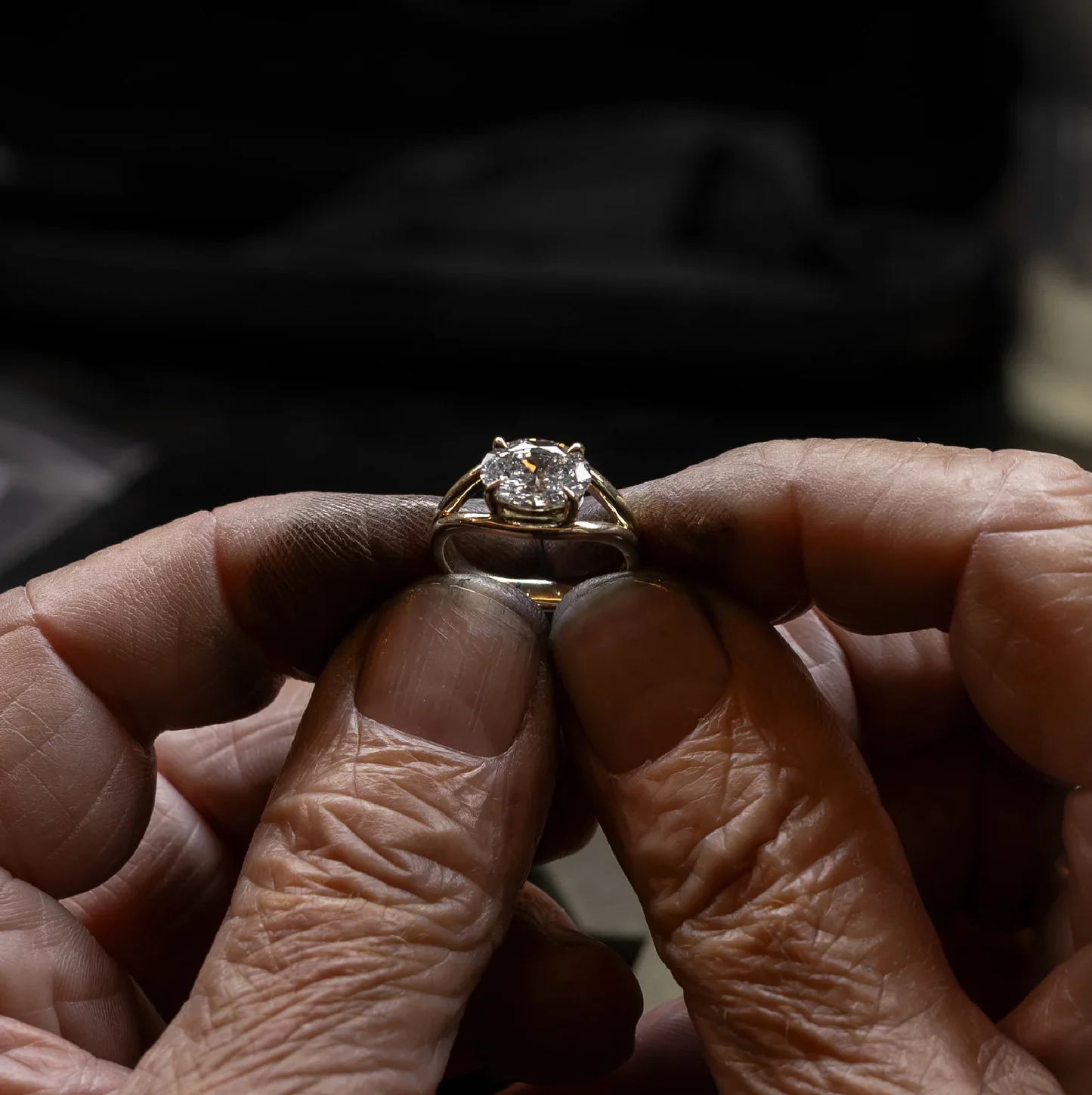
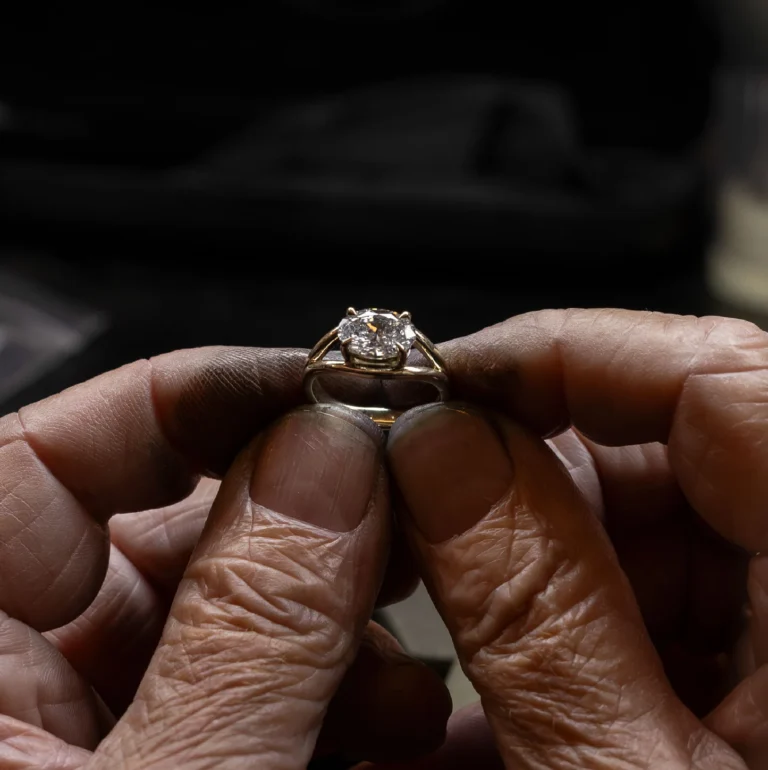
Our goldsmiths craft each ring individually—stone by stone, entirely by hand.
Each piece of jewellery is crafted only after you place your order, carefully made from solid gold and genuine gemstones.
This is how we avoid mass production and guarantee you the highest quality, precise craftsmanship, and fair prices—directly from our workshop, with no middlemen.
Need it sooner?
Contact us via WhatsApp or check out the rings available now.
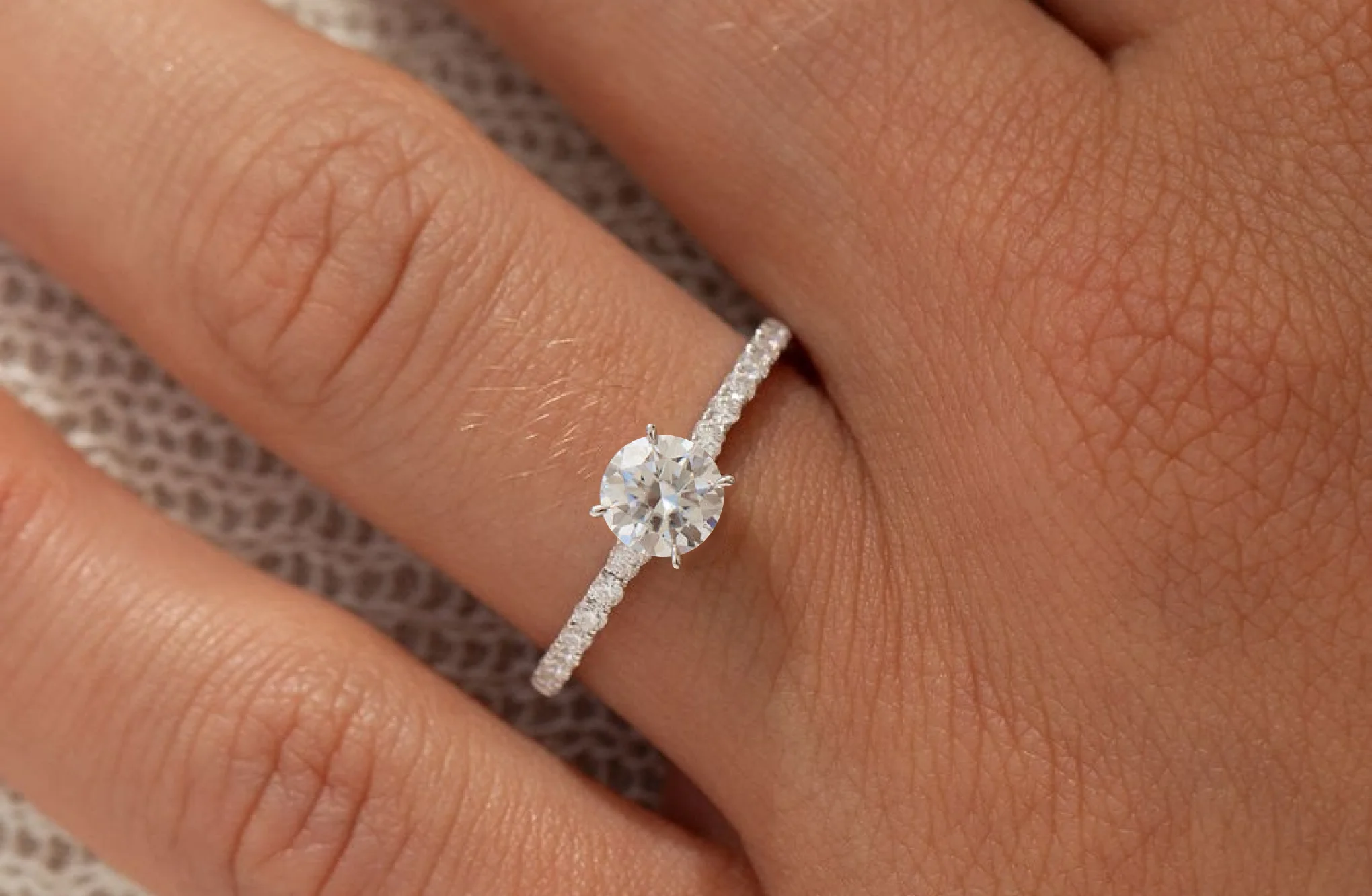
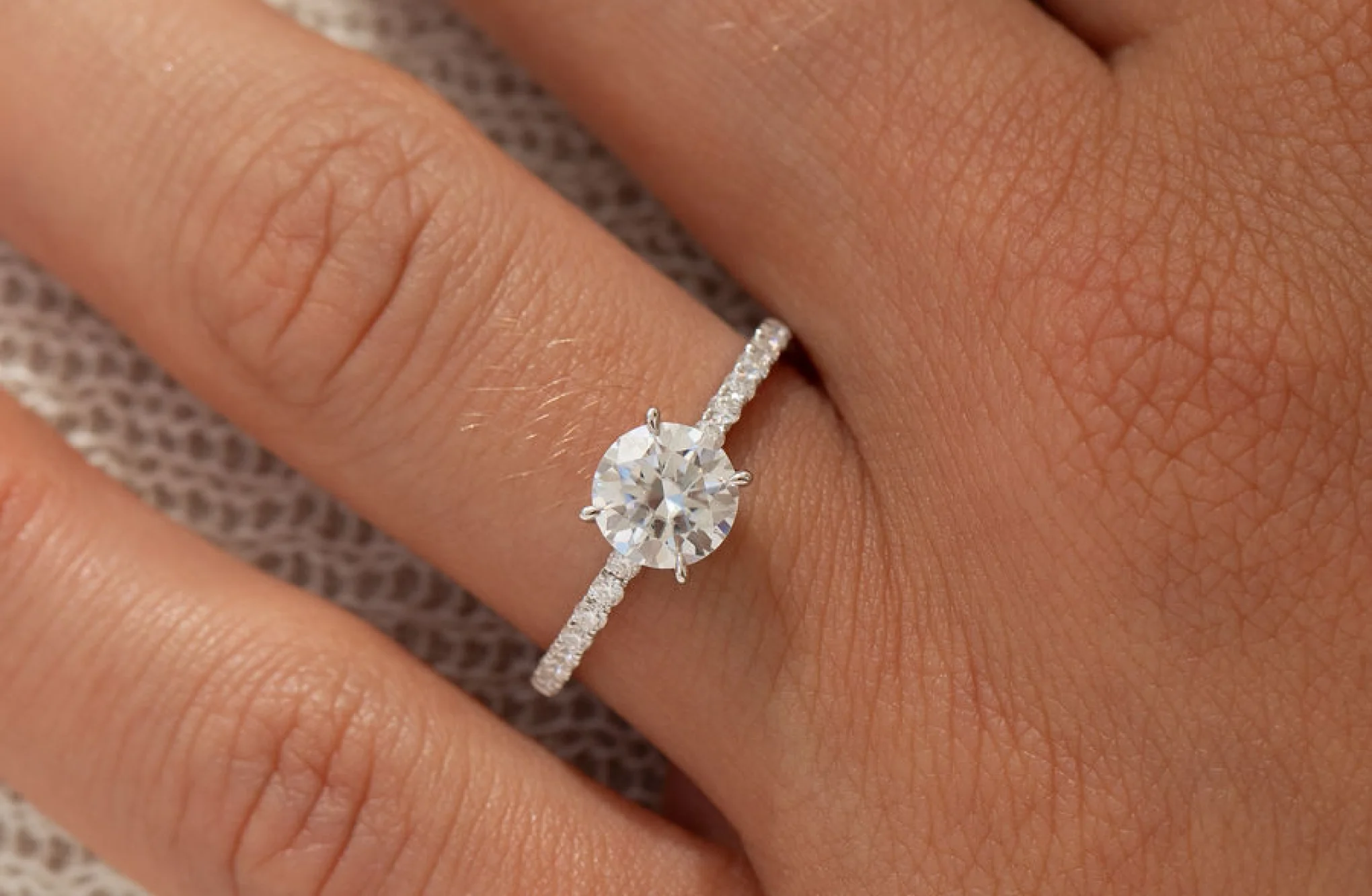
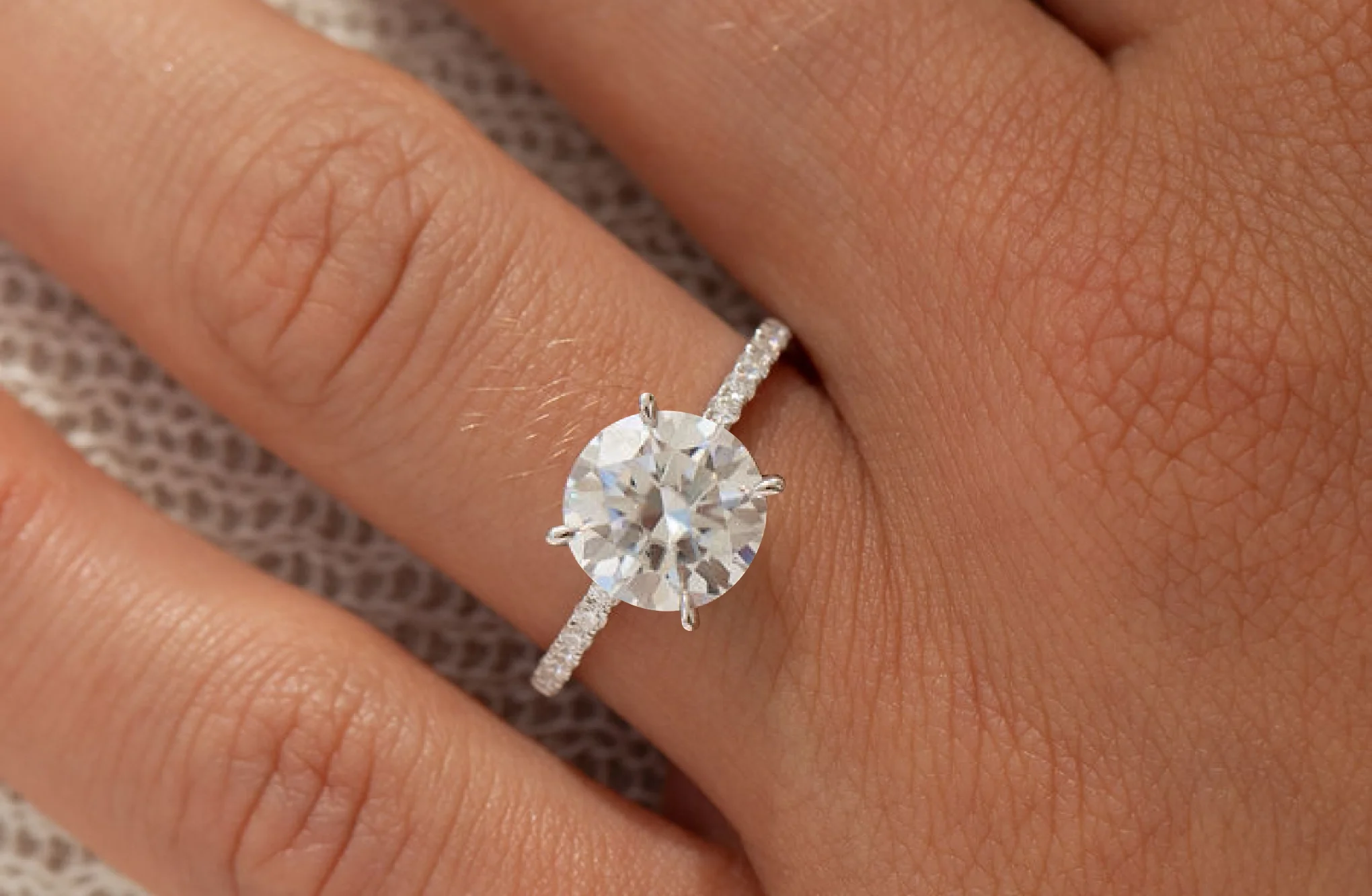
The difference between carat sizes