A 3D-Printed Engagement Ring: What a Prototype Reveals
Check the shape and proportions before buying—and understand the differences between synthetic resin, a cast model, and the finished ring.
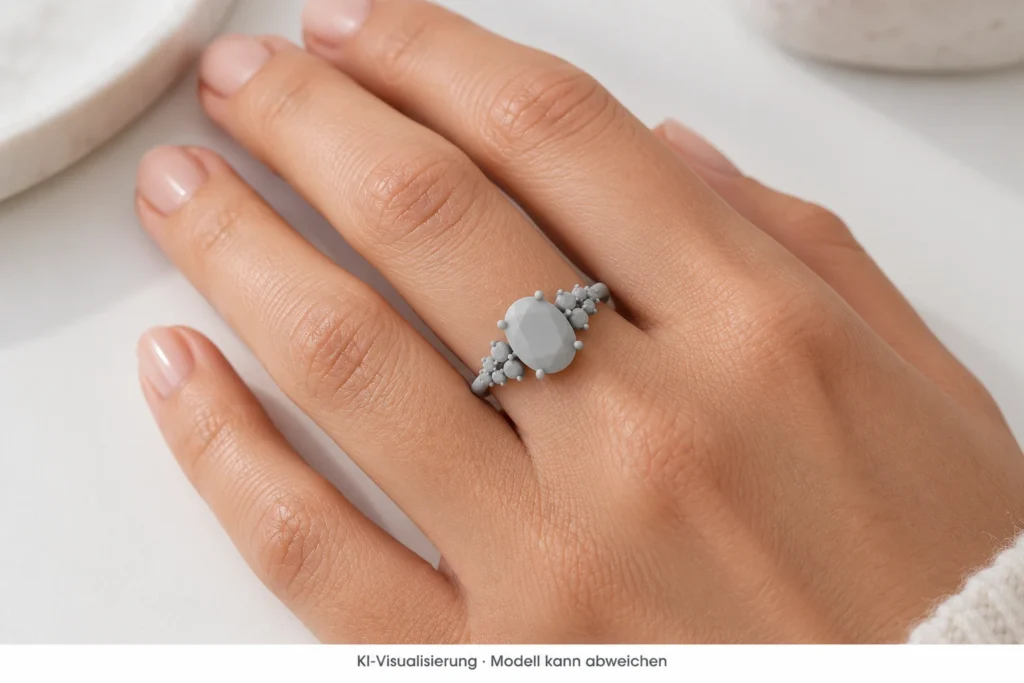
A synthetic resin try-on model shows you the planned shape, its proportions, and how it fits on your finger. It does not reflect the sparkle of a real gemstone, nor does it convey the weight, the final metal finish, or its suitability for everyday wear over the long term. The resin is not gold-plated and is not the finished engagement ring.
At first glance, a 3D-printed engagement ring might sound like a finished piece of jewelry. But when it comes to a synthetic resin try-on model, it means something different: You’ll receive a physical preview of the planned ring made of synthetic resin. This allows you to see the shape in your hand, get a sense of the proportions on your finger, and briefly review the design.
The benefit lies in this intermediate step. On a screen, you don’t have the reference point of your own hand. A model helps clarify open design questions before the finished ring is ordered or a custom design is approved for production. The try-on model is a test piece to aid in decision-making—it is not a substitute for the final ring, nor is it a piece of jewelry that will be “converted” into gold.
This section discusses the purpose and limitations of the model, as well as how it differs from a printed cast model produced in a different manufacturing step.
Choose up to three free sample rings made of synthetic resin and see how they look on your own hand. Shipping costs a total of €4.90.
What does a 3D-printed engagement ring reveal?
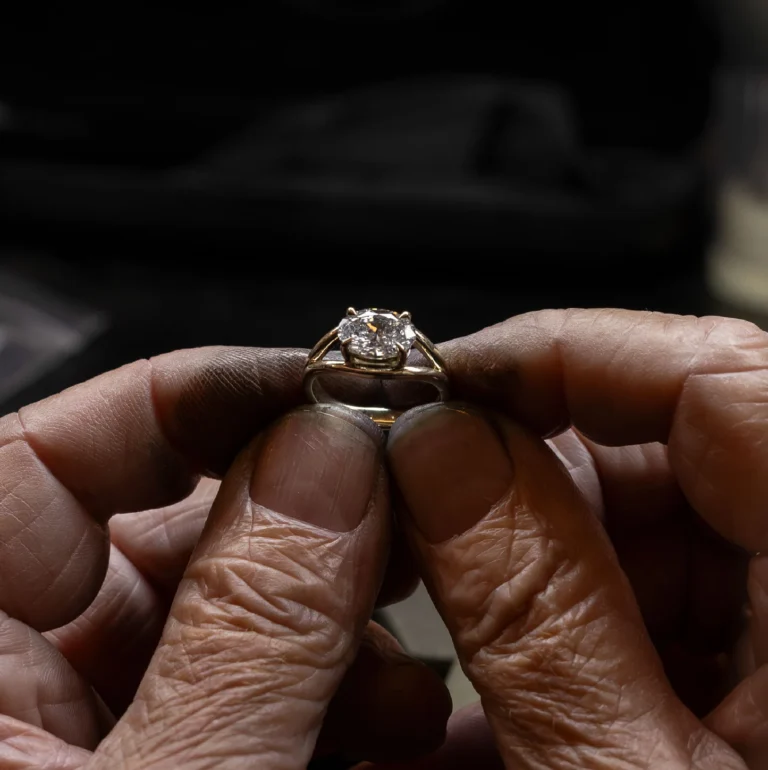
"Resin" is the English term for "harz." In the try-on model, it replicates the intended outer shape so that you can not only rotate the design but also hold it in your hand. You can see how large the ring head appears in relation to your finger, how wide the band looks, and whether the silhouette suits you.
You can also get a quick sense of how the ring fits. You’ll notice if the band tilts at the base of your finger, if the height bothers you, or if a side of the ring looks different than it does on the screen. This is more concrete than a rendering, but it’s still just an observation of the prototype—it doesn’t give you a sense of the metal’s weight, the polish, or the finely crafted prongs on the finished piece of jewelry.
This transition from the screen to your hand is especially helpful when dealing with an unusual ring head. You can describe your reaction: Does the shape look clear, does it take up too much space, or is something missing in one spot? This language makes it easier to provide feedback on the design.
Ask the model a clear question: Does the planned design fit your hand and match the image you saw in the sketch? For the basics of ring fit, you can also read about how a ring should fit properly. If the ring is too tight or can only be removed with force, stop the fitting and discuss the size with us.
How do you rate the shape, proportions, and side profile?
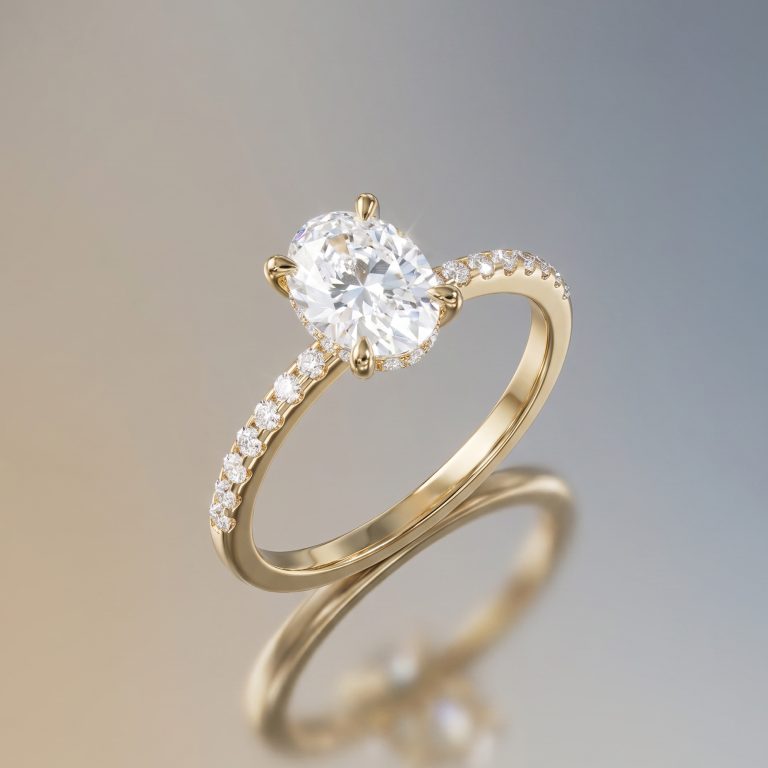
The top view answers a different question than the side view. From above, you can see the silhouette: roughly the length of an oval center section, the curve of the shoulders, and the width of a side accent. From the side, you can see the height of the structure and the transition of the ring rail.
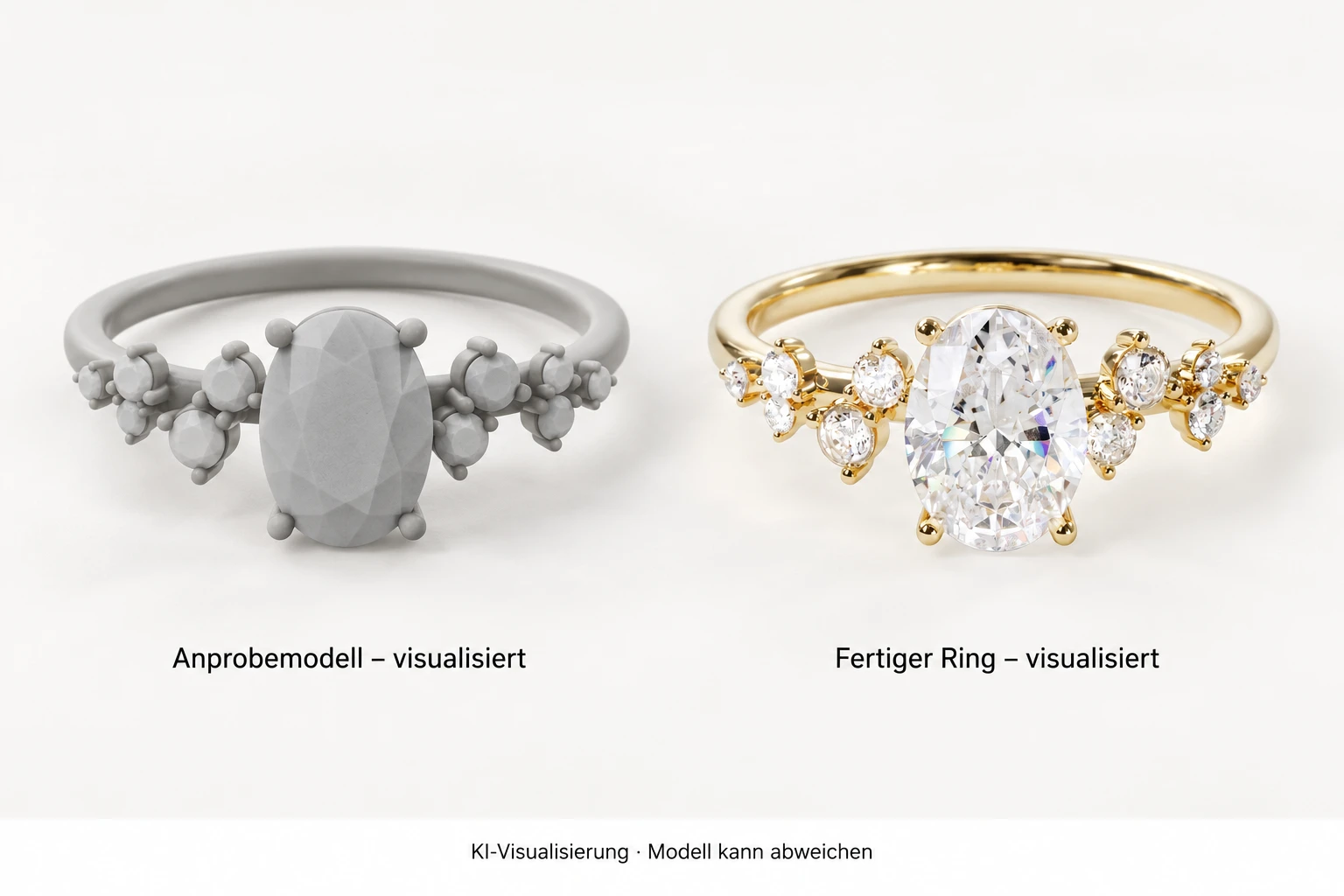
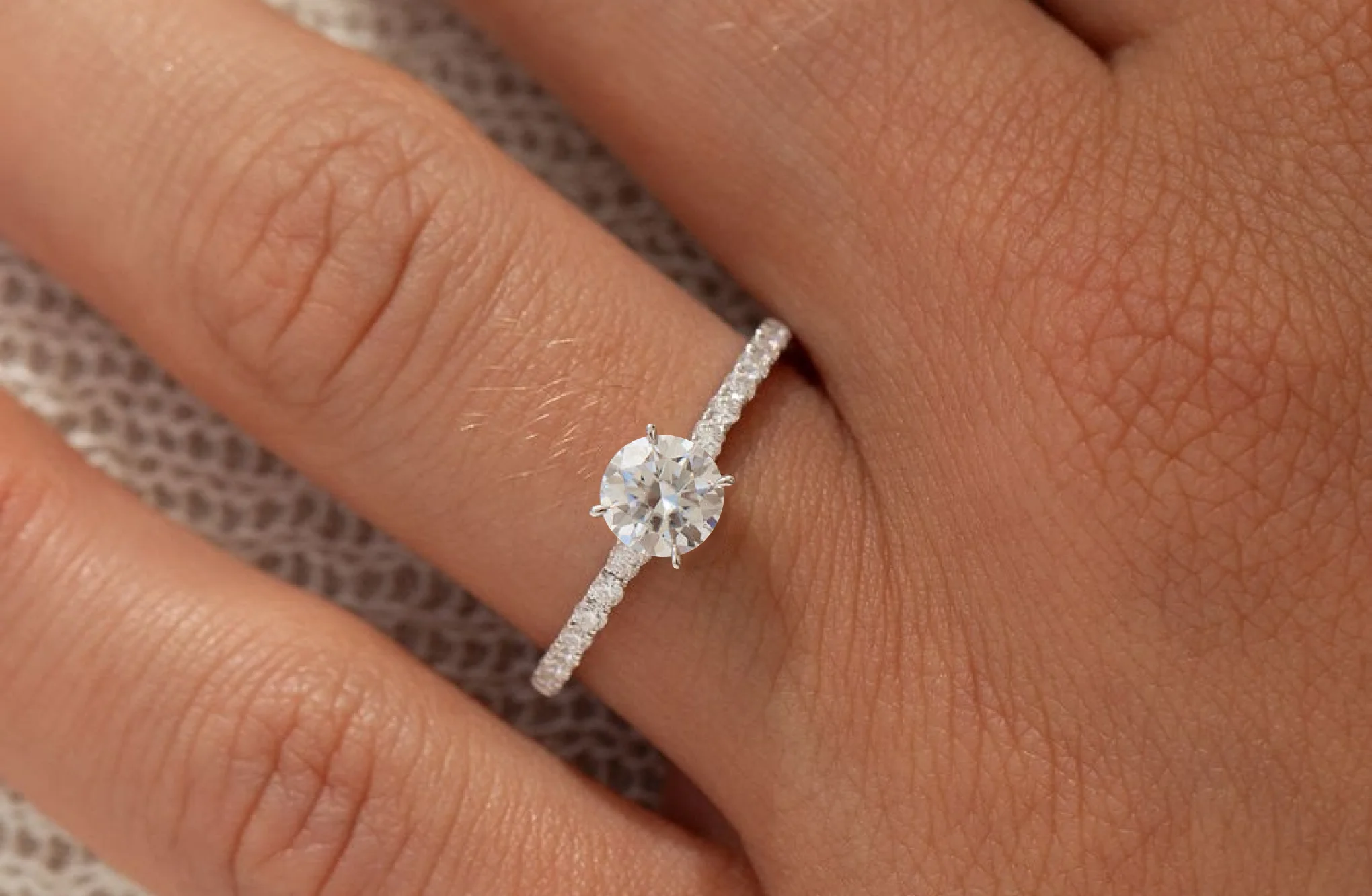
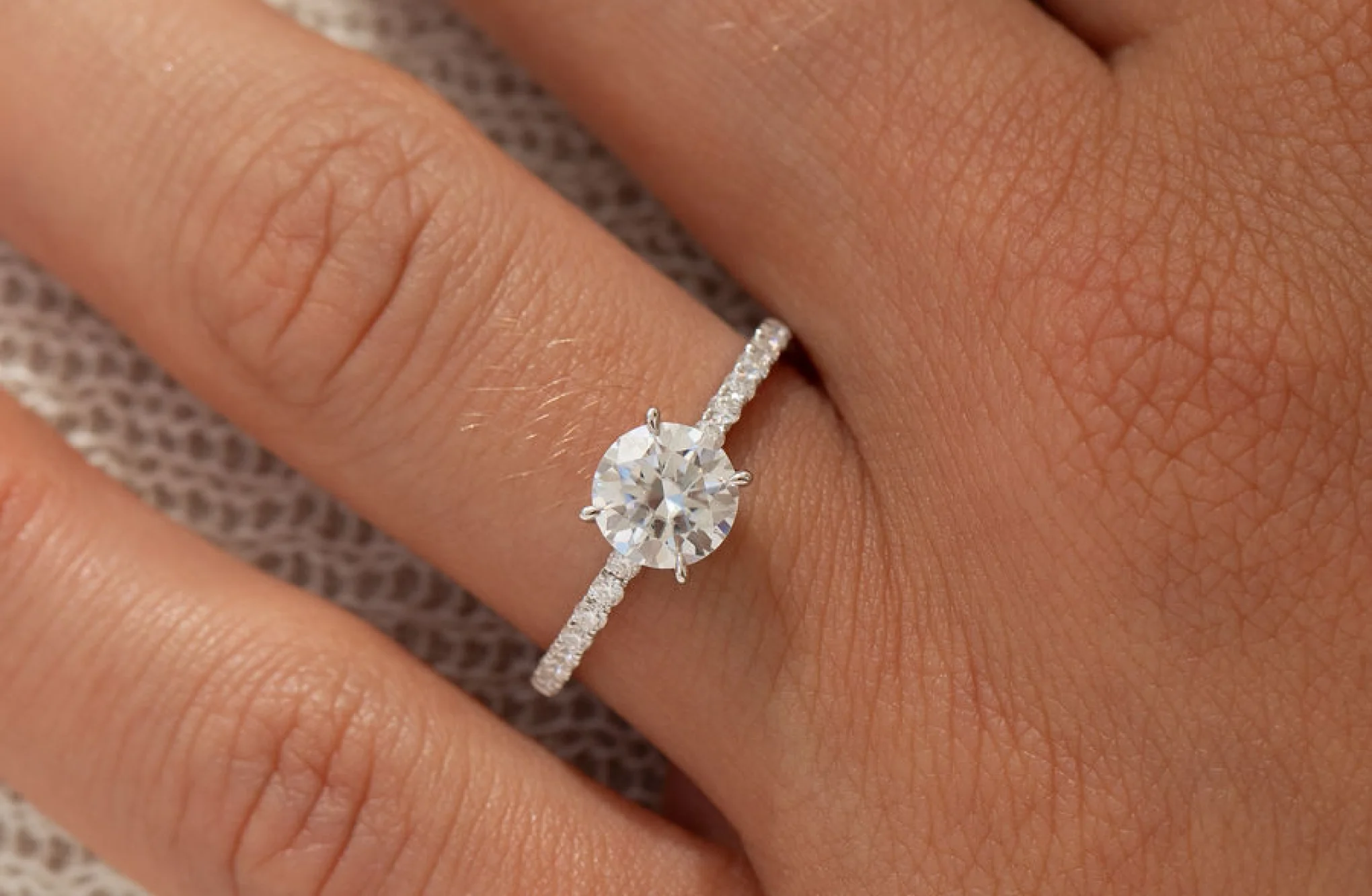
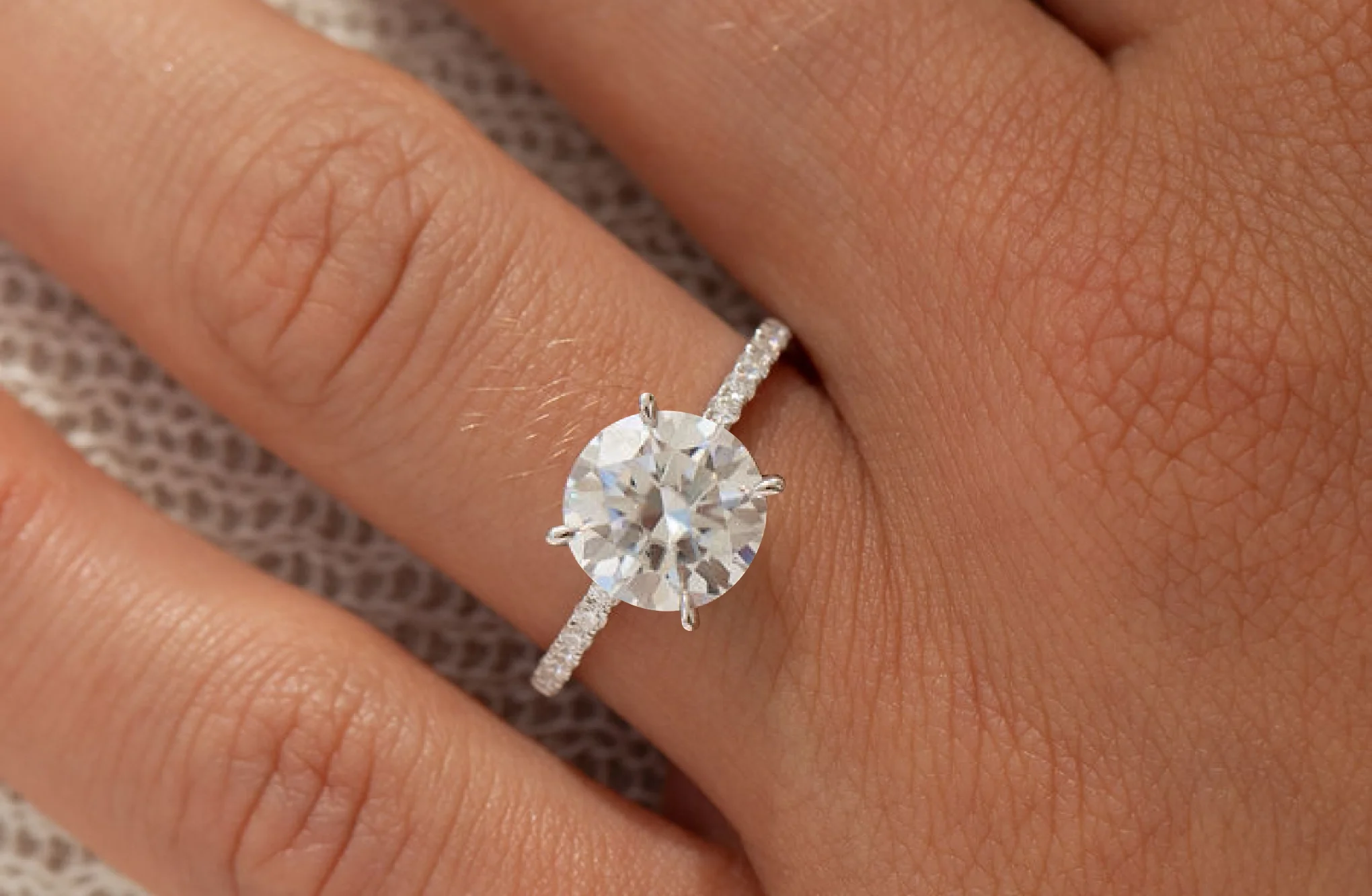
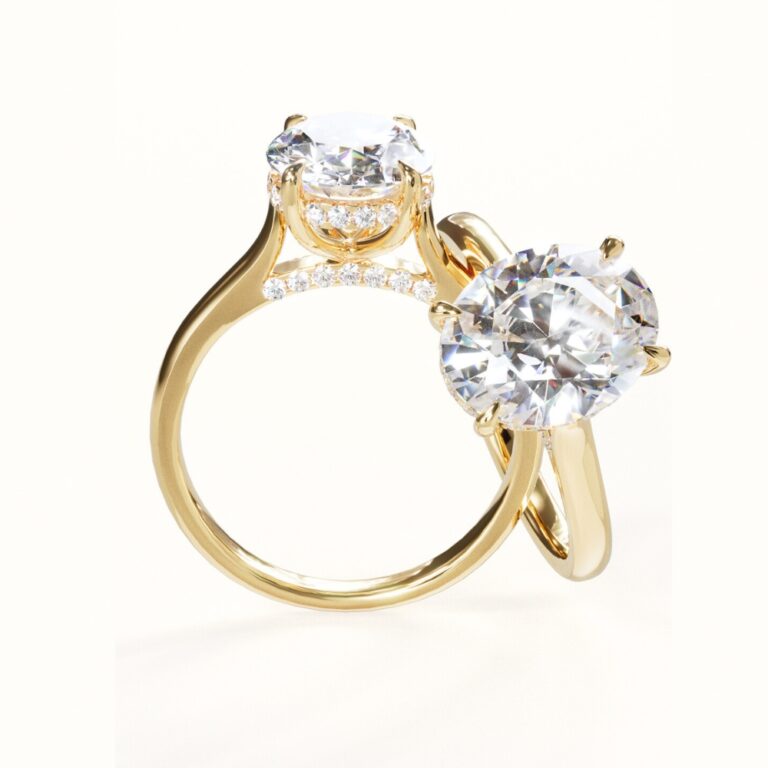
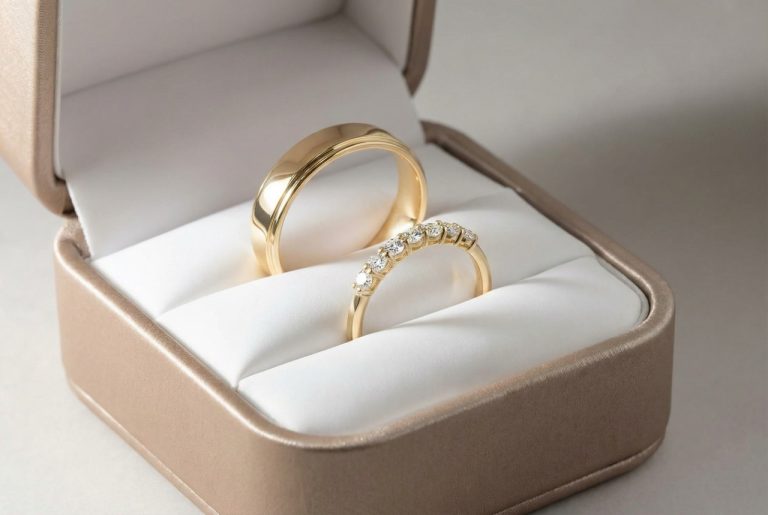
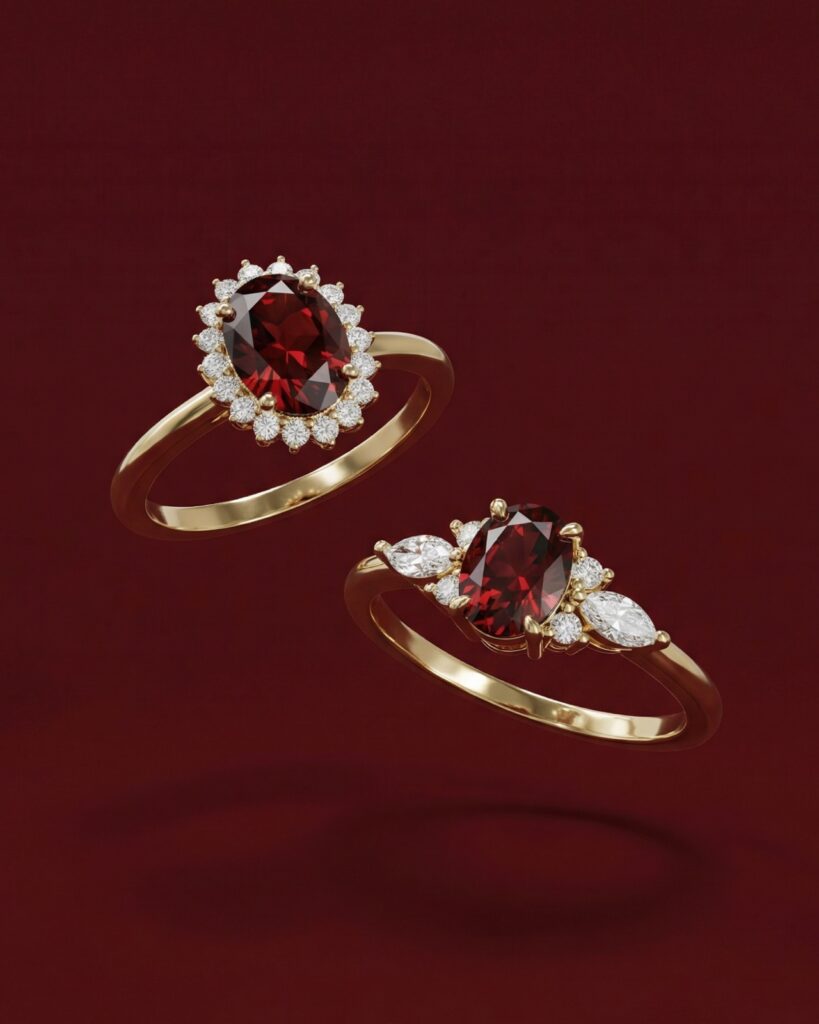
With a floral ring, the width of the accent stones on the sides is added to the oval center stone. If you focus only on the size of the oval, you’ll miss part of the overall effect. So compare the entire outline on your finger: Do you like the way it flows along the sides, or would you prefer to draw more attention to a single center stone? The images in this article are AI-generated visualizations based on the Floral design. They illustrate the concept; they do not depict an actual ring that has been produced.
Would you like to see for yourself how a design like "Floral" looks on your hand? Choose the styles you'd like to try on at home and compare the outlines right on your finger.
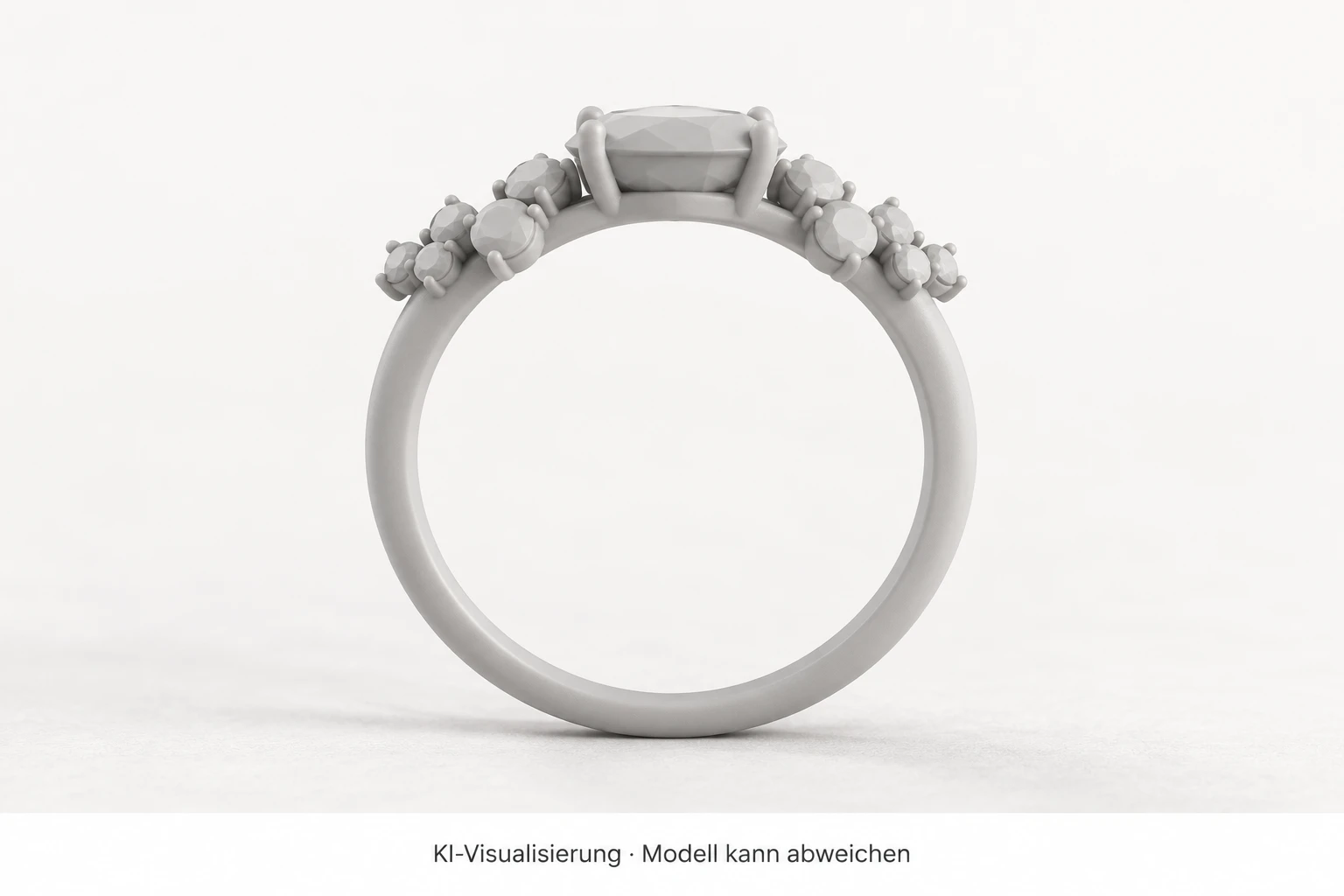
The side view draws attention to the height. A ring can appear understated when viewed from above and more pronounced when viewed from the side. It’s a matter of design and your personal preference. Make a note of any surprises and discuss them before approving the production. The guide to CAD design explains views and dimensions in more detail; here, we’re focusing on the physical preview.
Why aren't the try-on, the cast model, and the finished ring the same thing?
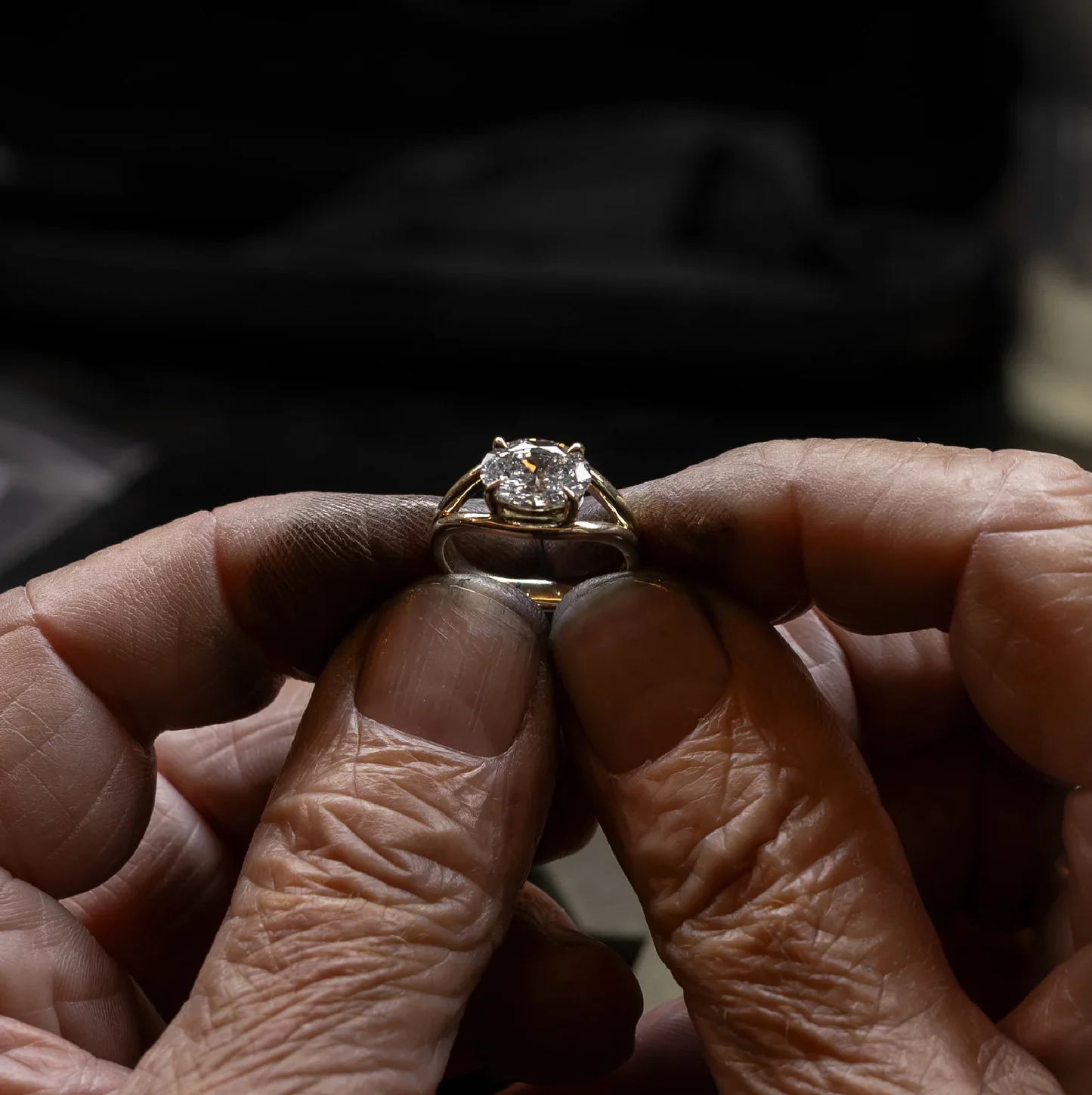
“3D-printed ring” does not automatically describe a specific result. In the case of a Velur try-on, even the stone is made of synthetic resin. It does not contain a diamond and does not replicate its play of light. The purpose is what matters. A private try-on is intended to help you make a decision. A lost casting model can be part of the production process and is not kept as a piece of jewelry.
| Object | What it's used for | What It Is Not |
|---|---|---|
| Synthetic Resin Try-On Model | Assess the shape, proportions, and fit by briefly trying it on your finger | No metal ring, no evidence of sparkle or long-term wear |
| Lost-wax casting | Used in certain casting processes to make the mold; the model is burned out | Used up during the casting process; not a finished precious-metal ring |
| Ready-made Precious Metal Ring | The actual piece of jewelry, featuring the stone, metal, and finish | Not anticipated by a synthetic resin trial fitting |
In some jewelry-making processes, a printed model is removed so that metal can be cast and then machined. Formlabs broadly describes this process as CAD, printed model, burning out, metal casting, and finishing. This explains the term “lost-wax casting,” but says nothing about the equipment or the specific process used by a particular provider.
For you, this separation is practical: Your synthetic resin try-on model will not be turned into gold later on. It will not be plated and is not the finished ring. Its purpose ends with the evaluation of its shape, size, and fit.
A printed sample can generally serve different purposes. Whether a material is intended for a fitting, for casting, or for both depends on the specific process. You cannot tell this just by looking at the gray color. Our fitting service is designed to help you choose a ring; it does not constitute an order for a gold ring or a production order.
Background on the general process: Formlabs: 3D-printed jewelry.
How do you order a sample from Velur?
For existing ring designs, you can choose up to three free synthetic resin try-on models. Shipping costs a total of €4.90. Optionally, you can add a ring size set for €5. This allows you to compare shapes and proportions on your own finger.
For a custom ring, a synthetic resin try-on model is included after the order is placed and the CAD design is completed, prior to final production approval. Additional models are available upon request. We will coordinate delivery dates and shipping details for custom models on a case-by-case basis.
Both options serve the same purpose but start from different points: With the shop model, you review an existing design. With the custom ring, you review the current draft before production is approved. The model does not replace the CAD information or a personal discussion about pending changes.
You can see which models and carat weights are available in the current selection. A ring size chart helps you determine your size; the design model also shows you the ring head and its proportions. You can find the process for available models under “Try On for Free.” To go directly to the available try-on models, select “Try-On Models.”
How do you use this model to make your decision?
First, look at the overall effect from a distance, and then examine the transitions. Ask yourself: Does the size of the ring head fit your hand? Does the band look as you expected? Is the side profile more noticeable when viewed from above? Questions like these will help you make your decision.
- Form: Compares the outer contour and block shape to the design.
- Proportion: Consider the ring head, band, and accents as a whole.
- Side view: Check height and transitions.
- Fit: During your brief fitting, pay attention to how the garment fits and how it moves.
- Open Issues: Make a note of any surprises and resolve them before approval.
What you can’t judge is just as important: The model doesn’t show the actual sparkle, the weight of the precious metal, or the final finish. You can’t tell how durable it is or how it feels when worn every day. Use it as a guide for choosing the shape—within the limitations of a sample.
If you’d like to start by learning about style, budget, and the bigger purchasing decisions, check out our guide to buying an engagement ring. For the digital version of trying on rings, there’s also a separate article on virtual try-ons. That article focuses on how the ring appears on screen, not on the tactile synthetic resin model.
Do you have two or three favorites in mind? Put together your selection of rings to try on and use the questions above to compare them at home.
What should you note down after the fitting?
Make a note of the model name, the ring size you selected, and the carat weight shown, along with your impressions. A comment like, “We like the oval setting, but the accents on the sides look wider on the hand than we expected,” is a good starting point for discussion. “We just don’t really like the ring” provides less guidance.
When comparing two designs, take photos of them from the same distance and under the same lighting conditions. This will help you better recall the overall impression. The photos are not a substitute for measurements. For a custom ring, any desired changes should be discussed during the design process before you give final approval for production.
Wear the synthetic resin model only for a brief try-on. It is not intended for long-term wear, sports, or housework. If you’d like to assess the final gold color or the way light plays on a specific stone, please refer to the product information, relevant photos, and our advice.
Frequently Asked Questions About 3D Try-On Models
What does a synthetic resin mock-up of an engagement ring show?
You can get a sense of the shape, proportions, ring head, band, and how snugly it fits on the finger. The model does not show the sparkle of a real stone, nor does it reflect the weight, the final metal finish, or the durability of the finished ring.
Will the synthetic resin try-on model be coated with gold later?
No. The resin model is a physical preview made of resin and is not the finished engagement ring. It is not converted into gold or plated with gold. The final piece of jewelry is crafted from the planned precious metal, the selected stone, and the finishing touches.
What is the difference between a try-on model and a lost-wax casting model?
A trial model helps you check the shape, proportions, and fit. A lost-wax model is used in one step of the manufacturing process: It is embedded in a mold and then burned out so that the resulting cavity can be filled with metal. The purpose and material of the model are crucial.
How many free synthetic resin trial models can I order from Velur?
For existing ring designs, you can select up to three free synthetic resin try-on rings. Shipping costs a total of €4.90. You can optionally add a ring size set for €5. You can select and order available try-on rings here.
Does a custom engagement ring include a synthetic resin model?
Once you place your order and provide the CAD design, a synthetic resin prototype is included prior to final production approval. Additional prototypes can be provided upon request. We will coordinate delivery dates and shipping details with you personally.
Select up to three available samples to try on. The samples are free; shipping costs a total of €4.90.