
Buying Guide
An Engagement Ring for Everyday Wear: An Honest Review
A beautiful setting isn't enough: the profile height, protection of the stone's edge, the band, and how comfortable it is to wear all determine how well a ring really holds up in your everyday life.
Short Answer
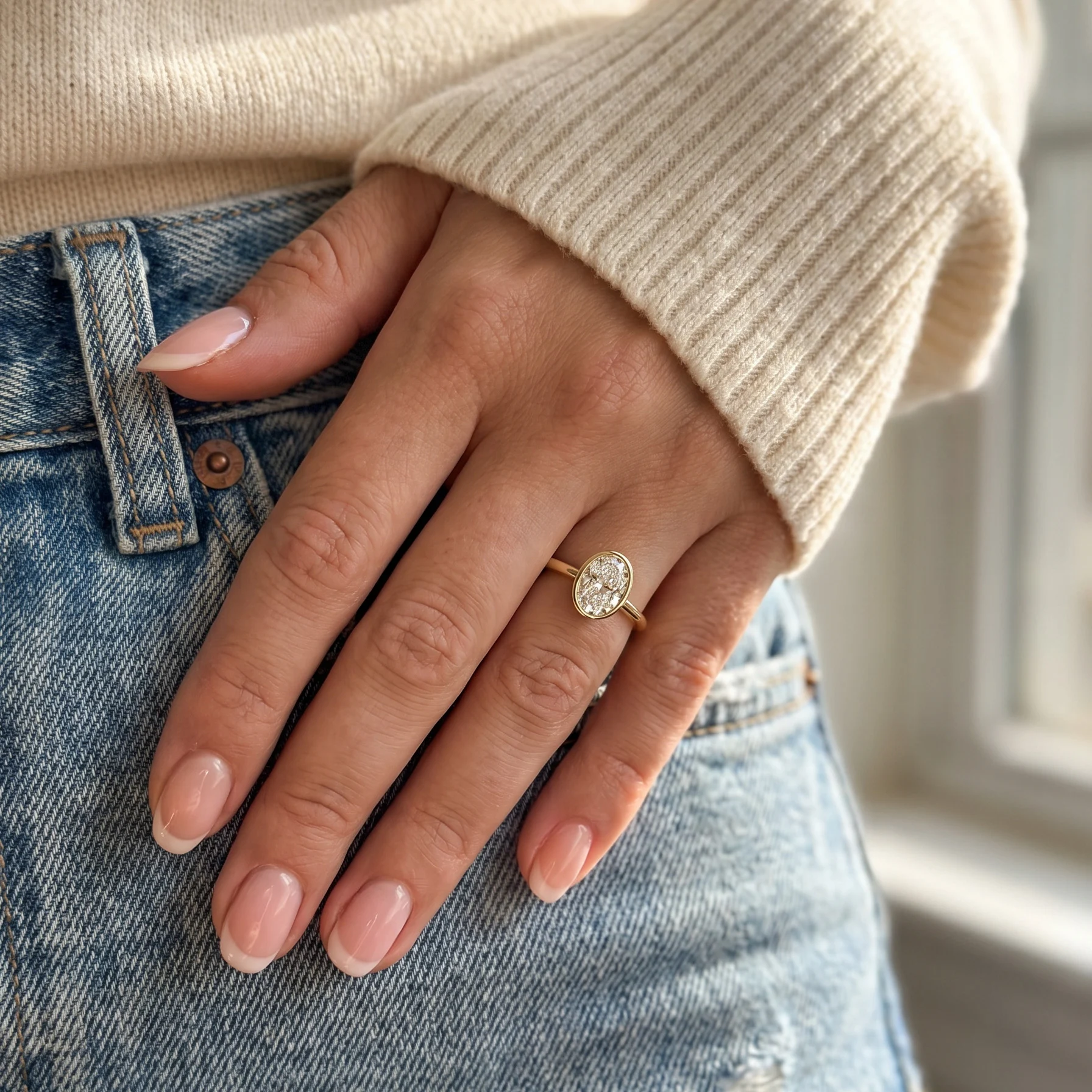
An engagement ring suitable for everyday wear isn’t unnecessarily high, protects the delicate edges of the stone, has a sufficiently sturdy band, and is as unlikely as possible to snag on clothing or gloves. For an active lifestyle, low settings and bezel or channel settings are often the safer choice. A prong setting can also work well if it’s compactly designed, the prongs fit snugly, and the ring is removed during sports, gardening, and manual labor.
Definition of Terms
What makes an engagement ring suitable for everyday wear?
"Suitable for everyday wear" does not mean indestructible. It means that the design and band profile are suited to the person who wants to wear the ring every day. Someone who spends a lot of time working at a desk has different priorities than someone who frequently wears gloves, lifts children, works in the garden, or does strength training. That’s why good purchasing advice doesn’t start with carats or the color of the gold, but with typical movements and stresses.
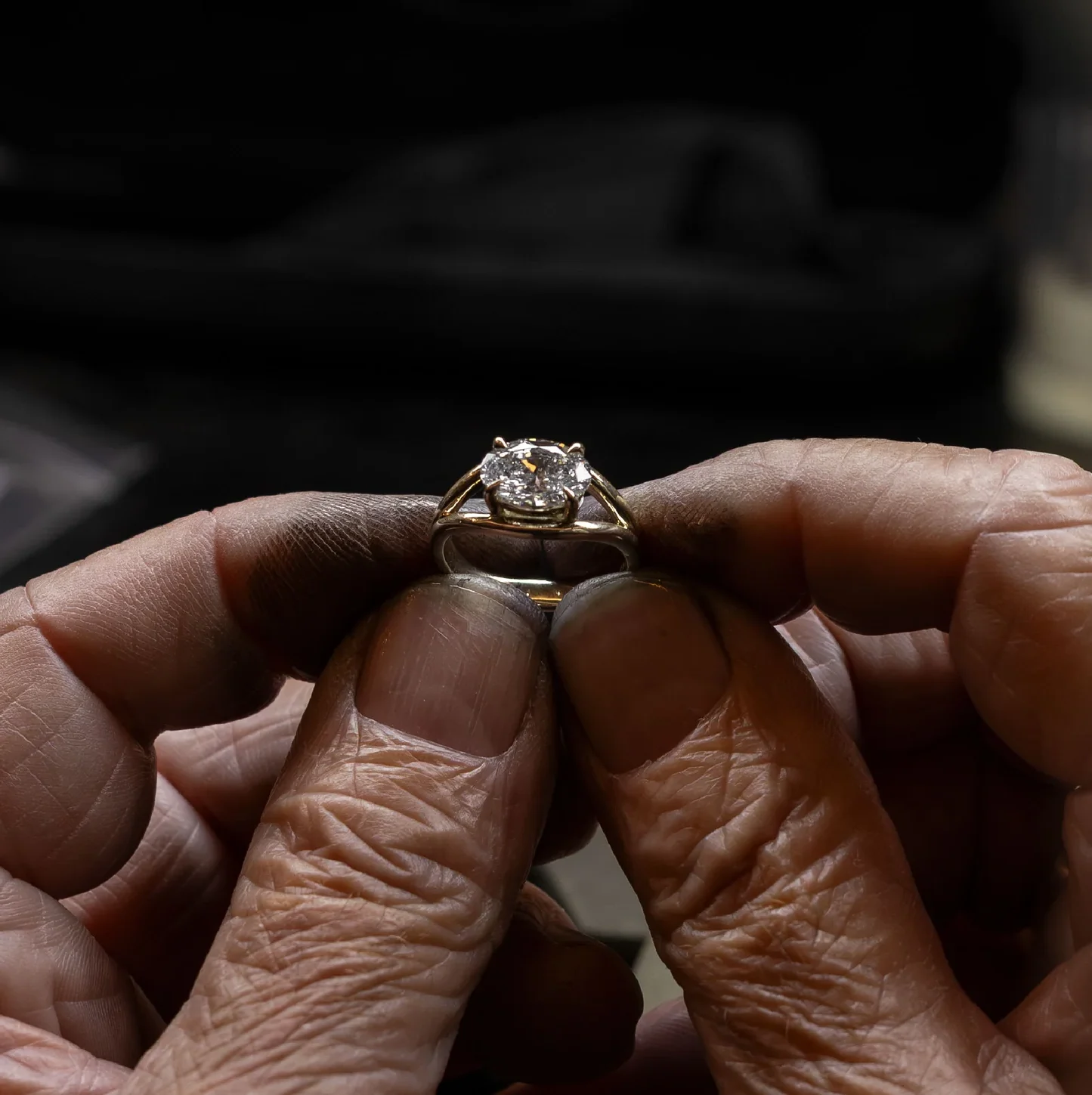
The most common mistake is to judge a ring based solely on the top view. A ring may appear narrower when viewed from the front but still be quite tall when viewed from the side. Only the side view reveals how far the center stone protrudes from the hand, whether the prongs are visible, and whether a straight wedding band will later sit flush against it. That’s why you should always ask to see both perspectives.
If you’d like to first understand the technical aspects of the setting, band, and bezel, our guide to the anatomy of an engagement ring can help. This guide specifically focuses on which of these components are essential for ensuring peace of mind in your daily life.
Design
Five Criteria That Say More Than a Product Photo
Tread depth
The higher the center stone sits above the band, the more likely the ring is to snag on knitwear, bags, bedding, or gloves. A lower setting sits closer to the hand and is therefore less exposed. However, a high setting isn’t necessarily a bad thing: a higher setting can provide more space for a straight wedding band. The key is to decide which factor is more important to you.
Protecting the stone edge
In a bezel setting, a metal rim encircles the girdle of the center stone. This reduces exposed edges and snagging points. Prongs leave more of the stone visible but protect the girdle only at specific points. Pointed shapes such as pear, marquise, heart, and princess require additional protection at their ends or corners. A V-prong or a strategically closed corner is more important here than a fixed number of prongs.
Ring Rail
A very thin band looks delicate, but has less material to withstand long-term bending. That doesn’t mean every narrow ring is unstable: the alloy, cross-section, ring size, and craftsmanship all play a role. For frequent wear, however, the band shouldn’t be judged solely by its narrowest front profile. Also check the underside and the shoulder area next to the setting.
Inner Profile and Fit
"Comfort Fit" refers to a slightly curved inner surface. With wider ring bands, this design allows the ring to glide more comfortably over the knuckle and reduces pressure at the point of contact. However, the inner profile does not automatically make a ring a good fit. The correct ring size remains crucial: The ring should sit securely over the knuckle without constricting the finger during everyday activities.
Side Stones and Surfaces
Pavé can make a ring band sparkle brilliantly, but it also involves many small settings and additional edges. If you frequently work with your hands, you’ll find a smooth lower band more comfortable to wear. Sharply defined milgrain edges or very delicate details also warrant careful consideration in terms of clothing, gloves, and care.
Velur Clinic
During your consultation, please don’t just ask about “low set.” Ask to see the side view and check three things together: the distance from the hand, protection of the shank, and the option to attach a wedding band later. A single label is no substitute for this inspection.
Versions
Which frame style is best suited for which everyday situation?
| Version | Strength in Everyday Life | Keep in mind |
|---|---|---|
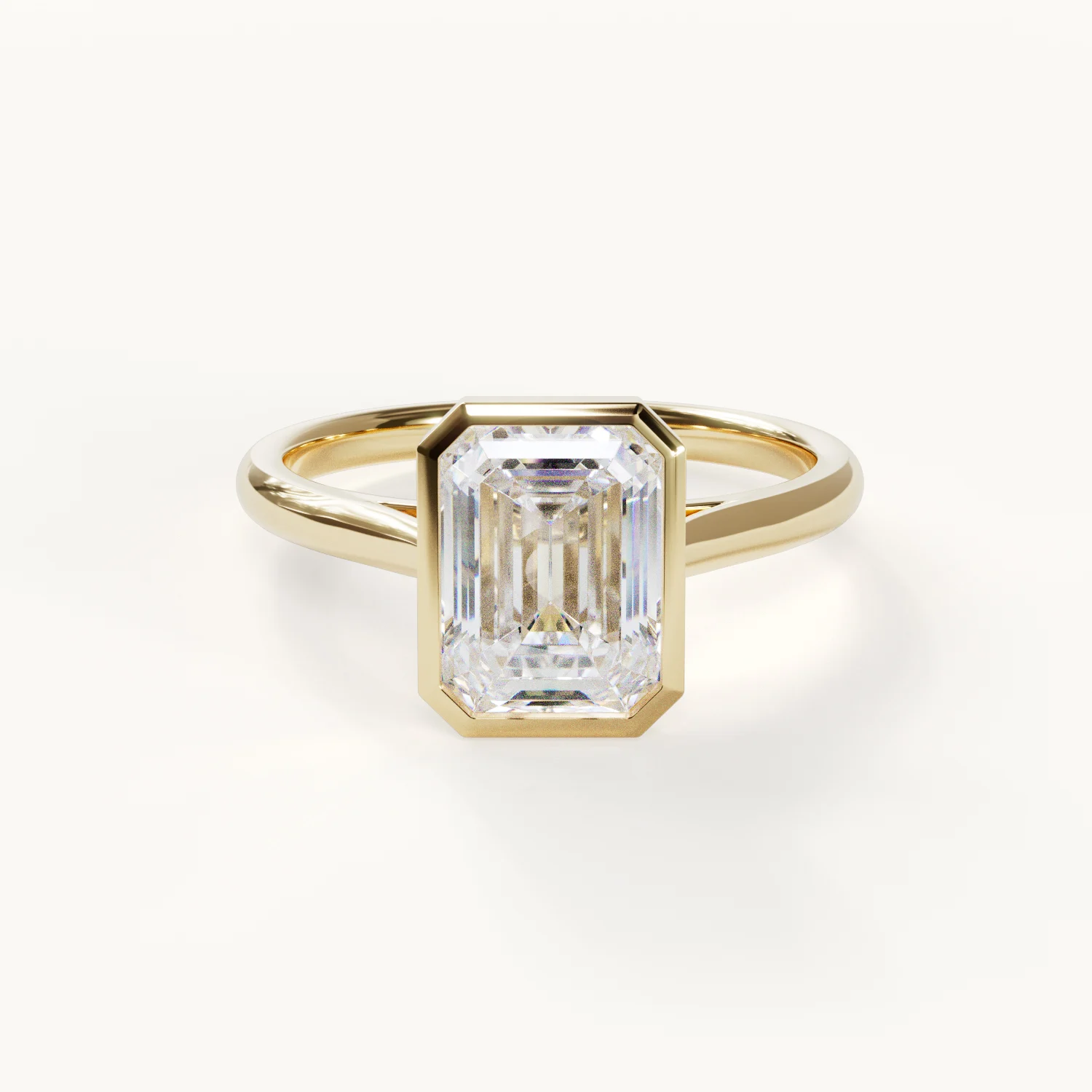
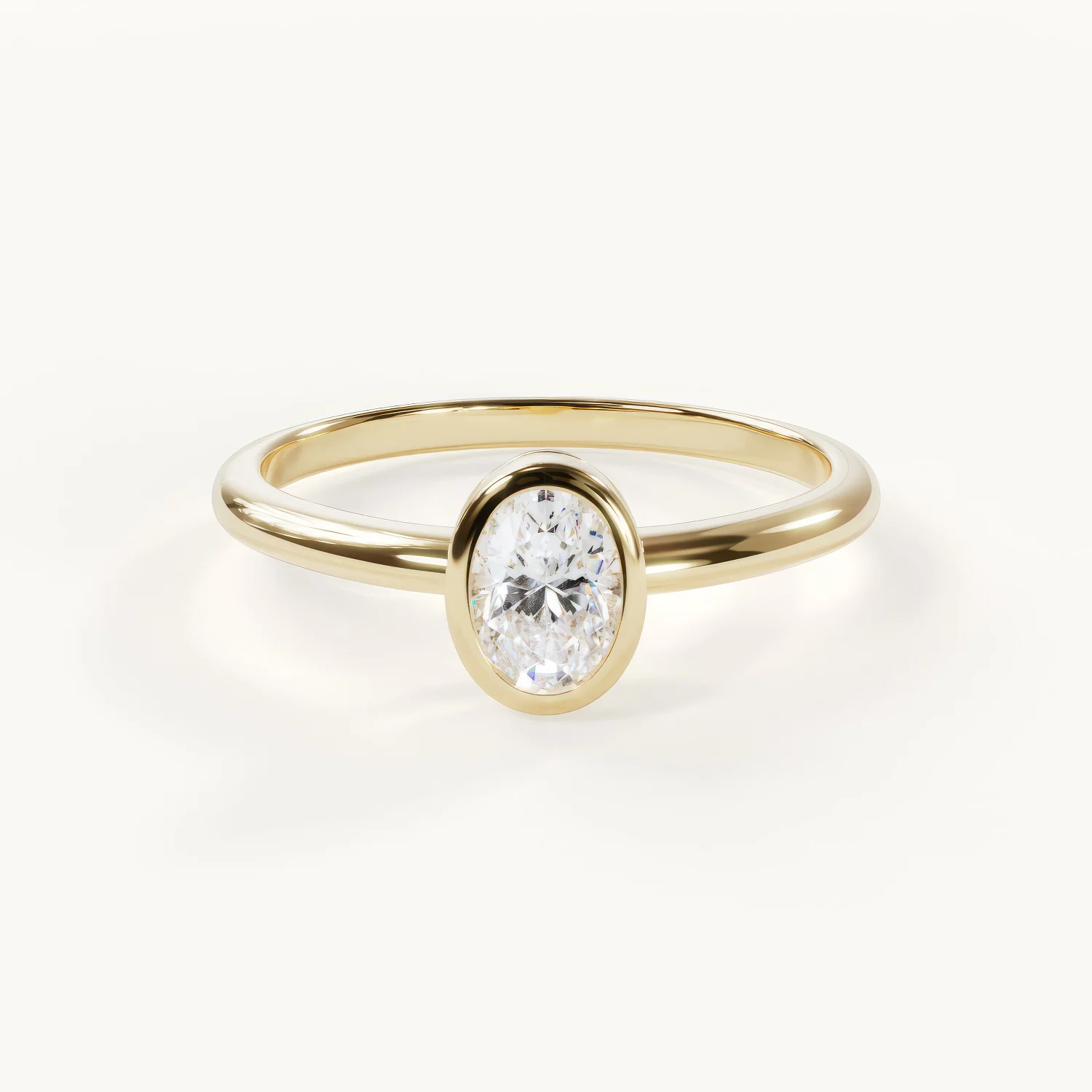
| Bezel / Frame | Protected stone edge, smooth outer contour, few sharp edges. | May appear more closed; check the fit and the distance between the ring and the side. |
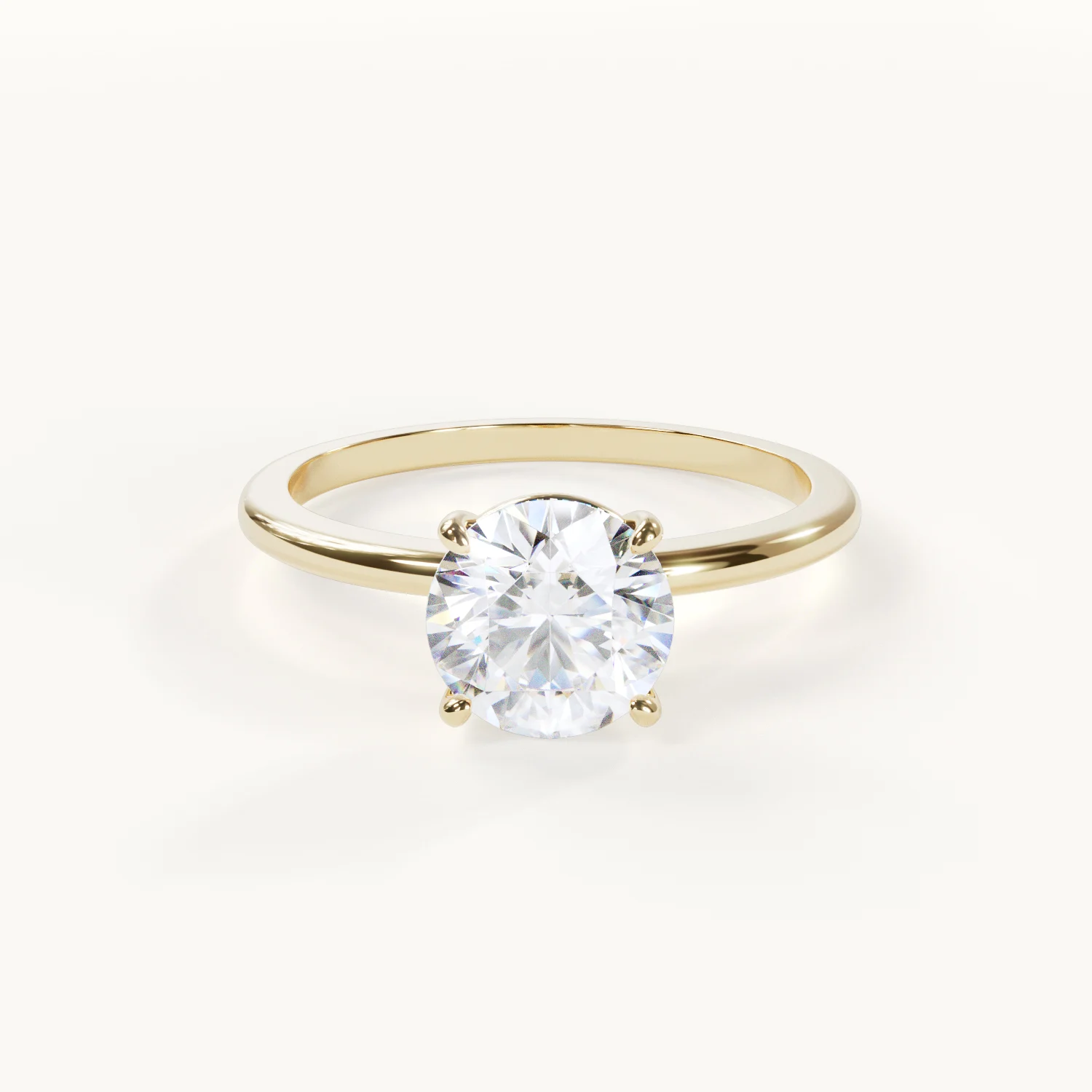
| 4 Krappen | Open stone outline, less metal covering the stone. | Check the tire tread, pressure, and warning indicators regularly. |
| 6 Krappen | More stopping points and extra leeway for round stones. | More contact points also mean more areas that need to be inspected and cleaned. |
| Halo / Pavé | A strong presence despite a smaller central stone. | Many small recesses, edges, and potential snagging points. |
| Cathedral | Side arches can support the setting and make it easier to attach the wedding band. | Often a higher profile; not every cathedral-style design fits the same way. |
Bezel: the smoothest outer contour
The GIA describes the bezel setting as one of the more protective types of settings because the metal shields the girdle from impacts and encircles the center stone. For people who often wear gloves or lead an active lifestyle, this clean, unobstructed design can therefore be a good choice. You can find more information about light play and design in our guide to bezel engagement rings.
Krappen: Open, but not necessarily a sensitive issue
A compact prong setting can be worn every day. The quality of the setting and the position of the prongs are more important than the term “solitaire.” With a comparable design, six prongs offer more security than four; four prongs often reveal more of the stone’s contour. Our comparison of four- and six-prong settings provides a more detailed analysis of security, stone shape, and appearance.
References: GIA: How to Purchase the Perfect Diamond Engagement Ring, GIA: How to Protect Your Diamond Engagement Ring, and GIA: Questions a Jeweler Will Ask.
From the Velur Collection
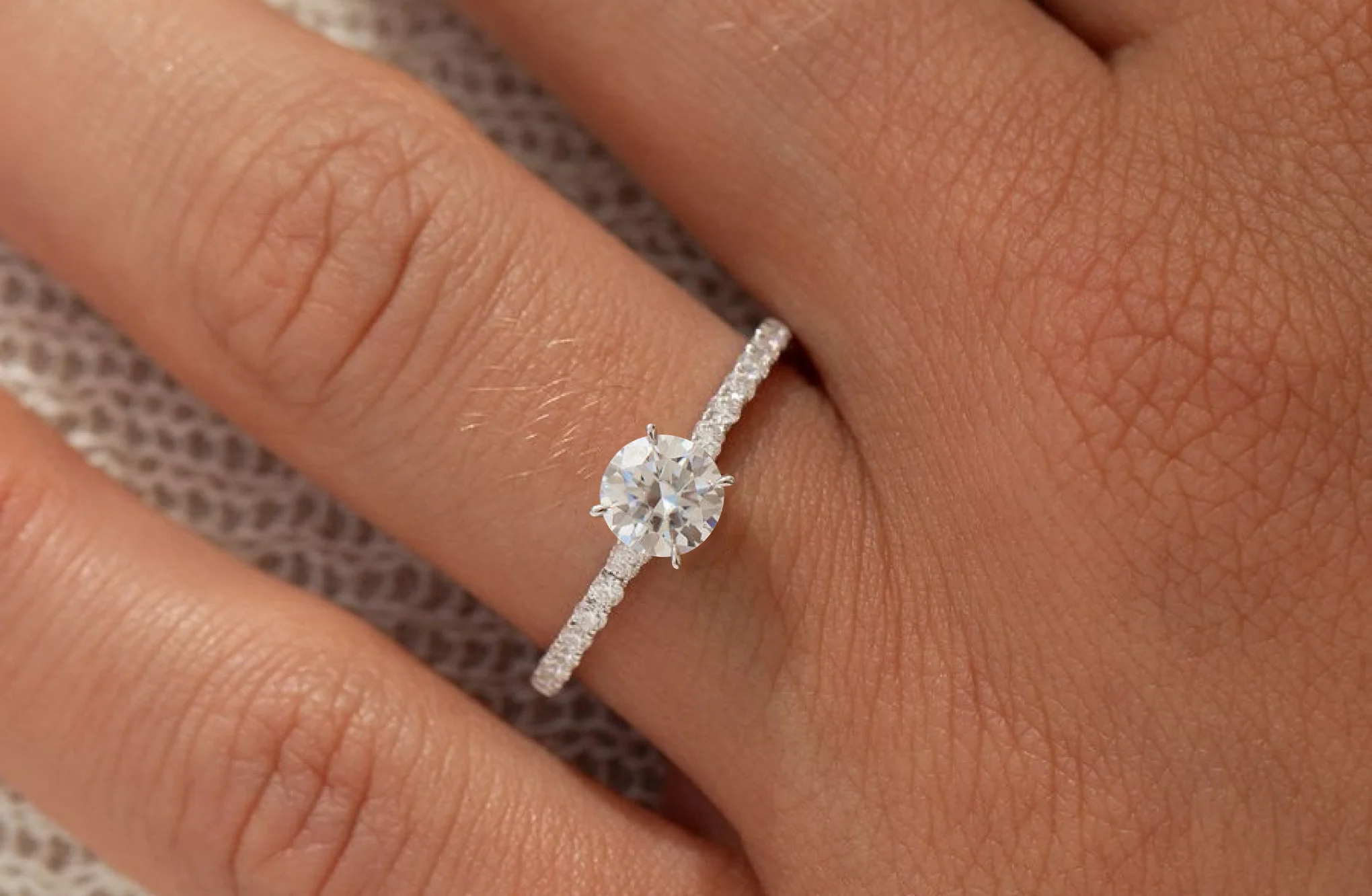
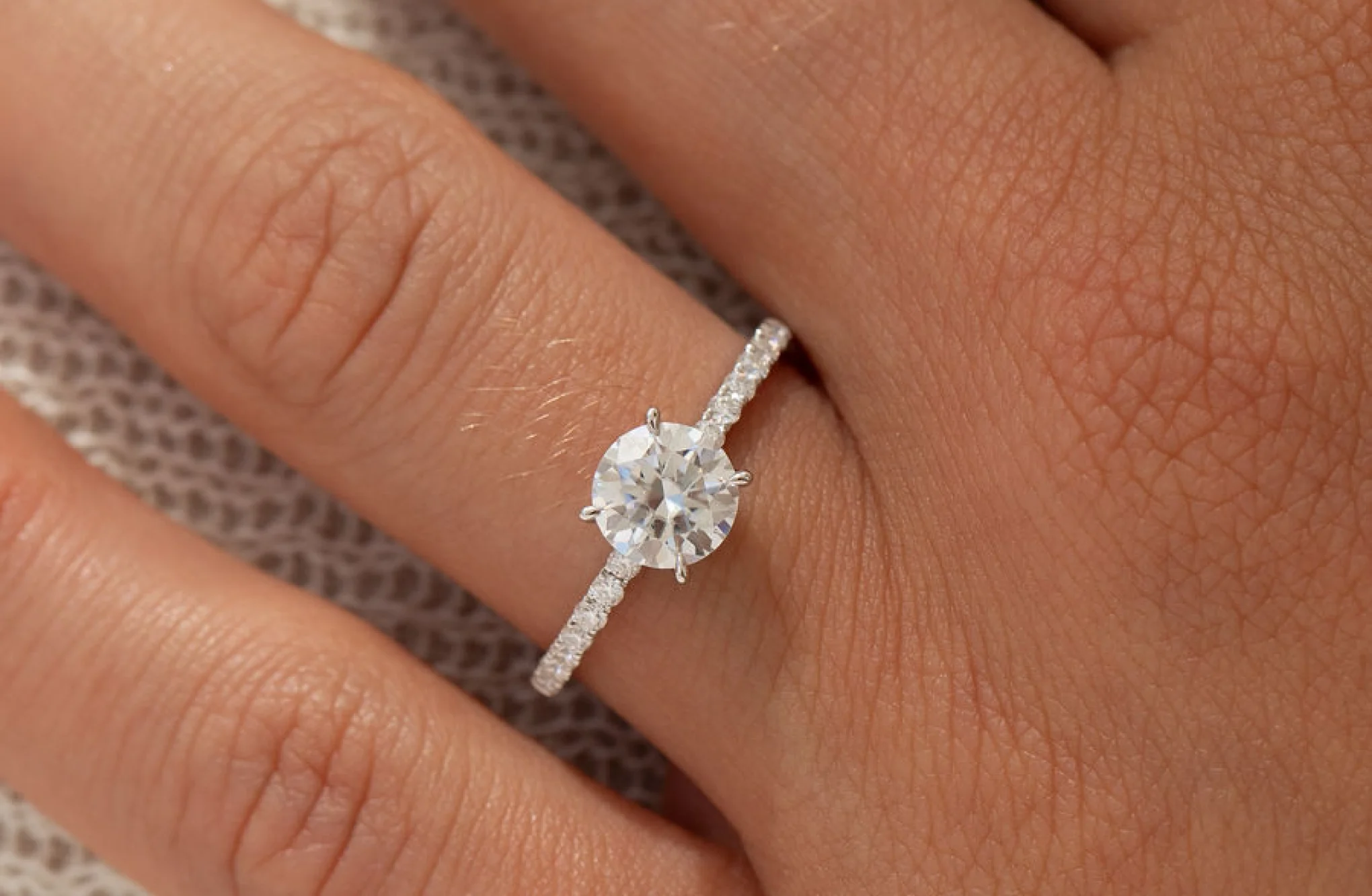
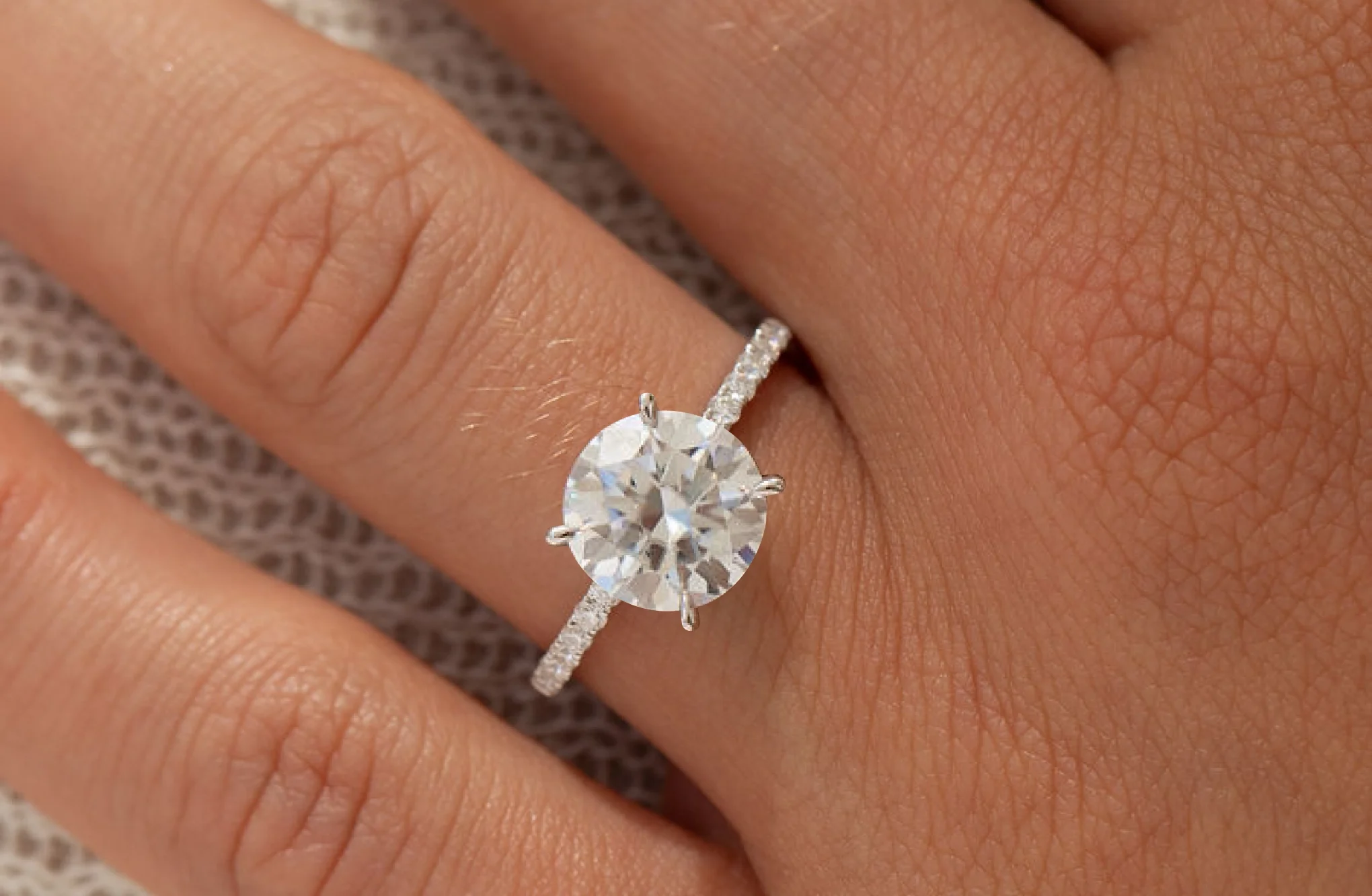
A Comparison of Subtle Settings and Open-Set Solitaires


Stone & Rail
Considering the Stone Shape, Material, and Ring Width Together
Diamonds are very hard, but they are not immune to every impact. Hardness describes resistance to scratches; toughness describes resistance to chipping or breaking. The GIA points out that a hard blow can damage a diamond along an unfavorable cleavage plane. For pointed shapes, the narrow tip therefore requires more protection than the broad surface.
Round and oval stones can be set either openly in prongs or securely within a bezel. For marquise, pear, and princess cuts, the setting should visibly secure the tips or corners. A large stone also typically protrudes further from the hand than a smaller one—even if the basic design is similar. Carat weight alone says little about a ring’s suitability for everyday wear, but it does influence the dimensions and, consequently, the stone’s visibility.
Gold and platinum are suitable for jewellery worn daily, but they remain malleable metals. A wider or more heavily profiled band distributes stress differently than a very thin band. The alloy also affects color, hardness, and care requirements. Our comparison of 14- and 18-karat gold explains this aspect regardless of the ring’s design.
Comfort Fit is about comfort, not protection
A curved inner surface can improve comfort. However, it does not prevent the center stone from being knocked or the setting from becoming bent. Treat the inner profile, the setting, and the ring band as three separate purchasing decisions.
Clothing Habits
When should an engagement ring be taken off?
Even a sturdy ring needs a break. During strength training, metal can deform under heavy loads; gardening and DIY projects expose it to hard impacts, dirt, and pressure. While swimming, cold fingers can cause the ring to shrink, while chlorine and cleaning products pose additional risks to the alloy and surface. The safest place for it is a sturdy, padded box—not a loose pants pocket or the edge of a sink.
- Weight training, rock climbing, and contact sports
- Gardening, moving, and handyman work
- Cleaning with Harsh Household Cleaners
- Swimming, the sauna, and situations where finger size changes significantly
- Activities in which the ring is subjected to pressure or friction while wearing gloves
This does not mean you can’t wear it every day. “Suitable for everyday use” means choosing a ring that’s appropriate for normal activities and deliberately taking it off when you anticipate heavy wear and tear. The GIA specifically lists exercise, gardening, the ring getting caught on clothing, and hard impacts as reasons to temporarily remove the ring.
Warning Signs After an Impact
If the ring suddenly starts getting caught on fabric more often, if the prong looks crooked, or if the stone moves, you should stop wearing it. A visible gap between the stone and the setting is also a reason to have it checked. Have the ring inspected by a professional. For cleaning and storage, you’ll find the next steps in the Velur Care Guide.
References: GIA: How to Protect Your Diamond from Chipping and GIA: Diamond Care and Cleaning Guide.
Decision
The Velur Buying Guide in Seven Questions
- How often do you wear gloves or work directly with your hands?
- Does a ring that gets caught on delicate fabrics bother you?
- Would you like to wear a straight wedding band right next to it later on?
- Is an open stone outline more important to you than a closed protective edge?
- Does your Steinform have any points or corners that need special protection?
- Does the ring still feel comfortable even after a few minutes?
- Do you have a designated spot at home for sports equipment and heavy-duty tasks?
Next, compare your favorites from above, from the side, and on your own hand. If a piece only looks good from one angle, you haven’t made your final decision yet. At Velur, we view suitability for everyday wear as a combination of design, setting, material, ring size, and personal habits—not as a promise that a piece of jewellery can withstand any and all wear and tear.
If you're just getting started, you can narrow down your choices by browsing our engagement ring collection and, during your consultation, ask specific questions about the side profile, prongs, and how the ring connects to your wedding band.
Frequently Asked Questions
FAQs About Engagement Rings Suitable for Everyday Wear
Which frame style is the most comfortable for an active lifestyle?
A low bezel setting has few exposed edges and protects the girdle of the center stone. A compact prong setting may also be suitable, but requires more attention to the prongs and the points where they grip the stone.
Is a low-set ring always better?
No. A low profile is less likely to get caught, but it can make it more difficult to fit a straight wedding band flush against it. The profile height and any future ring combinations should be considered together.
What does "Comfort Fit" mean when it comes to a ring?
"Comfort Fit" refers to a slightly curved inner surface of the ring band. It can make the fit over the knuckle more comfortable, but it is no substitute for the correct ring size or a properly fitting setting.
Are diamonds indestructible in everyday life?
No. Diamonds are highly resistant to scratches, but they can chip or break if struck hard along an unfavorable cleavage plane. Therefore, gemstone and setting protection remain important.
When should I take off my engagement ring?
Remove it when doing weight training, rock climbing, gardening, or DIY projects, when using harsh cleaning agents, or in other situations involving heavy pressure or hard impacts, and store it separately in a padded box.
How can I tell if a setting is loose?
Warning signs include a loose or wobbly stone, a visible gap, a crooked shank, or the ring suddenly getting caught on fabric. If any of these occur, you should take the ring off and have it inspected by a professional.
Your ring should fit into your real everyday life
Compare Velur engagement rings from the side, or get personalized advice on profile height, setting, and comfort.