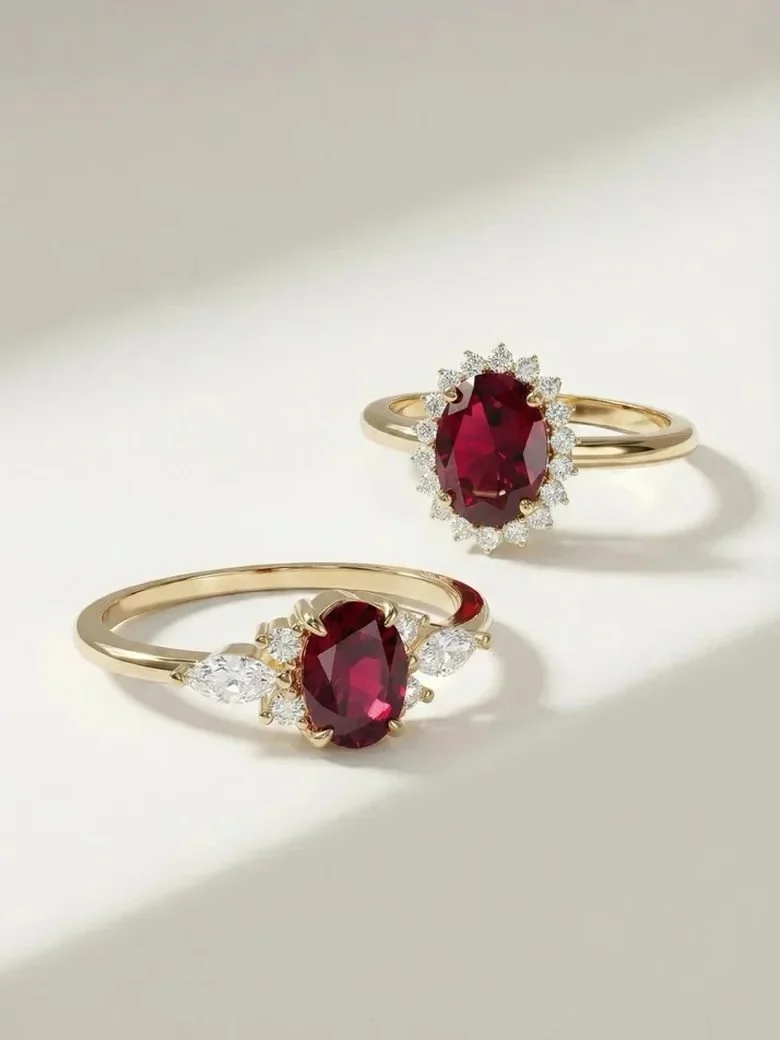
Round Engagement Ring: Brilliant Cut, Settings, and Buying Guide
The round engagement ring is a classic—but not every round stone looks the same. The key factors are the quality of the cut, the proportions, the setting, and how it looks on the hand.
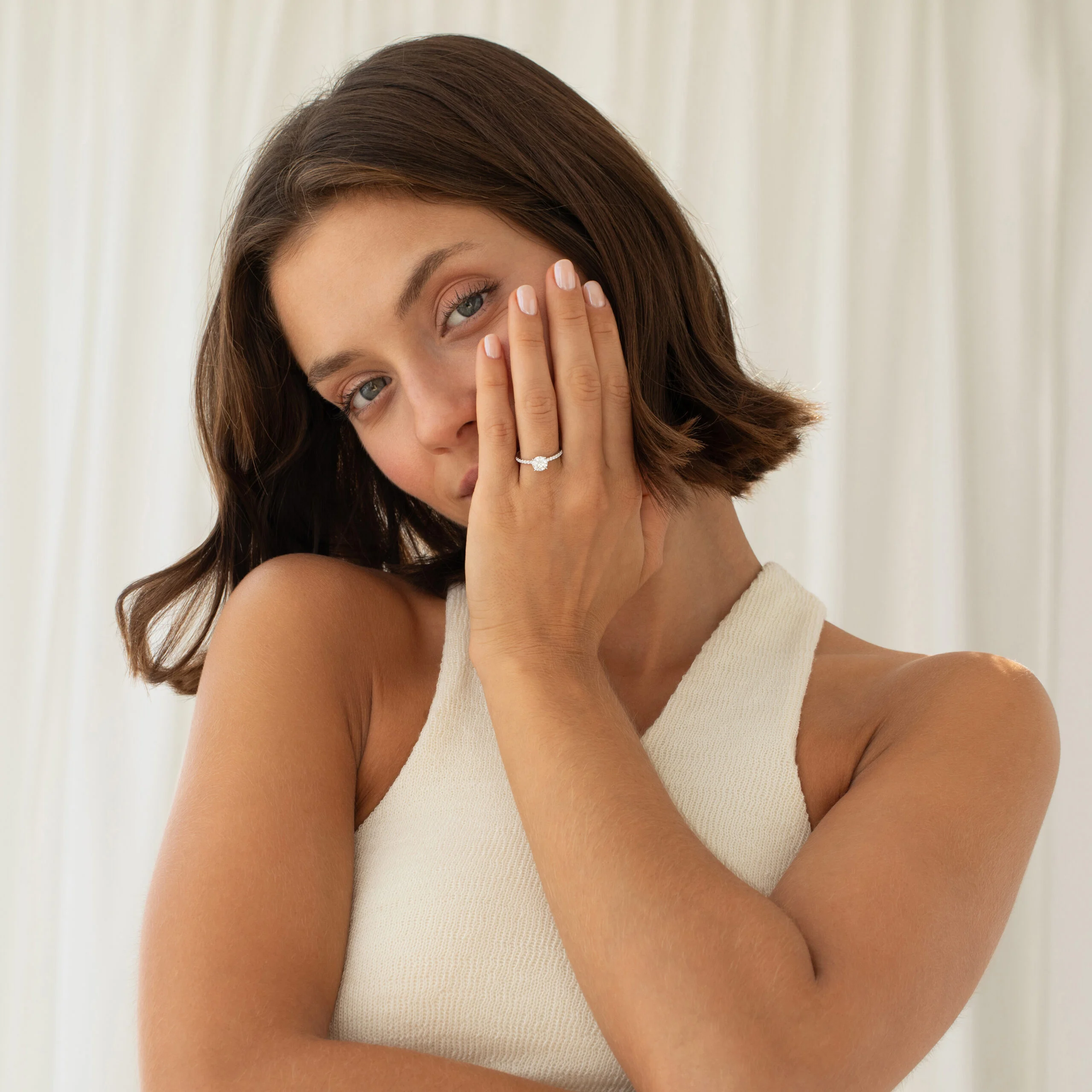
A round engagement ring usually features a brilliant-cut diamond or moissanite. The round shape refers to the stone’s outline; the brilliant cut refers to the arrangement of its facets. When it comes to the ring’s visual impact, a good cut, a suitable setting, and harmonious proportions are more important than carat weight alone.
Round Cut and Brilliant Cut: What's the Difference?
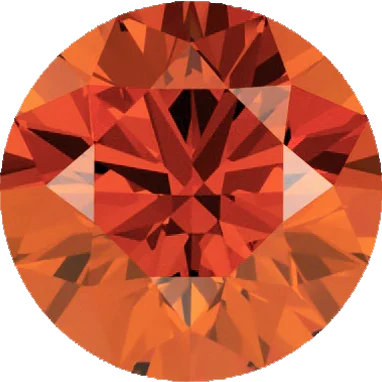
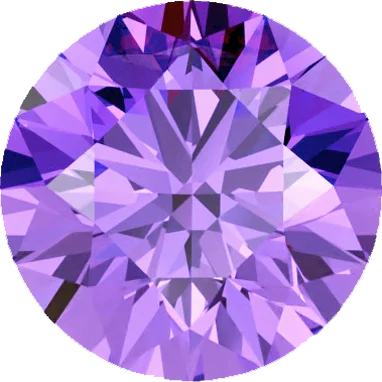
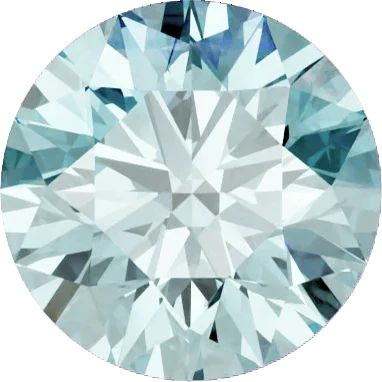
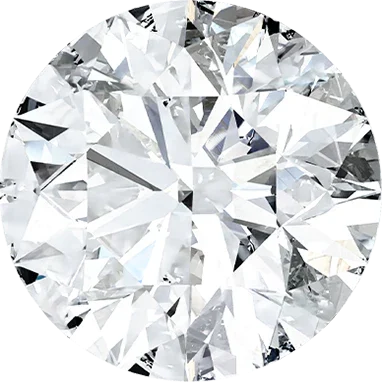
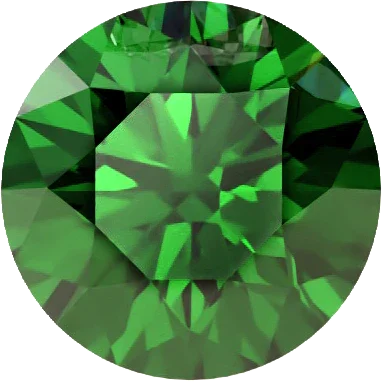
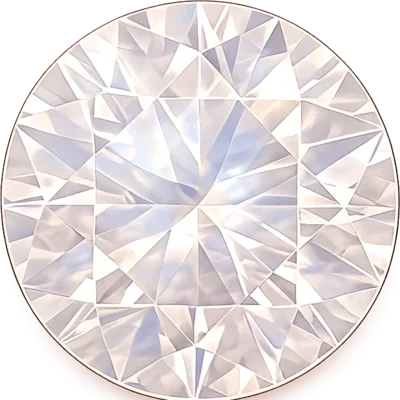
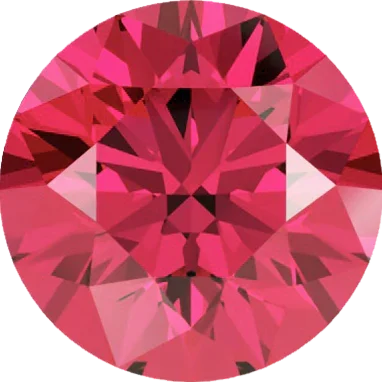
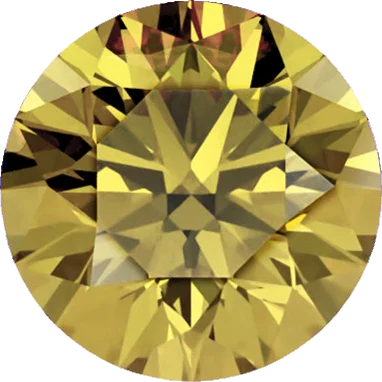
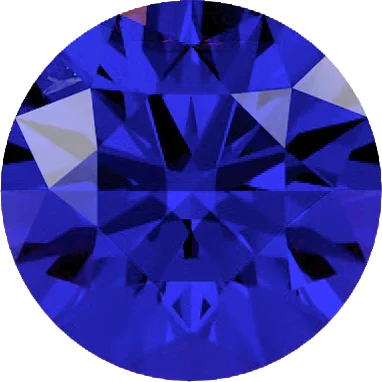
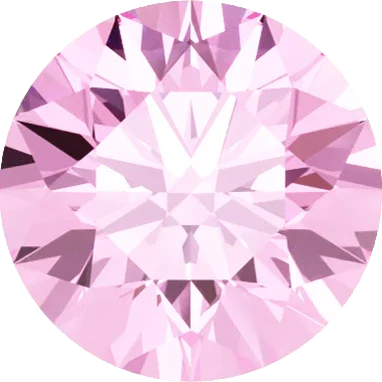
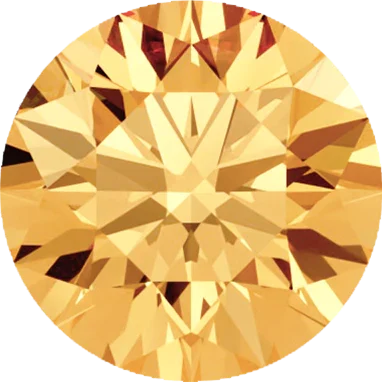
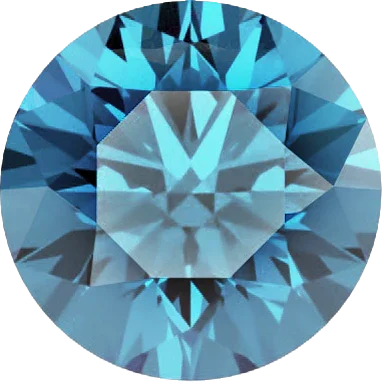
In everyday language, “round cut” and “brilliant cut” are often used interchangeably. Strictly speaking, however, they refer to two different things. “Round” describes the stone’s external shape as viewed from above. “Brilliant” describes a facet pattern designed to intensely reflect light. The modern round brilliant typically has 57 or 58 facets.
This is more than just semantics. A round stone can also have an older cut or a different facet arrangement. Conversely, other shapes can feature brilliant facet patterns. If you’re looking for a classic engagement ring with a uniform circular shape and plenty of sparkle, “round” in the store almost always refers to the modern round brilliant cut.
The round cut does not automatically imply a solitaire or a specific type of stone. It can be set as a single center stone, with pavé, side accents, a halo, or in a bezel. You’ll find it as both a lab-grown diamond and a moissanite. Our overview of engagement ring shapes and styles helps you consider the stone type and ring design separately.
Simple Mnemonic
"Round" refers to the shape you see from above. "Brilliant" refers to how the facets are arranged and how they interact with light.
Why does a round brilliant-cut diamond sparkle so brightly?
In a round brilliant cut, the table, crown, and pavilion work together as a system. Light enters from above, is reflected off the facets in the lower part of the stone, and is directed back toward the eye. This creates brightness, flashes of color, and a dynamic interplay of light and dark areas.
The Gemological Institute of America distinguishes between three visible characteristics: brightness, which refers to the reflection of white light; fire, which refers to flashes of colored light; and scintillation, which refers to the sparkle produced by movement. A stone does not have to look like a studio photo under every type of lighting. However, it should retain its vibrancy in diffused daylight, under warm indoor lighting, and when in motion.
The round symmetry distributes this pattern evenly. As a result, the stone appears balanced from many angles and pairs easily with a wide variety of ring styles. In a direct comparison, an oval often appears longer and flatter, while a round stone appears more compact and regular. Our guide, “Oval vs. Round Cut,” explains these differences in more detail.
References: GIA: Anatomy of a Round Brilliant and GIA 4Cs: Diamond Cut.
What cut quality is important for a round diamond?
For round brilliant-cut diamonds, the quality of the cut has a direct impact on their visible beauty. It does not describe the shape, nor does it refer solely to the polish. Instead, it evaluates how proportions, symmetry, polish, durability, and light performance work together. For standardized round brilliant-cut diamonds on the D-to-Z color scale, the GIA assigns the cut grades Excellent, Very Good, Good, Fair, and Poor.
When making a selection, we would first ensure the quality of the cut and only then consider a slightly higher carat weight. A well-proportioned stone can appear brighter, clearer, and larger from above than a heavier stone that hides its weight in a pavilion that is too deep. Carat measures weight—not the visible diameter and not the sparkle.
Read the certificate, but look at the stone anyway
A report provides cut grade, dimensions, polish, and symmetry. It is no substitute for your own eyes. Compare two stones under similar lighting conditions and at a normal viewing distance, not just in highly magnified videos.
Look for a calm pattern from above
The stone should appear symmetrical when viewed from above. Large, persistent dark areas, a milky appearance, or a noticeably uneven pattern are reasons to ask for more details—even if individual data points look good on paper.
Interpreting millimeters and carats together
The diameter indicates how much of the surface you can actually see from above. Therefore, when comparing stones of similar carat weight, be sure to also compare the dimensions in millimeters and the total depth.
During the consultation, we don’t start with the highest carat weight in the budget. First, we determine how prominent the ring should be, which hand it will be worn on, and whether a understated solitaire or additional sparkle is desired. Then we can select the stone and setting that best suit your needs.
The same basic optical considerations apply to lab-grown diamonds. Origin and cut quality are separate characteristics. We explain what an IGI or GIA report reliably documents in our guide to diamond certificates.
Current reference source: GIA, 2026: Diamond Cut Grade – Six Things to Know.
Which setting goes well with a round engagement ring?
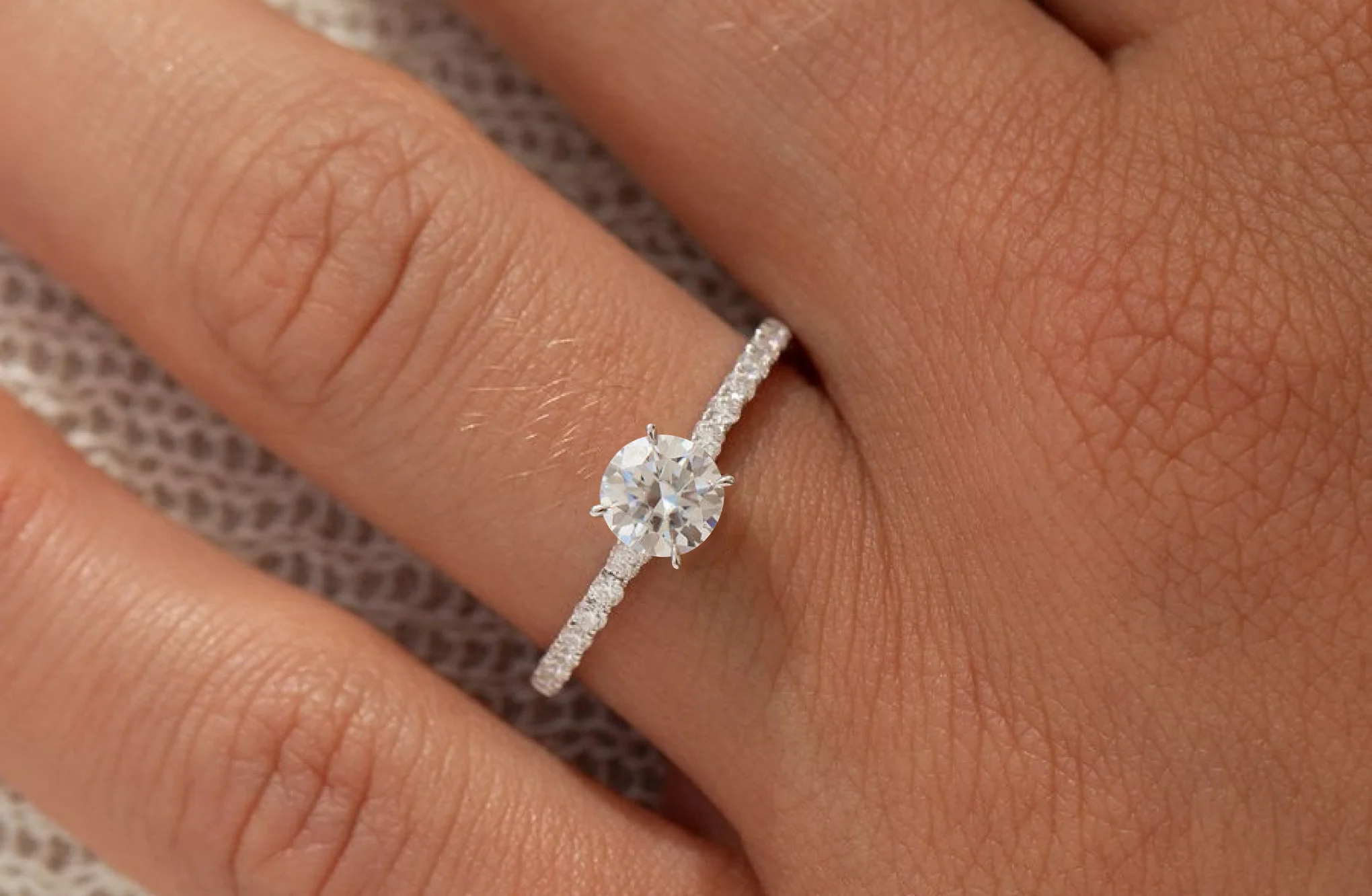
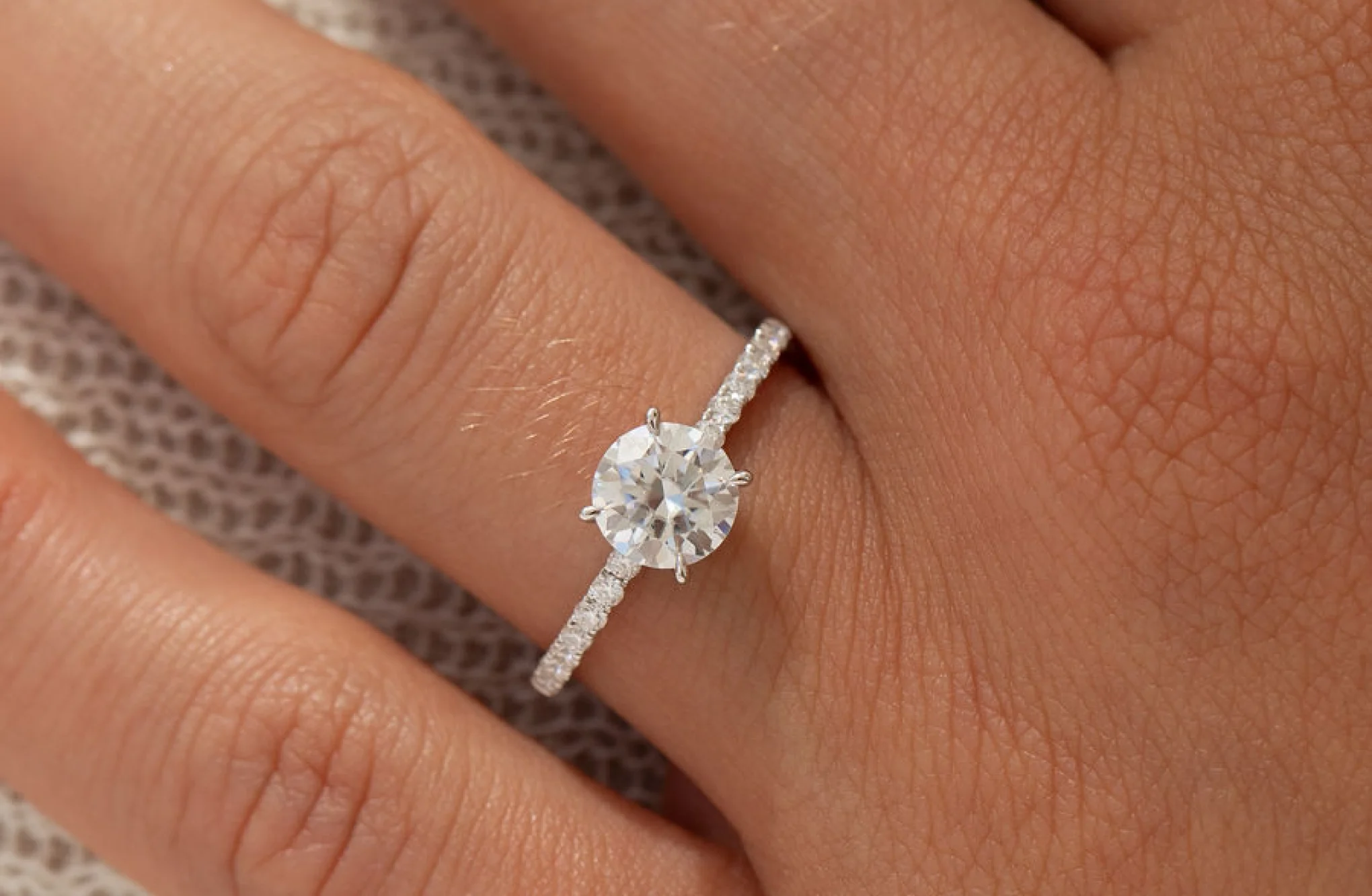
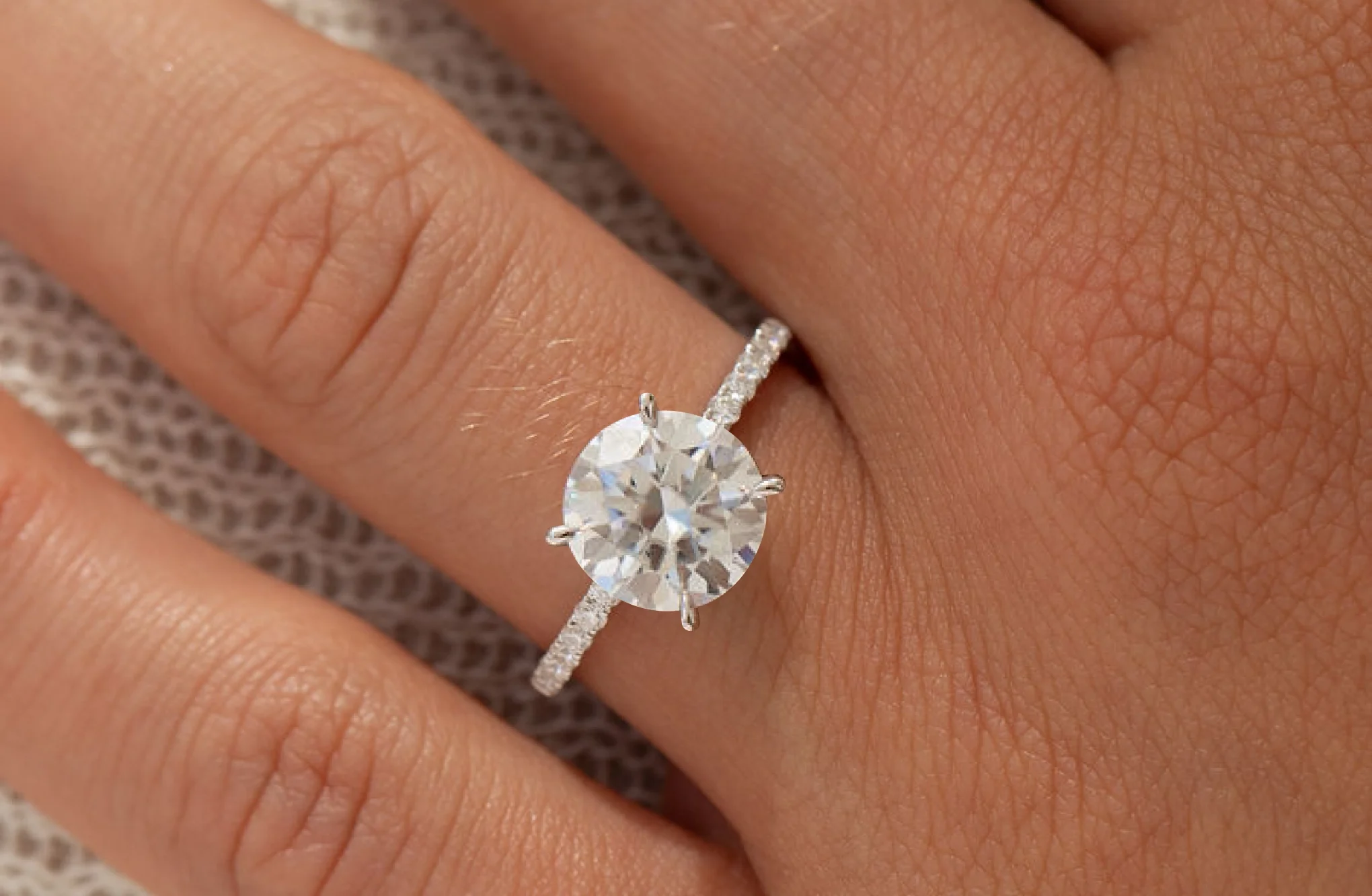
The circular shape is simple, but the setting significantly alters its character. A few slender prongs reveal a lot of the stone. More prongs visually break up the edge. A bezel creates a visible metal circle. Cathedral shoulders lift the ring head, while pavé and halo settings add additional points of light.
| Version | Effect | Keep in mind |
|---|---|---|
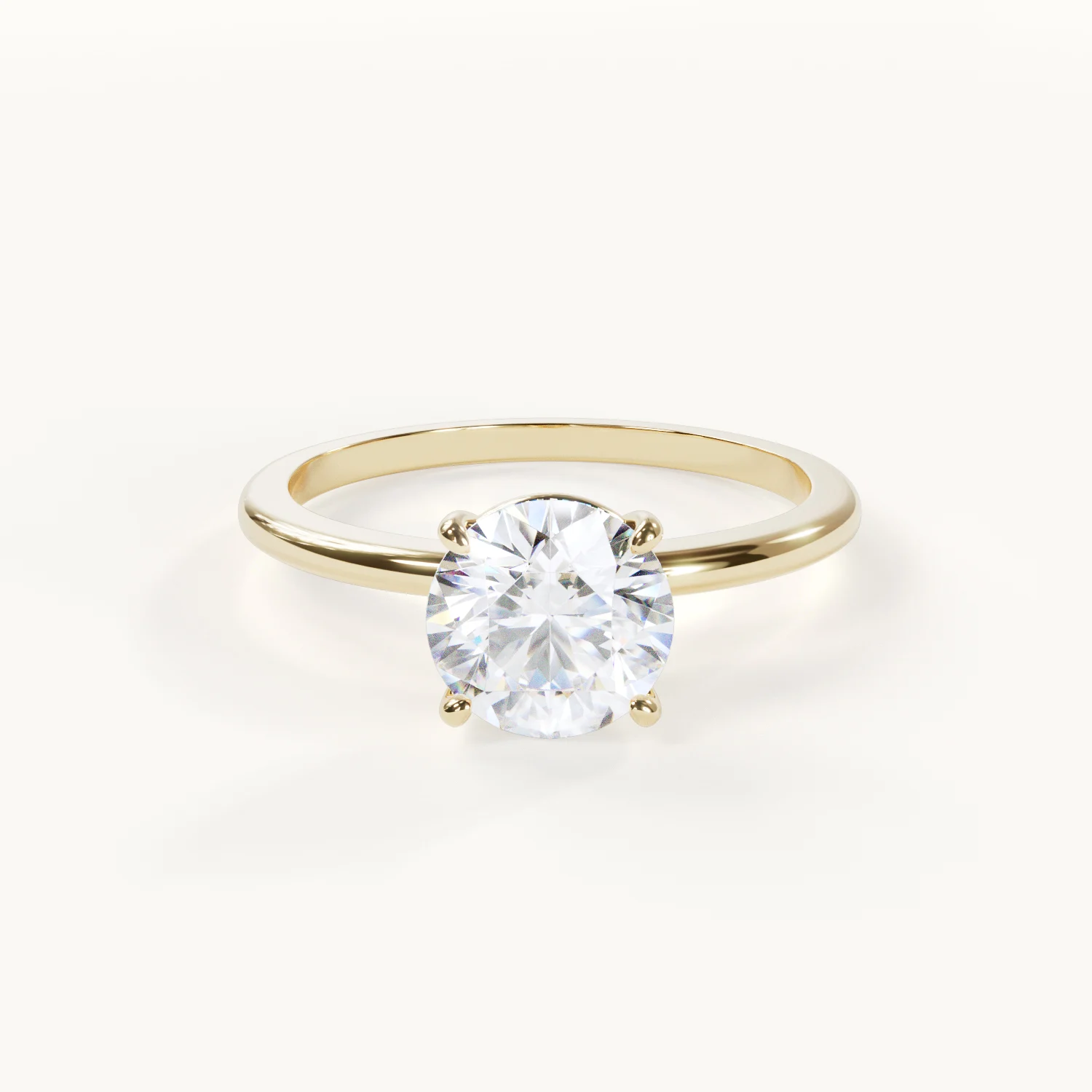
| Four crabs | Open, clear—the stone may appear slightly more angular | Clamps must be positioned evenly and hold the edge securely |
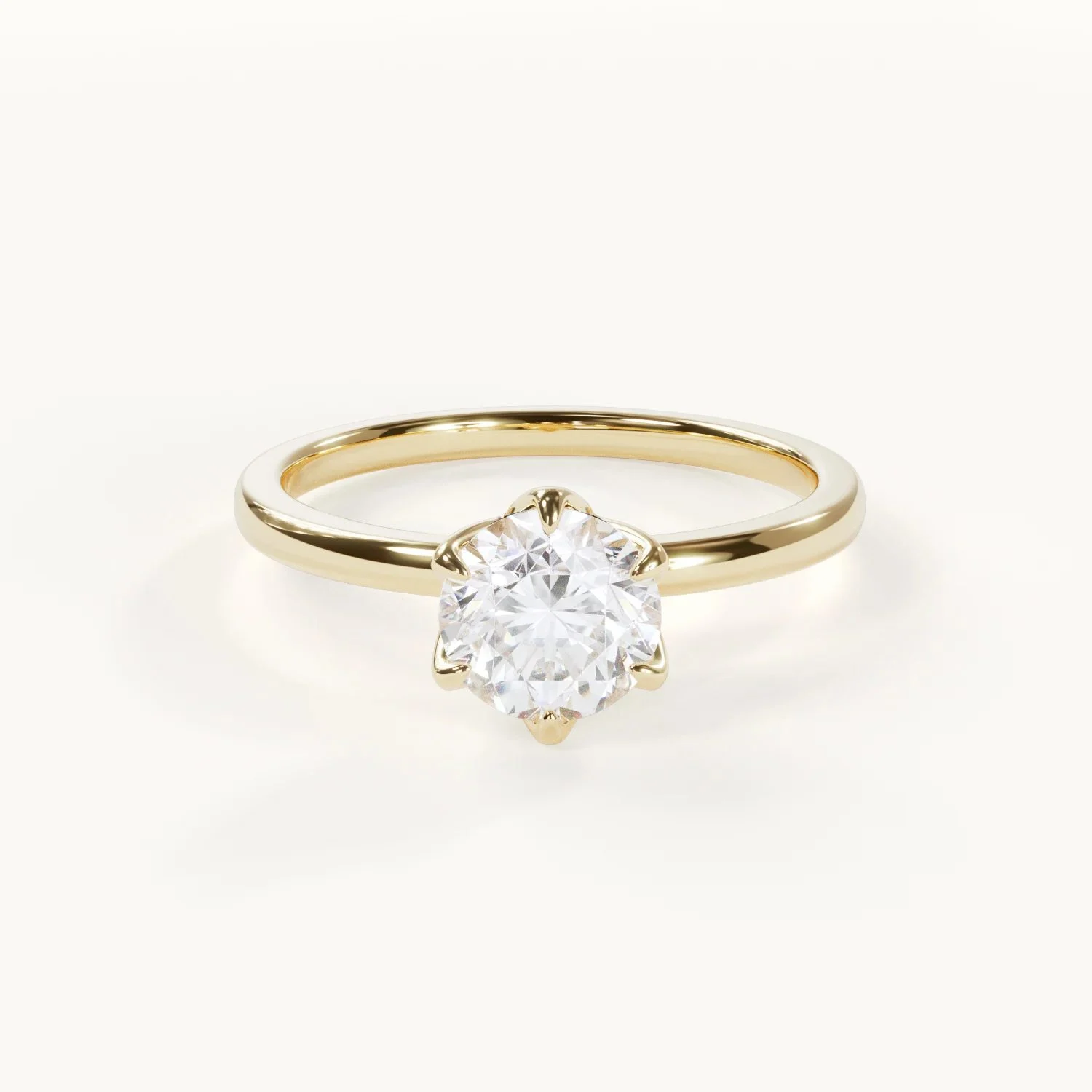
| Six crabs | classic round shape, more distinctly defined rim | Cracks must not unnecessarily obscure the visible surface |
| Frame Mount | Modern metal frame, understated graphic outline | Smooth curves and adequate access for cleaning |
| Cathedral | Elevated, architectural transition to the tracks | Check the ring height and how it pairs with the future wedding ring |
| Halo or Pavé | More overall sparkle and visual impact | Accent stones must be laid neatly and be suitable for everyday use |
Whether a stone has four or six prongs is not a matter of quality in and of itself. Six prongs emphasize the stone’s roundness and provide multiple points of support. Four prongs leave more of the edge exposed and, when arranged diagonally, can create a slightly square silhouette. The decisive factors are the design, craftsmanship, and size of the stone.
If you do a lot of work with your hands, wear gloves, or prefer a setting that’s as closed as possible, you should consider a low setting or bezel. If you’re looking for maximum openness, you’ll likely end up with a prong setting. Our guide to the anatomy of an engagement ring shows the shank, gallery, bridge, and band in context.
How do size, gold color, and the ring band affect a round stone?
The round stone stands out less than an oval, marquise, or pear-shaped stone. However, it appears centered and symmetrical. A very delicate band accentuates the size contrast with the center stone. A wider band integrates the stone more fully into the ring and can create a more balanced look with larger stones.
Yellow gold creates a warm contrast to the light-colored stone. White gold or platinum make the setting and the diamond appear to blend together more seamlessly. In a two-tone setting, a white crown can provide a neutral frame for the stone, while the yellow band remains visibly warm. No option objectively makes the stone look better—it simply changes the overall impression.
When it comes to size, the way the ring looks on the hand matters more than an isolated close-up. Examine photos or videos from a normal viewing distance and pay attention to the ring width, the stone’s diameter, and its height. A 0.7-carat stone can look very striking on a delicate hand; a larger stone, however, may still appear less harmonious if the setting is uneven.
The choice between a round diamond and a round moissanite also affects the way light is reflected. Moissanite often produces more vivid flashes of color, while diamonds tend to appear whiter and more high-contrast, depending on the lighting. Our comparison of moissanite versus lab-grown diamonds helps you decide on the material and budget independently of the ring design.
Round Engagement Rings with Different Looks
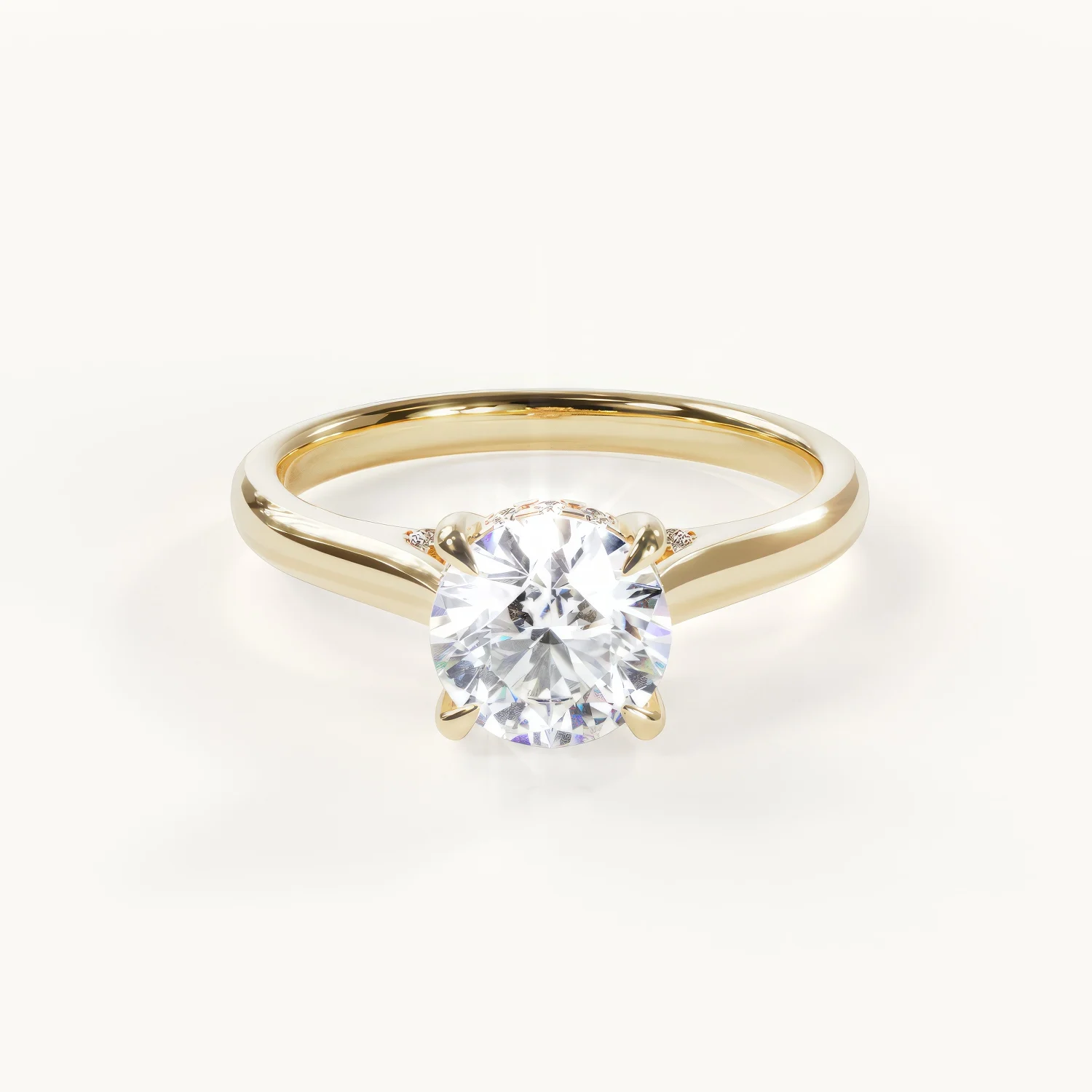
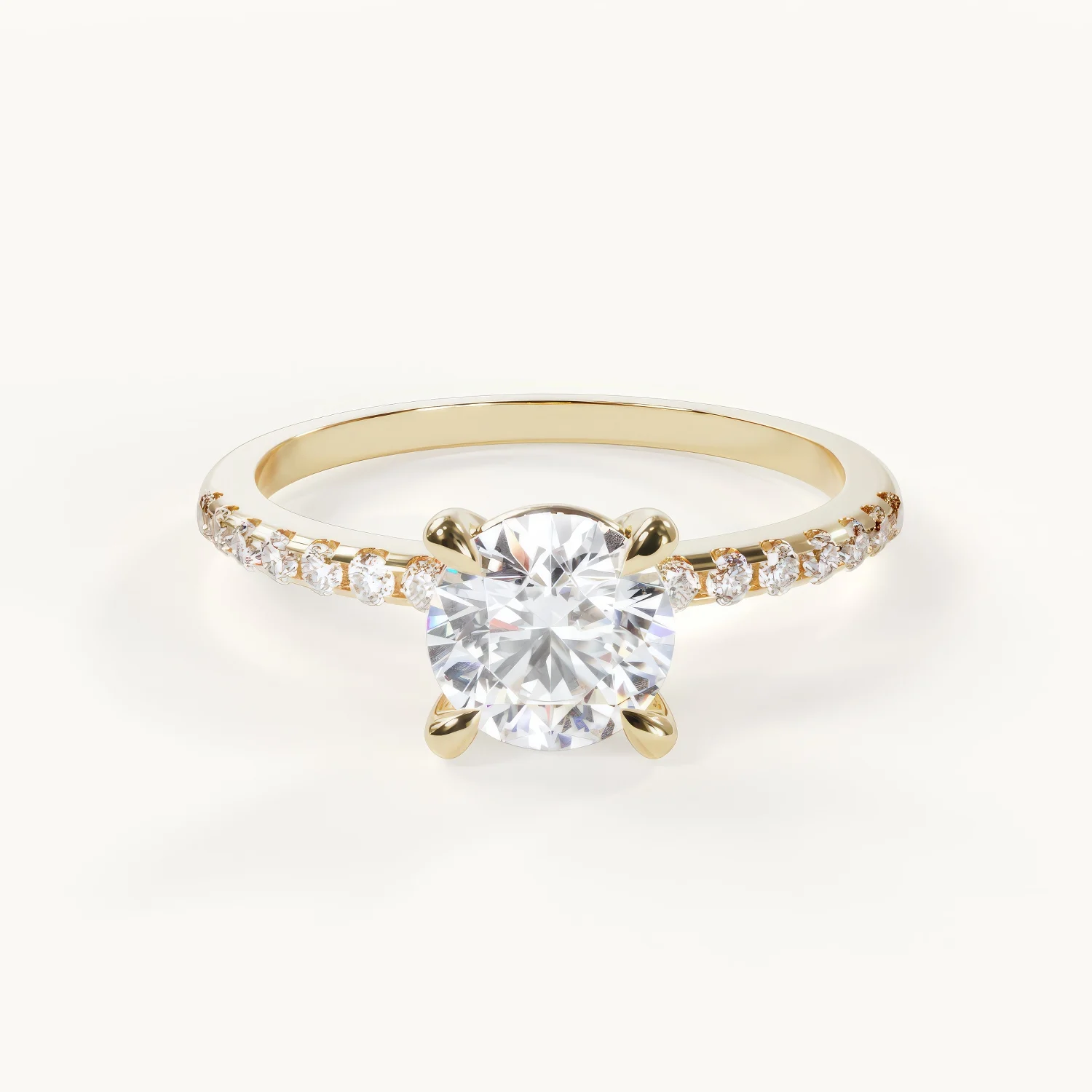
Pureté features the classic solitaire; Fleur d’Amour adds a floral tulip setting; Clarté elevates the round stone in a cathedral setting; and Pureté Pavé adds accent stones to the band. This allows you to compare the same basic round shape across four clearly distinct designs. Current configurations, images, and prices are taken directly from the product data.
From the Velur Collection
Round Engagement Rings at Velur


What should you consider before buying a round engagement ring?
A round engagement ring is versatile, but “classic” doesn’t automatically mean that every design will be an equally good fit. Consider the stone, setting, and ring as a whole. The following list will help you translate marketing images into specific questions.
- Shape: Do you really want a round brilliant—or do you want your hand to look longer?
- Cut: Are the cut grade, polish, symmetry, and the actual play of light convincing?
- Dimensions: What is the visible diameter in millimeters, not just the carat weight?
- Lens Setting: Are four-prong, six-prong, rimless, or cathedral settings suitable for everyday wear?
- Height: Is the ring practical to wear under clothing and gloves?
- Ring band: Do the width, metal color, and any pavé stones look balanced?
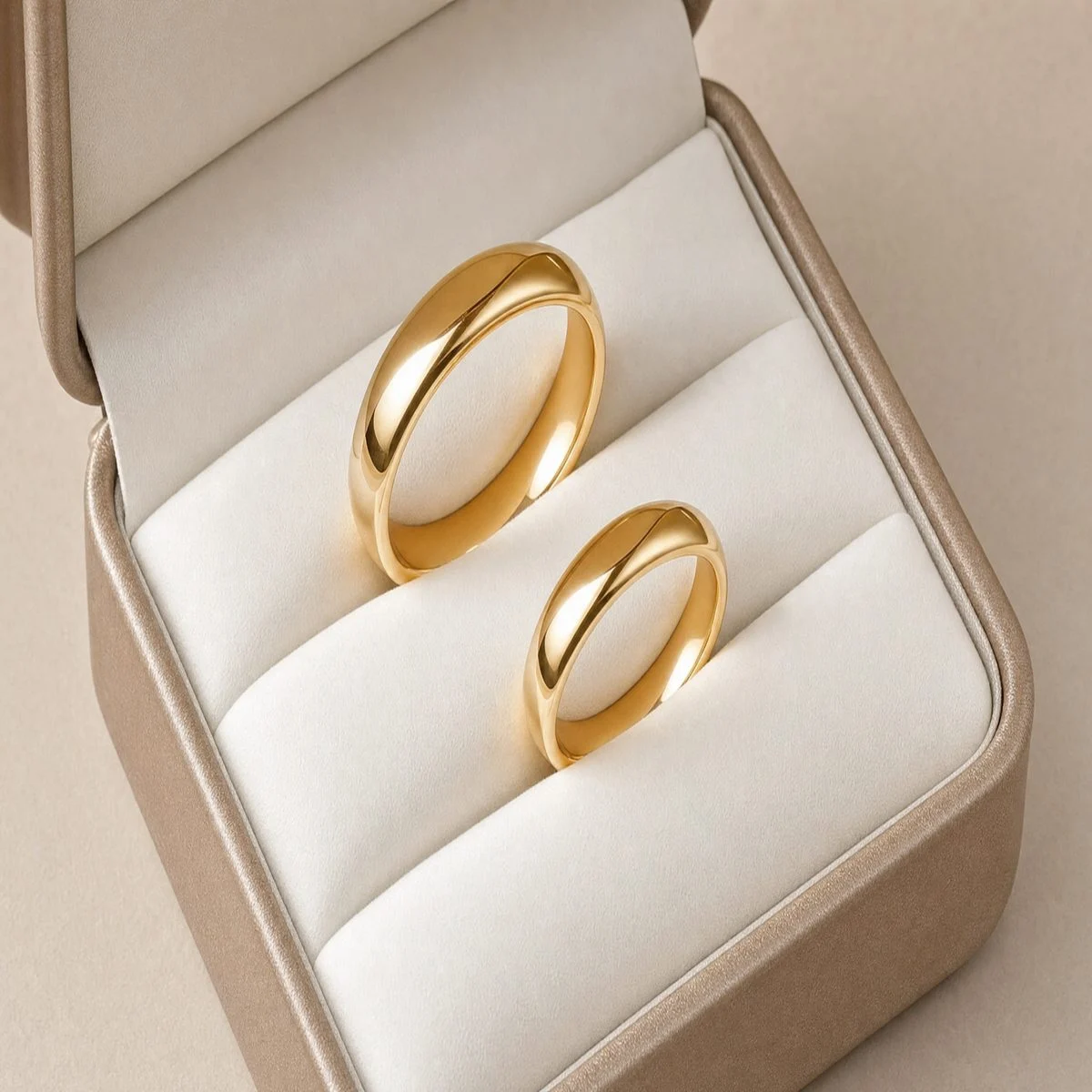
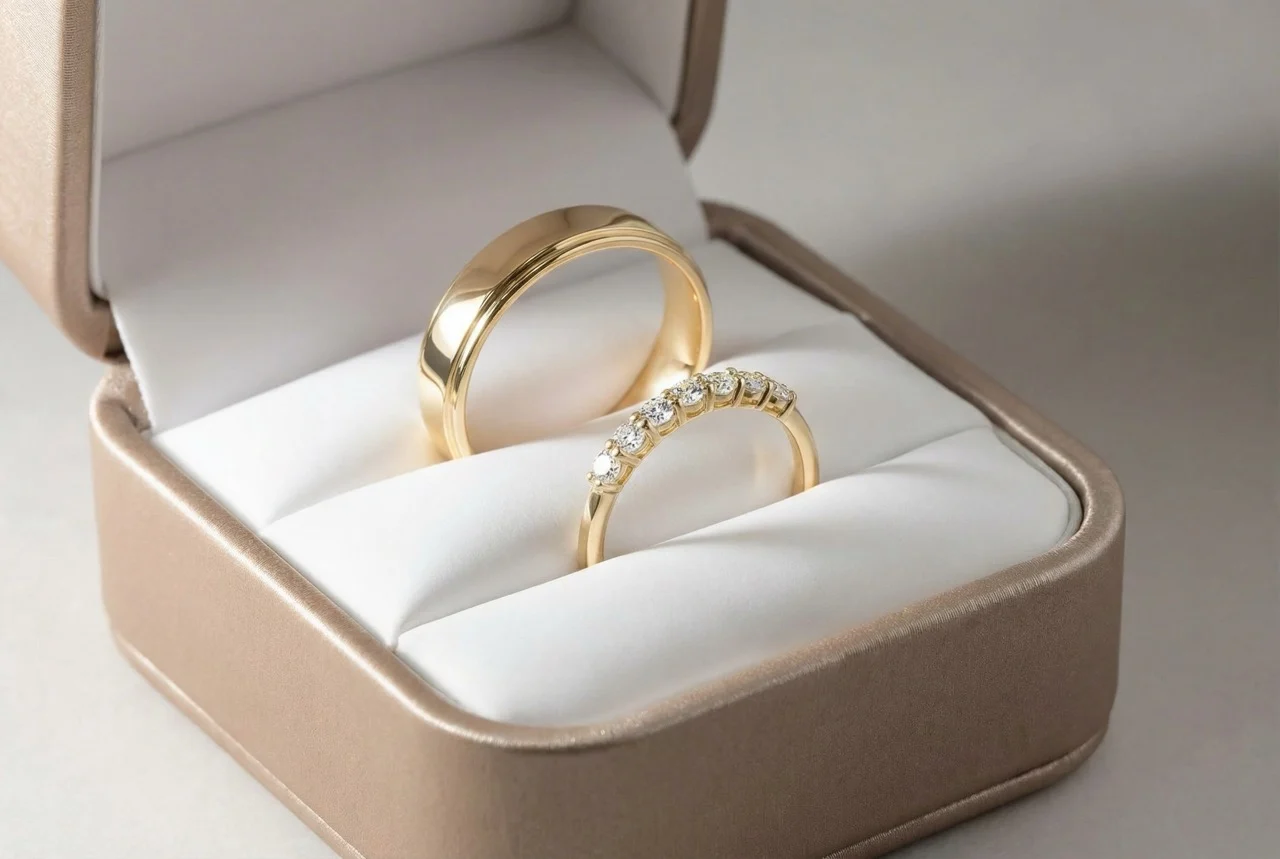
- Wedding ring: Can a straight band be placed flush next to it later on?
- Service: Are the certificate, sizing, inspection, and warranty transparent?
If you’re torn between several shapes, don’t start with the latest trend. Consider the jewellery you already own, your everyday style, and the look you want to achieve. A round brilliant cut is a good choice if symmetry, versatility, and a lively sparkle are more important to you than a visually elongated silhouette.
Our comprehensive Velur buying guide for engagement rings will walk you through the entire process step by step, from setting a budget to choosing a ring size. You can also find all of our latest round-cut designs in the Round-Cut Collection.
Frequently Asked Questions About Round Engagement Rings
Is a round cut the same as a brilliant cut?
Not quite. "Round cut" refers to the circular shape. "Brilliant cut" refers to the arrangement of the facets. When people talk about a "round stone" in engagement rings, they usually mean the modern round brilliant cut with 57 or 58 facets.
Why does a round brilliant-cut diamond sparkle so brightly?
Its symmetrically arranged facets are designed to channel light into the stone and reflect it back upward. The quality of the cut, polish, symmetry, clarity, and lighting determine the stone’s actual appearance.
Are four or six lugs better for a round stone?
Both options can be both secure and attractive. Four prongs show more of the stone and can make it appear slightly more angular. Six prongs emphasize the stone’s rounded contour and distribute the points of contact more evenly.
Does a round diamond look bigger than an oval one?
For similar carat weights, an oval stone often appears larger and more elongated due to its elongated shape. A round stone appears more compact and symmetrical and should be compared based on its actual diameter in millimeters.
Does a round engagement ring look good on any hand?
The symmetrical shape is very versatile. However, the stone’s diameter, the band’s width, the setting’s height, and personal style are the key factors. A view of the ring on the hand at a normal viewing distance is more helpful than a highly magnified close-up.
Can a round moissanite be set like a round diamond?
Yes. Solitaire, pavé, halo, bezel, and cathedral settings are available for both types of stones. Moissanite and diamond differ primarily in their material properties, price, and light reflection, not in their basic round shape.
Would you like to compare cut, setting, and size all at once? We'll take a look at the ring you have in mind in person, with no pressure to buy.