

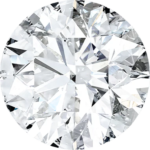
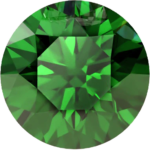
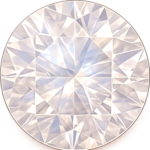
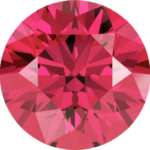
 360°
360°2.01 ct · Asscher
Color H · VVS1
6.9 × 6.8 mm
€10,630GIA

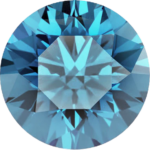
The Asscher cut is a nearly square step cut with rounded corners and a distinctive cross pattern on the table. It sparkles with a calm, focused brilliance rather than a scattered one. In our live inventory, you’ll find Asscher diamonds—both lab-grown and naturally formed—each certified by IGI or GIA, with transparent pricing and a 14-day right of withdrawal.
| Stone | Form | Purity | Pol. | Sym. | Fluorine. | Laboratory | Dimensions | L/W | Table | Depth | Delivery Time | Bookmark | ||||
|---|---|---|---|---|---|---|---|---|---|---|---|---|---|---|---|---|
| 360° | Asscher | 2,01 | H | VVS1 | – | EX | EX | None | GIA | 6.89 × 6.81 × 4.63 | 1,01 | 67 % | 68,0 % | 4–6 wt. | 10.630 € | |
 360° 360° | Asscher | 2,01 | D | VS1 | Excellent | EX | EX | None | GIA | 7.03 × 6.95 × 4.73 | 1,01 | 67 % | 68,1 % | 9–11 Wt. | 17.210 € | |
 360° 360° | Asscher | 1,00 | G | VS1 | Excellent | EX | EX | Weak | GIA | 5.55 × 5.50 × 3.67 | 1,01 | 62 % | 66,6 % | 16–21 wt. | 3.810 € | |
 360° 360° | Asscher | 2,01 | I | VVS2 | – | EX | EX | None | GIA | 6.88 × 6.79 × 4.67 | 1,01 | 64 % | 68,8 % | 4–6 wt. | 9.270 € | |
 360° 360° | Asscher | 2,01 | J | VVS2 | – | EX | EX | Weak | GIA | 6.84 × 6.76 × 4.57 | 1,01 | 63 % | 67,6 % | 4–6 wt. | 6.780 € | |
| 360° | Asscher | 2,01 | J | SI1 | Very good | EX | EX | None | GIA | 6.83 × 6.83 × 4.61 | 1,00 | 64 % | 67,5 % | 4–6 wt. | 6.380 € | |
 360° 360° | Asscher | 2,20 | F | VVS2 | – | EX | EX | Weak | GIA | 7.27 × 7.12 × 4.81 | 1,02 | 66 % | 67,6 % | 4–6 wt. | 18.710 € | |
 360° 360° | Asscher | 1,50 | H | VS1 | – | EX | EX | Strong | GIA | 6.40 × 6.27 × 4.17 | 1,02 | 66 % | 66,6 % | 5–7 wt. | 4.920 € | |
 360° 360° | Asscher | 1,20 | I | VS2 | Very good | EX | EX | Weak | GIA | 5.73 × 5.56 × 3.88 | 1,03 | 67 % | 69,8 % | 4–6 wt. | 2.280 € | |
 360° 360° | Asscher | 1,00 | I | VS1 | Very good | EX | VG | None | GIA | 5.50 × 5.34 × 3.67 | 1,03 | 64 % | 68,7 % | 4–6 wt. | 1.760 € | |
 360° 360° | Asscher | 1,00 | I | VVS2 | Excellent | EX | VG | None | GIA | 5.43 × 5.31 × 3.61 | 1,02 | 66 % | 68,1 % | 4–6 wt. | 1.900 € | |
 360° 360° | Asscher | 1,01 | G | VVS2 | Excellent | EX | EX | Weak | GIA | 5.58 × 5.53 × 3.63 | 1,01 | 65 % | 65,7 % | 4–6 wt. | 2.460 € | |
 360° 360° | Asscher | 1,40 | D | VS1 | – | VG | EX | None | GIA | 6.00 × 5.96 × 4.09 | 1,01 | 66 % | 68,6 % | 4–6 wt. | 7.720 € | |
 360° 360° | Asscher | 1,70 | I | VVS1 | – | EX | EX | Medium | HRD | 6.36 × 6.19 × 4.36 | 1,03 | 60 % | 70,0 % | 5–7 wt. | 4.180 € | |
 360° 360° | Asscher | 1,81 | J | VVS1 | – | EX | EX | None | GIA | 6.55 × 6.54 × 4.59 | 1,00 | 66 % | 70,2 % | 5–7 wt. | 7.040 € | |
 360° 360° | Asscher | 3,01 | G | SI1 | – | EX | EX | Weak | GIA | 7.80 × 7.64 × 5.34 | 1,02 | 66 % | 70,0 % | 5–7 wt. | 23.050 € | |
 360° 360° | Asscher | 1,31 | E | VS2 | – | EX | EX | None | GIA | 5.98 × 5.83 × 3.96 | 1,03 | 64 % | 67,9 % | 5–7 wt. | 5.070 € | |
 360° 360° | Asscher | 1,53 | G | VVS2 | – | EX | EX | None | GIA | 6.27 × 6.10 × 4.18 | 1,03 | 65 % | 68,5 % | 5–7 wt. | 7.830 € | |
 360° 360° | Asscher | 1,00 | G | VS2 | – | VG | EX | None | GIA | 5.35 × 5.30 × 3.71 | 1,01 | 59 % | 70,0 % | 5–7 wt. | 2.680 € | |
 360° 360° | Asscher | 1,01 | G | VVS2 | – | EX | VG | None | GIA | 5.41 × 5.25 × 3.65 | 1,03 | 67 % | 69,6 % | 4–6 wt. | 2.890 € | |
 360° 360° | Asscher | 1,00 | E | VS1 | – | EX | VG | None | GIA | 5.39 × 5.37 × 3.71 | 1,00 | 69 % | 69,0 % | 16–21 wt. | 4.880 € | |
 360° 360° | Asscher | 2,30 | F | VS2 | – | EX | EX | Medium | GIA | 7.24 × 7.14 × 4.84 | 1,01 | 66 % | 67,8 % | 4–6 wt. | 22.690 € | |
 360° 360° | Asscher | 1,50 | I | SI1 | – | EX | EX | None | GIA | 6.31 × 6.28 × 4.25 | 1,00 | 64 % | 67,7 % | 4–6 wt. | 4.200 € | |
 360° 360° | Asscher | 1,50 | I | SI1 | – | EX | VG | None | GIA | 6.20 × 6.17 × 4.18 | 1,00 | 64 % | 67,8 % | 4–6 wt. | 4.170 € |
360°2.01 ct · Asscher
Color H · VVS1
6.9 × 6.8 mm
€10,630GIA
360°2.01 ct · Asscher
Colour D · VS1
7.0 × 7.0 mm
17,210 €GIA
360°1.00 ct · Asscher
Color G · VS1
5.6 × 5.5 mm
3,810 €GIA
360°2.01 ct · Asscher
Color I · VVS2
6.9 × 6.8 mm
9,270 €GIA
360°2.01 ct · Asscher
Color J · VVS2
6.8 × 6.8 mm
6,780 €GIA
2.01 ct · Asscher
Color J · SI1
6.8 × 6.8 mm
6,380 €GIA
360°2.20 ct · Asscher
Colour F · VVS2
7.3 × 7.1 mm
18,710 €GIA
360°1.50 ct · Asscher
Color H · VS1
6.4 × 6.3 mm
4,920 €GIA
360°1.20 ct · Asscher
Color I · VS2
5.7 × 5.6 mm
2,280 €GIA
360°1.00 ct · Asscher
Color I · VS1
5.5 × 5.3 mm
1,760 €GIA
360°1.00 ct · Asscher
Color I · VVS2
5.4 × 5.3 mm
1,900 €GIA
360°1.01 ct · Asscher
Color G · VVS2
5.6 × 5.5 mm
2,460 €GIA
360°1.40 ct · Asscher
Colour D · VS1
6.0 × 6.0 mm
7,720 €GIA
360°1.70 ct · Asscher
Color I · VVS1
6.4 × 6.2 mm
4,180 €HRD
360°1.81 ct · Asscher
Color J · VVS1
6.6 × 6.5 mm
7,040 €GIA
360°3.01 ct · Asscher
Color G · SI1
7.8 × 7.6 mm
23,050 €GIA
360°1.31 ct · Asscher
Colour E · VS2
6.0 × 5.8 mm
5,070 €GIA
360°1.53 ct · Asscher
Color G · VVS2
6.3 × 6.1 mm
7,830 €GIA
360°1.00 ct · Asscher
Color G · VS2
5.4 × 5.3 mm
2,680 €GIA
360°1.01 ct · Asscher
Color G · VVS2
5.4 × 5.3 mm
2,890 €GIA
360°1.00 ct · Asscher
Colour E · VS1
5.4 × 5.4 mm
4,880 €GIA
360°2.30 ct · Asscher
Colour F · VS2
7.2 × 7.1 mm
22,690 €GIA
360°1.50 ct · Asscher
Color I · SI1
6.3 × 6.3 mm
4,200 €GIA
360°1.50 ct · Asscher
Color I · SI1
6.2 × 6.2 mm
4,170 €GIA
All prices include 19% VAT · 14-day right of withdrawal · Stones are sold individually and may be sold out on short notice.
| Carat | Approx. size (mm) |
|---|---|
| 0.5 ct | approx. 4.4 × 4.4 mm |
| 1 ct | approx. 5.5 × 5.5 mm |
| 1.5 ct | approx. 6.3 × 6.3 mm |
| 2 ct | approx. 6.9 × 6.9 mm |
| 3 ct | approx. 7.9 × 7.9 mm |
Standard length-to-width ratio: 1.00–1.05
No lab assigns an overall cut grade to an Asscher cut. Check the polish and symmetry—ideally “Excellent” or “Very Good”—as well as the table and depth. Even steps create the characteristic cross that extends all the way to the bottom of the stone. The length-to-width ratio should be between 1.00 and 1.05 so that the outline appears neatly square.
As with the emerald cut, you can see deep into the stone through the open table. Inclusions that a brilliant-cut diamond would reflect as sparkle are visible. Aim for VS1 or better; VS2 is acceptable only when viewed from the side. The body color is also more visible, so a G or better in white gold or platinum is the safer choice.
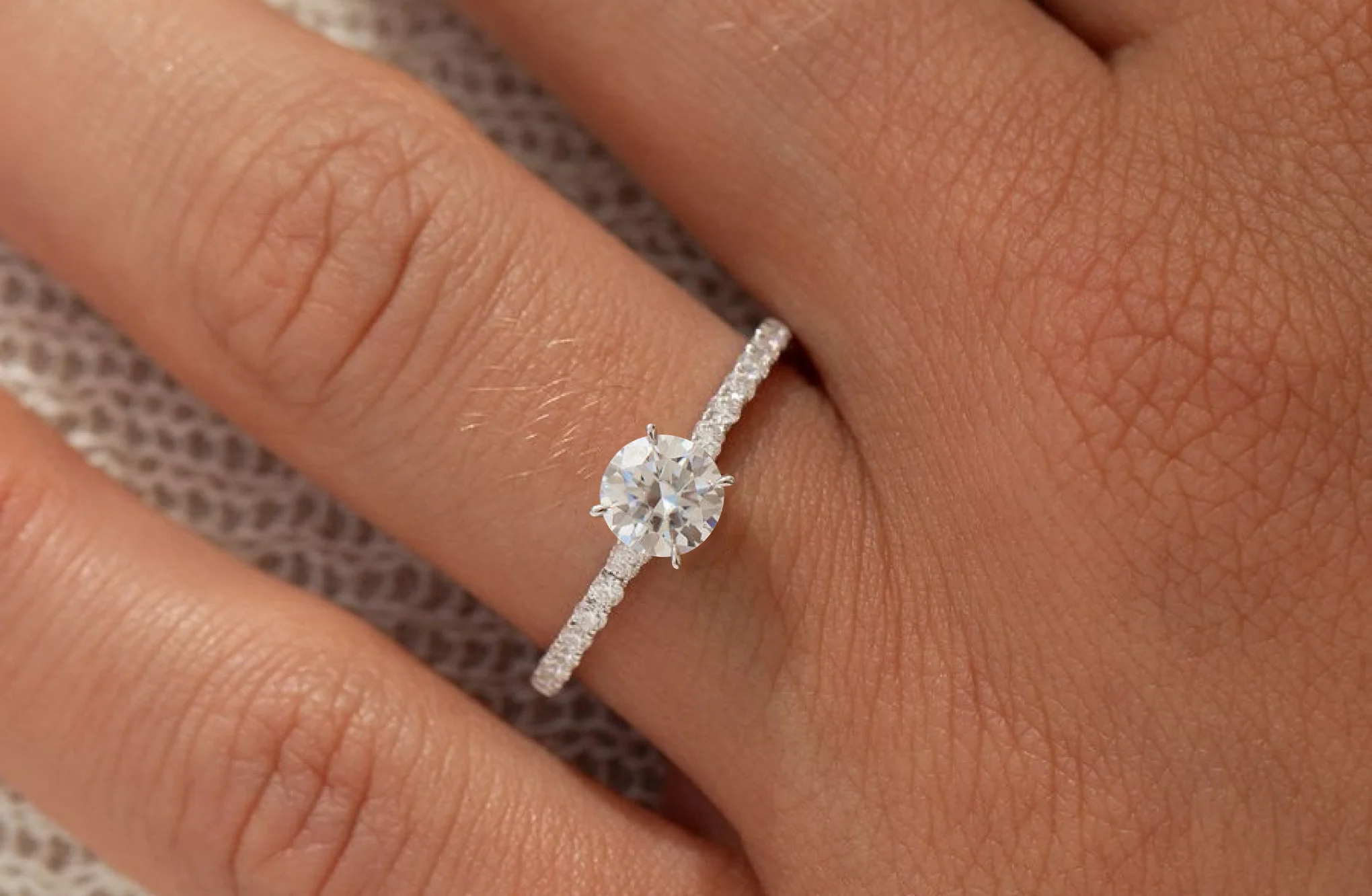
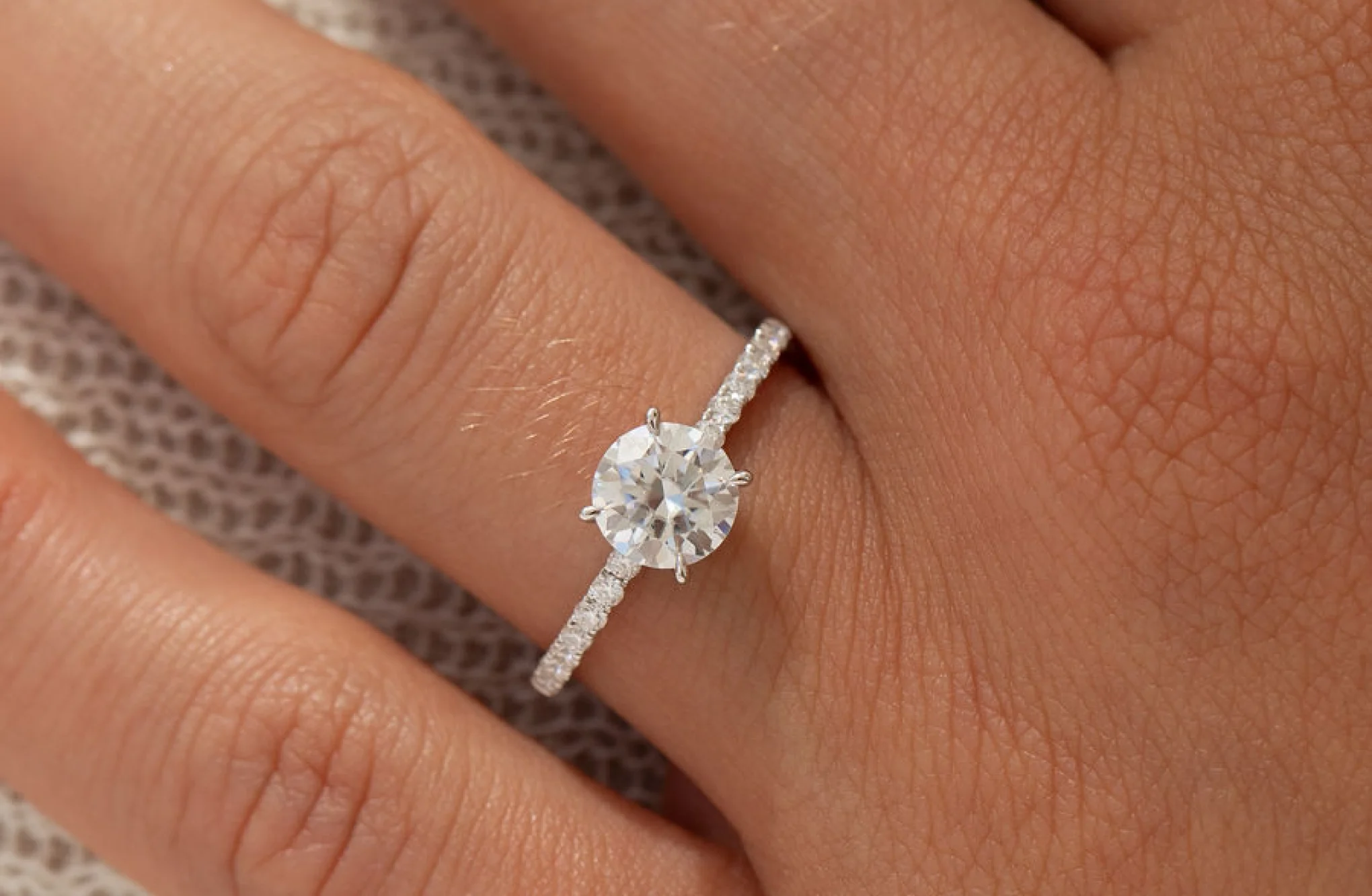
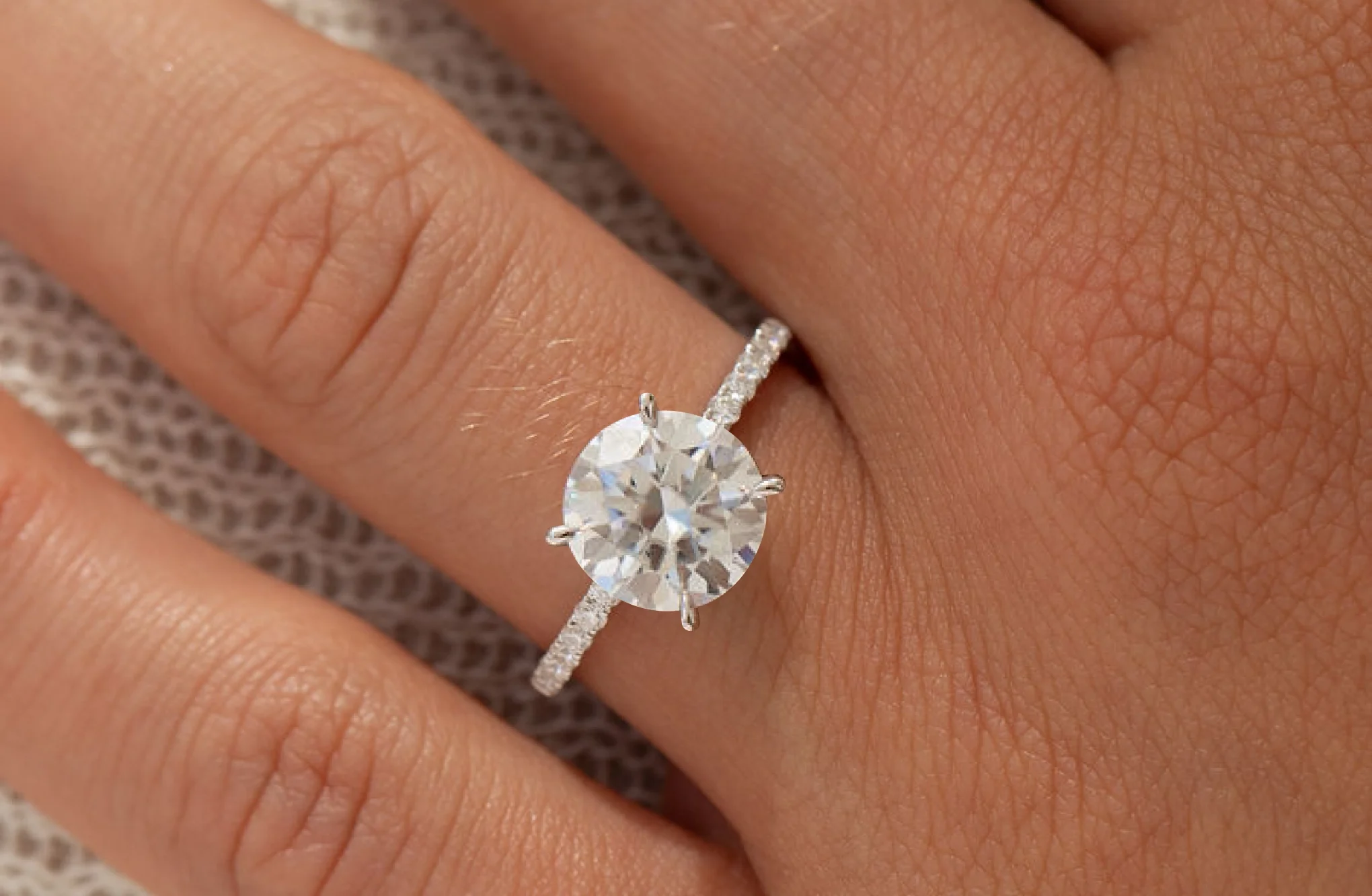
A 1-carat Asscher measures approximately 5.5 × 5.5 mm; a 1.5-carat Asscher measures approximately 6.3 × 6.3 mm; and a 2-carat Asscher measures approximately 6.9 × 6.9 mm. The cut has a lot of depth, so it appears smaller from above than elongated shapes. However, it looks compact, clearly defined, and very uniform.
The nearly square outline with cut-off corners and the stepped cut, whose steps form a cross pattern on the surface. Instead of a fine, sparkling effect, it creates broad, calm flashes of light and a sense of depth. The shape dates back to the early twentieth century and has a correspondingly classic look.
VS1 or better is the safe choice because the large table reveals inclusions. VS2 works if the inclusions are located at the edges. Starting at two carats, the visible surface area increases, so it’s worth going up one grade to ensure the stone remains clear throughout.
From above, yes. At 1 ct, the Asscher has an edge length of about 5.5 mm, while a round stone has a diameter of about 6.5 mm. However, the Asscher’s diagonal measurement is greater than that, and its clean outline makes it stand out on the hand. A narrow ring band enhances this effect.
Yes. The cut-off corners eliminate the most vulnerable points, which is why it’s more durable than a princess cut. Four prongs are usually sufficient, and a half-bezel setting provides additional protection for the edge. We’ll discuss the setting with you before we begin production.
Lab-grown diamonds and natural diamonds are both composed of pure carbon and share the same crystal structure, hardness, and refractive index. The difference lies in their formation: one forms over millions of years in the Earth’s crust, while the other is created in a matter of weeks in a laboratory. Visually, they are indistinguishable without specialized laboratory equipment. Lab-grown diamonds are significantly less expensive than comparable natural diamonds, which is why you can often get more carats or a higher clarity grade for the same budget. Both types are certified by IGI or GIA; you can look up the report number directly with the lab.