











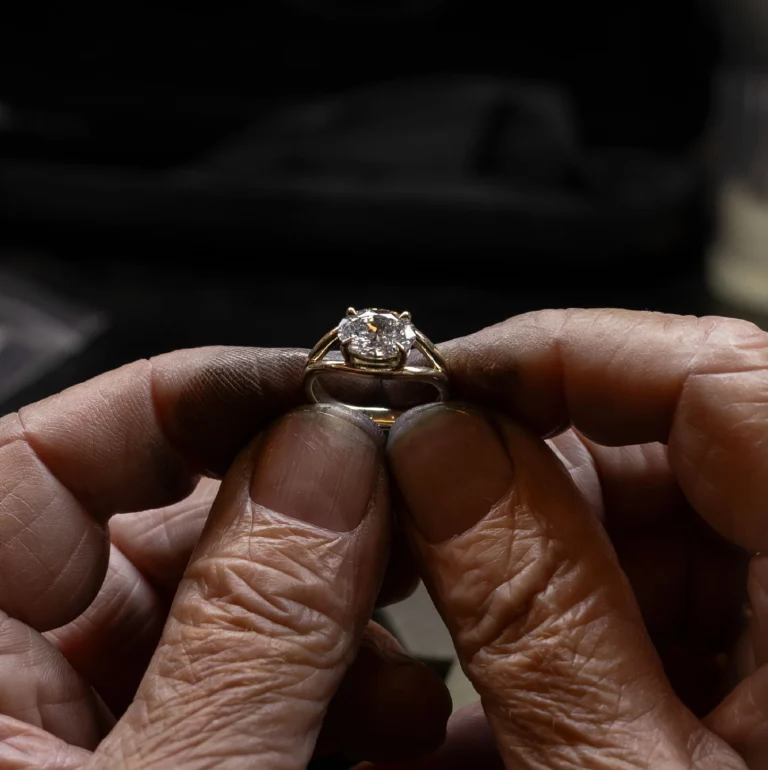
HPHT vs. CVD: How Are Lab-Grown Diamonds Made?
A look behind the scenes of modern alchemy. Learn all about the two revolutionary processes that turn carbon into real diamonds.
Summary
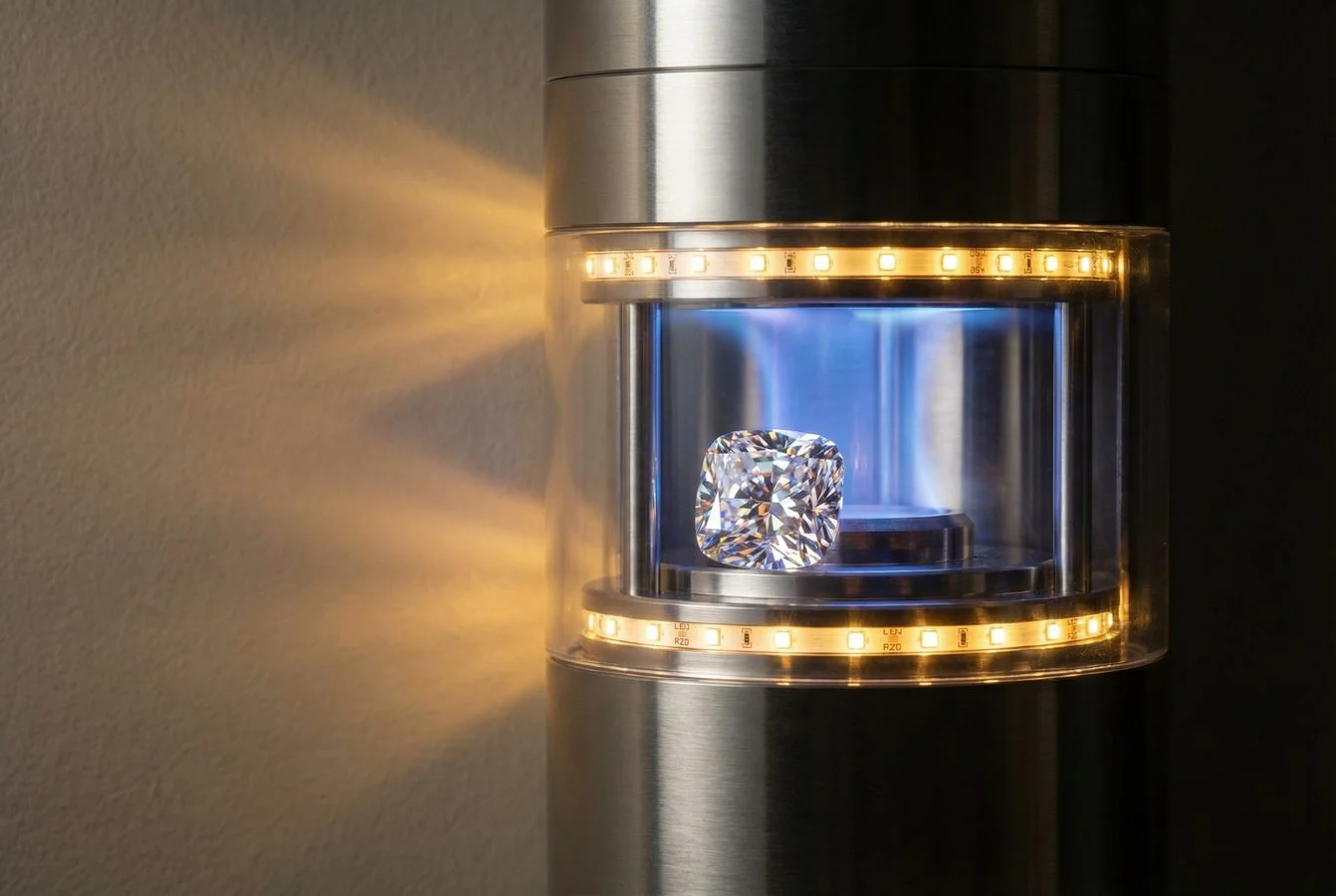
Lab-grown diamonds are produced using two primary methods: HPHT (High Pressure High Temperature), which simulates the extreme conditions deep within the Earth, and CVD (Chemical Vapor Deposition), in which diamonds are grown layer by layer from a gas mixture in a vacuum chamber. Both methods produce 100% genuine diamonds. At Velur, we prefer the modern CVD process because it produces extremely pure stones of the rare Type IIa classification without metallic inclusions.
For millennia, the formation of diamonds was a mystery hidden deep within the Earth. It took unimaginable pressure, extreme heat, and millions of years to transform simple carbon into the hardest and most brilliant gemstone in the world. But modern science has unlocked the secrets of this natural wonder. Today, we are able to replicate those exact conditions in state-of-the-art laboratories and grow diamonds that are identical in every way to their natural counterparts.
If you decide to choose a lab-grown diamond for your engagement ring today, you’ll inevitably come across two cryptic abbreviations: HPHT and CVD. These two acronyms stand for the two dominant manufacturing processes on the market. But what exactly do they mean? How do they work? Are there differences in quality? And most importantly: Which method is the better choice for your ring? In this comprehensive guide, we dive deep into the fascinating science of diamond cultivation and explain everything you need to know.
1. The History of Diamond Cultivation: From Utopia to Reality
The dream of synthetically producing the world’s hardest and most coveted gemstone is almost as old as the knowledge of its chemical composition. As early as the late 18th century, the famous French chemist Antoine Lavoisier proved in a groundbreaking (and very expensive) experiment that diamonds consist exclusively of pure carbon by burning a real diamond with a giant magnifying glass using sunlight. All that remained was carbon dioxide. Since that discovery, alchemists, inventors, and later modern scientists around the world have feverishly attempted to transform ordinary carbon (such as graphite or even coal) into sparkling diamonds. The problem: Nature requires unimaginable conditions to do so—conditions that simply do not exist on the Earth’s surface.
The definitive, historically documented breakthrough did not occur until the mid-20th century—more precisely, in December 1954. A highly specialised team of scientists at the American industrial giant General Electric (GE), led by the brilliant physicist Tracy Hall, succeeded for the very first time in producing a reproducible synthetic diamond in the laboratory. To do so, they used the precursor to today’s HPHT process and a massive hydraulic press designed specifically for this purpose. However, these early lab-grown diamonds were a world away from what we see in engagement rings today. They were tiny (often only fractions of a millimetre in size), heavily discoloured—brownish or yellowish—and full of coarse metallic inclusions from the manufacturing process. They were suitable only for rough industrial purposes—such as abrasives, drill bits, or in the semiconductor industry—but definitely not as gemstones.
It took several more decades of intensive, multi-billion-dollar research and countless technological breakthroughs in materials science before the processes were perfected to the point where large, flawlessly white diamonds of so-called “gem quality” could be grown. It wasn’t until the late 1980s and 1990s that the first truly beautiful lab-grown diamonds began to appear, though at extremely high prices at the time. Today, in 2026, we have reached a point where the technology is virtually perfected. Lab-grown diamonds today are not only absolutely on par with the finest natural diamonds in terms of quality; they often even significantly surpass them in chemical and structural purity. We are able to grow stones of a perfection that would occur in nature only as an absolute, priceless anomaly.
2. HPHT: The Perfect Simulation of the Earth's Deep Interior
The abbreviation HPHT stands for High Pressure, High Temperature. This fascinating method is the older, more traditional of the two processes and is based on a very direct, almost brutal approach: It essentially replicates, precisely and without compromise, the extreme geological conditions that prevail deep within the Earth’s mantle—about 150 to 200 kilometres below the Earth’s surface—where natural diamonds form over millions of years.
The Technical Process: How Does HPHT Work in Detail?
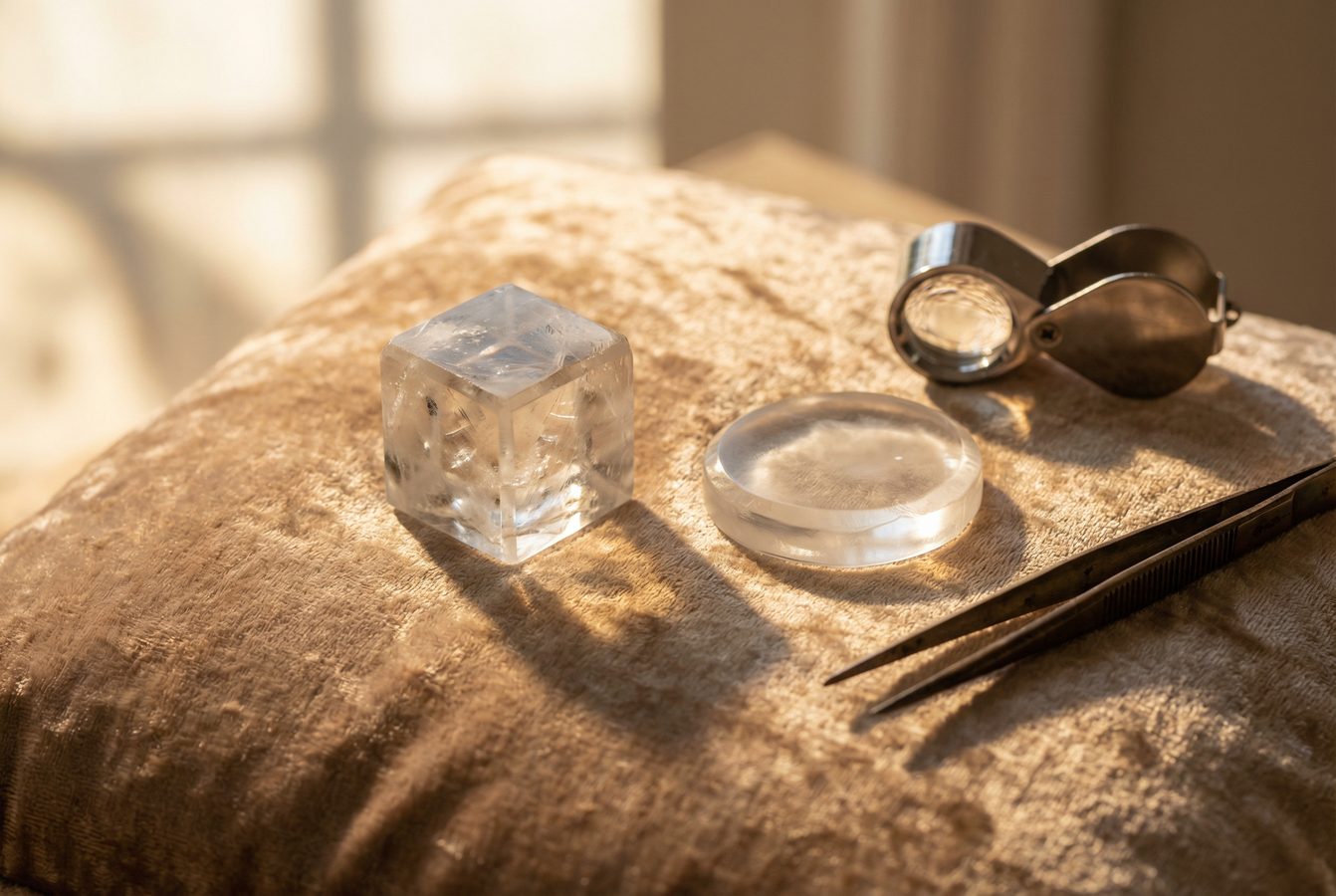
The entire HPHT process typically begins with a tiny, carefully selected diamond seed (a microscopic piece of a genuine, flawless diamond that serves as the crystalline base). This seed is placed in a small growth capsule along with a source of high-purity carbon (usually in the form of graphite powder) and a special metallic catalyst-solvent (usually an alloy of iron, nickel, or cobalt). This capsule is then placed in the heart of the facility: a massive hydraulic press weighing several metric tons. There are various designs for these presses, such as the BARS press, the cubic press, or the belt press, but they all share the same goal: to generate unimaginable physical forces.
In this press, the growth chamber is now subjected to conditions that are almost unimaginable on the Earth's surface:
- Extreme temperatures: The chamber is heated to well over 1,500 degrees Celsius. That is significantly hotter than the molten magma that erupts from a volcano.
- Extreme Pressure: At the same time, a pressure of about 1.5 million pounds per square inch (psi) builds up, which is equivalent to about 50,000 to 60,000 atmospheres. To put that into perspective: It’s roughly equivalent to balancing the entire weight of a fully loaded commercial passenger plane on the tiny surface of your fingertip.
Amid these apocalyptic conditions, the magic begins: the metallic catalyst melts. The graphite now dissolves into this molten metal. Since the area containing the diamond seed is intentionally kept slightly cooler than the rest of the chamber, the dissolved, pure carbon atoms migrate through the liquid metal toward the seed. As soon as they arrive there, they crystallize on the surface of the seed. Layer by layer, atom by atom, the precise, three-dimensional crystal lattice structure of a diamond is thus formed. Depending on the desired carat weight of the final stone, this growth process takes anywhere from several days to several weeks.
Specific Characteristics and Properties of HPHT Diamonds
Modern HPHT diamonds are of absolutely outstanding quality and visually stunning; however, due to their unique formation process, they exhibit some very specific characteristics that gemologists can identify in laboratories. The most important point concerns the catalyst used: Since this process employs liquid metals (such as iron or cobalt) to transport the carbon, microscopic metallic inclusions (known as “flux inclusions”) may occasionally remain in the stone’s final crystal lattice. These are usually invisible to the naked eye but can appear as small, black, opaque dots under high magnification.
A fascinating side effect of these metal inclusions is that, in very rare cases, HPHT diamonds with heavy inclusions can actually be slightly magnetic—a property that natural diamonds never possess. Another typical characteristic of HPHT diamonds is their colour. While they can be grown to be extremely colourless, they sometimes exhibit an extremely faint, barely perceptible bluish or greyish undertone. This occurs when, during the growth process, tiny traces of the element boron (which is ubiquitous in the air) enter the growth chamber and are incorporated into the crystal lattice. Boron is the same element that gives the famous Hope Diamond its deep blue colour.
3. CVD: Modern Alchemy—Diamonds from a Vacuum
The abbreviation CVD stands for Chemical Vapor Deposition. This is the significantly more modern, technologically innovative process that is increasingly preferred in the premium jewellery industry today. It was originally developed for highly complex industrial applications, such as extremely scratch-resistant coatings in optics or semiconductor technology, before being adapted for the cultivation of large gemstones. Unlike HPHT, CVD does not attempt to mimic the raw power of nature deep within the Earth. Instead, it uses advanced plasma technology and works in a completely different way: it requires extremely high temperatures, but no extreme pressure. The entire process takes place at a pressure that is even lower than our normal atmospheric pressure.
The High-Tech Process: How Is a CVD Diamond Grown?
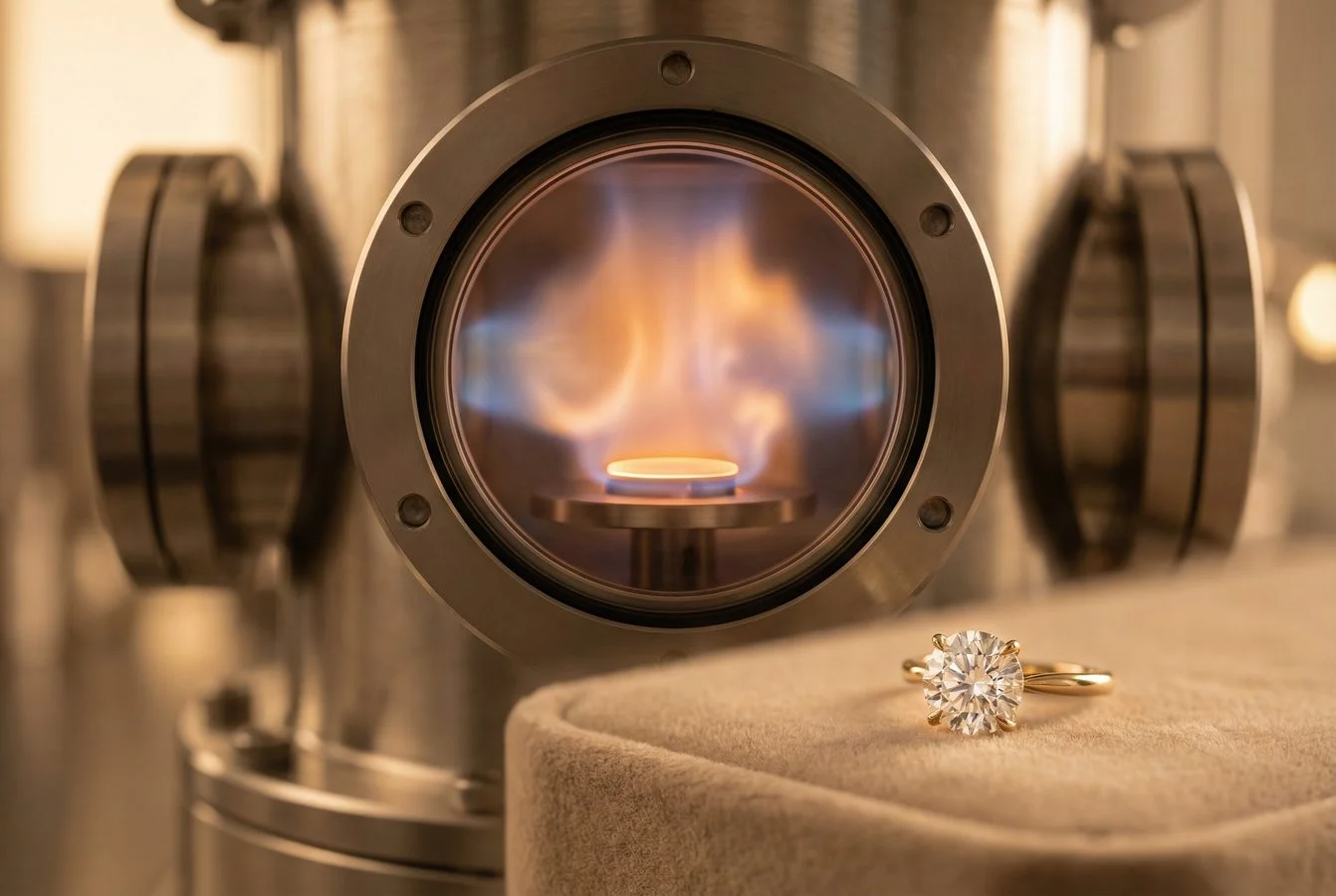
The CVD process is a masterpiece of physical chemistry. Here, too, it all begins with a diamond seed. In this case, it is usually a wafer-thin, square plate cut from an existing, extremely pure diamond (often a synthetic diamond itself). One or more of these wafers are carefully placed on a holder inside a high-purity, hermetically sealed vacuum chamber, known as the reactor.
The chamber is first completely evacuated to remove all impurities and gases from ambient air (particularly nitrogen and oxygen). A carefully calibrated, carbon-rich gas mixture is then introduced into the chamber. This mixture almost always consists of methane (CH₄, which provides the essential carbon) and hydrogen (H₂, which plays a crucial role in regulating growth).
Now comes the crucial, spectacular step: The gas mixture is heated to extremely high temperatures (around 800 to 1,200 degrees Celsius) inside the chamber using high-power microwaves or powerful lasers. This enormous influx of energy ionizes the gas, transforming it into a glowing plasma—the fourth state of matter. In this high-energy plasma state, the strong molecular bonds of the methane gas break apart, and the pure carbon atoms are separated from the hydrogen atoms and released.
These now-free, highly reactive carbon atoms “rain” down from the plasma cloud in a continuous, gentle stream and deposit themselves, layer by microscopic layer, onto the cooler diamond seed. They bond to the seed’s existing crystal lattice and expand it. The diamond literally grows out of the gas, atom by atom, forming a vertical column as it rises. This process is extremely slow and precise; it can take three to four weeks to grow a rough diamond crystal large enough to be cut into a perfect 2-carat brilliant-cut diamond.
The Outstanding Characteristics of CVD Diamonds
From a gemmological perspective, the CVD process offers a massive, decisive advantage over HPHT: It requires absolutely no liquid metallic catalysts for the growth process. Therefore, CVD diamonds are by nature completely free of any metallic inclusions. They can never be magnetic. If a CVD diamond does contain inclusions, they are usually tiny cracks or microscopic concentrations of non-crystallized carbon (graphite), which are, however, extremely rare when the process is perfectly controlled.
In general, CVD stones are considered to be chemically even purer than HPHT stones. However, a well-known phenomenon with CVD diamonds is that, immediately after being removed from the reactor, they may occasionally exhibit a slight brownish or pinkish tint, which is caused by tiny structural defects in the crystal lattice that occur during rapid growth. This is no longer an issue in modern industry, however: this colour tint is permanently and reliably removed through a subsequent, completely harmless HPHT treatment (known as “post-growth treatment”). In this process, the finished stone is briefly exposed to high pressure and high temperature, which “heals” the crystal lattice and results in flawlessly white, colourless stones (colour D, E, or F). This treatment is a recognised industry standard and is transparently disclosed on every reputable certificate.
4. A Direct Comparison: HPHT vs. CVD
To help you make your decision, we've compared the key differences between the two methods:
| Characteristic | HPHT (High Pressure, High Temperature) | CVD (Chemical Vapor Deposition) |
|---|---|---|
| Surroundings | Extreme Pressure & Extreme Heat | Vacuum Chamber & Plasma (Microwave) |
| Catalyst | Metal (iron, nickel, cobalt) | No catalytic converter, pure gas mixture |
| Inclusions | Possible microscopic metal inclusions | No metallic inclusions, extremely pure |
| Shade | Sometimes a slight bluish undertone | Often Type IIa (chemically absolutely pure) |
| Post-Growth | Often used to enhance colour | Often used to remove brown tones |
5. Why Type IIa Diamonds Are So Special
If you are deeply involved with CVD diamonds, you will often hear the term "Type IIa" (Type 2A). The GIA classifies diamonds based on their chemical purity—more specifically, based on the presence of nitrogen in the crystal structure.
In nature, about 98% of all diamonds contain measurable traces of nitrogen (Type Ia), which often gives them a slightly yellowish tint. Only a tiny 1% to 2% of all natural diamonds are Type IIa. These stones contain virtually no nitrogen or boron. They are the chemically purest diamonds in the world and exhibit an exceptional, icy transparency. Famous historical diamonds such as the Koh-i-Noor and the Cullinan are Type IIa stones.
What’s fascinating about the CVD process is that it takes place in such a tightly controlled environment that nearly all of the high-quality CVD diamonds produced automatically achieve the extremely rare Type IIa classification. So, with a CVD Lab diamond, you get a level of chemical purity that would cost tens of thousands, if not hundreds of thousands, of euros per carat in nature.
6. Velur's Choice: Why We Prefer CVD
At Velur, we have thoroughly examined both manufacturing processes. Although HPHT can also produce outstanding stones, we primarily prefer diamonds made using the CVD process for our engagement rings.
The main reason for this lies in their superior chemical purity. Since CVD does not use metallic catalysts, we can completely eliminate the risk of metallic inclusions. We also value the fact that CVD diamonds typically fall into the rare Type IIa classification. This guarantees our customers a diamond with icy, uncompromising brilliance.
No matter which process was ultimately used: Every lab-grown diamond from Velur is rigorously inspected by hand and certified by renowned institutes (IGI or GIA). We guarantee that all our lab-grown diamonds have at least an outstanding E colour and a clarity grade of VS1. You will always receive a perfect, 100% genuine diamond that will sparkle for a lifetime.
Discover Type IIa Purity
 Bestseller
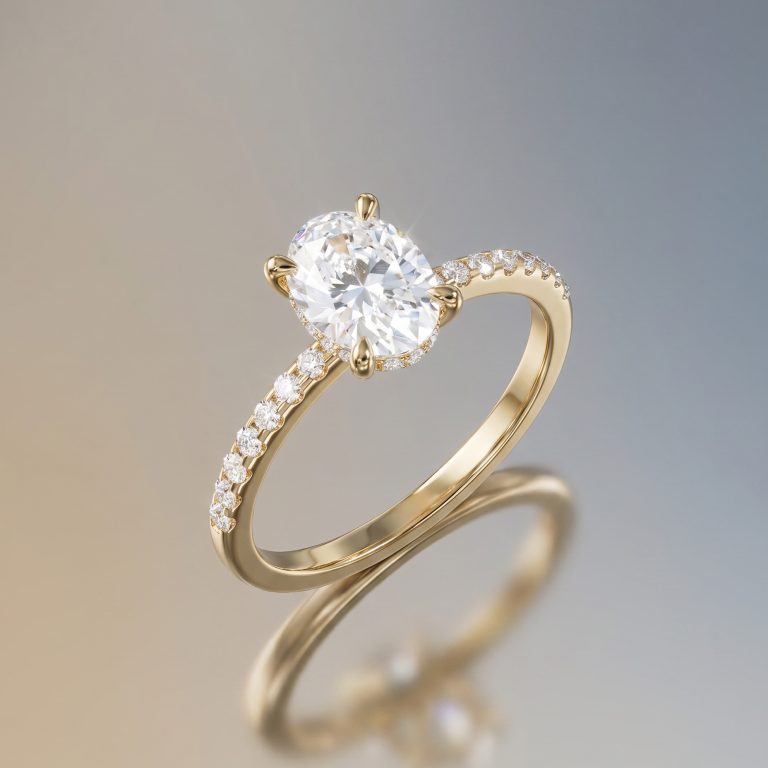
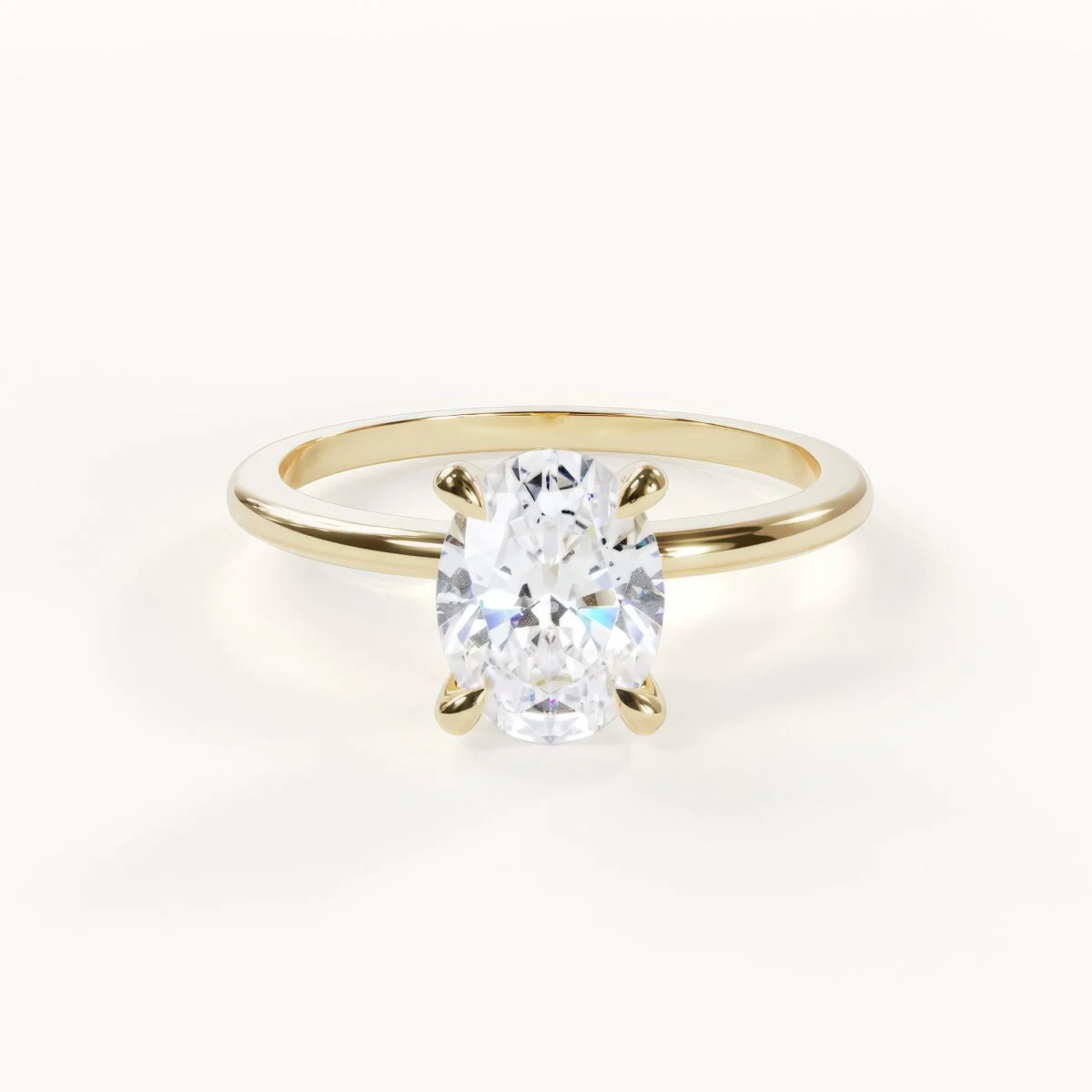
Elegance Solitaire Oval
Bestseller
Elegance Solitaire Oval
Classic oval cut for maximum apparent size and elegance.
starting at €1,120 Discover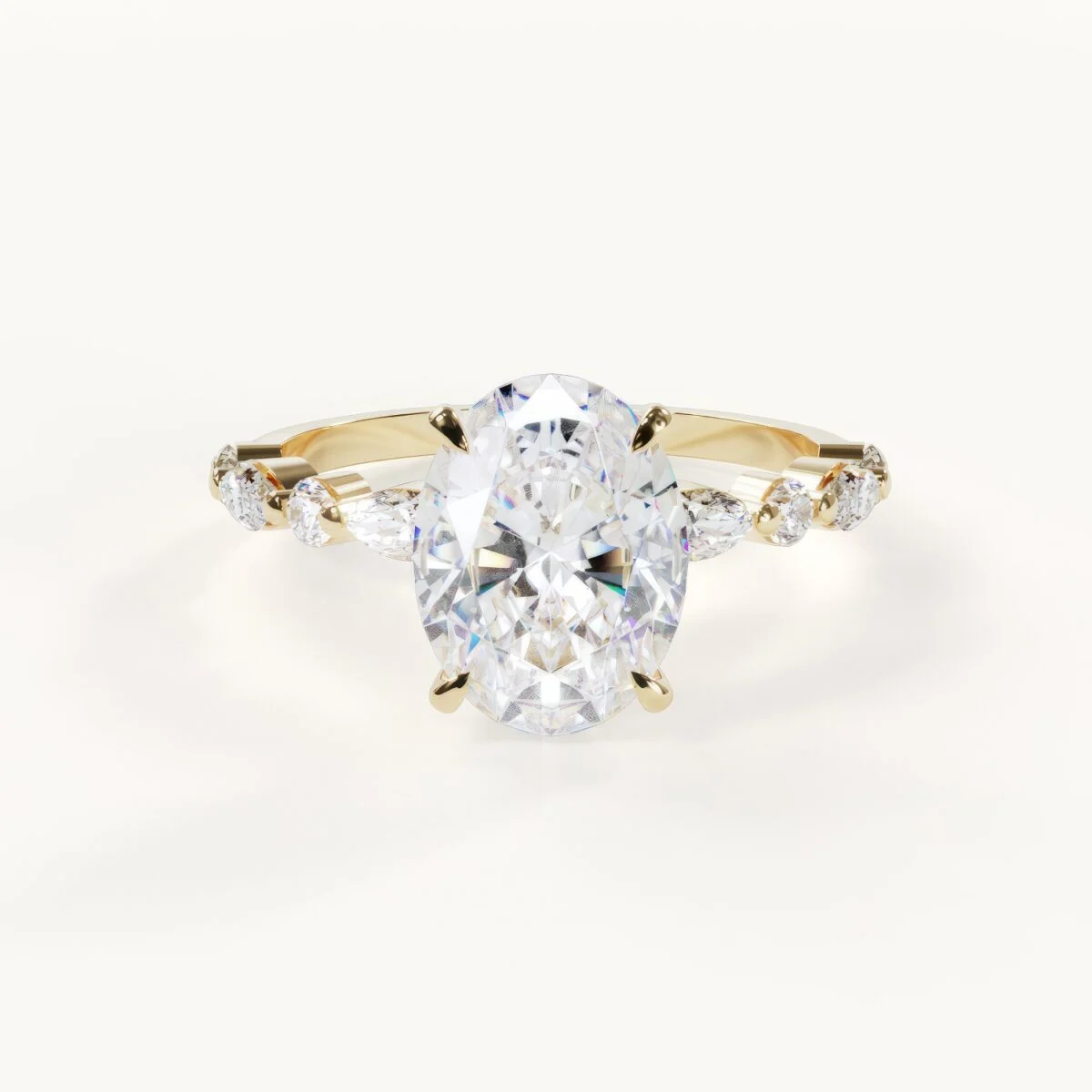 Premium
Eternal Light
Premium
Eternal Light
A radiant brilliant-cut diamond with a sparkling hidden halo detail.
starting at €1,600 Discover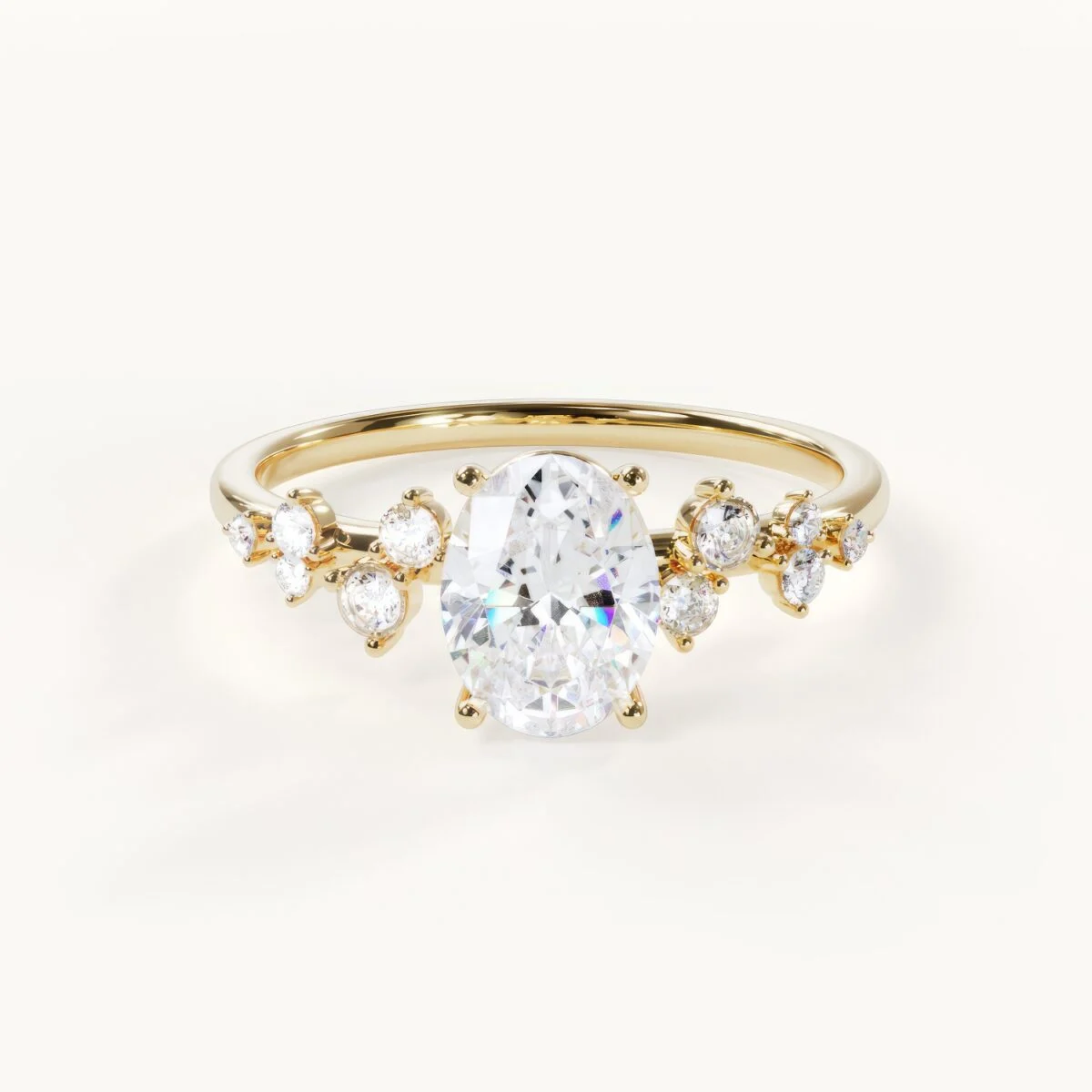 New
Floral Oval Ring
New
Floral Oval Ring
Romantic design with floral accent stones.
starting at €1,300 DiscoverFrequently Asked Questions (FAQ)
Yes, absolutely. Both CVD and HPHT diamonds consist of 100% crystallized carbon. They have exactly the same chemical, physical, and optical properties as natural diamonds. They are not imitations like cubic zirconia or moissanite. A lab-grown diamond is a diamond, period.
Both methods can produce diamonds of the highest quality. However, many experts prefer CVD because it does not use metallic catalysts and produces stones classified as the extremely rare Type IIa (the chemically purest diamonds). Velur primarily uses high-quality CVD diamonds in its jewellery.
It is impossible to distinguish an HPHT diamond from a CVD diamond or a natural diamond with the naked eye or a standard jeweller's loupe (10x magnification). Only specialised gemological laboratories such as the GIA or IGI, equipped with extremely expensive equipment, can identify the different growth structures at the molecular level.
No. Since lab-grown diamonds are made of pure, crystallized carbon, their colour and brilliance are absolutely permanent. They will never discolour, become cloudy, or lose their sparkle. They literally last forever, just like natural diamonds mined from the ground.
Some CVD diamonds may exhibit a very slight brownish tint immediately after growth. This tint is permanently removed through a subsequent HPHT treatment (post-growth treatment) to produce a perfectly colourless stone. This is a standard procedure and is transparently disclosed on certificates.
Type IIa diamonds contain almost no measurable nitrogen or boron. In nature, only 1–2% of all diamonds are Type IIa. Since the CVD process takes place in a highly controlled vacuum chamber, nitrogen impurities can be almost completely eliminated, resulting in these extremely pure, highly sought-after stones.
Ready for the Future of Diamonds?
Discover our collection of engagement rings featuring CVD lab-grown diamonds of the highest quality (minimum colour E, clarity VS1).