






Lab-Grown Diamond Price Trends in 2026: How Much Does a Lab-Grown Diamond Really Cost?
An in-depth analysis of the dramatic price trends, a current cost comparison, and why 2026 is the perfect time.
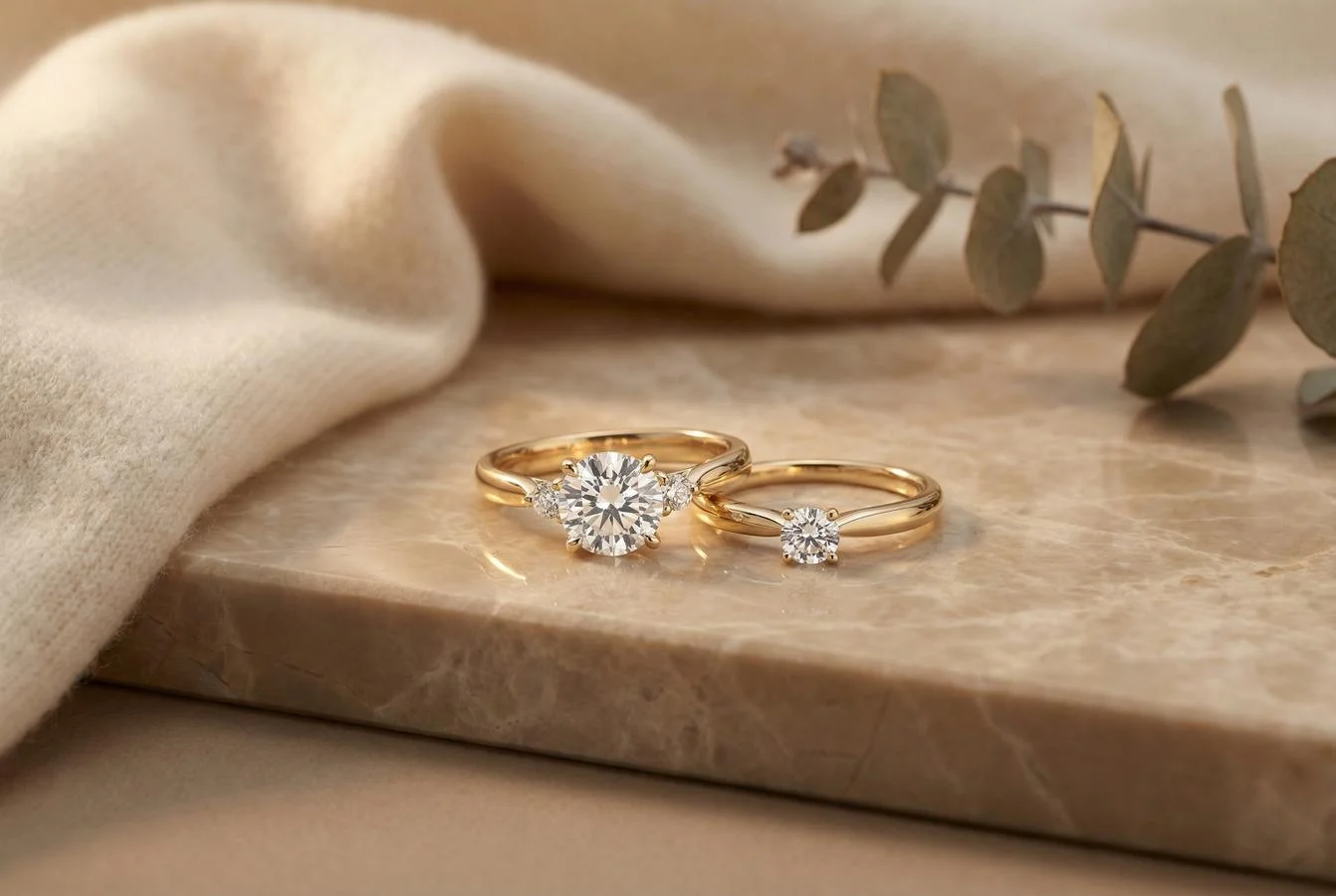
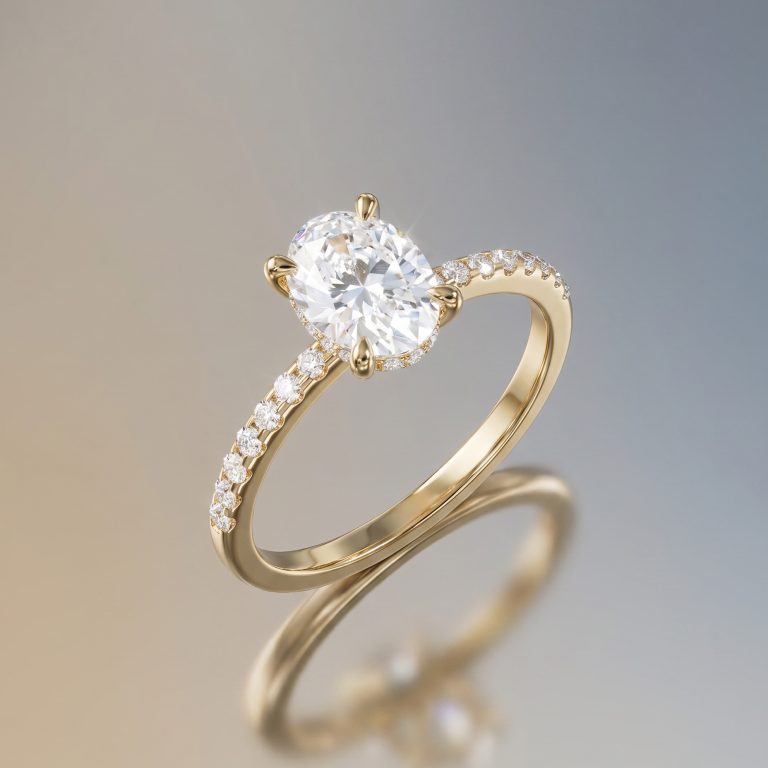
The price trend for lab-grown diamonds (LGD) in recent years has been like a roller coaster ride that has shaken the entire traditional jewellery market to its core. What was still considered a niche product ten years ago has fundamentally transformed the engagement ring market. Today, more than half of all engagement rings in the U.S. feature a lab-grown diamond.
This article analyses the dramatic price trends of the past five years, compares current costs with those of natural diamonds, and provides an honest assessment of performance and future prospects.
A Quick Explanation
In 2026, lab-grown diamonds will cost, on average, 80% to 85% less than comparable natural diamonds. While a 1-carat natural diamond (good quality) costs between 4,000 and 6,000 euros, an identical lab-grown diamond costs only 800 to 1,500 euros. Following a massive price drop of over 70% in the last five years, the market has now stabilized. Prices are approaching pure production costs, which means that consumers today get the highest quality for their budget.
The Historical Decline in Prices (2020–2026)
To understand the current situation in 2026, it is essential to look back at the past five years. In January 2020, a 1-carat lab-grown diamond with an IGI certificate still cost an average of about $3,410. At that time, they were already considered the affordable, smart alternative, as they were about 35% cheaper than natural diamonds.
What followed was an unprecedented scaling up of production. By the end of 2021, the price had fallen to approximately $2,800 per carat. In the years that followed, this trend accelerated dramatically, driven by technological breakthroughs, more efficient reactors, and a massive expansion of production facilities in countries such as India and China. By the end of 2022, the price stood at $1,800; by the end of 2023, it was $1,200; and by the end of 2024, it had fallen to an average of $892.
This represents a 74% drop in price over the course of just five years. By 2026, this rapid decline in prices had slowed significantly. Prices have reached a level that approximates the actual costs of energy, technology, research, and the labor-intensive process of polishing the stones.
Price Comparison: Lab-Grown Diamonds vs. Natural Diamonds
The price difference between lab-grown and mined diamonds will be enormous in 2026 and will grow exponentially as the carat weight increases. The following table shows the current average prices for loose stones of good quality (colour G, clarity VS1, excellent cut):
| Carat Weight | Lab-grown diamond (G/VS1) | Natural Diamond (G/VS1) | Savings |
|---|---|---|---|
| 1.0 carat | €800 – €1,500 | €4,000 – €6,000 | 60% – 80% |
| 2.0 carats | €1,650 – €3,500 | €15,000 – €20,000 | 75% – 85% |
| 3.0 carats | €2,300 – €5,000 | €30,000 – €40,000+ | 80% – 90% |
Note: Prices are for reference only and apply to the stone alone (without a setting). Prices vary depending on the exact cut and the certifying agency.
This massive price difference leads to a fascinating phenomenon: Consumers don’t necessarily spend less on a lab-grown diamond engagement ring; rather, they choose significantly larger and higher-quality stones within the same budget. While the average budget for an engagement ring used to be enough for a 1.0- to 1.2-carat natural diamond, buyers of lab-grown diamonds today opt, on average, for impressive stones ranging from 2.0 to 2.5 carats.
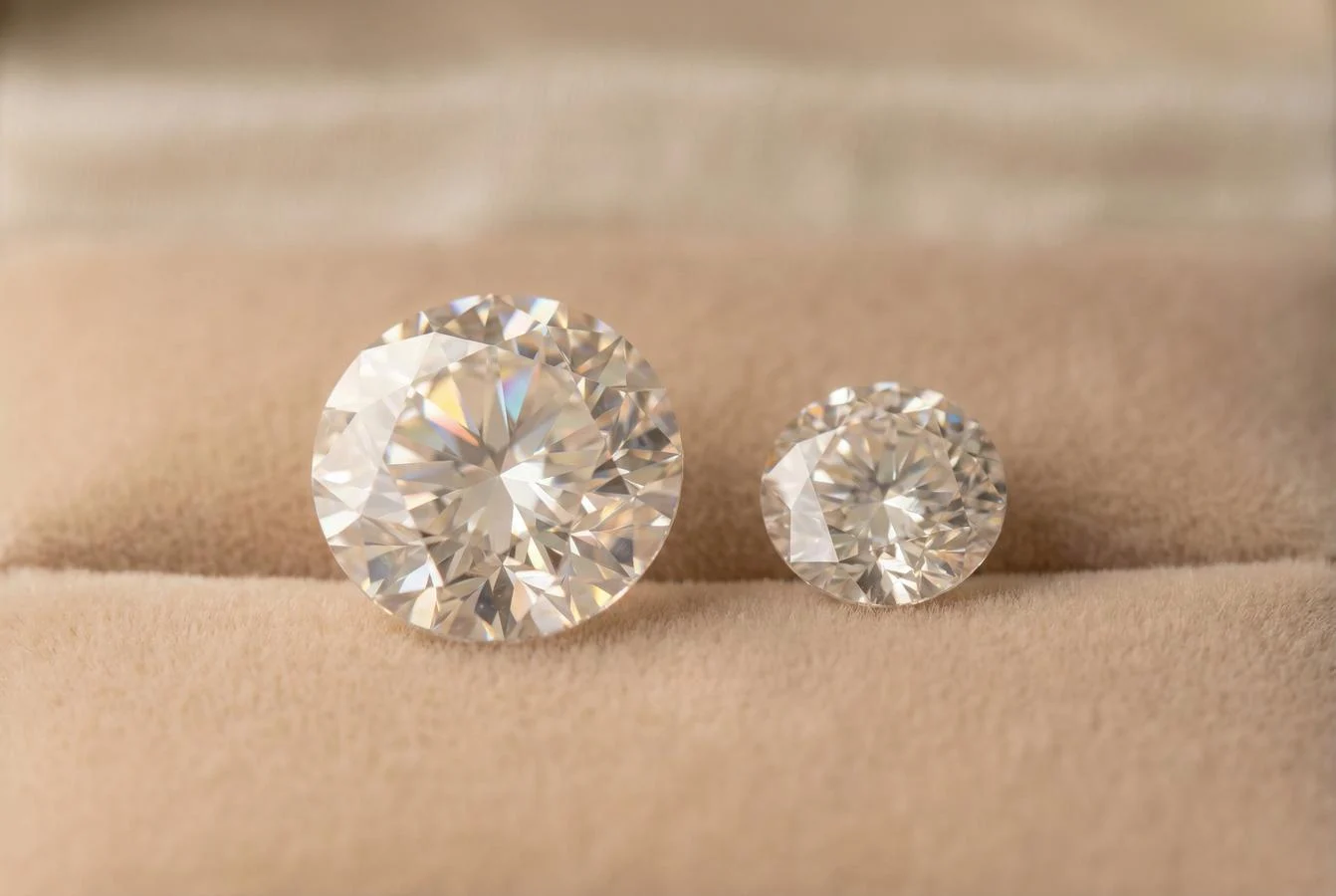
What factors determine the price?
Just like with natural diamonds, the price of a lab-grown diamond is primarily determined by the globally recognised "4Cs." By 2026, however, the quality standard had shifted dramatically.
The 4Cs in the Age of Lab-Grown Diamonds
- Cut: This is the most important factor affecting brilliance. Since lab-grown diamonds are not subject to the same strict weight restrictions as rough natural diamonds, they are almost always graded as having an “Ideal” or “Excellent” cut.
- Colour: By 2026, over 85% of lab-grown diamonds sold will fall into the highest, colourless categories (D, E, F). Yellowish shades (J, K) will be virtually nonexistent on the market.
- Clarity: Inclusions can be better assessed in the laboratory. As a result, VS1 (Very Slightly Included) or VVS (Very, Very Slightly Included) has become the gold standard.
- Carat (weight): The price increases with carat weight, but more linearly and not as exponentially as with natural diamonds.
The Manufacturing Process: CVD vs. HPHT
The manufacturing process also has some impact on the cost structure, even though this is becoming increasingly irrelevant to the end consumer:
- CVD (Chemical Vapor Deposition): In this process, the diamond grows layer by layer from a carbon-rich gas mixture (usually methane) inside a vacuum chamber. It requires less energy than HPHT and is particularly well-suited for growing large, absolutely colourless stones (Type IIa). It is the preferred method for modern premium lab-grown diamonds.
- HPHT (High Pressure High Temperature): This process mimics the natural conditions deep within the Earth. It requires extremely high pressures and temperatures, which makes it very energy-intensive. HPHT is often used today to produce coloured diamonds (fancy colours) or to lighten CVD diamonds after they have been produced.
At Velur, we use only diamonds of the highest quality grades (colour D–F, clarity at least VS1). We prefer the modern CVD process because it produces the purest diamonds (Type IIa), which are free of nitrogen impurities and exhibit unparalleled brilliance.
Appreciation and Resale Value
When it comes to lab-grown diamonds, honesty is paramount. It’s important to understand that lab-grown diamonds are not a financial investment.
While sellers of natural diamonds often tout their ability to retain value (which, in reality, is often misleading for stones under 3 carats), the secondary market for lab-grown diamonds is very underdeveloped. If you buy a lab-grown diamond today for 2,000 euros, you will likely only be able to resell it to a jeweller in five years for a fraction of that price (about 10% to 40%).
Why is that? Production costs have fallen, and jewellers can source brand-new, flawless stones directly from the lab at any time. There is no economic incentive for them to purchase used lab-grown diamonds at high prices.
"The true value of an engagement ring lies not in its resale value, but in its emotional significance and the joy it brings every day when worn."
— Velur Design Team
At Velur, we believe that an engagement ring is a symbol of love, not an investment. The "return on investment" lies in the fact that, for the same budget, you get a stunningly large, ethically sourced, and perfectly sparkling stone that you might never have been able to afford if it were a natural diamond.
Forecast: What's Next?
Following the turbulent years of massive price declines, experts anticipate a significant stabilization of the market in the coming years. Prices for lab-grown diamonds have reached a sort of “bottom.” They cannot continue to fall indefinitely, since their production—despite all efforts to improve efficiency—still requires state-of-the-art technology, a great deal of energy, and extremely precise manual work during the cutting and polishing processes.
By 2026, lab-grown diamonds will already account for over 55% of the engagement ring market in the U.S. and Europe. They are no longer just an “alternative”; they have become the new standard for an entire generation of buyers.
Conclusion
Now is the ideal time to buy. Prices have reached a historically low, fair level, the quality of the stones is better than ever, and the technology is fully mature. Waiting any longer for prices to drop significantly won’t be worth it in 2026. If you want to evaluate not only the price but also the certificate, the 4Cs, and the setting, our buying guide for lab-grown diamond engagement rings can help you.
Frequently Asked Questions
Yes, they are 100% chemically, physically, and optically identical to natural diamonds. They consist of pure, crystallized carbon and have the same hardness (10 on the Mohs scale) and brilliance.
Laboratory-based production is highly scalable from a technological standpoint. It eliminates the enormous costs associated with mine operations, the extraction of tons of rock, and complex, global supply chains. In addition, the increased supply fosters healthy competition.
The sharp decline in prices from 2020 to 2024 slowed significantly in 2026. Prices are now approaching actual production and cutting costs. Experts expect prices to stabilize at their current level in the coming years.
No, they are not suitable as a financial investment. The resale value on the secondary market is often only 10% to 40% of the original purchase price. Their true value lies in their emotional significance and the opportunity to purchase a significantly larger, more beautiful stone for the same budget.
No. No difference is visible either to the naked eye or with a standard jeweller's loupe (10x magnification). Even experienced gemologists need special, expensive testing equipment to analyse the specific crystal growth pattern and identify the stone as lab-grown.
Sources & References
Paul Zimnisky, Diamond Analytics, "Global Lab-Grown Diamond Market Forecast," 2026.
The Knot, "Jewellery & Engagement Study 2025/2026," market analysis of engagement rings.
Gemological Institute of America (GIA), "Lab-Grown Diamonds: Value and Resale."
International Gemological Institute (IGI), "The Future of Lab-Grown Diamonds."
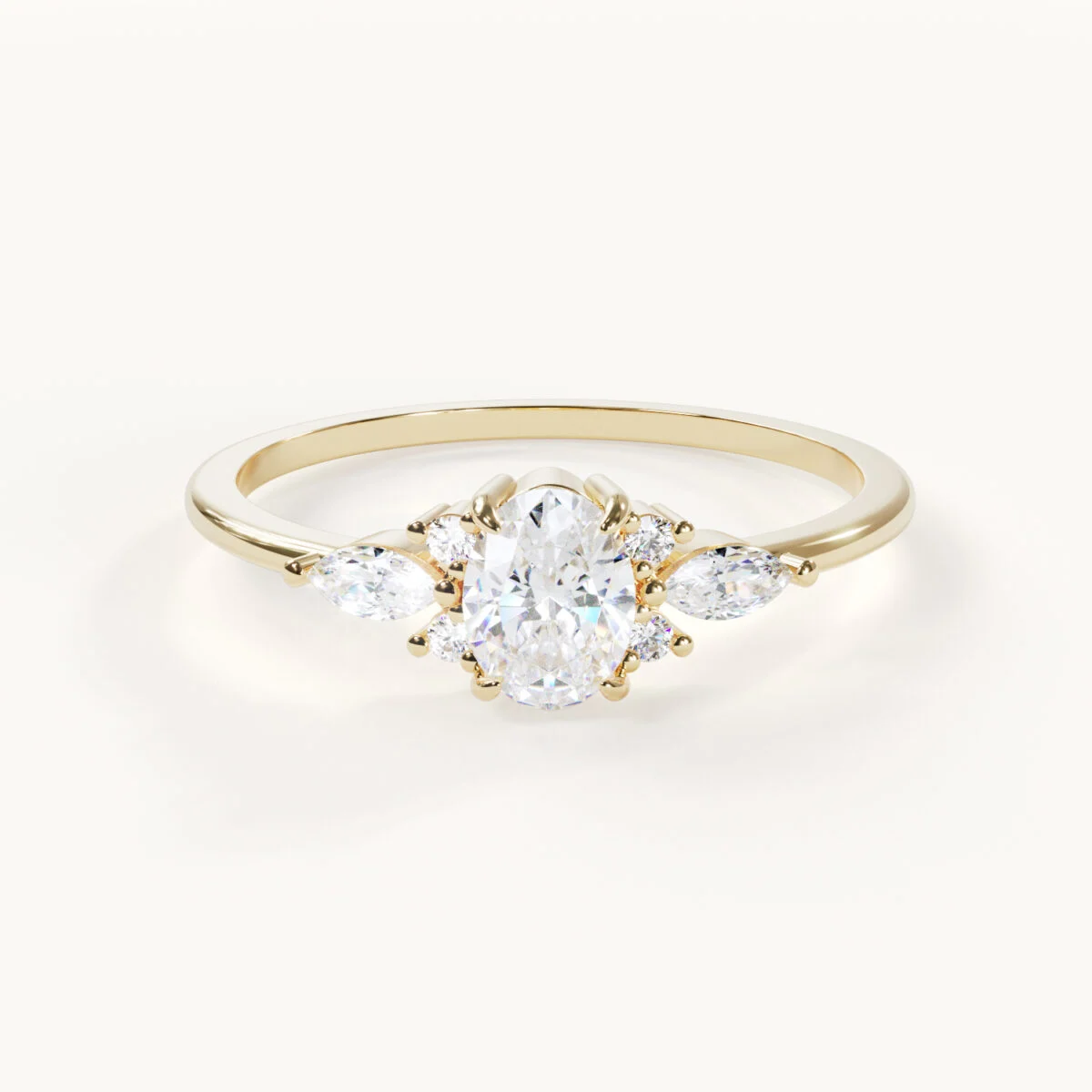
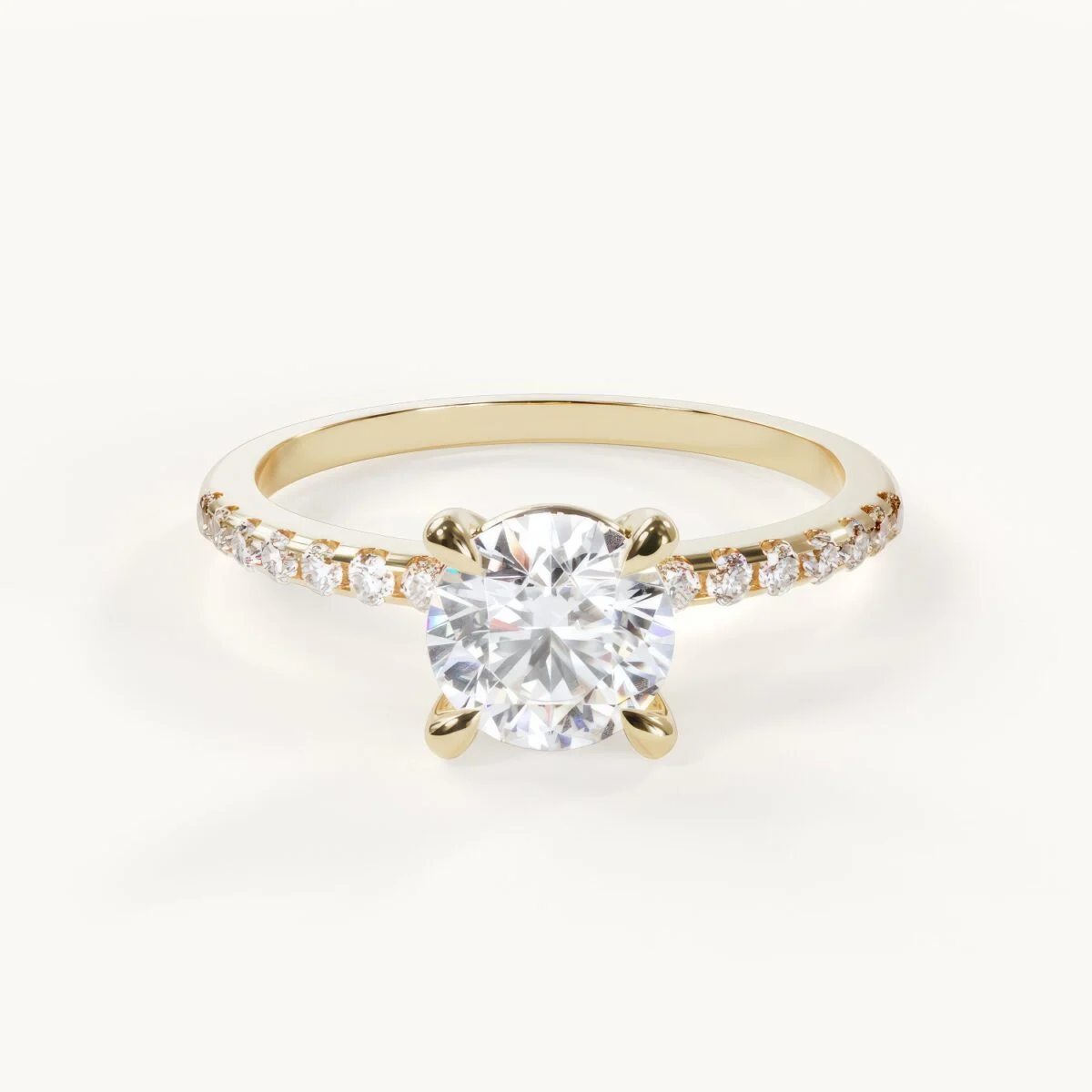
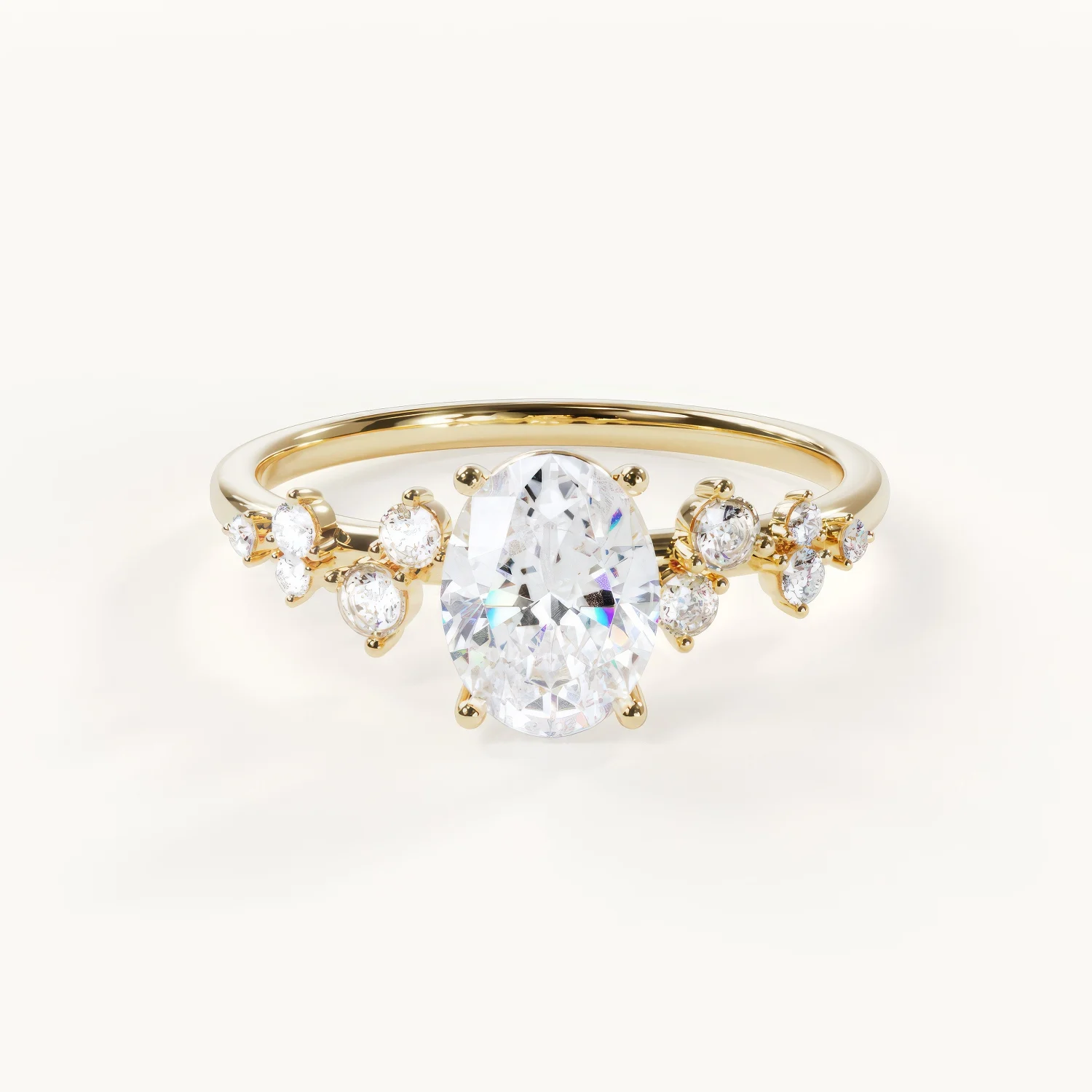
Ready for the perfect ring?
Take advantage of current market prices and discover our collection of breathtaking, sustainable lab-grown diamonds of the highest quality.