






Shopping Cart
0
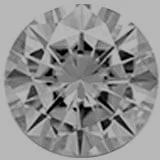
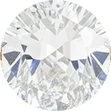
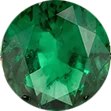
1,51 ct Round
E · VVS2
2.110 €

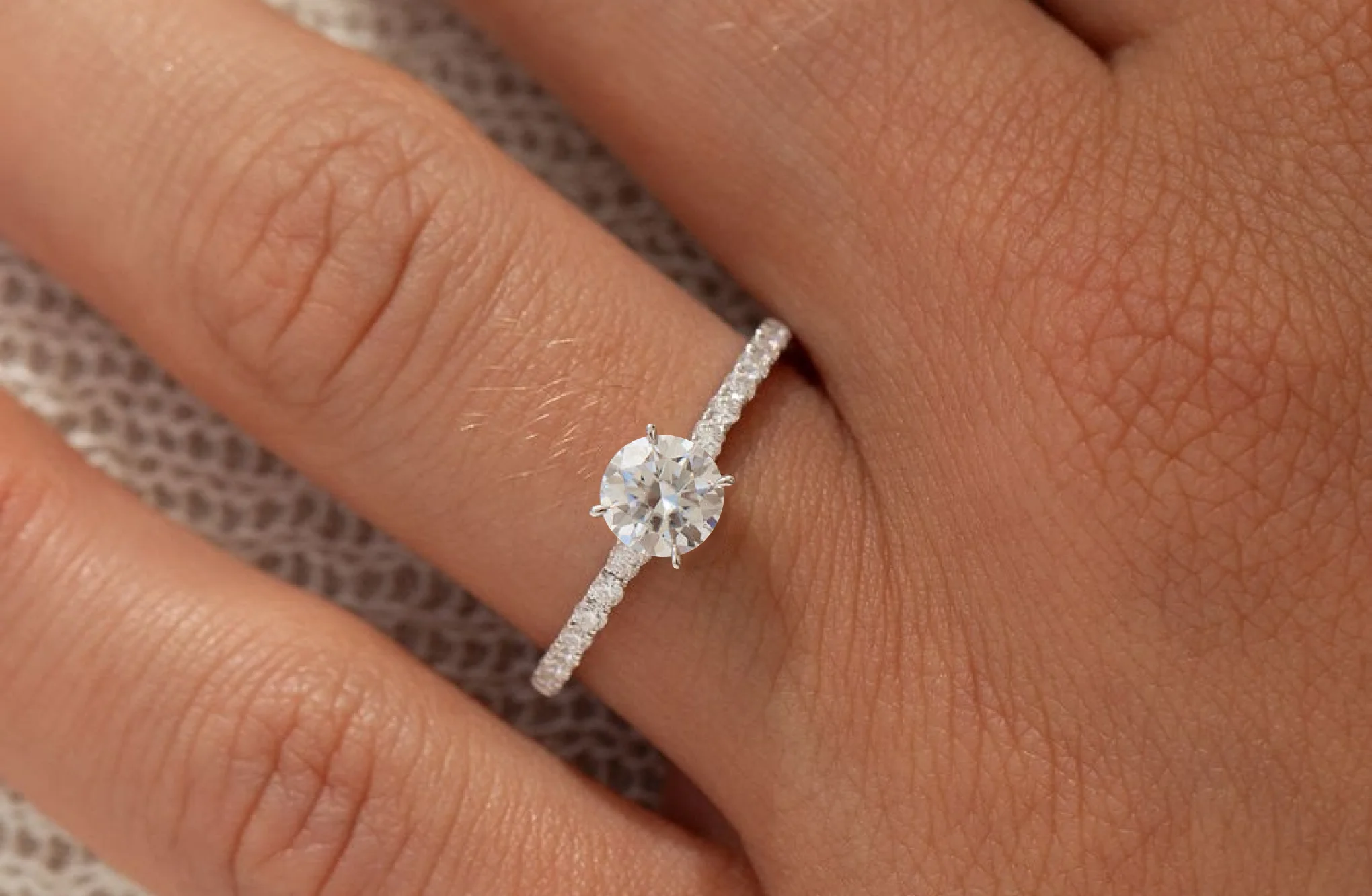
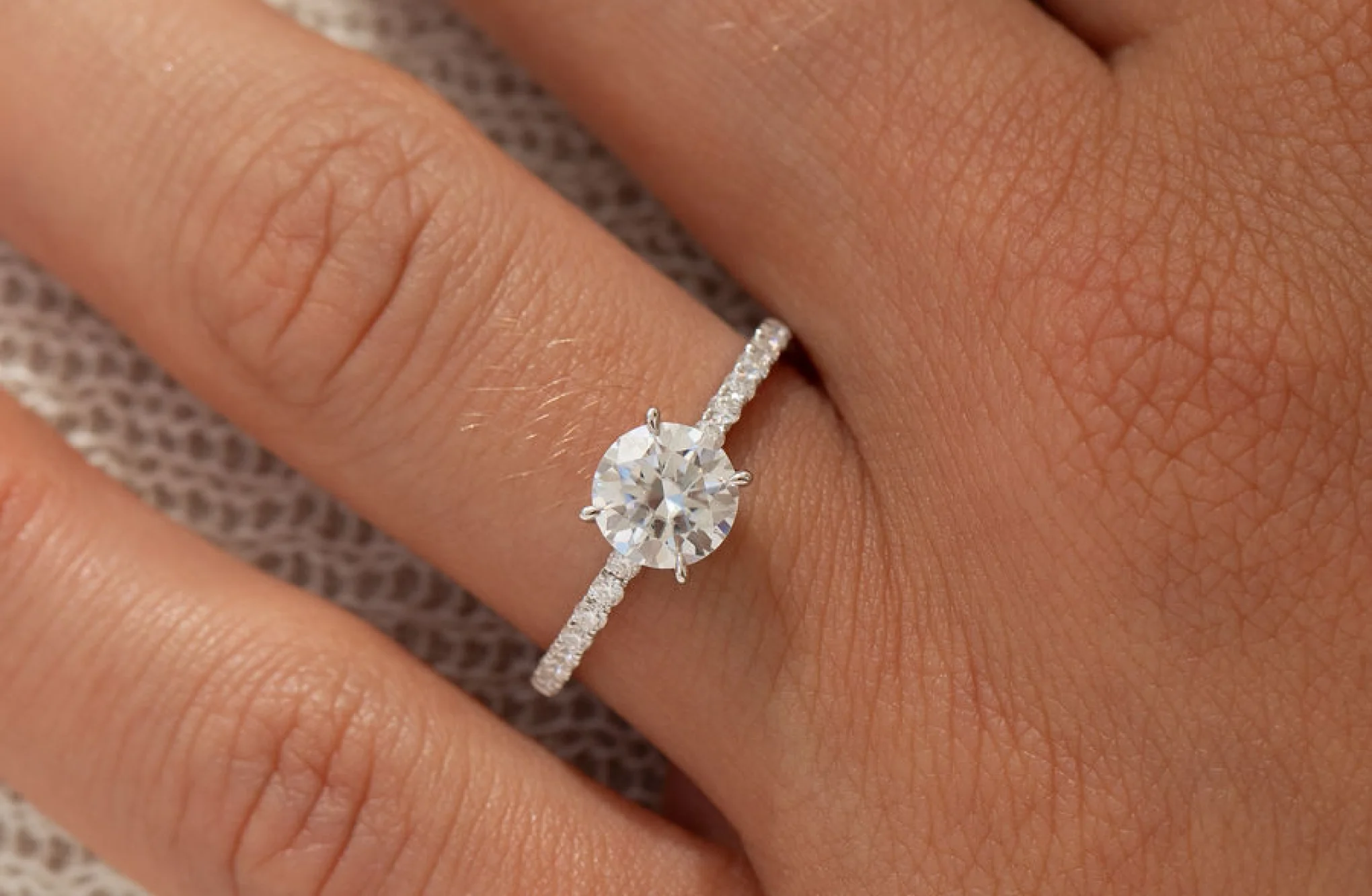
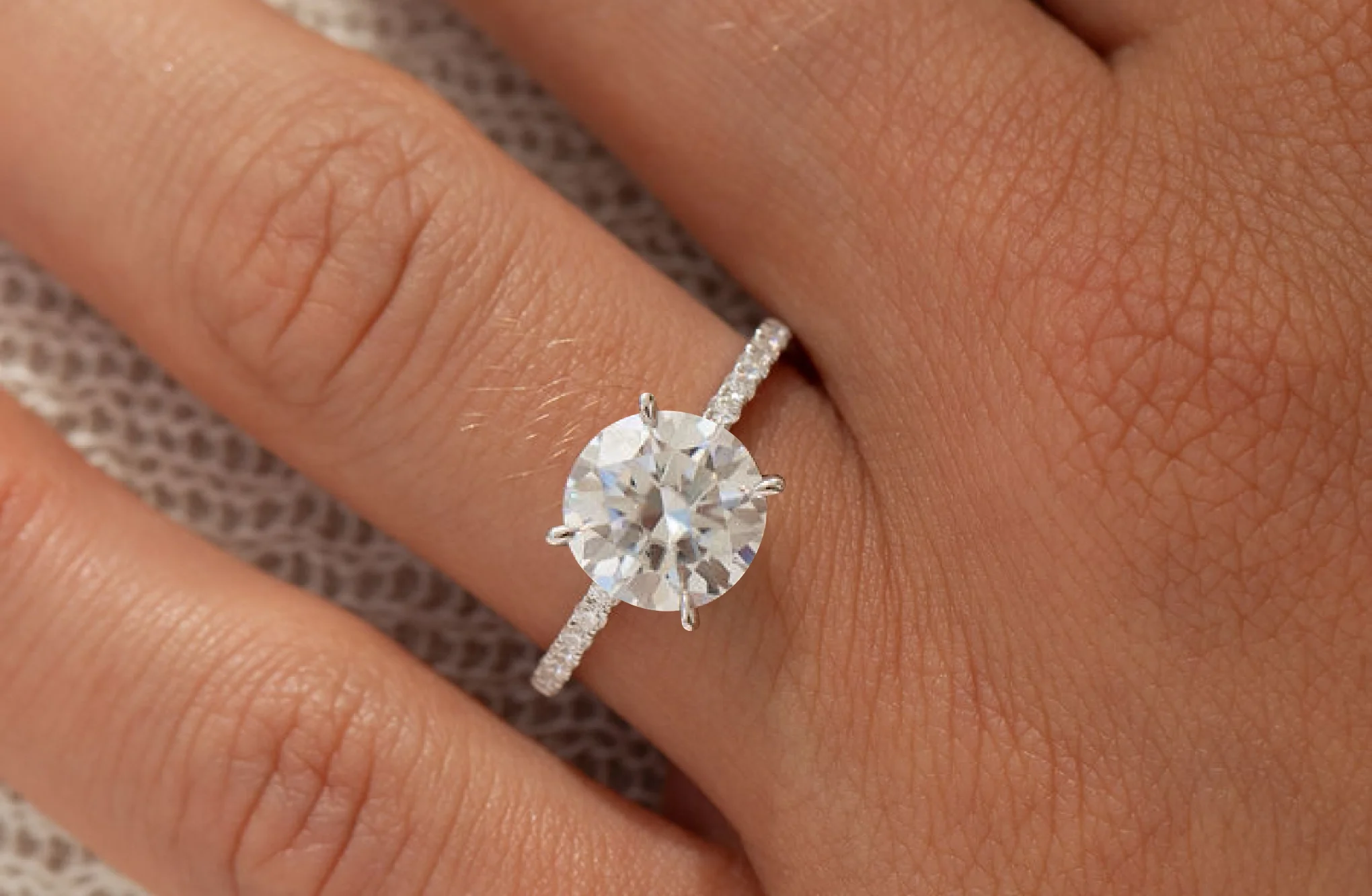
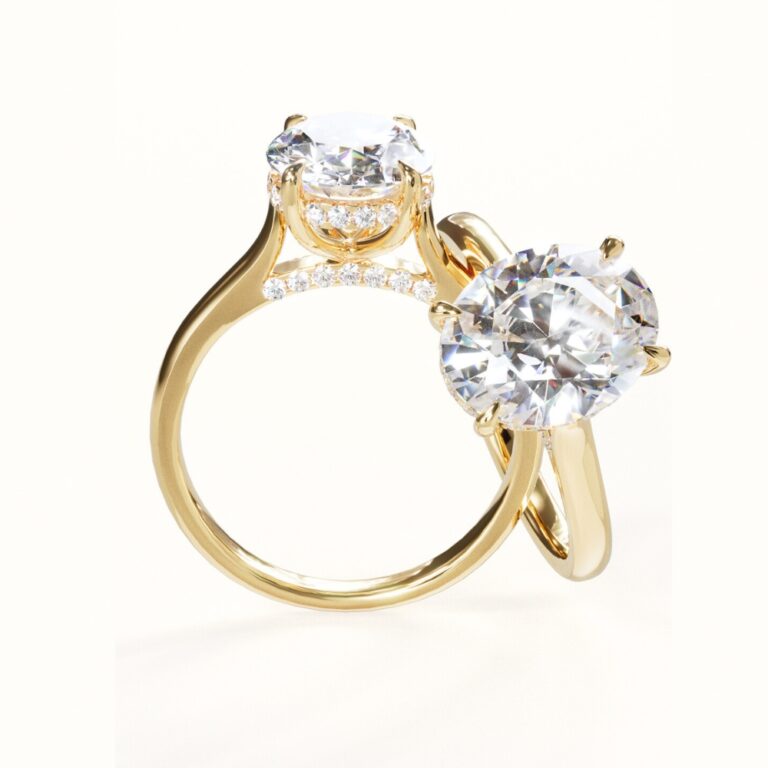
A 1.5-carat brilliant-cut diamond—that is, a round diamond—has a diameter of approximately 7.4 mm, which is a good millimeter more than a 1-carat diamond. The difference is clearly visible to the naked eye. When it comes to color and clarity, G to H and VS2 remain a reliable compromise. Lab-grown diamonds are significantly less expensive than comparable natural diamonds.
All cuts weighing 1.5 caratsRound by carat:1 carat1.5 carats2 carats3 carats
| Stone | Shape | Clarity | Pol. | Sym. | Fluorine. | Laboratory | Dimensions | L/W | Table | Depth | Delivery | Bookmark | ||||
|---|---|---|---|---|---|---|---|---|---|---|---|---|---|---|---|---|
| 360° | Round | 1,51 | E | VVS2 | Very good | EX | EX | None | GIA | 7,28 × 7,32 × 4,57 | 0,99 | 57 % | 62,6 % | 7–9 wt. | 2.110 € | |
 360° | Round | 1,51 | E | SI1 | Very good | EX | EX | None | IGI | 7,17 × 7,20 × 4,65 | 1,00 | 58 % | 64,7 % | 7–9 wt. | 2.070 € | |
 360° | Round | 1,69 | E | VS1 | Very good | VG | EX | None | IGI | 7,61 × 7,63 × 4,77 | 1,00 | 58 % | 62,6 % | 7–9 wt. | 1.390 € | |
 360° | Round | 1,70 | E | VVS2 | Very good | EX | EX | None | IGI | 7,51 × 7,58 × 4,73 | 0,99 | 60 % | 62,7 % | 7–9 wt. | 1.410 € | |
 360° | Round | 1,88 | F | VS1 | Very good | EX | EX | None | IGI | 7,74 × 7,75 × 4,97 | 1,00 | 57 % | 64,2 % | 7–9 wt. | 1.480 € | |
 360° | Round | 1,70 | F | VS2 | Very good | VG | EX | None | IGI | 7,53 × 7,56 × 4,82 | 1,00 | 56 % | 63,8 % | 7–9 wt. | 1.330 € | |
 360° | Round | 1,54 | D | VS2 | Very good | EX | EX | None | GIA | 7,37 × 7,38 × 4,62 | 1,00 | 57 % | 62,6 % | 7–9 wt. | 1.990 € | |
 360° | Round | 1,94 | F | VS1 | Very good | EX | EX | None | IGI | 7,76 × 7,85 × 5,03 | 0,99 | 59 % | 64,4 % | 7–9 wt. | 1.590 € | |
 360° | Round | 1,67 | F | VVS2 | Very good | EX | EX | None | IGI | 7,59 × 7,61 × 4,64 | 1,00 | 56 % | 61,1 % | 7–9 wt. | 1.360 € | |
 360° | Round | 1,88 | F | VS2 | Very good | EX | EX | None | IGI | 7,81 × 7,84 × 4,91 | 1,00 | 54 % | 62,7 % | 7–9 wt. | 1.440 € | |
 360° | Round | 1,51 | D | VVS2 | Very good | EX | EX | None | IGI | 7,35 × 7,39 × 4,35 | 0,99 | 65 % | 59,0 % | 7–9 wt. | 1.810 € | |
 360° | Round | 1,78 | F | VVS2 | Very good | VG | EX | None | IGI | 7,60 × 7,63 × 4,85 | 1,00 | 59 % | 63,7 % | 7–9 wt. | 1.430 € | |
 360° | Round | 1,72 | E | VS1 | Very good | EX | VG | None | IGI | 7,55 × 7,61 × 4,71 | 0,99 | 60 % | 62,0 % | 7–9 wt. | 1.400 € | |
 360° | Round | 1,90 | F | VVS2 | Very good | EX | EX | None | IGI | 7,90 × 7,97 × 4,79 | 0,99 | 62 % | 60,3 % | 7–9 wt. | 1.590 € | |
 360° | Round | 1,89 | F | VS1 | Very good | VG | VG | None | IGI | 7,70 × 7,82 × 4,90 | 0,98 | 58 % | 63,1 % | 7–9 wt. | 1.490 € | |
 360° | Round | 1,76 | F | VVS2 | Very good | EX | EX | None | IGI | 7,57 × 7,62 × 4,86 | 0,99 | 56 % | 64,0 % | 7–9 wt. | 1.410 € | |
 360° | Round | 1,69 | F | VS2 | Very good | VG | VG | None | IGI | 7,54 × 7,59 × 4,70 | 0,99 | 61 % | 62,2 % | 7–9 wt. | 1.320 € | |
 360° | Round | 1,91 | F | VS1 | Very good | EX | VG | None | IGI | 7,76 × 7,83 × 4,91 | 0,99 | 61 % | 63,0 % | 7–9 wt. | 1.570 € | |
 360° | Round | 1,69 | F | VS2 | Very good | EX | EX | None | IGI | 7,44 × 7,47 × 4,78 | 1,00 | 56 % | 64,1 % | 7–9 wt. | 1.320 € | |
 360° | Round | 1,71 | F | VVS2 | Very good | VG | EX | None | IGI | 7,45 × 7,52 × 4,83 | 0,99 | 59 % | 64,6 % | 7–9 wt. | 1.380 € | |
 360° | Round | 1,70 | F | VVS2 | Very good | EX | EX | None | IGI | 7,57 × 7,60 × 4,72 | 1,00 | 59 % | 62,3 % | 7–9 wt. | 1.390 € | |
 360° | Round | 1,92 | E | VS1 | Very good | VG | VG | None | IGI | 7,90 × 7,95 × 4,92 | 0,99 | 59 % | 62,0 % | 7–9 wt. | 1.590 € | |
 360° | Round | 1,50 | E | VVS2 | Very good | EX | EX | None | IGI | 7,23 × 7,36 × 4,57 | 0,98 | 58 % | 62,8 % | 7–9 wt. | 2.320 € | |
 360° | Round | 1,69 | F | VVS2 | Very good | GD | VG | None | IGI | 7,53 × 7,57 × 4,68 | 0,99 | 59 % | 62,1 % | 7–9 wt. | 1.380 € |
1,51 ct Round
E · VVS2
2.110 €
1,51 ct Round
E · SI1
2.070 €
1,69 ct Round
E · VS1
1.390 €
1,70 ct Round
E · VVS2
1.410 €
1,88 ct Round
F · VS1
1.480 €
1,70 ct Round
F · VS2
1.330 €
1,54 ct Round
D · VS2
1.990 €
1,94 ct Round
F · VS1
1.590 €
1,67 ct Round
F · VVS2
1.360 €
1,88 ct Round
F · VS2
1.440 €
1,51 ct Round
D · VVS2
1.810 €
1,78 ct Round
F · VVS2
1.430 €
1,72 ct Round
E · VS1
1.400 €
1,90 ct Round
F · VVS2
1.590 €
1,89 ct Round
F · VS1
1.490 €
1,76 ct Round
F · VVS2
1.410 €
1,69 ct Round
F · VS2
1.320 €
1,91 ct Round
F · VS1
1.570 €
1,69 ct Round
F · VS2
1.320 €
1,71 ct Round
F · VVS2
1.380 €
1,70 ct Round
F · VVS2
1.390 €
1,92 ct Round
E · VS1
1.590 €
1,50 ct Round
E · VVS2
2.320 €
1,69 ct Round
F · VVS2
1.380 €
24 / 7.926 shown
All prices include 19% VAT · 14-day right of withdrawal · Stones are sold individually and may be sold out on short notice.
| Carat | Approx. size (mm) |
|---|---|
| 0.5 ct | approx. 5.1 mm |
| 1 ct | approx. 6.5 mm |
| 1.5 ct | approx. 7.4 mm |
| 2 ct | approx. 8.1 mm |
| 3 ct | approx. 9.3 mm |
Standard length-to-width ratio: 1.00–1.02
For round cuts, the GIA and IGI assign a cut grade ranging from Excellent downward. This grade takes into account proportions, polish, and symmetry, and is the single most important factor in a diamond’s sparkle. Look at this first, then at the rest. Two stones with the same carat weight, color, and clarity can differ significantly based solely on their cut.
The round brilliant cut refracts light more strongly than any other cut, thereby concealing small inclusions. VS2 and, often, SI1 diamonds appear clear to the naked eye as long as the inclusions are not centreed beneath the table. As for colour, a grade of G to H is sufficient to create an impression that is virtually indistinguishable from colourless, especially in white gold or platinum.
One carat equals 0.2 grams; it is therefore a unit of weight, not a unit of size. A round diamond weighing 1 ct measures approximately 6.5 mm in diameter, while a 2 ct diamond measures approximately 8.1 mm. Although the weight doubles, the visible diameter increases by only about a quarter. If you’re looking for visual size, you should also make sure the stone’s depth isn’t too great.
That depends on the color, clarity, cut, and origin. Each stone is listed at its current price, including sales tax. If a “Starting at” price is listed in the page title, it applies to the lowest-priced lab-grown diamond in color D through F, clarity VS2 or better, with Excellent cut, polish, and symmetry. When you sort by “Price: Ascending,” you’ll see the lowest-priced stones first.
Yes. The diameter increases from about 6.5 to about 7.4 mm, which corresponds to about 14 percent more width and a noticeably larger surface area. In a direct comparison, the difference is clearly visible; when worn on its own, however, the difference is more subtle than the increase in weight would suggest.
As the surface area increases, inclusions tend to become more visible. VS2 generally remains free of visible inclusions, while SI1 is acceptable if the inclusions are located on the sides rather than in the center beneath the table. You can find their position in the diagram on the IGI or GIA certificate.
Lab-grown diamonds and natural diamonds are both composed of pure carbon and share the same crystal structure, hardness, and refractive index. The difference lies in their formation: one forms over millions of years in the Earth’s mantle, the other in a matter of weeks in a laboratory. Visually, they are indistinguishable without specialized laboratory equipment. Lab-grown diamonds are significantly less expensive than comparable natural diamonds, which is why, with the same budget, you can often get more carats or a higher clarity grade. Both types come with a laboratory certificate from us; you can look up the report number directly with the laboratory.